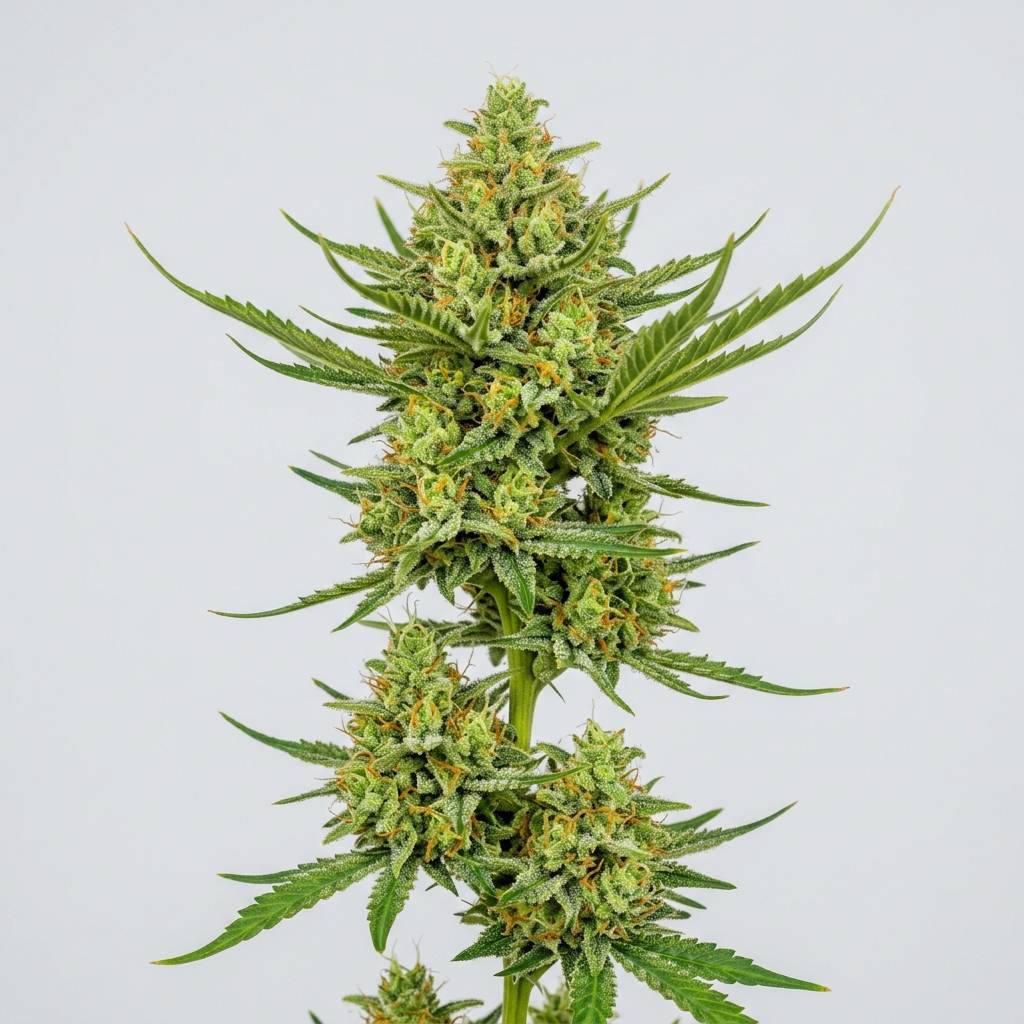
Melonade S1 (Cannabis Strain)
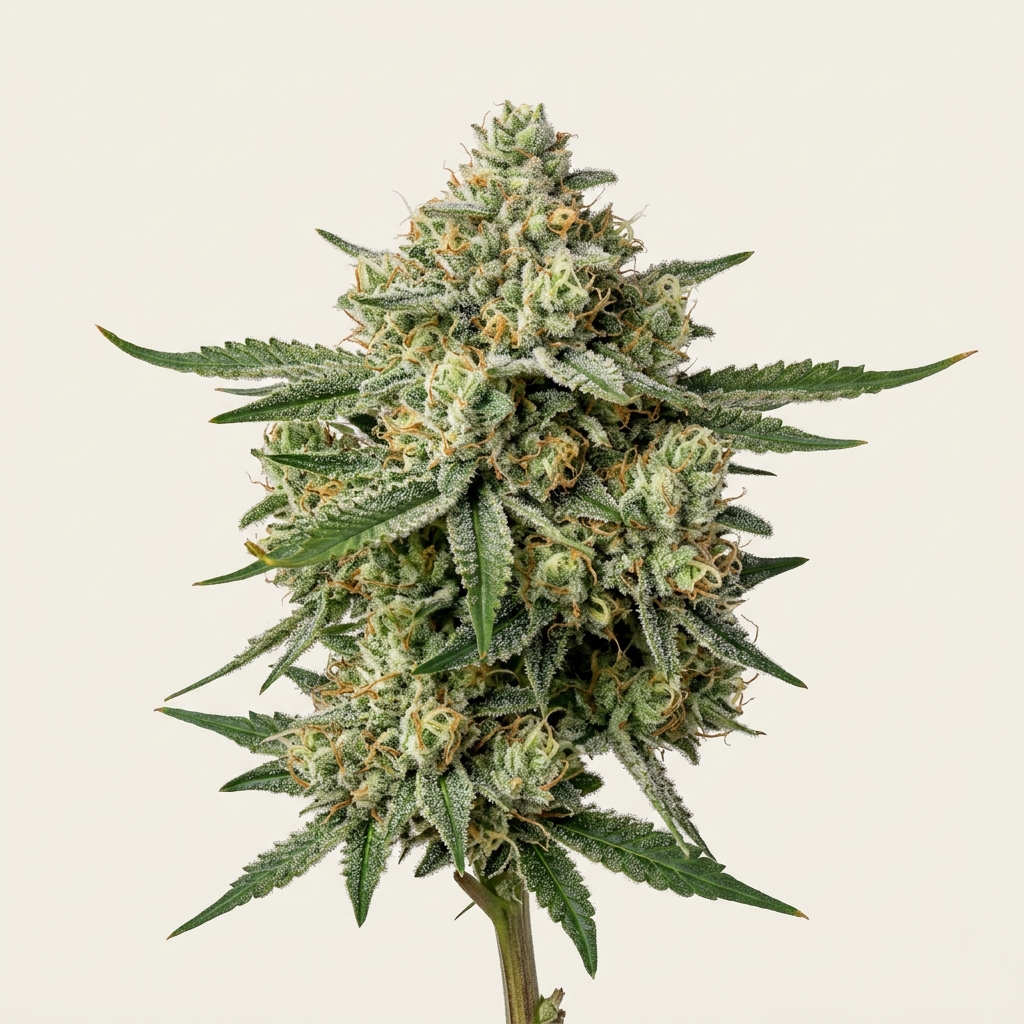
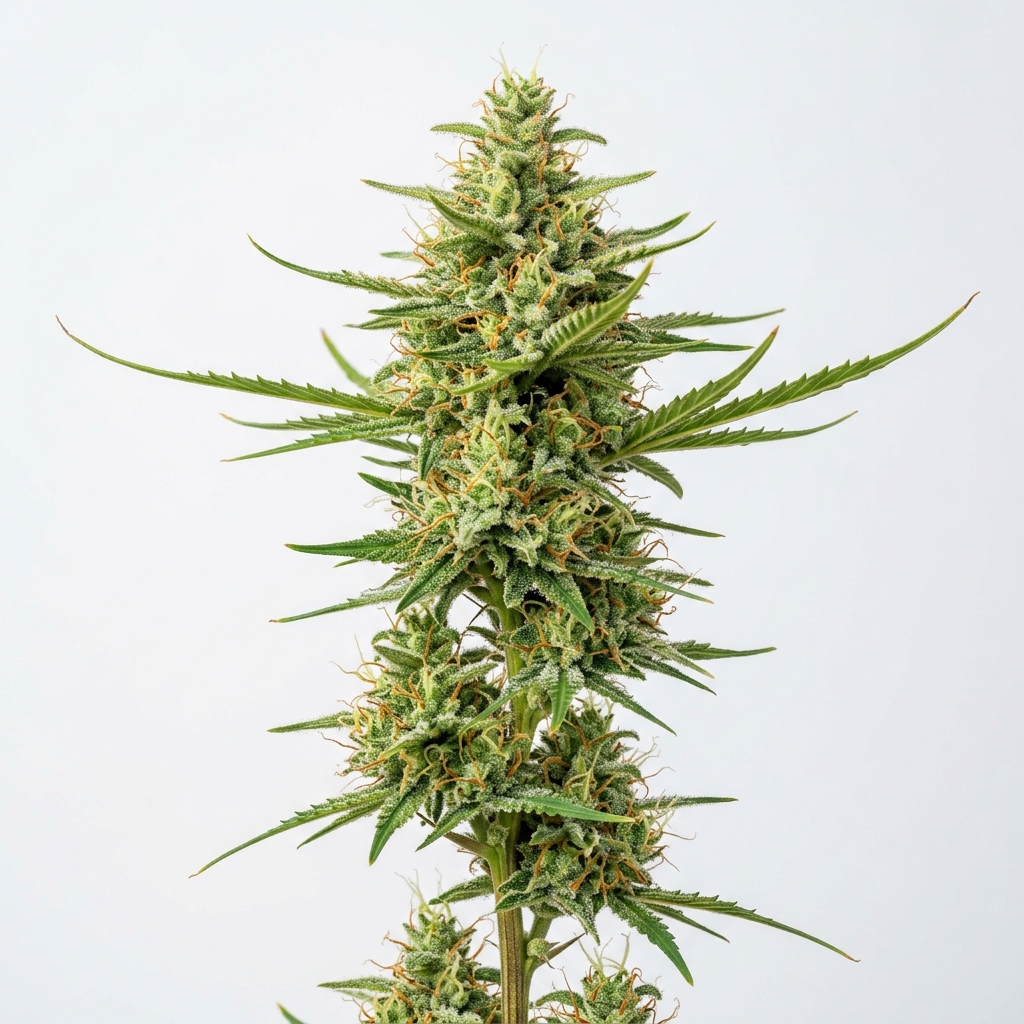
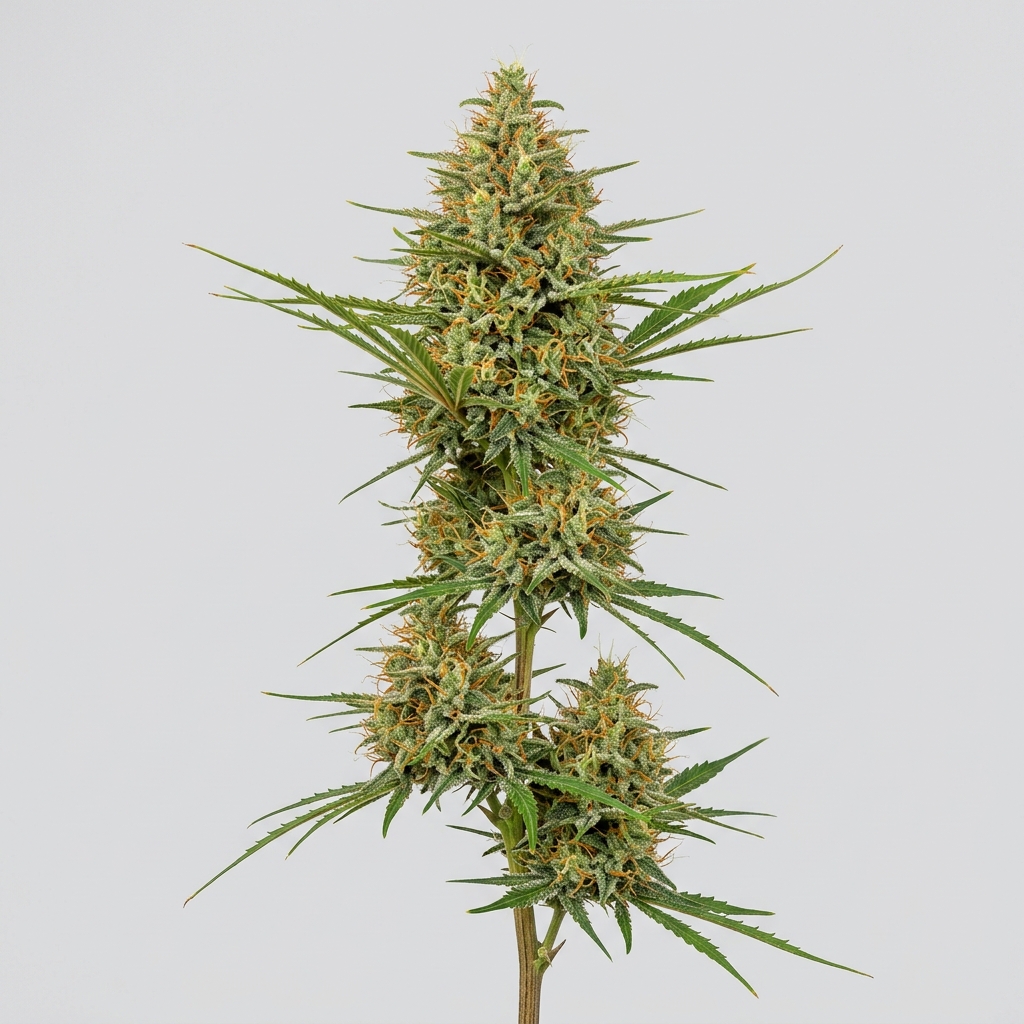
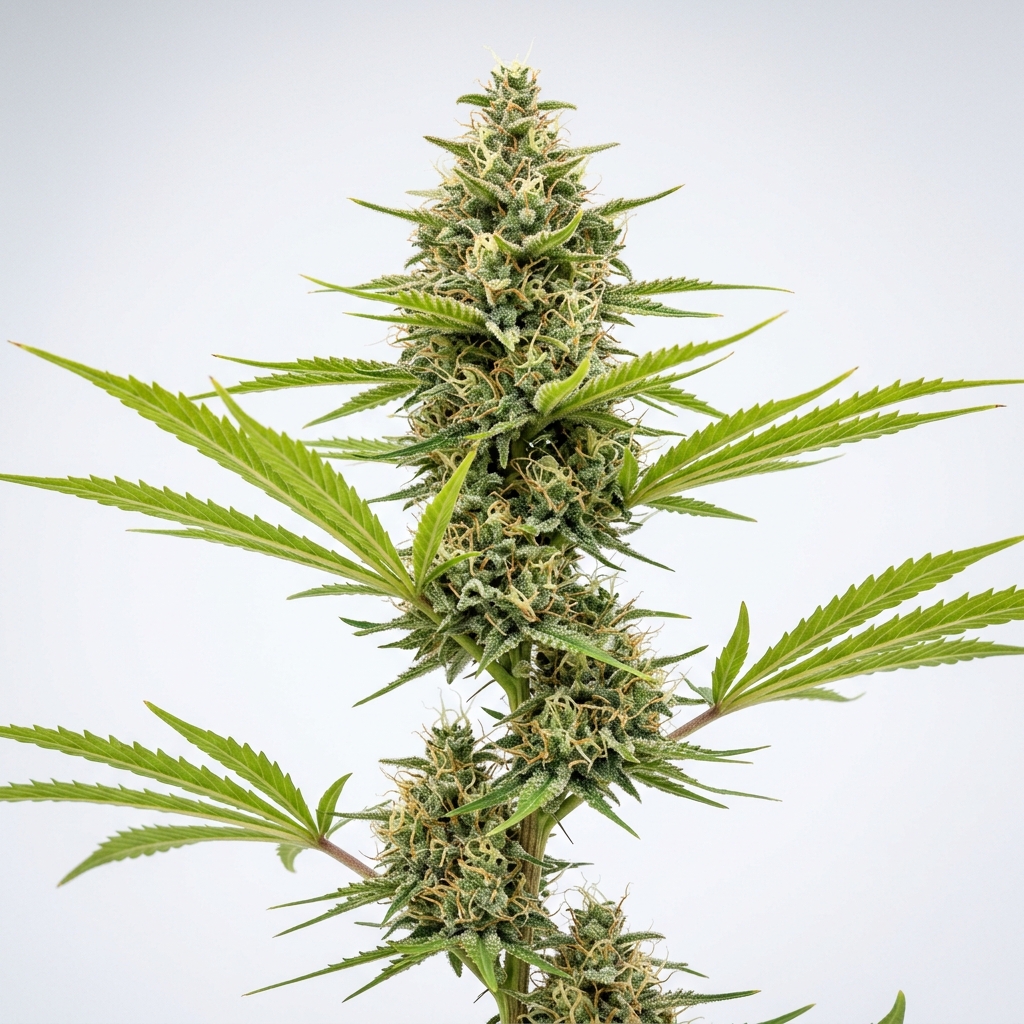
Melonade S1 is a premium sativa-dominant hybrid cultivar testing between 22% and 28% THC, selected by selfing the award-winning Melonade (Lemon Tree × Watermelon Zkittlez). This selection delivers a highly concentrated profile of sweet melon, bright citrus, and sugary candy gas, backed by a thick coating of wet frost. In the garden, it shows a moderate stretch with manageable internodal spacing, producing dense, lime-green spear colas adorned with vibrant orange pistils. Optimized for terpene clarity and resin production, it stands as a premier choice for extractors and flower connoisseurs alike.
The S1 generation stabilizes the most desirable traits of the original parent, locking in the intense fruit profile while improving structural uniformity. Growers appreciate its predictable growth patterns and high calyx-to-leaf ratio, which simplifies the post-harvest process. It offers a clean, daytime-oriented experience that balances sensory stimulation with physical relaxation.
Quick Facts
| Attribute | Details |
|---|---|
| Genetics | Melonade × Melonade (S1) |
| Variety | Sativa-dominant Hybrid |
| THC Range | 22% – 28% |
| Flowering Time | 9 – 10 Weeks |
| Yield Potential | Moderate to High |
| Plant Height | Medium to Tall |
| Climate Preference | Warm, dry, temperate |
| Difficulty | Moderate |
Scientific & Botanical Overview
Botanically, Melonade S1 showcases classic sativa-leaning morphology with a slightly broader leaf structure inherited from its Zkittlez lineage. The plants develop sturdy lateral branches that support heavy, resin-rich flowers without excessive bending when properly supported. Its nodal development is relatively tight for a sativa-dominant variety, allowing for efficient light penetration across the canopy.
The bracts are notably dense and swollen, forming compact spear-shaped colas rather than loose, airy buds. Trichome distribution is exceptionally dense, characterized by capitate-stalked glands that mature into a greasy, resinous layer. This high-density resin coverage protects the volatile monoterpenes beneath a glassy shield.
Anthocyanin expression is minimal under standard conditions, with the cultivar maintaining a vibrant lime-green appearance throughout its lifecycle. However, late-flower temperature drops can coax out subtle pastel-pink hues along the leaf margins and calyx tips. The overall structural integrity makes it highly responsive to canopy management techniques like topping and low-stress training.
Effects & Use-Cases (Reported)
Commonly reported effects: Consumers typically describe a rapid, uplifting mental clarity accompanied by a subtle, warm physical relaxation. The initial onset is clean and energizing, steering clear of heavy physical sedation or mental fog. As the experience matures, a gentle, grounding physical ease settles in, leaving the mind active and the body comfortable.
Use-case context: This balanced profile makes it highly suited for daytime activities, creative projects, and social settings. It is frequently selected by those seeking to maintain productivity while managing daily stressors. The lack of a heavy, sleepy finish ensures it fits seamlessly into morning or afternoon routines.
Please note: Individual tolerance and environmental factors can influence these outcomes, and high-THC cultivars should always be approached mindfully.
Aroma & Flavors
Aroma: A pungent burst of sliced watermelon and sweet honeydew, layered over a sharp lemon zest and a faint, clean diesel finish.
Flavor: The smoke or vapor mirrors the scent, delivering a sugary melon candy taste on the inhale, followed by a tart citrus lift and a smooth, slightly minty herbal exhale.
Terpene associations: Terpinolene, limonene, and caryophyllene drive this vibrant profile, combining to create its signature sweet-and-sour depth.
Tested Cannabinoid & Terpene Ranges
| Compound | Typical Range |
|---|---|
| Δ9-THC | 22.0% – 28.0% |
| CBD | < 1.0% |
| Terpinolene | 0.5% – 0.9% |
| Limonene | 0.4% – 0.7% |
| Beta-Caryophyllene | 0.3% – 0.6% |
| Myrcene | 0.2% – 0.4% |
Note: Cannabinoid and terpene levels are highly variable and depend on specific cultivation practices, environmental conditions, and curing methods.
Cultivation Notes
- Humidity: Maintain vegetative relative humidity around 60%, dropping to 45%-50% by mid-flower, and finishing near 40% to protect the dense colas from moisture retention.
- Nutrition: Responds well to a moderate feeding schedule; avoid over-fertilizing with nitrogen during early flower to prevent leafy bud structures.
- Training: Implement early topping and trellis support to manage the moderate stretch and distribute weight evenly across the lower branches.
- Harvest: Time the harvest based on trichome maturity, looking for a mix of milky and amber heads, typically achieved around day 65 of flowering.
- Phenotype management: S1 variations are relatively uniform, but watch for slight differences in stretch; select phenotypes that exhibit the strongest melon aroma and tightest internodes.
Grower Notes (Week-by-Week Snapshot)
- Weeks 1–3: Plants transition quickly into flower, exhibiting a moderate stretch of up to 50-70% in height. Ensure early trellis netting is in place and perform light defoliation at the base of the canopy to improve airflow.
- Weeks 4–6: Bud sites swell rapidly, forming dense clusters covered in early resin. Maintain a balanced PK nutrient ratio and monitor canopy temperatures to preserve the highly volatile terpene profile.
- Weeks 7–9: Trichome production peaks, creating a wet frost appearance across the calyxes and sugar leaves. Reduce humidity to 40% and flush with clean water during the final 10 days to encourage a clean burn and pure flavor.
- Post-Harvest: Execute a slow dry at 60°F (15°C) and 60% relative humidity for 11 to 14 days. A patient curing process in sealed glass jars or professional curing vessels is essential to lock in the delicate melon and lemon terpenes.
Genetic Lineage
Melonade S1 is the direct result of selfing the renowned Melonade, a hybrid bred by crossing Lemon Tree with Watermelon Zkittlez. By reversing a select cut of Melonade to pollinate itself, breeders stabilized the dominant, highly sought-after traits of the mother plant. This process ensures that the resulting offspring reliably express the intense fruit-forward profile and high resin production of the original award-winning cut.
The lineage combines the sharp, sour citrus power of Lemon Tree with the sweet, tropical candy profile of Watermelon Zkittlez. This genetic synergy results in a robust cultivar that retains the structural strength of its ancestors while elevating the complexity of its terpene output. The S1 generation provides growers with a more consistent, predictable experience than standard hybrid crosses.
Research Insights
Analytical testing of Melonade S1 reveals a terpene profile dominated by terpinolene, a compound relatively uncommon in modern candy-gas hybrids. This terpene, combined with significant levels of limonene and caryophyllene, creates an aromatic synergy that defines the strain’s uplifting character. The interaction between these volatile monoterpenes and the high concentration of Δ9-THC is a subject of interest for researchers studying the modulation of psychoactive effects by non-cannabinoid compounds.
The high density of glandular trichomes on the calyxes suggests a genetic predisposition for elevated lipid and terpene synthesis. This makes the cultivar particularly valuable for studying resin gland development and extraction efficiency. Its stability as an S1 generation also provides a valuable genetic baseline for future breeding projects aiming to introduce stable melon and citrus traits.
Frequently Asked Questions
Is Melonade S1 suitable for outdoor cultivation?
Yes, Melonade S1 can be grown successfully outdoors in warm, dry, and temperate climates. Because of its dense bud structure, it requires protection from late-season rains and high humidity to prevent moisture-related issues.
What is the typical flowering time for Melonade S1?
This cultivar typically completes its flowering cycle in 9 to 10 weeks when grown indoors. Outdoor plants are generally ready for harvest by mid-to-late October in the Northern Hemisphere.
How does the S1 version differ from the original Melonade?
The S1 version is created by selfing the original clone, which stabilizes its key traits. While very similar, the S1 generation offers growers seed access to the elite clone’s traits, with highly consistent terpene profiles and growth habits.
What are the best training methods for this strain?
Melonade S1 responds exceptionally well to topping, low-stress training (LST), and Screen of Green (ScrOG) methods. These techniques help manage its moderate stretch and maximize light exposure to the lower bud sites.
Educational Disclaimer
This article is for educational and informational purposes only. Cannabis laws and regulations vary by jurisdiction. Cultivation should only be undertaken where legally permitted, and consumption should be approached with caution and respect for local laws.
Rate and review this strain
Ratings and reviews are accepted only from signed-in Google accounts.
Sign in with Google to leave a rating and written review.
Latest Reviews
0 reviewsNo reviews yet. Be the first Google user to rate and review this strain.