
Baya Dulce (Cannabis Strain)
Baya Dulce (Spanish for Sweet Berry) is an exotic, dessert-forward indica-dominant hybrid cultivar (approximately 60% indica / 40% sativa) developed by crossing the fruit-and-fuel staple Gushers (Triangle Kush × Gelato #41) with the celebrated Cookies corner-pillar Gelato #33 (Larry Bird cut: Sunset Sherbet × Thin Mint GSC). Formulated to maximize confectionary terpene density and rich anthocyanin pigmentation, Baya Dulce delivers a luxurious sensory experience backed by laboratory-verified cannabinoid potency testing between 24% and 29% Δ9-THC.
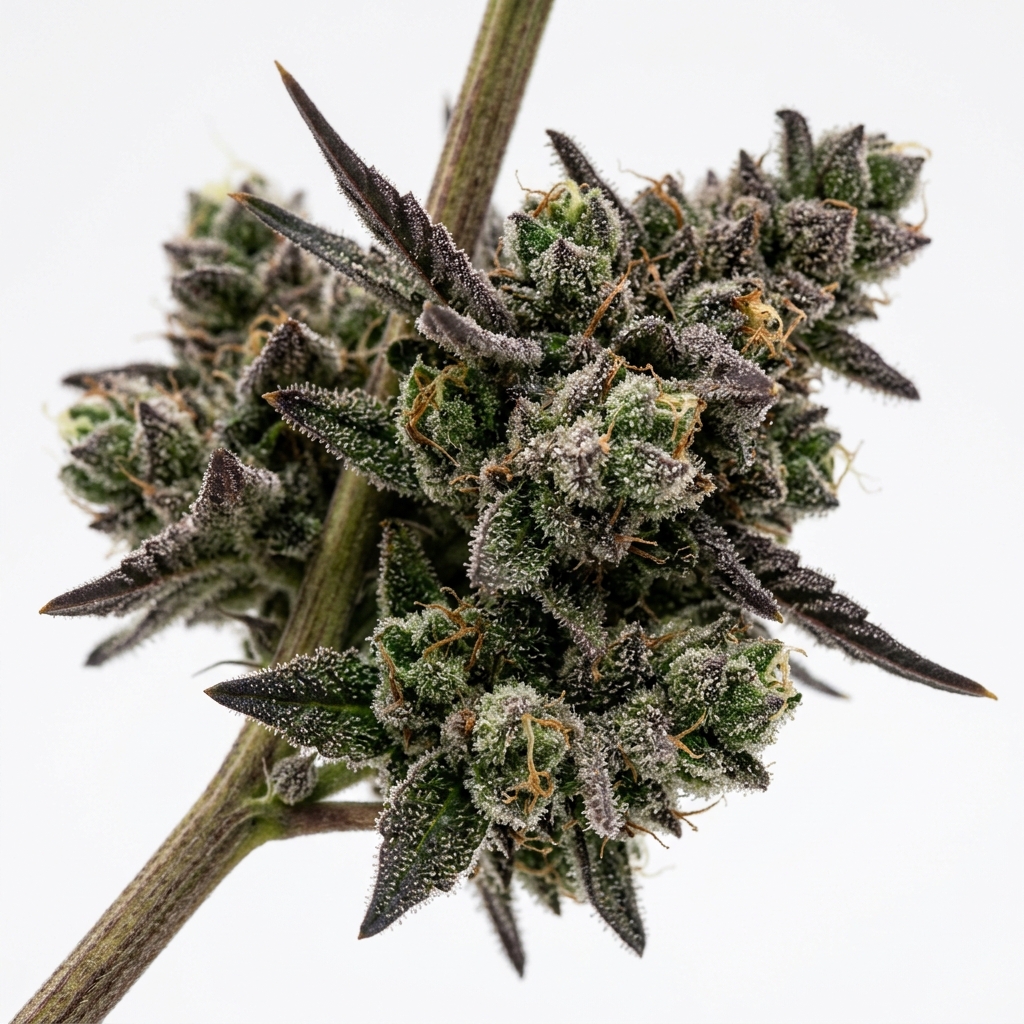
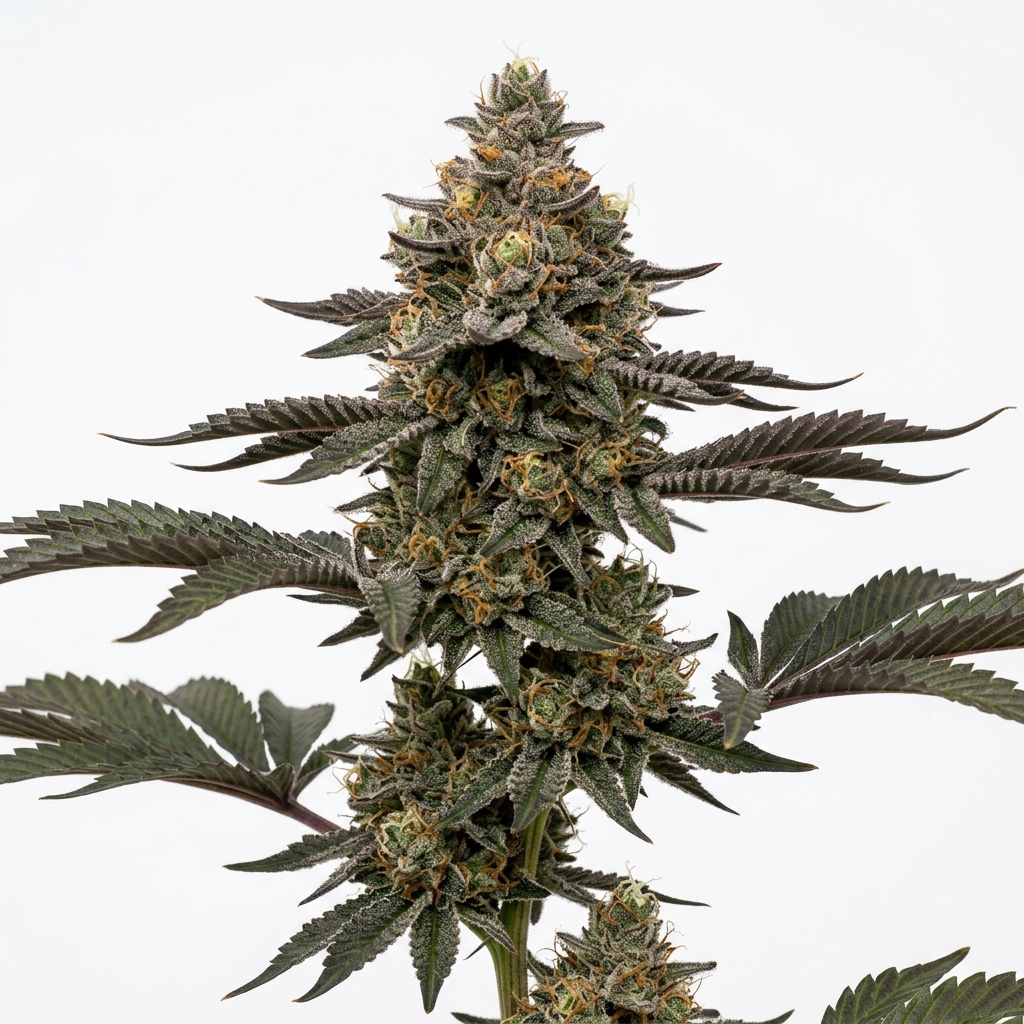
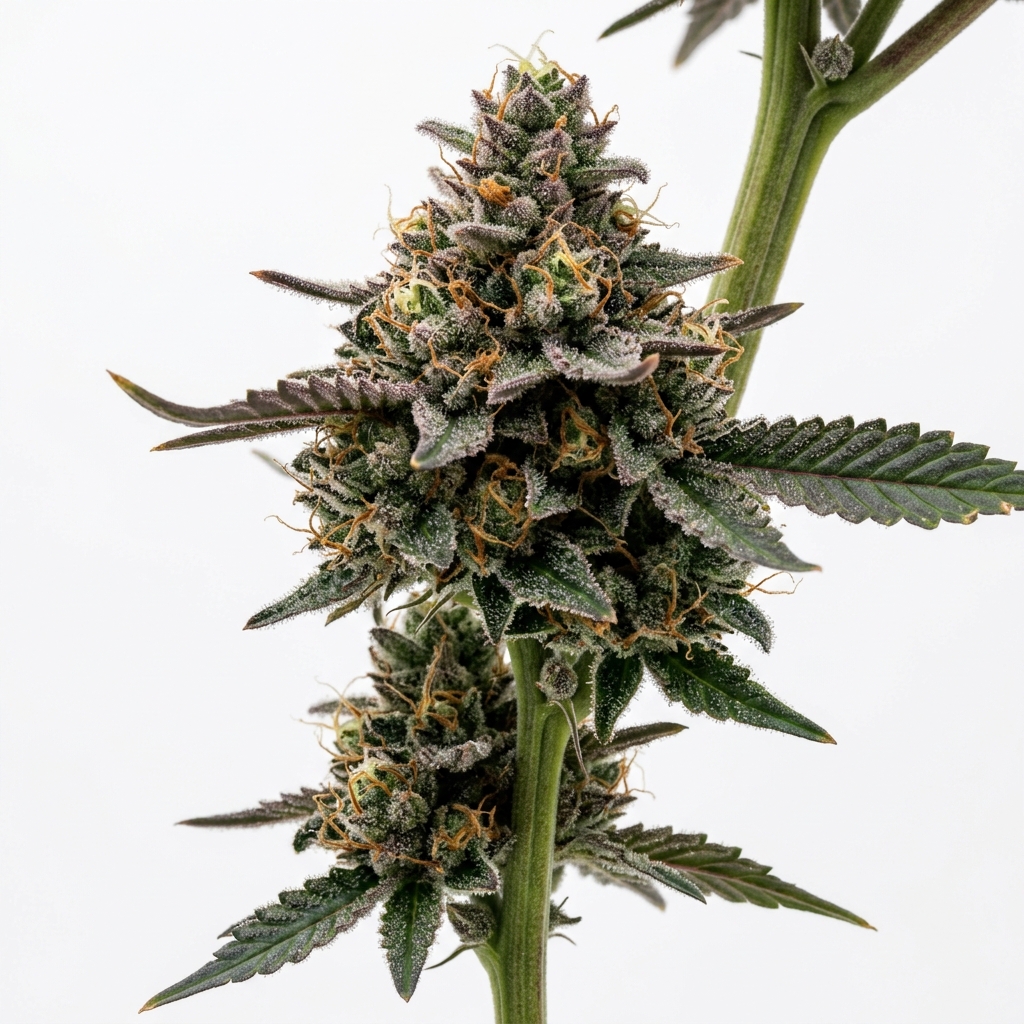
The visual presentation of Baya Dulce is defined by dense, spade-shaped calyx clusters showcasing deep royal purple and midnight-violet hues contrasted by vibrant lime-green accents and fine fiery-copper pistils. A thick, resinous crust of capitate-stalked glandular trichomes completely envelops each floral bract, providing elite bag appeal. Breaking apart cured buds unleashes a loud aromatic blend of sweet macerated berries, candied tropical fruit syrup, creamy vanilla dough, and pungent petroleum fuel. The information below is provided strictly for scientific and botanical reference.
Quick Facts
| Trait | Details |
|---|---|
| Genetics & Breeder Roots | Gushers (Triangle Kush × Gelato #41) × Gelato #33 (Larry Bird Cut) |
| Variety | Indica-dominant Hybrid (approx. 60% Indica / 40% Sativa) |
| THC Range | 24.0% – 29.0% Δ9-THC |
| Flowering Time | 8 – 9 Weeks (56 – 63 Days indoor photoperiod) |
| Yield Potential | 450 – 550 g/m² indoor / up to 600 g/plant outdoor |
| Plant Height | Medium (100–140 cm; controlled 1.25x–1.5x stretch post-flip) |
| Climate Preference | Climate-controlled indoor rooms / Low-humidity climates (Late Bloom VPD: 1.3–1.6 kPa) |
| Difficulty | Intermediate (Requires selective defoliation and disciplined late-bloom humidity control) |
Scientific & Botanical Overview
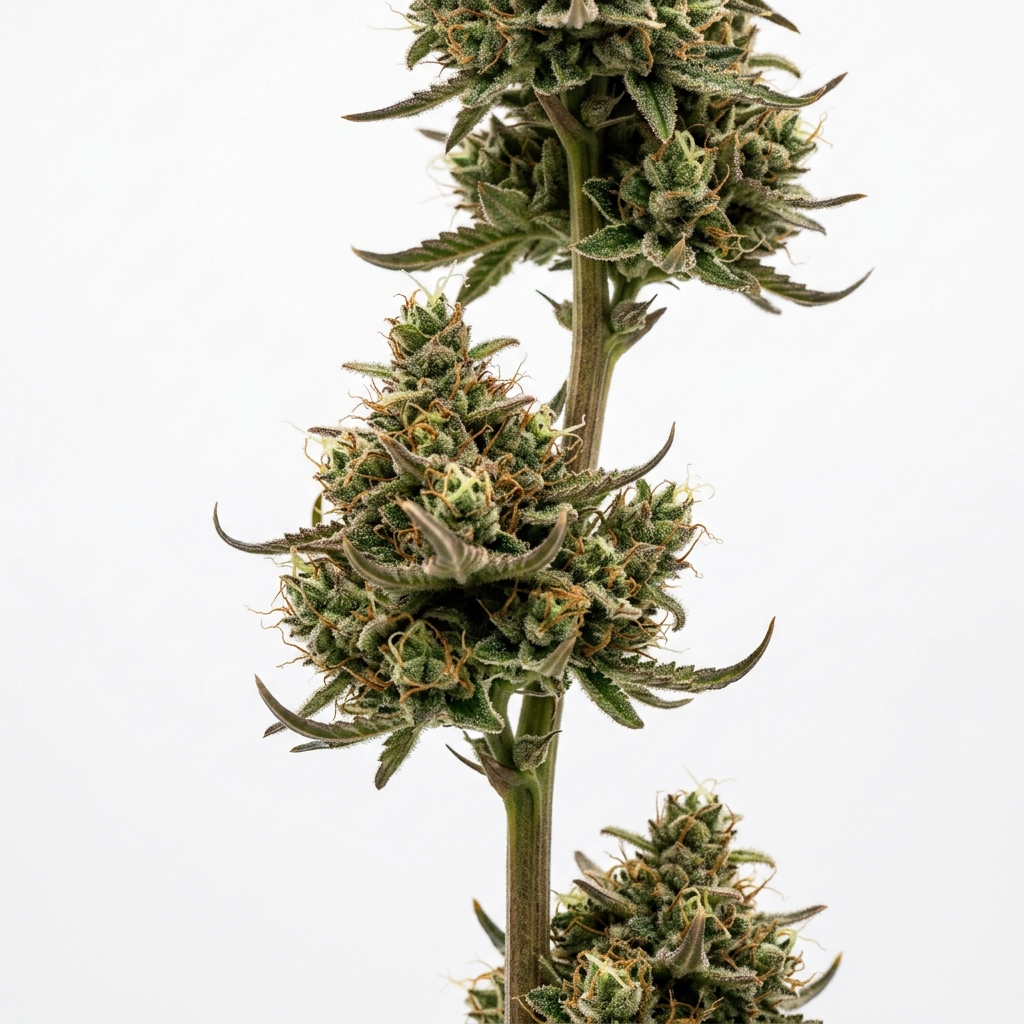
Botanically, Baya Dulce displays a stout, balanced hybrid morphology featuring thick structural stalks, moderate internodal spacing, and broad, dark-green fan leaves that turn deep purple during late vegetative and early bloom stages. When shifted to a 12/12 photoperiod, the cultivar exhibits a controlled 1.25x to 1.5x vertical stretch, directing its primary metabolic energy into compact floral cluster development.
The floral architecture produces rock-solid, spade-shaped colas with a high bract-to-leaf ratio that streamlines the harvest trimming process. Exposing the canopy to cooler night temperatures (60°F–65°F / 15.5°C–18°C) during weeks 7 to 9 accelerates the synthesis of anthocyanin pigments, giving the finished flowers deep violet and plum coloration.
Resin production is extensive, characterized by dense coverage of capitate-stalked glandular trichomes with durable cuticular heads concentrated heavily in the 73µ–120µ micron bracket. This head stability ensures superior agitation resistance during solventless ice water hash washing, resulting in high-yielding live rosin runs rich in fruit monoterpenes and pastry sesquiterpenes.
Effects & Use-Cases (Reported)
Commonly reported effects: An initial surge of euphoric mood elevation, conversational ease, and sensory brightness, transitioning smoothly into a deeply relaxing, full-body somatic calm without instant incapacitation.
Use-case context: Well-suited for late afternoon and evening sessions, creative decompression, social dining, listening to music, and relieving daily mental and physical stress.
Please note: Individual physiological responses vary. Because potency can reach 29% Δ9-THC, newer consumers should titrate dosage slowly to maintain functional clarity.
Aroma & Flavors
Aroma: Sweet macerated berries, candied grapes, and creamy fruit pastry layered against a pungent base of petroleum diesel, damp earth, and peppery spice.
Flavor: The smoke coats the palate in sweet berry candy, citrus cream, and vanilla cookie dough on the inhale, finishing with an exhale of sharp gas, pine resin, and cracked black pepper.
Terpene associations: The chemotype is driven primarily by beta-caryophyllene, d-limonene, and linalool, with supporting concentrations of myrcene and humulene.
Tested Cannabinoid & Terpene Ranges
| Compound | Typical Range |
|---|---|
| Δ9-THC | 24.0% – 29.0% |
| CBD | < 0.2% |
| CBG | 0.6% – 1.3% |
| Beta-Caryophyllene | 0.6% – 1.1% |
| d-Limonene | 0.5% – 0.9% |
| Linalool | 0.3% – 0.6% |
| Myrcene | 0.2% – 0.5% |
Note: Cannabinoid and terpene profiles are highly variable and depend heavily on specific phenotype selection, cultivation techniques, and curing conditions.
Cultivation Notes
- Topping and Training: Top at the 4th or 5th node in late vegetative growth to create a broad multi-topped canopy. Employ Low-Stress Training (LST) and a single- or dual-layer trellis grid to evenly distribute light across all primary flower sites.
- Humidity and VPD Control: Target a vegetative VPD of 0.8–1.0 kPa (60%–65% RH). In late bloom (weeks 6–9), lower relative humidity strictly to 40%–45% (VPD 1.3–1.6 kPa) to safeguard dense floral colas from botrytis and internal mold.
- Nutrient Regimen: Moderate-to-heavy feeder. Run vegetative EC at 1.4–1.7 mS/cm and bloom EC at 1.9–2.3 mS/cm, supplying consistent Calcium-Magnesium and bioavailable phosphorus/potassium from bloom week 3 through week 7.
- Harvest Timing: Target harvest around day 58–63 when trichome gland heads turn 90% milky white with 5%–10% amber conversion for peak terpene richness and balanced physical depth.
- Drying and Curing: Hang full plants in a dark room maintained at 60°F (15.5°C) and 55%–60% RH for 12 to 14 days. Cure in airtight glass jars or sealed curing bins for 4 to 6 weeks to preserve volatile monoterpenes.
Grower Notes (Week-by-Week Snapshot)
- Weeks 1–3 (The Stretch): Moderate 1.25x–1.5x vertical expansion. Tuck lateral shoots under trellis netting and perform an aggressive lower-third canopy defoliation (lollipoping) on Day 21.
- Weeks 4–6 (Flower Development): Dense floral clusters stack tightly along nodes with rapid trichome frost accumulation. A strong aroma of candied berries, sweet fruit syrup, and chemical fuel fills the room. Maintain PPFD between 900–1050 µmol/m²/s.
- Weeks 7–9+ (Swelling and Ripening): Calyxes swell into rock-hard nugs and express rich purple coloration under cooler night temps. Reduce humidity below 45% and complete the final substrate flush.
Genetic Lineage
Baya Dulce unites two of the most influential modern dessert breeding lines:
Gushers (Triangle Kush × Gelato #41) supplies dense calyx structure, heavy glandular trichome head volume, rich chemical fuel funk, and soothing somatic physical relaxation.
Gelato #33 (Larry Bird cut: Sunset Sherbet × Thin Mint GSC) provides sweet berry confectionery aromatics, vibrant anthocyanin purple coloration, smooth floral notes, and balanced euphoric elevation.
Research Insights
Baya Dulce demonstrates a potent entourage mechanism driven by the co-dominance of beta-caryophyllene, d-limonene, and linalool acting alongside high Δ9-THC levels (24%–29%). Beta-caryophyllene selectively engages peripheral CB2 receptors to relieve physical bodily tension, while limonene and linalool interact with monoaminergic pathways to promote elevated mood and stress reduction without mental fog.
The secondary presence of CBG (0.6%–1.3%) enhances total active cannabinoid (TAC) depth, contributing to a smooth, functional hybrid experience free of rapid sedative crashes.
Frequently Asked Questions
Is Baya Dulce a sativa or indica?
Baya Dulce is an indica-dominant hybrid (approx. 60% indica / 40% sativa), offering bright mental euphoria accompanied by full-body somatic relaxation.
What does Baya Dulce taste like?
It tastes of sweet candied berries, tropical fruit nectar, and vanilla cookie dough on the inhale, followed by a pungent petrol fuel, pine, and peppery spice finish on the exhale.
What are the parent strains of Baya Dulce?
Baya Dulce is bred from a cross of Gushers (Triangle Kush × Gelato #41) and Gelato #33 (Sunset Sherbet × Thin Mint GSC).
How long does Baya Dulce take to flower?
Indoor flowering typically completes in 8 to 9 weeks (56 to 63 days) under a standard 12/12 photoperiod.
Educational Disclaimer
This article is for educational and informational purposes only. Cannabis laws and regulations vary by jurisdiction. Cultivation and consumption should only be undertaken in compliance with local laws.
Rate and review this strain
Ratings and reviews are accepted only from signed-in Google accounts.
Sign in with Google to leave a rating and written review.
Latest Reviews
0 reviewsNo reviews yet. Be the first Google user to rate and review this strain.
Follow New Cultivar Records
Get newly documented genetics, breeder history, research highlights, and important Strainpedia discoveries by email.