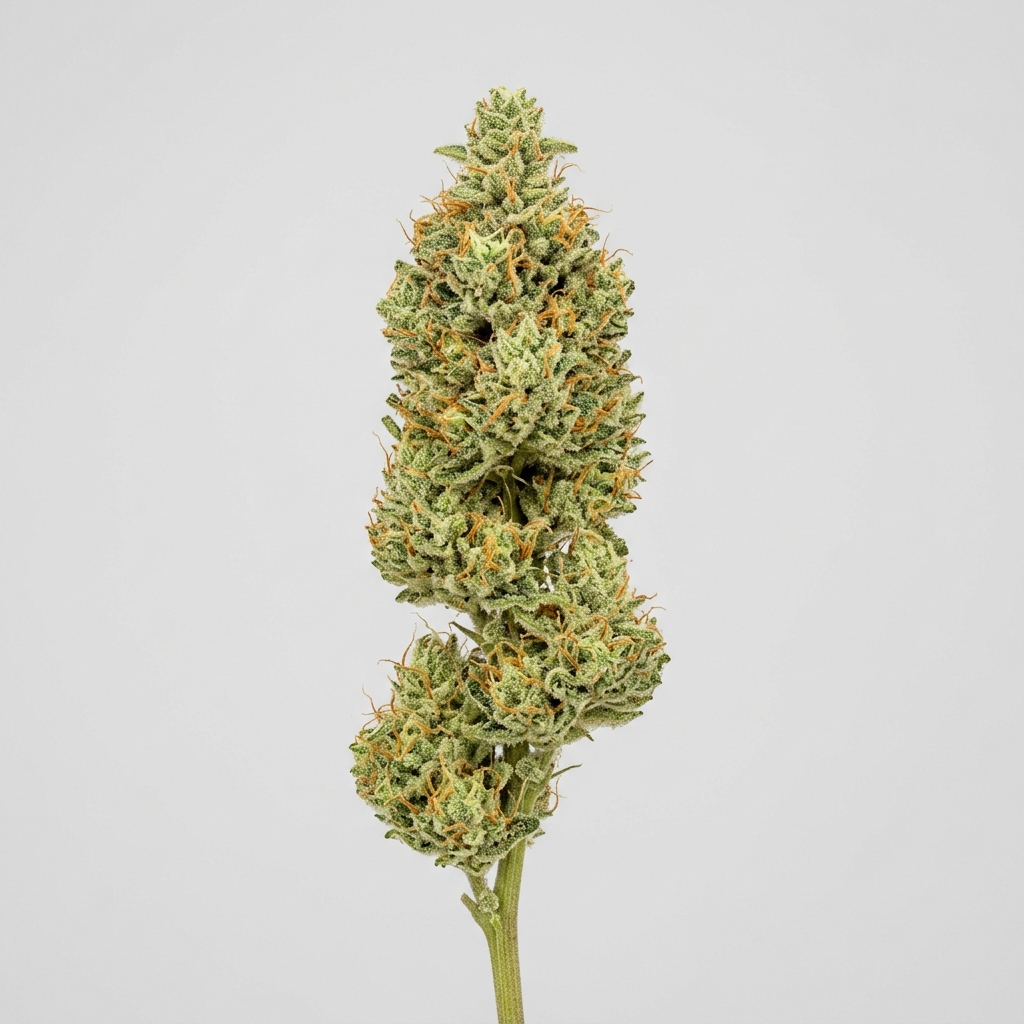
Banana Split (Cannabis Strain)
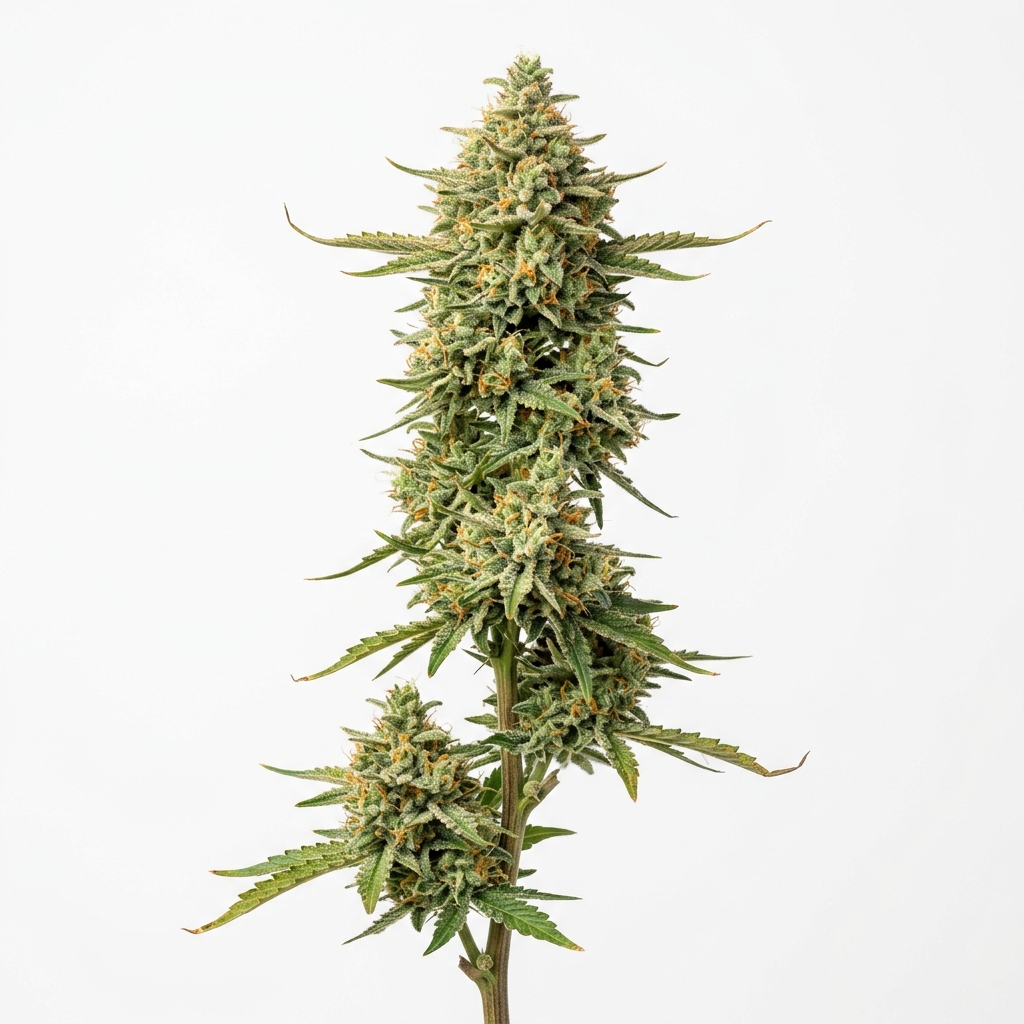
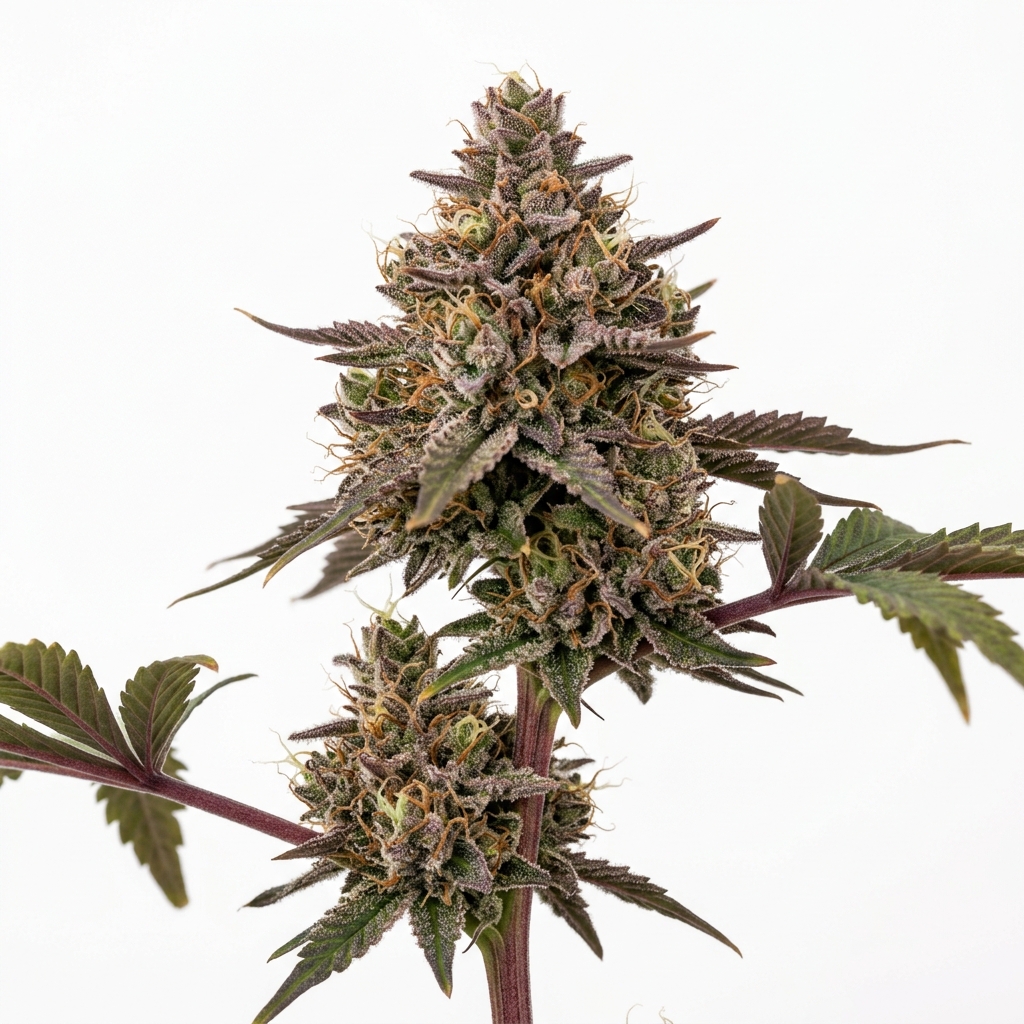
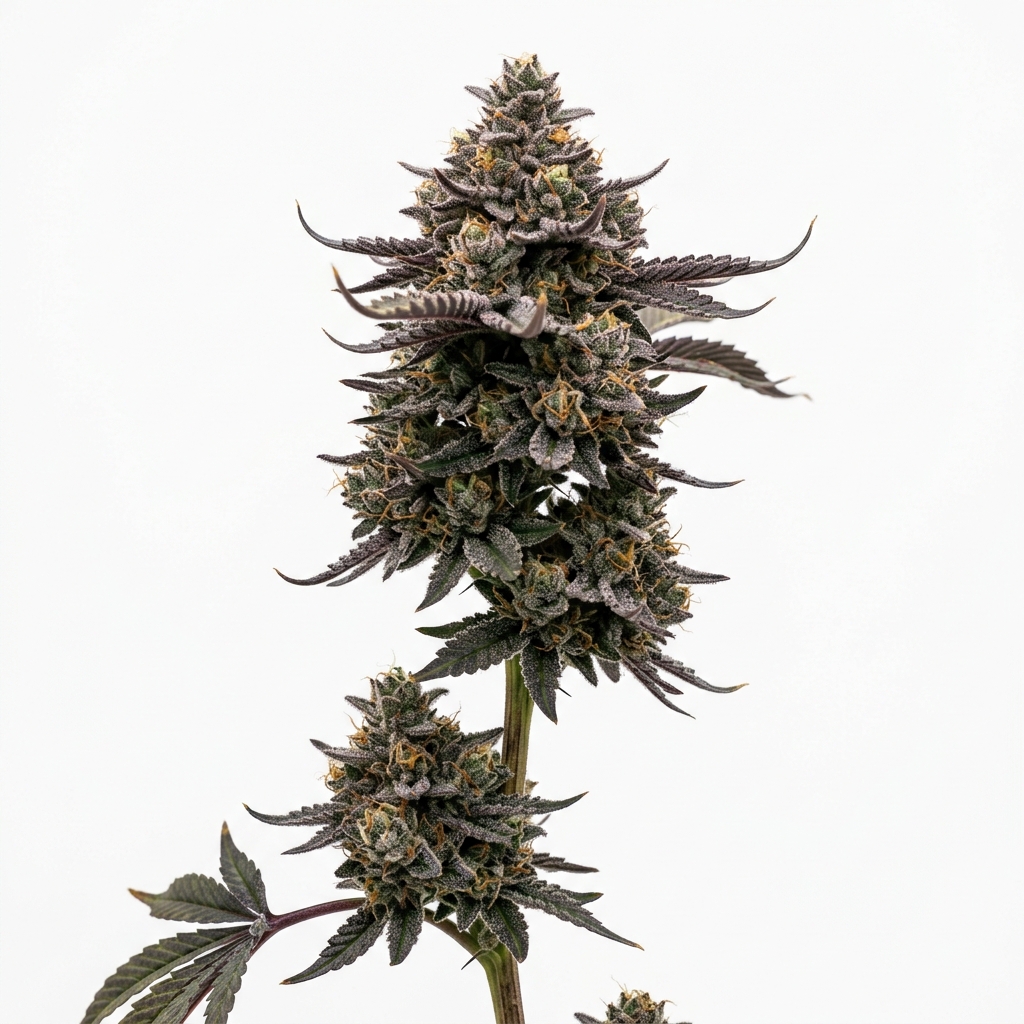
Banana Split is a sativa-dominant hybrid, typically testing between 18% and 25% THC, created by crossing Banana Sherbet with the citrus-forward Tangie. This cultivar is recognized for its unique combination of sweet banana cream and sharp, tropical citrus aromas, supported by a light, glassy resin coverage over bright green, spear-shaped colas. Highly favored by cultivators for its vigorous vegetative growth and predictable stretch, Banana Split offers an uplifting, clear-headed experience that transitions into a calm, functional finish.
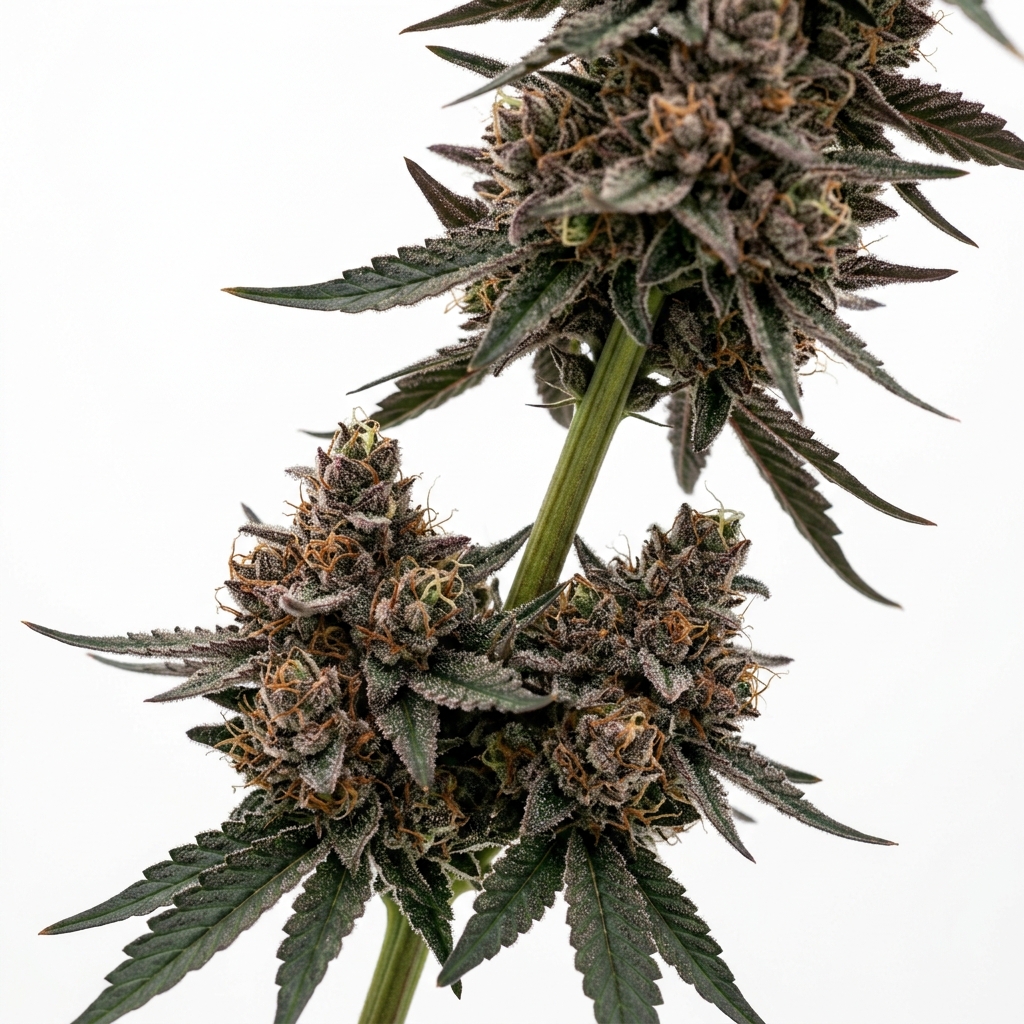
Bred by Crockett Family Farms, the strain showcases the classic sweet profile of its parentage while retaining a more manageable structure than pure sativa varieties. Its flowers dry to a vibrant light green with thick clusters of orange pistils, making it a visually striking choice for both boutique growers and extraction artists seeking clean, fruit-forward terpene yields.
Quick Facts
| Fact | Details |
|---|---|
| Genetics | Banana Sherbet × Tangie |
| Variety | Sativa-dominant hybrid (approx. 60/40) |
| THC Range | 18% – 25% |
| Flowering Time | 8 – 9 weeks (56 – 63 days) |
| Yield Potential | Moderate to high |
| Plant Height | Medium to tall (moderate stretch) |
| Climate Preference | Temperate, low humidity late flower |
| Difficulty | Moderate |
Scientific & Botanical Overview
Botanically, Banana Split displays a hybrid morphology that leans slightly sativa, characterized by moderately spaced internodes and thin-fingered fan leaves. The plant shows a strong lateral branching habit when topped early, allowing light to penetrate the lower canopy effectively. Its calyx-to-leaf ratio is relatively high, which simplifies the hand-trimming process after harvest.
During the mid-to-late flowering phase, the cultivar develops elongated, spear-shaped colas that swell significantly under intense light. The trichome distribution is dense but focused, producing medium-sized capitate-stalked glands that hold a high concentration of monoterpenes. Unlike some delicate tropical sativas, its stems remain sturdy enough to support the weight of its mature buds without excessive trellising.
Phenotypic variations are relatively stable, with most selections leaning toward either the sweet, doughy cream of the Banana Sherbet parent or the sharp, terpene-rich citrus of the Tangie. Cultivators generally prefer the balanced phenotype, which presents a distinct fruit-salad aroma and a uniform flowering time of roughly nine weeks.
Effects & Use-Cases (Reported)
Commonly reported effects: Users frequently report a rapid onset of cerebral clarity, characterized by enhanced focus, gentle physical energy, and an uplifting mood lift. As the initial stimulation plateaus, a soft, relaxing physical sensation emerges without causing heavy sedation or lethargy.
Use-case context: This balanced, functional profile makes the strain well-suited for daytime activities, creative projects, or social settings where mental alertness is desired. It is often integrated into morning or afternoon routines by those seeking to manage daily stressors while maintaining productivity.
Note: Individual tolerance and specific phenotype variations can influence the intensity of these effects, and high doses may lead to minor sensory overstimulation in sensitive individuals.
Aroma & Flavors
Aroma: The initial scent is dominated by a sweet, overripe banana aroma, which is quickly followed by a sharp, zesty citrus lift reminiscent of fresh tangerine peels. Undertones of light cream and a subtle, earthy herbal base round out the complex olfactory profile.
Flavor: On the palate, the strain delivers a smooth, dessert-like smoke characterized by a sweet banana dough flavor on the inhale, transitioning to a tart, mouth-watering citrus finish on the exhale.
Terpene associations: The sensory experience of this cultivar is primarily driven by limonene, which provides the sharp citrus notes, alongside myrcene for its soft herbal depth, and caryophyllene, adding a faint touch of warm spice.
Tested Cannabinoid & Terpene Ranges
| Compound | Typical Range |
|---|---|
| Δ9-THC | 18.0% – 25.0% |
| CBD | < 0.5% |
| Limonene | 0.3% – 0.8% |
| Myrcene | 0.2% – 0.6% |
| Caryophyllene | 0.1% – 0.4% |
| Linalool | < 0.2% |
Note: Cannabinoid and terpene levels are highly dependent on specific phenotypes, cultivation methods, lighting spectrums, and post-harvest curing techniques.
Cultivation Notes
- Humidity control: Maintain relative humidity (RH) below 50% during the final three weeks of flowering to prevent moisture retention in the dense, spear-shaped colas.
- Nutrient requirements: This cultivar responds well to a moderate nitrogen regimen during vegetation, requiring a smooth transition to phosphorus- and potassium-rich feeds by week three of flower.
- Training techniques: Topping early in the vegetative cycle encourages a multi-topped canopy, maximizing the yield of the primary colas.
- Airflow management: Ensure consistent canopy airflow with oscillating fans to keep the microclimate dry and uniform around the lower bud sites.
- Phenotype selection: Look for mother plants that exhibit tight internodal spacing and a distinct citrus-banana aroma during early vegetative stem rubs.
Grower Notes (Week-by-Week Snapshot)
- Weeks 1–3 (Transition & Stretch): Expect a moderate stretch of up to 150% once the light cycle is switched to 12/12. Early tucking or low-stress training (LST) should be applied during this phase to establish an even canopy height.
- Weeks 4–6 (Bud Development & Resin): The first signs of glassy resin appear on the sugar leaves as the flowers begin to stack. Ensure lower fan leaves are selectively defoliated to improve light penetration to the secondary bud sites.
- Weeks 7–9 (Ripening & Flush): Bud swelling accelerates, and the terpene profile intensifies with a strong, sweet banana aroma. Flush the medium with plain water for the final 10 to 14 days, monitoring trichomes until they transition from clear to mostly milky with a few amber heads.
- Post-Harvest (Dry & Cure): Hang the whole plant to dry at 60°F (15°C) and 60% relative humidity for 11 to 14 days. A slow dry preserves the delicate monoterpenes, followed by a minimum of three weeks curing in airtight glass vessels.
Genetic Lineage
Banana Split is a carefully stabilized hybrid resulting from the cross of Banana Sherbet and Tangie. The maternal parent, Banana Sherbet, contributes a creamy, dessert-like sweetness and a relaxing physical undertone that grounds the hybrid’s growth habits.
The paternal influence comes from Tangie, a legendary sativa-dominant cultivar famed for its intense tangerine aroma and energetic, uplifting effects. This pairing successfully infuses the sweet, heavy resin of the Sherbet line with the bright, electric citrus profile and vigorous growth traits of the Tangie lineage.
Research Insights
Analytical testing of Banana Split reveals a terpene profile dominated by monoterpenes, with a notable synergy between high concentrations of limonene and beta-myrcene. This specific chemical combination is hypothesized to modulate the absorption of THC, facilitating a clear-headed, uplifting cognitive state without the physical heaviness associated with high-myrcene indica strains.
The breeding of this cultivar highlights the utility of crossing high-resin dessert strains with high-terpene sativa selections to create balanced, commercial-friendly hybrids. Researchers and breeders study this lineage to understand how complex fruit esters and citrus monoterpenes persist through various extraction processes, particularly in solventless concentrate production.
Frequently Asked Questions
Is Banana Split easy to grow for beginners?
Banana Split is considered a moderate-difficulty strain. While it possesses a resilient growth structure and predictable stretch, its susceptibility to high humidity in late flower requires careful climate control and basic canopy management skills.
What does Banana Split smell like?
The strain features a distinct blend of sweet, creamy banana dough integrated with a sharp, vibrant citrus aroma reminiscent of fresh tangerines.
Does this strain stretch a lot during flowering?
Yes, it shows a moderate to high stretch of about 100% to 150% when transitioned to flower. Early training, such as topping or using a SCROG net, is recommended to manage canopy height indoors.
What are the primary terpenes in Banana Split?
The dominant terpenes are typically limonene, myrcene, and caryophyllene, which together create its sweet, citrusy, and slightly herbal profile.
Educational Disclaimer
This profile is for educational and informational purposes only. Cultivation must comply with local laws and regulations. Cannabinoid profiles vary by phenotype and growth environment.
Rate and review this strain
Ratings and reviews are accepted only from signed-in Google accounts.
Sign in with Google to leave a rating and written review.
Latest Reviews
0 reviewsNo reviews yet. Be the first Google user to rate and review this strain.
Follow New Cultivar Records
Get newly documented genetics, breeder history, research highlights, and important Strainpedia discoveries by email.