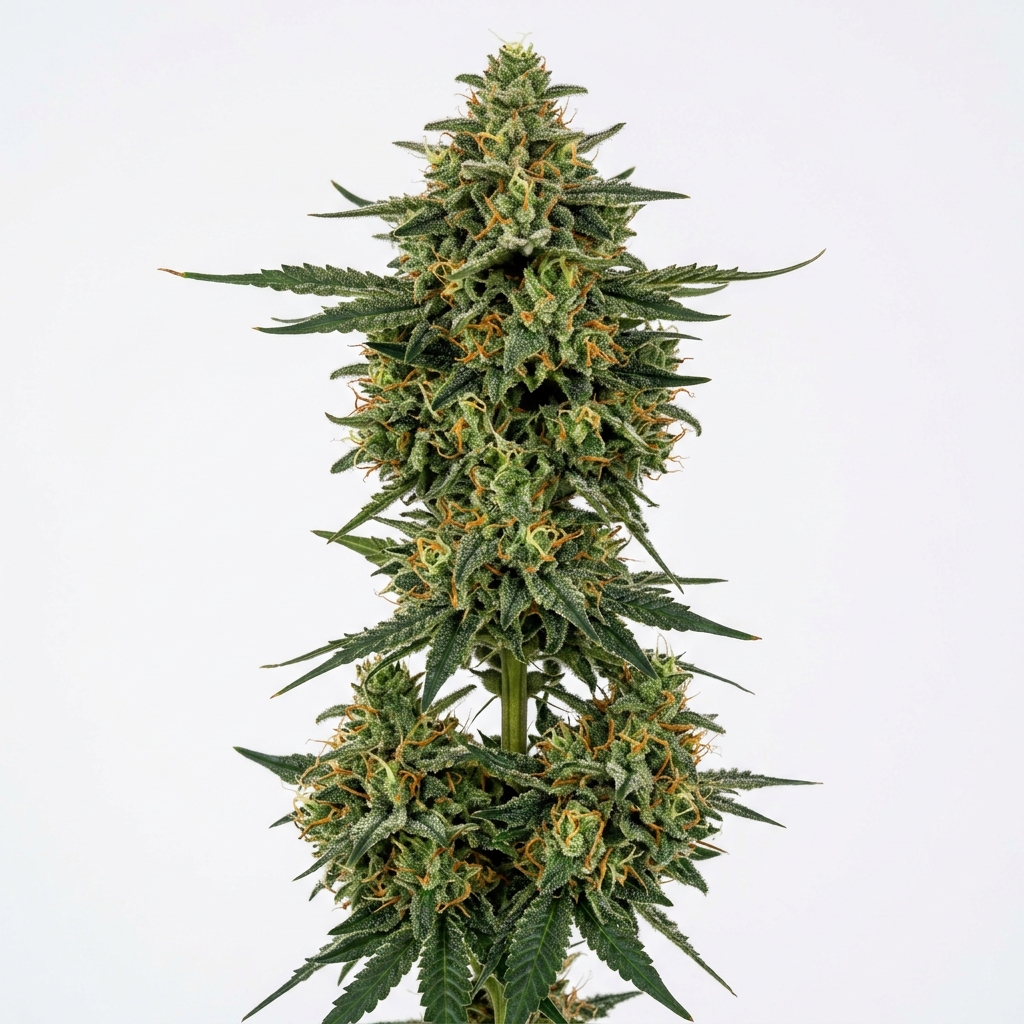
Appalachia (Cannabis Strain)
The Appalachia cultivar is a foundational hybrid testing between 18% and 24% THC, originally created by crossing the energetic sativa-cut Green Crack with the potent, fuel-heavy Tres Dawg. This cultivar is highly regarded for its distinctive terpene profile of sharp pine, earthy diesel, and bright citrus undertones, alongside its greasy resin production and spear-shaped colas. Known for its moderate, controlled stretch and open-branching growth behavior, Appalachia offers a balanced daytime sensory profile that has made it a legendary breeding block in modern cannabis genetics.
While pure cuts of this strain remain elusive in the commercial market today, its genetic legacy persists through celebrated offspring like Tiger’s Milk and Sunshine Daydream. Cultivators prize the strain for its resilient structure and the clarity of its terpene expression, which shines brightest when grown in organic soil and subjected to a patient, slow dry.
Quick Facts
| Attribute | Details |
|---|---|
| Genetics | Green Crack × Tres Dawg |
| Variety | Sativa-dominant Hybrid |
| THC Range | 18% – 24% |
| Flowering Time | 9 weeks (approx. 60–65 days) |
| Yield Potential | Moderate to High |
| Plant Height | Medium to Tall |
| Climate Preference | Temperate, dry climates |
| Difficulty | Moderate |
Scientific & Botanical Overview
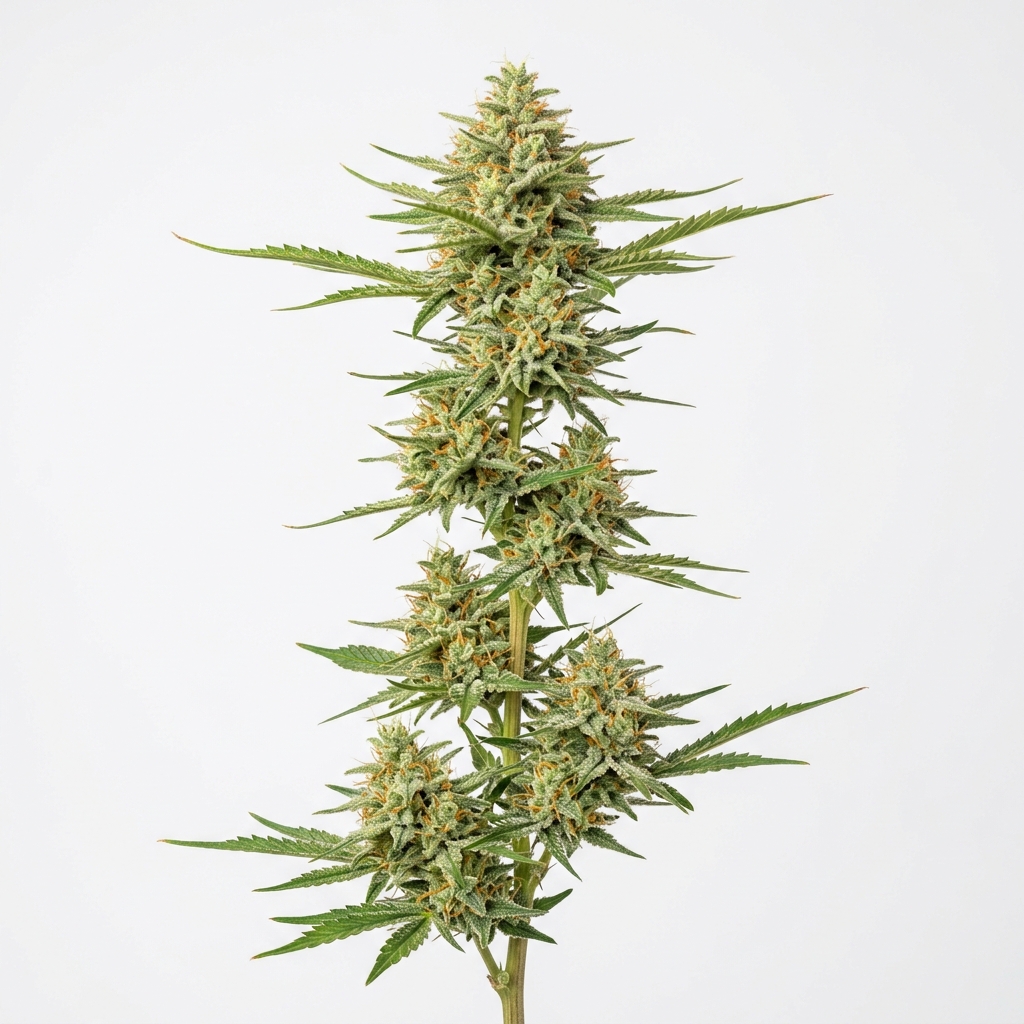
Appalachia shows a classic hybrid morphology, characterized by broad fan leaves that thin out noticeably as the plant transitions into its generative phase. The internodal spacing is moderately wide, which allows for excellent light penetration and natural airflow through the lower canopy. This open architecture makes it highly adaptable to both indoor and outdoor cultivation systems.
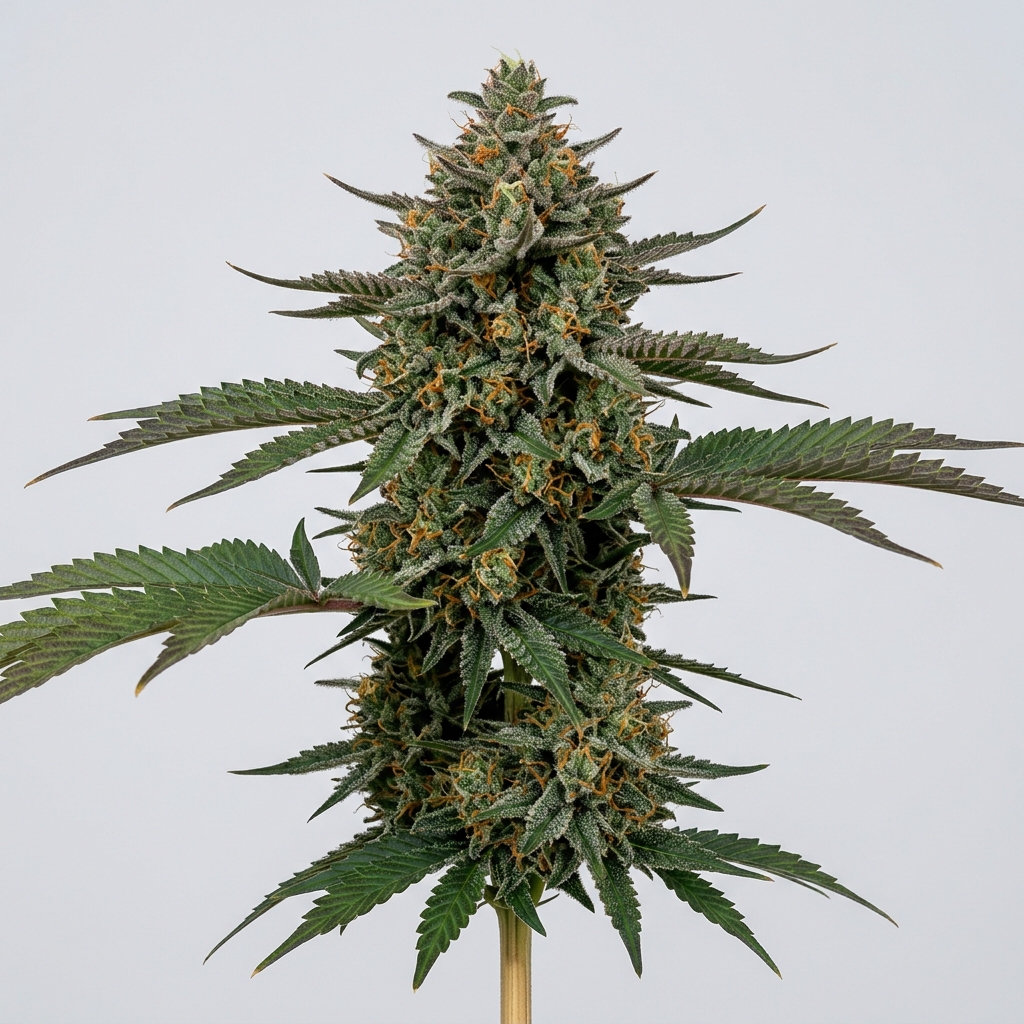
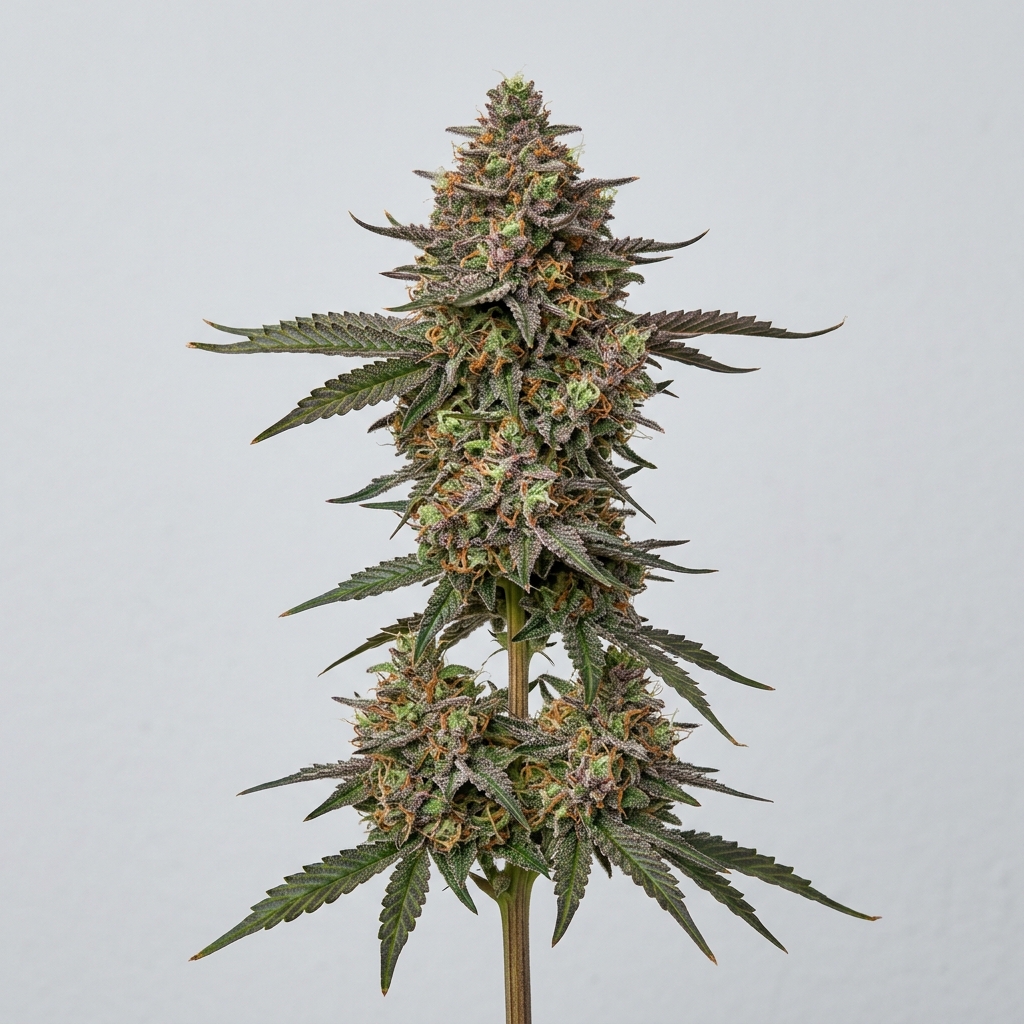
The bracts are dense but not overly compact, forming elongated, spear-shaped colas that resist moisture retention in late flower. Trichome development is dense and greasy rather than dry and sandy, with a high concentration of capitate-stalked glands covering the calyxes. The resin remains glassy and highly aromatic throughout the final stages of maturity.
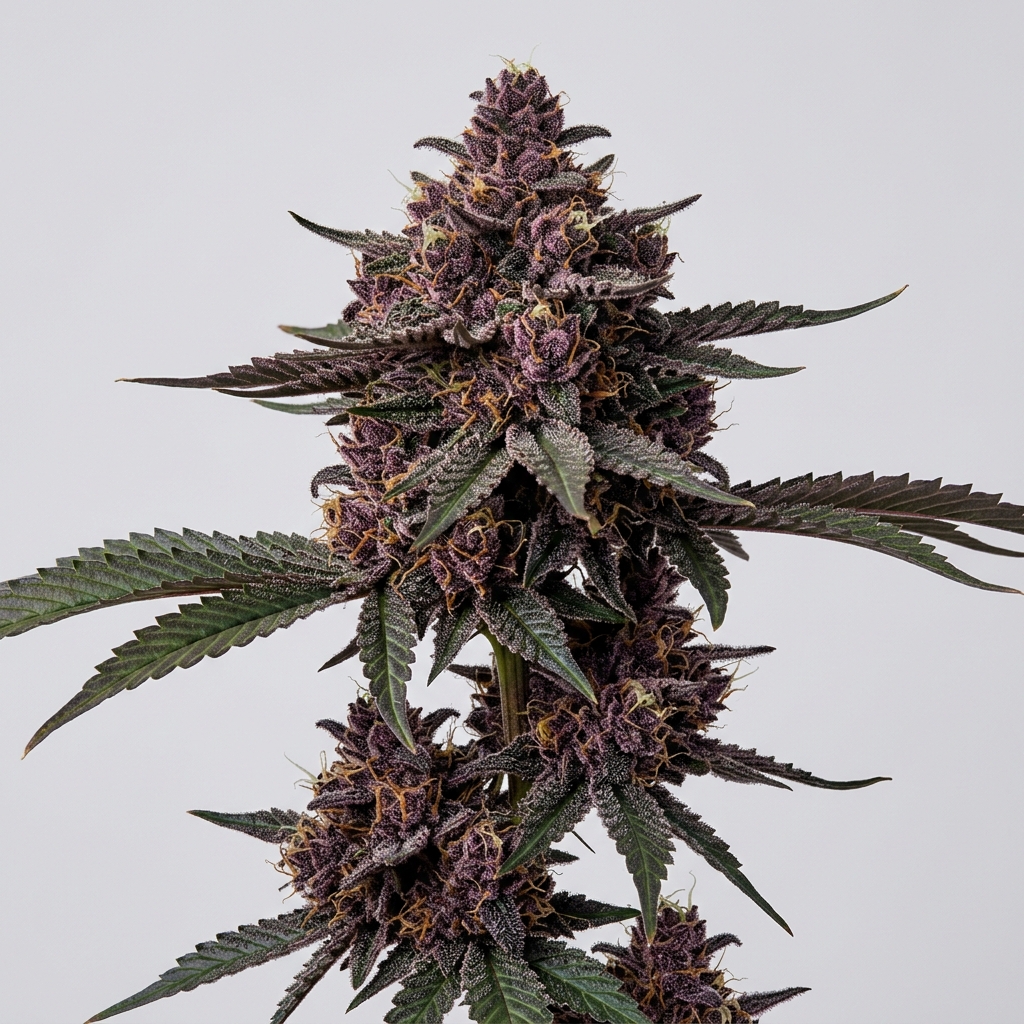
Anthocyanin expression is rare in this cultivar, with the foliage and mature buds maintaining a vibrant forest-green color accented by bright orange pistils. The plant responds exceptionally well to low-stress training (LST) and topping, which helps manage its upward stretch. Its root system is notably vigorous, establishing quickly in organic media.
Effects & Use-Cases (Reported)
Commonly reported effects: A clear-headed, uplifting mental energy accompanied by a gentle, grounding physical relaxation. Users frequently note an immediate sense of focus and creative stimulation without the racing thoughts sometimes associated with pure sativas.
Use-case context: This cultivar is highly suited for daytime activities, creative projects, or social settings where mental clarity is desired. The physical calming effect provides a steady anchor, making it a versatile choice for afternoon use.
Note: Individual experiences may vary depending on tolerance, dosage, and specific phenotype chemistry.
Aroma & Flavors
Aroma: A pungent mix of damp earth, sharp pine needles, and a chemical sourness reminiscent of its Chem-family heritage.
Flavor: The smoke delivers a tart gas flavor on the inhale, followed by a woody, herbal finish with subtle hints of sweet lemon peel.
Terpene associations: High levels of myrcene, caryophyllene, and limonene drive this complex aromatic profile.
Tested Cannabinoid & Terpene Ranges
| Compound | Typical Range |
|---|---|
| Δ9-THC | 18.0% – 24.0% |
| CBD | < 1.0% |
| CBG | 0.5% – 1.5% |
| β-Myrcene | 0.4% – 1.2% |
| β-Caryophyllene | 0.3% – 0.8% |
| d-Limonene | 0.2% – 0.6% |
Range note: Cannabinoid and terpene levels are highly variable and depend on cultivation methods, curing practices, and the specific phenotype grown.
Cultivation Notes
- Humidity management: Maintain relative humidity around 55% during early bloom, dropping to 40–45% in late-flower to protect the dense spear colas.
- Nutrient requirements: Appalachia prefers a moderate feeding schedule; avoid excessive nitrogen in early flower to prevent leafy bud structures.
- Training techniques: Topping early in the vegetative stage encourages lateral branching and maximizes the yield of the upper canopy.
- Phenotype variation: Keep an eye out for the “green” phenotype, which displays faster root development and a sharper sour-diesel aroma.
- Harvest window: Look for milky white trichomes with roughly 10–15% amber heads to capture the peak balance of physical and mental effects.
Grower Notes (Week-by-Week Snapshot)
- Weeks 1–3 (Transition & Stretch): Expect a moderate stretch of up to 150% after flipping to a 12/12 light cycle. Prune the lower third of the plant to encourage airflow and direct energy to the main colas.
- Weeks 4–6 (Bud Set & Resin Production): Calyxes begin to swell and the first glassy trichomes appear along the sugar leaves. The aroma transitions from a generic green scent to a sharp, piney fuel.
- Weeks 7–9 (Ripening & Flush): Buds fill out into dense spears. Reduce temperatures slightly at night to preserve the delicate terpene profile, and flush with pure water during the final 10 days.
- Post-Harvest (Dry & Cure): Hang dry at 60°F and 60% relative humidity for 11–14 days. A slow cure in glass jars for at least three weeks is essential to unlock the deep herbal and fuel undertones.
Genetic Lineage
Appalachia is a masterful cross of Green Crack and Tres Dawg, originally bred by the respected underground outfit High & Lonesome Seeds. The maternal parent, Green Crack, contributes its legendary vigor, sweet mango-citrus notes, and soaring daytime energy. This genetics-lineage provides the foundation for the structural stretch and the bright, uplifting cerebral effect.
The paternal parent, Tres Dawg (a Chem D backcross), injects a heavy dose of industrial gas, chemical funk, and structural stability into the lineage. This combination results in a balanced hybrid that retains the uplifting spirit of its mother while gaining the greasy resin and raw power of its father, making it a highly sought-after breeder’s tool.
Research Insights
The chemical profile of Appalachia is of particular interest to breeders due to its high concentration of myrcene paired with significant levels of caryophyllene. This specific ratio is believed to facilitate a smooth sensory transition, where the immediate cerebral stimulation of the limonene and pinene content is gently tempered by the relaxing properties of myrcene. This interaction contributes to the strain’s reputation for providing mental clarity without anxiety.
Furthermore, the strain’s genetic stability has made it an exceptional parent plant in modern breeding programs. Its ability to pass down its greasy resin production and complex fuel-citrus nose without dominant, undesirable traits has secured its place in the ancestry of several award-winning contemporary hybrids, serving as a reliable benchmark for terpene clarity.
Frequently Asked Questions
What is the genetic background of the Appalachia strain?
Appalachia is a hybrid cross of the sativa-dominant Green Crack and the heavy Chem-family descendant Tres Dawg, originally bred by High & Lonesome Seeds.
What does Appalachia smell and taste like?
The strain features a pungent, earthy aroma dominated by sharp pine and chemical diesel, with a flavor profile that blends tart gas with a woody, herbal finish.
Is Appalachia easy to grow indoors?
Yes, it is considered a moderately easy plant to grow, responding well to training and showing good resistance to common environmental stressors, though humidity must be managed in late flower.
What are the common effects associated with Appalachia?
Users typically report a clear-headed, creative mental lift paired with a gentle, grounding physical relaxation, making it ideal for daytime or afternoon use.
Educational Disclaimer
This profile is for educational and informational purposes only. Cultivation of cannabis is subject to local laws and regulations. Always consult with local guidelines before initiating a cultivation project.
Rate and review this strain
Ratings and reviews are accepted only from signed-in Google accounts.
Sign in with Google to leave a rating and written review.
Latest Reviews
0 reviewsNo reviews yet. Be the first Google user to rate and review this strain.