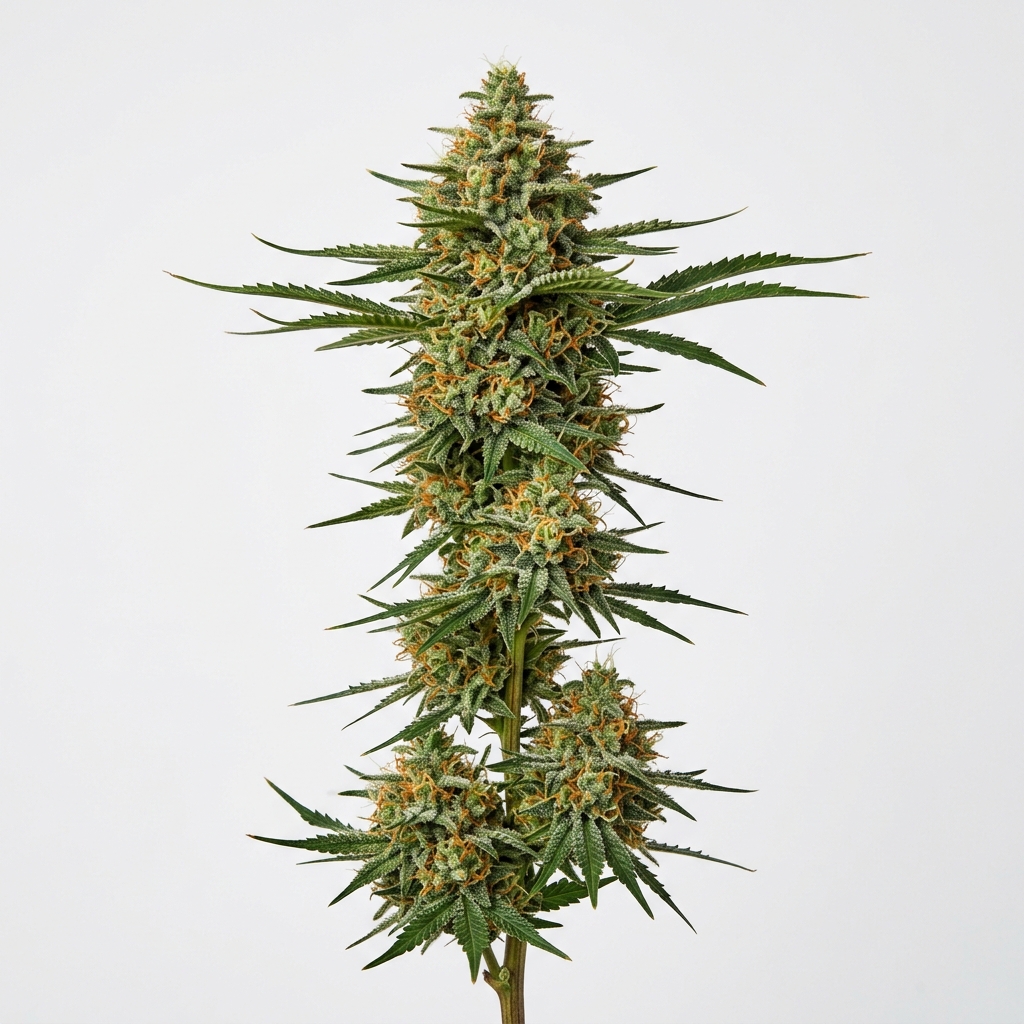
Bangi Haze (Cannabis Strain)
Bangi Haze is a fast-flowering, cold-hardy Sativa bred by crossing landrace genetics from Congo and Nepal. Typically testing between 15% and 22% THC, this cultivar is highly regarded for its dense, resin-rich spear colas, floral anise aroma, and exceptional resistance to mold and mildew. It delivers an energetic, clear-headed stimulation, making it a favorite for outdoor cultivators in challenging northern climates.
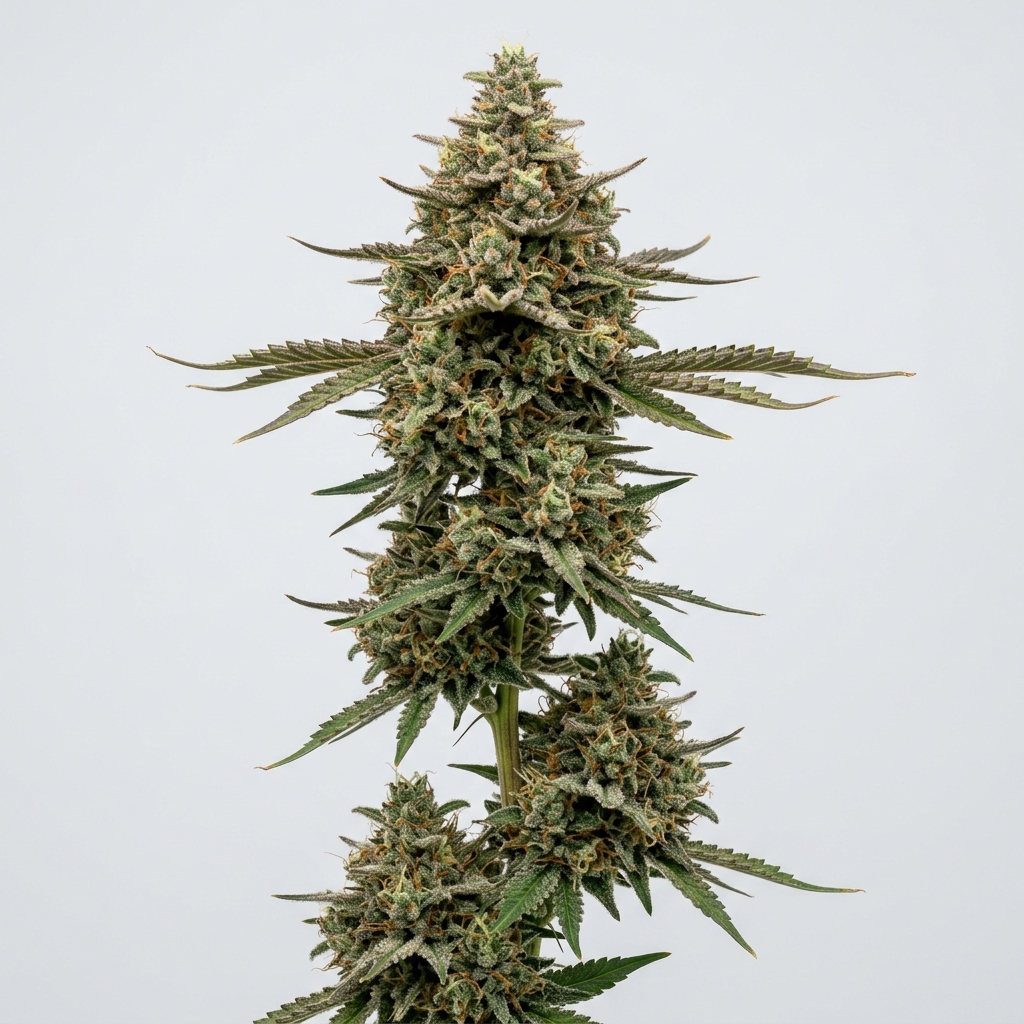
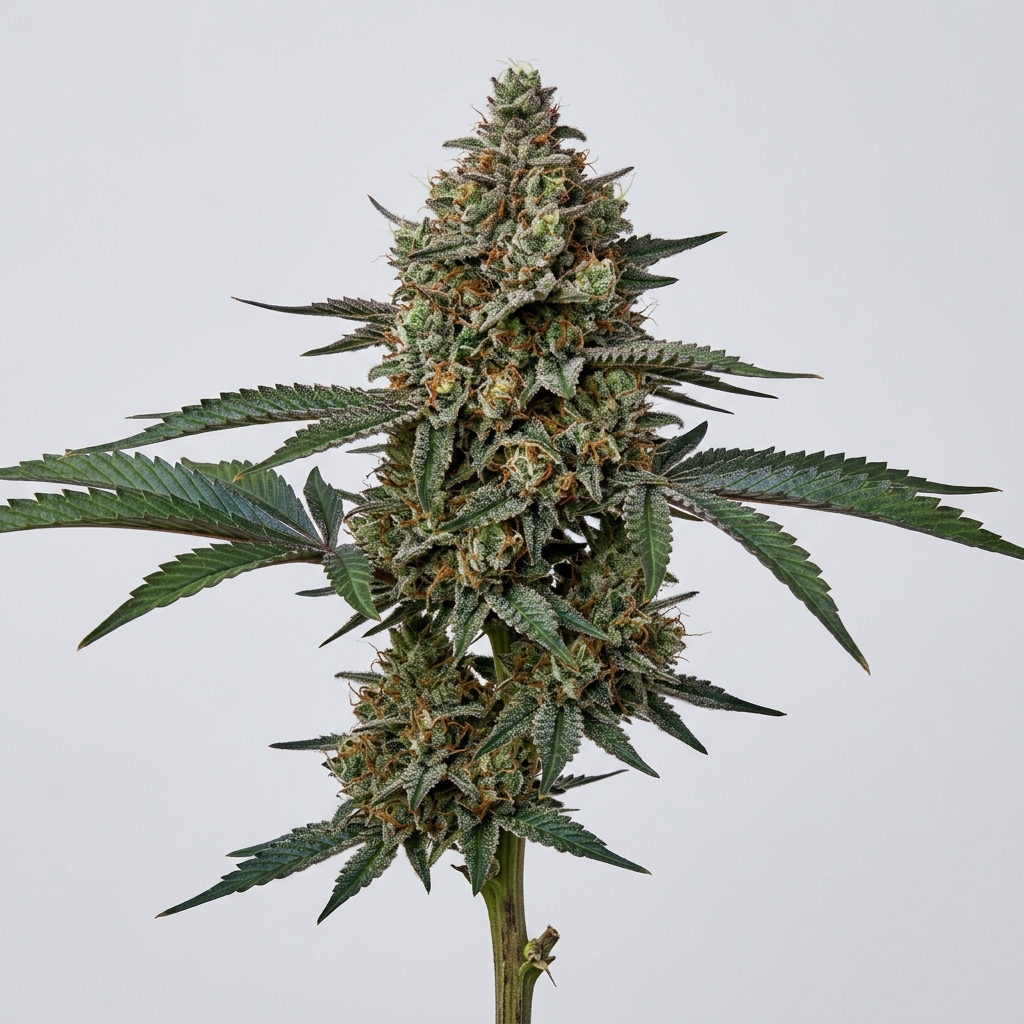
Unlike traditional, slow-blooming equatorial Sativas, this hybrid finishes rapidly with a compact stretch and tight internodal spacing. The mature buds display swollen calyxes coated in a greasy, weather-resistant resin layer that preserves its complex terpene profile through late-season dampness.
Quick Facts
| Attribute | Details |
|---|---|
| Genetics | Congo × Nepal |
| Variety | Sativa (100%) |
| THC Range | 15% – 22% |
| Flowering Time | 9 – 10 Weeks |
| Yield Potential | Moderate to High |
| Plant Height | Medium-Tall |
| Climate Preference | Cool, wet, and humid climates (highly adaptable) |
| Difficulty | Easy to Moderate |
Scientific & Botanical Overview
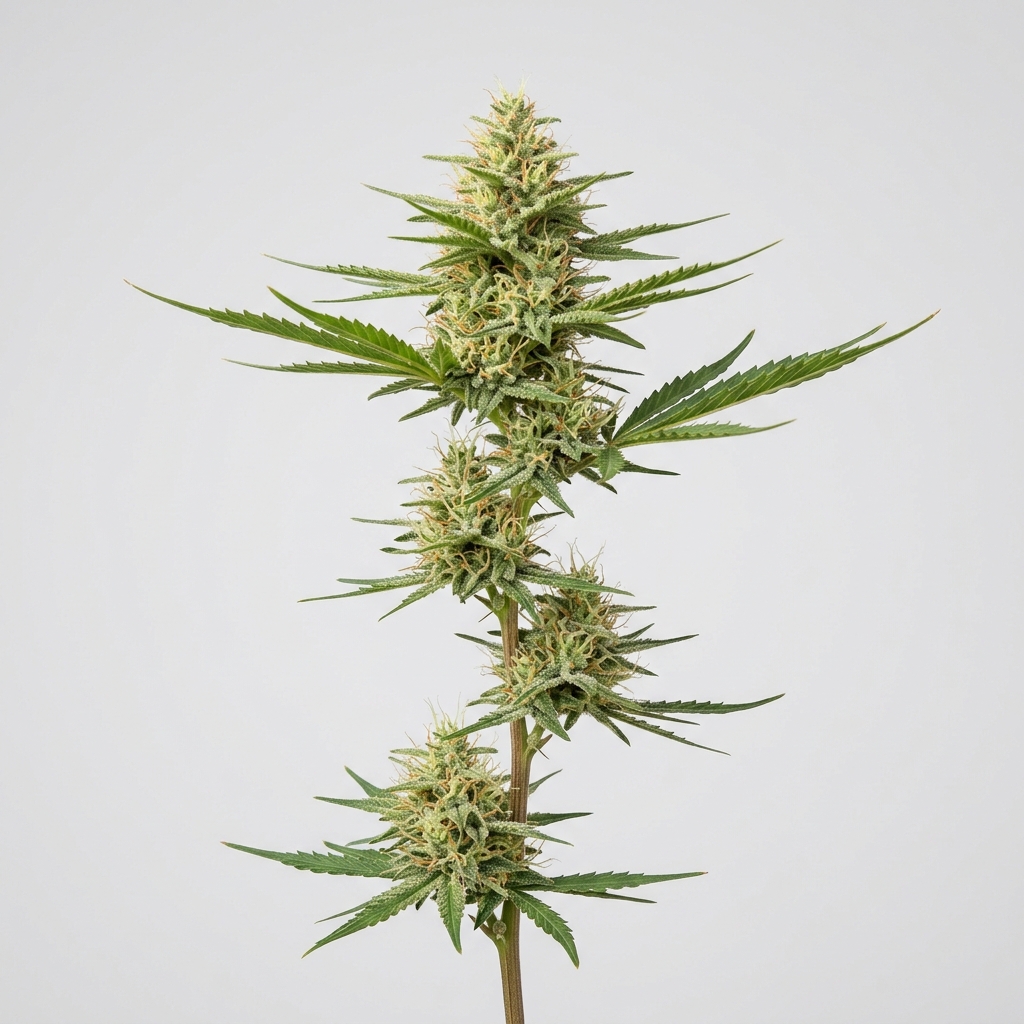
Botanically, Bangi Haze represents a stabilized backcross of African and Nepalese landrace lines selected over multiple generations for cold tolerance and early maturation. The plants exhibit strong lateral branching and sturdy stems that support heavy flower clusters without requiring extensive support networks. This physical durability makes them highly resilient to strong winds and rain.
The leaf morphology features slender, serrated fingers characteristic of its Sativa heritage, yet the overall nodal distance remains surprisingly compact. This structural density allows for efficient light penetration while maintaining excellent airflow through the canopy, reducing microclimatic humidity pockets that harbor pathogens.
Its resin production is remarkably high for a cold-hardy Sativa, characterized by small, densely packed capitate-stalked trichomes. This greasy resin layer acts as a physical barrier against moisture, preventing botrytis and powdery mildew even during persistent autumn rains.
Effects & Use-Cases (Reported)
Commonly reported effects: Clear-headed stimulation, clean physical energy, uplifted mood, and sharp mental focus without physical heaviness or anxiety.
Use-case context: Best suited for daytime activities, creative projects, and outdoor pursuits requiring sustained stamina and cognitive clarity. It is often favored by those looking to avoid the heavy, sedating comedowns associated with modern polyhybrids.
Note: Individual experiences may vary depending on dosage, tolerance, and phenotype expression.
Aroma & Flavors
Aroma: Earthy anise, sweet floral musk, and sharp lemon peel with a distinct undercurrent of herbal incense.
Flavor: Spicy licorice and sweet floral notes on the inhale, leaving a clean, woody mint finish on the exhale.
Terpene associations:
Myrcene, pinene, and caryophyllene dominate the profile, shaping its herbal and forest-like character.
Tested Cannabinoid & Terpene Ranges
| Compound | Tested Range |
|---|---|
| Δ9-THC | 15.0% – 22.0% |
| CBD | < 0.2% |
| CBG | 0.5% – 1.2% |
| Myrcene | 0.4% – 0.9% |
| Pinene | 0.2% – 0.6% |
| Caryophyllene | 0.1% – 0.4% |
Note: Cannabinoid and terpene levels are highly variable and depend on specific phenotype, cultivation environment, and curing practices.
Cultivation Notes
- Humidity: High tolerance to late-flower humidity, though keeping levels below 55% indoors optimizes resin density.
- Nutrition: Responds best to a moderate nutrient regimen; avoid over-fertilizing with nitrogen during early flower to prevent excess stretching.
- Training: Responds exceptionally well to topping and SCROG setups, which maximize its strong lateral branching.
- Harvest: Indoors, harvest at 9 to 10 weeks; outdoors, plants are typically ready by early to mid-October in the Northern Hemisphere.
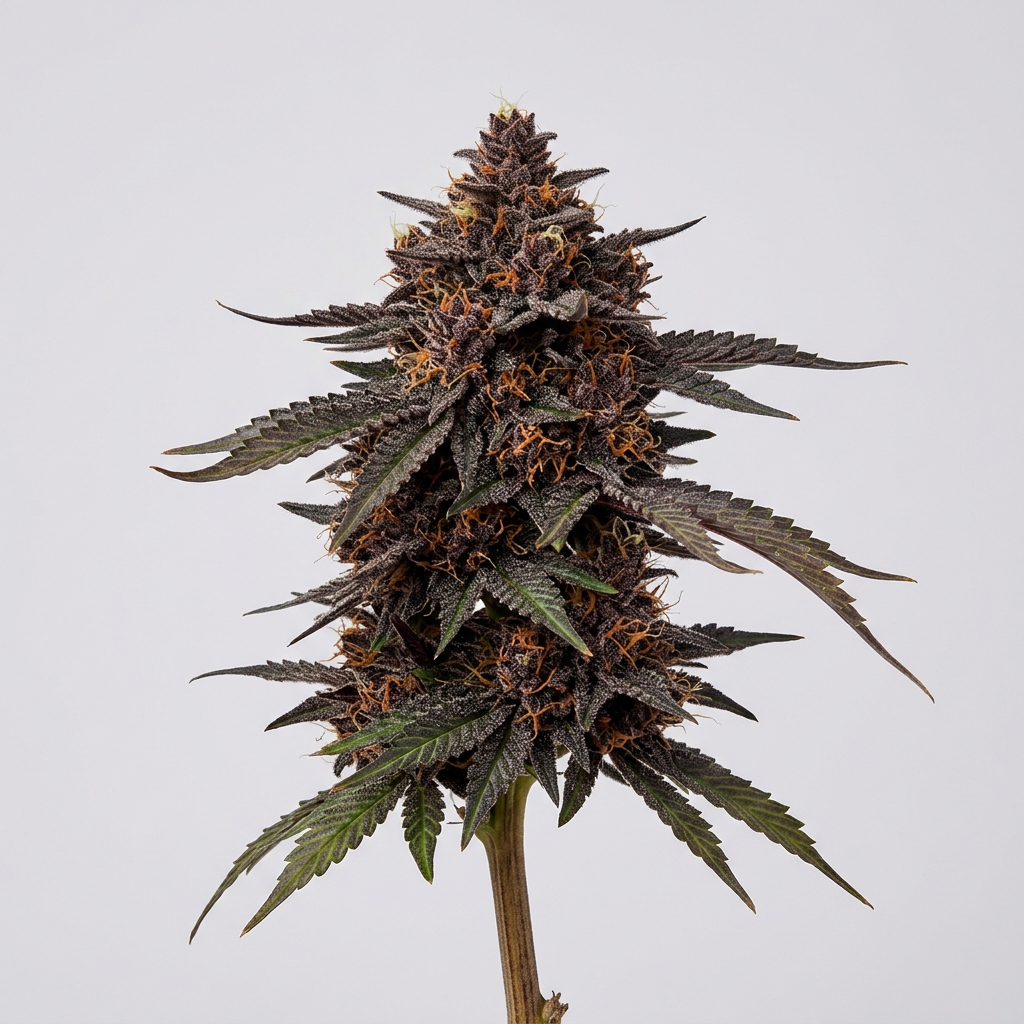
- Phenotype management: Look for the purple-tinted phenotypes in cooler night temperatures, which often carry a sweeter, floral-berry profile.
Grower Notes (Week-by-Week Snapshot)
- Weeks 1–3 (Vegetative & Early Stretch): Establish strong root systems with light watering. The plant shows a controlled stretch upon transition to flower, quickly developing sturdy lateral branches.
- Weeks 4–6 (Mid-Flower & Bud Formation): Small, resinous clusters begin to form along the branches. Ensure adequate spacing between plants to leverage their natural airflow capacity.
- Weeks 7–9+ (Late Flower & Ripening): Calyxes swell and a greasy resin coat covers the spear-shaped colas. Cooler night temperatures during the final weeks will bring out deep purple and reddish hues in the bracts.
- Post-Harvest (Slow Dry & Cure): A slow, 12-to-14-day dry at 60°F and 60% relative humidity preserves the volatile anise and floral terpenes. Cure in glass jars for a minimum of four weeks to round out the spicy incense notes.
Genetic Lineage
Bangi Haze is a stabilized hybrid developed by Ace Seeds, combining a wild Congolese Sativa with a cold-tolerant Nepalese highland strain. This deliberate pairing was designed to capture the uplifting, electric high of African landraces while grounding it with the fast flowering time and cold resistance of Nepalese genetics.
Generations of selective breeding in wet, cold northern climates have stabilized these traits. The resulting lineage stands as one of the most reliable and weather-resistant pure Sativa lines available to modern growers.
Research Insights
Phytochemical analysis of this cultivar reveals a high concentration of moneterpenes, particularly myrcene and pinene, which work alongside its moderate-to-high THC content. This specific chemical arrangement supports its reputation for producing a clean, non-anxious cognitive experience, as pinene is often studied for its role in mitigating short-term memory impairment and anxiety.
Breeders and researchers value the genetic stability of its landrace-derived parents. Its consistent resistance to common pathogens makes it a valuable parent strain for breeding programs aimed at improving outdoor viability in humid or high-latitude regions.
Frequently Asked Questions
Is Bangi Haze difficult to grow outdoors?
No. Unlike most pure Sativas, Bangi Haze is highly resistant to cold, rain, and mold, making it exceptionally easy to cultivate outdoors even in wet, northern climates.
What does Bangi Haze smell like?
It features a distinct aroma of sweet anise, floral musk, and sharp lemon peel, grounded by a woody incense undertone.
Is Bangi Haze a pure Sativa?
Yes, it is a 100% Sativa hybrid stabilized from landrace genetics originating in Congo and the highlands of Nepal.
How long does Bangi Haze take to flower?
Indoors, it typically finishes flowering in 9 to 10 weeks. Outdoors, it is usually ready for harvest by early to mid-October.
Educational Disclaimer
This article is for educational and informational purposes only. Cannabis cultivation and consumption are subject to local laws and regulations. Consult with local guidelines before undertaking cultivation.
Rate and review this strain
Ratings and reviews are accepted only from signed-in Google accounts.
Sign in with Google to leave a rating and written review.
Latest Reviews
0 reviewsNo reviews yet. Be the first Google user to rate and review this strain.