Bedica (Cannabis Strain)
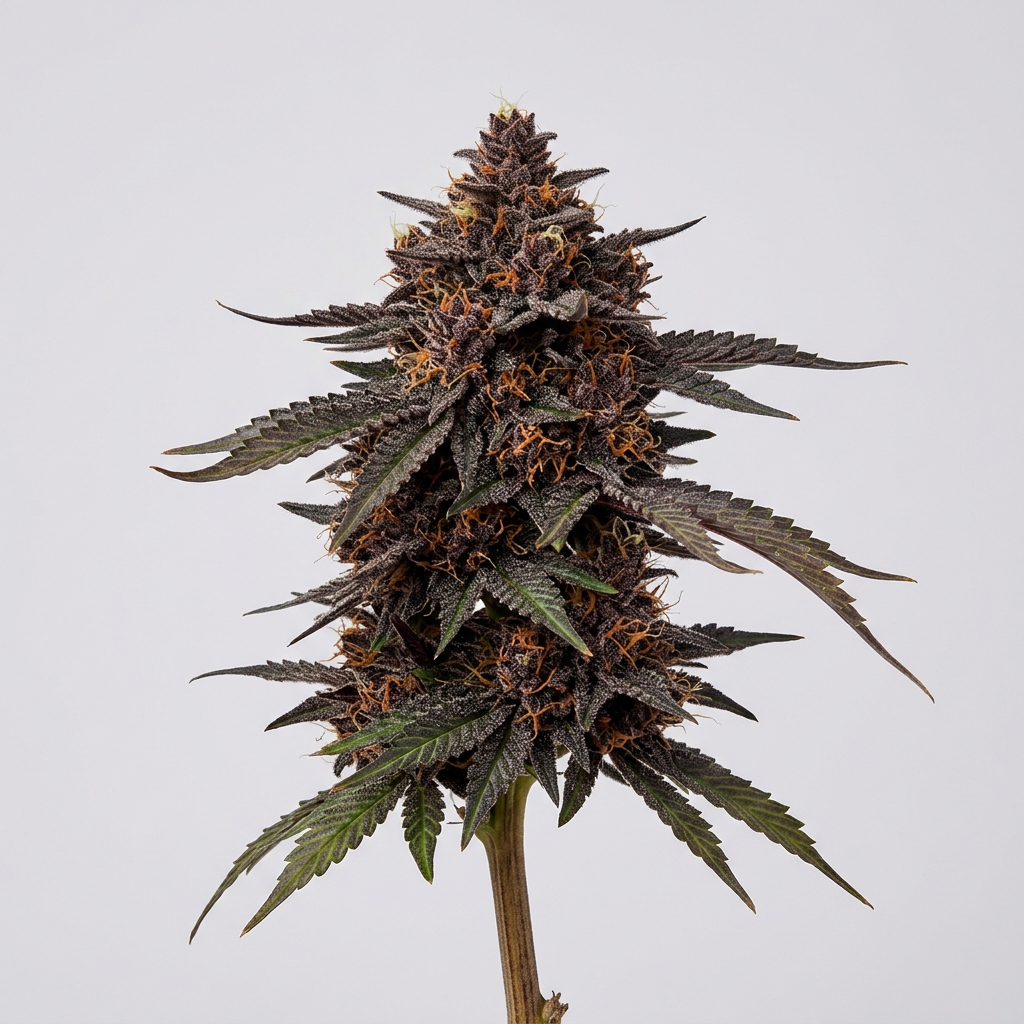
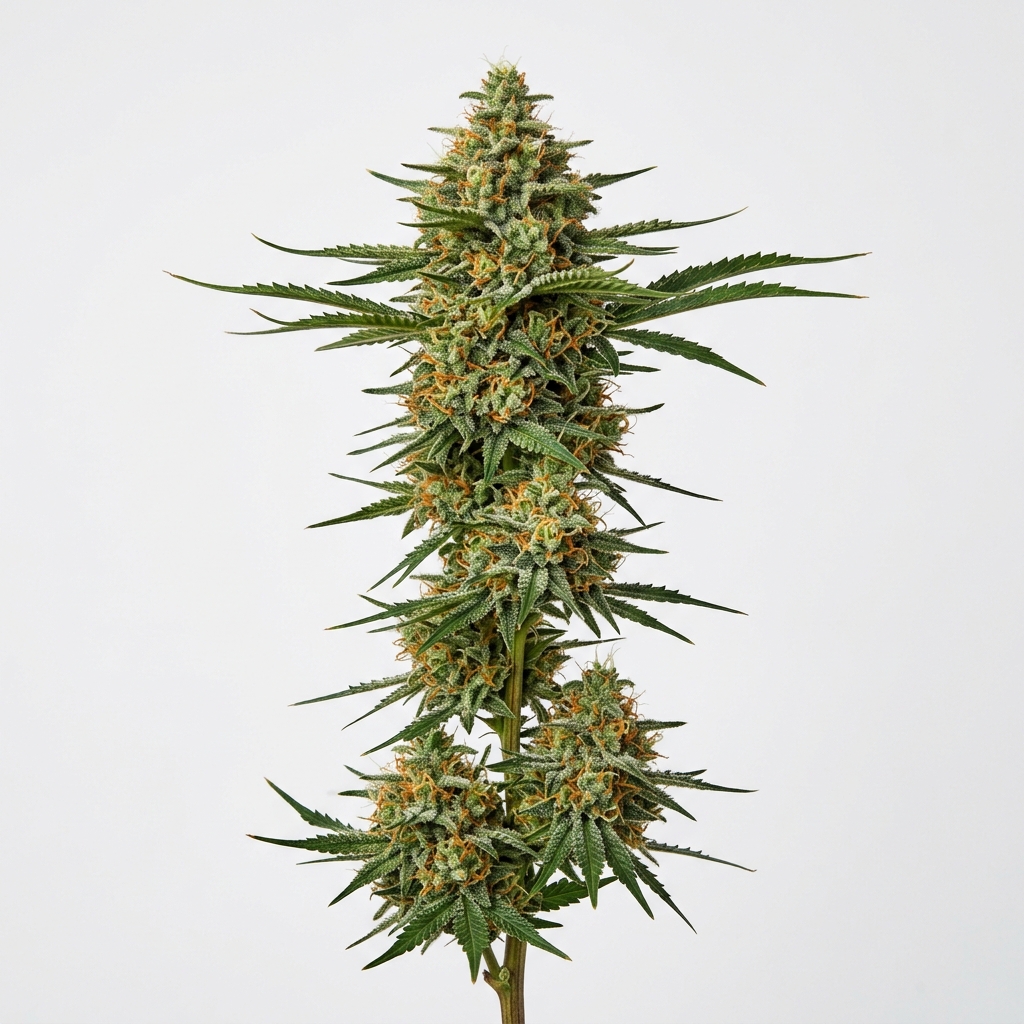
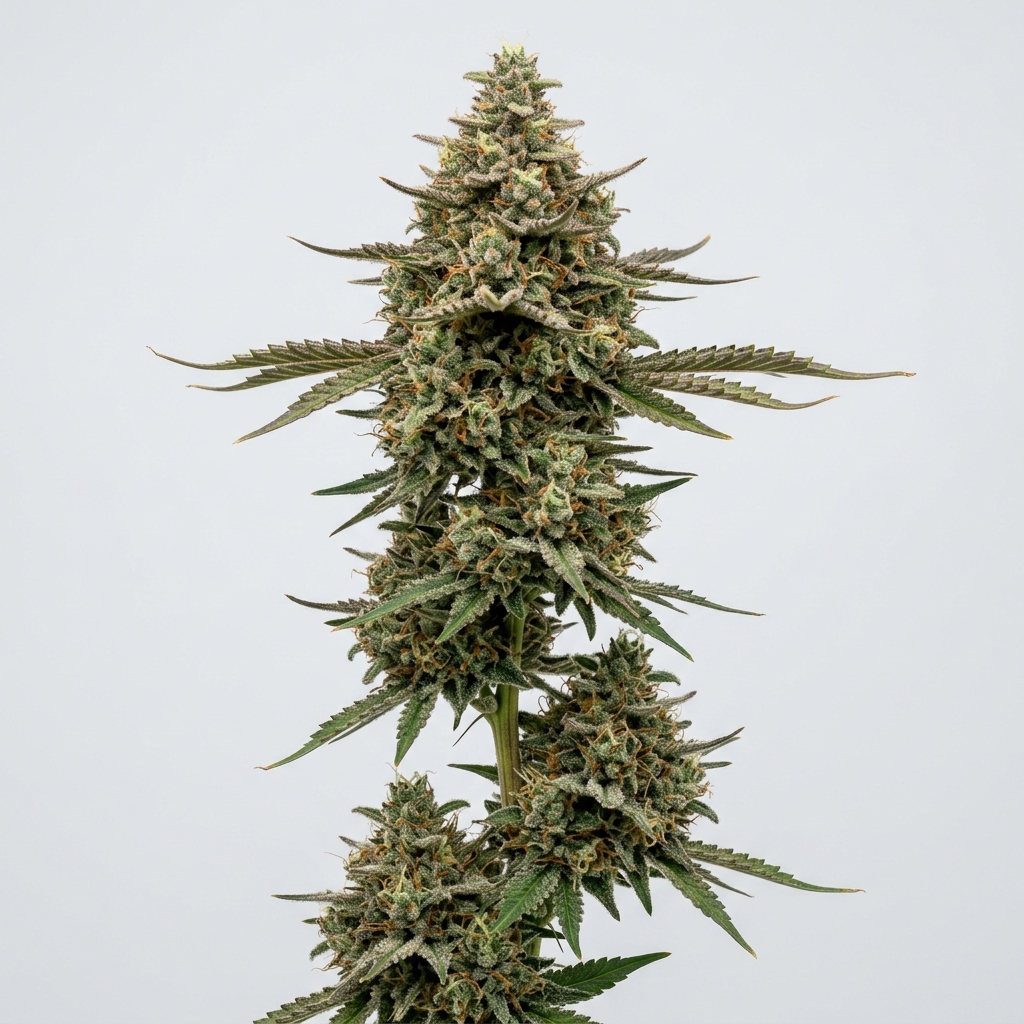
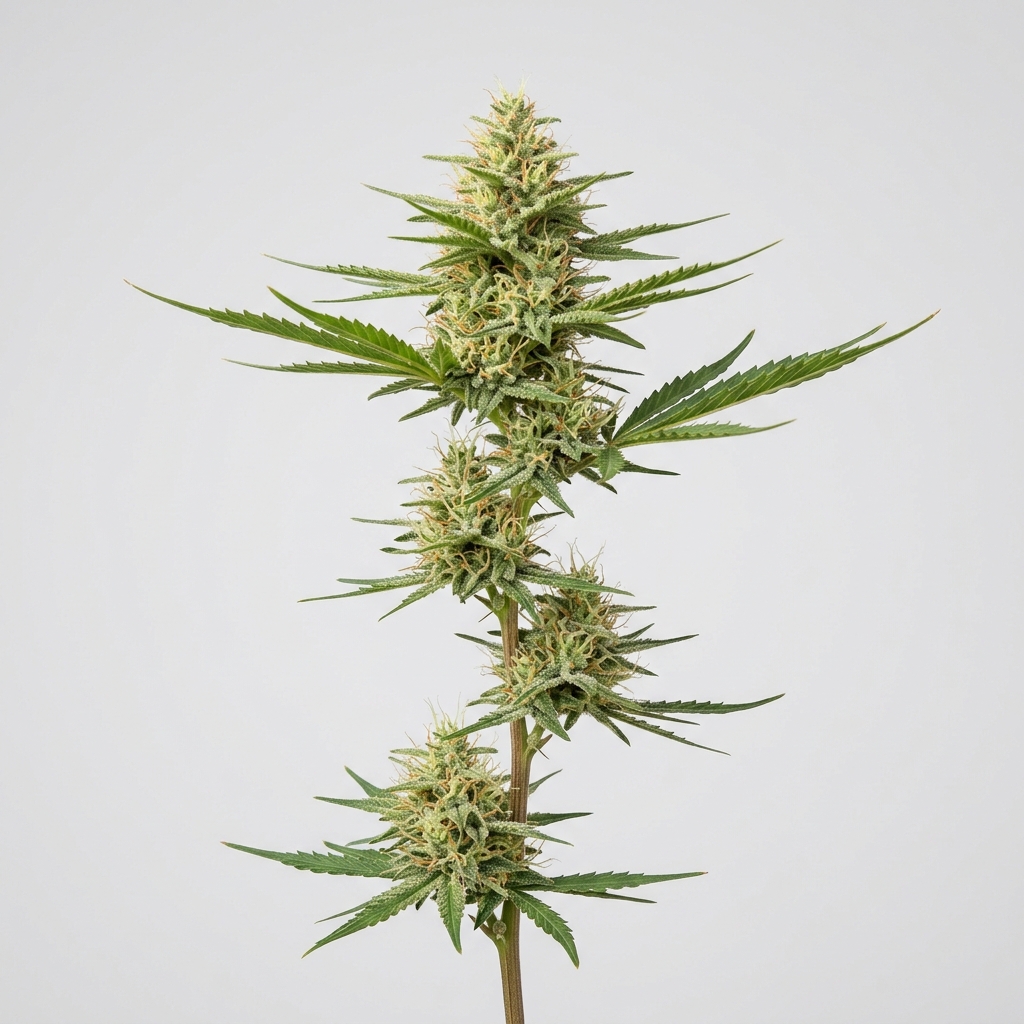
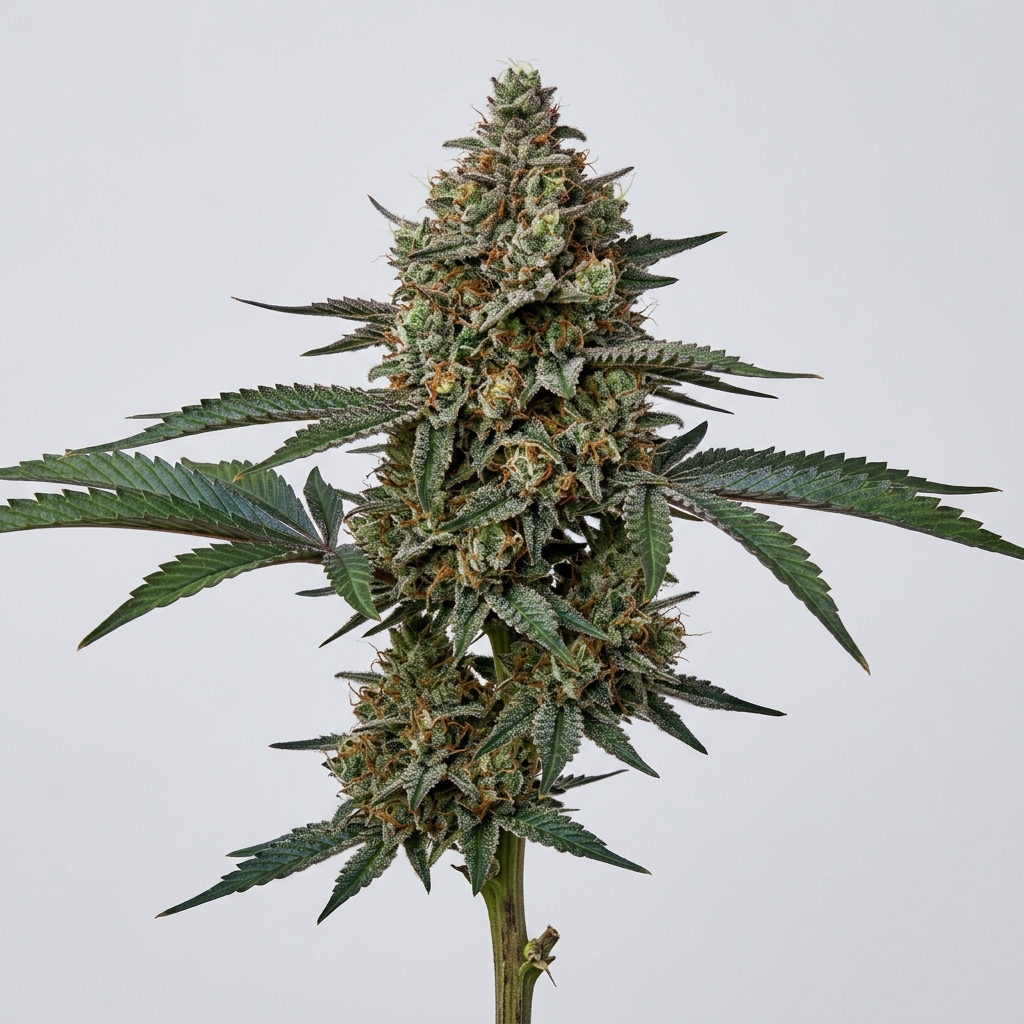
Bedica is a highly standardized, medical-grade Indica-dominant cultivar developed by Bedrocan, featuring a consistent 14% THC profile and a deeply calming, evening-oriented character. Known for its compact, resin-rich flowers and classic Afghan-influenced structure, this cultivar delivers a distinct herbal and earthy kush base accented by subtle wood notes. Its growth behavior is characterized by a controlled stretch, tight internodal spacing, and dense bracts that produce glassy buds under precise climate controls.
Engineered primarily for pharmaceutical consistency, this strain offers patients and cultivators a reliable phenotypic expression free from the wild variations common in modern hybrids. Its reliable terpene clarity and moderate potency make it a foundational benchmark for clean, functional Indica genetics.
Quick Facts
| Genetic Profile | Indica-dominant |
|---|---|
| Parentage | Proprietary Indica selection (linked to Afghan/Herijuana lines) |
| THC Range | 14% (Standardized) |
| CBD Range | < 1.0% |
| Flowering Time | 8 – 9 Weeks |
| Yield Potential | Moderate |
| Plant Height | Short to Medium |
| Climate Preference | Controlled Indoor / Greenhouse |
| Cultivation Difficulty | Moderate |
Scientific & Botanical Overview
Structurally, Bedica shows classic Indica morphology, producing broad fan leaves and a stocky, lateral branching pattern. The plant focuses its energy on developing dense, spear-shaped colas with highly swollen calyxes that accumulate a uniform layer of greasy resin.
Unlike unregulated commercial cultivars, this strain has been select-bred over generations to ensure genetic stability and uniform cannabinoid synthesis. The flowers mature with a high density of capitate-stalked trichomes, which preserve volatile monoterpenes under standardized drying protocols.
The vegetative phase requires steady nitrogen delivery to support its thick stems and broad foliage, which naturally resist mild temperature fluctuations. In the flowering stage, the canopy remains compact, requiring strategic defoliation to maintain optimal airflow through the dense lower nodes.
Effects & Use-Cases (Reported)
Commonly reported effects: Physical relaxation, gentle sedation, and mental decompression without the intense psychic rush of high-THC modern exotics.
Use-case context: Well-suited for late-evening wind-down routines, quiet contemplation, or as a bedtime companion.
Note: While its moderate THC ceiling makes it approachable, the heavy presence of myrcene can induce a physical heaviness that may limit active daytime productivity.
Aroma & Flavors
Aroma: A dominant earthy kush base blended with dried rosemary, cedarwood, and a faint, sweet herbal undertone.
Flavor: The smoke delivers a smooth, woody draw with a distinct mint finish and a lingering, peppery spice on the exhale.
Terpene associations:
Myrcene, beta-caryophyllene, and limonene drive the primary aromatic profile, with trace amounts of linalool providing a soft floral edge.
Tested Cannabinoid & Terpene Ranges
| Compound | Typical Range |
|---|---|
| Δ9-THC | 14.0% (Standardized) |
| CBD | < 1.0% |
| CBG | 0.5% – 1.2% |
| Myrcene | 0.4% – 0.8% |
| Beta-Caryophyllene | 0.2% – 0.5% |
Note: Cannabinoid and terpene levels are standardized under strict laboratory cultivation parameters but remain subject to minor batch-to-batch variations.
Cultivation Notes
- Humidity management: Maintain late-flower humidity strictly below 45% to prevent moisture retention within the dense, resin-rich flowers.
- Nutrient regimen: Responds best to moderate feeding; avoid over-saturation of nitrogen during the transition to flower to prevent leaf curl.
- Canopy training: use selective pruning or low-stress training (LST) to open up the tight internodes and maximize light penetration to lower bud sites.
- Harvest window: Look for complete amber transition in approximately 10-20% of the trichomes for the most pronounced physical expression.
Grower Notes (Week-by-Week Snapshot)
- Weeks 1–3 (Vegetative & Transition): The plant establishes a sturdy root system with minimal vertical stretch. Focus on building strong lateral branches and maintaining a clean lower stem.
- Weeks 4–6 (Mid-Flower): Small, glassy buds begin clustering along the tight internodes. The aroma shifts from fresh vegetation to a deeper, earthy kush profile as resin production accelerates.
- Weeks 7–9 (Late Flower & Ripening): The spear colas swell significantly, showing dense bracts and a heavy coat of greasy resin. Reduce watering slightly and lower room temperatures to encourage terpene preservation.
Genetic Lineage
Bedica’s exact genetic lineage remains a closely guarded proprietary secret of Bedrocan, though horticultural consensus suggests a heavy reliance on classic Afghan and Herijuana lines. These landrace-derived ancestors contribute the strain’s signature stocky frame, rapid flowering cycle, and highly stable cannabinoid output.
By selecting and refining these traditional Indica genetics in highly controlled greenhouse environments, breeders successfully isolated a phenotype that minimizes the typical chemical drift found in multi-generational hybrids. This focus on genetic purity ensures that the physical and chemical traits remain highly predictable across successive crops.
Research Insights
Scientific investigation into Bedica often focuses on its standardized cannabinoid-to-terpene ratio, which serves as a reliable baseline in clinical studies evaluating the therapeutic potential of inhaled cannabis. The combination of moderate THC with a rich myrcene and caryophyllene profile provides researchers with a highly consistent model for studying the entourage effect in controlled environments.
Unlike erratic commercial cultivars, the structural stability of Bedica allows for precise agricultural replication. This makes it an invaluable asset for studying how specific environmental inputs, such as light spectrum and nutrient delivery, directly influence trichome density and volatile organic compound preservation.
Frequently Asked Questions
Is Bedica a pure Indica?
While botanically classified as an Indica-dominant cultivar, it has been highly refined through selective breeding to maximize stability and consistency, retaining classic physical traits of Afghan lineages.
What is the typical THC level of Bedica?
Bedica is standardized to contain approximately 14% THC, offering a moderate and highly predictable potency level suited for consistent therapeutic use.
How does Bedica smell and taste?
It features an earthy kush base with strong herbal and woody notes, finishing with a peppery spice and a clean, subtle mint finish.
What are the ideal growing conditions for Bedica?
It thrives in highly controlled indoor or greenhouse environments where humidity can be kept low during late flowering to protect its dense, resin-rich buds.
Educational Disclaimer
This article is for informational and educational purposes only. It is not intended to provide medical advice or encourage the illegal cultivation or consumption of cannabis.
Rate and review this strain
Ratings and reviews are accepted only from signed-in Google accounts.
Sign in with Google to leave a rating and written review.
Latest Reviews
0 reviewsNo reviews yet. Be the first Google user to rate and review this strain.