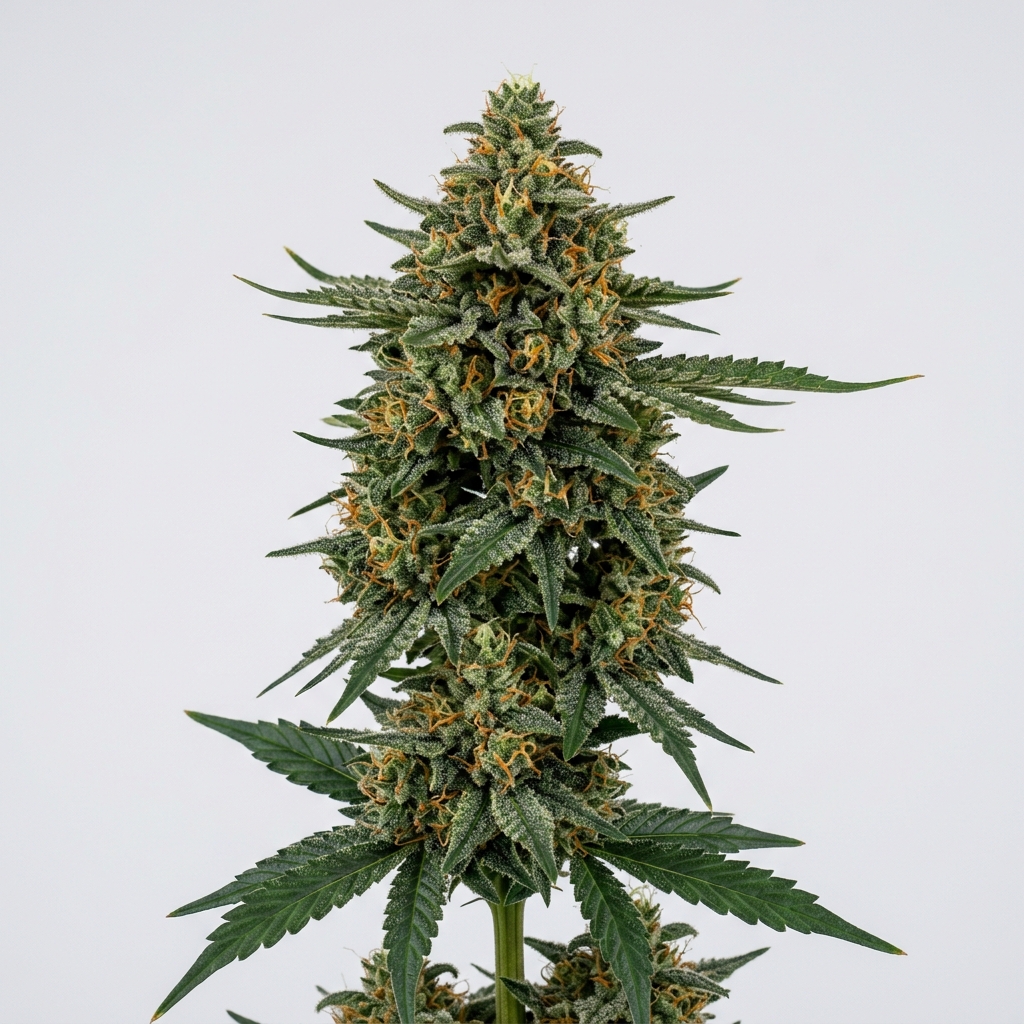
Albert Walker (Cannabis Strain)
Albert Walker is a legendary clone-only indica-dominant hybrid originating from the Pacific Northwest, widely celebrated for its potent THC range of 18% to 23% and its distinctively pungent sour citrus and skunk profile. This heirloom cultivar produces dense, greasy resin-rich flowers with swollen calyxes and a heavy coating of wet frost, exhibiting a sturdy, bushy growth habit with controlled stretch. Highly regarded by legacy growers and extraction artists alike, it delivers a deep, relaxing physical sedation paired with a sharp, uplifting mental clarity.
Though its exact genetic origins remain undocumented, this classic cut has secured its place in cannabis history as a foundation for elite breeding lines, most notably as a parent to Chernobyl. Its greasy, oil-slick texture and chemical-citrus profile make it a standout choice for hash makers seeking high-yield solventless extractions.
Quick Facts
| Metric | Detail |
|---|---|
| Genetics | Heirloom Afghan × Skunk (commonly reported) |
| Variety | Indica-dominant hybrid |
| THC Range | 18% – 23% |
| Flowering Time | 8 – 9 weeks (56 – 63 days) |
| Yield Potential | Moderate to High |
| Plant Height | Medium, bushy |
| Climate Preference | Cool to temperate, low humidity |
| Difficulty | Moderate |
Scientific & Botanical Overview
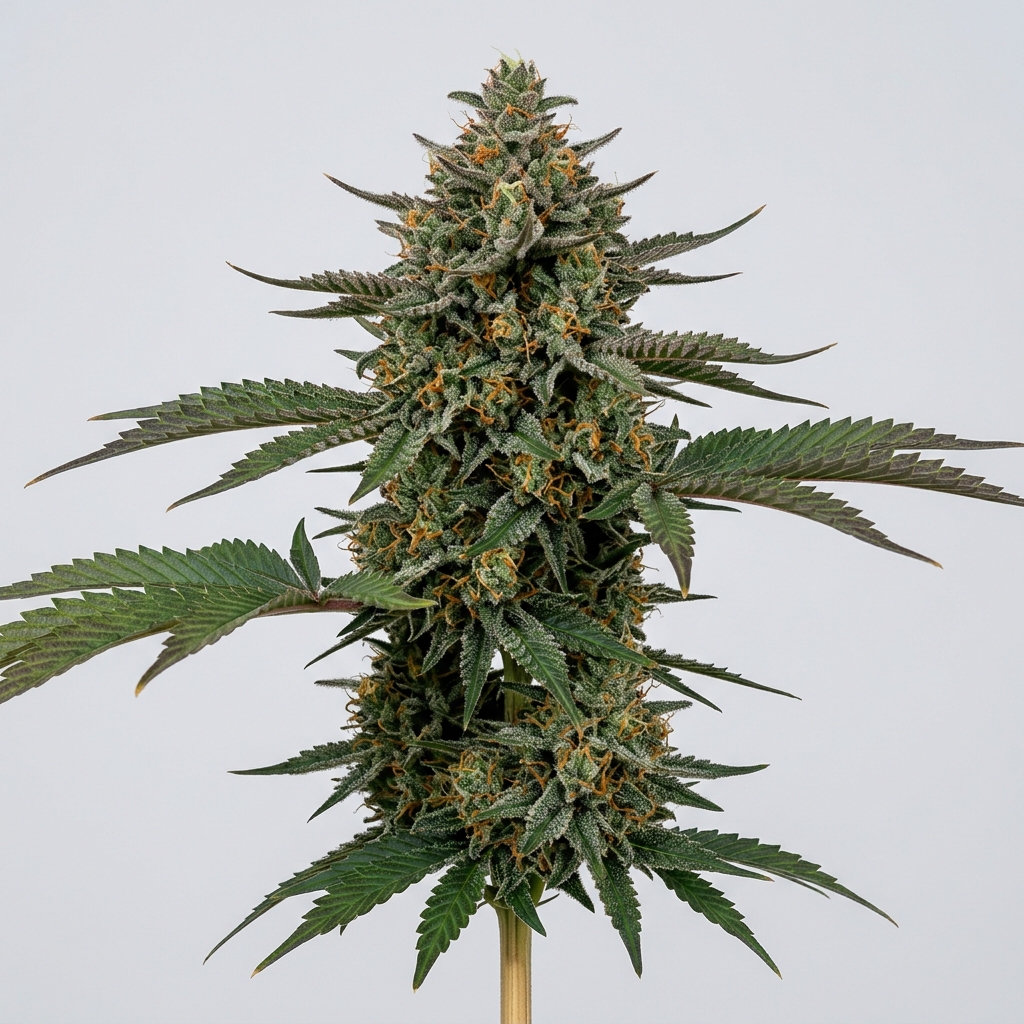
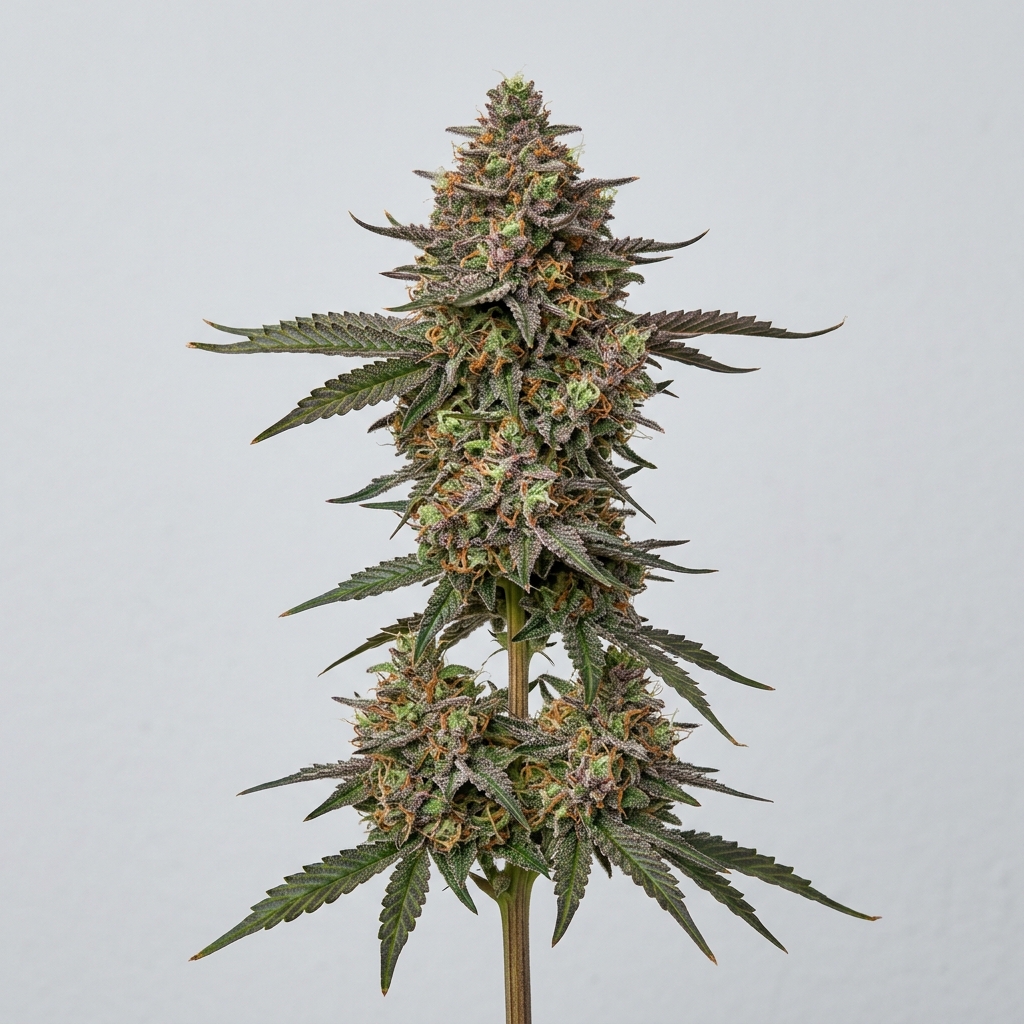
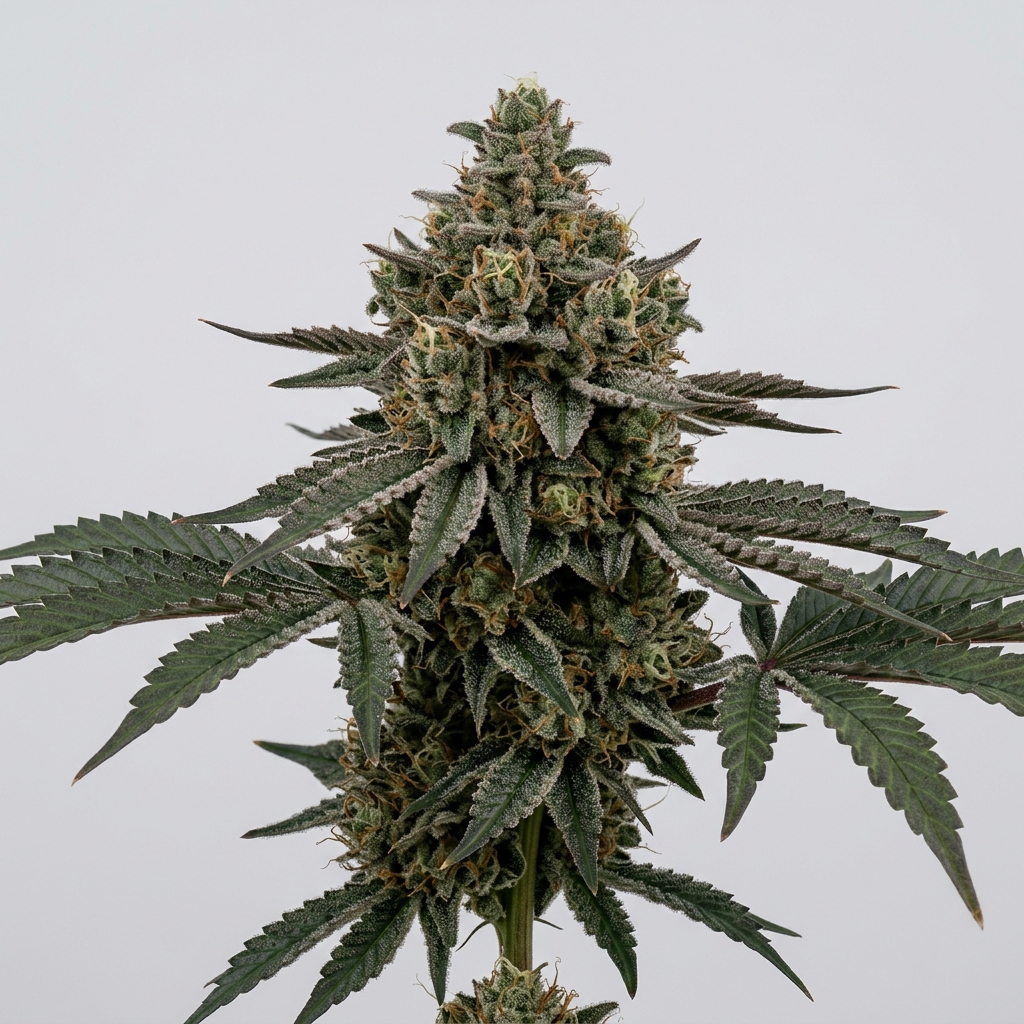
Botanically, Albert Walker displays classic indica-dominant morphology, characterized by broad, dark green fan leaves and a short, stout skeletal structure. The internodal spacing is tight, requiring proactive canopy management to maintain airflow through its dense lower branches.
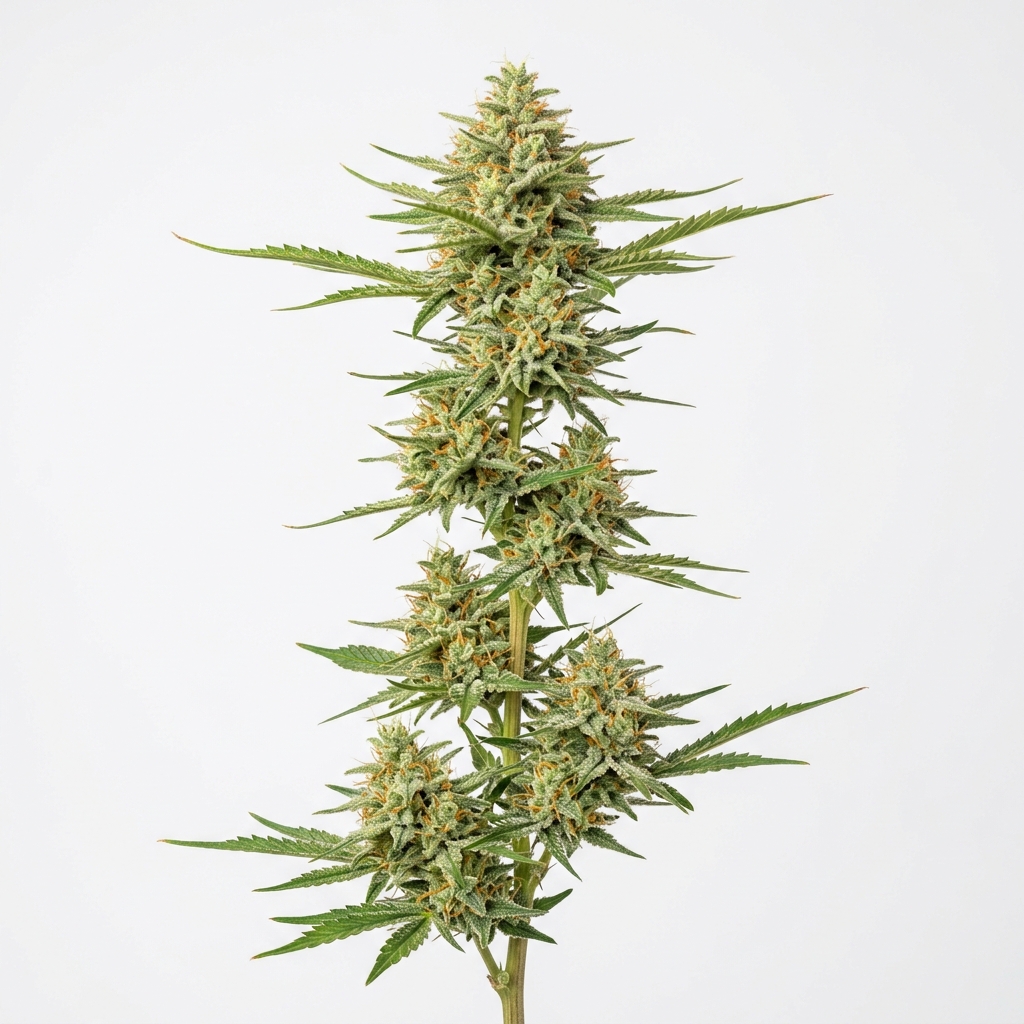
During the generative phase, the plant develops thick, spear-shaped colas composed of tightly packed bracts and swollen calyxes. The resin production is notably early and heavy, coating not just the flowers but also the surrounding sugar leaves in a sticky, wet frost that turns greasy during the final weeks of bloom.
This cultivar is highly sensitive to late-flower humidity due to the density of its buds. Maintaining strict environmental control during the final three weeks is essential to prevent micro-climate moisture buildup within the deep canopy.
Effects & Use-Cases (Reported)
Commonly reported effects: A heavy, warming physical relaxation that settles quickly into the limbs, accompanied by a calm, focused mental clarity that avoids immediate couch-lock.
Use-case context: Best suited for late afternoon or evening use, providing a smooth transition into relaxation without completely dulling cognitive focus.
Note: Due to its physical heaviness and moderate-to-high potency, novice consumers should approach this classic cultivar with caution to avoid over-sedation.
Aroma & Flavors
Aroma: Pungent, sour tangerine and chemical diesel, balanced by a deep, damp earth and old-school skunk undertone.
Flavor: A sharp lemon-cleaner and tart citrus lift on the inhale, followed by an earthy, fuel-forward hash finish on the exhale.
Terpene associations: Myrcene, limonene, and caryophyllene dominate the profile, driving the combination of heavy musk and sharp citrus.
Tested Cannabinoid & Terpene Ranges
| Compound | Typical Range |
|---|---|
| Δ9-THC | 18.0% – 23.0% |
| CBD | < 1.0% |
| Myrcene | 0.5% – 1.2% |
| Limonene | 0.3% – 0.8% |
| Caryophyllene | 0.2% – 0.6% |
Note: Cannabinoid and terpene profiles are highly variable and depend on specific phenotype, cultivation methods, and curing practices.
Cultivation Notes
- Maintain vegetative relative humidity (RH) around 55-60%, dropping to 40-45% by week 6 of flower to protect the dense colas.
- Responds well to a moderate nitrogen regimen in veg, with an increased potassium and phosphorus push during mid-to-late bloom.
- use low-stress training (LST) and early topping to promote a multi-topped canopy and improve light penetration.
- Harvest when trichomes are mostly milky with a 10-15% amber ratio to capture the peak balance of physical relaxation and terpene clarity.
- Ensure regular defoliation of the lower third of the plant (lollipops) during week 3 of flower to maximize top-cola development.
Grower Notes (Week-by-Week Snapshot)
- Weeks 1-3: Plants show a controlled stretch, usually doubling in height. Focus on selective defoliation and establishing trellis support for the heavy lateral branches.
- Weeks 4-6: Bud sites swell rapidly, and greasy resin begins to accumulate on the calyxes. The room will develop a sharp, sour citrus and fuel aroma; ensure carbon filters are fully functional.
- Weeks 7-9: The colas become heavy and dense, requiring physical support. Reduce humidity to 40%, initiate a clean flush during the final 10 days, and monitor trichome maturity closely.
Genetic Lineage
The exact parental heritage of Albert Walker remains one of the Pacific Northwest’s most enduring clone-only mysteries. Most legacy documentation suggests a lineage rooted in an old-school Afghan selection crossed with an early Skunk phenotype, which accounts for its heavy resin production and pungent, sour profile.
Despite its mysterious origins, the clone was preserved and popularized in the Pacific Northwest during the late 1980s and 1990s. It has since served as a crucial genetic donor in modern breeding, passing down its signature greasy texture and sour tangerine profile to celebrated descendants like Chernobyl.
Research Insights
From a phytochemical standpoint, the high concentration of myrcene and limonene in Albert Walker highlights its value in terpene-focused breeding. The co-dominance of these two compounds creates a unique aromatic tension, balancing heavy, earthy sedation with a sharp, uplifting citrus lift.
Its exceptional resin-to-leaf ratio and greasy gland heads make it a highly efficient cultivar for solventless extraction. Researchers and hash makers note that its trichome structure holds up exceptionally well to ice water washing, yielding high-quality bubble hash and live rosin with excellent terpene retention.
Frequently Asked Questions
What is the origin of the Albert Walker strain?
Albert Walker is an old-school clone-only hybrid that emerged from the Pacific Northwest in the late 1980s or early 1990s, believed to descend from heirloom Afghan and Skunk genetics.
What does Albert Walker smell like?
It features a highly pungent aroma of sour tangerine, chemical diesel, damp earth, and classic skunk.
Is Albert Walker difficult to grow?
It is considered moderately difficult due to its dense bud structure, requiring careful humidity management in late flower to prevent mold, along with regular canopy pruning.
What are the primary terpenes in Albert Walker?
The dominant terpenes are myrcene, limonene, and caryophyllene, which drive its complex citrus, fuel, and musky profile.
Educational Disclaimer
This article is for educational and informational purposes only. Cultivation and consumption of cannabis are subject to local laws and regulations.
Rate and review this strain
Ratings and reviews are accepted only from signed-in Google accounts.
Sign in with Google to leave a rating and written review.
Latest Reviews
0 reviewsNo reviews yet. Be the first Google user to rate and review this strain.