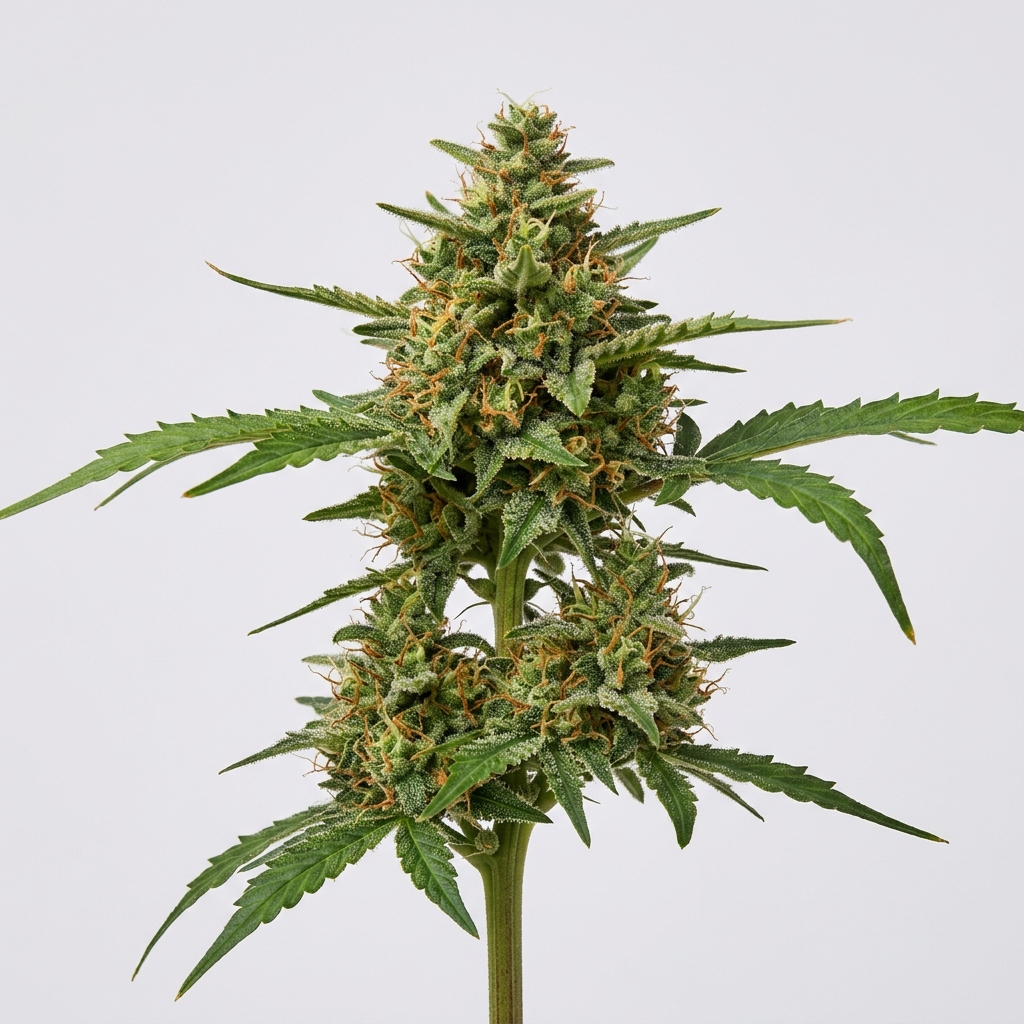
Roadrunner (Cannabis Strain)
Roadrunner is a pioneering indica-dominant autoflowering hybrid crossing the classic Lowryder #1 with selected Dinafem #1
genetics. Known for its rapid 60-to-65-day seed-to-harvest life cycle, this cultivar delivers a moderate THC range of 8% to 14% alongside a grounded profile of earthy wood, sharp citrus, and mild spice. Its compact, resin-rich flowers and predictable, low-stretch growth habit make it a historical benchmark for discreet, small-space cultivation.
As one of the earliest successful commercial autoflowering strains, it helped redefine expectations for non-photoperiod cannabis. Breeders and growers prize its resilience and quick turnaround, which allow for multiple outdoor harvests in a single season.
Quick Facts
| Trait | Details |
|---|---|
| Genetics | Lowryder #1 × Dinafem #1 |
| Variety | Indica-dominant Autoflower |
| THC Range | 8% – 14% |
| Flowering Time | 60 – 65 days (seed to harvest) |
| Yield Potential | Moderate |
| Plant Height | Compact (30 – 70 cm) |
| Climate Preference | Temperate / Mediterranean |
| Difficulty | Easy |
Scientific & Botanical Overview
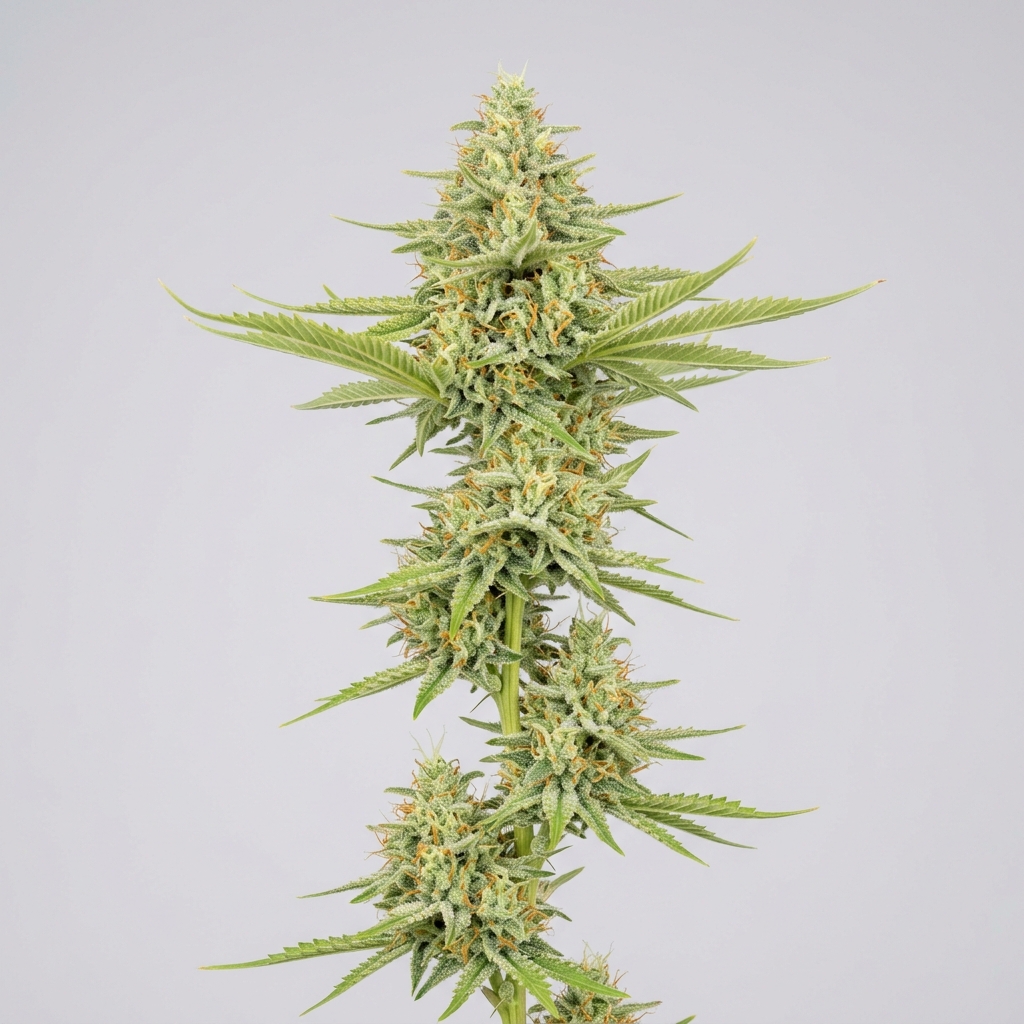
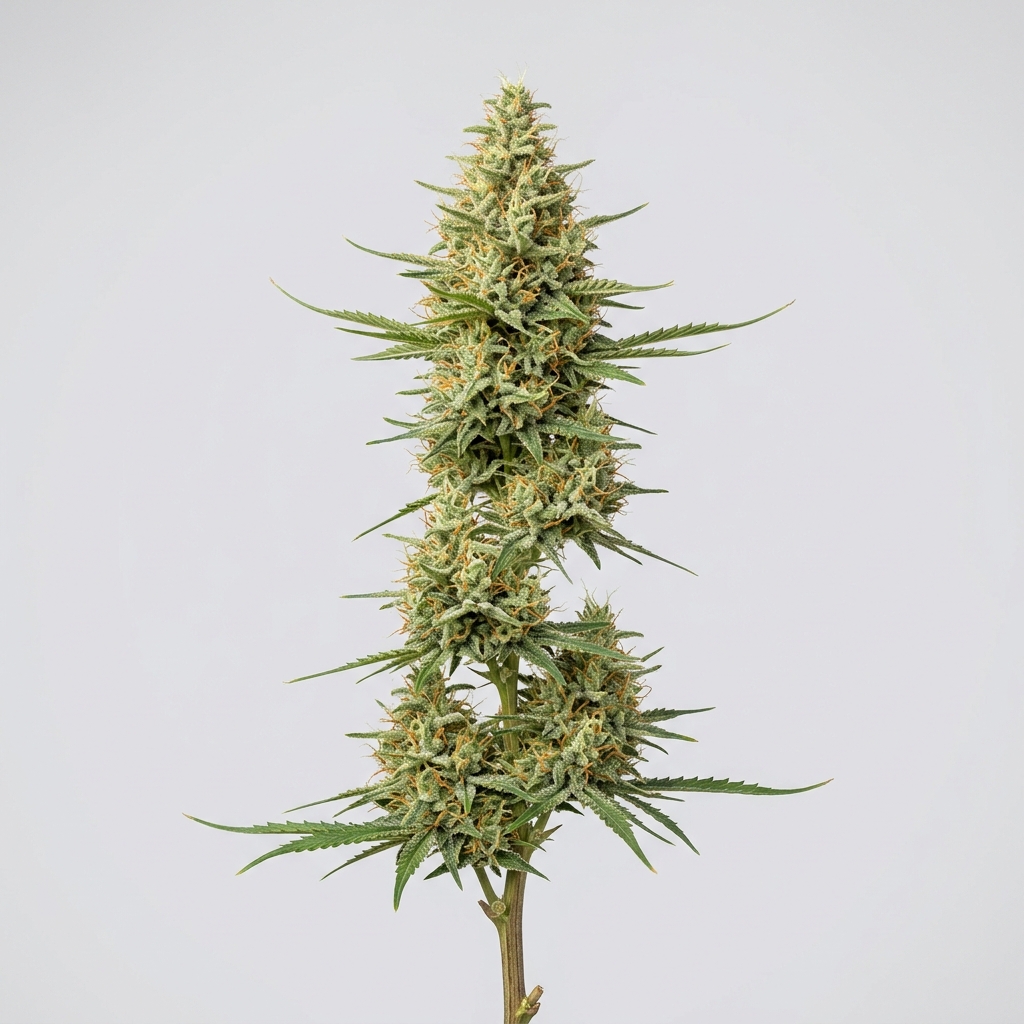
Roadrunner shows classic ruderalis-influenced morphology, characterized by a short, stout stature and minimal lateral branching. The vegetative phase is brief, typically lasting only two to three weeks before the plant automatically transitions into flower regardless of photoperiod. This rapid development relies on a sturdy central stem that supports a dense main cola.
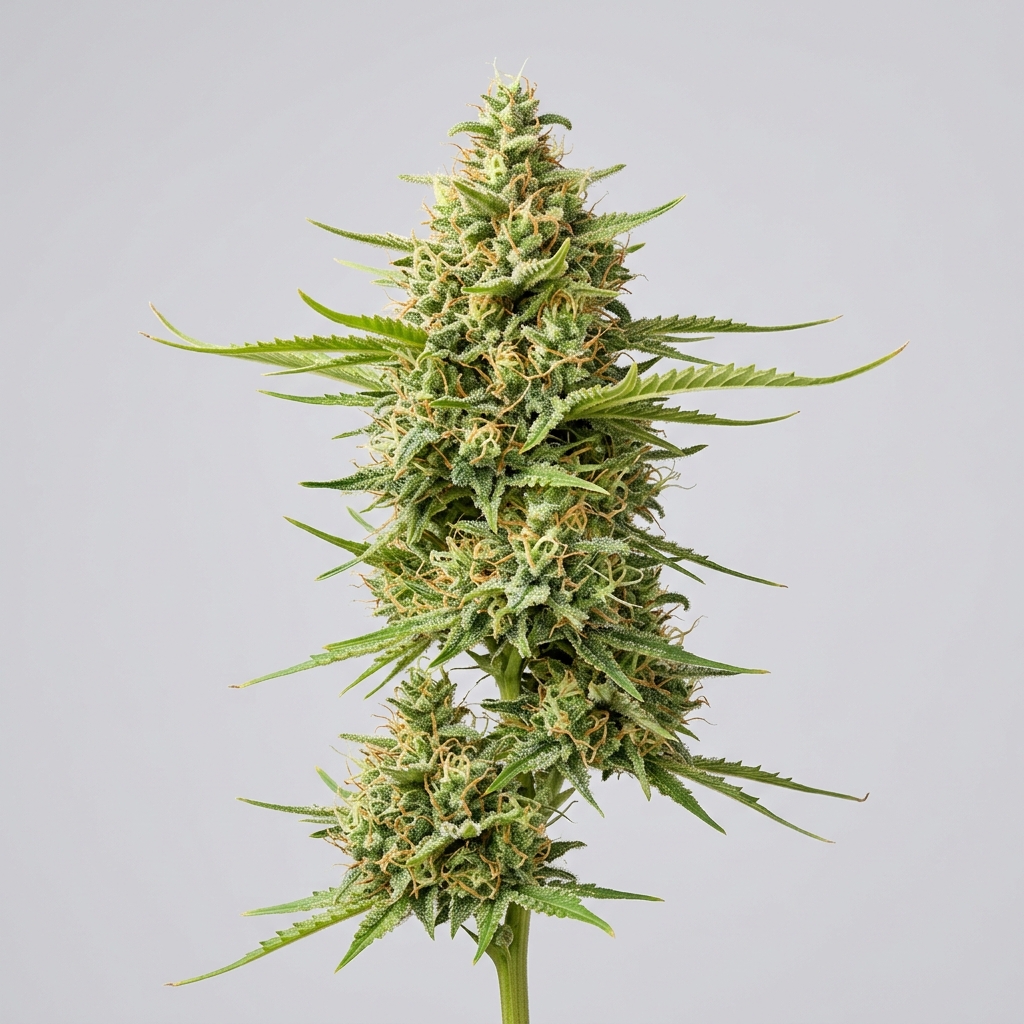
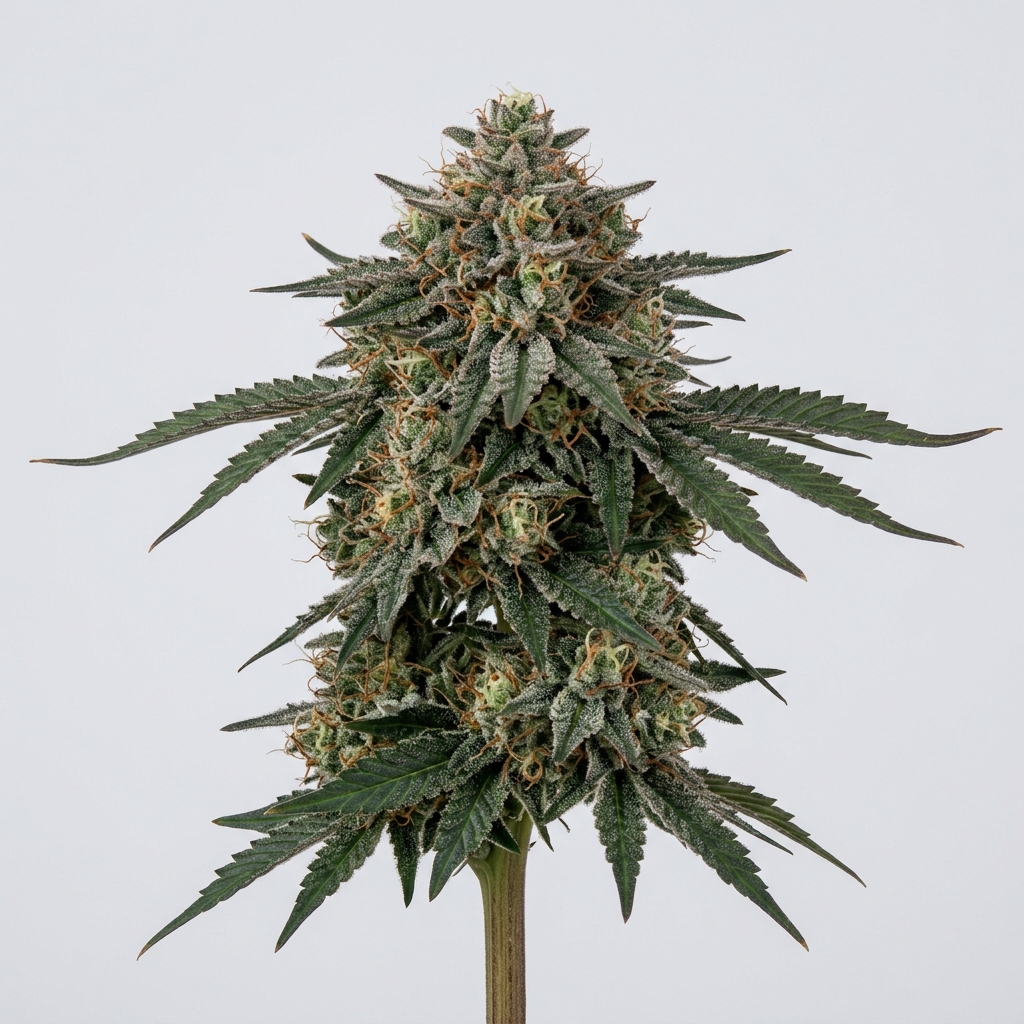
The buds develop with tight internodes, forming small, compact clusters rather than long, sweeping spears. The bracts are relatively dense and show a high concentration of capitate-stalked trichomes for an early-generation autoflower. Broad fan leaves dominate the early growth, though the foliage thins out naturally as the plant focuses energy on its terminal bud.
Resin production is steady throughout the short flowering cycle, coating the calyxes in a light, greasy sheen. The pistils emerge bright orange and mature quickly to a deep amber-brown. This rapid maturation requires careful environmental monitoring, as the dense central bud can be susceptible to moisture retention in late-flower humidity.
Effects & Use-Cases (Reported)
Commonly reported effects include a mild, relaxing physical sensation accompanied by a soft, clear-headed mental calm. Unlike modern high-THC cultivars, it rarely induces heavy sedation or intense cerebral stimulation, making it highly functional.
Use-case context typically centers on daytime relaxation, light social settings, or unwinding after physical activity without losing productivity. It is often favored by those seeking a manageable, low-intensity option for steady, daytime use.
Note: Individual tolerance and specific phenotype variations can alter these effects; moderation is advised for novice consumers.
Aroma & Flavors
Aroma: The primary scent is characterized by an earthy kush base mixed with damp soil and a sharp citrus lift.
Flavor: On the palate, it delivers a rustic blend of wood, mild pine, and a subtle spicy pepper finish.
Terpene associations:
Myrcene, caryophyllene, and limonene are the predominant terpenes shaping this cultivar’s sensory identity.
Tested Cannabinoid & Terpene Ranges
| Compound | Tested Range |
|---|---|
| Δ9-THC | 8.0% – 14.0% |
| CBD | 0.1% – 0.5% |
| β-Myrcene | 0.3% – 0.8% |
| β-Caryophyllene | 0.2% – 0.5% |
| d-Limonene | 0.1% – 0.4% |
Note: Cannabinoid and terpene levels are highly variable and depend on specific phenotype, cultivation methods, and curing practices.
Cultivation Notes
- Humidity: Keep relative humidity around 50% during early growth, dropping to 40% in the final weeks to protect the dense central cola.
- Nutrition: Feed lightly; autoflowers have lower nutrient requirements and can easily suffer from nitrogen burn in early stages.
- Training: Avoid high-stress training or topping, as the short vegetative phase does not allow recovery time; use light low-stress training (LST) if necessary.
- Harvest: Monitor trichome maturity closely starting around day 55; harvest when the majority of trichomes turn cloudy with a few amber heads.
- Phenotype management: Expect high consistency across seeds, though minor variations in height and lateral branch development may occur.
Grower Notes (Week-by-Week Snapshot)
- Weeks 1–2 (Seedling & Early Veg): Focus on root development by planting directly into the final container to avoid transplant shock. Keep watering minimal but consistent.
- Weeks 3–4 (Transition & Early Flower): First pistils appear as the plant transitions automatically. Provide light vegetative nutrients transitioning to a mild bloom formula.
- Weeks 5–7 (Mid-to-Late Flower): The main cola swells and resin production peaks. Ensure good airflow around the central stalk and keep humidity controlled.
- Week 8 (Harvest & Cure): Flush with plain water during the final week. Hang dry slowly at 60°F (15°C) and 60% humidity to preserve the delicate volatile terpenes.
Genetic Lineage
Roadrunner is the result of a deliberate breeding project utilizing Lowryder #1, the foundational ruderalis hybrid that popularized autoflowering genetics. By crossing this stable auto-parent with a selected indica-dominant line known as Dinafem #1, breeders successfully introduced greater resin production and improved flavor without sacrificing the rapid life cycle.
This genetic foundation anchors the strain’s predictable growth habit and moderate potency. It remains a classic example of early autoflowering hybridization, demonstrating how wild ruderalis traits could be successfully integrated with traditional domestic cultivars.
Research Insights
Analytical testing of early autoflowering cultivars like Roadrunner highlights a balanced, low-to-moderate cannabinoid profile. The co-presence of myrcene and caryophyllene suggests a terpene profile that favors physical relaxation and mild soothing properties. Research into these early lines assists breeders in mapping the inheritance of the autoflowering trait across generations.
The stabilization of the autoflowering gene in this lineage has provided valuable data on breeding efficiency. By bypassing photoperiod sensitivity, this cultivar serves as a reference point for studying rapid-cycle plant development and cannabinoid accumulation under continuous light schedules.
Frequently Asked Questions
What is the typical life cycle of Roadrunner?
Roadrunner completes its entire cycle from seed to harvest in approximately 60 to 65 days, making it one of the fastest cultivars available.
Is Roadrunner suitable for outdoor growing?
Yes, its rapid development and independent flowering cycle make it excellent for outdoor cultivation, allowing for multiple harvests per season in temperate climates.
What are the primary aromas of this strain?
The strain features a prominent earthy and woody aroma, highlighted by a sharp citrus lift and a mild, spicy undertone.
Does Roadrunner require heavy feeding?
No, it is highly sensitive to over-fertilization. It thrives on a light, balanced nutrient regimen throughout its short life cycle.
Educational Disclaimer
This content is for educational and informational purposes only. It is not intended to provide medical advice or encourage the illegal cultivation or consumption of cannabis. Always consult a healthcare professional regarding medical conditions and comply with local laws and regulations.
Rate and review this strain
Ratings and reviews are accepted only from signed-in Google accounts.
Sign in with Google to leave a rating and written review.
Latest Reviews
0 reviewsNo reviews yet. Be the first Google user to rate and review this strain.