Blue Hash (Cannabis Strain)
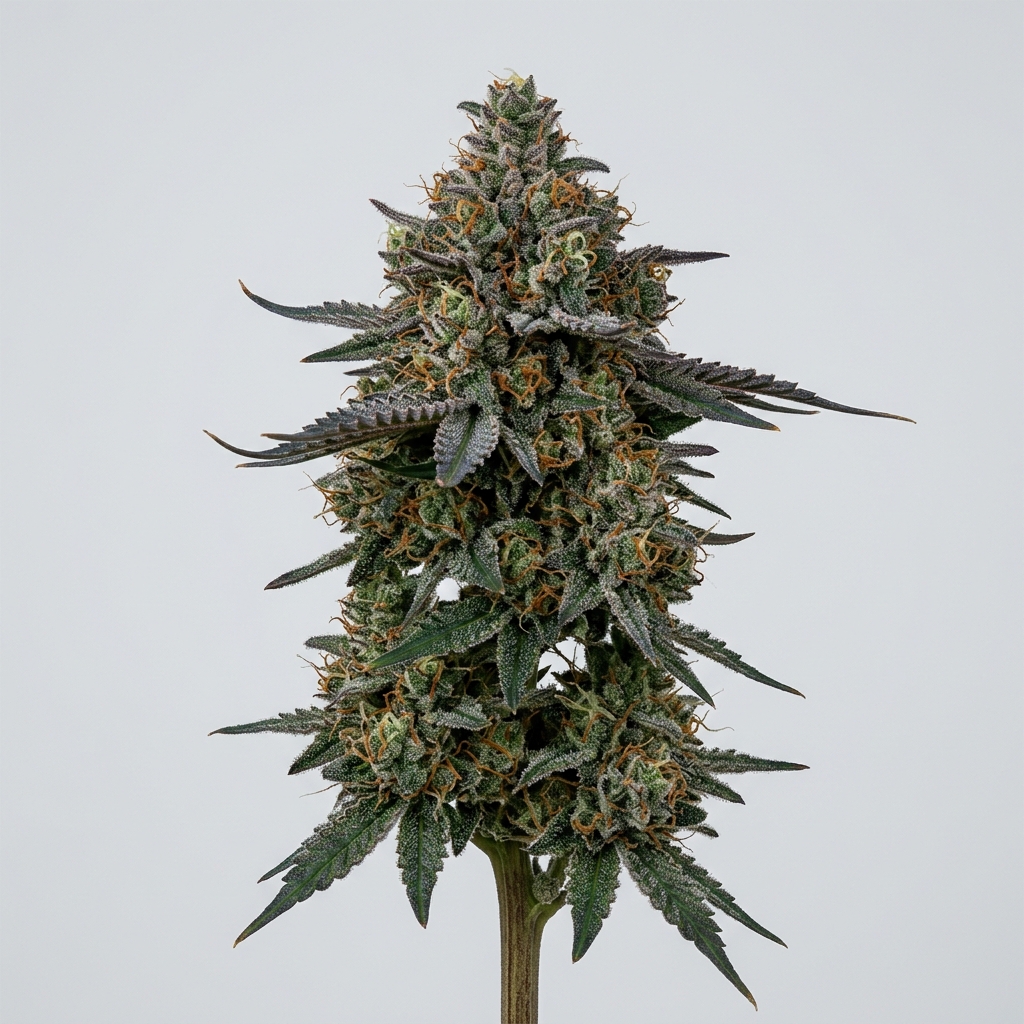
Blue Hash is a resilient, indica-dominant hybrid typically testing between 12% and 20% THC, created by crossing the classic California Hash Plant with the flavor-forward Blueberry. Highly regarded as an extraction-grade resin cultivar, this strain is defined by its greasy resin coverage, deep berry-hash aroma, and compact, sturdy growth. It performs exceptionally well in cooler climates, producing dense, glassy buds that carry a distinct dark berry edge and a rich, earthy kush base.
Cultivators frequently select this strain for its reliable outdoor performance and high resistance to late-season mold. The finished flowers show a heavy dusting of wet frost, making it a favorite for traditional solventless extraction and dry-sift processing.
Quick Facts
| Metric | Details |
|---|---|
| Genetics | California Hash Plant × Blueberry |
| Variety | Indica-dominant hybrid |
| THC Range | 12% – 20% |
| Flowering Time | 50 – 55 days (approx. 7–8 weeks) |
| Yield Potential | Moderate to High |
| Plant Height | Medium (controlled stretch) |
| Climate Preference | Cool to temperate, mountain-tolerant |
| Difficulty | Easy to Moderate |
Scientific & Botanical Overview
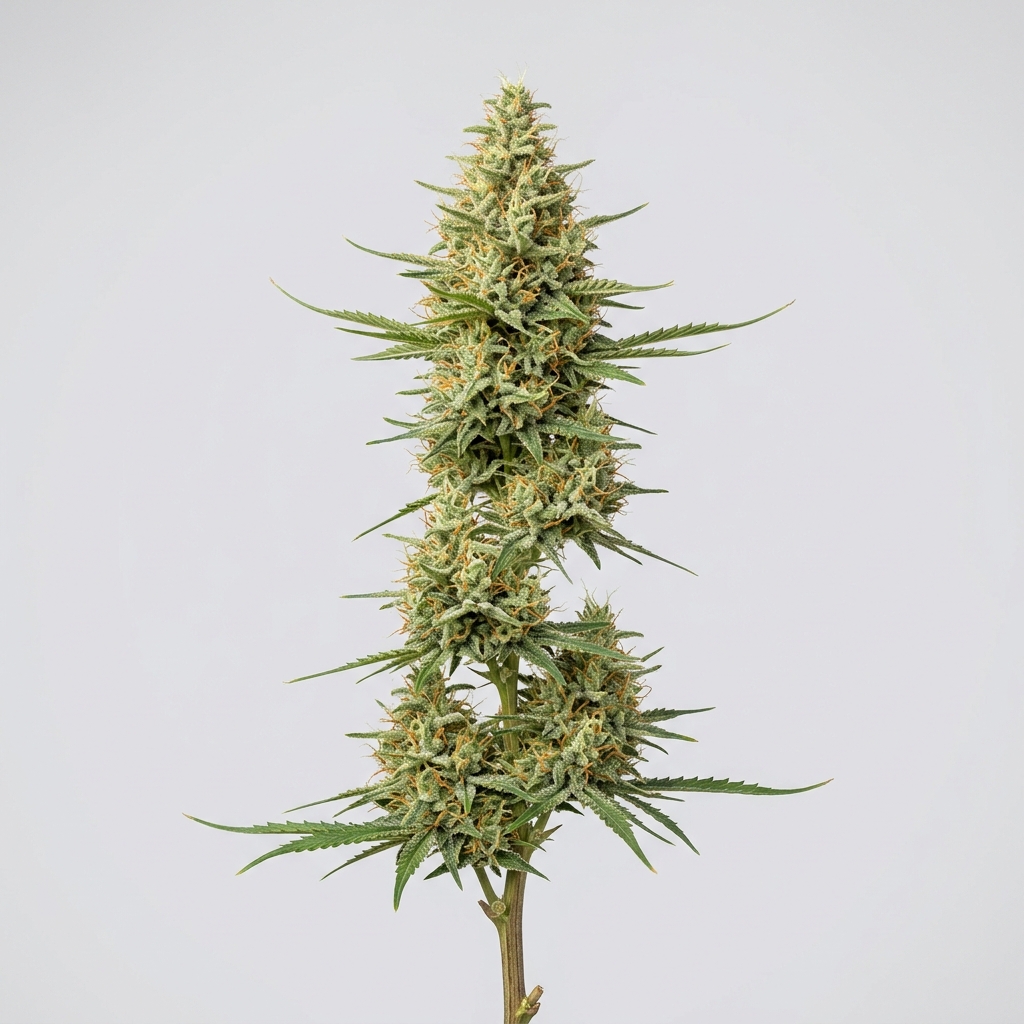
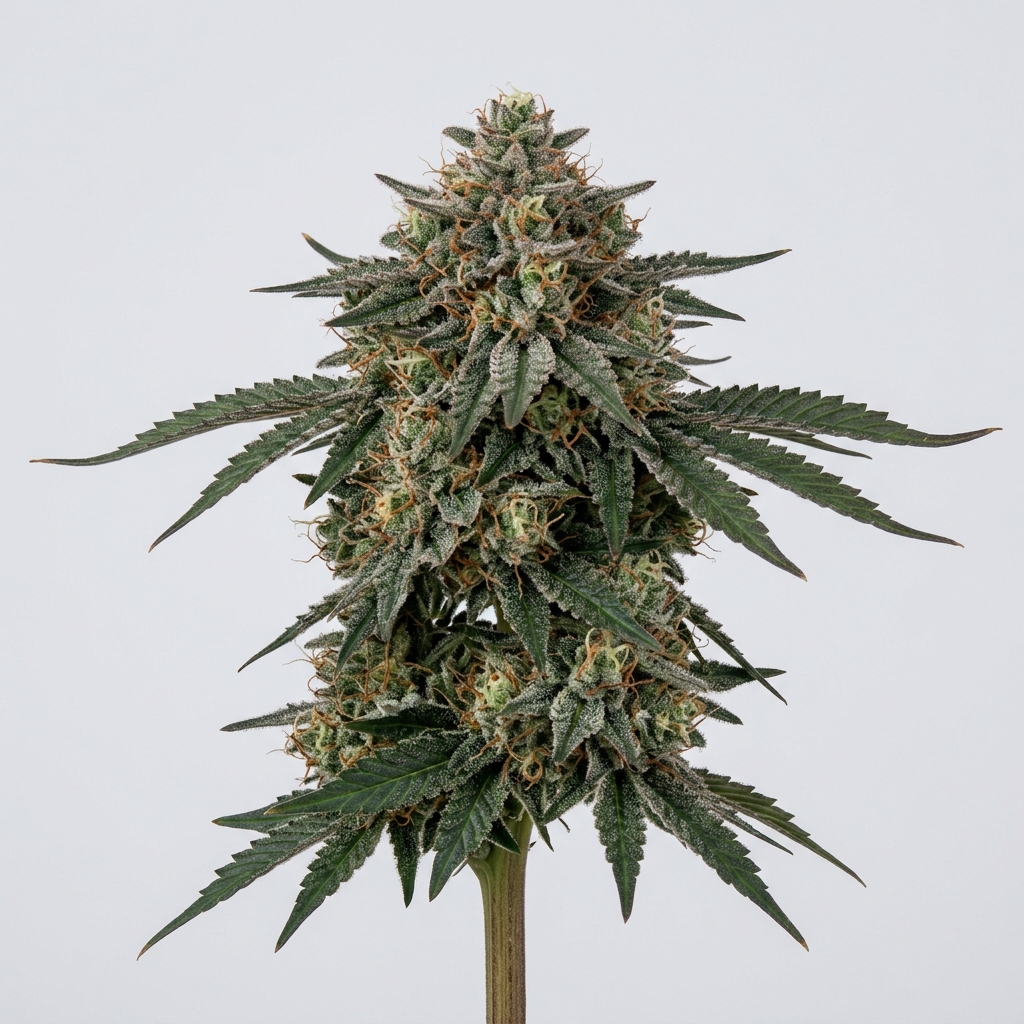
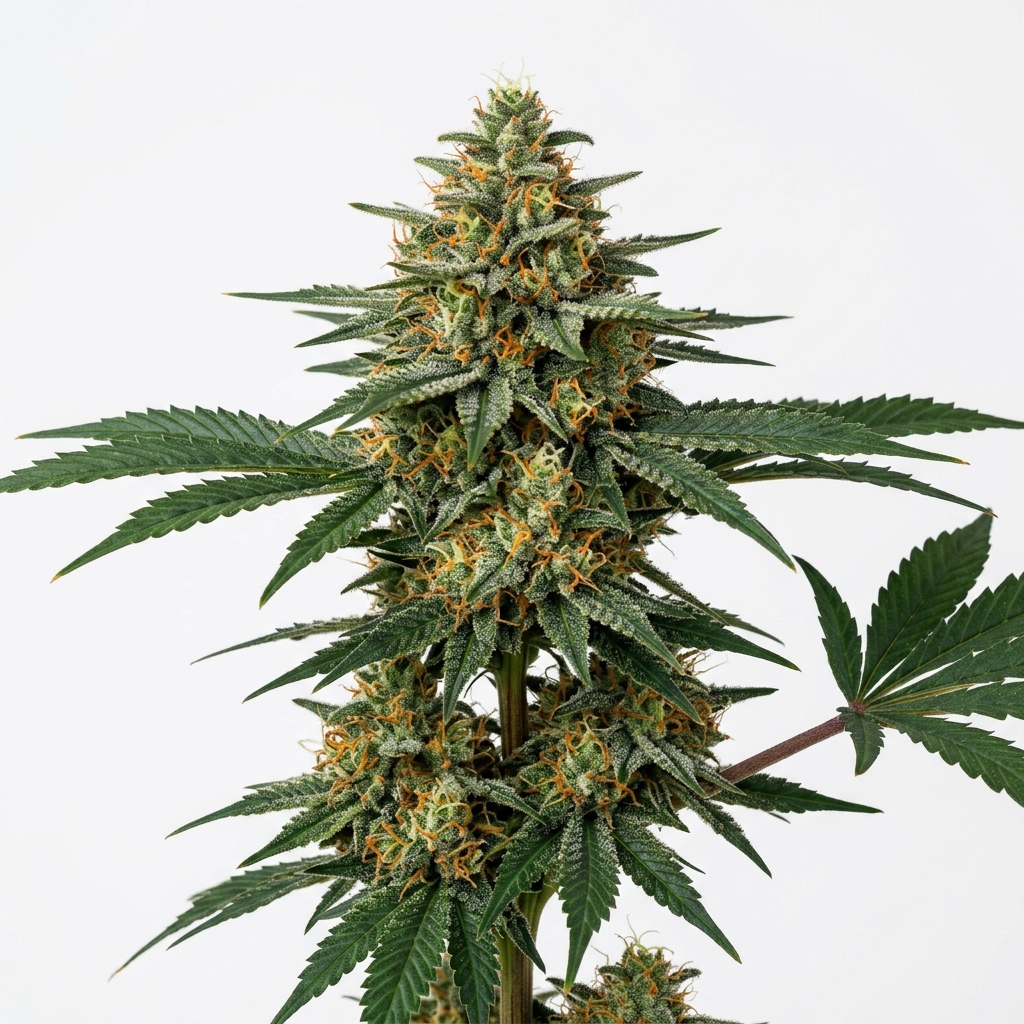
Physically, Blue Hash displays classic indica morphology with broad fan leaves, thick stems, and tight internodes. The vegetative phase is marked by stocky growth that requires minimal structural support, even as the canopy thickens. Its foliage often shifts to dark violet and deep blue hues when exposed to lower night temperatures during the late flowering stage.
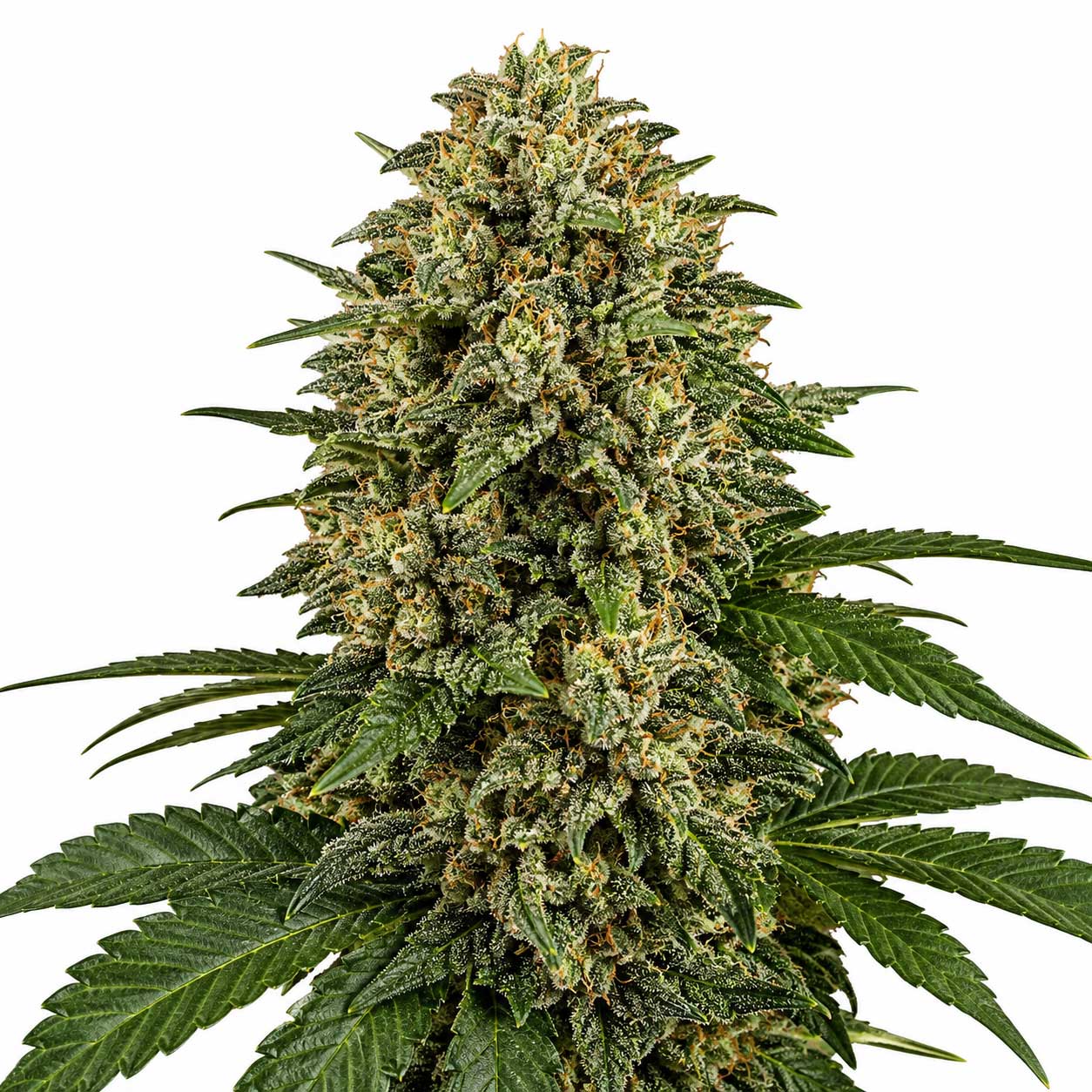
The strain develops dense, rounded bracts that cluster into heavy, resin-rich flowers. Its trichome distribution is notably dense, covering not only the calyxes but also extending deep into the surrounding sugar leaves. This high concentration of capitate-stalked resin glands gives the mature colas a wet, frosted appearance.
Horticulturally, this cultivar is valued for its environmental resilience, inheriting a strong tolerance to cold and damp conditions from its mountain-derived lineage. Unlike many dense indicas, its natural resistance helps protect the tight colas from botrytis and powdery mildew during the autumn harvest window.
Effects & Use-Cases (Reported)
Commonly reported effects: Users frequently describe a heavy, warming physical relaxation that settles quickly over the body, accompanied by a calm, grounded mental state. The experience is deeply sedative, making it highly suitable for late-evening use or quiet wind-down periods.
Use-case context: Given its physical heaviness, this strain is typically reserved for nighttime consumption, assisting with physical recovery or preparation for deep sleep. It is rarely recommended for active daytime tasks, as it tends to induce a strong couch-lock sensation.
Note: Individual tolerance and specific phenotype variations can significantly alter the intensity of these physical effects.
Aroma & Flavors
Aroma: The initial nose is dominated by a rich, earthy hash-like musk, closely followed by a sharp, dark berry edge and subtle notes of damp pine.
Flavor: On the palate, it delivers a smooth, spicy kush base layered with a sweet berry finish and a lingering hint of classic Afghan hash.
Terpene associations: The aromatic profile is largely driven by myrcene, caryophyllene, and pinene, which together create its earthy, spicy, and slightly sweet berry character.
Tested Cannabinoid & Terpene Ranges
| Compound | Typical Range |
|---|---|
| Δ9-THC | 12.0% – 20.0% |
| CBD | < 1.0% |
| Myrcene | 0.4% – 1.1% |
| Caryophyllene | 0.2% – 0.6% |
| Pinene | 0.1% – 0.4% |
Note: Tested values represent typical laboratory data for this cultivar. Actual cannabinoid and terpene content is highly variable and depends on specific cultivation, curing, and storage conditions.
Cultivation Notes
- Humidity management: Maintain relative humidity (RH) below 45% during the final three weeks of flowering to protect the dense, compact colas from internal moisture buildup.
- Temperature drops: Introduce cool night temperatures (a drop of 8–10°F) in late flower to stimulate the expression of deep purple and blue pigments in the foliage and calyxes.
- Defoliation: Perform a thorough defoliation of the lower canopy before initiating the flowering cycle to improve airflow and direct energy to the upper spear colas.
- Nutrient regimen: This cultivar is a moderate feeder; avoid heavy nitrogen applications during mid-to-late bloom to prevent leaf curl and preserve terpene clarity.
- Harvest window: Look for a high ratio of amber trichome heads (around 15–20%) if a more traditional, deeply sedative hash-like effect is desired.
Grower Notes (Week-by-Week Snapshot)
- Weeks 1–3 (Transition & Early Bloom): The plant undergoes a controlled stretch, usually doubling in height. Focus on light canopy training and clear out lower bud sites that receive minimal light penetration.
- Weeks 4–6 (Mid-Bloom & Resin Onset): Calyxes begin to swell rapidly, and a greasy layer of resin develops across the flowers. Ensure air circulation is consistent and night temperatures remain stable.
- Weeks 7–8+ (Late Bloom & Ripening): The buds harden significantly, and the sweet berry aroma intensifies. Reduce water intake gradually and monitor trichome maturity daily as the plant nears its harvest window.
- Post-Harvest (Slow Dry & Cure): Hang the entire plant to dry at 60°F and 60% relative humidity for 10 to 14 days. A slow dry preserves the delicate berry terpenes and ensures a smooth, clean-burning final product.
Genetic Lineage
The maternal line of Blue Hash traces back to California Hash Plant, a highly stable indica selection prized for its rapid flowering time, heavy resin output, and robust resistance to environmental stress. This parent provides the structural foundation, yielding thick, sturdy stems and dense, earthy flowers suited for solventless extraction.
The paternal influence comes from Blueberry, a legendary sweet and colorful hybrid that infuses the cross with its iconic dark fruit aroma and vibrant violet coloration. This combination tempers the heavy, spicy hash notes of the maternal line with a soft berry sweetness, creating a balanced and resilient hybrid.
Research Insights
Scientific analysis of Blue Hash highlights its high concentration of sesquiterpenes and monoterpenes, particularly the interaction between myrcene and caryophyllene. This specific terpene profile works in tandem with the moderate THC levels to produce a highly physical, soothing effect without the sharp, racey mental stimulation common in high-THC sativa cultivars.
From a breeding perspective, the genetic stability of this cross makes it an excellent subject for studying cold tolerance and mold resistance in indica-dominant lines. Its ability to maintain high resin density under sub-optimal outdoor conditions provides valuable data for developing cultivars tailored to northern climates.
Frequently Asked Questions
Is Blue Hash suitable for outdoor cultivation?
Yes. Blue Hash is highly resilient and performs exceptionally well outdoors, especially in cooler or mountainous regions. Its genetic background gives it excellent natural resistance to late-season mold and damp conditions.
What does Blue Hash smell like?
The strain features a prominent aroma of rich, earthy hash mixed with a sweet, dark berry edge and subtle undertones of fresh pine.
How long does Blue Hash take to flower?
When grown indoors, Blue Hash typically finishes flowering within 50 to 55 days (approximately 7 to 8 weeks). Outdoors, it is usually ready for harvest by early to mid-October.
Is this strain good for resin extraction?
Absolutely. Blue Hash is considered an extraction-grade cultivar due to its heavy, greasy resin production, making it ideal for dry sift, ice water hash, and rosin pressing.
Educational Disclaimer
This article is for educational and informational purposes only. Cannabis laws and regulations vary by jurisdiction. Cultivation and consumption should only be undertaken in compliance with local laws.
Rate and review this strain
Ratings and reviews are accepted only from signed-in Google accounts.
Sign in with Google to leave a rating and written review.
Latest Reviews
0 reviewsNo reviews yet. Be the first Google user to rate and review this strain.