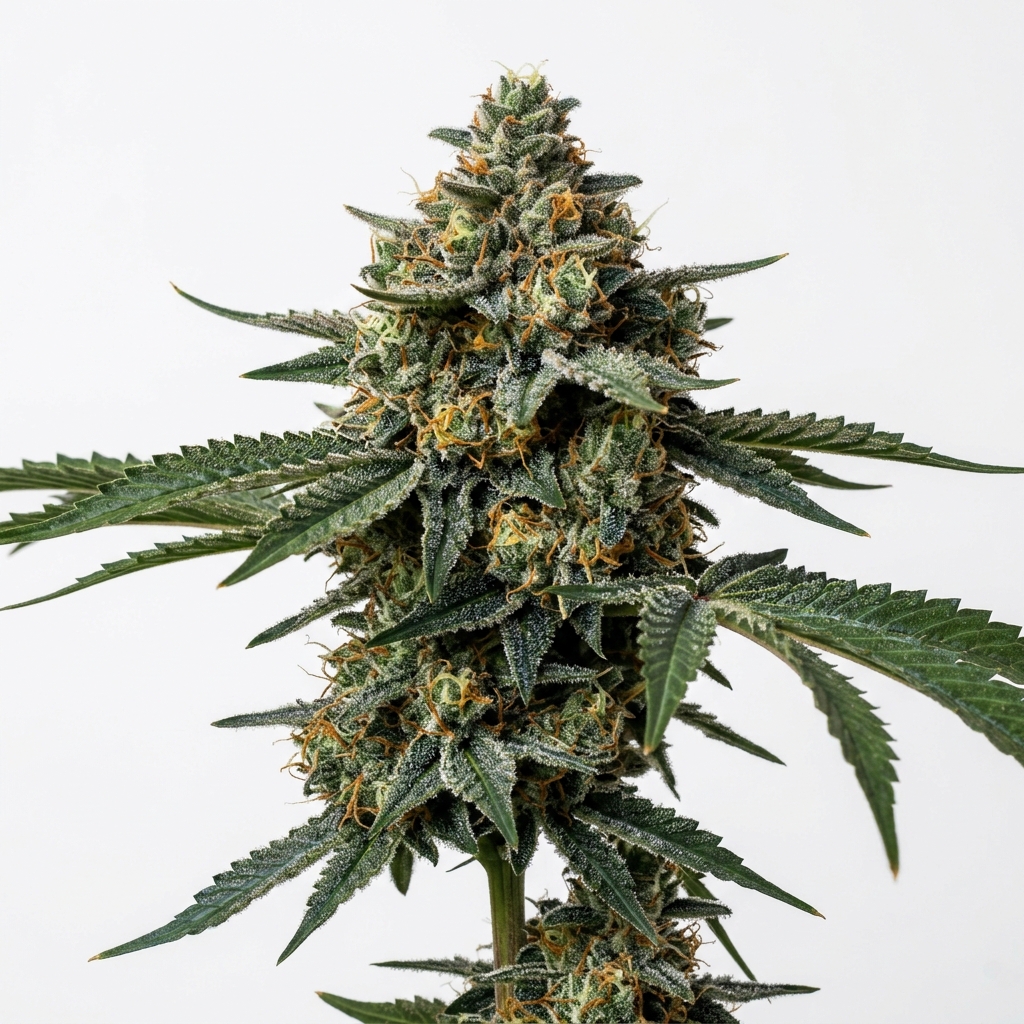
Holy Grail Kush (Cannabis Strain)
Holy Grail Kush is an indica-dominant hybrid typically testing between 20% and 28% THC, bred by crossing the award-winning Kosher Kush and OG Kush #18. This cultivar is highly regarded for its greasy resin production, heavy spear colas, and a classic profile defined by a sharp citrus lift over a deep, earthy kush base. In the garden, it shows a moderate, controlled stretch during early flower and requires careful humidity management to protect its dense, resin-rich flowers.
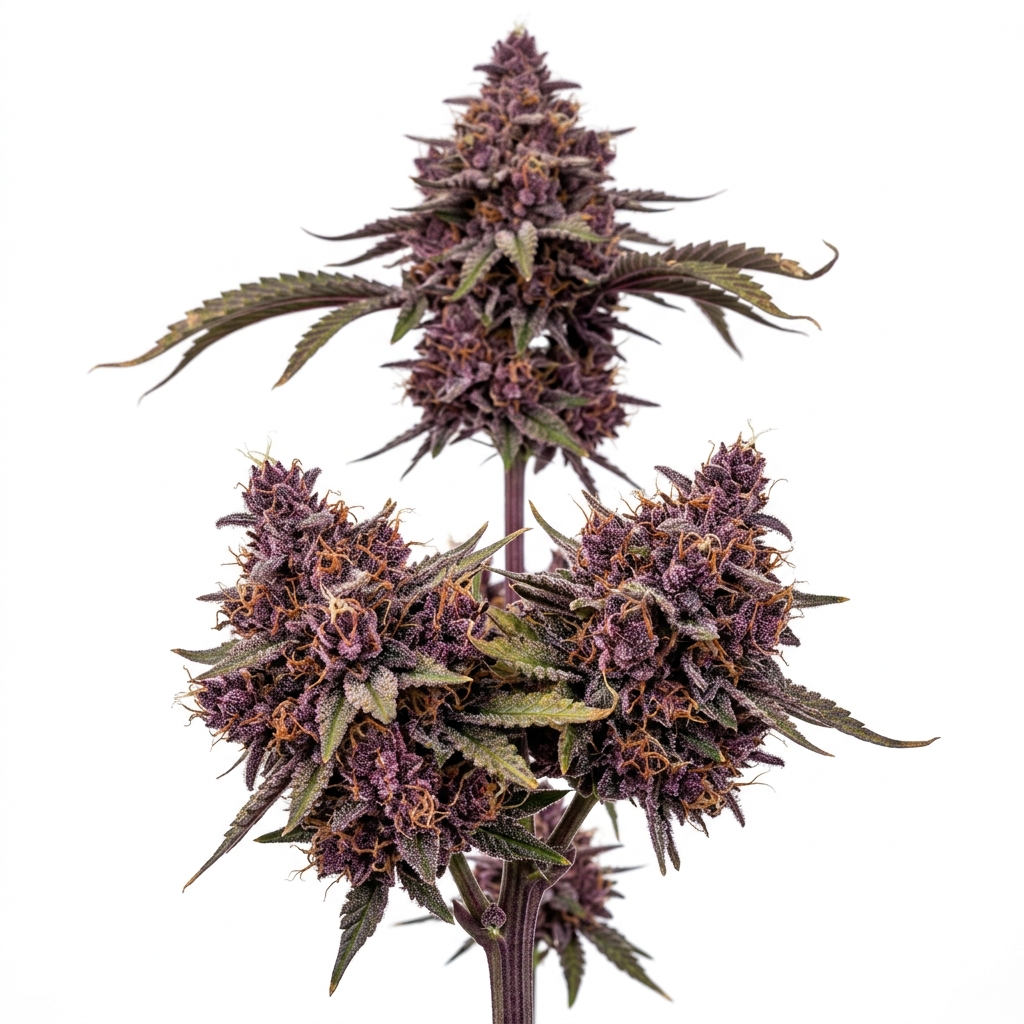
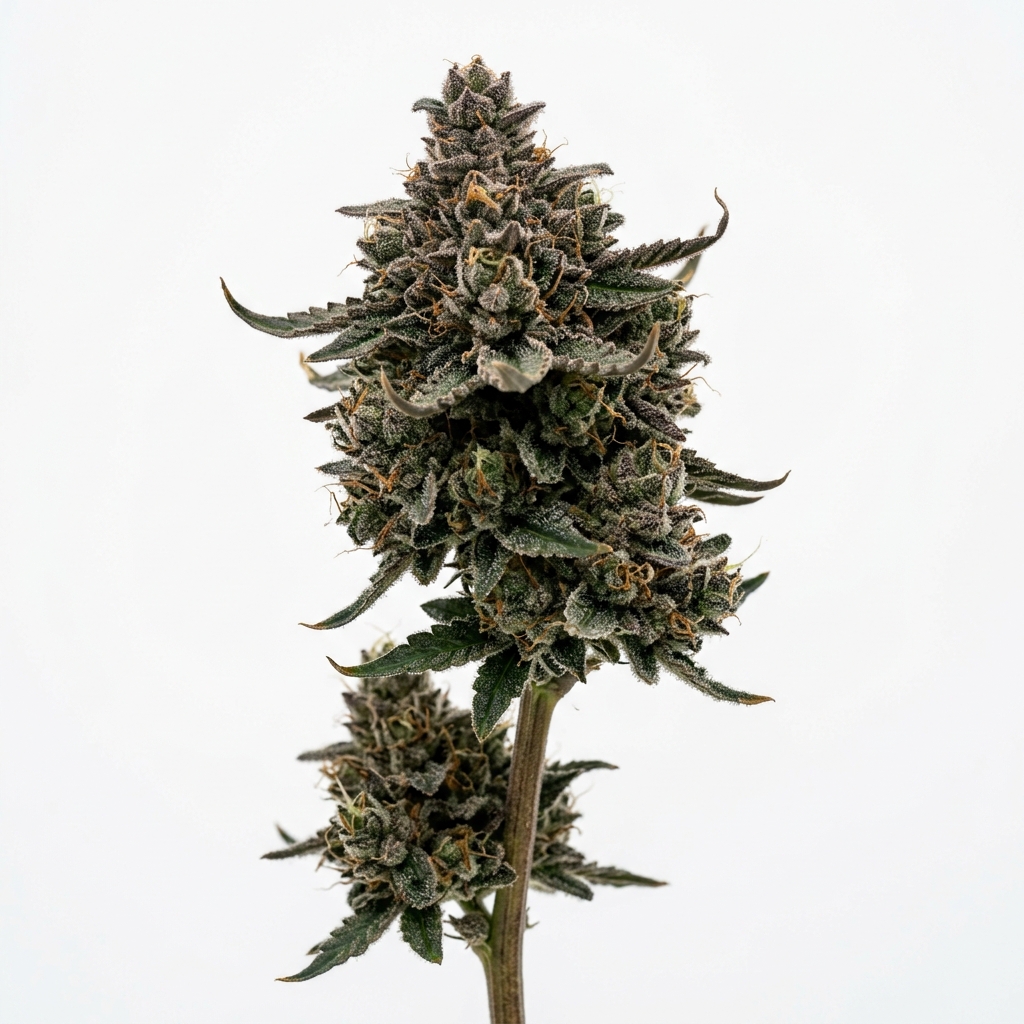
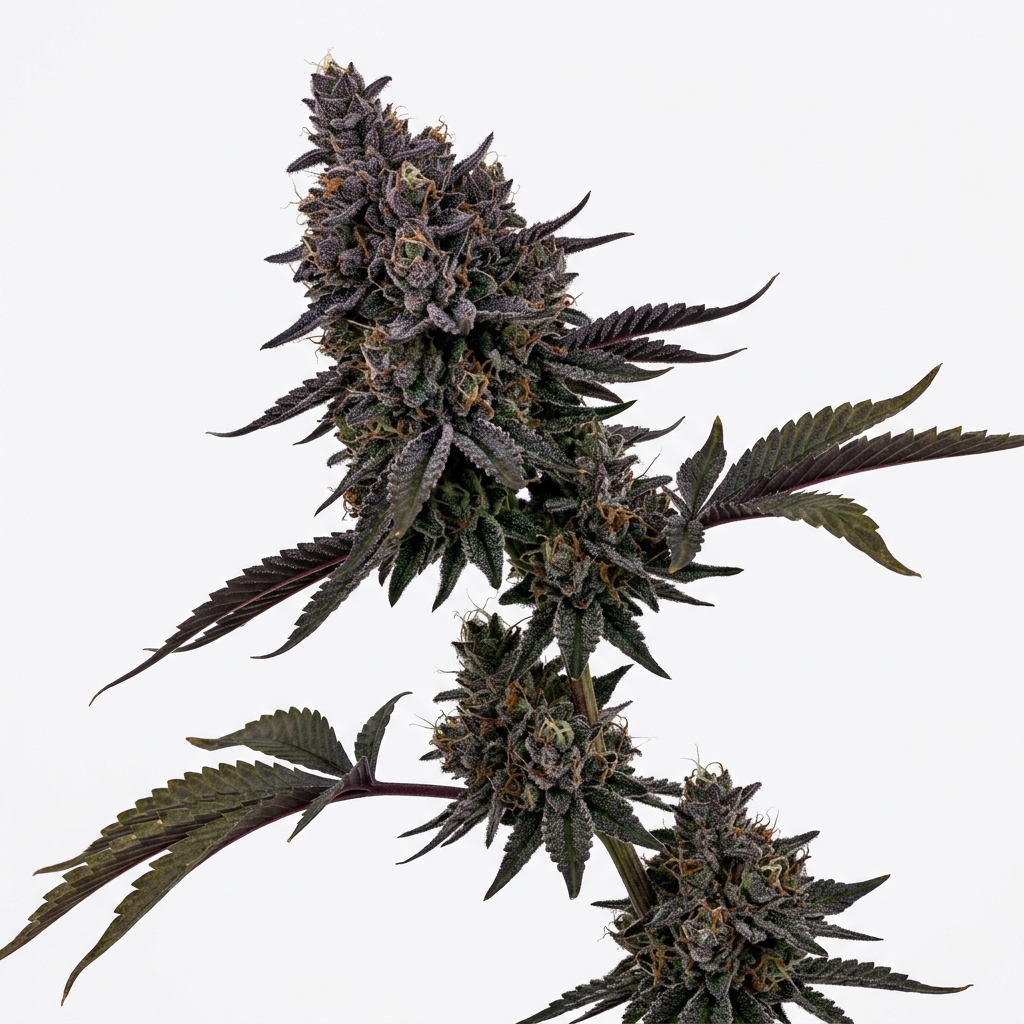
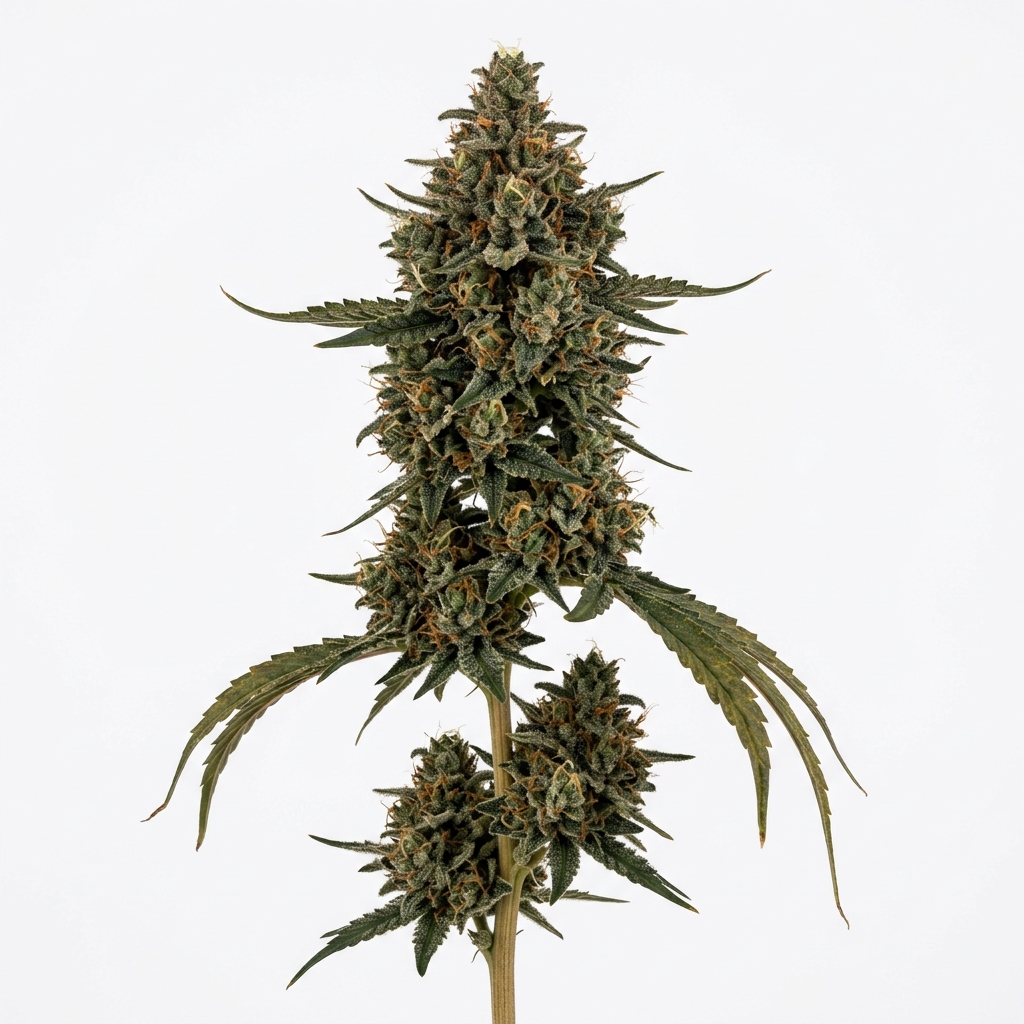
Cultivators and extractors favor this variety for its reliable yield and the clarity of its terpene profile. The finished buds are dark green with blue-ish hues, coated in a thick layer of glassy trichomes that deliver a potent, long-lasting evening experience.
Quick Facts
| Metric | Details |
|---|---|
| Genetics | Kosher Kush × OG Kush #18 |
| Variety | Indica-dominant hybrid |
| THC Range | 20% – 28% |
| Flowering Time | 8 – 9 weeks |
| Yield Potential | Moderate to high |
| Plant Height | Medium to tall (moderate stretch) |
| Climate Preference | Temperate, low humidity |
| Difficulty | Moderate |
Scientific & Botanical Overview
Structurally, this cultivar displays strong lateral branching and tight internodes that support heavy, resin-dense terminal colas. The leaves are broad and dark green, showing classic indica morphology with a tendency to produce thick, waxy cuticles that help retain moisture.
During the transition to flower, the plant undergoes a manageable stretch, usually doubling in height. The nodal spacing allows for adequate light penetration, though selective defoliation is recommended to improve airflow through the lower canopy.
The resin glands develop early in the flowering cycle, evolving from clear capitate-stalked trichomes into a dense, greasy layer. Swollen calyxes and deep orange pistils characterize the mature floral clusters, which become increasingly heavy as harvest approaches.
Effects & Use-Cases (Reported)
Commonly reported effects: Users frequently describe a deep, physical relaxation that settles heavily into the limbs, accompanied by a calm, meditative mental state. The onset is typically swift, beginning with a warm sensation behind the eyes before transitioning into a heavy body stone.
Use-case context: This variety is best suited for late-evening use or quiet rest, making it a popular choice for winding down after physical exertion. It is less suited for active daytime tasks due to its sedating nature.
Note: Individual tolerance and dosage significantly influence the depth of these sedative effects, and novice users should approach this high-potency cultivar with caution.
Aroma & Flavors
Aroma: The initial scent is dominated by a pungent, fuel-forward gas mixed with damp earth and pine. Breaking the buds releases a sharp citrus lift, adding a clean, lemon-like brightness to the heavy, classic OG profile.
Flavor: On the inhale, the smoke carries a rich, earthy kush base with notes of spicy pine and diesel. The exhale leaves a lingering tart gas and subtle mint finish on the palate.
Terpene associations: Lab analyses typically show a dominance of myrcene, limonene, and caryophyllene, which drive the earthy, citrusy, and spicy characteristics of the strain.
Tested Cannabinoid & Terpene Ranges
| Compound | Typical Range |
|---|---|
| Δ9-THC | 20.0% – 28.0% |
| CBD | < 1.0% |
| CBG | 0.5% – 1.5% |
| Myrcene | 0.6% – 1.2% |
| Limonene | 0.4% – 0.8% |
| Caryophyllene | 0.3% – 0.6% |
Note: Cannabinoid and terpene profiles vary depending on cultivation practices, curing methods, and specific phenotypes.
Cultivation Notes
- Humidity Management: Keep relative humidity (RH) below 45% during the final three weeks of flowering to prevent moisture retention within the dense bracts.
- Nutrient Feeding: This cultivar responds well to a steady feeding regimen, particularly requiring higher levels of calcium and magnesium during the mid-flowering stretch.
- Canopy Control: Implement topping or low-stress training (LST) early in the vegetative phase to promote lateral growth and create an even canopy of spear colas.
- Airflow: Ensure strong under-canopy airflow using oscillating fans to prevent microclimates of high humidity near the lower stems.
- Harvest Timing: Look for amber trichome heads to cover roughly 15-20% of the calyxes for optimal sedative potency and terpene clarity.
Grower Notes (Week-by-Week Snapshot)
- Weeks 1–3 (The Stretch): Plants will stretch significantly after the photoperiod switch. Ensure light height is adjusted to prevent node stretching, and perform light leaf stripping at the end of week three.
- Weeks 4–6 (Flower Development): Small, resinous bud sites form rapidly. The greasy resin starts to coat the surrounding sugar leaves, and the classic earthy, gassy aroma begins to emerge.
- Weeks 7–9 (Ripening & Flush): Calyxes swell and pistils turn orange-red. Reduce nutrient levels and initiate a clean water flush for the final 10 to 14 days to preserve the clean mint and pine finish.
- Post-Harvest (Slow Dry): Hang dry the entire plant at 60°F (15°C) and 60% relative humidity for 12 to 14 days to lock in the delicate terpene profile before a minimum four-week cure.
Genetic Lineage
The lineage of this cultivar is a direct cross of two highly respected OG variants: Kosher Kush and OG Kush #18. Kosher Kush contributes its deep, body-heavy physical traits and distinct earthy spice, while OG Kush #18 infuses the cross with its signature sour fuel aroma and dense, resin-rich structure.
This combination has solidified the strain’s place in breeding programs, offering a reliable genetic baseline that consistently delivers high cannabinoid output and classic kush characteristics across different phenotypes.
Research Insights
Analytical data indicates that the interaction between high concentrations of myrcene and limonene plays a key role in modulating the physical effects of this strain. This specific chemical profile helps temper the sharp, cerebral stimulation of the limonene, resulting in a more balanced, deeply relaxing physical state.
Breeders frequently use this genetic line to introduce stability and intense resin production into new crosses. The high concentration of capitate-stalked trichomes makes it a valuable subject for studies focused on terpene preservation and solventless extraction efficiency.
Frequently Asked Questions
Is Holy Grail Kush difficult to grow?
This cultivar is of moderate difficulty. It requires attentive humidity control in late flower due to its dense buds, but it is highly resilient against common pests and responds well to standard training techniques.
What does Holy Grail Kush smell like?
It has a strong, pungent aroma defined by deep earthy pine, sour fuel, and a sharp citrus lift that becomes more pronounced when the buds are broken apart.
What are the primary terpenes in this strain?
The dominant terpenes are typically myrcene, limonene, and caryophyllene, which together create its classic spicy, gassy, and citrusy profile.
When is the best time to harvest Holy Grail Kush?
Indoor plants are usually ready for harvest after 8 to 9 weeks of flowering, when the trichomes have transitioned from clear to mostly milky with a scattering of amber heads.
Educational Disclaimer
This profile is for educational purposes only. Cultivation of cannabis is subject to local laws, and individual physiological responses to cannabinoids may vary.
Rate and review this strain
Ratings and reviews are accepted only from signed-in Google accounts.
Sign in with Google to leave a rating and written review.
Latest Reviews
0 reviewsNo reviews yet. Be the first Google user to rate and review this strain.
Follow New Cultivar Records
Get newly documented genetics, breeder history, research highlights, and important Strainpedia discoveries by email.