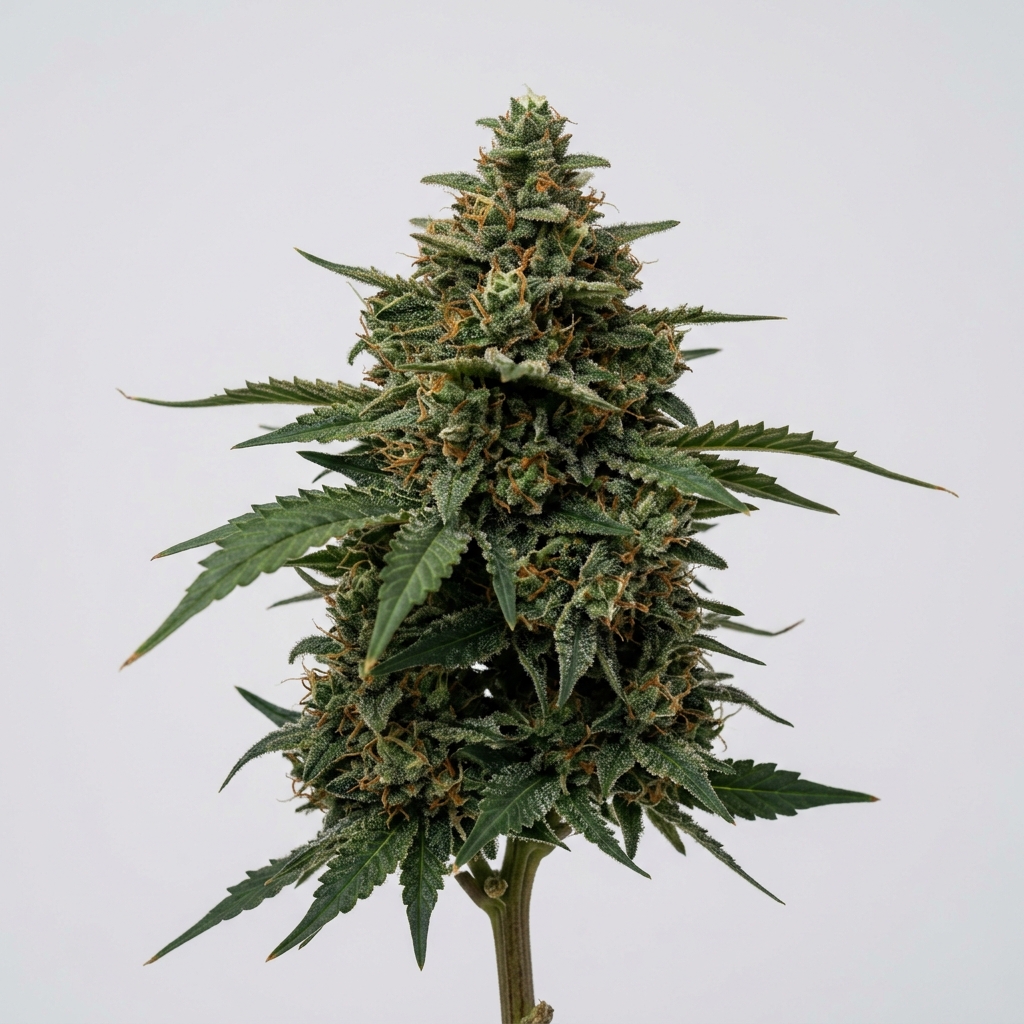
Mazar (Cannabis Strain)
Mazar is a classic indica-dominant cultivar crossing landrace Afghani
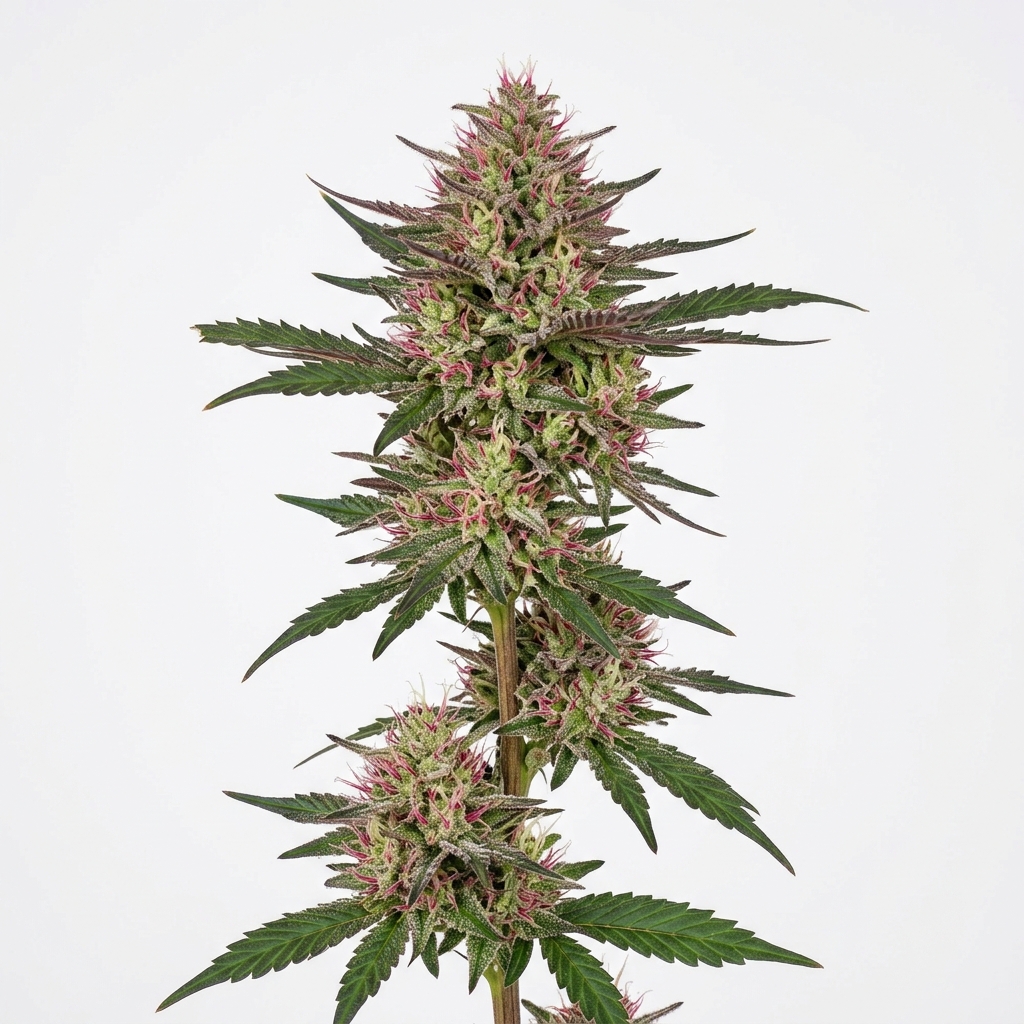
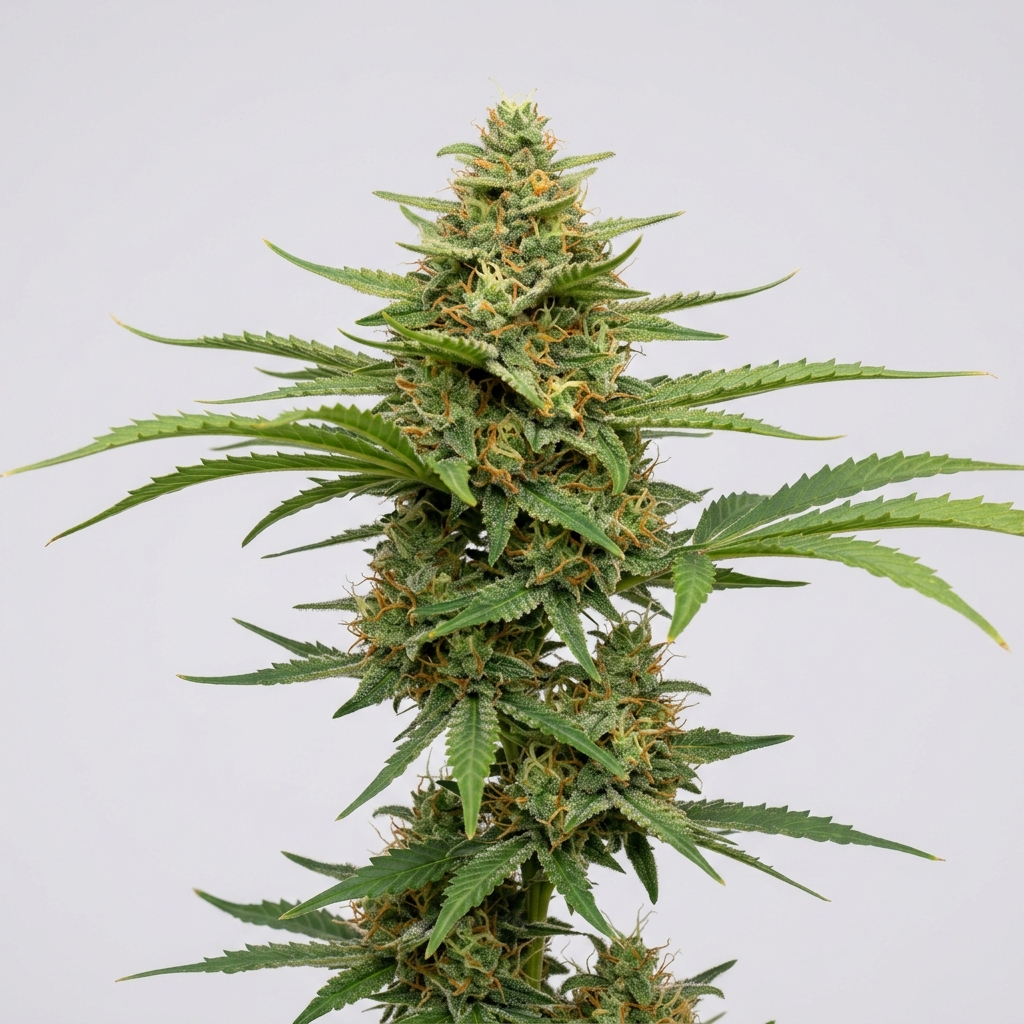
genetics from the Mazar-i-Sharif region with Skunk #1. Typically testing between 15% and 20% THC, this heavy evening hybrid is widely recognized for its greasy resin production, short and stocky growth behavior, and dense, pine-cone-shaped buds. Its sensory profile is defined by a deep, earthy kush base layered with sweet, spicy hash notes and a sharp pine finish.
Originally refined by Dutch Passion in the late 1990s, the strain remains a foundational building block for modern resin extraction. Growers value the variety for its predictable, compact structure and reliable performance in indoor setups.
Quick Facts
| Field | Details |
|---|---|
| Genetics | Afghani × Skunk #1 |
| Variety | Indica-dominant hybrid |
| THC Range | 15% – 20% |
| Flowering Time | 8 – 9 weeks |
| Yield Potential | Moderate to High |
| Plant Height | Short to Medium |
| Climate Preference | Temperate, low-humidity environments |
| Difficulty | Easy to Moderate |
Scientific & Botanical Overview
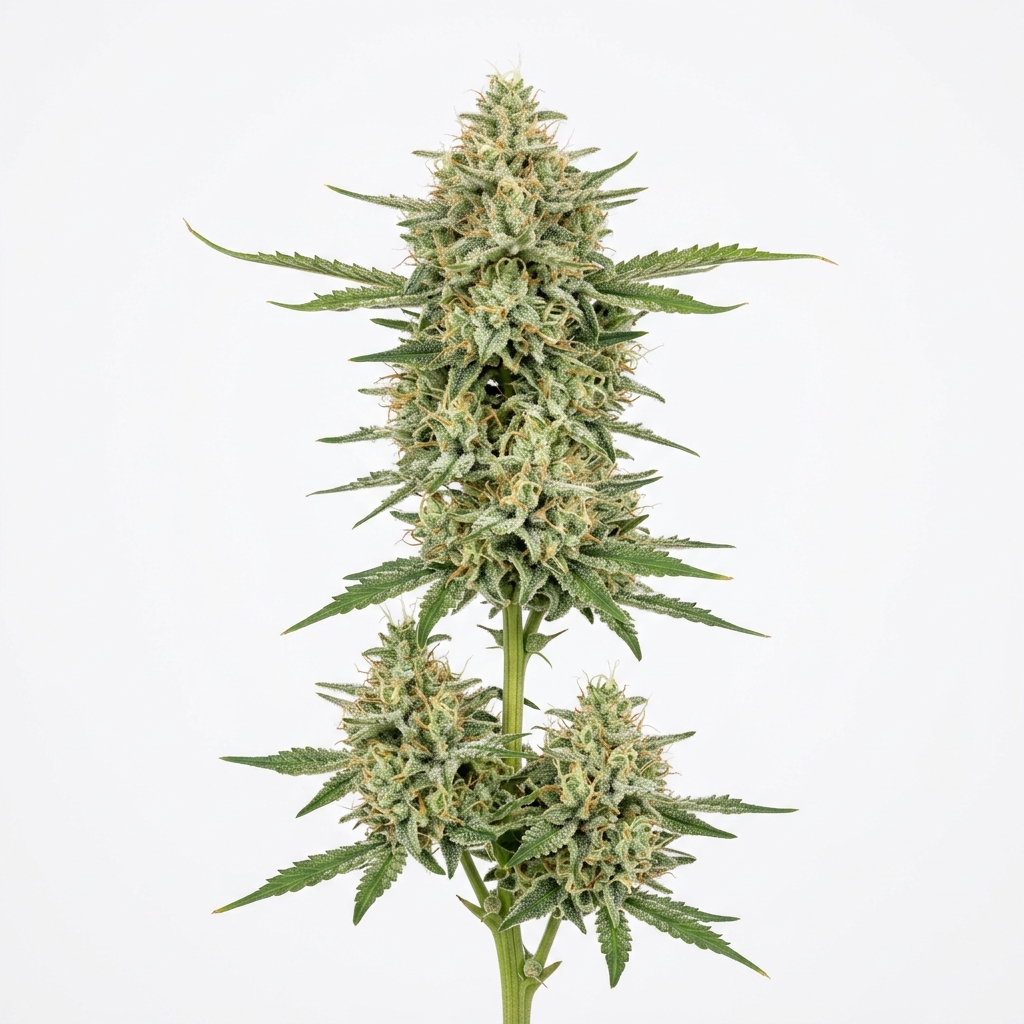
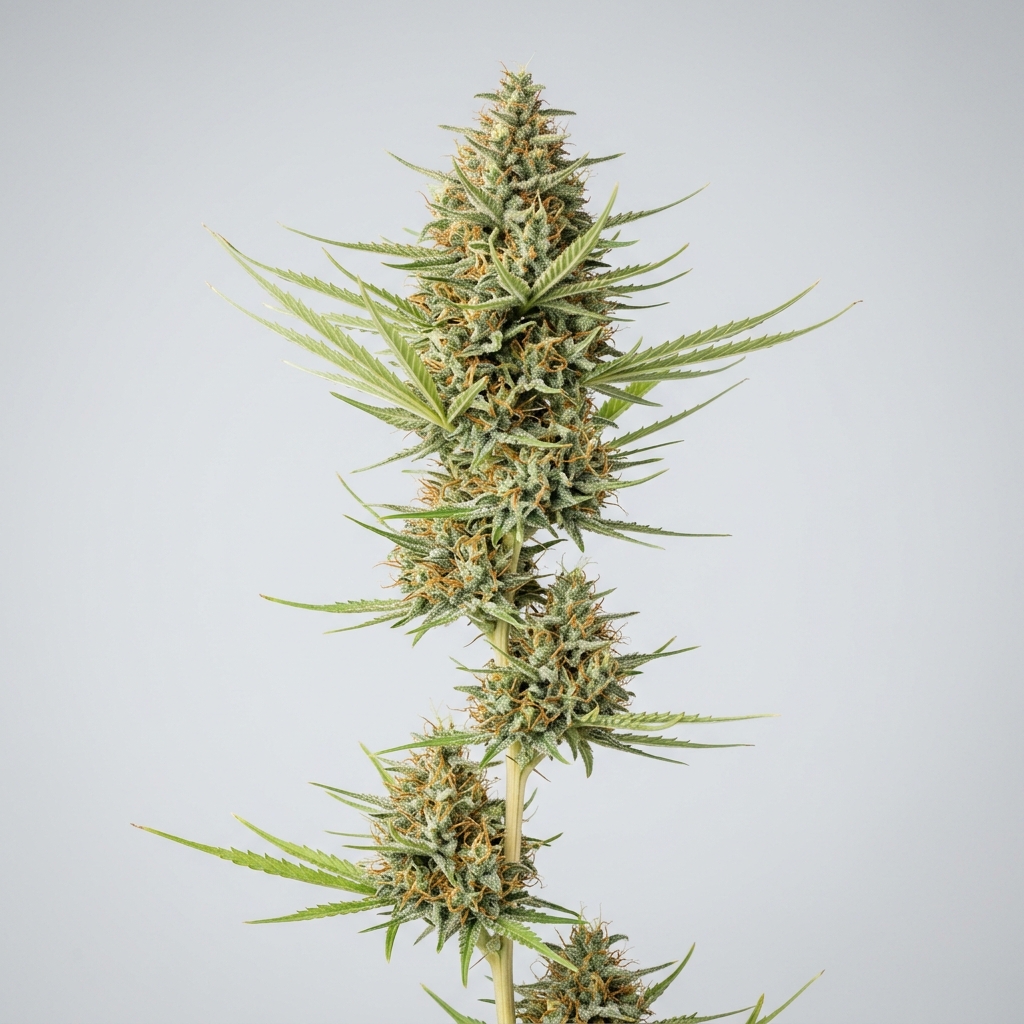
Mazar displays classic indica morphology, characterized by broad fan leaves, tight internodes, and a stout, bushy frame. The strain concentrates its energy into a heavy central cola and thick lateral branches that support dense, resin-rich flowers. Its physical structure requires minimal vertical space, making it highly compatible with multi-tier indoor cultivation systems.
The calyx-to-leaf ratio is moderate, resulting in compact, spear-shaped colas that become heavily coated in sticky, glassy trichomes as harvest approaches. Under cooler night temperatures, the deep green foliage can shift to darker, forest-green hues, while the pistils remain relatively short and turn a deep burnt orange.
Its genetic stability makes it highly predictable in the grow room, showing minimal phenotypic variation. The dense bracts require careful humidity management to prevent moisture retention in the final weeks of flower, as the compact buds can easily trap stagnant air.
Effects & Use-Cases (Reported)
Commonly reported effects: Users typically describe a heavy, physical relaxation that settles deeply into the limbs, accompanied by a calm, tranquil headspace. The onset is slow but steady, shifting from a mild sensory softening to a profound, couch-locking physical weight. It is widely recognized for its grounding, sedative qualities rather than any cerebral stimulation.
Use-case context: This cultivar is best suited for late evening or nighttime use, particularly when winding down after physical exertion. Its deeply relaxing nature makes it a poor choice for daytime productivity or active social settings, as it frequently induces a strong desire for rest.
Note: Due to its heavy physical sedative properties, less experienced users should approach this strain with caution to avoid unexpected lethargy.
Aroma & Flavors
Aroma: A pungent, earthy kush base dominates the jar, accented by sweet hashish notes, damp soil, and a sharp pine undertone.
Flavor: The smoke is thick and expansive, delivering a spicy herbal taste on the inhale followed by a sweet, slightly peppery skunk finish.
Terpene associations: High concentrations of myrcene, caryophyllene, and pinene drive the strain’s traditional old-school profile.
Tested Cannabinoid & Terpene Ranges
| Compound | Typical Range |
|---|---|
| Δ9-THC | 15.0% – 20.0% |
| CBD | < 1.0% |
| Myrcene | 0.4% – 0.8% |
| Caryophyllene | 0.2% – 0.5% |
| Pinene | 0.1% – 0.3% |
Note: Cannabinoid and terpene levels are highly variable and depend on specific cultivation methods, environmental conditions, and curing practices.
Cultivation Notes
- Keep late-flower humidity below 45% to protect the dense, compact colas from moisture issues.
- The plant responds well to low-stress training (LST) and light defoliation to improve airflow through its bushy canopy.
- A moderate nutrient regimen is recommended, as the strain can be sensitive to excessive nitrogen during the vegetative stage.
- Maintain clean, direct airflow beneath the canopy to support the heavy lower branches.
- A slow dry of 10 to 14 days at 60°F and 60% relative humidity preserves the delicate, earthy terpene clarity.
Grower Notes (Week-by-Week Snapshot)
- Weeks 1–3 (Vegetative & Early Stretch): The plant shows a controlled stretch, usually doubling in height. Focus on early leaf tucking to expose lower bud sites to light without removing too much foliage.
- Weeks 4–6 (Mid-Flower): Dense flower clusters begin to form rapidly, and resin production starts to coat the surrounding sugar leaves. Ensure support stakes or trellis netting are in place for the heavy colas.
- Weeks 7–9 (Late Flower & Flush): The buds swell into dense, sticky spears while the pistils turn amber. Initiate a clean water flush during the final 10 days as trichomes transition from milky to amber.
Genetic Lineage
The maternal side of Mazar stems from a rugged landrace Afghani indica sourced from the historic Mazar-i-Sharif region, known for producing resilient, resin-heavy hash plants. This lineage contributes the strain’s short stature, dense bud structure, and deep, physical sedative properties.
To improve yields and sweeten the flavor profile, breeders crossed this landrace with Skunk #1. This introduction of classic skunk genetics added a sweet, pungent complexity to the aroma while increasing the overall vigor and bud density of the offspring.
Research Insights
Analytical testing reveals a terpene profile dominated by myrcene and caryophyllene, which work in tandem with the strain’s moderate THC levels. This specific chemical makeup is often studied for its strong affinity with physical relaxation pathways, reinforcing its traditional use-case as an evening selection.
The genetic preservation of the Afghani landrace elements within Mazar makes it a valuable subject for breeding programs targeting pest resistance and resin gland density. Its robust physical traits continue to serve as a benchmark for cold-tolerant, high-yielding indica hybrids.
Frequently Asked Questions
Is Mazar a pure indica?
While Mazar is highly indica-dominant in its growth habits and physical effects, it is technically a hybrid due to the inclusion of Skunk #1 genetics in its lineage.
How tall does Mazar grow?
Indoors, the strain typically remains short and stocky, usually reaching a height of 3 to 4 feet, making it ideal for spaces with limited vertical clearance.
What does Mazar smell like?
It features a deeply pungent, old-school aroma characterized by rich earth, sweet hashish, spicy pine, and a lingering skunky undertone.
Is Mazar difficult to grow?
No, it is generally considered an easy to moderate strain to cultivate. Its hardy nature makes it forgiving for beginners, though growers must monitor humidity closely in late flower.
Educational Disclaimer
This content is for educational and informational purposes only. Cannabis laws and regulations vary by jurisdiction. Consult with a qualified professional before undertaking any cultivation or consumption practices.
Rate and review this strain
Ratings and reviews are accepted only from signed-in Google accounts.
Sign in with Google to leave a rating and written review.
Latest Reviews
0 reviewsNo reviews yet. Be the first Google user to rate and review this strain.