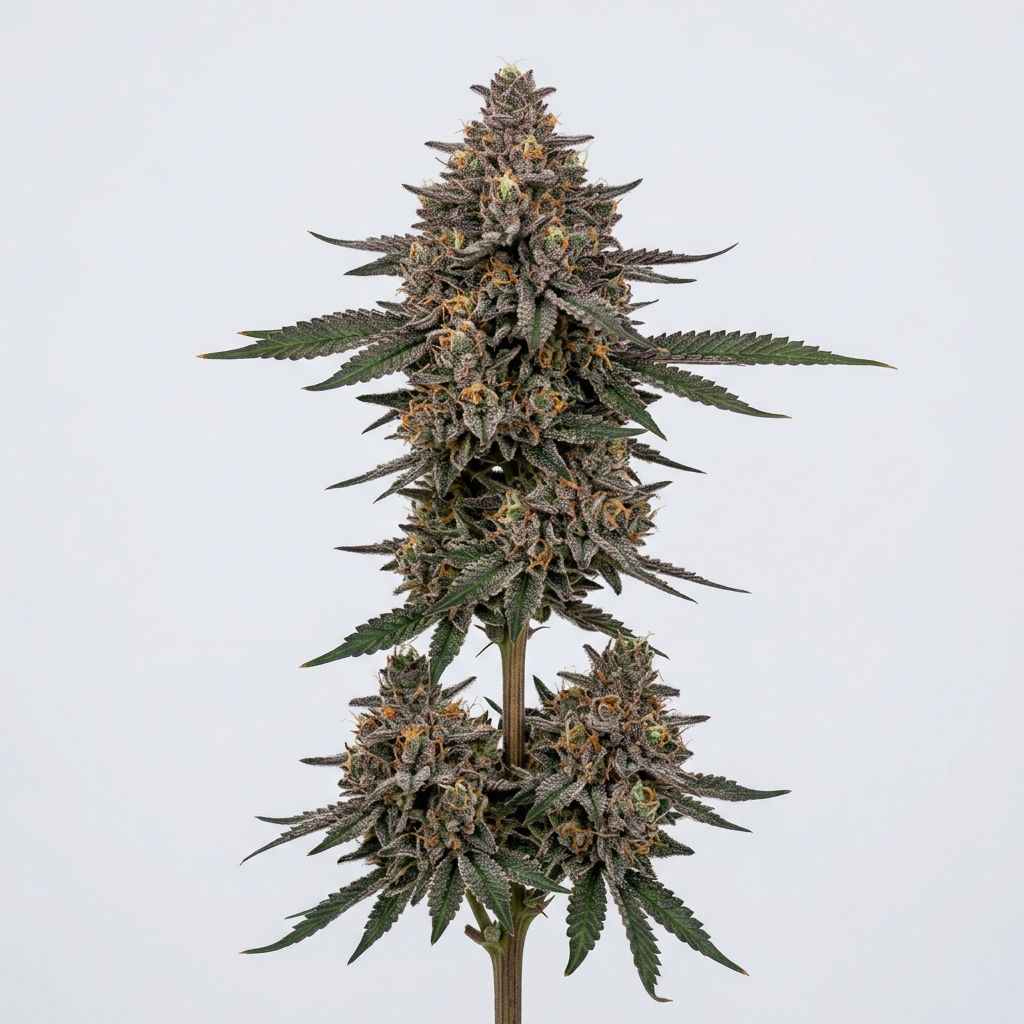
Sunset Fuel Kush (Cannabis Strain)
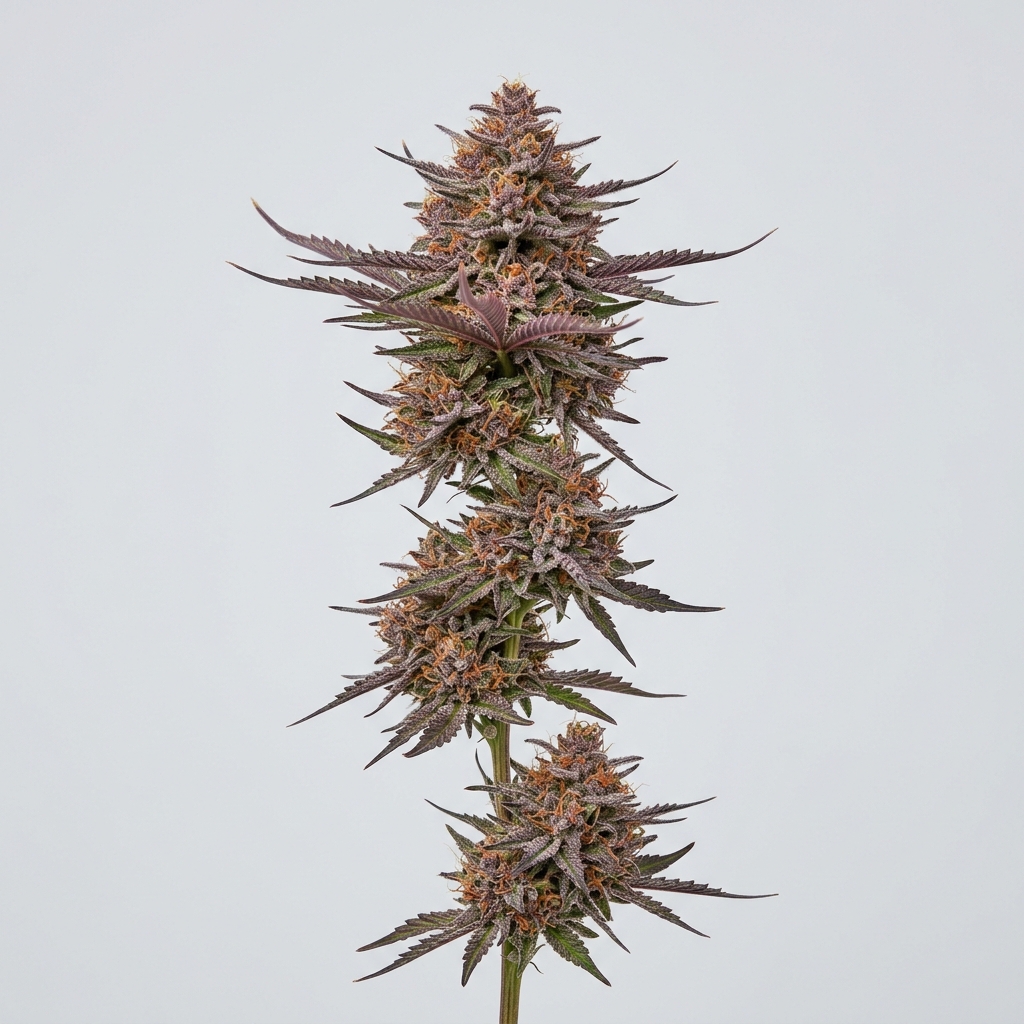
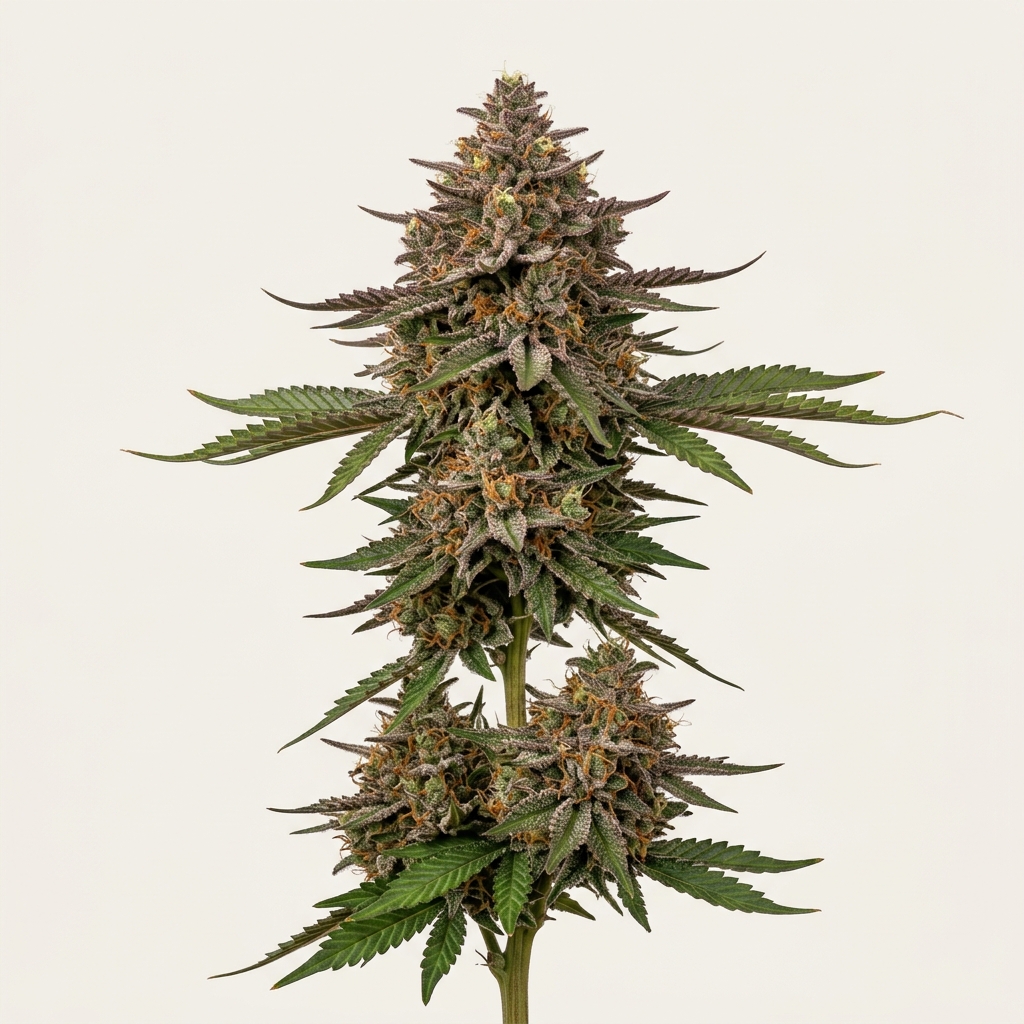
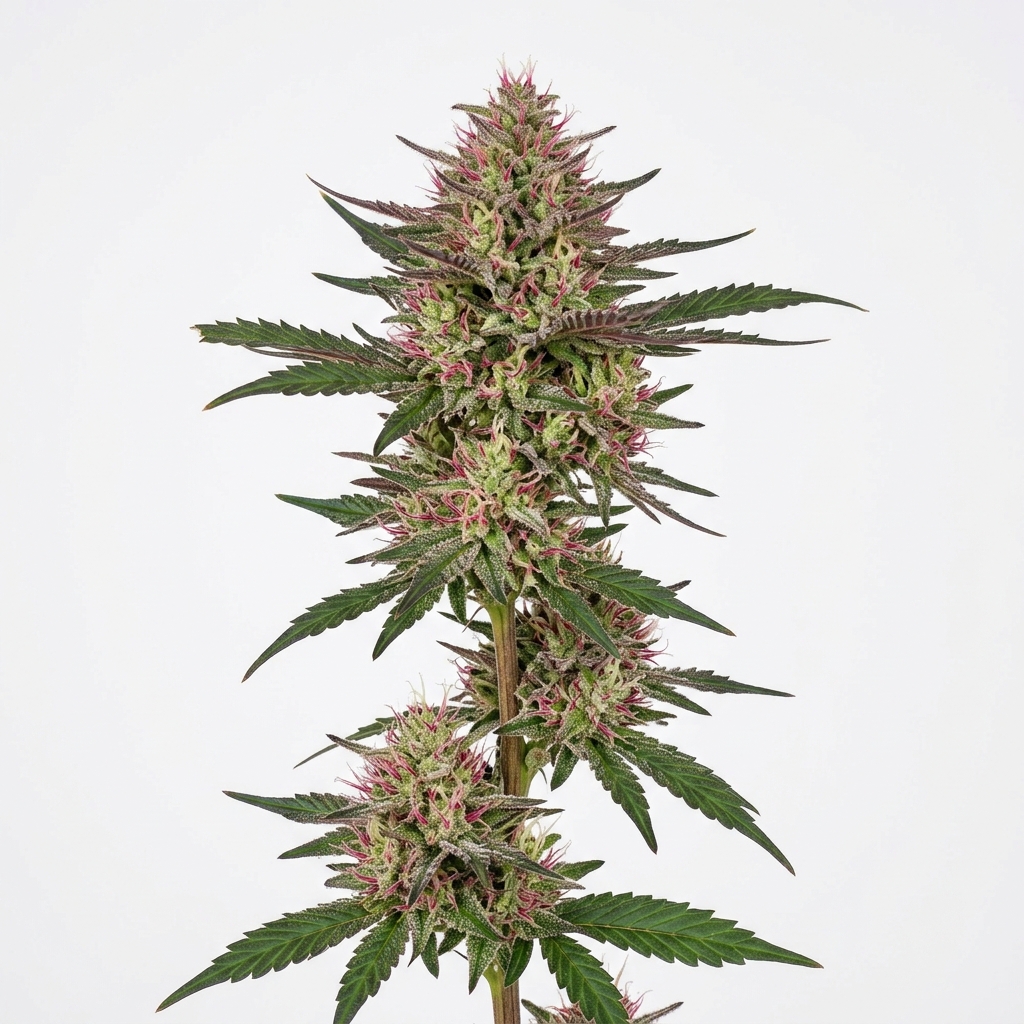
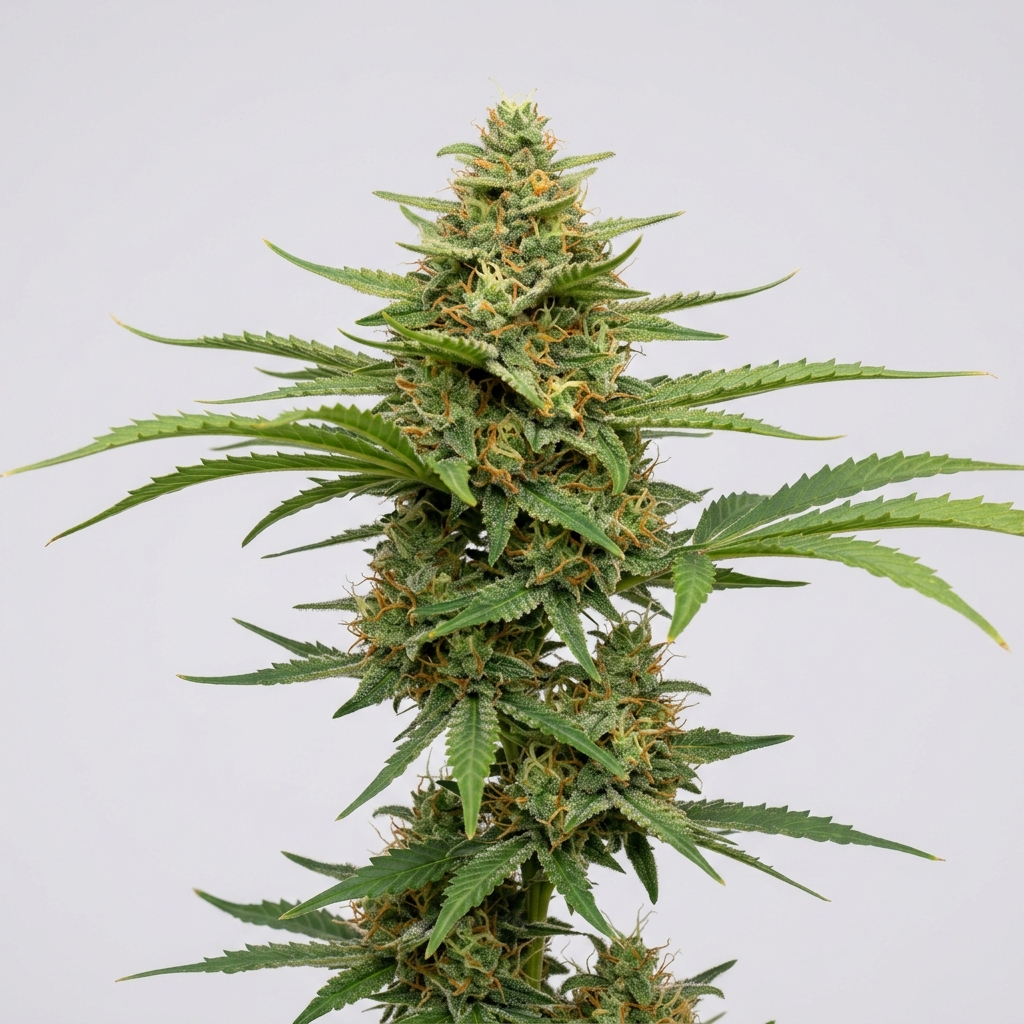
Sunset Fuel Kush is an indica-dominant hybrid typically testing between 22% and 28% THC, bred by crossing the sweet, dessert-forward Sunset Sherbert with the pungent, fuel-heavy Jet Fuel Kush. This cultivar is highly regarded for its greasy resin production and dense, spear-shaped colas that exhibit deep forest green and dark purple hues under cooler late-flower temperatures. Cultivators favor its controlled stretch and robust lateral branching, while consumers seek out its potent blend of sharp diesel gas and sweet, doughy berry undertones.
The cultivar bridges the gap between modern dessert exotics and classic, fuel-driven gas profiles. Its heavy trichome coverage makes it a popular choice for solventless extraction, yielding a highly aromatic live rosin with excellent terpene clarity.
Quick Facts
| Attribute | Details |
|---|---|
| Genetics | Sunset Sherbert × Jet Fuel Kush |
| Variety | Indica-dominant Hybrid |
| THC Range | 22% – 28% |
| Flowering Time | 8 – 9 Weeks |
| Yield Potential | Moderate to High |
| Plant Height | Medium |
| Climate Preference | Temperate, low late-flower humidity |
| Difficulty | Moderate |
Scientific & Botanical Overview
Botanically, Sunset Fuel Kush shows classic indica-dominant morphology, characterized by broad fan leaves and tight internodal spacing. The plants develop a sturdy frame capable of supporting heavy terminal buds without excessive staking, though trellis support is recommended as flowers swell. The vegetative growth phase is steady, showing strong apical dominance that responds well to early topping.
Resin production begins early in the flowering cycle, transitioning from clear capitate-stalked trichomes to a dense, milky blanket by week six. The calyx-to-leaf ratio is highly favorable, making the post-harvest trim straightforward and preserving the integrity of the swollen bracts. The dense bud structure requires consistent canopy management to prevent microclimates of high humidity within the lower foliage.
Anthocyanin expression is common in this cultivar, especially when night temperatures drop during the final two weeks of bloom. This results in dark plum accents across the sugar leaves, contrasting sharply with the bright orange pistils and thick, wet frost. The physical weight of the finished colas reflects the dense, tightly packed nature of the flowers.
Effects & Use-Cases (Reported)
Commonly reported effects: Users frequently report a rapid onset of physical relaxation that spreads from the limbs to the core, accompanied by a calm, meditative mental state. The initial cerebral lift transitions smoothly into a heavy, grounding body sensation without immediate sedation.
Use-case context: This cultivar is best suited for late afternoon or evening use, providing an ideal accompaniment for unwinding after physical exertion or high-stress days. Its balancing physical weight makes it popular among those looking to ease muscle tension or prepare for deep sleep.
Note: Individual tolerance and chemistry can significantly alter the onset, intensity, and duration of these effects.
Aroma & Flavors
Aroma: A dominant wave of pungent diesel fuel and damp earth, cut by a subtle, creamy sweetness that emerges as the buds are broken apart.
Flavor: Heavy on the palate with tart gas and rich, piney kush, leaving a lingering finish of sweet berry dough and mild black pepper.
Terpene associations: Rich in beta-caryophyllene, limonene, and myrcene, which drive the spicy, citrus-fuel, and herbal characteristics of the flower.
Tested Cannabinoid & Terpene Ranges
| Compound | Typical Range |
|---|---|
| Δ9-THC | 22.0% – 28.0% |
| CBD | < 1.0% |
| Beta-Caryophyllene | 0.5% – 0.9% |
| Limonene | 0.4% – 0.7% |
| Myrcene | 0.3% – 0.6% |
Note: Cannabinoid and terpene profiles vary naturally depending on cultivation methods, lighting setups, and specific phenotype selections.
Cultivation Notes
- Keep late-flower humidity strictly below 45% to protect the dense, resin-rich colas from moisture-related issues.
- Apply moderate to heavy canopy thinning (defoliation) before the transition to flower to improve light penetration and airflow through the tight internodes.
- Maintain a steady feeding regimen rich in phosphorus and potassium during mid-to-late bloom to support calyx swelling.
- use low-stress training (LST) or a Scrog net to manage the medium stretch and create an even canopy of terminal spear colas.
- Aim for a slow dry of 10 to 14 days at 60°F and 60% relative humidity to preserve the volatile fuel and dessert terpenes.
Grower Notes (Week-by-Week Snapshot)
- Weeks 1–3 (Vegetative & Early Flower Transition): Plants show moderate lateral stretch and require early support. Leaf tucking or light pruning helps expose lower bud sites as the canopy fills out.
- Weeks 4–6 (Mid-Flower & Resin Development): Trichome production begins in earnest on the sugar leaves and calyxes. The room will develop a sharp, chemical-diesel aroma; ensure carbon filters are running efficiently.
- Weeks 7–9 (Late Flower & Ripening): Reduce night temperatures to encourage purple color expression and slow down nitrogen feeding. Buds should feel dense and sticky, with pistils turning fully amber and trichomes transitioning to a milky amber mix.
Genetic Lineage
Sunset Fuel Kush derives its complex profile from a deliberate pairing of two highly influential genetic lines. Its maternal parent, Sunset Sherbert, contributes its signature cookie-derived sweetness, creamy mouthfeel, and vibrant coloration, tempering the raw intensity of the paternal line.
The paternal influence comes from Jet Fuel Kush (often a cross of Aspen OG and High Country Diesel), which injects soaring potency, structure, and a heavy, chemical-gas aroma. The resulting hybrid retains the robust structure of the OG Kush lineage while inheriting the refined, exotic terpene profile of modern dessert cultivars.
Research Insights
Analytical testing of Sunset Fuel Kush highlights a complex volatile profile dominated by sesquiterpenes and monoterpenes. The high concentration of beta-caryophyllene suggests potential interactions with peripheral cannabinoid receptors, which may explain the deep physical relaxation reported by consumers.
The presence of limonene alongside heavy fuel notes indicates an uplifting aromatic lift that balances the heavier, sedative qualities of myrcene. This chemical synergy makes the cultivar a subject of interest for extractors seeking to maximize yield without sacrificing terpene diversity.
Frequently Asked Questions
Is Sunset Fuel Kush an indica or sativa?
Sunset Fuel Kush is an indica-dominant hybrid, displaying typical indica growth habits such as broad fan leaves, dense bud structure, and a deeply relaxing physical effect profile.
What does Sunset Fuel Kush smell like?
The strain has a highly pungent aroma characterized by heavy diesel fuel, damp earth, and sharp pine, balanced by a subtle, sweet berry and doughy undertone from its Sunset Sherbert heritage.
How long does Sunset Fuel Kush take to flower?
This cultivar typically finishes its flowering cycle in 8 to 9 weeks when grown indoors, or by mid-October when cultivated outdoors in a suitable temperate climate.
Is this strain suitable for beginners to grow?
It is rated as moderate in difficulty. While it has a sturdy structure and manageable stretch, its dense buds require careful humidity management in late flower to prevent mold.
Educational Disclaimer
This article is for educational and informational purposes only. Cannabis cultivation and consumption laws vary by jurisdiction. Consult local regulations before germinating seeds or consuming cannabis products.
Rate and review this strain
Ratings and reviews are accepted only from signed-in Google accounts.
Sign in with Google to leave a rating and written review.
Latest Reviews
0 reviewsNo reviews yet. Be the first Google user to rate and review this strain.