Red Blueberry Sherbet (Cannabis Strain)
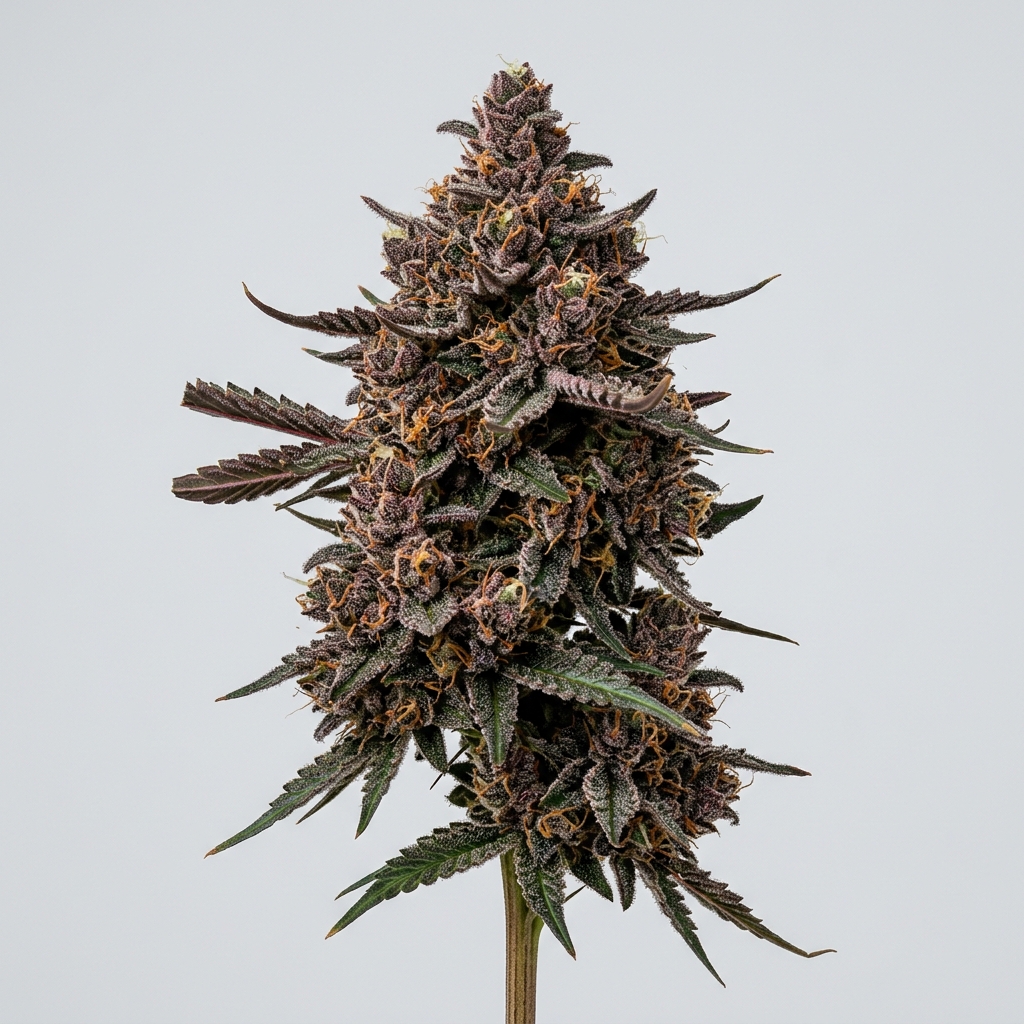
Red Blueberry Sherbet is an indica-dominant hybrid cultivar typically testing between 20% and 24% THC, created by crossing the terpene-rich Red Pop with Blueberry Sherbet. Known for its striking dark purple and crimson coloration, this strain delivers a complex profile of sweet cherry soda, ripe blueberries, and creamy gas. The plants develop dense, resin-rich flowers with tight internodal spacing and a manageable stretch during early flower. It has become highly regarded among growers seeking extraction-grade resin with a distinct dark berry edge.
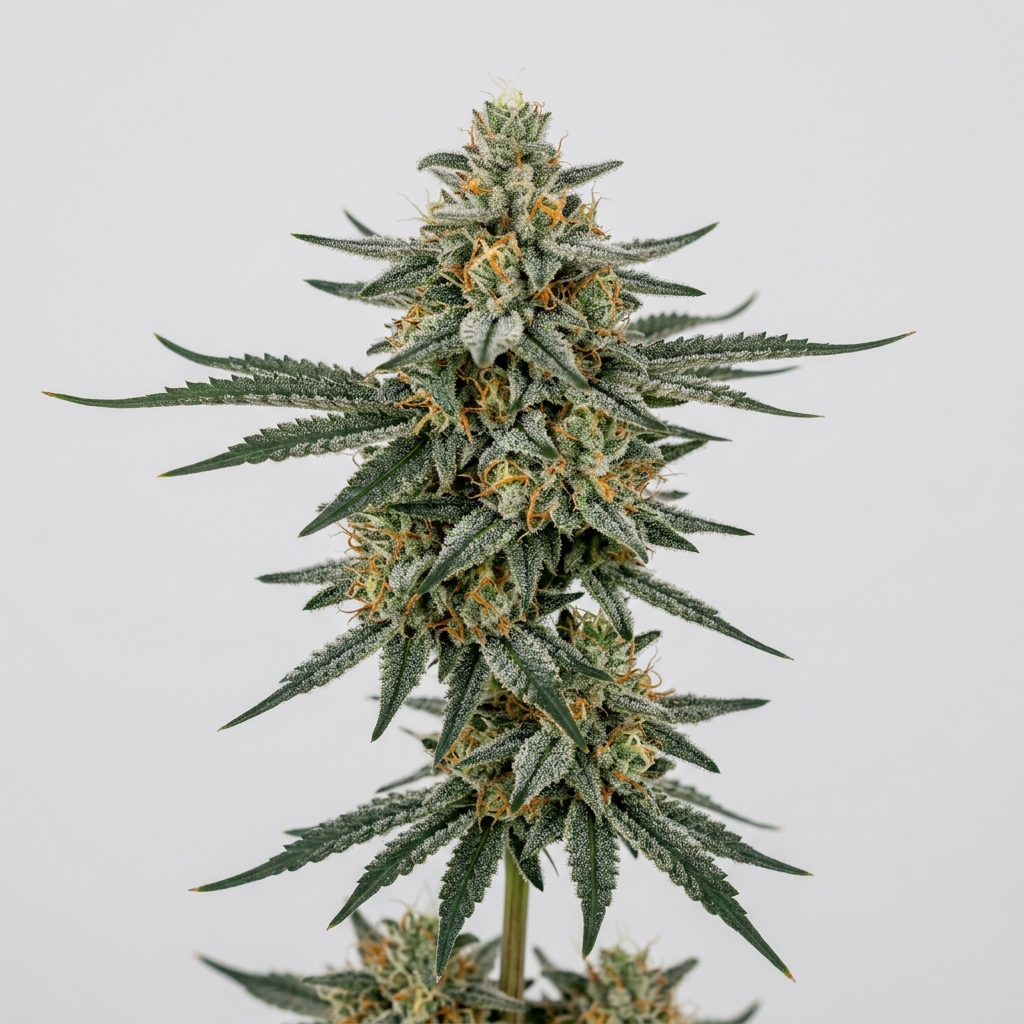
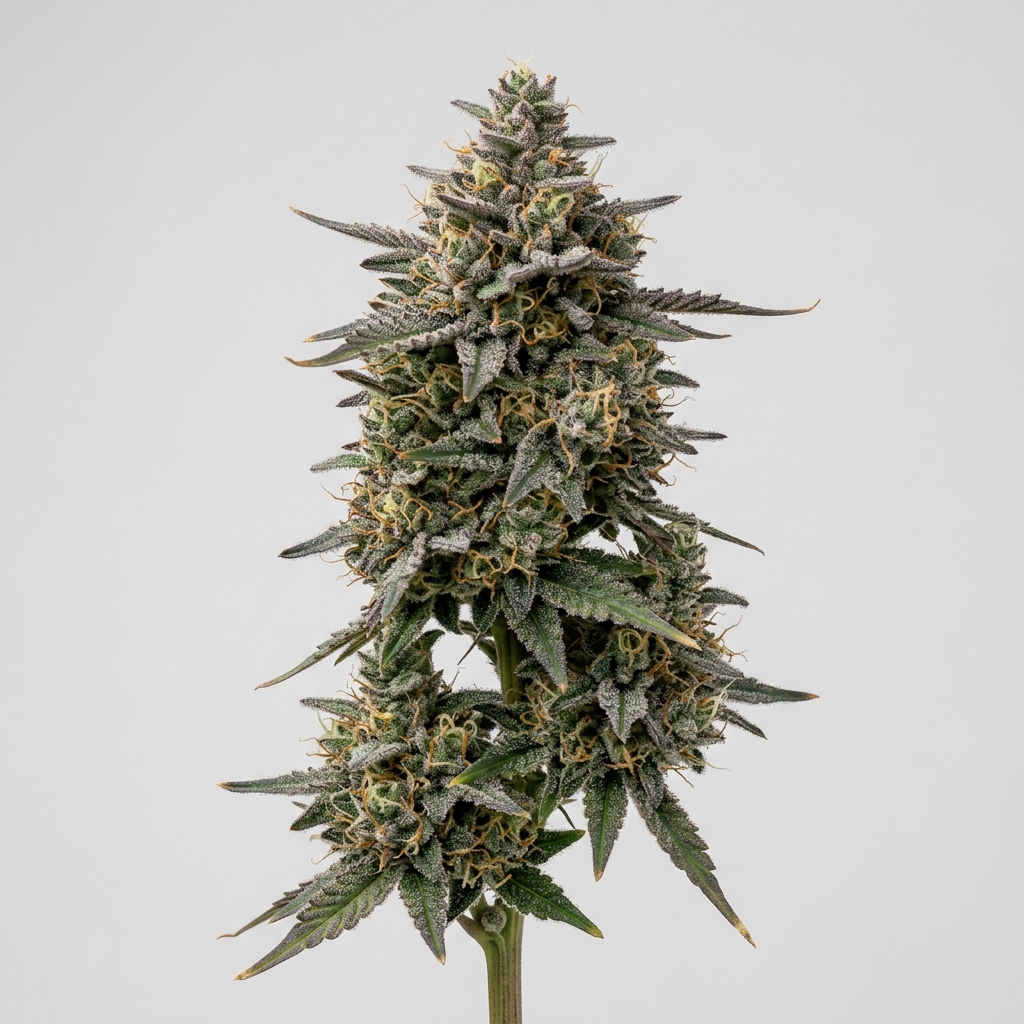
This cultivar thrives in controlled indoor setups where temperature drops in late bloom can bring out its vibrant red and violet hues. The cured buds show off a thick layer of greasy resin over swollen, tightly packed calyxes. Consumers often select this strain for its calming, evening-oriented effects that ease both mind and body.
Quick Facts
| Attribute | Detail |
|---|---|
| Genetics | Red Pop × Blueberry Sherbet |
| Variety | Indica-dominant Hybrid |
| THC Range | 20% – 24% |
| Flowering Time | 8 – 9 Weeks |
| Yield Potential | Moderate to High |
| Plant Height | Medium |
| Climate Preference | Temperate, low late-flower humidity |
| Difficulty | Moderate |
Scientific & Botanical Overview
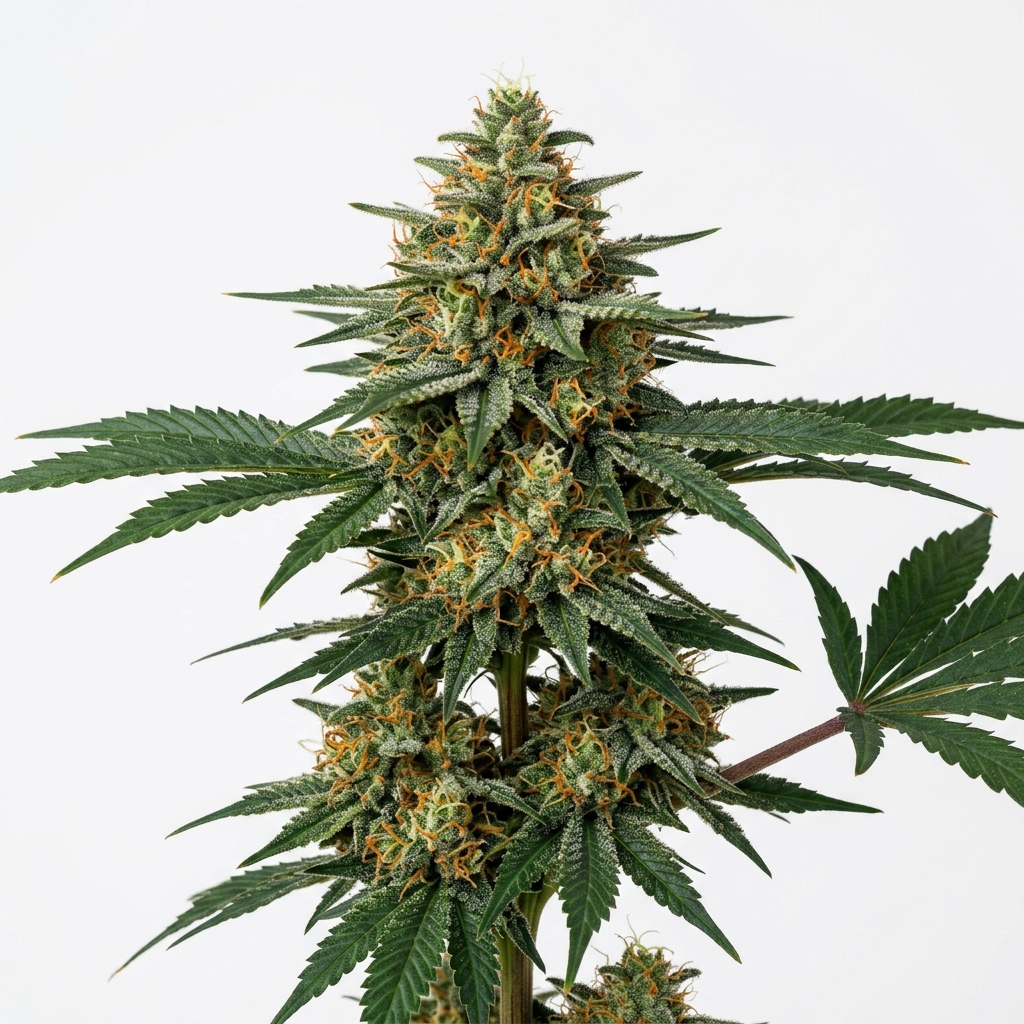
Botanically, Red Blueberry Sherbet displays classic indica-dominant morphology with broad fan leaves and a sturdy, stocky frame. The nodal development is compact, requiring early defoliation to maintain adequate airflow through the lower canopy. Its pigmentation is highly sensitive to environmental cues, producing anthocyanins readily when night temperatures drop.
The floral structure consists of dense, rounded bracts that form spear-shaped colas as harvest approaches. Trichome density is exceptionally high, with capitate-stalked glands covering both the calyxes and surrounding sugar leaves. This heavy resin production makes the fresh flowers feel tacky and greasy to the touch.
Under the microscope, the trichomes present broad heads that preserve volatile terpenes efficiently during the drying cycle. The cultivar maintains a strong structural integrity, with thick stems that support the heavy flower clusters without requiring extensive trellis support.
Effects & Use-Cases (Reported)
Commonly reported effects: Users often describe a gentle, warming physical relaxation that starts in the shoulders and spreads downward. This is accompanied by a calm, clear-headed mental state that reduces tension without immediate sedation. Over time, the physical heaviness deepens, making it highly suitable for evening wind-down routines.
Use-case context: This strain is frequently utilized in the late afternoon or evening to assist with transition into rest. Its balanced physical weight makes it a popular choice for quiet creative sessions, reading, or preparing for sleep.
Note: Individual experiences may vary based on tolerance, dosage, and specific phenotype chemistry.
Aroma & Flavors
Aroma: The initial nose is dominated by a sharp, candied cherry sweetness reminiscent of red soda, followed closely by a deep, earthy blueberry undertone. Breaking the buds releases a rich, doughy creaminess with a soft hint of tart gas.
Flavor: On the palate, the smoke is thick and smooth, delivering a sweet berry-forward taste on the inhale. The exhale leaves a lingering finish of creamy vanilla sherbet and a subtle herbal mint edge.
Terpene associations: Laboratory analyses frequently highlight elevated levels of caryophyllene, limonene, and myrcene, which underpin the warm spice, citrus lift, and heavy fruit profile.
Tested Cannabinoid & Terpene Ranges
| Compound | Typical Range | Role |
|---|---|---|
| Δ9-THC | 20.0% – 24.0% | Primary cannabinoid |
| CBG | 0.5% – 1.2% | Minor cannabinoid |
| β-Caryophyllene | 0.4% – 0.8% | Spicy, woody notes |
| d-Limonene | 0.3% – 0.6% | Citrus lift |
| β-Myrcene | 0.2% – 0.5% | Earthy, herbal base |
| Linalool | 0.1% – 0.3% | Floral sweetness |
Note: Cannabinoid and terpene levels are highly variable and depend on specific cultivation methods, environmental factors, and curing protocols.
Cultivation Notes
- Humidity Management: Maintain relative humidity (RH) around 55% during early veg, tapering down to 40%–45% in late flower to protect the dense, compact colas from moisture retention.
- Nutrient Requirements: This cultivar responds well to a moderate feeding schedule, showing a slight sensitivity to excessive nitrogen during the transition to bloom.
- Canopy Training: Implement low-stress training (LST) and early topping to promote lateral branching, ensuring even light distribution across the canopy.
- Temperature Control: To encourage the expression of deep red and purple hues, lower nighttime temperatures by 5–8°F during the final two weeks of flowering.
- Phenotype Selection: Watch for phenotypes that combine the quick flowering time of Red Pop with the greasy resin production and berry aroma of Blueberry Sherbet.
Grower Notes (Week-by-Week Snapshot)
- Weeks 1–3 (Transition & Stretch): The plants undergo a moderate stretch, typically increasing in height by 50% to 80%. Focus on tucking large fan leaves and establishing a flat canopy using a single layer of trellis netting.
- Weeks 4–6 (Mid-Flower & Resin Development): Flower clusters begin to stack rapidly, and the first visible trichomes appear on the sugar leaves. Keep nutrient levels steady and monitor runoff EC to prevent salt buildup.
- Weeks 7–9 (Late Flower & Coloration): The buds swell significantly, turning dense and firm. Lower the room temperature during dark periods to stimulate anthocyanin production, causing the foliage to turn deep violet and red. Flush with plain water during the final 10 days.
- Post-Harvest (Dry & Cure): Dry the whole plant at 60°F and 60% RH for 11 to 14 days. A slow, controlled dry preserves the delicate cherry and berry terpenes, followed by a minimum of three weeks curing in airtight glass jars.
Genetic Lineage
The lineage of Red Blueberry Sherbet brings together two distinct flavor profiles from modern breeding lines. Its maternal parent, Red Pop, is famous for its intense, sweet cherry-soda aroma and robust vegetative vigor. This parent contributes structural strength and a unique terpene profile that stands out in solventless extractions.
The paternal side, Blueberry Sherbet, is a cross of the classic Blueberry and Sunset Sherbet. It infuses the hybrid with a creamy, dessert-like mouthfeel, deep purple coloration, and a heavy, resinous coating that blankets the mature flowers. The resulting offspring balances these traits, offering a reliable growth habit with exceptional bag appeal.
Research Insights
Scientific interest in cultivars like Red Blueberry Sherbet focuses on the accumulation of anthocyanins in the floral tissue. These water-soluble pigments are responsible for the deep red and purple hues that develop under cooler temperatures. Researchers study how these compounds interact with light absorption and plant defense mechanisms during the late stages of senescing.
Additionally, the co-dominance of caryophyllene and limonene in its terpene profile presents an intriguing subject for study regarding the entourage effect. The combination of these volatile compounds with moderate-to-high THC levels is thought to modulate the speed and duration of physical relaxation, making it a prime candidate for future phytocannabinoid research.
Frequently Asked Questions
What is the typical flowering time for Red Blueberry Sherbet?
Red Blueberry Sherbet usually finishes flowering in 8 to 9 weeks when grown indoors. Outdoor plants are typically ready for harvest by early to mid-October.
Does Red Blueberry Sherbet turn purple naturally?
While the genetics strongly favor purple and red hues, these colors are most pronounced when nighttime temperatures are lowered by a few degrees during the final two weeks of flowering.
Is this strain suitable for beginners to grow?
Yes, it is considered a moderate-difficulty strain. Its sturdy branches and predictable stretch make it manageable, though growers must monitor humidity closely due to the high density of the buds.
What are the dominant terpenes in Red Blueberry Sherbet?
The primary terpenes found in this cultivar are caryophyllene, limonene, and myrcene, which combine to create its signature sweet cherry, berry, and creamy gas aroma.
Educational Disclaimer
This article is for educational and informational purposes only. Local laws regarding cannabis cultivation and consumption vary widely. Always consult local regulations before germinating seeds or consuming cannabis products.
Rate and review this strain
Ratings and reviews are accepted only from signed-in Google accounts.
Sign in with Google to leave a rating and written review.
Latest Reviews
0 reviewsNo reviews yet. Be the first Google user to rate and review this strain.