Sunset Sherbet #1 (Cannabis Strain)
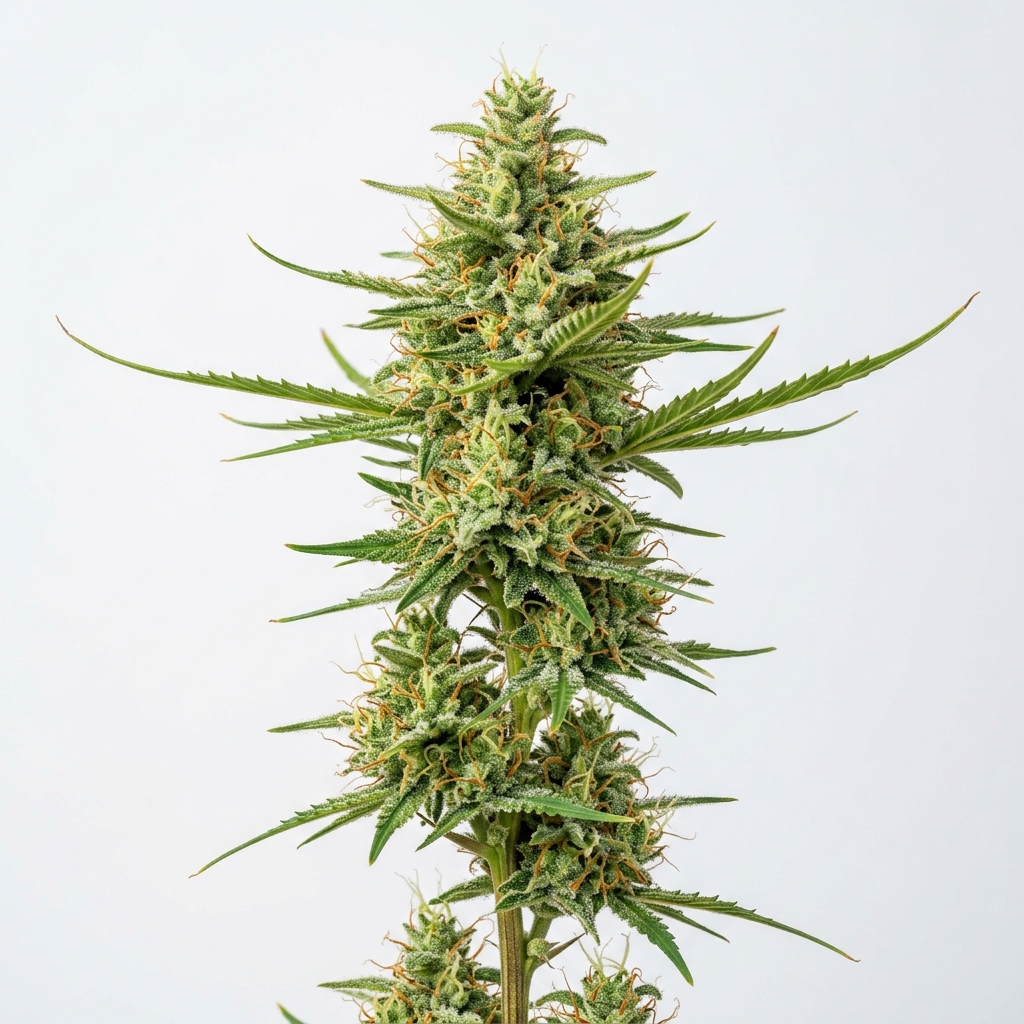
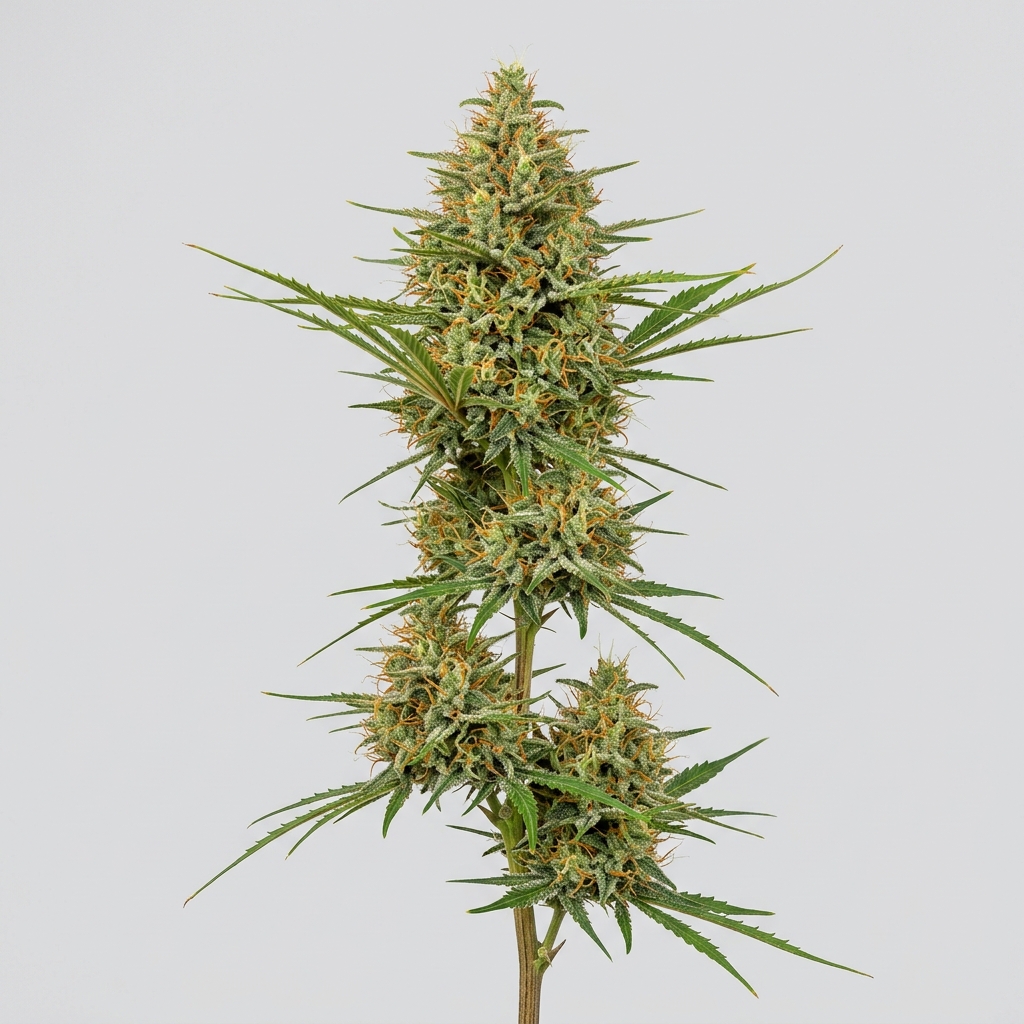
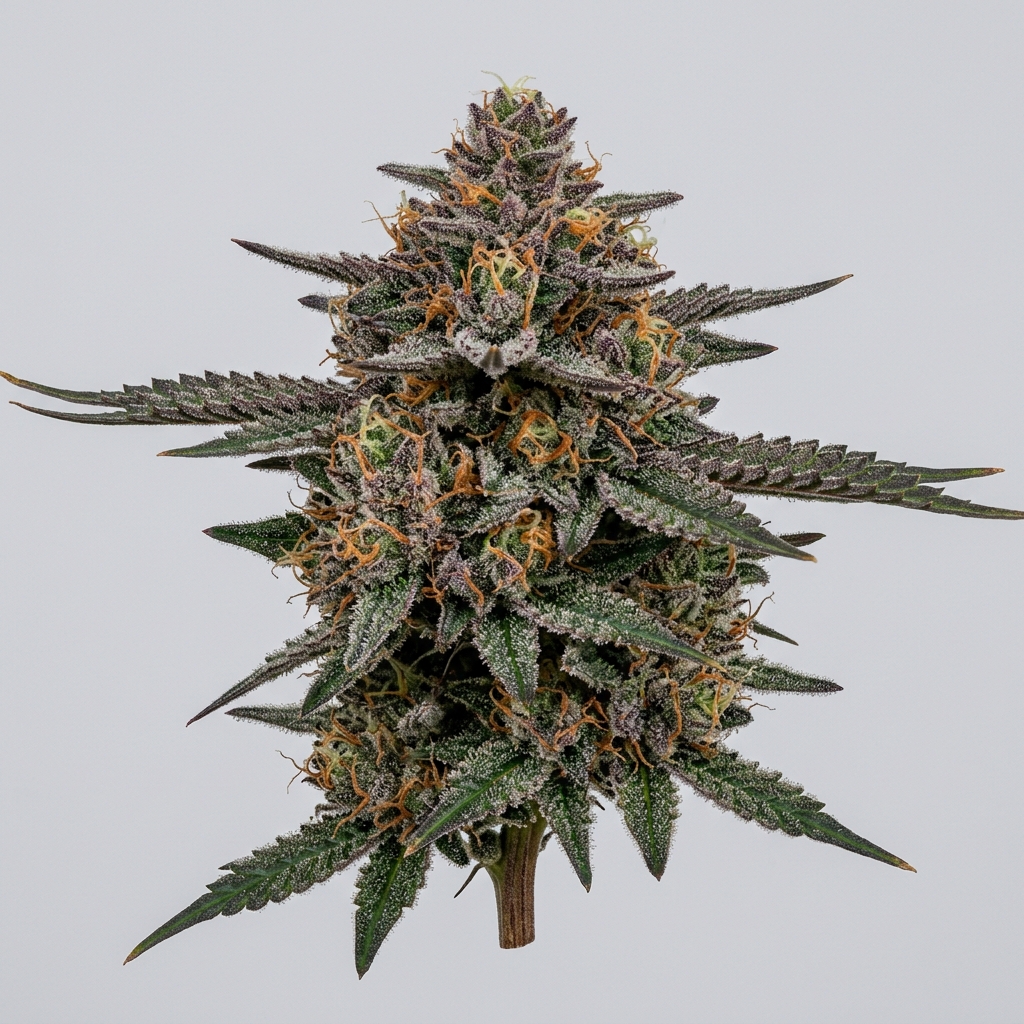
Sunset Sherbet #1 is an indica-dominant hybrid typically testing between 18% and 24% THC, selected for its dense, resin-rich buds and complex dessert-like profile. Created by crossing Girl Scout Cookies (GSC) and Pink Panties, this particular cut shows a distinct aroma of sweet berries, tart citrus, and creamy gas. The cultivar shows a moderate, controllable stretch during early flower, developing round, tightly packed colas that showcase deep purple hues under cooler night temperatures. It has established a steady presence in contemporary gardens due to its reliable resin production and highly marketable shelf appeal.
Cultivators value this selection for its structural stability and predictable response to canopy management. While it inherits the doughy density of its GSC parent, the Pink Panties lineage introduces a more robust lateral branching habit. The finished flowers are characterized by swollen calyxes coated in sticky, medium-headed trichomes that cure to a greasy texture.
Quick Facts
| Field | Details |
|---|---|
| Genetics | Girl Scout Cookies × Pink Panties |
| Variety | Indica-dominant Hybrid |
| THC Range | 18% – 24% |
| Flowering Time | 8 – 9 Weeks |
| Yield Potential | Moderate to High |
| Plant Height | Medium |
| Climate Preference | Warm, semi-dry, controlled indoor |
| Difficulty | Moderate |
Scientific & Botanical Overview
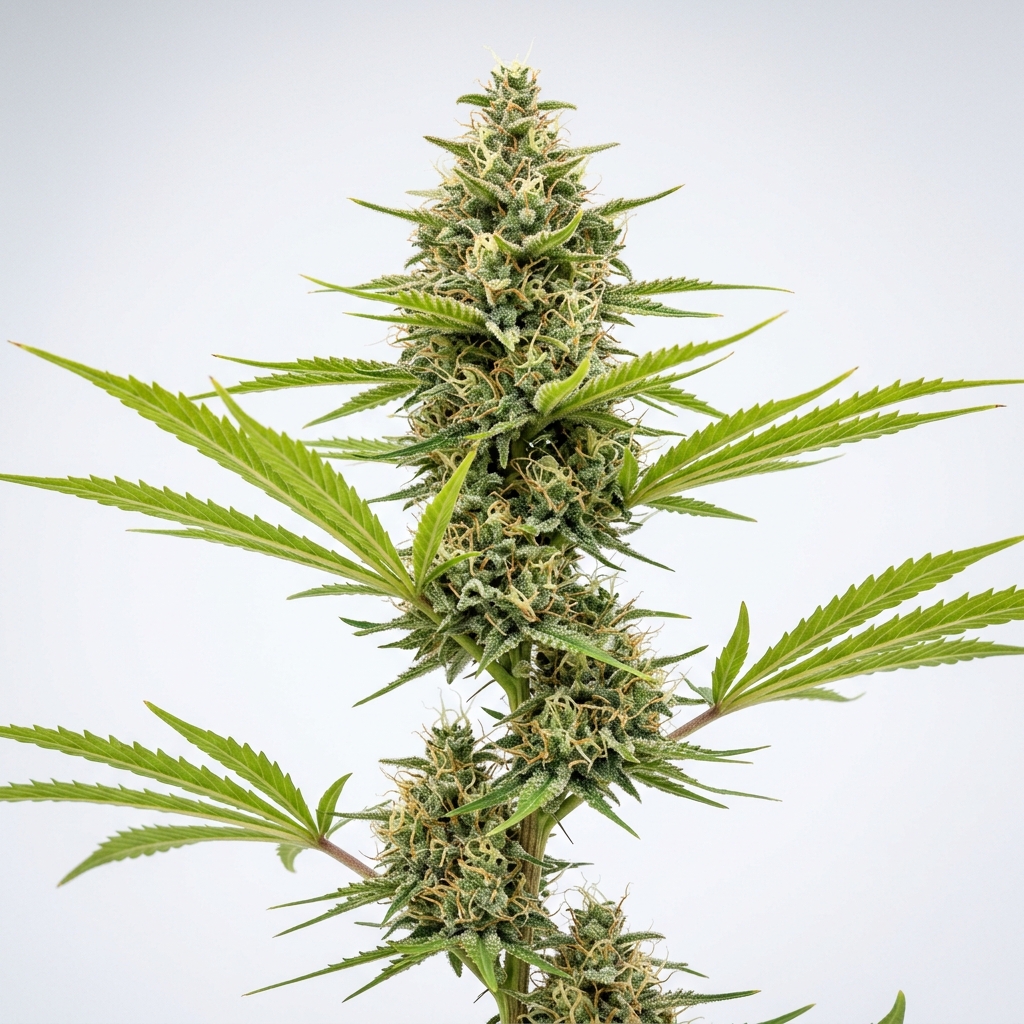
Sunset Sherbet #1 shows classic indica-leaning morphology, characterized by broad fan leaves and short internodal spacing during vegetative growth. The plant develops a sturdy main stalk with thick lateral branches that support heavy flower clusters without excessive bending. As flowering progresses, the bracts swell significantly, creating compact, rounded buds rather than elongated spears.
Anthocyanin accumulation is highly active in this phenotype, turning the foliage and calyxes from deep forest green to shades of royal purple and lavender when exposed to mild temperature drops in late flower. The trichome population is dense, consisting primarily of capitate-stalked glands that produce a viscous, terpene-rich resin. Stigmas emerge as bright orange threads, turning amber and curling inward as the plant reaches maturity.
The plant maintains moderate transpiration rates but requires careful humidity management due to the density of its canopy. Proper defoliation is necessary to ensure adequate light penetration and airflow through the lower third of the plant. Its nutritional requirements are standard, showing a steady uptake of nitrogen in veg and a preference for moderate potassium levels during peak bloom.
Effects & Use-Cases (Reported)
Commonly reported effects include a heavy physical relaxation coupled with a calm, clear-headed mental state. Users frequently note an initial wave of cerebral ease that gently transitions into a soothing body buzz, making it suitable for wind-down hours. Unlike heavier sedative cultivars, it typically allows for functional relaxation without immediate couch-lock.
Use-case context suggests this strain is highly favored for late afternoon or evening sessions. Its balanced physical profile makes it a popular choice for unwinding after physical exertion or managing daily stress. The moderate THC delivery ensures a smooth onset that tapers into a restful state.
Note: Individual tolerance and consumption methods can significantly alter the onset and duration of these effects.
Aroma & Flavors
Aroma: The initial nose is dominated by a sweet, doughy creaminess, quickly followed by notes of ripe berries and a sharp citrus lift. Breaking the buds releases a deeper, earthy fuel undertone that balances the sweeter top notes.
Flavor: On the palate, it delivers a smooth, dessert-like smoke characterized by a sweet berry inhale and a soft, minty-gas finish. The creamy texture of the vapor lingers, leaving a tart, sugary aftertaste with hints of damp earth.
Terpene associations: Lab analyses frequently show a dominance of caryophyllene, limonene, and myrcene. These compounds work in tandem to produce the characteristic spicy-sweet, citrus, and herbal profile of the cured flower.
Tested Cannabinoid & Terpene Ranges
| Compound | Tested Range |
|---|---|
| Δ9-THC | 18.0% – 24.0% |
| CBD | < 1.0% |
| CBG | 0.5% – 1.2% |
| Beta-Caryophyllene | 0.4% – 0.9% |
| Limonene | 0.3% – 0.7% |
| Myrcene | 0.2% – 0.5% |
| Linalool | 0.1% – 0.3% |
Range note: Cannabinoid and terpene levels are highly dependent on environmental factors, lighting spectrum, and cultivation techniques.
Cultivation Notes
- Humidity management: Keep relative humidity (RH) below 45% during the final three weeks of flowering to protect the dense, compact colas from moisture retention.
- Nutrient regimen: Responds well to a moderate feeding schedule; avoid over-fertilization with nitrogen during early bloom to prevent leafy bud structures.
- Canopy training: Apply low-stress training (LST) or topping early in vegetative growth to promote even canopy development and maximize light exposure to secondary bud sites.
- Harvest window: Monitor trichome maturity closely; harvest when the majority of heads transition from milky to amber for optimal terpene clarity and physical effect.
- Phenotype variation: Some phenotypes may stretch more than others; keep a close eye on the GSC-leaning cuts which tend to stay shorter and more compact.
Grower Notes (Week-by-Week Snapshot)
- Weeks 1–3 (Transition & Stretch): The plant undergoes a moderate stretch, usually doubling in height. Ensure early support is in place and perform light defoliation at the end of week three to improve airflow.
- Weeks 4–6 (Mid-Flower & Resin Onset): Bud sites begin to stack rapidly, and trichome production becomes visible along the sugar leaves. Maintain stable daytime temperatures around 75°F (24°C) and reduce humidity to 50%.
- Weeks 7–9 (Late Flower & Senescence): Introduce cooler nighttime temperatures (62-65°F / 16-18°C) to stimulate purple coloration. Flush with plain water during the final 10-14 days as the pistils darken and the calyxes swell.
- Post-Harvest (Dry & Cure): Hang-dry the whole plant at 60°F (15°C) and 60% RH for 10-14 days. A slow cure in airtight vessels for at least three weeks is essential to lock in the delicate berry-cream terpenes.
Genetic Lineage
The lineage of Sunset Sherbet #1 traces back to a breeding event involving Girl Scout Cookies and Pink Panties. The GSC parent, a legendary cross of Durban Poison and OG Kush, contributes the tight bud structure, sweet doughy flavor, and heavy resin output. This foundation provides the cultivar with its robust market appeal and reliable potency.
The paternal contributor, Pink Panties, is a backcrossed selection of Burmese Blackberry Kush crossed with an OG Kush hybrid. This lineage injects the distinct berry undertones, citrus highlights, and a more resilient lateral branching habit. The combination of these two powerhouse lines results in a balanced hybrid that preserves the best qualities of the modern cookie family while introducing improved growth dynamics.
Research Insights
Analytical testing of Sunset Sherbet #1 highlights a terpene profile rich in sesquiterpenes and monoterpenes, which contributes to its complex aromatic signature. The high concentration of caryophyllene suggests a strong interaction with peripheral receptors, while the presence of limonene supports the uplifting mental clarity reported by consumers. These chemical relationships explain why the cultivar delivers a balanced physiological response rather than immediate sedation.
From a horticultural perspective, researchers observe that the cultivar’s anthocyanin expression is highly sensitive to temperature fluctuations. This genetic trait allows growers to manipulate the visual presentation of the flower without compromising cannabinoid synthesis. The stability of its resin glands makes it a valuable subject for studying terpene preservation during post-harvest drying.
Frequently Asked Questions
What is the flowering time for Sunset Sherbet #1?
Sunset Sherbet #1 typically finishes flowering in 8 to 9 weeks when grown indoors. Outdoor harvests generally occur in early to mid-October in the Northern Hemisphere.
Does this strain turn purple?
Yes, this cultivar regularly develops deep purple and lavender hues, particularly when nighttime temperatures are lowered during the final weeks of the flowering cycle.
Is Sunset Sherbet #1 suitable for beginners?
It is considered a moderate-difficulty strain. While it is physically sturdy, its dense bud structure requires careful monitoring of humidity and airflow to prevent moisture-related issues.
What does Sunset Sherbet #1 smell like?
It features a complex aroma of sweet berries, creamy dough, and tart citrus, rounded out by a subtle earthy fuel undertone on the break.
Educational Disclaimer
This profile is intended solely for educational and informational purposes. Cultivation of cannabis is subject to varying local, state, and federal laws.
Rate and review this strain
Ratings and reviews are accepted only from signed-in Google accounts.
Sign in with Google to leave a rating and written review.
Latest Reviews
0 reviewsNo reviews yet. Be the first Google user to rate and review this strain.