Strawberry Runtz (Cannabis Strain)
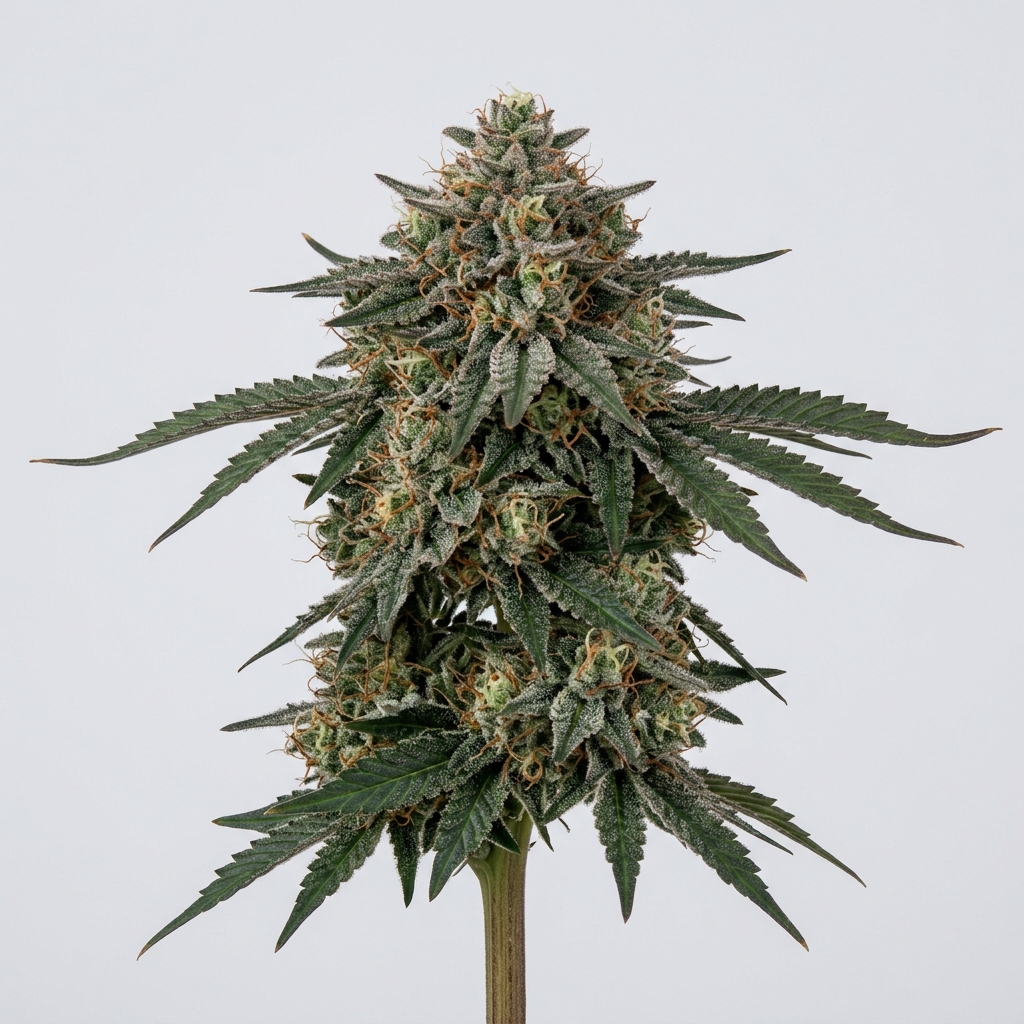
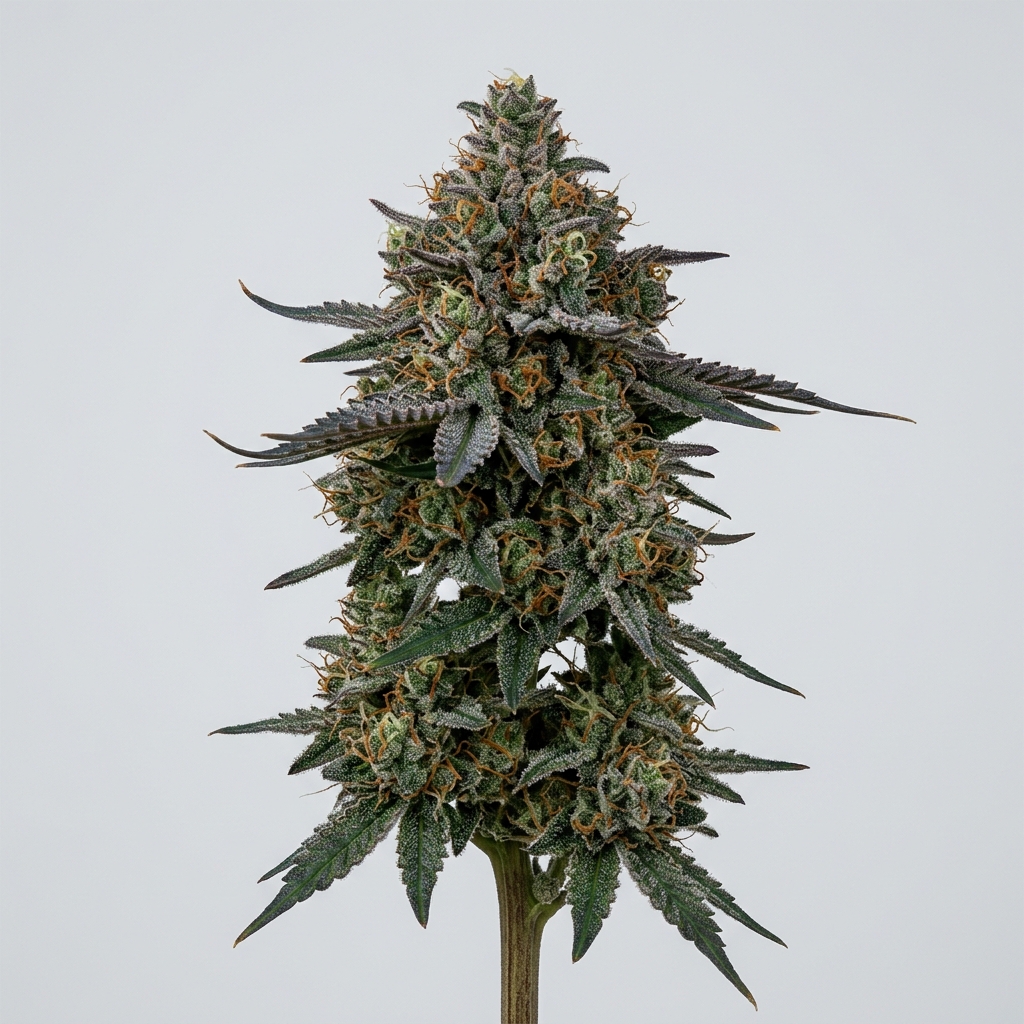
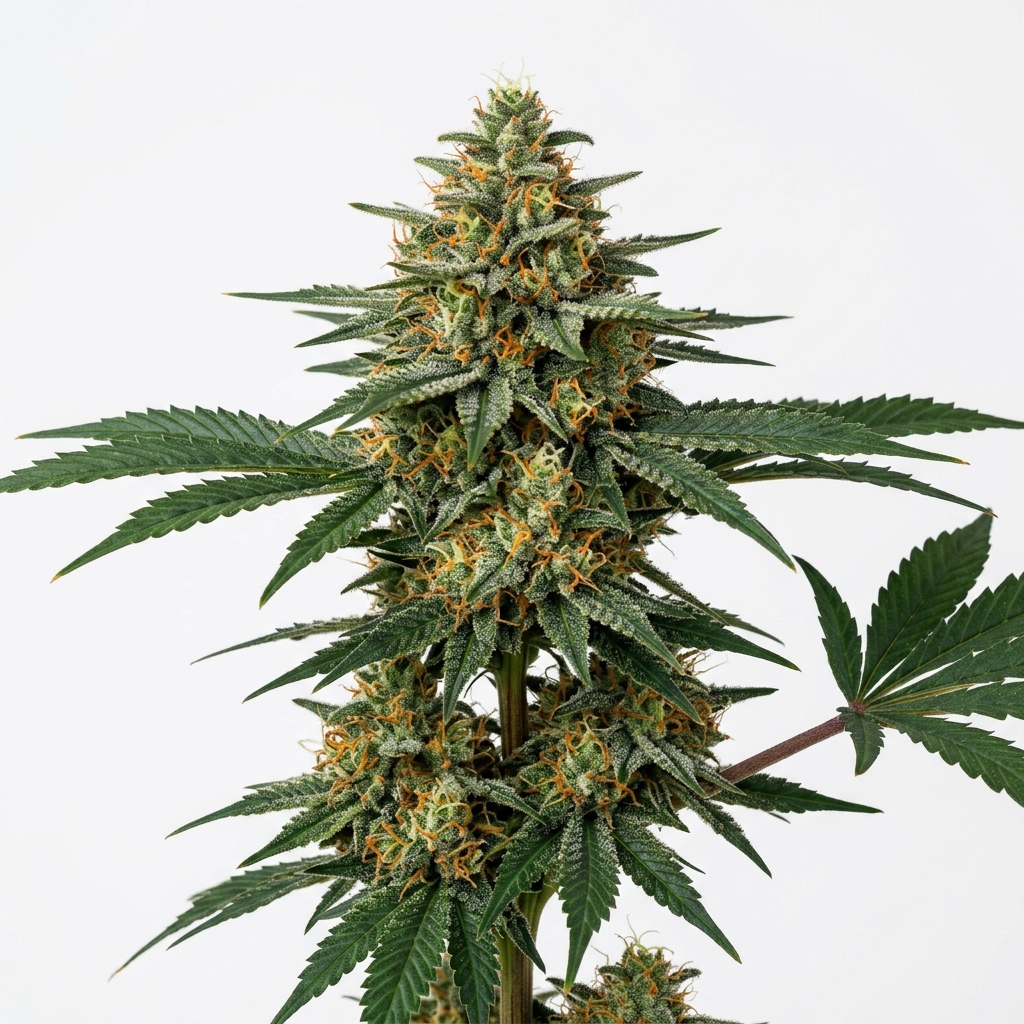
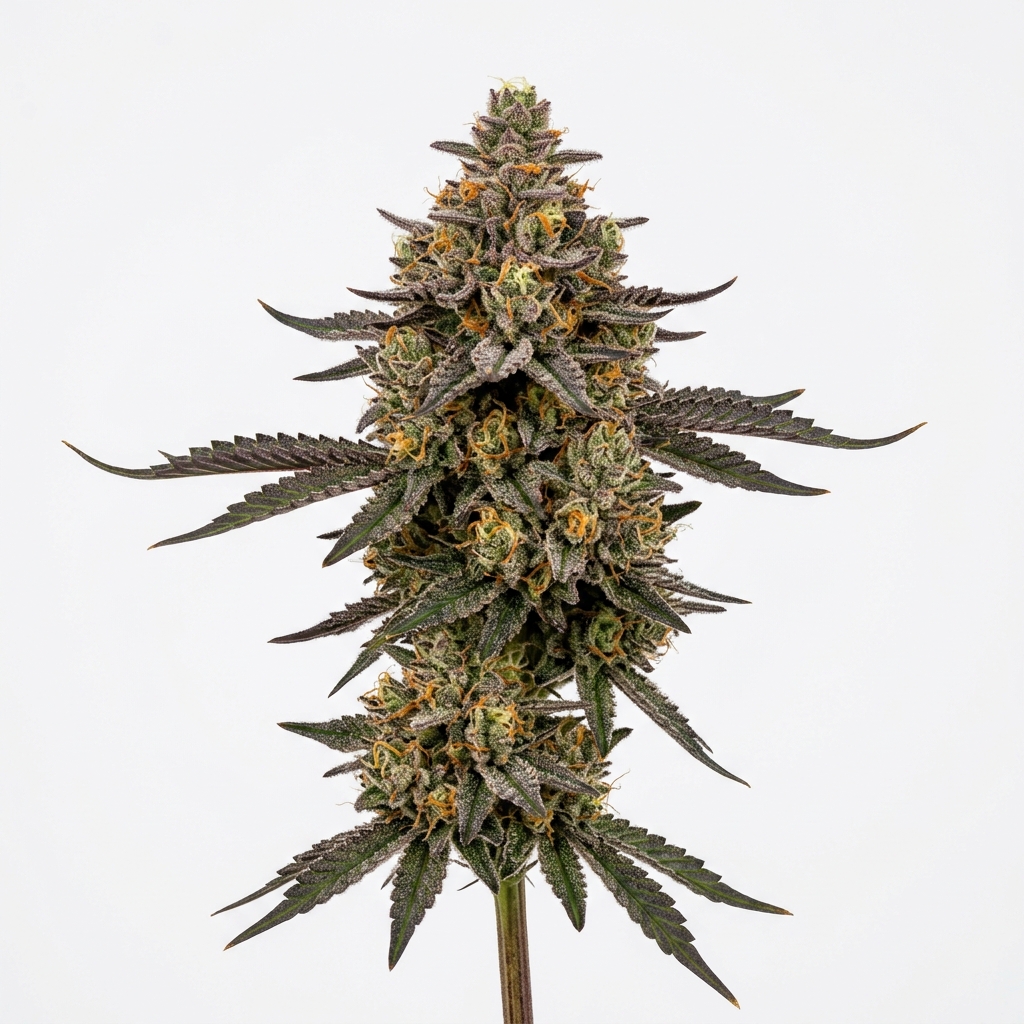
Strawberry Runtz is a premium hybrid cultivar, commonly reported as a select cross of Strawberry Fritter and the classic Runtz lineage. Testing consistently between 20% and 26% THC, this strain is celebrated for its heavy, glassy resin coverage and an intense profile of candied strawberries, creamy dough, and a subtle fuel finish. The plants display a manageable, slightly lateral growth habit with tight internodes, producing dense, purple-tinged spear colas that appeal directly to modern craft cultivators and extraction artists alike.
While its striking visual appeal and sweet-gassy terpene profile make it a standout in boutique dispensaries, the cultivar also demands attention in the grow room. Growers value its predictable stretch and resin-rich flowers, which develop a thick layer of wet frost during late bloom.
Quick Facts
| Metric | Details |
|---|---|
| Genetics | Strawberry Fritter × Runtz (commonly reported) |
| Variety | Hybrid (Slightly Indica-dominant) |
| THC Range | 20% – 26% |
| Flowering Time | 8 – 9 Weeks |
| Yield Potential | Moderate to High |
| Plant Height | Medium (Controlled stretch) |
| Climate Preference | Mild, temperate climates with low late-flower humidity |
| Difficulty | Moderate |
Scientific & Botanical Overview
Botanically, Strawberry Runtz shows a compact to medium growth structure, showing strong influence from its contemporary dessert-strain heritage. The vegetative phase is characterized by broad fan leaves with dark green pigmentation, which often transition to deep violet hues when exposed to cooler night temperatures. Tight internodal spacing requires regular defoliation to maintain optimal airflow through the lower canopy.
As flowering progresses, the calyxes swell significantly, forming dense, resin-encrusted clusters along the main stems. The trichome heads are predominantly capitate-stalked, developing early in the bloom cycle and maintaining structural integrity through harvest. This high concentration of glandular trichomes gives the mature buds a greasy, wet appearance.
Stalk strength is generally robust, though the weight of the dense upper colas often necessitates secondary trellis support by week five of flower. The cultivar responds well to low-stress training (LST) and topping, which encourages a more uniform canopy and maximizes light penetration to lower bud sites.
Effects & Use-Cases (Reported)
Commonly reported effects: Users frequently describe a rapid onset of cerebral clarity accompanied by a warm, relaxing physical sensation that settles throughout the limbs. The experience is often characterized as balancing a bright, creative focus with a calming, non-sedating physical undertone.
Use-case context: This hybrid is highly suited for late afternoon or early evening sessions, providing a smooth transition from active hours to relaxation. Its aromatic profile and balanced nature also make it a popular choice for social gatherings or creative projects.
Note: Individual physiological responses to cannabis vary significantly; always begin with low doses to assess personal tolerance.
Aroma & Flavors
Aroma: A dominant burst of ripe, sugary strawberries mixed with a creamy, dough-like sweetness and a sharp, underlying hint of fuel.
Flavor: The smoke carries a distinct candied fruit sweetness on the inhale, leaving a lingering tart gas and light mint finish on the palate.
Terpene associations:
Caryophyllene, Limonene, and Myrcene drive the complex aromatic profile, balancing the sweet berry notes with an earthy, spicy depth.
Tested Cannabinoid & Terpene Ranges
| Compound | Typical Range |
|---|---|
| Δ9-THC | 20.0% – 26.0% |
| CBD | < 1.0% |
| beta-Caryophyllene | 0.4% – 0.8% |
| Limonene | 0.3% – 0.6% |
| Myrcene | 0.2% – 0.5% |
| Linalool | 0.1% – 0.3% |
Note: Cannabinoid and terpene levels are highly variable and depend heavily on cultivation methods, curing techniques, and specific phenotypes.
Cultivation Notes
- Humidity control: Keep relative humidity (RH) below 45% during the final three weeks of flowering to protect the dense, compact colas from moisture retention.
- Nutrient management: Responds well to a moderate feeding regimen; avoid over-fertilizing with nitrogen during mid-to-late vegetative growth to prevent leaf curl.
- Canopy training: Implement a double-trellis system to support the heavy spear colas and ensure even light distribution across all flowering sites.
- Phenotype selection: Look for phenotypes that display early resin production and a distinct strawberry-gas aroma during the third week of bloom.
- Harvest window: Harvest when the trichomes are mostly milky white with roughly 10% to 15% turning amber for the most balanced cannabinoid profile.
Grower Notes (Week-by-Week Snapshot)
- Weeks 1–3 (Transition & Stretch): The plants experience a moderate, controlled stretch, typically doubling in height. Focus on light tucking and minor defoliation below the first trellis line to improve airflow.
- Weeks 4–6 (Bud Set & Resin Development): Rapid flower development begins, with early resin frosting the young calyxes. Ensure secondary support is in place as colas begin to swell and increase in weight.
- Weeks 7–9 (Ripening & Flush): Buds fill out with dense bracts and display deep purple hues if night temperatures are lowered. Initiate a clean water flush during the final 10 to 14 days to enhance terpene clarity and burn quality.
- Post-Harvest (Cure): Execute a slow dry at 60°F (15°C) and 60% relative humidity for 11 to 14 days, followed by a minimum three-week cure to fully lock in the delicate strawberry and gas notes.
Genetic Lineage
The lineage of Strawberry Runtz is rooted in the modern wave of dessert-forward genetics, combining the complex sweet-savory profile of Strawberry Fritter with the legendary, candy-gas power of Runtz. This combination brings together ancestral lines of Gelato, Zkittlez, and Apple Fritter, resulting in a highly stabilized hybrid that preserves both the sweet berry esters and the heavy resin output of its parents.
Breeders have focused on selecting phenotypes that retain the sharp, fruit-forward nose of the Strawberry parent while inheriting the dense, compact bud structure and purple coloration characteristic of the Runtz line. This genetic synergy makes it a highly reliable parent plant for later breeding projects targeting exotic terpene profiles.
Research Insights
Analytical testing of Strawberry Runtz highlights a terpene profile dominated by caryophyllene and limonene, which works in concert with the high THC concentration to modulate the overall physical experience. The presence of secondary terpenes like linalool contributes to the smooth, calming undertone, softening the energetic rush often associated with high-THC cultivars.
From a horticultural perspective, researchers note that the strain's dense bract-to-leaf ratio and heavy concentration of glandular trichomes make it highly efficient for solventless extraction. The terpene retention remains high during the drying and curing process, making the cultivar a subject of interest for terpene stability studies in controlled environments.
Frequently Asked Questions
Is Strawberry Runtz an Indica or Sativa?
Strawberry Runtz is a balanced hybrid strain, commonly exhibiting a slight Indica dominance in its physical growth habit and relaxing effects, though it retains a clear, focused mental clarity from its Sativa lineage.
What does Strawberry Runtz smell like?
The strain has a highly distinct aroma of sugary, ripe strawberries and sweet cream, balanced by a sharp, doughy gas undertone that becomes more pronounced when the buds are broken apart.
How long does Strawberry Runtz take to flower?
When grown indoors, Strawberry Runtz typically completes its flowering cycle in 8 to 9 weeks, developing dense, resin-covered colas with rich purple accents during the final fortnight.
Is Strawberry Runtz easy to grow?
It is considered moderately difficult to cultivate. While the plant has a sturdy, manageable structure, it requires careful humidity control during late bloom and regular canopy management to prevent moisture buildup in its dense buds.
Educational Disclaimer
This content is provided for educational and informational purposes only. Cultivation regulations and legal status vary by jurisdiction; always consult local regulations before germinating or cultivating any cannabis varieties.
Rate and review this strain
Ratings and reviews are accepted only from signed-in Google accounts.
Sign in with Google to leave a rating and written review.
Latest Reviews
0 reviewsNo reviews yet. Be the first Google user to rate and review this strain.