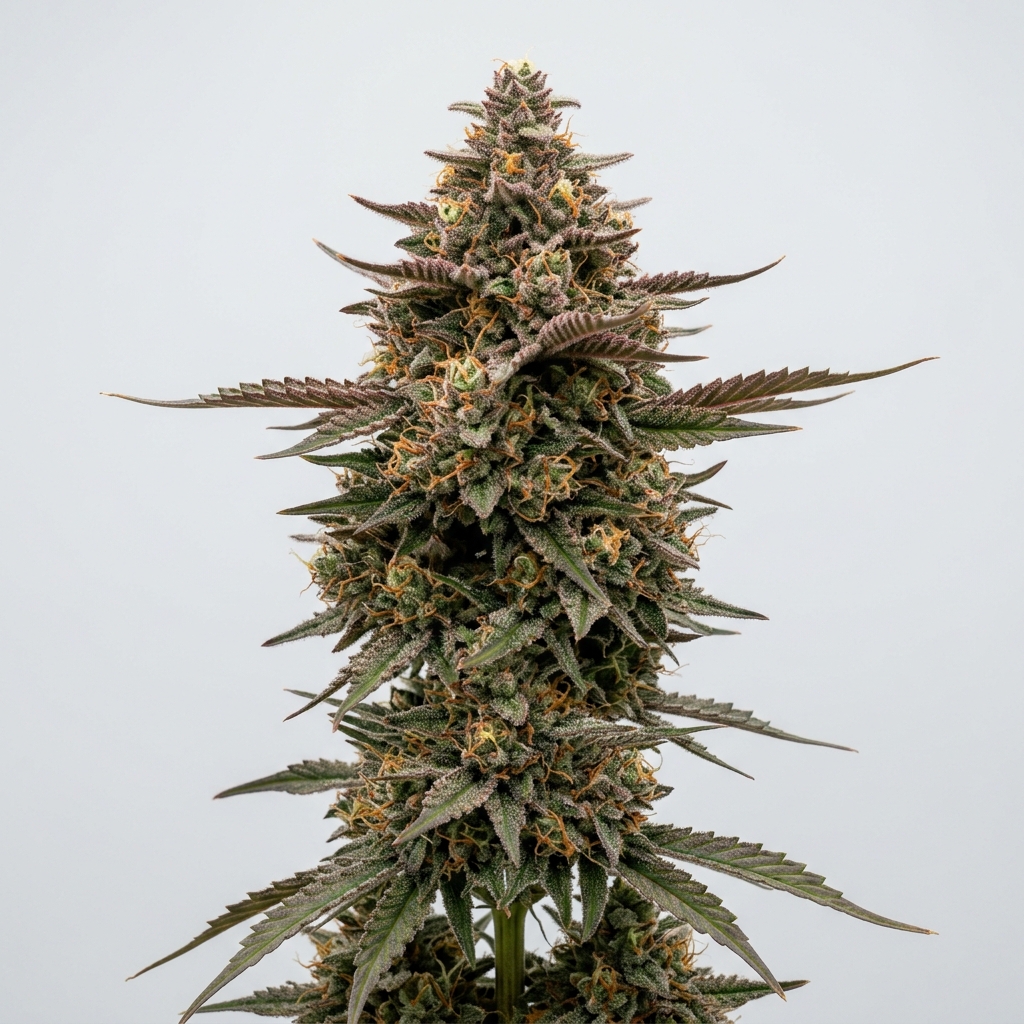
Cherry AK (Cannabis Strain)
Cherry AK is a rare, sativa-dominant phenotype of the classic AK-47 lineage, valued for its distinct cherry-forward terpene profile and manageable 16% to 22% THC range. Originating as a selected cut from the standard multi-landrace hybrid, this cultivar stands out with its deep reddish-purple coloration, dense spear colas, and a thick layer of glassy buds. Unlike its fuel-heavy parent, this selection emphasizes a sweet, tart berry aroma with a subtle sandalwood finish, making it a highly sought-after daytime sensory hybrid that performs well under attentive greenhouse or indoor management.
Cultivators prize this phenotype for its reliable vigor during the vegetative stage and its moderate flowering time of 56 to 63 days. While it retains the robust branching of its parentage, it requires careful humidity management in late flower to protect its tight, resin-rich flowers from moisture retention.
Quick Facts
| Field | Details |
|---|---|
| Genetics | Selected phenotype of AK-47 (Colombian × Mexican × Thai × Afghani) |
| Variety | Sativa-dominant Hybrid |
| THC Range | 16% – 22% |
| Flowering Time | 8 – 9 Weeks (56 – 63 days) |
| Yield Potential | Moderate to High |
| Plant Height | Medium to Tall |
| Climate Preference | Temperate, low humidity |
| Difficulty | Moderate |
Scientific & Botanical Overview
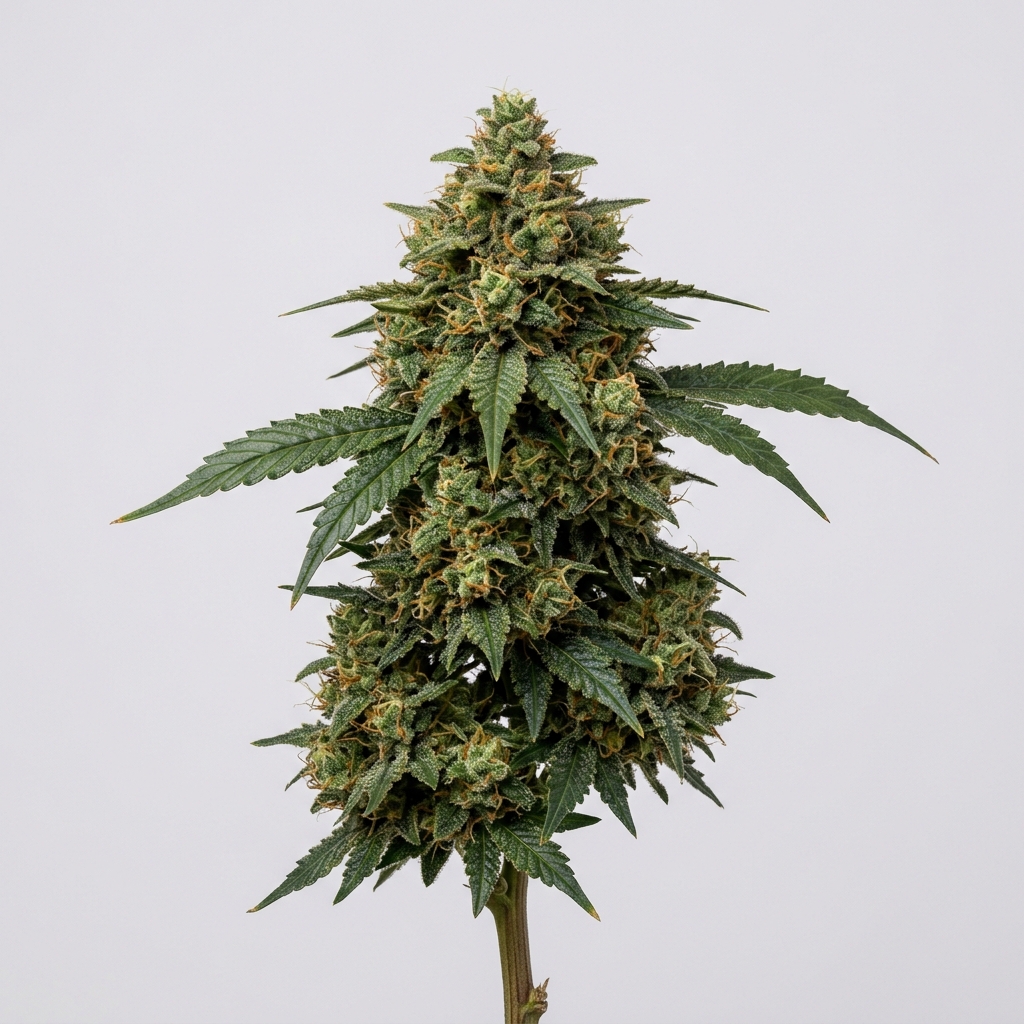
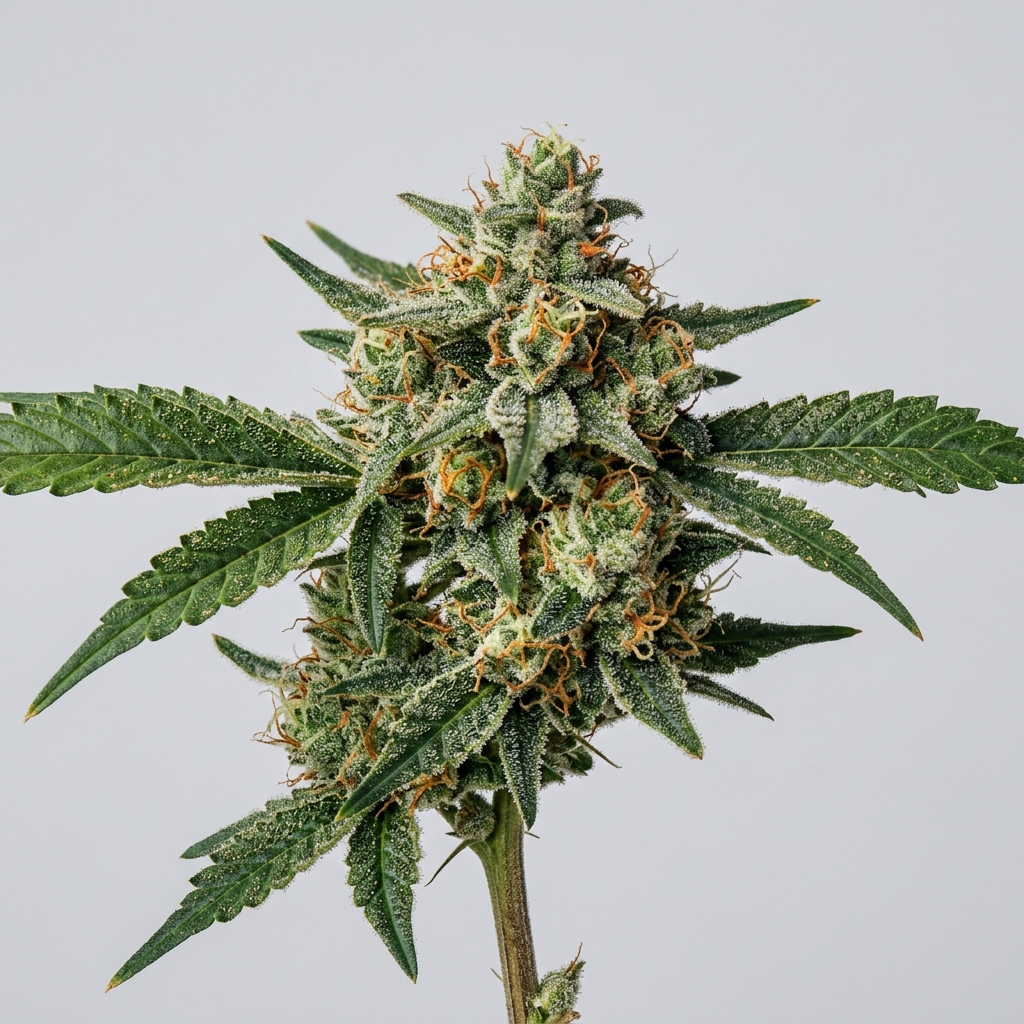
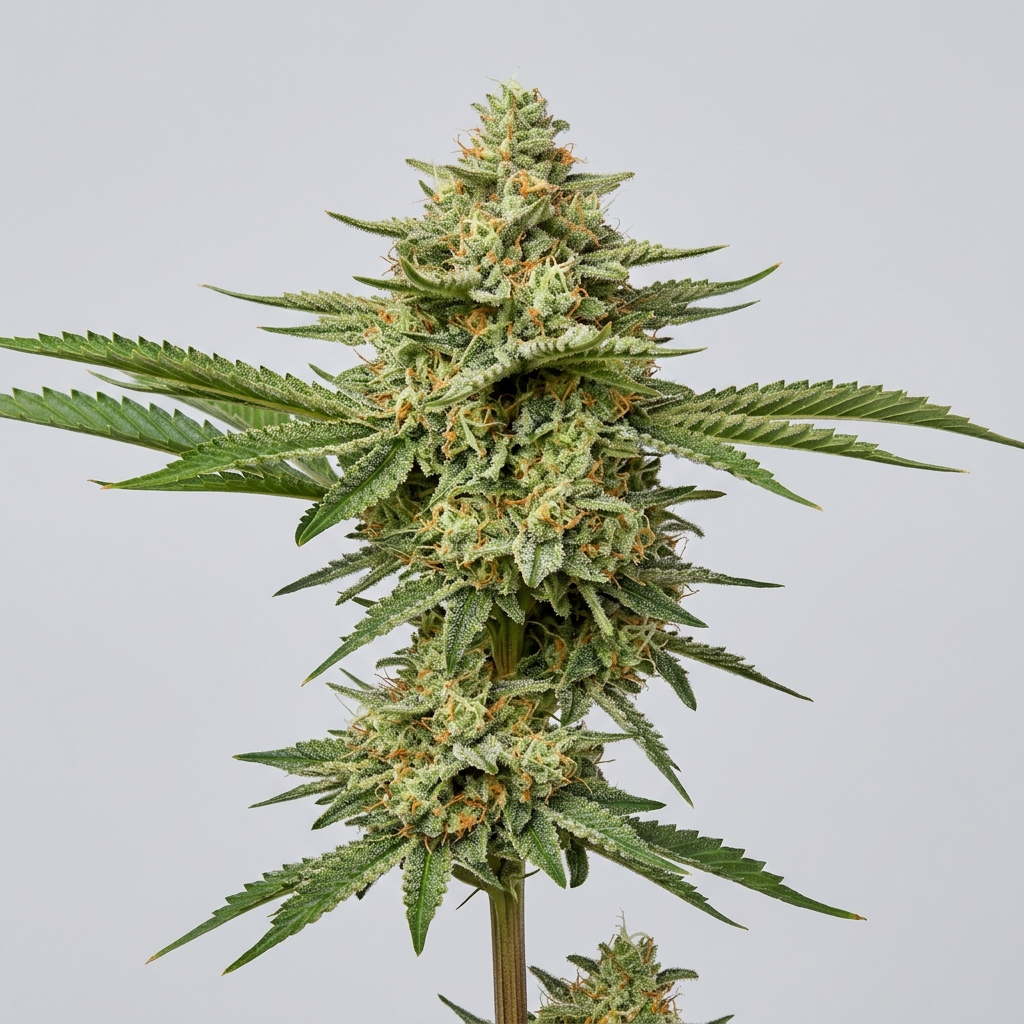
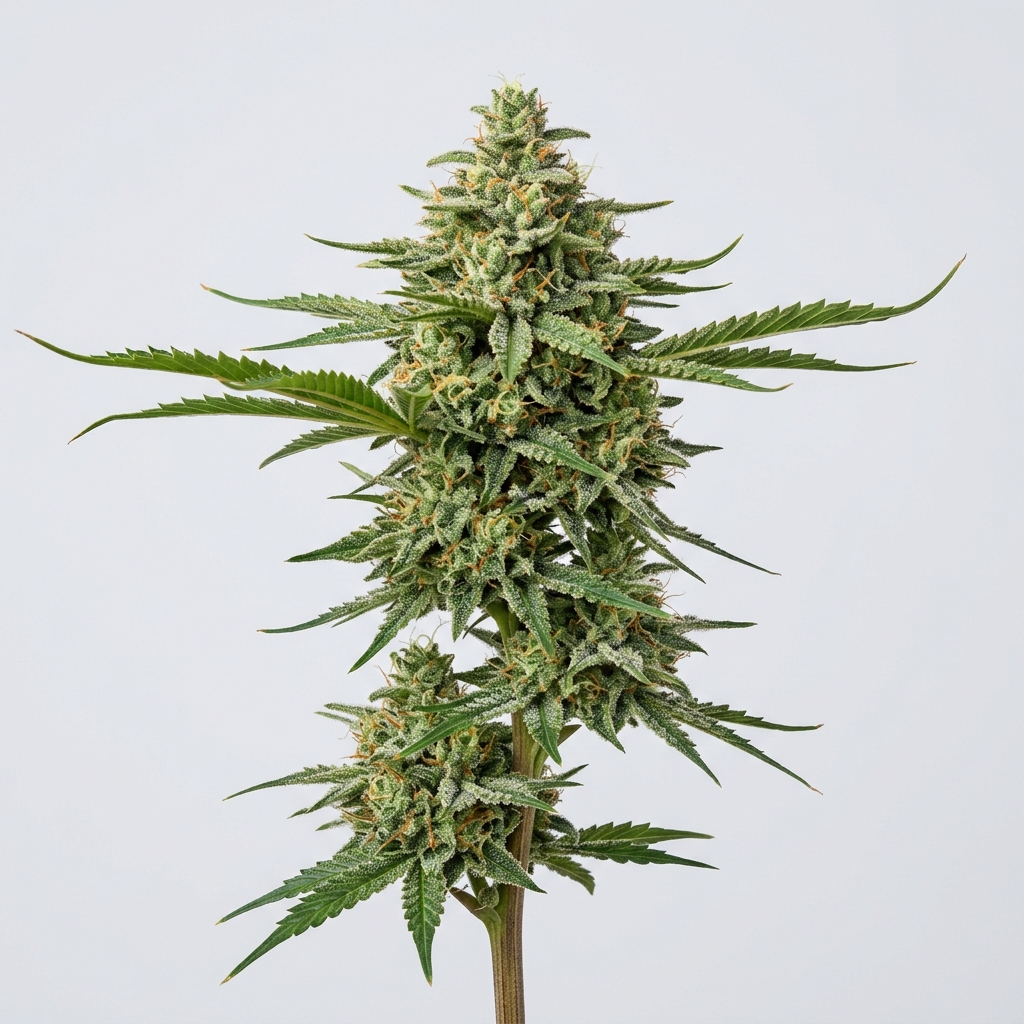
Botanically, Cherry AK shows a classic hybrid morphology, leaning slightly sativa in its leaf structure and nodal spacing. The fan leaves are typically broad but taper to thin, elegant fingers that show early signs of anthocyanin accumulation under cooler night temperatures. This genetic trait manifests as deep crimson and plum hues running through the bracts and sugar leaves as harvest approaches.
The flower structure is characterized by dense, elongated spear colas with swollen calyxes that stack tightly along the upper branches. Unlike the airy structure common to many sativa-dominant varieties, this phenotype produces compact, heavy clusters that require physical support. The resin coverage is dense, presenting as a uniform blanket of short-stalked capitate-stalked trichomes that feel greasy to the touch.
Internally, the plant's metabolic resources are heavily directed toward the production of monoterpenes, particularly myrcene and caryophyllene, alongside trace amounts of pinene. This specific chemical distribution influences both its unique aroma and its moderate stretch pattern during the transition to flower.
Effects & Use-Cases (Reported)
Commonly reported effects: Users frequently describe a smooth, cerebral lift that begins behind the eyes before settling into a soft, functional physical relaxation. The onset is gradual and clear, promoting mental clarity and a calm focus without the heavy physical sedation often associated with its Afghani parentage.
Use-case context: This balanced profile makes it well-suited for daytime activities, creative projects, or social settings where mental agility is desired. Its physical relaxation is mild enough to allow for continued productivity while easing minor physical tension.
Note: Individual responses to cannabinoids vary significantly, and those sensitive to sativa-dominant cultivars should approach initial use with moderation.
Aroma & Flavors
Aroma: A complex blend of sweet, overripe cherries and tart red berries, grounded by an earthy, musky undertone and a faint hint of sandalwood.
Flavor: The smoke or vapor delivers a pronounced cherry-syrup sweetness on the inhale, which transitions to a dry, spicy herbal finish with a subtle woody edge upon exhalation.
Terpene associations:
Myrcene, caryophyllene, and limonene dominate the sensory profile, creating the characteristic balance of sweet fruit and spicy gas.
Tested Cannabinoid & Terpene Ranges
| Compound | Typical Range |
|---|---|
| Δ9-THC | 16.0% – 22.0% |
| CBD | < 0.5% |
| CBG | 0.2% – 1.0% |
| Myrcene | 0.4% – 0.9% |
| Caryophyllene | 0.2% – 0.6% |
| Limonene | 0.1% – 0.4% |
Note: Cannabinoid and terpene profiles are highly variable and depend on specific cultivation methods, environmental factors, and curing protocols.
Cultivation Notes
- Keep humidity below 45% in late flower to prevent botrytis in the dense, heavy colas.
- Responds well to low-stress training (LST) and topping to encourage a flat, even canopy and maximize light penetration.
- Requires moderate feeding, showing sensitivity to nitrogen toxicity if over-fertilized during the early bloom phase.
- Provide physical support, such as trellising or stakes, by Week 4 of flower to prevent the heavy spear colas from snapping branches.
- Implement a slow, controlled dry at 60°F (15°C) and 60% relative humidity for 10 to 14 days to preserve the delicate cherry terpenes.
Grower Notes (Week-by-Week Snapshot)
- Weeks 1-3 (Transition & Stretch): Plants display a moderate stretch of up to 50% of their vegetative height. Focus on selective defoliation of lower fan leaves to improve airflow through the dense inner canopy.
- Weeks 4-6 (Mid-Flower & Resin): Flowers begin to stack rapidly, forming dense clusters. Trichome production begins early, and the initial sweet, fruity aroma becomes noticeable. Ensure trellis nets are fully supporting the main branches.
- Weeks 7-9 (Late Flower & Ripening): Flush the medium with plain water to encourage the expression of deep red and purple hues. Keep night temperatures 10 to 15 degrees cooler than day temperatures to enhance anthocyanin production.
- Post-Harvest (Cure): A minimum of a three-week jar cure is recommended to allow the grassy chlorophyll notes to fade, revealing the true tart cherry and sandalwood profile.
Genetic Lineage
Cherry AK is a stabilized clonal selection of the legendary AK-47, a complex hybrid bred in the early 1990s. The parent strain combines landrace genetics from Colombia (sativa), Mexico (sativa), Thailand (sativa), and Afghanistan (indica), resulting in a highly adaptable plant with a diverse genetic toolkit.
While most seeds from this lineage lean toward a sharp, skunky, and fuel-forward profile, this specific phenotype was isolated due to a rare recessive trait that emphasizes sweet, dark fruit esters. It has since been preserved through cloning and occasional backcrossing to maintain its unique organoleptic qualities.
Research Insights
Research interest in this phenotype focuses on its unusual accumulation of fruit-mimicking esters alongside its primary monoterpene profile. The interaction between myrcene and caryophyllene in this specific ratio is thought to modulate the psychoactive effects of THC, offering a more grounded, less anxious experience than typical pure sativas.
Furthermore, the structural stability of this phenotype compared to other sativa-leaning hybrids makes it a valuable subject for breeding programs aiming to introduce sweet, dessert-like aromas into high-yielding, mold-resistant outdoor cultivars.
Frequently Asked Questions
Is Cherry AK a sativa or an indica?
Cherry AK is a sativa-dominant hybrid. While it retains the dense, compact bud structure typically associated with indica varieties, its growth vigor, leaf shape, and uplifting cerebral effects reflect its strong sativa landrace ancestry.
How does Cherry AK differ from regular AK-47?
While standard AK-47 is known for its pungent, skunky, and diesel-heavy aroma, Cherry AK is a specific phenotype selected for its sweet, tart cherry smell and reddish-purple coloration. It also tends to offer a slightly smoother, more clear-headed physical effect.
What is the flowering time for Cherry AK?
This cultivar typically finishes flowering in 8 to 9 weeks (56 to 63 days) when grown indoors. Outdoor plants are usually ready for harvest by mid-to-late October in the Northern Hemisphere.
Does Cherry AK turn purple?
Yes. Under the right environmental conditions, particularly when night temperatures drop during the final weeks of flowering, Cherry AK will develop striking red, pink, and deep purple hues in its bracts and sugar leaves.
Educational Disclaimer
This article is for educational and informational purposes only. Cultivation and consumption of cannabis are subject to varying local, state, and federal laws. Always consult with a professional grower or medical specialist prior to engaging with cannabis products.
Rate and review this strain
Ratings and reviews are accepted only from signed-in Google accounts.
Sign in with Google to leave a rating and written review.
Latest Reviews
0 reviewsNo reviews yet. Be the first Google user to rate and review this strain.