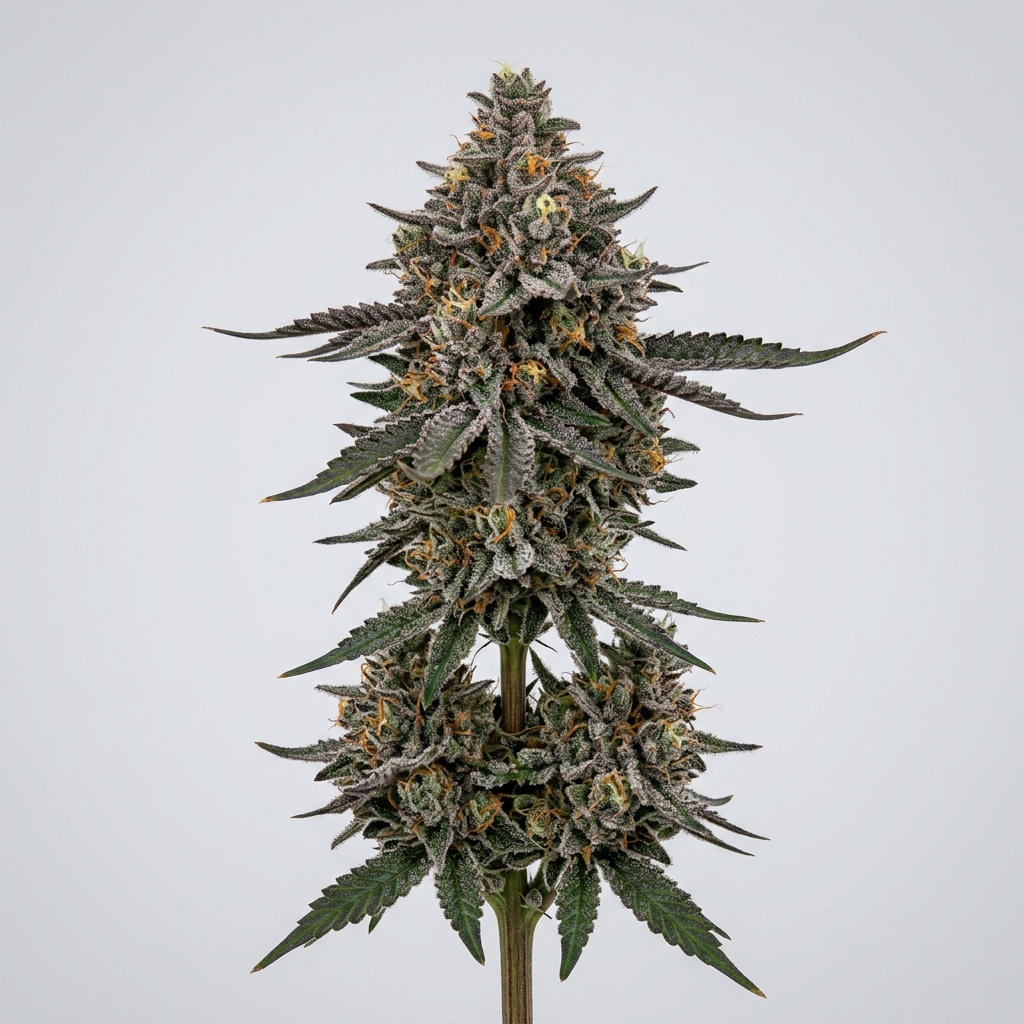
Watermelon Oreoz (Cannabis Strain)
Watermelon Oreoz is an indica-dominant hybrid cultivar resulting from a cross of Watermelon Zkittlez and Oreoz. Typically testing between 20% and 28% THC, this cultivar is highly regarded for its greasy resin production and a complex aromatic profile that merges sweet melon fruitiness with a creamy, cocoa-dough finish. Growers favor the strain for its manageable, moderate stretch and dense, highly photogenic flower structure that yields well under optimal environmental conditions.
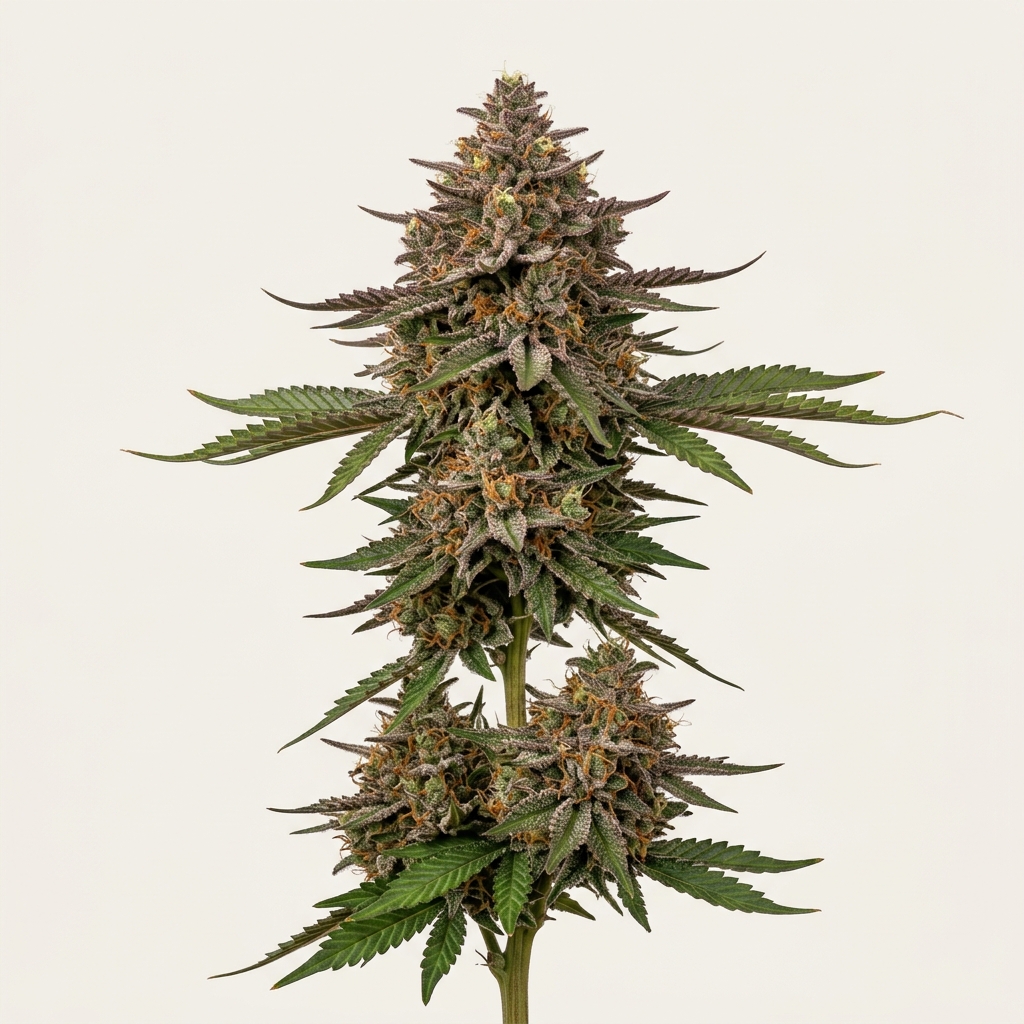
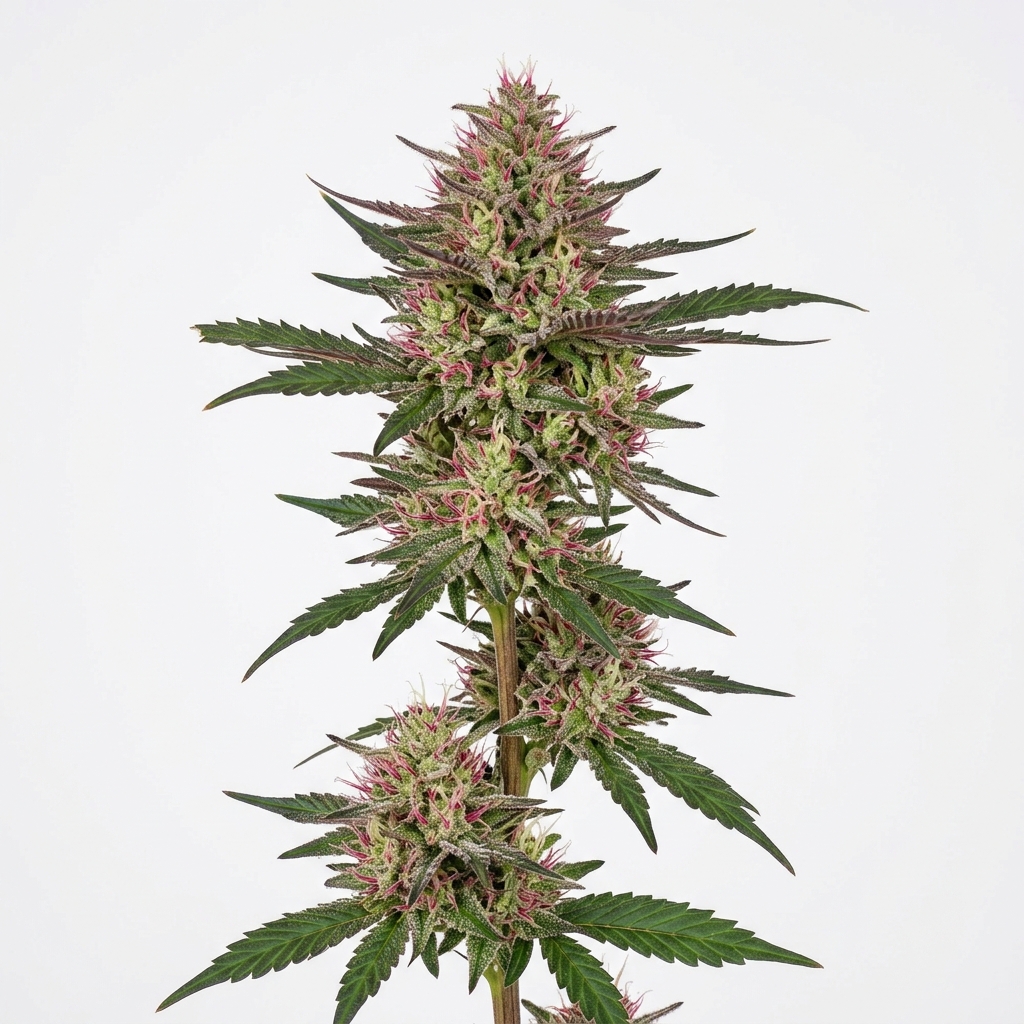
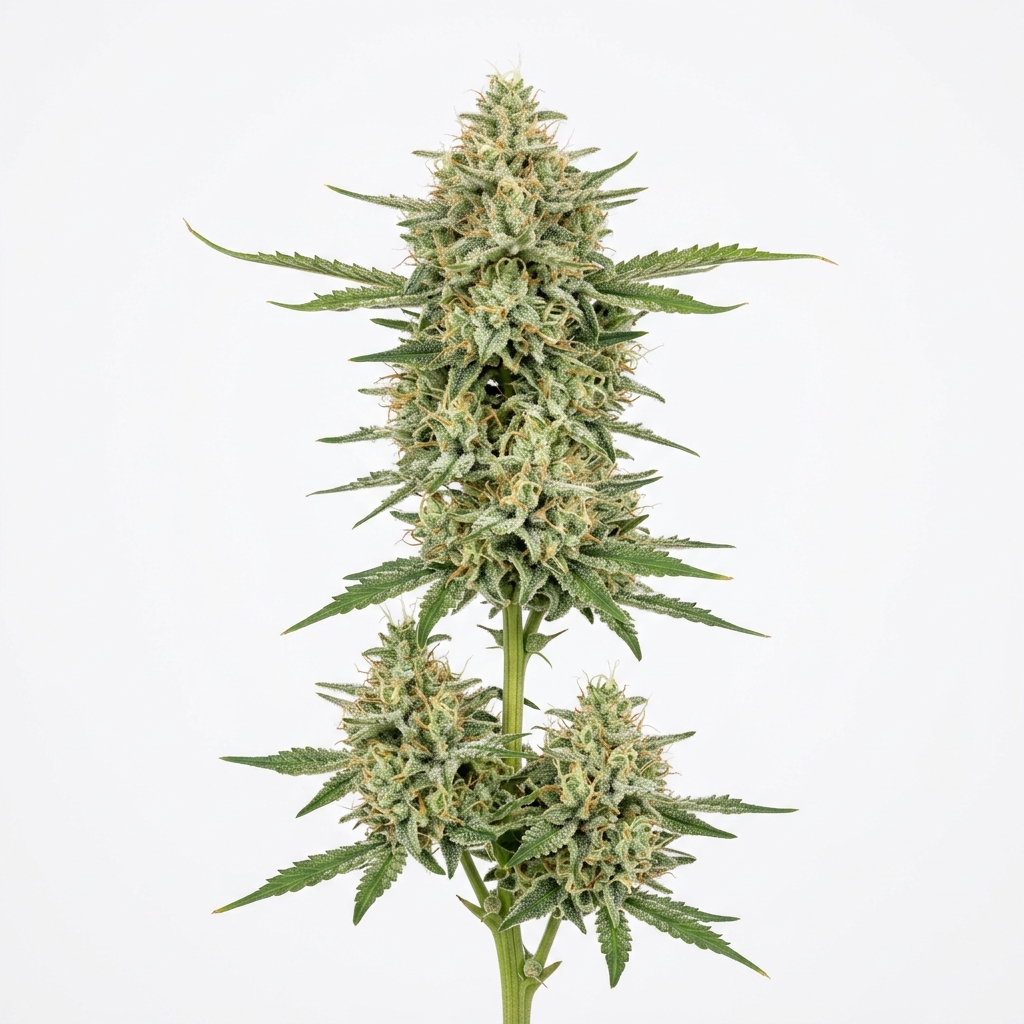
The mature flowers display deep purple hues beneath a thick, wet frost of trichomes that make the buds appear almost white at peak maturity. This heavy resin coverage makes it highly sought after by extraction artists looking for terpene clarity in solventless concentrates. The plant maintains a sturdy, compact frame that responds well to low-stress training and selective defoliation.
Quick Facts
| Field | Details |
|---|---|
| Genetics | Watermelon Zkittlez × Oreoz |
| Variety | Indica-dominant hybrid |
| THC Range | 20% – 28% |
| Flowering Time | 8 – 9 weeks |
| Yield Potential | Moderate to high |
| Plant Height | Medium |
| Climate Preference | Controlled indoor / Mild temperate |
| Difficulty | Moderate |
Scientific & Botanical Overview
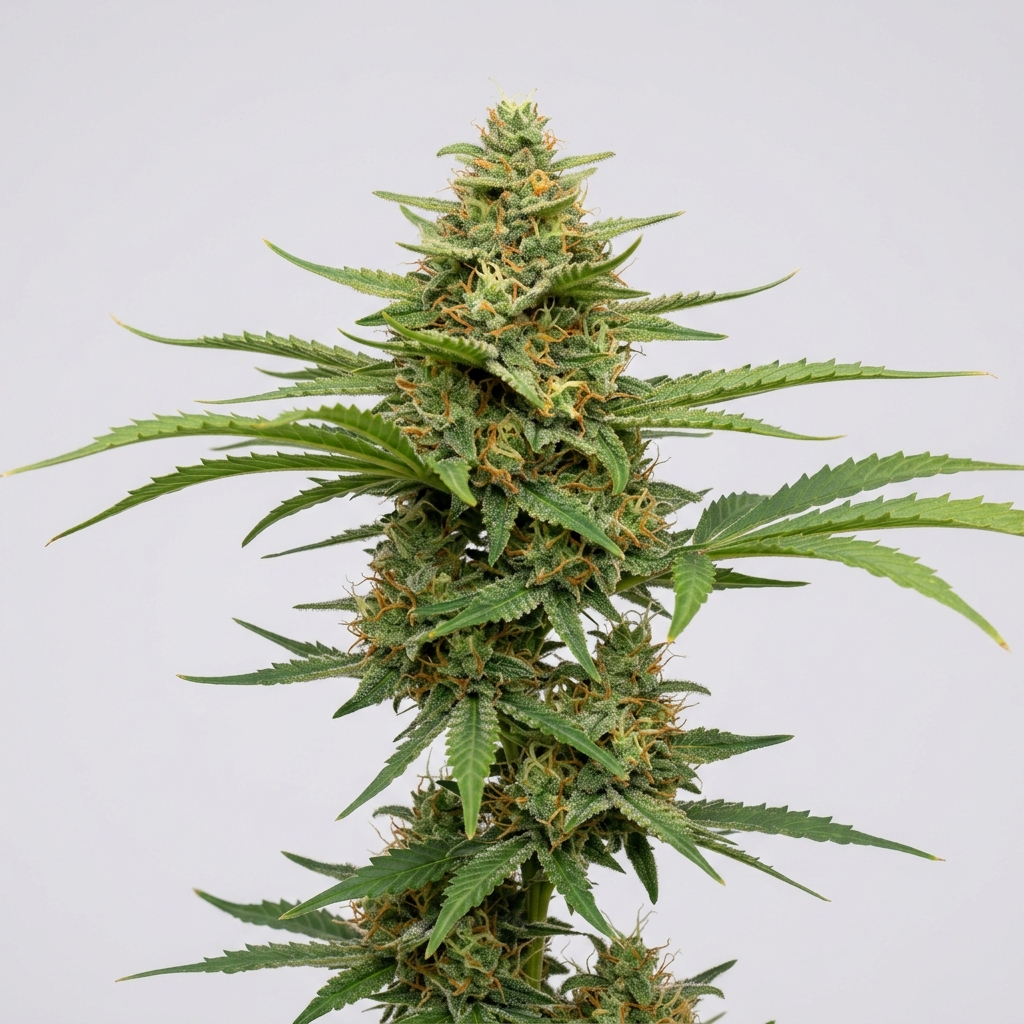
Botanically, Watermelon Oreoz expresses classic broad-leaf characteristics inherited from its indica heritage. The plants develop sturdy, thick stems with tight internodal spacing, supporting heavy lateral branches that require physical support during late flower. This structural density allows the plant to focus energy on producing large, compact flower clusters rather than excessive vertical stretch.
Leaf morphology consists of broad, dark green fan leaves that frequently transition to deep plum and violet shades when exposed to cooler night temperatures. The dense bracts form tight, rounded clusters with minimal foliage inside the bud structure, easing the trimming process. The outer layer of the calyxes is heavily populated with capitate-stalked glandular trichomes, yielding a high volume of sticky, solventless-grade resin.
The cultivar is highly efficient in its nutrient uptake, showing a preference for steady calcium and magnesium levels during the transition phase. This nutritional efficiency supports the development of the strain’s characteristically large, swollen calyxes. Maintaining balanced root zone moisture is critical, as the dense buds are sensitive to over-watering in the final stages of growth.
Effects & Use-Cases (Reported)
Commonly reported effects: Consumers typically note a deeply relaxing physical sensation coupled with a calm, clear mental state. The initial onset is often described as a gentle warming feeling that transitions into a heavy, grounding body high without immediate sedation.
Use-case context: This cultivar is best suited for evening or late-afternoon use, providing a relaxing backdrop for low-energy activities or winding down after a long day. Its physical heaviness makes it a popular choice among experienced consumers seeking sustained physical relief.
Note: Individual experiences may vary, and high-THC cultivars should be approached with caution by novice consumers.
Aroma & Flavors
Aroma: The initial nose is dominated by sweet, fresh-cut watermelon and ripe berries, which quickly gives way to a deeper, earthy cocoa and doughy base. A subtle hint of mint and tart gas lingers in the background, providing a balanced olfactory profile.
Flavor: On the exhale, the flavor mirrors the aroma, delivering a smooth blend of creamy vanilla dough, dark chocolate, and a lingering melon sweetness. The smoke is dense and expansion-heavy, leaving a sweet, earthy coating on the palate.
Terpene associations: Lab analyses frequently show high concentrations of caryophyllene, limonene, and myrcene, which drive the spicy, citrusy, and earthy undertones of the flower.
Tested Cannabinoid & Terpene Ranges
| Compound | Typical Range |
|---|---|
| Δ9-THC | 20.0% – 28.0% |
| CBG | 0.5% – 1.5% |
| beta-Caryophyllene | 0.4% – 0.9% |
| Limonene | 0.3% – 0.7% |
| Myrcene | 0.2% – 0.6% |
| Linalool | 0.1% – 0.4% |
Note: Cannabinoid and terpene levels are highly dependent on specific phenotypes, cultivation techniques, and environmental factors.
Cultivation Notes
- Humidity control: Keep relative humidity (RH) below 45% during the final three weeks of flowering to prevent moisture retention within the dense, compact colas.
- Nutrient management: Maintain a moderate feeding schedule, avoiding excessive nitrogen in early flower to prevent leafy bud structures.
- Canopy training: use Low Stress Training (LST) and topping early in vegetative growth to promote even canopy distribution and maximize light penetration.
- Defoliation: Perform a thorough defoliation at day 21 of flower to improve airflow through the lower branches.
- Harvest timing: Harvest when trichomes are mostly milky white with about 10% to 15% amber for the most balanced cannabinoid profile.
Grower Notes (Week-by-Week Snapshot)
- Weeks 1–3 (Transition & Stretch): Plants exhibit a controlled stretch, usually doubling in height. Ensure trellis netting is in place to support the incoming lateral weight.
- Weeks 4–6 (Flower Development & Resin): Bud sites rapidly swell and begin stacking. Resin production starts early, coating the surrounding sugar leaves in a sticky, greasy layer of wet frost.
- Weeks 7–9 (Ripening & Flush): Introduce cooler nighttime temperatures to encourage the expression of dark purple and violet hues. Perform a gentle flush to clear residual nutrients and preserve terpene clarity.
- Post-Harvest (Dry & Cure): Hang dry the entire plant at 60°F (15°C) and 60% relative humidity for 11 to 14 days to ensure a slow dry that locks in the delicate melon and cookie aromas.
Genetic Lineage
The maternal parent, Watermelon Zkittlez, is renowned for its intense, candy-like fruit flavor and uplifting, sensory-forward effects. It contributes the distinct sweet melon aroma and vibrant terpene profile that defines the initial nose of this hybrid.
The paternal influence comes from Oreoz, a highly resinous cross of Cookies and Cream and Secret Weapon. Oreoz passes down its dense trichome coverage, deep purple coloration, and the rich, doughy, cocoa-like undertones that ground the sweetness of the Zkittlez heritage.
Research Insights
Analytical data suggests that the high concentration of caryophyllene in Watermelon Oreoz works in tandem with minor cannabinoids like CBG to influence physical relaxation. This specific terpene profile may modulate the overall intensity of the high, offering a more balanced physical experience.
Breeders frequently select this genetic combination to study how fruit-forward terpenes interact with heavy, dessert-style resin profiles. The resulting offspring demonstrate how selective breeding can preserve delicate monoterpenes while maximizing overall resin output for extraction purposes.
Frequently Asked Questions
Is Watermelon Oreoz an indica or sativa?
Watermelon Oreoz is an indica-dominant hybrid cultivar, typically exhibiting a 70/30 indica-to-sativa ratio, resulting in a relaxing physical profile.
What does Watermelon Oreoz smell like?
The strain has a complex aroma of sweet, fresh watermelon and ripe berries, balanced by a deep, creamy dough and dark chocolate base with a hint of tart gas.
Is this strain difficult to grow?
It is considered moderately difficult to grow. Its dense bud structure requires strict humidity control during late flower to prevent mold, though its growth structure is highly manageable.
What is the flowering time for Watermelon Oreoz?
Watermelon Oreoz typically finishes flowering in 8 to 9 weeks when grown indoors.
Educational Disclaimer
This article is for educational and informational purposes only. Cannabis cultivation and consumption are subject to local laws and regulations. Consult with a professional before initiating any cultivation or consumption practices.
Rate and review this strain
Ratings and reviews are accepted only from signed-in Google accounts.
Sign in with Google to leave a rating and written review.
Latest Reviews
0 reviewsNo reviews yet. Be the first Google user to rate and review this strain.