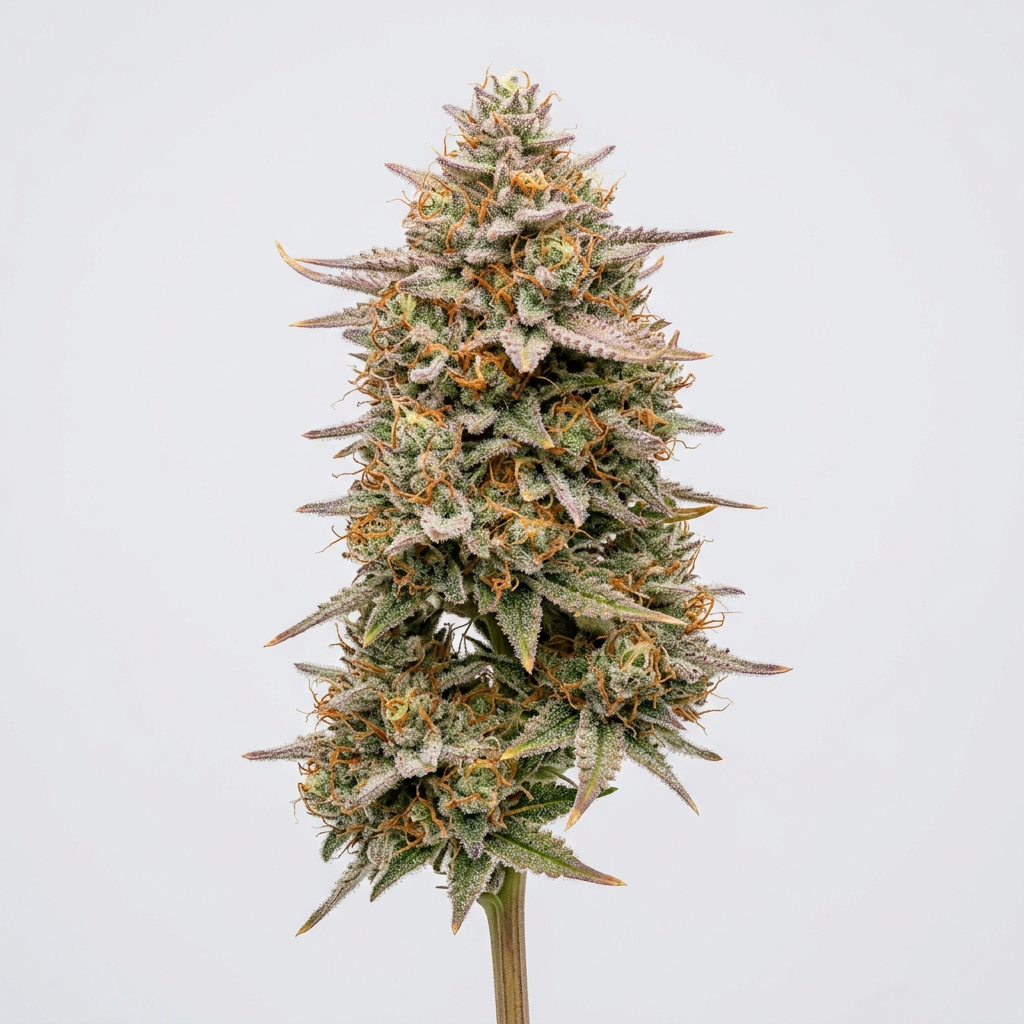
Sweet Deep Grapefruit (Cannabis Strain)
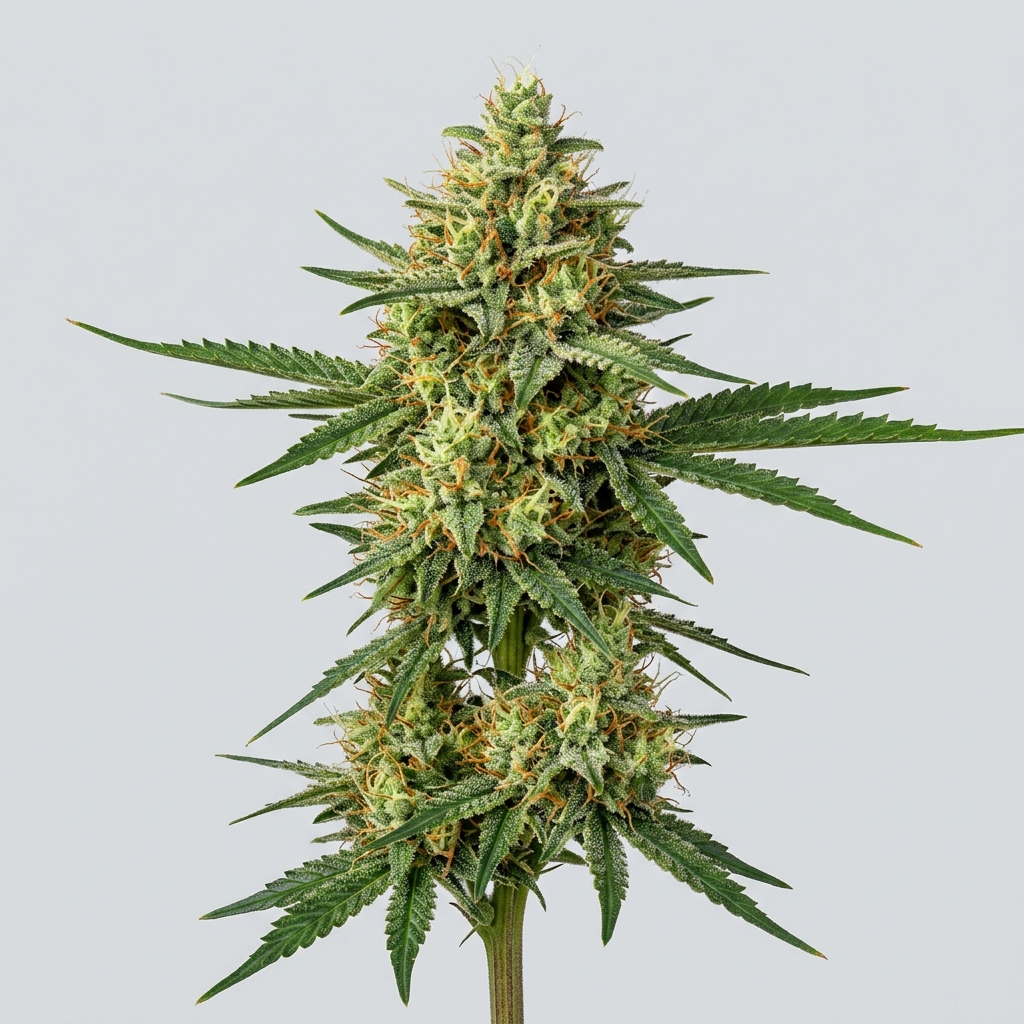
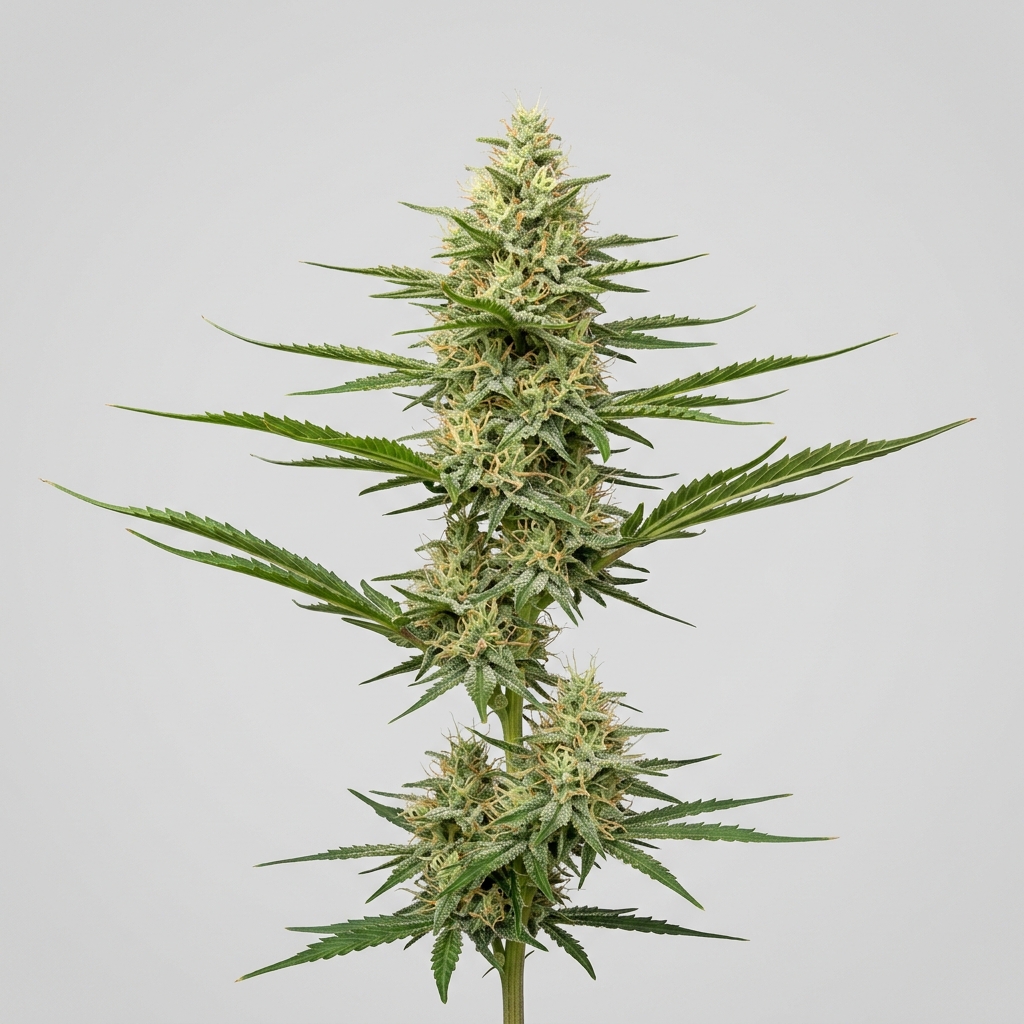
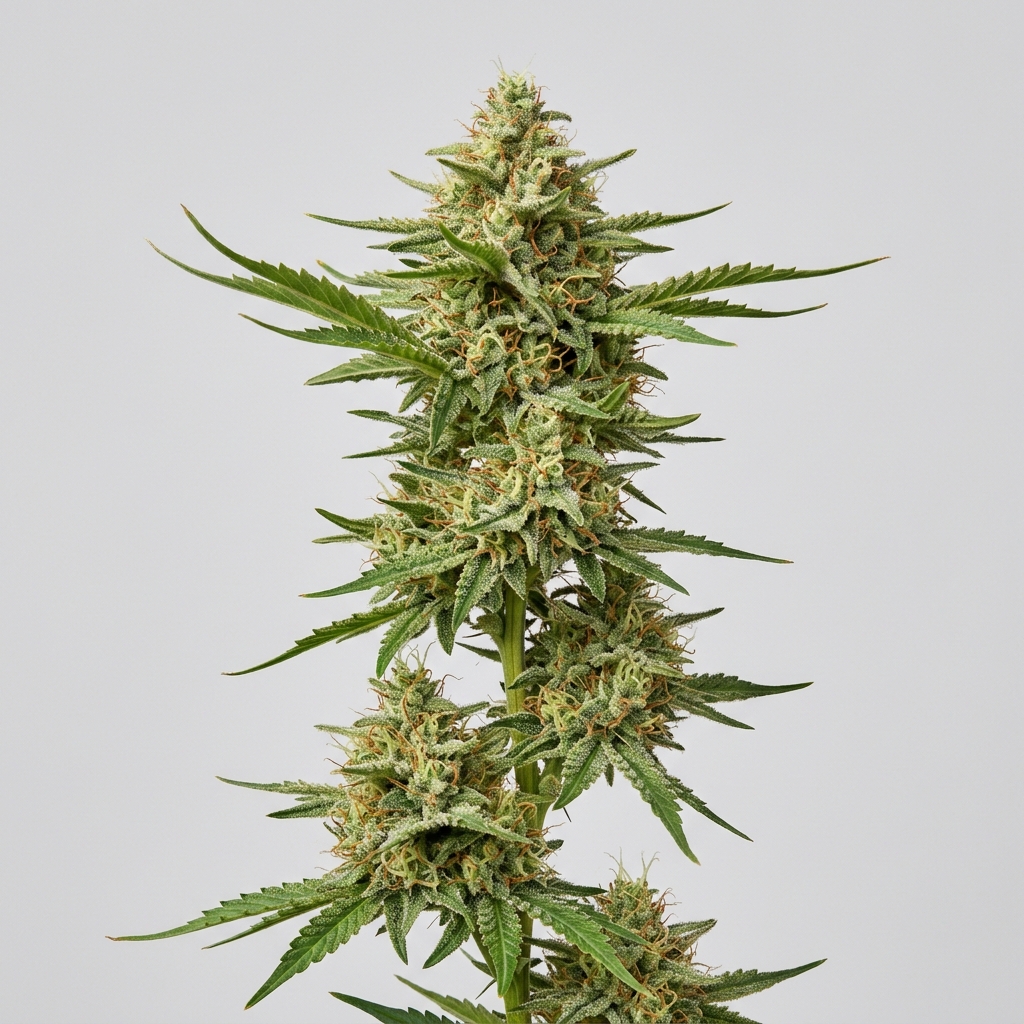
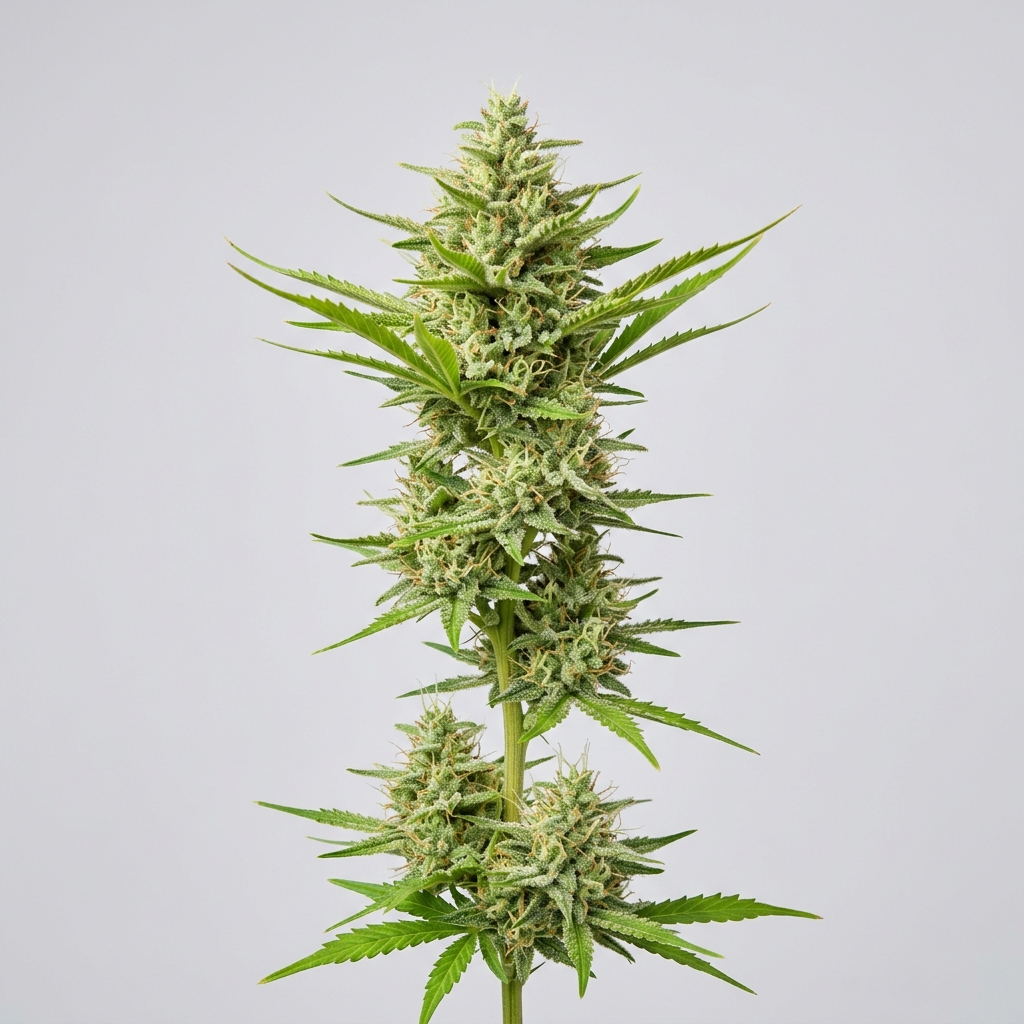
Sweet Deep Grapefruit is an indica-dominant hybrid, typically testing between 12% and 19% THC, created by crossing the legendary Grapefruit clone with Blueberry. This cultivar is celebrated for its intense sweet citrus aroma, rich berry undertones, and a thick coating of greasy resin that covers its dense, spear-shaped colas. Highly favored by growers for its manageable, bushy structure and controlled stretch, it delivers a mellow, physically relaxing experience balanced by a subtle mental clarity.
Cultivated widely for its exceptional terpene retention during the drying phase, this strain represents a classic European approach to fruit-forward breeding. The resulting buds are dense and colorful, often showing light purple hues when exposed to cooler night temperatures late in flower.
Quick Facts
| Metric | Details |
|---|---|
| Genetics | Grapefruit × Blueberry |
| Variety | Indica-dominant hybrid (approx. 80% Indica / 20% Sativa) |
| THC Range | 12% – 19% |
| Flowering Time | 55 – 65 days |
| Yield Potential | Moderate to High |
| Plant Height | Medium, bushy |
| Climate Preference | Temperate, dry, Mediterranean |
| Difficulty | Moderate |
Scientific & Botanical Overview
Sweet Deep Grapefruit shows classic indica morphology, characterized by broad fan leaves and a sturdy, stocky frame. The plants develop tight internodes that require regular defoliation to maintain adequate airflow through the canopy. This structure makes it highly efficient in indoor setups where space optimization is critical.
During the transition to flower, the nodal development accelerates into dense clusters of swollen calyxes. The resin production is notably early, with trichomes appearing on fan leaves and petioles by week four of bloom. Under optimal conditions, the calyx-to-leaf ratio remains high, simplifying the post-harvest trimming process.
The cultivar shows a moderate stretch, typically doubling in size after the flip to 12/12. Its robust branches easily support the weight of its heavy terminal colas without requiring extensive trellising, though some support is recommended during the final weeks of swelling.
Effects & Use-Cases (Reported)
Commonly reported effects: Users frequently report a gentle, creeping physical relaxation accompanied by a soft, uplifting mental clarity. The onset is gradual, avoiding the heavy, sedating lock common to high-THC indicas, which allows users to remain functional and engaged.
Use-case context: This balanced profile makes it highly suitable for late afternoon or early evening use, allowing for relaxation without immediate sleepiness. It is often chosen for unwinding after physical activity or during quiet creative tasks.
Note: Individual experiences may vary based on tolerance, dosage, and specific phenotype chemistry. Cautious dosing is always recommended when exploring new cultivars.
Aroma & Flavors
Aroma: The initial nose is dominated by a sharp citrus lift, characterized by sour grapefruit and sweet orange peel. Breaking the buds releases a deeper, earthy musk mixed with a dark berry edge inherited from its paternal lineage.
Flavor: On the palate, the smoke is exceptionally smooth, delivering a sweet candy-grapefruit taste followed by a subtle, woody pine finish on the exhale.
Terpene associations: The primary terpene profile is dominated by myrcene, limonene, and caryophyllene, which drive its sweet fruitiness and mild peppery undertones.
Tested Cannabinoid & Terpene Ranges
| Compound | Average Range |
|---|---|
| Δ9-THC | 12.0% – 19.0% |
| CBD | < 0.1% |
| Myrcene | 0.4% – 0.8% |
| Limonene | 0.3% – 0.6% |
| Caryophyllene | 0.2% – 0.5% |
Range note: Cannabinoid and terpene levels are highly variable and depend heavily on cultivation practices, environmental factors, and curing techniques.
Cultivation Notes
- Humidity control: Keep relative humidity below 45% during the final three weeks of flowering to prevent moisture retention in the dense colas.
- Defoliation: Perform a thorough strip of lower fan leaves before the flip to flower to improve light penetration and airflow.
- Nutrition: This cultivar responds well to moderate feeding; avoid heavy nitrogen inputs during mid-to-late bloom to preserve terpene clarity.
- Temperature: Introduce cooler night temperatures (around 62-65°F) in the final two weeks to encourage purple pigmentation.
- Harvest window: Look for milky white trichomes with roughly 10-15% amber heads for the optimal balance of flavor and physical relaxation.
Grower Notes (Week-by-Week Snapshot)
- Weeks 1–3 (Vegetative & Transition): Focus on low-stress training (LST) to encourage lateral branching. The plant stays relatively short with tight internodes, making it ideal for a Sea of Green (SOG) setup.
- Weeks 4–6 (Mid-Flower): Resin production begins in earnest, coating the developing calyxes. Ensure the canopy is thinned out to maximize light exposure to lower bud sites.
- Weeks 7–9 (Late Flower & Flush): The colas swell significantly and emit a powerful, sweet grapefruit aroma. Flush with pure, pH-balanced water for the final 10 days to ensure a clean burn and pure flavor.
- Post-Harvest (Dry & Cure): A slow dry at 60°F and 60% relative humidity for 10-14 days is essential to lock in the volatile citrus monoterpenes. Follow with a minimum three-week jar cure.
Genetic Lineage
Sweet Deep Grapefruit is a classic hybrid that brings together two highly influential genetic lines. The maternal parent, Grapefruit, is an elite clone famed for its sharp, authentic citrus profile and energetic lift. This was crossed with a select Blueberry male, a legendary indica line known for its robust structure, deep colors, and sweet berry flavor.
The resulting cross successfully captures the intense citrus notes of the Grapefruit parent while tempering its Sativa growth habits. The Blueberry influence introduces structural stability, increased resin density, and a shorter, more manageable flowering cycle.
Research Insights
Analytical testing of Sweet Deep Grapefruit highlights a distinct terpene synergy dominated by monoterpenes. The high concentration of limonene alongside myrcene suggests a modulation of the cannabinoid response, which may explain the strain’s reported ability to relax the body without causing heavy cognitive fog.
Horticultural research into this genetic line notes its high resilience to common environmental stressors, a trait likely inherited from its Blueberry lineage. The stability of its terpene expression across various growing mediums makes it a valuable subject for studying volatile compound retention in fruit-forward cultivars.
Frequently Asked Questions
Is Sweet Deep Grapefruit easy to grow?
Yes, it is generally considered a moderate-difficulty strain that is highly forgiving for beginners due to its sturdy structure and predictable growth patterns.
What does Sweet Deep Grapefruit smell like?
It features a strong, sweet aroma of fresh grapefruit and orange citrus, backed by a subtle, dark berry undertone.
What are the typical effects of this strain?
It offers a gentle physical relaxation combined with a soft, clear-headed mental lift, making it ideal for afternoon or evening use.
How long does it take to flower?
It typically finishes flowering in 55 to 65 days when grown indoors, or by mid-October in outdoor northern hemisphere climates.
Educational Disclaimer
This article is for educational and informational purposes only. Cultivation and consumption of cannabis are subject to local laws and regulations. Consult with a healthcare professional before using cannabis for wellness purposes.
Rate and review this strain
Ratings and reviews are accepted only from signed-in Google accounts.
Sign in with Google to leave a rating and written review.
Latest Reviews
0 reviewsNo reviews yet. Be the first Google user to rate and review this strain.