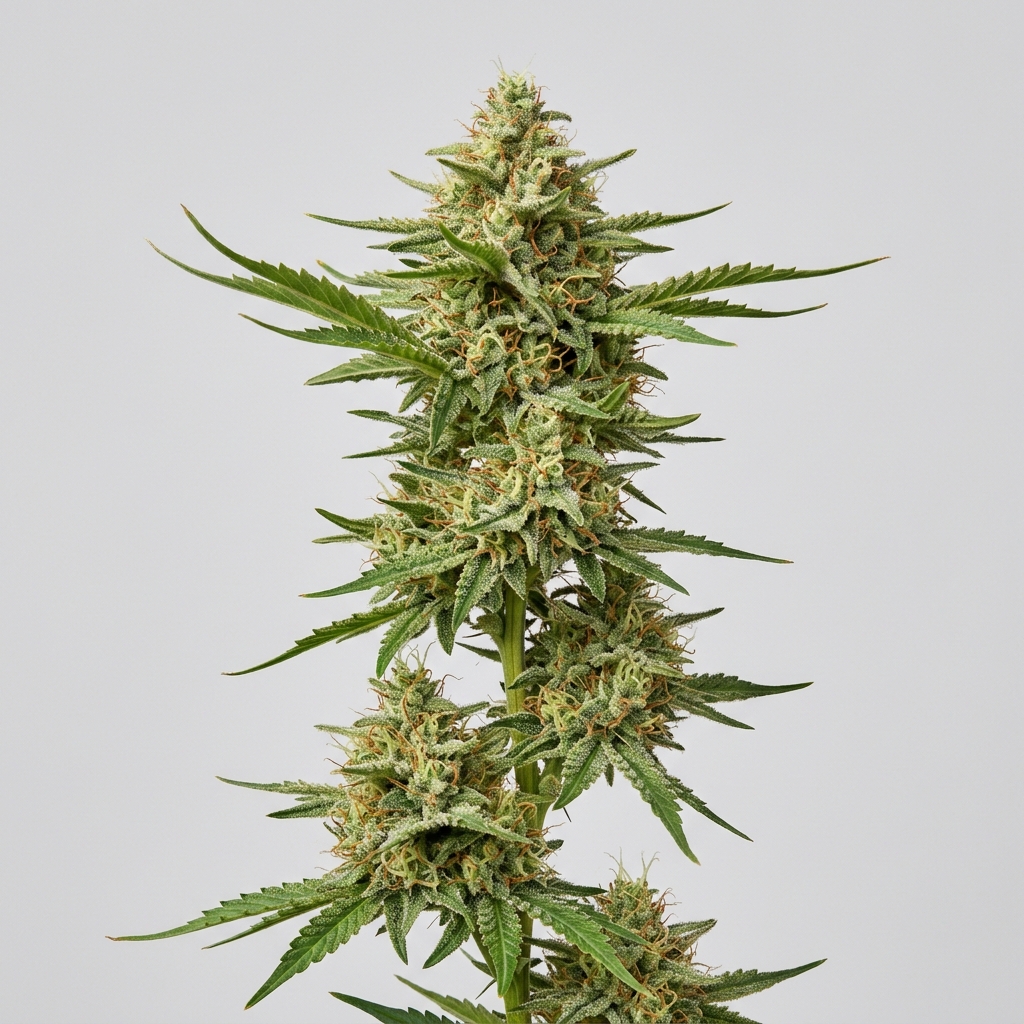
Cheese CBD (Cannabis Strain)
Cheese CBD is a balanced, indica-dominant hybrid typically testing at 6% to 8% THC and 8% to 10% CBD, created by crossing the legendary UK Cheese with a selected CBD-rich clone. This cultivar preserves the intense, sharp dairy and sour skunk aroma of its parent while delivering a functional, clear-headed physical relaxation. The plant shows a vigorous, open structure with elongated branches and resin-rich flowers that develop a thick layer of greasy resin late in the bloom cycle. It serves as a classic daytime sensory hybrid, favored by those seeking the distinctive terpene profile of old-school skunk without overwhelming psychoactive intensity.
Cultivators value this variety for its reliable 1:1 to 1:2 cannabinoid ratio and its adaptability in various setups. While it retains the classic sativa-leaning stretch of its heritage, its buds mature into dense, frost-covered spears that emit a pungent, sour-earth aroma. The balanced profile makes it a highly functional option for daytime use and sensory appreciation.
Quick Facts
| Key Metric | Details |
|---|---|
| Genetics | Cheese × CBD-Rich Clone |
| Variety | Indica-dominant hybrid (approx. 60% Indica / 40% Sativa) |
| THC Range | 6.0% – 8.0% (balanced with 8.0% – 12.0% CBD) |
| Flowering Time | 50 to 60 days |
| Yield Potential | Moderate to high (approx. 450–500 g/m²) |
| Plant Height | Medium to tall (significant flowering stretch) |
| Climate Preference | Temperate, dry, mild Mediterranean |
| Difficulty | Moderate |
Scientific & Botanical Overview
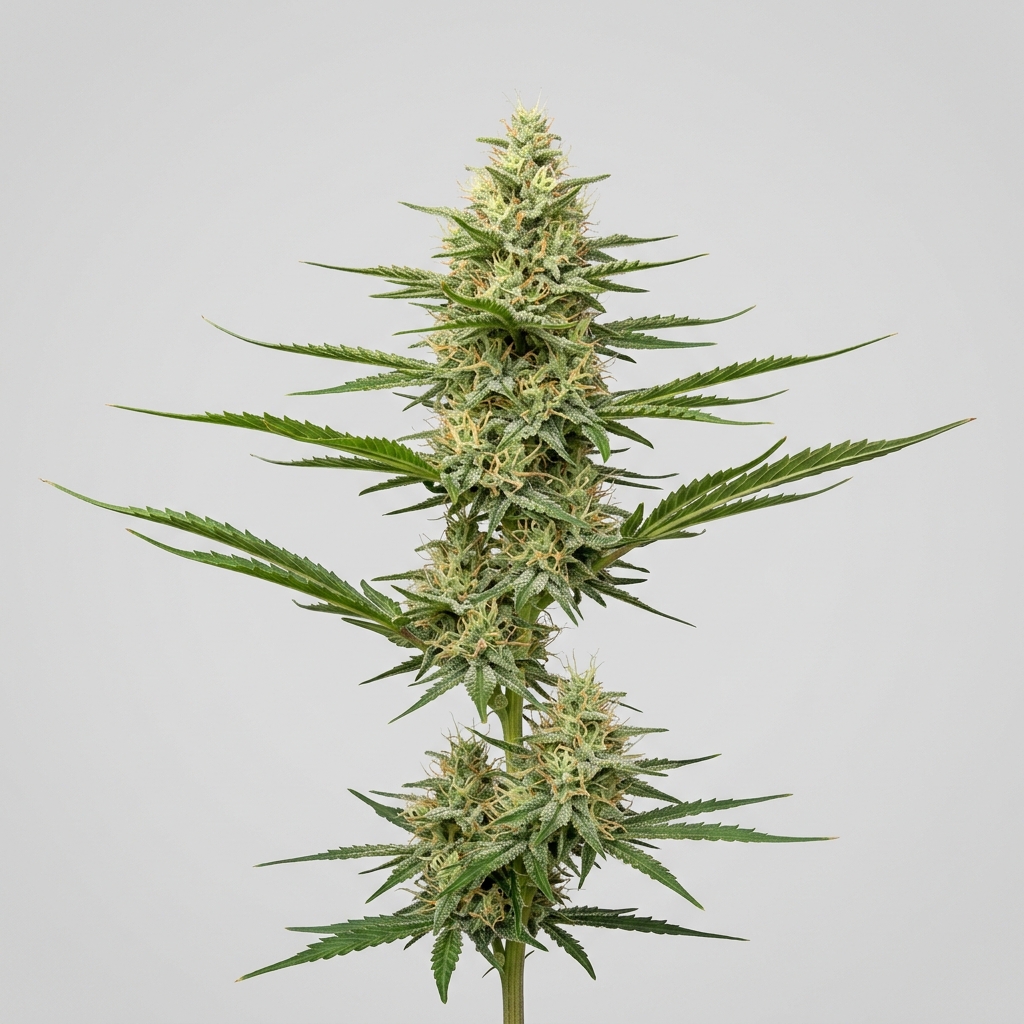
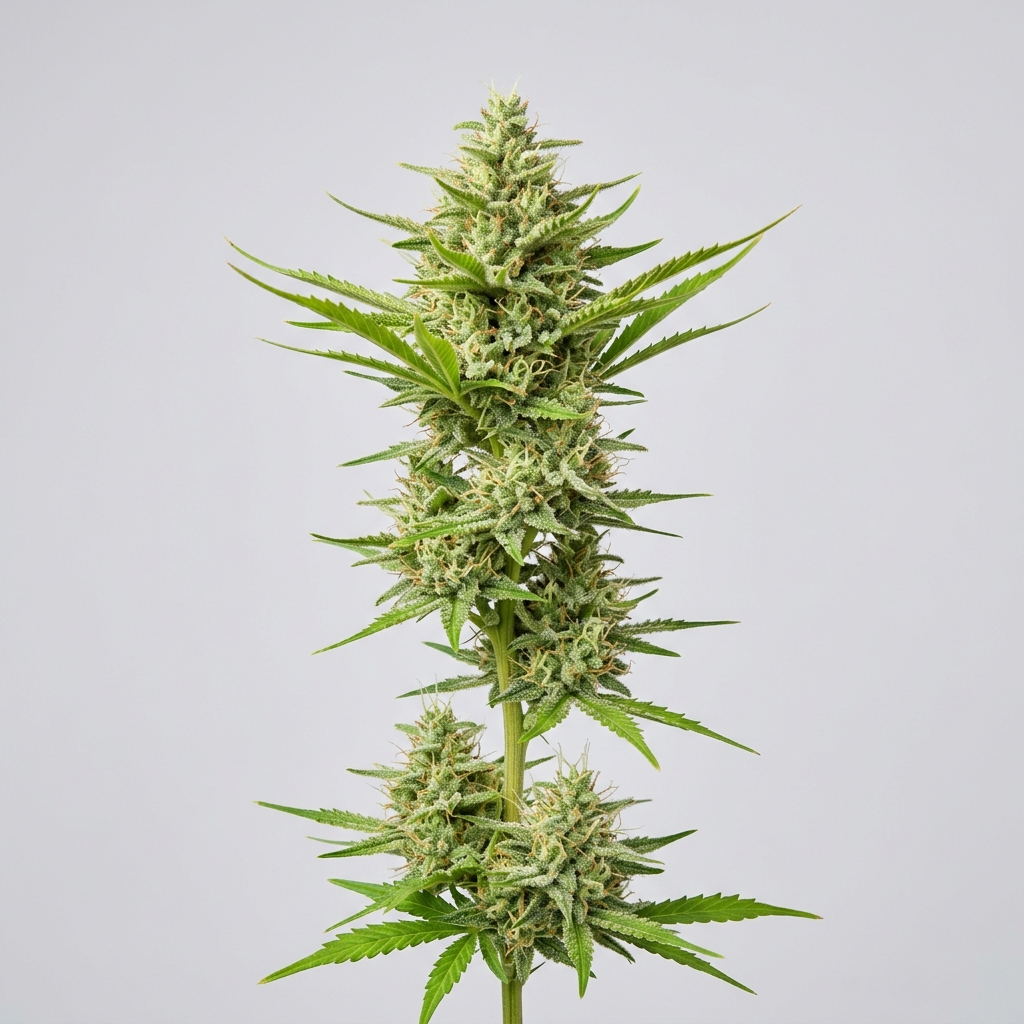
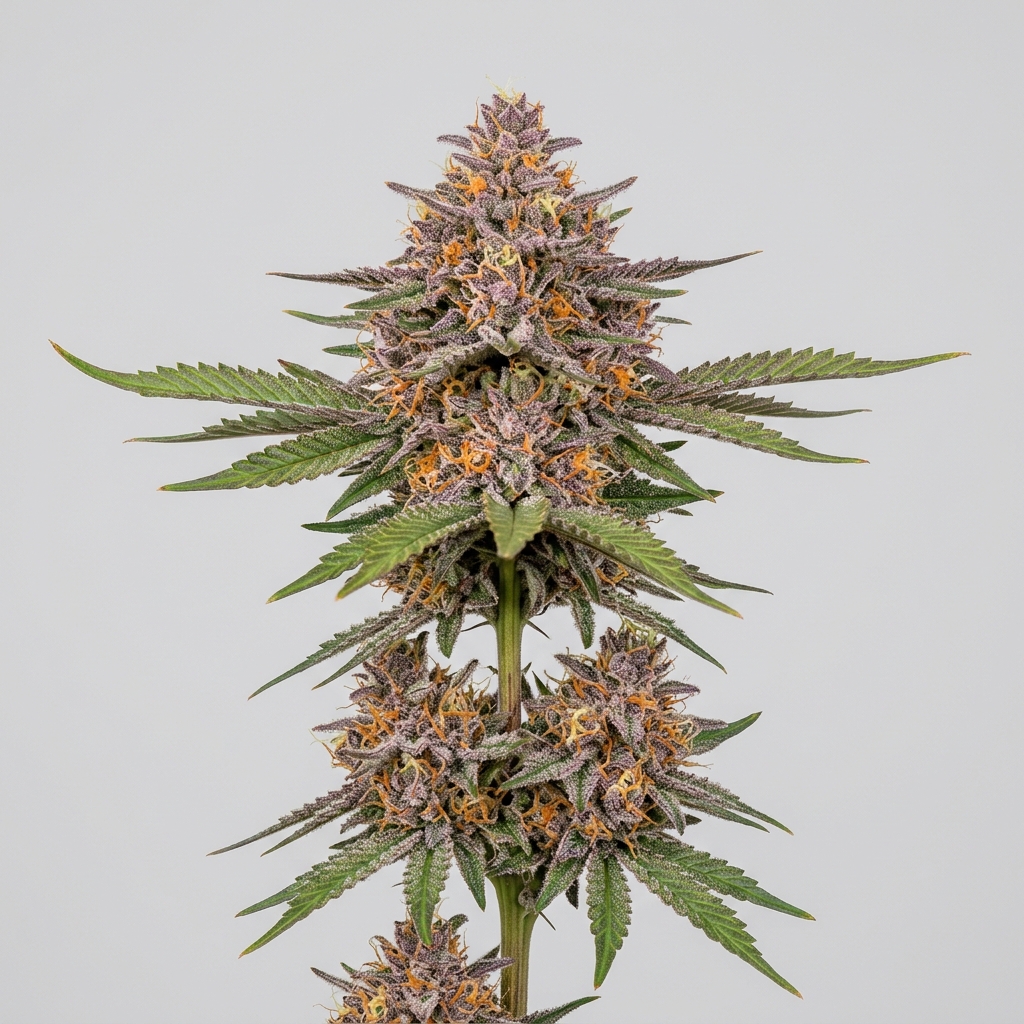
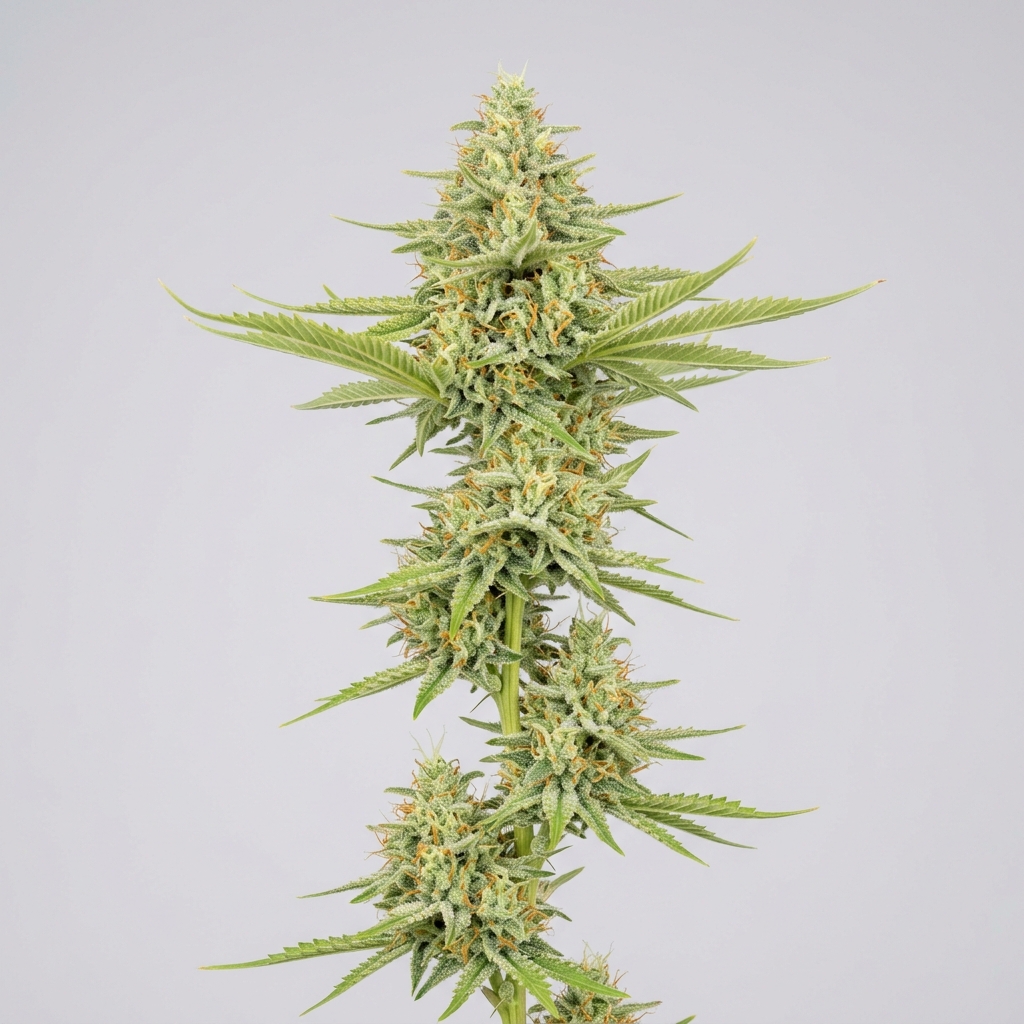
Botanically, this cultivar shows a hybrid morphology that reflects both its Skunk #1 ancestry and the selected CBD parent. Plants typically develop thin fan leaves and long, flexible lateral branches that require structural support during late flower. The internodal spacing is moderately wide, allowing for excellent airflow through the canopy and reducing the risk of moisture retention in dense flower clusters.
The inflorescences mature into elongated spear colas rather than tight, rounded clusters. Swollen calyxes are blanketed in medium-stalked capitate-glandular trichomes that produce a highly aromatic, greasy resin. This resin contains a balanced concentration of cannabidiol (CBD) and delta-9-tetrahydrocannabinol (THC), alongside a complex volatile terpene profile.
During the final weeks of flowering, the foliage often transitions to lighter green and soft yellow hues, while the pistils turn a deep orange. The high calyx-to-leaf ratio simplifies the post-harvest trimming process. Maintaining a stable, low-humidity environment during this period is essential to protect the resin quality and prevent bud rot in the dense bracts.
Effects & Use-Cases (Reported)
Commonly reported effects: Users frequently report a gentle physical release, clear-headed focus, and a mild, calming sensation that does not induce heavy sedation or cognitive haze.
Use-case context: This balanced profile is well-suited for daytime activities, creative tasks, and social settings where functional clarity is desired alongside physical comfort.
Note: Individual experiences vary, and the lower psychoactive ceiling makes this variety popular among those sensitive to high-THC cultivars.
Aroma & Flavors
Aroma: Pungent, sour dairy, sharp skunk, and deep earthy undertones that closely mimic the original UK Cheese.
Flavor: A distinct blend of cured cheese, tart gas, and a soft, woody-herbal finish on the exhale.
Terpene associations: High concentrations of myrcene, caryophyllene, and limonene drive the complex, savory scent profile.
Tested Cannabinoid & Terpene Ranges
| Compound | Tested Range |
|---|---|
| Δ9-THC | 6.0% – 8.0% |
| CBD | 8.0% – 12.0% |
| beta-Myrcene | 0.4% – 0.8% |
| beta-Caryophyllene | 0.3% – 0.6% |
| d-Limonene | 0.1% – 0.3% |
Range note: Cannabinoid and terpene levels are highly variable and depend on specific phenotypes, environmental conditions, and cultivation techniques.
Cultivation Notes
- Humidity management: Keep relative humidity (RH) below 45% during the final three weeks of flowering to protect the dense bracts from internal moisture buildup.
- Structural support: Use trellis netting or stakes early in the flowering stage to support the heavy, elongated spear colas.
- Nutrient requirements: This cultivar responds well to a moderate feeding schedule; avoid excessive nitrogen during early bloom to prevent unwanted stretching.
- Training techniques: Implementing low-stress training (LST) or topping helps manage the height and encourages an even, multi-topped canopy.
- Harvest timing: Harvest when trichomes are mostly milky with a small percentage of amber to preserve the functional, balanced cannabinoid profile.
Grower Notes (Week-by-Week Snapshot)
- Weeks 1–3 (Transition & Stretch): Plants show a pronounced stretch upon switching to a 12/12 light cycle. Secure the main branches to the trellis and thin out lower fan leaves to improve light penetration.
- Weeks 4–6 (Mid-Flower Development): Flower clusters begin to stack rapidly, forming elongated spears. A sharp, sour dairy aroma becomes noticeable; ensure carbon filters are fully operational.
- Weeks 7–9 (Late Flower & Ripening): Calyxes swell and trichomes turn milky. Reduce humidity levels, monitor runoff EC, and begin a gentle flush using plain, pH-balanced water during the final 7 to 10 days.
- Post-Harvest (Drying & Curing): Execute a slow dry at 60°F (15°C) and 60% RH for 10 to 14 days, followed by a minimum three-week cure to lock in the savory cheese terpenes.
Genetic Lineage
The genetic foundation of this cultivar rests on the iconic UK Cheese, a rare, highly aromatic Skunk #1 phenotype discovered in the United Kingdom during the late 1980s. Known for its distinctively pungent, dairy-like aroma and robust growth, the original clone-only Cheese was backcrossed and stabilized over decades to preserve its unique organoleptic properties.
To introduce high levels of cannabidiol, breeders crossed this legendary parent with a carefully selected, stable CBD-rich clone. This hybridization successfully preserved the essential terpene-producing traits of the original Cheese while moderating the psychoactive profile to establish a reliable, balanced 1:1 to 1:2 cannabinoid ratio.
Research Insights
Analytical testing of this cultivar highlights a distinctive cannabinoid-to-terpene synergy. The moderate levels of THC and elevated CBD work together to modulate the activity of CB1 receptors in the endocannabinoid system, reducing the likelihood of anxiety or racing thoughts often associated with high-THC skunk varieties.
The high concentration of myrcene combined with caryophyllene provides a grounding physical effect, while limonene adds a subtle brightness to the cognitive experience. This specific chemical arrangement makes the cultivar a valuable subject for studies exploring the therapeutic potential of balanced, whole-plant cannabis formulations.
Frequently Asked Questions
What is the typical THC to CBD ratio of Cheese CBD?
This strain generally maintains a balanced 1:1 to 1:2 ratio, with THC testing around 6% to 8% and CBD ranging between 8% and 12%.
How does this cultivar compare to the original UK Cheese?
It retains the classic sour, skunky, and dairy-like aroma of the original, but offers a much milder, functional physical effect without heavy cognitive sedation.
Does this strain stretch significantly during flowering?
Yes, it inherits a notable stretch from its genetics and can double in size during the first three weeks of the flowering cycle.
What is the recommended flowering time?
Indoors, this variety typically finishes flowering in 50 to 60 days, while outdoor harvests generally occur in early to mid-October.
Educational Disclaimer
This profile is for educational purposes only. Cannabinoid and terpene profiles vary by grower and phenotype. Consult a healthcare professional before using cannabis for therapeutic purposes.
Rate and review this strain
Ratings and reviews are accepted only from signed-in Google accounts.
Sign in with Google to leave a rating and written review.
Latest Reviews
0 reviewsNo reviews yet. Be the first Google user to rate and review this strain.