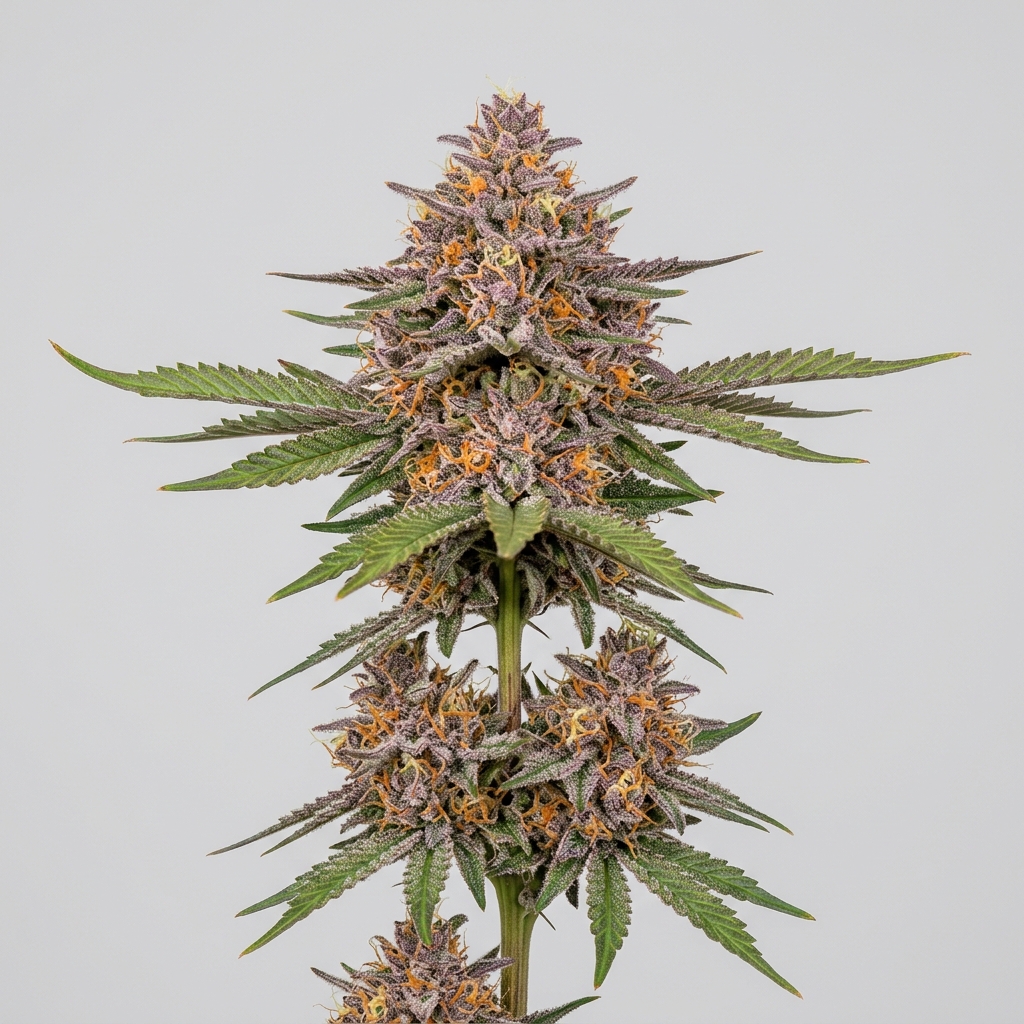
Purple Orange CBD (Cannabis Strain)
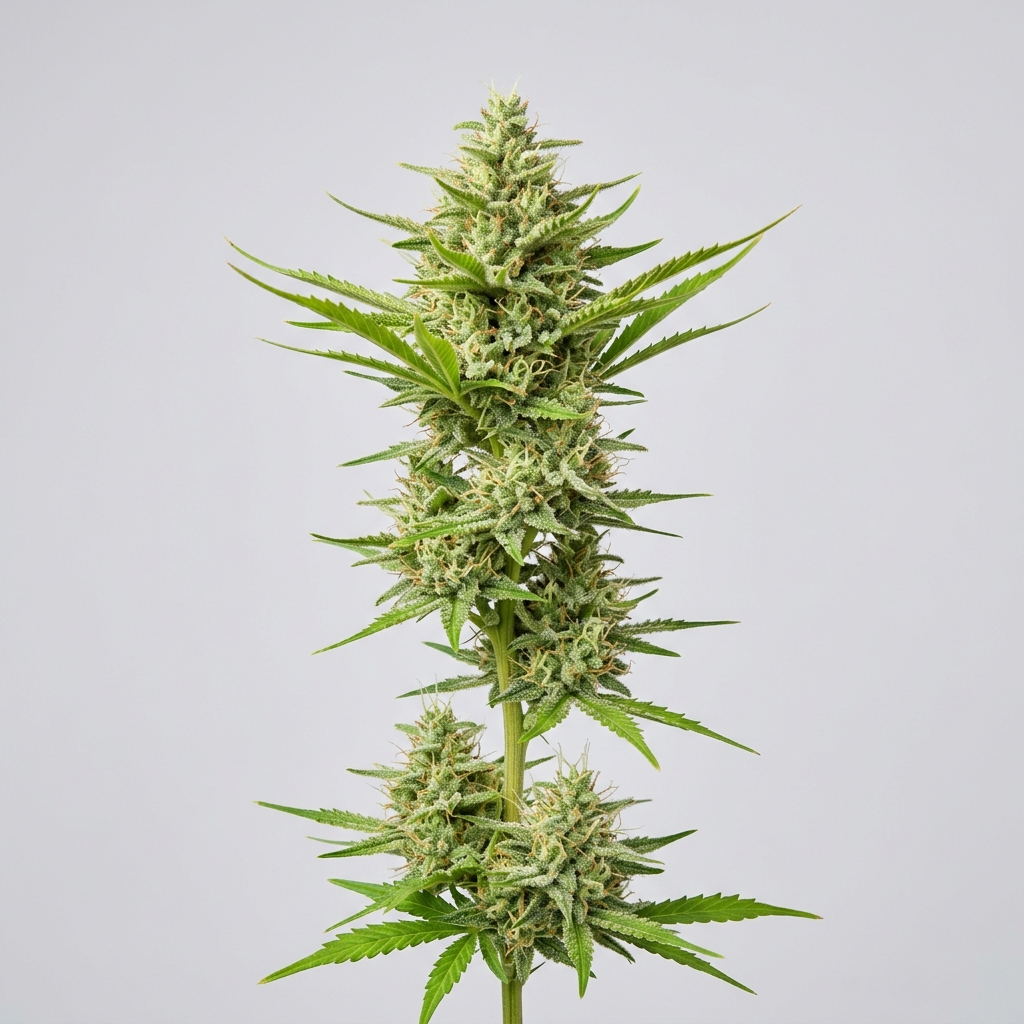
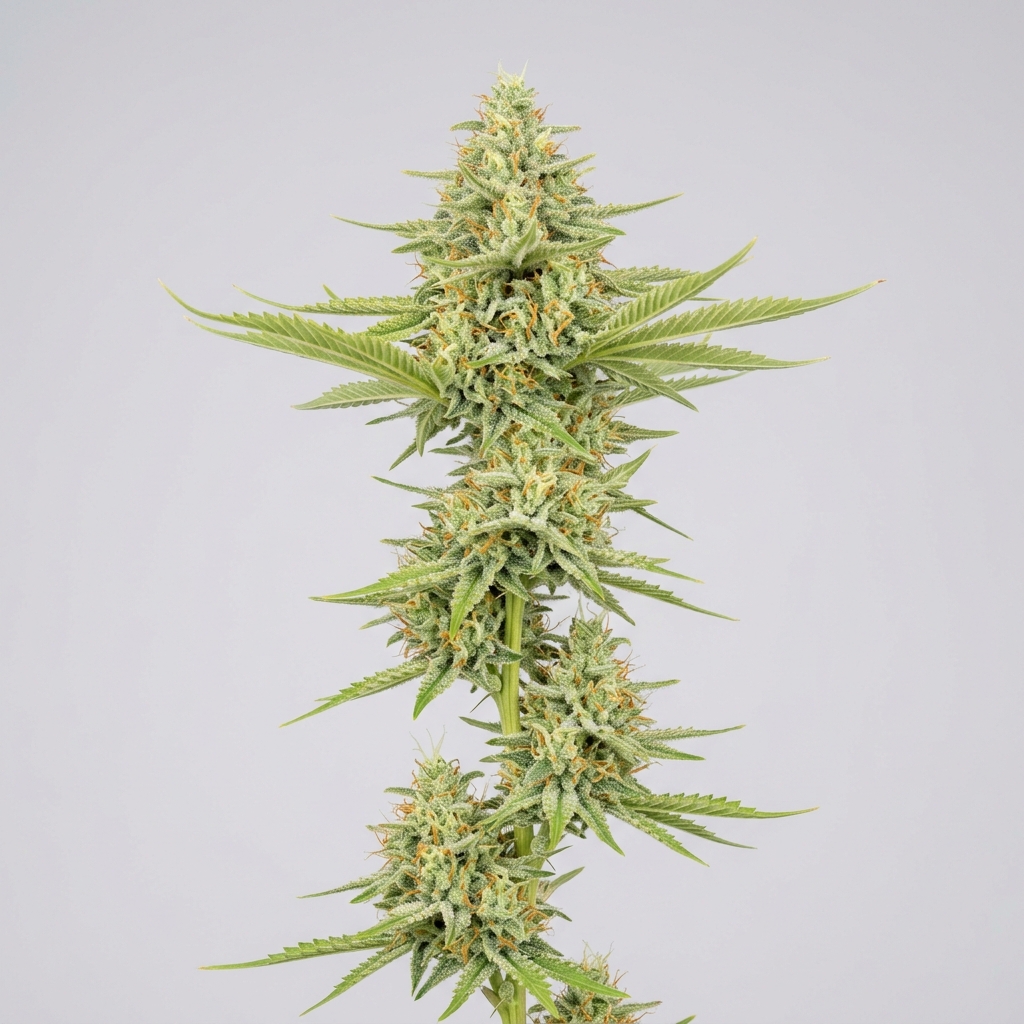
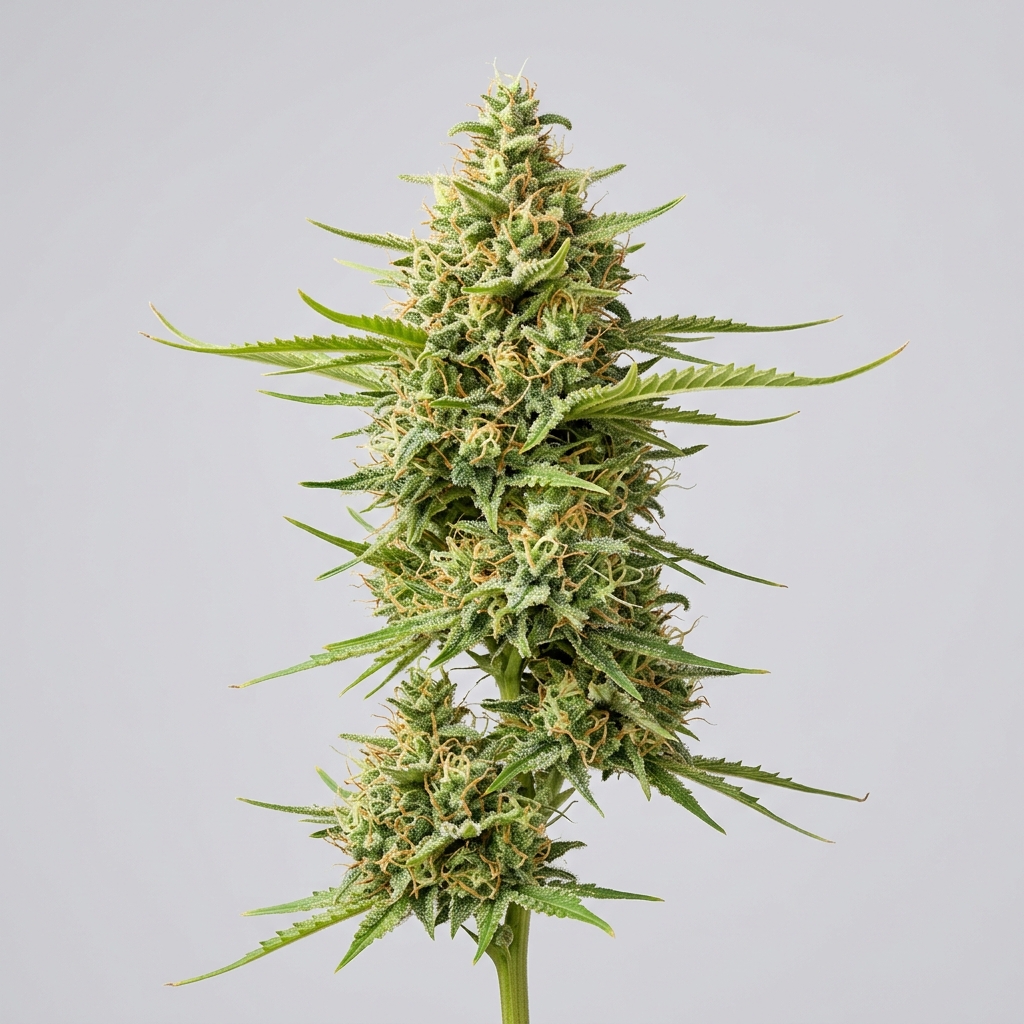
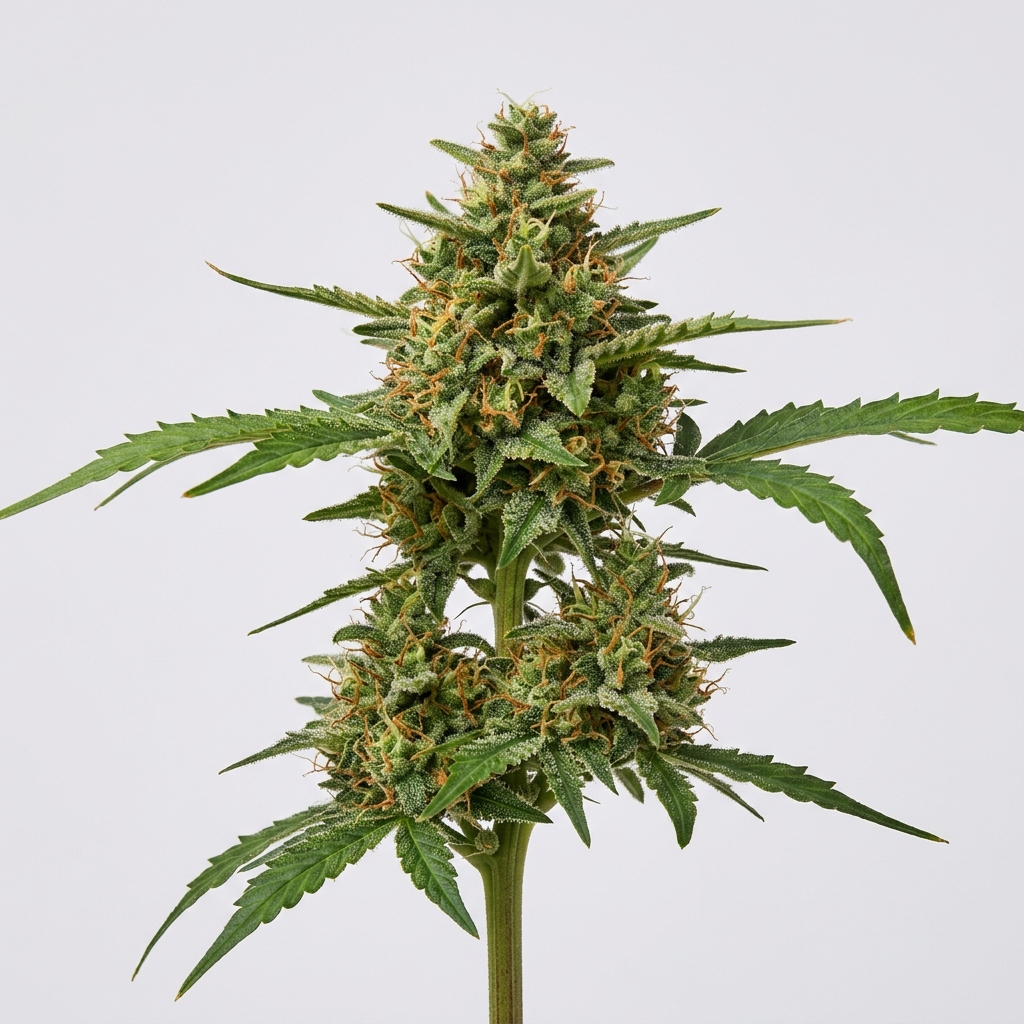
Purple Orange CBD is a Sativa-dominant, CBD-rich cultivar bred by Dinafem Seeds, crossing elite selections of California Orange Diesel. Known for its distinct 1:2 THC-to-CBD ratio (typically averaging 5% to 7% THC and 10% to 14% CBD), this strain produces dense, purple-tinted flowers covered in a delicate layer of wet frost. It shows a controlled stretch in early flower, developing into a sturdy, medium-sized plant that yields prominent orange-and-purple spear colas with a sharp citrus and fuel aroma.
Unlike traditional high-THC varieties, this cultivar is favored by growers and consumers seeking functional clarity without heavy intoxication. The purple coloration is highly phenotype-dependent, emerging late in the flowering cycle when night temperatures drop.
Quick Facts
| Field | Details |
|---|---|
| Genetics | California Orange Diesel backcross |
| Variety | Sativa-dominant hybrid (60% Sativa / 40% Indica) |
| THC Range | 5% – 7% (with 10% – 14% CBD) |
| Flowering Time | 55 – 60 days |
| Yield Potential | Moderate to high (up to 500g/m² indoors) |
| Plant Height | Medium |
| Climate Preference | Temperate, dry, mild Mediterranean |
| Difficulty | Moderate |
Scientific & Botanical Overview
Botanically, Purple Orange CBD displays classic hybrid traits with a slight Sativa lean, showing moderately broad fan leaves that thin out as the plant matures. The internodal spacing is tight to medium, allowing for excellent light penetration through the canopy when managed with light pruning.
The plant’s anthocyanin production is highly active, turning the bracts and sugar leaves deep shades of violet and lavender during the final two weeks of bloom. This color transition is accompanied by a steady accumulation of smaller, glassy trichome heads that carry high concentrations of CBD and monoterpenes.
Stems are sturdy and capable of supporting the weight of its dense, spear-shaped colas without excessive staking. Its transpiration rate is moderate, requiring consistent airflow to prevent moisture buildup within the dense floral clusters during late-stage development.
Effects & Use-Cases (Reported)
Commonly reported effects: Users typically describe a mild, clear-headed relaxation accompanied by a subtle physical ease and sharp mental focus. The high CBD content tempers the psychoactive onset of the THC, preventing the racy or anxious feelings often associated with pure Sativa strains.
Use-case context: This profile makes the strain highly suitable for daytime use, social settings, or creative projects where cognitive clarity is required. It is frequently chosen by those looking to manage daily stress or physical tension while remaining fully functional.
Note: Individual tolerance and phenotype variation can affect the intensity of these effects; low-THC cultivars still contain active cannabinoids that may affect sensitive users.
Aroma & Flavors
Aroma: A pungent burst of fresh mandarin orange and sweet rind dominates the initial profile, followed closely by a sharp, fuel-like undertone. Breaking the buds releases deeper notes of wet earth and a subtle pine finish.
Flavor: The smoke or vapor delivers a clean, tart citrus lift on the inhale, transitioning to a smooth, herbal and earthy kush base on the exhale. A pleasant, lingering orange peel flavor remains on the palate.
Terpene associations: Lab analyses frequently show high concentrations of myrcene, limonene, and caryophyllene, which drive the sweet citrus and spicy diesel elements of the profile.
Tested Cannabinoid & Terpene Ranges
| Compound | Typical Range |
|---|---|
| CBD | 10.0% – 14.0% |
| Δ9-THC | 5.0% – 7.0% |
| Myrcene | 0.4% – 0.8% |
| Limonene | 0.3% – 0.6% |
| Caryophyllene | 0.2% – 0.5% |
Note: Cannabinoid and terpene levels vary depending on cultivation methods, light intensity, and curing practices.
Cultivation Notes
- Humidity: Keep relative humidity (RH) around 55-60% during veg, reducing to 40-45% in late flower to protect the dense purple colas from mold.
- Nutrition: Responds well to a moderate nutrient regimen; avoid over-feeding nitrogen in early bloom to prevent leafy bud structures.
- Training: Low-stress training (LST) and topping help create an even canopy, maximizing light exposure to lower bud sites.
- Temperature: Introduce cooler night temperatures (a drop of 8-10°C) during the last two weeks of flowering to stimulate deep purple coloration.
- Harvest: Monitor trichome maturity closely; harvest when the majority of heads are cloudy with a few amber specks to preserve the optimal CBD-to-THC ratio.
Grower Notes (Week-by-Week Snapshot)
- Weeks 1–3 (Vegetative & Transition): Plants show steady, manageable growth with strong lateral branching. Apply light defoliation before switching to a 12/12 light cycle to improve airflow.
- Weeks 4–6 (Mid-Flower): Bud sites develop rapidly, forming tight clusters of bright green bracts with orange pistils. The characteristic orange-diesel aroma begins to emerge.
- Weeks 7–9 (Late Flower & Flush): Flush with pure water during the final 10-14 days. Drop night temperatures to encourage the purple hues to spread across the calyxes and sugar leaves.
- Post-Harvest (Cure): Dry slowly at 15-18°C and 60% humidity for 10-14 days, followed by a minimum three-week cure to lock in the delicate citrus terpenes.
Genetic Lineage
Purple Orange CBD is the result of a rigorous selection process involving California Orange Diesel, a classic hybrid prized for its intense citrus profile and diesel undertones. By backcrossing and stabilizing high-CBD phenotypes of this lineage, breeders successfully isolated the desired cannabinoid ratio while retaining the parent strain’s signature sensory qualities.
The lineage traces back to California’s legendary orange cultivars of the 1980s, blended with sour diesel genetics to add structural strength and complex fuel notes. This genetic backbone ensures consistent growth patterns and a reliable terpene output across different grow mediums.
Research Insights
Analytical testing of Purple Orange CBD highlights the stability of its 1:2 cannabinoid ratio, making it a valuable subject for studies on the entourage effect. The co-presence of CBD and THC, alongside a robust terpene profile, is hypothesized to modulate cannabinoid receptor binding, offering a balanced physiological response.
Researchers and breeders also study this cultivar for its high accumulation of monoterpenes like limonene. The genetic pathways responsible for producing both deep anthocyanin pigmentation and rich citrus oils appear highly correlated, making it a benchmark for CBD-rich breeding programs.
Frequently Asked Questions
What is the typical CBD-to-THC ratio of Purple Orange CBD?
It typically maintains a stable 1:2 ratio, with CBD levels ranging from 10% to 14% and THC levels averaging between 5% and 7%.
Does Purple Orange CBD always turn purple?
The purple coloration is phenotype-dependent and is heavily influenced by environmental factors. Lowering night temperatures by 8-10°C during the final weeks of flowering is usually required to bring out the deep violet hues.
Is this strain suitable for beginners to grow?
Yes, it is a moderately easy strain to cultivate due to its sturdy structure and predictable stretch. It adapts well to both indoor and outdoor setups with basic canopy management.
What does Purple Orange CBD taste like?
It features a dominant flavor of sweet orange and tart mandarin on the inhale, followed by a smooth, earthy, and slightly fuel-like finish on the exhale.
Educational Disclaimer
This article is for educational and informational purposes only. Cannabis laws and regulations vary by jurisdiction. Always consult with a healthcare professional before using cannabis for wellness purposes.
Rate and review this strain
Ratings and reviews are accepted only from signed-in Google accounts.
Sign in with Google to leave a rating and written review.
Latest Reviews
0 reviewsNo reviews yet. Be the first Google user to rate and review this strain.