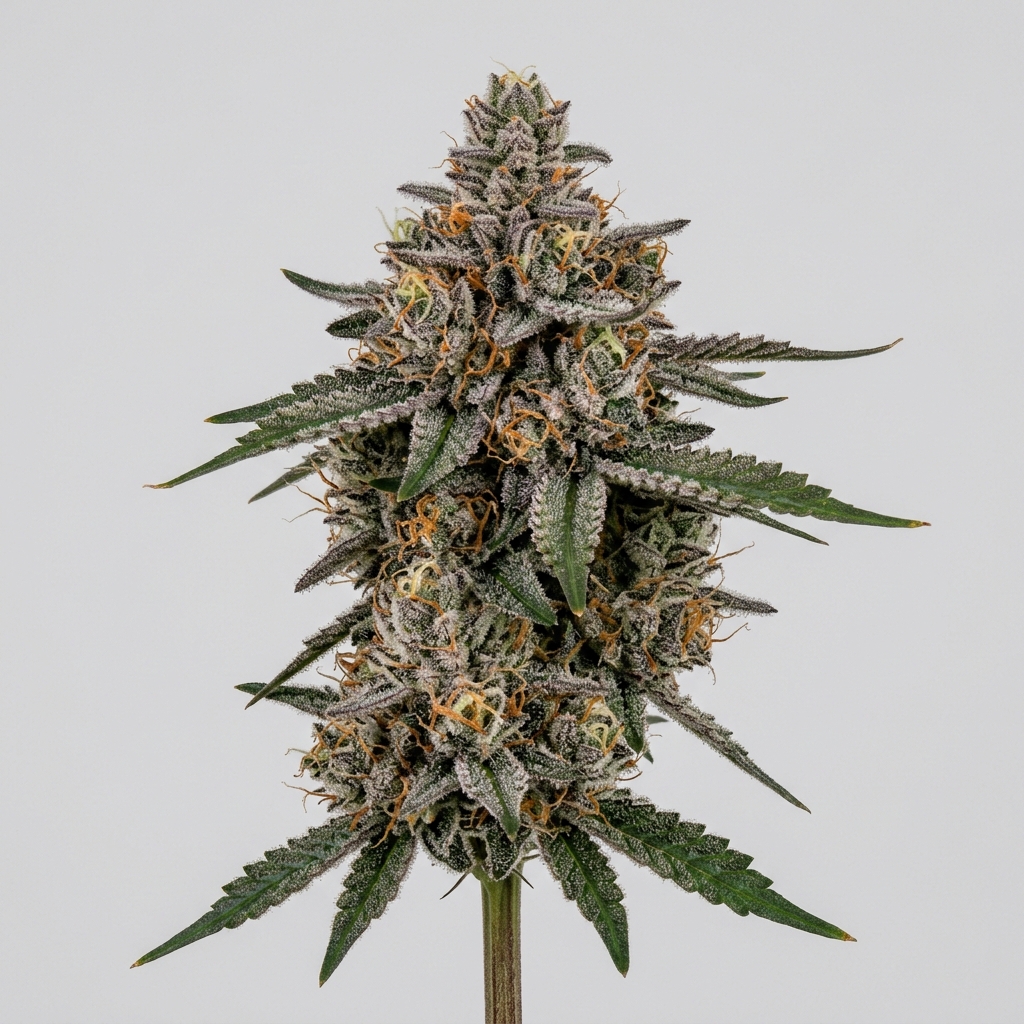
Milk Bone (Cannabis Strain)
Milk Bone is an indica-dominant hybrid cultivar, typically testing between 20% and 26% THC, bred by crossing the iconic Forum GSC with Grandma’s Breath. This resin-heavy selection is highly regarded for its dense, doughy aroma layered with a biting chemical-gas undertone and a rich, nutty finish. Cultivators favor the variety for its manageable stretch, tight internodal spacing, and a thick coating of greasy resin that covers the swollen calyxes by mid-flower. As an extraction-ready cultivar, it delivers a heavy, physical relaxation suited for evening selection.
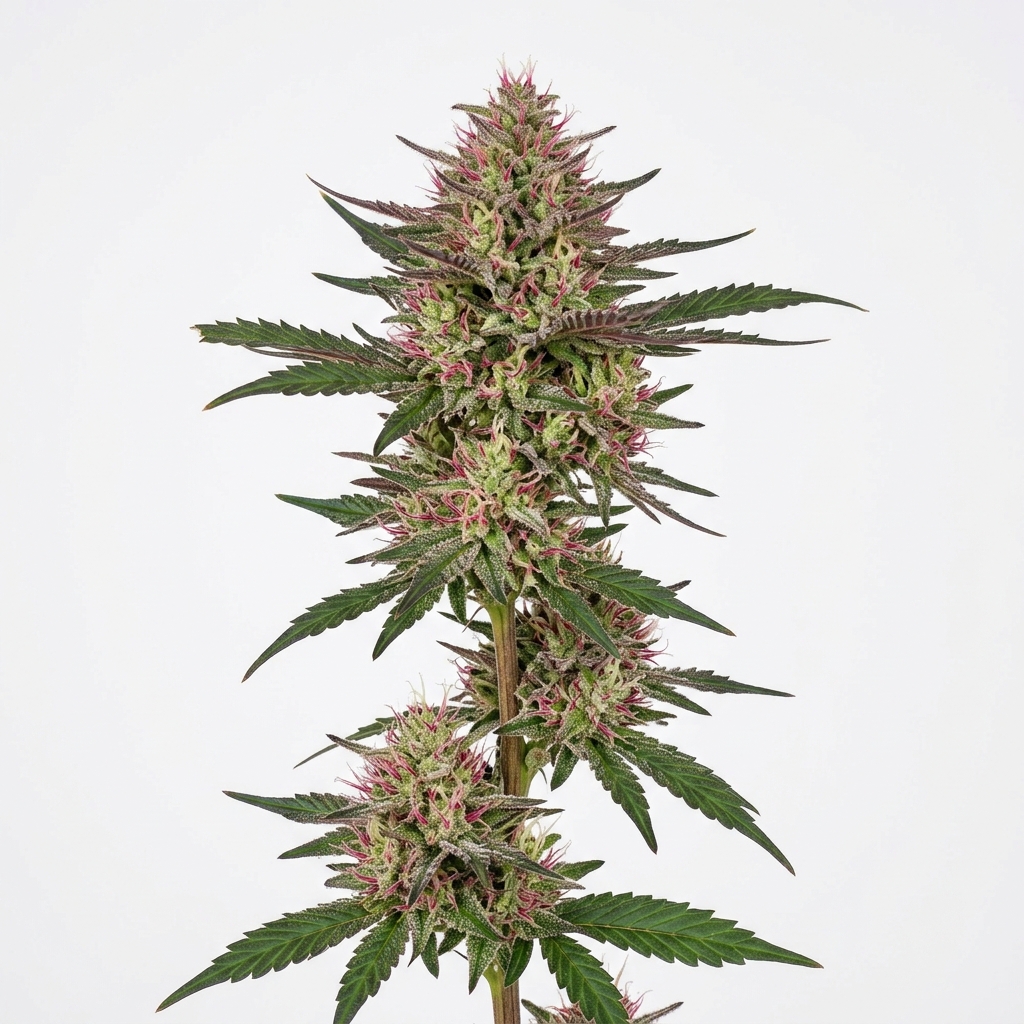
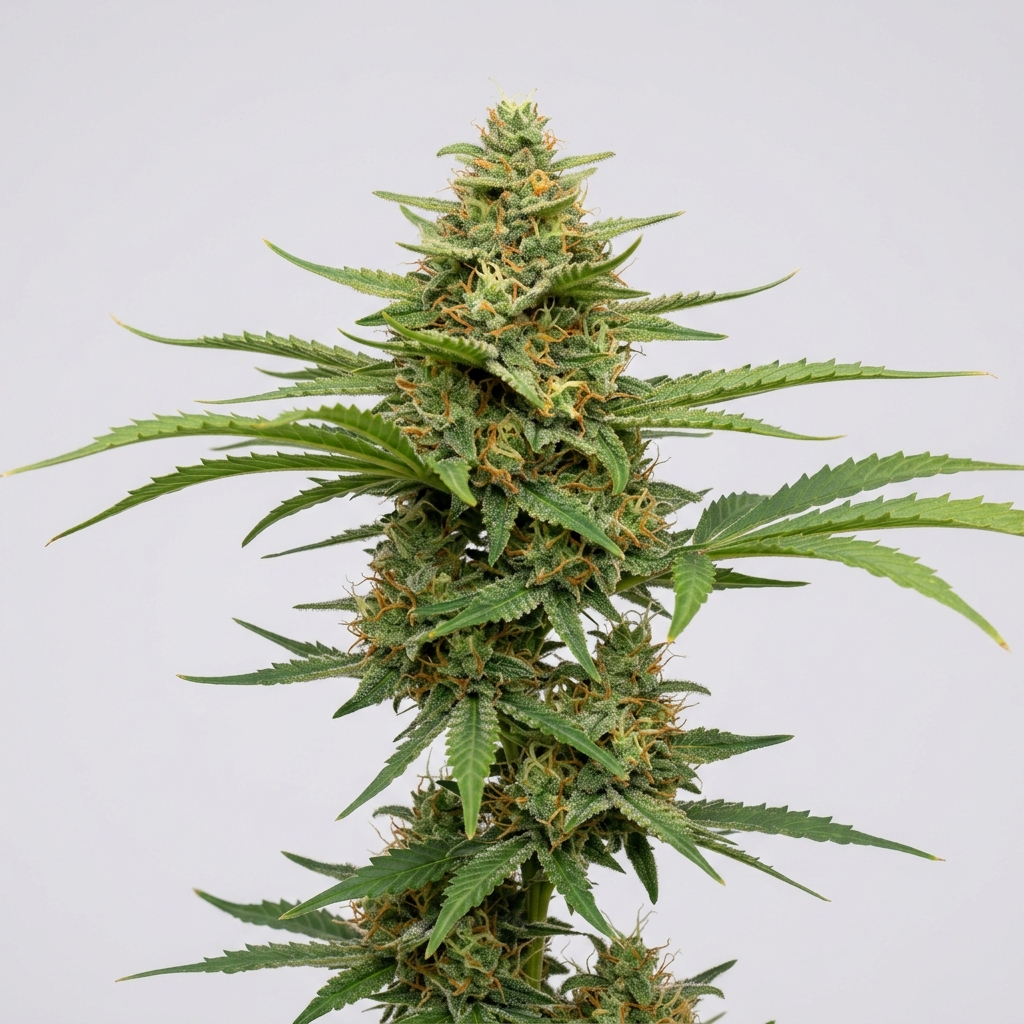
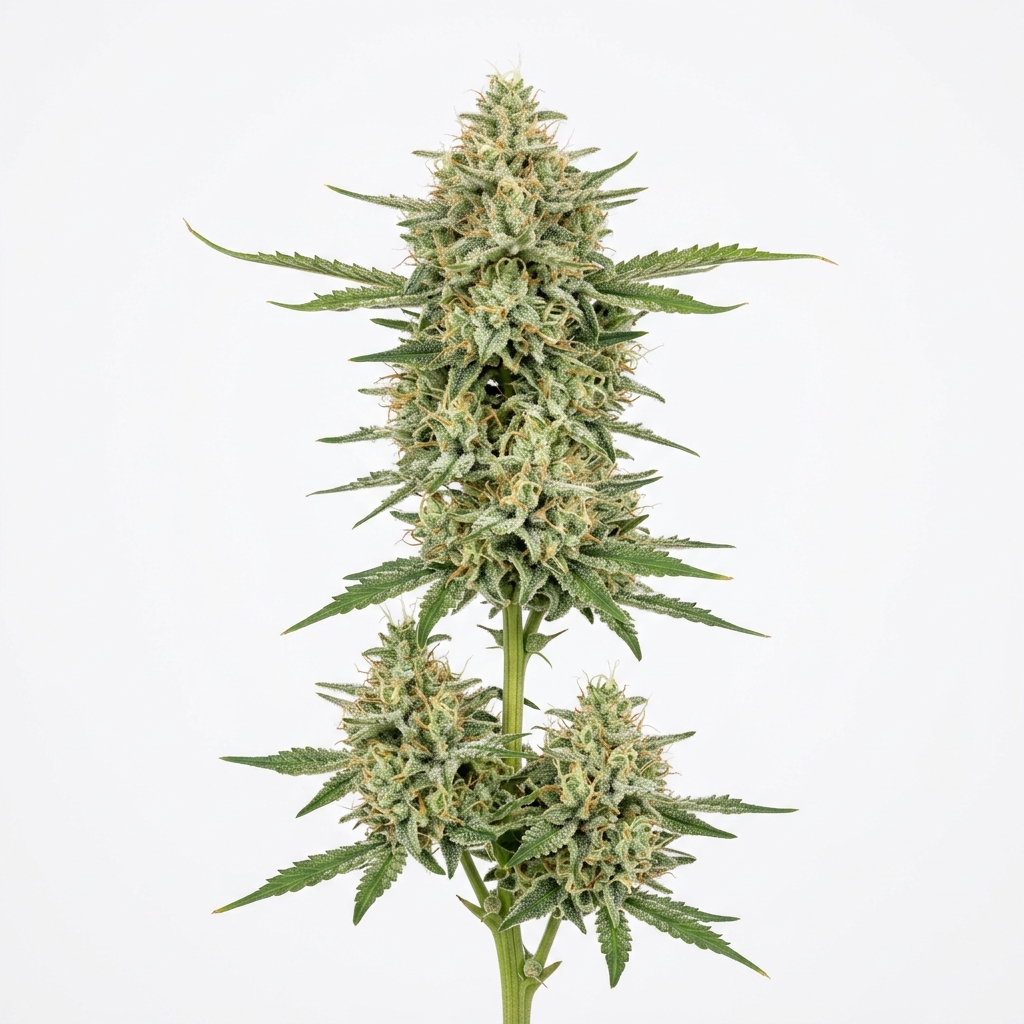
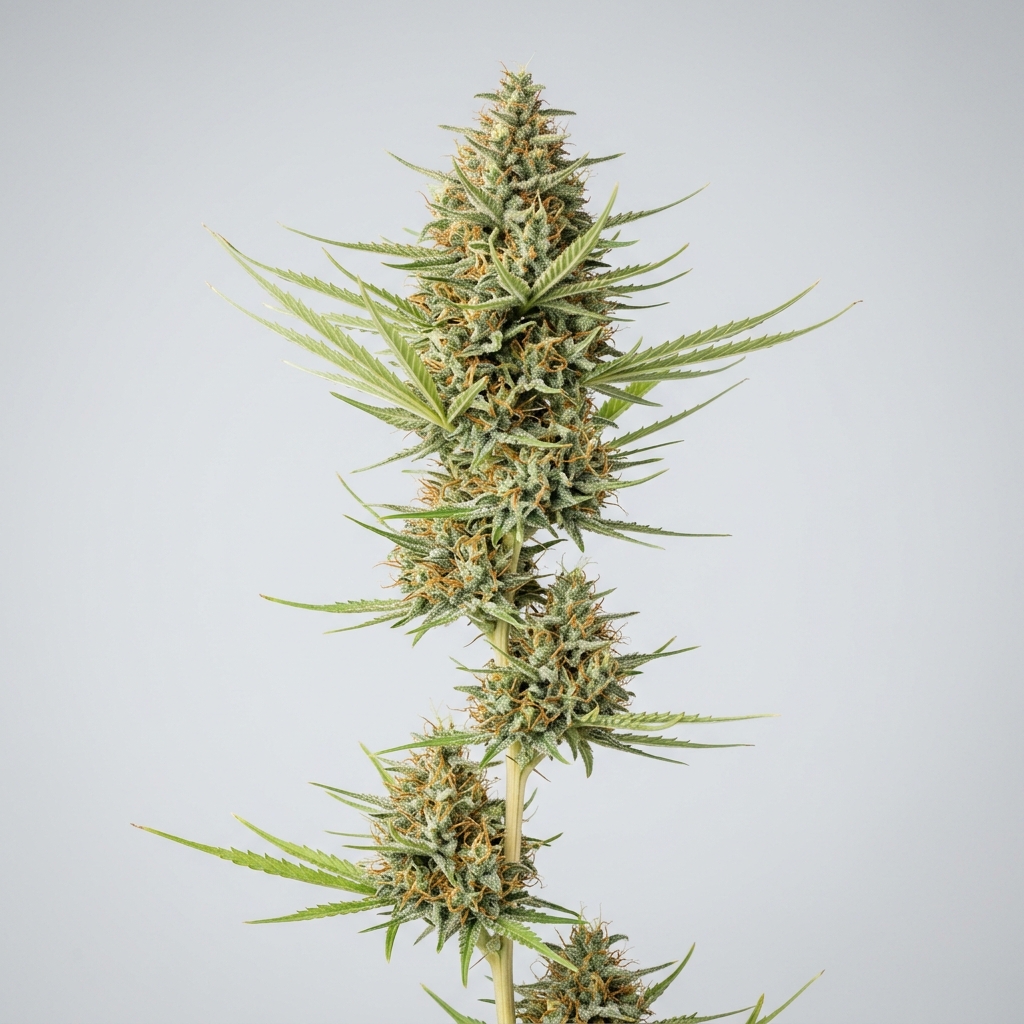
The cultivar stands out in modern gardens due to its striking visual appeal, showing deep forest green and violet hues beneath a dense layer of wet frost. Its structural integrity supports heavy, spear-shaped colas that require adequate airflow during the final weeks of bloom. Breeders and extractors frequently select Milk Bone for its high gland density and robust terpene preservation through the drying cycle.
Quick Facts
| Attribute | Details |
|---|---|
| Genetics | Forum GSC × Grandma’s Breath |
| Variety | Indica-dominant hybrid |
| THC Range | 20% – 26% |
| Flowering Time | 8 – 9 weeks |
| Yield Potential | Moderate to high |
| Plant Height | Medium |
| Climate Preference | Temperate, controlled indoor |
| Difficulty | Moderate |
Scientific & Botanical Overview
Botanically, Milk Bone shows classic indica-dominant morphology, characterized by broad fan leaves and a sturdy, stocky frame. The plants develop tight internodes that require strategic defoliation to ensure light penetration reaches the lower canopy sites. During early bloom, the nodal development transitions quickly into clustered, dense bracts.
Resin production begins notably early in the flowering cycle, with capitate-stalked trichomes coating the fan leaves and petioles. The calyx-to-leaf ratio is highly favorable, allowing for an efficient trim process post-harvest. Under cooler night temperatures in late flower, the plant’s anthocyanin production increases, turning the foliage dark purple to near-black.
The cultivar shows a strong affinity for mineral-rich feeding programs, particularly during the mid-flowering transition. Its root system is robust, showing rapid uptake when grown in coco coir or active hydroponic setups. Proper humidity management is crucial, as the dense structure of the colas can trap moisture during the final swelling phase.
Effects & Use-Cases (Reported)
Commonly reported effects include a heavy, grounding physical relaxation paired with a calm, slow-paced mental ease. The onset typically begins with a warm pressure behind the eyes before settling into the limbs, encouraging stillness without immediate sedation.
Use-case context suggests this strain is best suited for late evening wind-down routines, quiet recovery phases, or creative sessions that do not require physical exertion. Its heavy physical profile makes it a popular choice for those seeking relief from muscular tension or preparing for deep sleep.
Please note that individual tolerance levels and phenotype variations can significantly alter the intensity of these physical effects.
Aroma & Flavors
Aroma: A pungent blend of sweet cookie dough, damp earth, and a sharp, fuel-like chemical edge that lingers in the room.
Flavor: The smoke is thick and creamy, leaving a distinct nutty, toasted vanilla taste on the palate, balanced by a subtle herbal mint finish.
Terpene associations: High concentrations of caryophyllene, limonene, and myrcene drive this complex profile, providing both the spicy warmth and the citrus-gas lift.
Tested Cannabinoid & Terpene Ranges
| Compound | Typical Range |
|---|---|
| Δ9-THC | 20.0% – 26.0% |
| CBD | < 1.0% |
| CBG | 0.5% – 1.5% |
| Caryophyllene | 0.4% – 0.9% |
| Limonene | 0.3% – 0.7% |
| Myrcene | 0.2% – 0.6% |
Cannabinoid and terpene levels are highly variable and depend on specific cultivation methods, environmental factors, and curing protocols.
Cultivation Notes
- Humidity control: Maintain relative humidity (RH) below 45% during the final three weeks of flower to protect the dense, compact colas from moisture accumulation.
- Canopy management: Implement topping early in the vegetative phase to encourage lateral branching and create a uniform canopy.
- Nutrient regimen: Milk Bone responds well to moderate to heavy feeding, particularly requiring steady calcium and magnesium inputs during the transition to bloom.
- Airflow requirements: Ensure constant, multi-directional airflow both above and below the canopy to prevent microclimates of stagnant air.
- Phenotype selection: Look for mother plants that exhibit tight internodal spacing and early resin onset, as these traits translate to the highest-yielding clones.
Grower Notes (Week-by-Week Snapshot)
- Weeks 1–3 (The Stretch): The plant undergoes a controlled stretch, usually doubling in height. Focus on light tucking of fan leaves and establishing the primary structural trellis layer.
- Weeks 4–6 (Flower Development): Small, glassy buds form rapidly along the nodes. Shifting the nutrient profile toward phosphorus and potassium supports the swelling bracts as resin production accelerates.
- Weeks 7–9 (Ripening & Flush): Trichomes shift from clear to milky, with purple hues deepening across the fan leaves. Reduce ambient temperatures by 5–10°F during lights-off to maximize color expression and preserve delicate terpenes.
- Post-Harvest (Cure): A slow, 14-day dry at 60°F and 60% relative humidity preserves the complex dough and gas aromatics, preventing the buds from drying too quickly.
Genetic Lineage
Milk Bone inherits its dense resin coverage and sweet, doughy foundation from Forum GSC, a legendary phenotype of Girl Scout Cookies. This maternal influence contributes the tight, compact bud structure and the distinctive cookie-dough sweetness that defines the strain’s initial flavor profile.
The paternal contributor, Grandma’s Breath (a cross of OGKB and Mendo Breath), infuses the lineage with heavy physical potency, deep herbal musk, and an increased tolerance to environmental stressors. This combination results in a sturdier plant structure than traditional cookie cuts, with significantly improved resin yields.
Research Insights
Analytical testing of Milk Bone highlights a terpene profile dominated by caryophyllene, which interacts directly with peripheral CB2 receptors to influence physical comfort. The secondary presence of limonene and myrcene creates a balanced modulation, tempering the heavy physical sedation with a subtle, clear-headed focus.
From a breeding perspective, the genetic stability of Grandma’s Breath helps lock in the dense, resinous traits across various phenotypes. This makes Milk Bone a valuable tool for modern breeders looking to introduce high trichome density and robust cookie-dominant traits into new hybrid crosses.
Frequently Asked Questions
Is Milk Bone an indica or sativa?
Milk Bone is an indica-dominant hybrid cultivar, showing physical traits and growth patterns typical of classic broad-leaf varieties.
What does Milk Bone smell like?
The strain has a complex aroma of sweet, nutty cookie dough blended with damp earth, musk, and a sharp, fuel-like chemical finish.
How long does Milk Bone take to flower?
Under indoor conditions, Milk Bone typically completes its flowering cycle in 8 to 9 weeks, depending on the specific phenotype and grower preferences.
Is Milk Bone difficult to grow?
It is considered moderate in difficulty. While its structure is sturdy and manageable, its dense bud formation requires careful humidity control during the late flowering stage to prevent mold.
Educational Disclaimer
This profile is intended solely for educational and informational purposes. Cultivation of cannabis is subject to varying legal restrictions globally; check local regulations before germinating or propagating any seeds.
Rate and review this strain
Ratings and reviews are accepted only from signed-in Google accounts.
Sign in with Google to leave a rating and written review.
Latest Reviews
0 reviewsNo reviews yet. Be the first Google user to rate and review this strain.