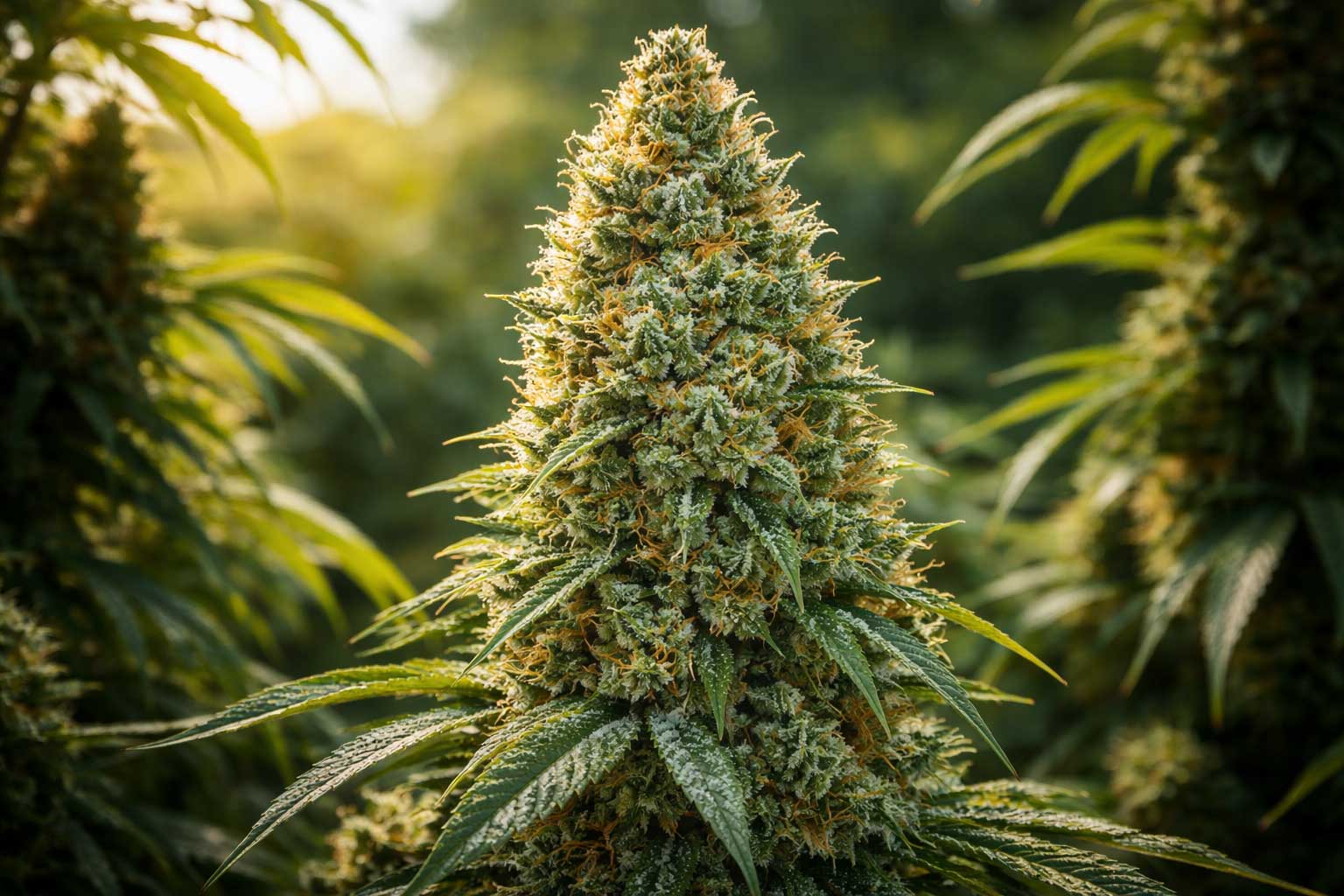
Haze (Cannabis Strain)
Haze is a legendary, near-pure Sativa cultivar with a moderate-to-high potency range of 16% to 22% THC, revered as one of the most influential building blocks in modern cannabis breeding. Born from a complex multi-landrace heritage crossing Colombian, Mexican, Thai, and South Indian genetics, this classic strain is defined by its massive vertical stretch, airy spear-shaped colas, and a signature bright citrus and spicy herbal aroma. Its resin quality is characterized by fine, glassy trichomes that coat its loose bracts, offering a pure daytime sensory profile that remains a global benchmark.
Unlike modern fast-flowering hybrids, this heirloom Sativa demands exceptional patience and space. Its legacy lives on both as a standalone classic and as the genetic backbone of legendary hybrids like Super Silver Haze, Amnesia Haze, and Jack Herer.
Quick Facts
| Field | Details |
|---|---|
| Genetics | Multi-landrace Sativa (Colombian × Mexican × Thai × South Indian) |
| Variety | Pure / Near-Pure Sativa |
| THC Range | 16% – 22% |
| Flowering Time | 12 – 14 weeks |
| Yield Potential | Moderate (400–500 g/m²) |
| Plant Height | Tall (150–300 cm) |
| Climate Preference | Warm, equatorial, sunny |
| Difficulty | Advanced |
Scientific & Botanical Overview
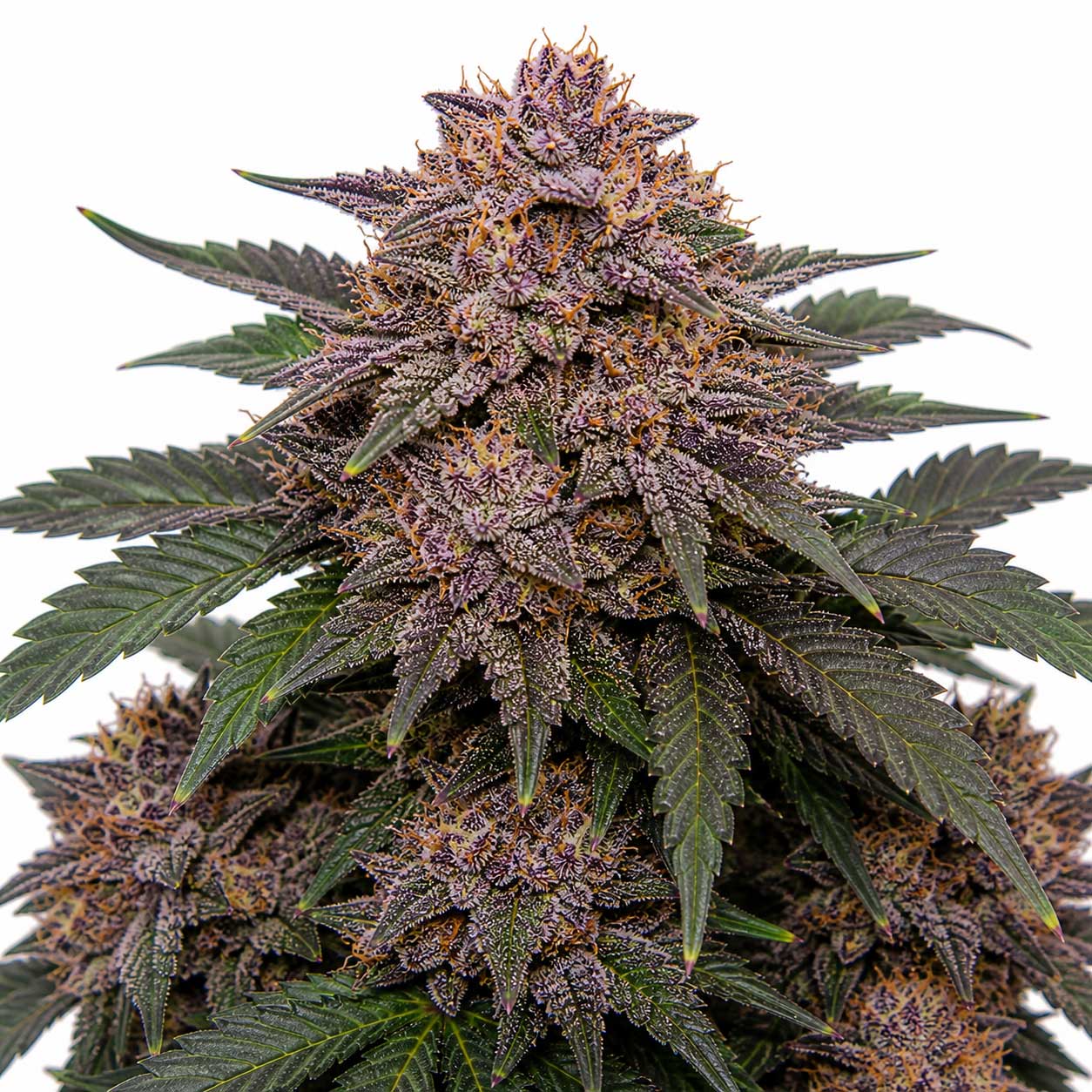
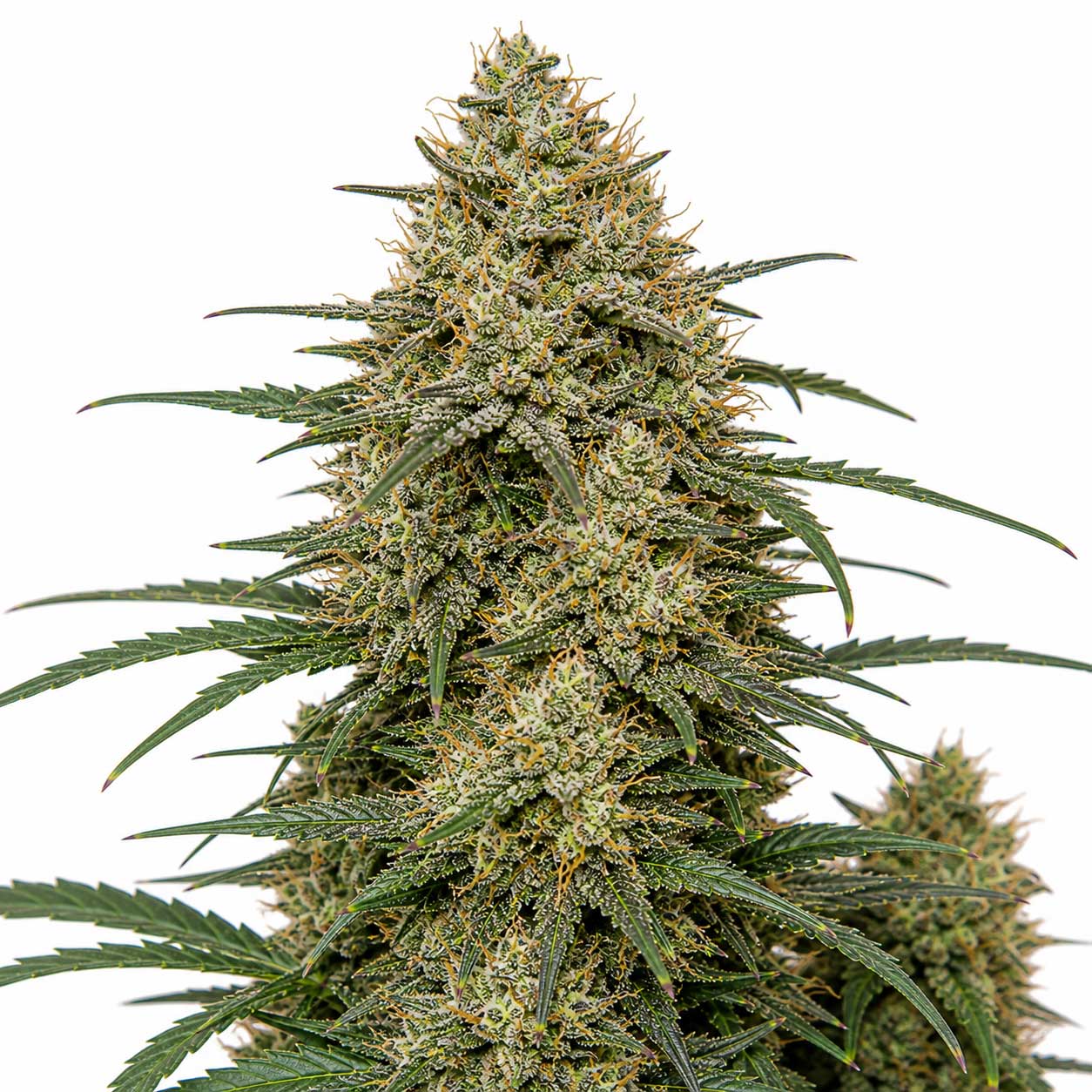
Haze exhibits classic equatorial Sativa morphology, characterized by thin fan leaves, long internodal spacing, and an aggressive vertical growth habit. During the transition to flower, plants can easily triple in height, requiring proactive canopy management and structural support.
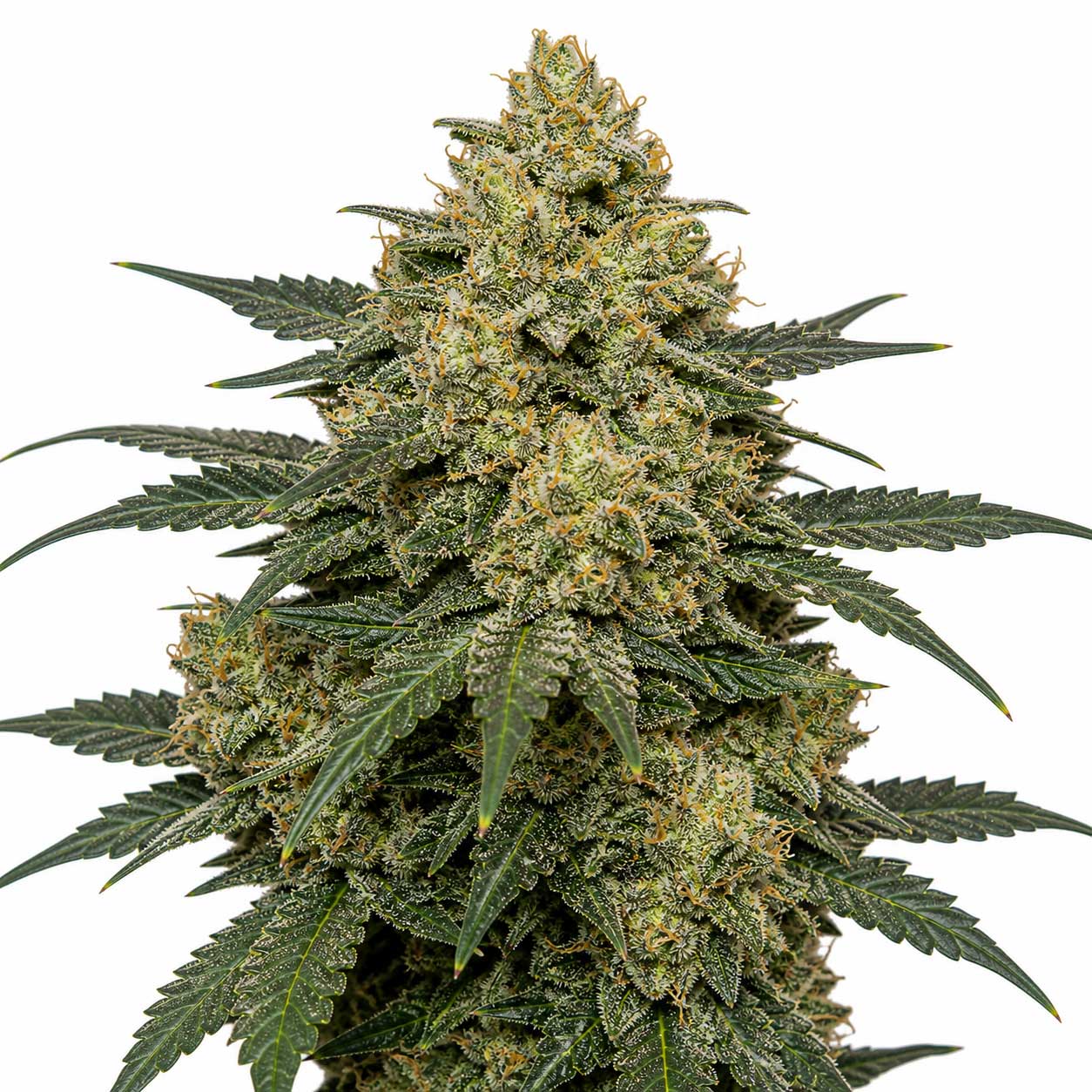
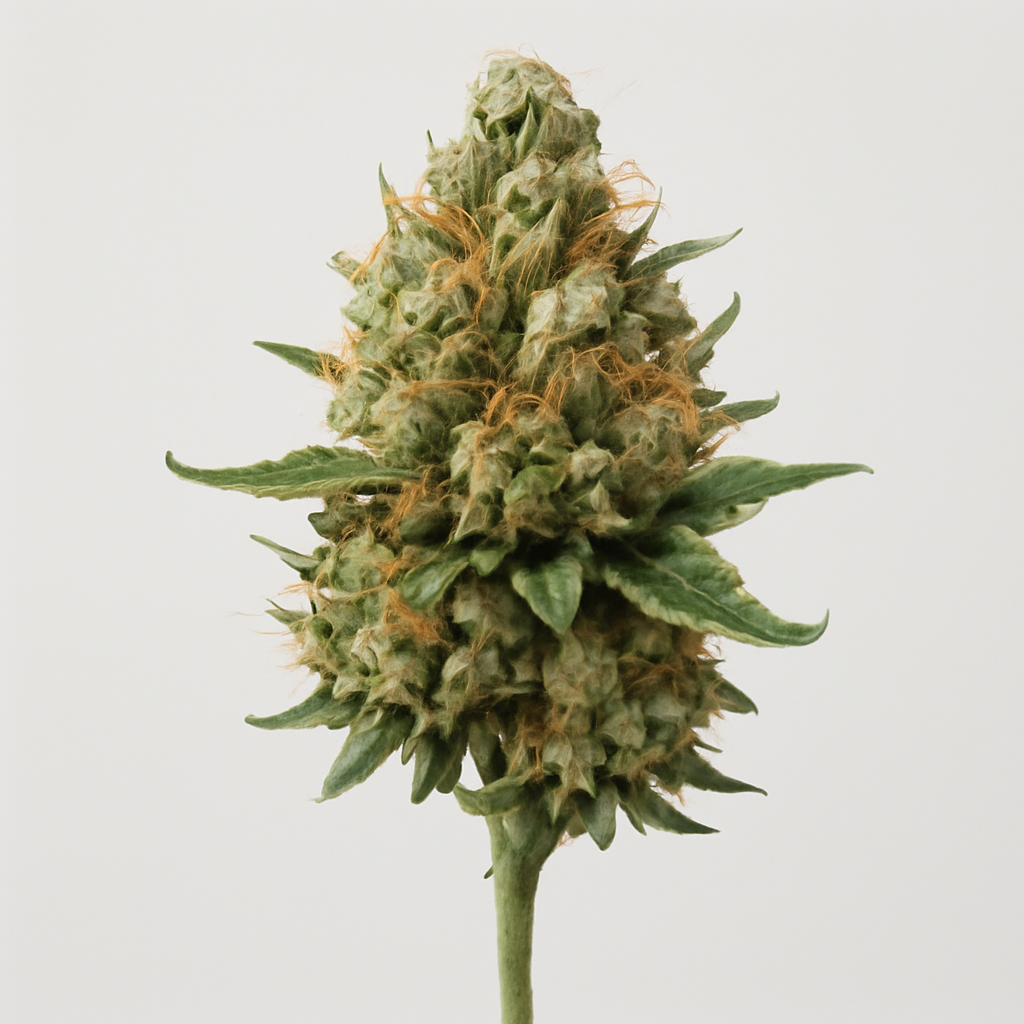
The flower structure is distinctly airy and elongated, forming spear-shaped colas rather than dense, rounded golf-ball buds. This loose, open bract arrangement is an evolutionary adaptation to high-humidity tropical environments, allowing maximum airflow and reducing the risk of mold.
Resin production is dense but consists of smaller, glassy trichome heads that cover the calyxes and sugar leaves. The stems are flexible but can become weighed down by the sheer length of the ripening colas during the final weeks of its extended flowering cycle.
Effects & Use-Cases (Reported)
Commonly reported effects: A sharp cerebral lift, sustained mental clarity, and an energetic, creative focus that develops gradually without a heavy physical comedown.
Use-case context: Best suited for daytime activities, creative projects, social interaction, and outdoor tasks requiring alert focus.
Note: These observations are based on historical and anecdotal reports and should not be interpreted as medical advice.
Aroma & Flavors
Aroma: A sharp citrus lift dominated by lemon zest, backed by a deep, woody incense undertone and hints of sweet herbal spice.
Flavor: A crisp, clean inhale of sweet lemon and pine, finishing with a lingering peppery spice and earthy musk on the exhale.
Terpene associations: Terpinolene, pinene, and caryophyllene.
Tested Cannabinoid & Terpene Ranges
| Compound | Typical Range* | Notes |
|---|---|---|
| Δ9-THC | 16% – 22% | Moderate-to-high cerebral potency. |
| CBD | < 1.0% | Typically trace levels. |
| Terpinolene | 0.5% – 1.2% | Dominant terpene; provides bright citrus-pine aroma. |
| Pinene | 0.2% – 0.5% | Contributes sharp, fresh herbal notes. |
| Caryophyllene | 0.1% – 0.4% | Adds subtle warm spice depth. |
*Ranges vary depending on phenotype, cultivation practices, harvest timing, curing conditions, and laboratory analysis.
Cultivation Notes
- Height Management: Topping, supercropping, or utilizing a Screen of Green (ScrOG) setup is highly recommended to control the massive vertical stretch.
- Photoperiod Transition: Some growers transition indoor plants to a 12/12 or even 11/13 light cycle early in the vegetative stage to mitigate runaway height.
- Nutrient Sensitivity: Haze is highly sensitive to nitrogen overfeeding, especially during early flower; a light, organic nutrient regimen is preferred.
- Climate & Humidity: Thrives in warm, sunny Mediterranean or equatorial climates; maintain indoor humidity at 40-50% during late flower to preserve delicate terpenes.
- Harvest Timing: Requires patience, with outdoor harvests often pushing into late November in the Northern Hemisphere.
Grower Notes (Week-by-Week Snapshot)
- Weeks 1–4: Expect explosive vegetative growth and a dramatic stretch. Secure trellis netting early to support the flexible, slender branches.
- Weeks 5–8: Flower sites begin to form along the elongated branches. Keep nitrogen levels low and ensure adequate light penetration through the canopy.
- Weeks 9–12: Spear-shaped colas stack slowly. Trichomes begin to cloud over, and the distinct sweet, spicy citrus aroma intensifies.
- Weeks 13–14+: Monitor trichome clarity closely. Harvest when the majority of trichomes are milky white with occasional amber heads.
- Post-Harvest: A slow, cool dry (60°F/60% RH) for 14 days followed by a minimum 4-week cure is essential to lock in the volatile terpinolene profile.
Genetic Lineage
The origins of Haze trace back to 1970s Santa Cruz, California, where the legendary “Haze Brothers” combined diverse equatorial landraces. This genetic foundation is widely believed to combine a Colombian Gold mother with a Mexican Sativa, which was then crossed with male plants from Thai and South Indian landrace heritages.
This diverse genetic pool created a highly variable but exceptionally potent Sativa population. Select cuts were later exported to Amsterdam, where breeders stabilized the lines to create the legendary Haze hybrids that dominate the modern market today.
Research Insights
Haze is frequently studied in cannabis research as a prime example of a terpinolene-dominant chemotype. Unlike modern commercial cultivars that lean heavily on myrcene or limonene, Haze’s unique combination of terpinolene and pinene illustrates the chemical diversity of pre-hybridization landrace genetics.
The physical structure of Haze also provides valuable insights into equatorial evolutionary adaptations. Its high surface-area-to-volume ratio in the buds and low leaf density are direct botanical strategies to survive high-humidity tropical climates without succumbing to botrytis.
Frequently Asked Questions
What is the flowering time of the Haze strain?
Haze has an exceptionally long flowering cycle, typically requiring 12 to 14 weeks of bloom time indoors. Outdoor grows may not finish until late November.
What does Haze smell like?
Haze is known for its bright, uplifting aroma of sharp citrus, sweet pine, and woody incense, finished with a complex layer of herbal spice.
Is Haze difficult to grow?
Yes, Haze is considered an advanced strain to cultivate due to its massive vertical stretch, long flowering window, and sensitivity to nutrients.
What are the primary terpenes in Haze?
The dominant terpenes in Haze are typically terpinolene, pinene, and caryophyllene, which drive its energetic aroma and cerebral profile.
Educational Disclaimer
This content is for educational and informational purposes only. Local laws govern the cultivation and consumption of cannabis. Always consult with a healthcare professional before using cannabis for therapeutic purposes.
Rate and review this strain
Ratings and reviews are accepted only from signed-in Google accounts.
Sign in with Google to leave a rating and written review.
Latest Reviews
0 reviewsNo reviews yet. Be the first Google user to rate and review this strain.
Follow New Cultivar Records
Get newly documented genetics, breeder history, research highlights, and important Strainpedia discoveries by email.