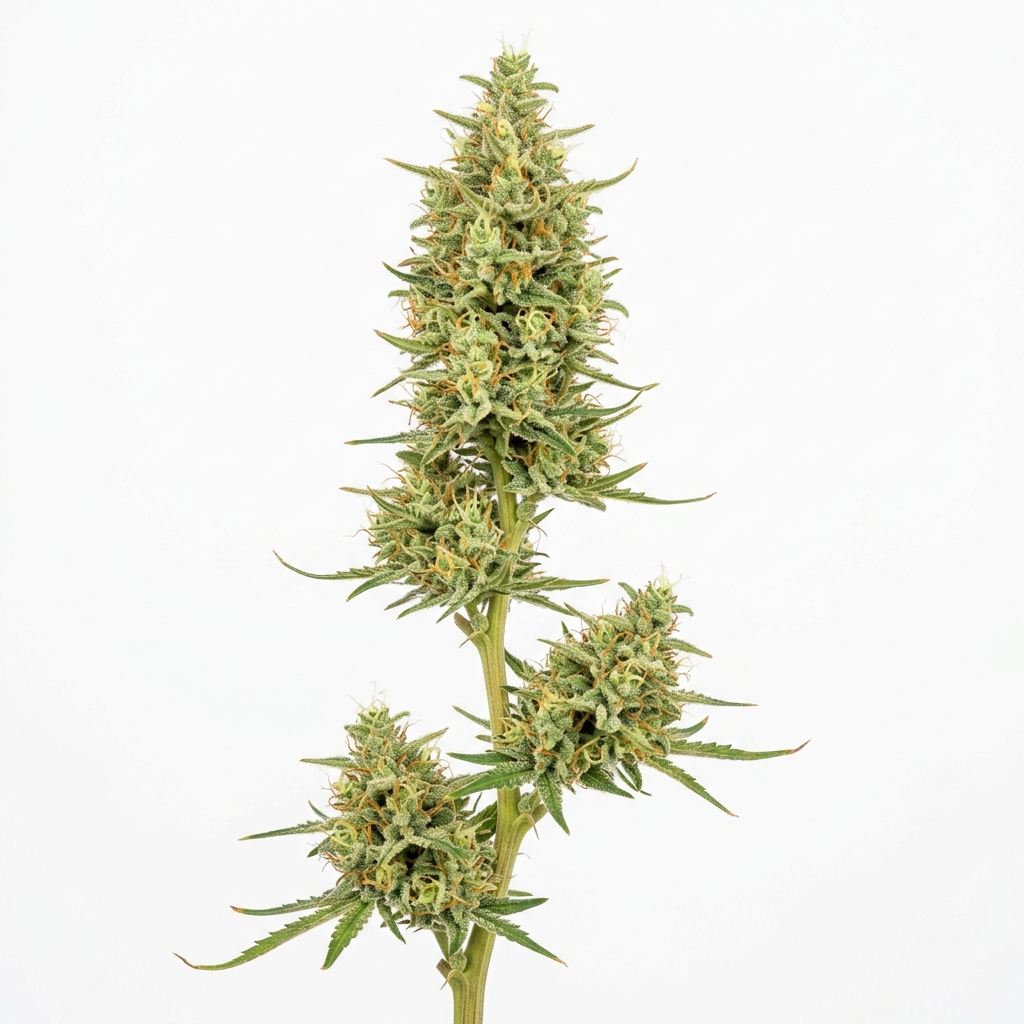
Citronella (Cannabis Strain)
Citronella is a bright, sativa-dominant hybrid testing between 19% and THC not consistently reported, cultivated primarily for its sharp citrus terpene profile and resin clarity. Most documented cuts trace the lineage to a cross of Lemon Skunk and Cinderella 99, though specific selections vary across craft seedmakers. The cultivar produces spear-shaped colas coated in wet frost, carrying intense aromas of crushed lemongrass, sour citron peel, and herbal skunk. Its fast resin maturation and lively terpene expression make it a distinct daytime sensory cultivar.
The original breeder is not consistently documented in reliable public records, as multiple boutique breeders have worked with citrus-forward skunk hybrids under this name. The cultivar inherits its vertical vigor and tight internodal spacing from its Skunk and Haze-adjacent parentage, yielding medium-to-tall plants that respond well to canopy training. Consumers typically report a clear, uplifting cerebral lift paired with mild physical ease, making it popular for active afternoon settings.
Quick Facts
| Field | Detail |
|---|---|
| Breeder | Not consistently documented |
| Genetics | Lemon Skunk × Cinderella 99 |
| Variety | Sativa-dominant hybrid (approx. 70/30) |
| THC Range | 19% – 24% |
| Flowering Time | 8 – 9 weeks (56 – 63 days) |
| Yield Potential | Moderate to high (450 – 550 g/m² indoors) |
| Plant Height | Medium to tall (120 – 180 cm) |
| Climate Preference | Warm, temperate, moderate humidity |
| Difficulty | Moderate |
Scientific & Botanical Overview
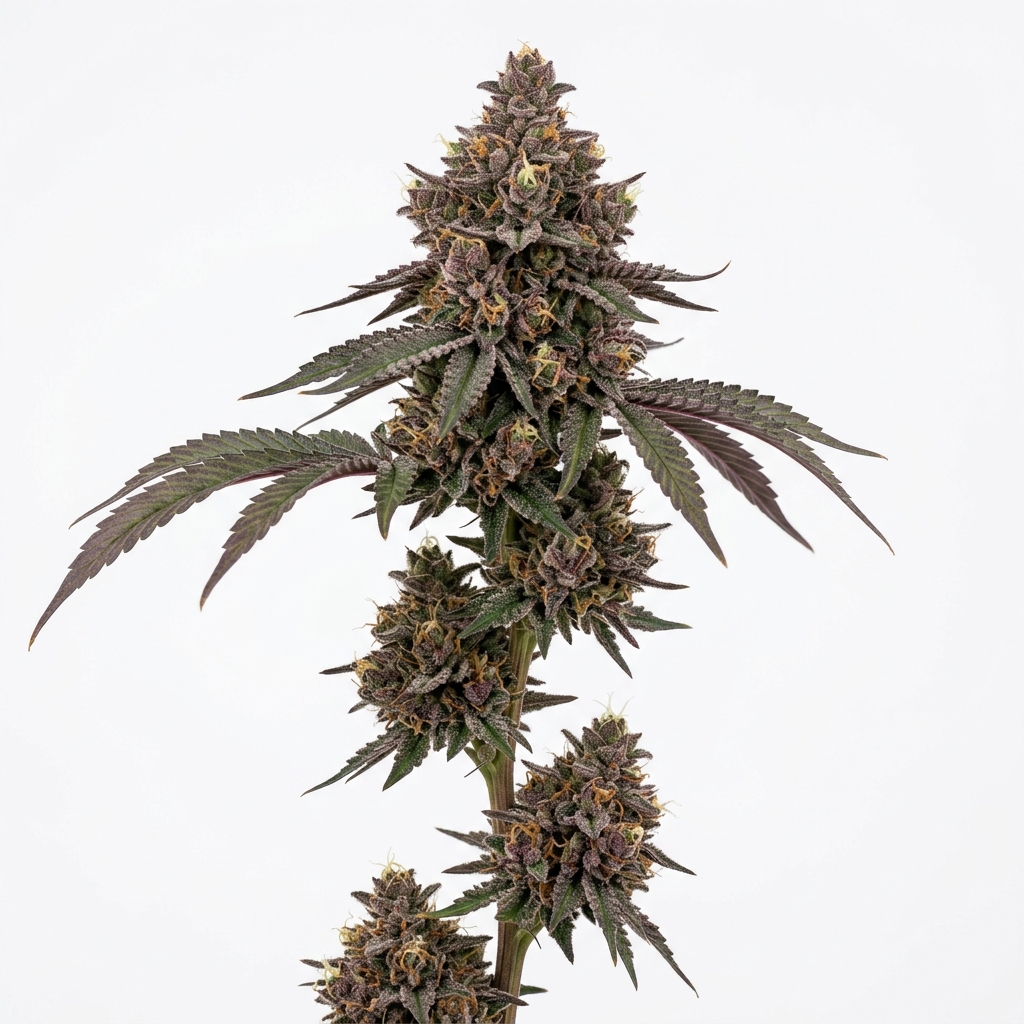
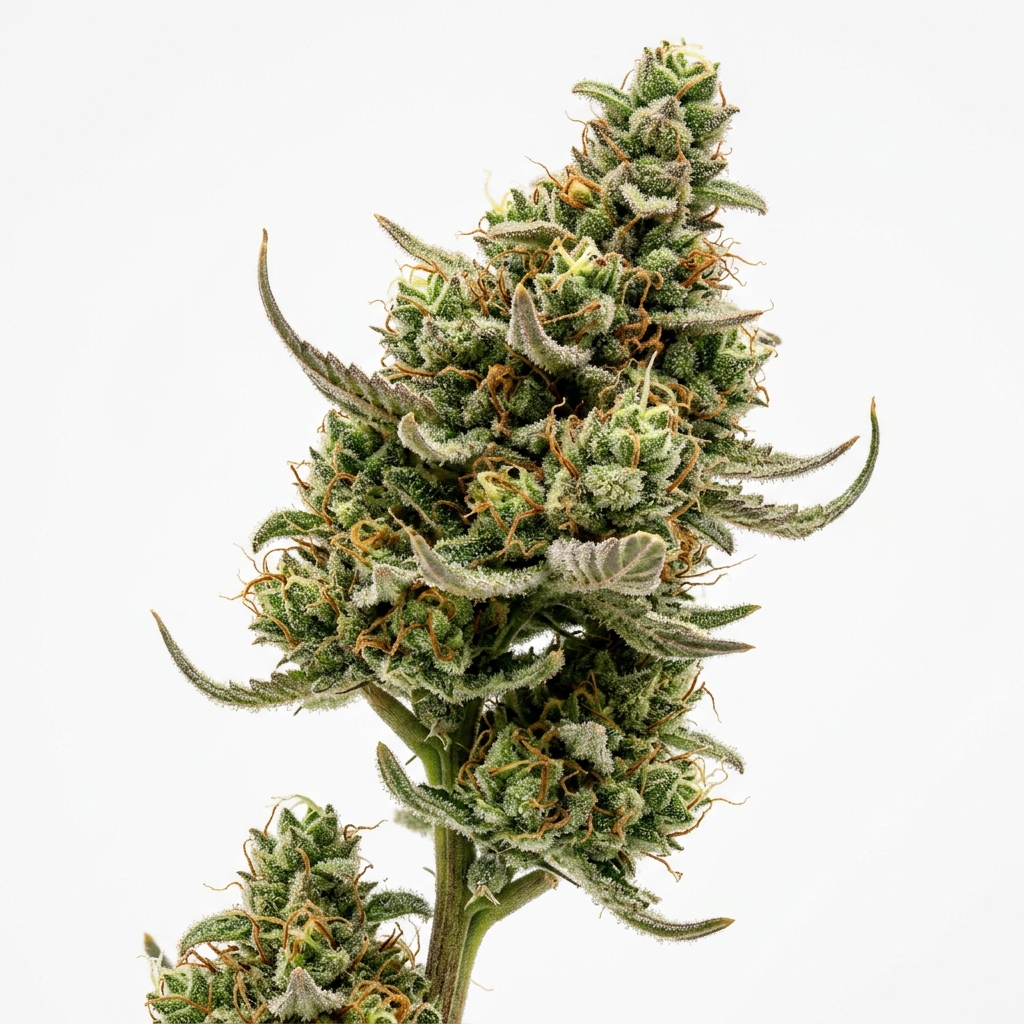
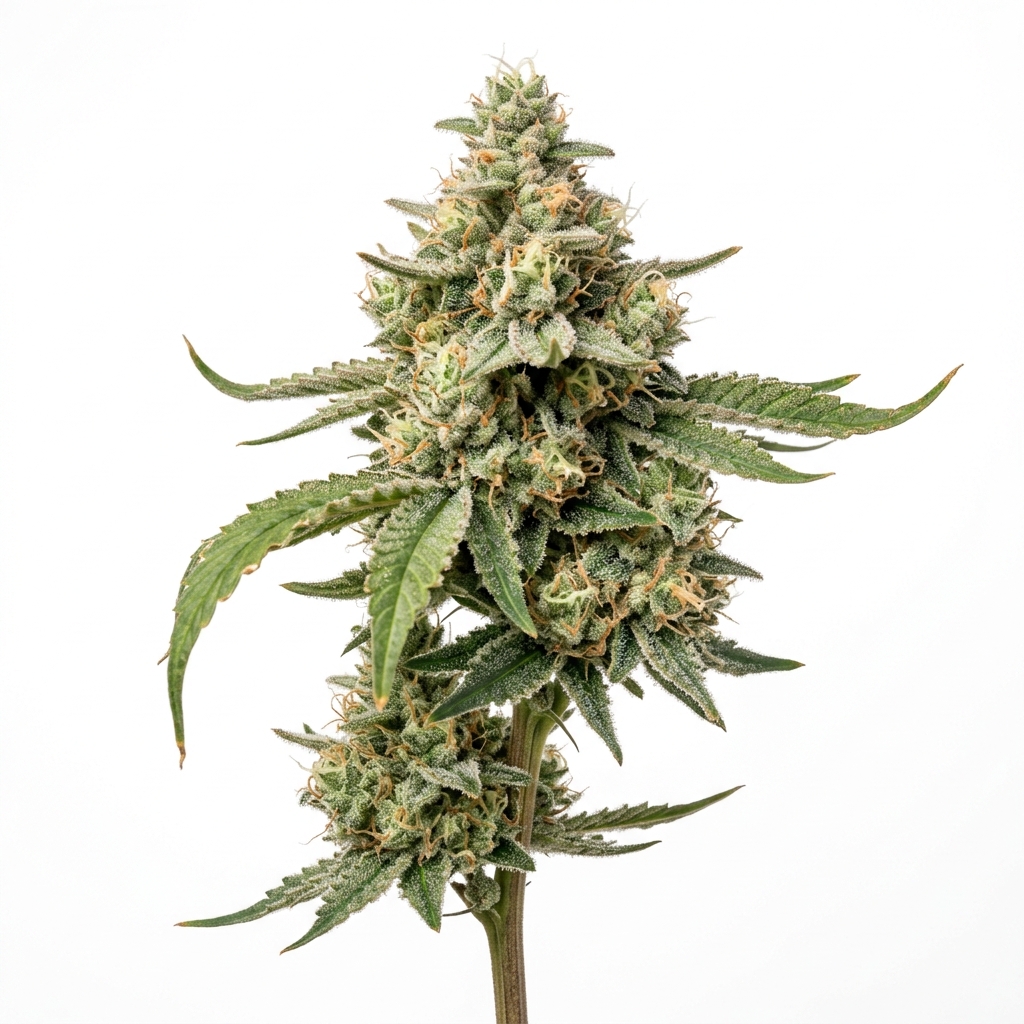
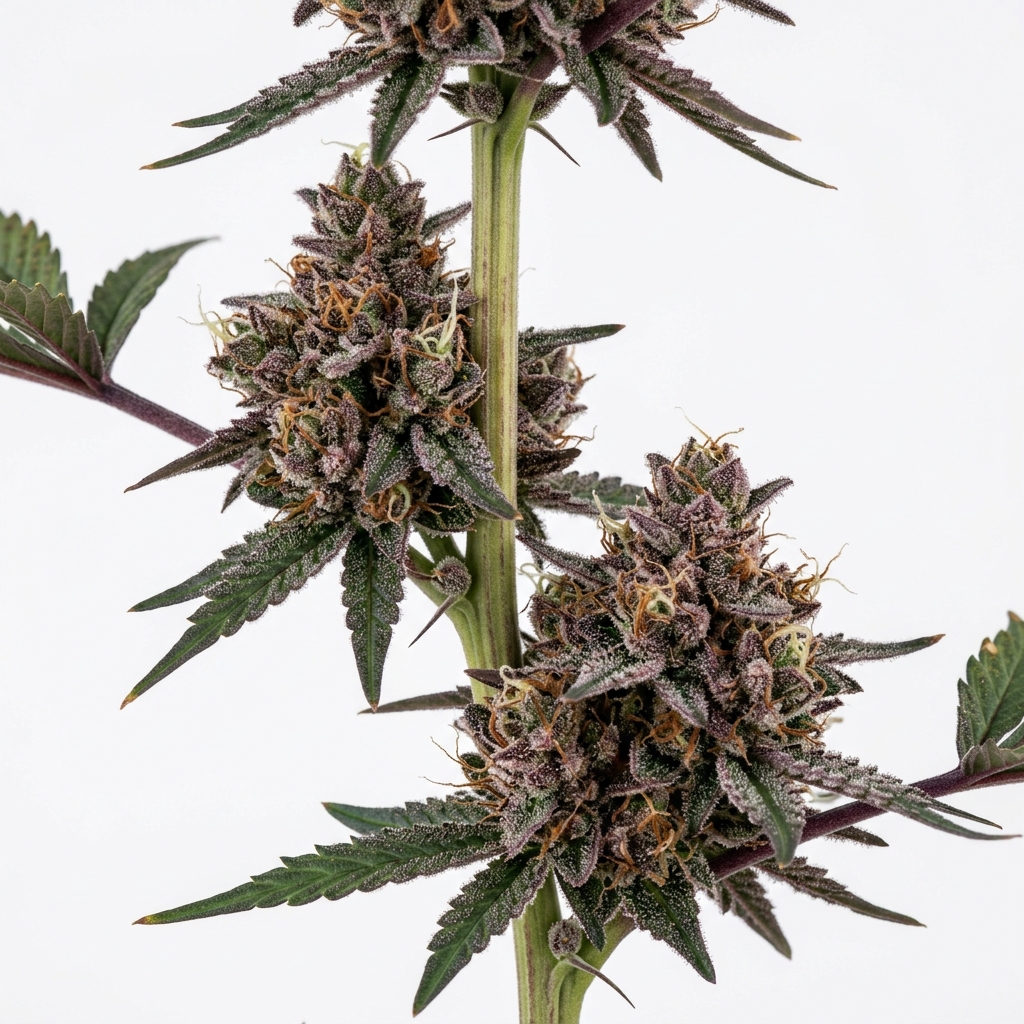
Citronella displays typical narrow-leaf hybrid morphology during vegetative growth, forming slender fan leaves and flexible lateral branches. As flowering progresses, the plant produces elongated, spear-shaped colas with swollen calyxes that stack tightly along main stems. The bract structure remains slightly open compared to heavy broad-leaf cultivars, promoting natural air movement across the flower clusters.
Resin glands on Citronella are predominantly capitate-stalked trichomes with broad heads and clear-to-milky development late in bloom. Bracts retain a pale lime green hue, punctuated by vibrant amber pistils and subtle golden hues when properly finished under controlled light spectrums. Glandular heads are moderately fragile, releasing strong monoterpenes readily upon contact.
The primary secondary metabolites include high concentrations of monoterpenes like terpinolene and limonene, backed by secondary sesquiterpenes. This chemical architecture gives the cured flower its distinctive sharp citrus peel aroma while keeping the dried bud structure bright, aromatic, and free of heavy dampness when cured under standard moisture levels.
Effects & Use-Cases (Reported)
Commonly reported effects: Consumers frequently note an immediate cerebral lift accompanied by sensory clarity, enhanced focus, and light physical buoyancy. The experience tends to feel stimulating without excessive racy jitter, gradually settling into functional physical comfort that rarely causes heavy lethargy.
Use-case context: Citronella is often chosen for daytime activities, creative projects, outdoor tasks, and social gatherings. Its vibrant aromatic profile and clear onset make it a preferred choice for individuals seeking daytime functional relief without strong sedative weight.
Note: Individual responses to cannabis flower vary based on personal tolerance, dosage, consumption method, and specific batch chemical profiles.
Aroma & Flavors
Aroma: Pungent fresh lemon peel, crushed lemongrass, tart citron, and a crisp herbal skunk undertone that intensifies when the buds are broken apart.
Flavor: Bright sour citrus on the inhale, followed by a clean herbal finish, hints of pine, and a lingering tart rind aftertaste on the palate.
Terpene associations: Terpinolene, limonene, beta-caryophyllene, and myrcene.
Tested Cannabinoid & Terpene Ranges
| Compound | Type | Typical Tested Range |
|---|---|---|
| Δ9-THC | Cannabinoid | 19.0% – 24.0% |
| CBD | Cannabinoid | < 0.5% |
| CBG | Cannabinoid | 0.5% – 1.2% |
| Terpinolene | Terpene | 0.6% – 1.4% |
| Limonene | Terpene | 0.4% – 0.9% |
| Beta-Caryophyllene | Terpene | 0.2% – 0.6% |
Range note: Cannabinoid and terpene concentrations vary significantly depending on lighting intensity, growing medium, environmental controls, and curing methods. These values reflect typical flower test results from mature indoor-grown batches.
Cultivation Notes
- Humidity management: Maintain 55% to 65% relative humidity in early vegetative growth, tapering down to 40% to 45% during late flower to preserve volatile monoterpenes and prevent microclimates within dense spear colas.
- Nutrient requirements: Citronella responds well to moderate base feeding, requiring steady calcium and magnesium support during early stretch while avoiding excessive nitrogen late in the bloom cycle.
- Canopy training: Topping early and using a trellis net helps spread lateral branches, evening out canopy height and maximizing light exposure across secondary bud sites.
- Defoliation: Light defoliation around day 21 and day 42 of flowering opens the lower canopy for improved airflow without stripping essential solar fan leaves.
- Harvest window: Optimal trichome ripeness generally occurs between days 58 and 65, when most glandular heads turn milky with approximately 5% to 10% displaying light amber maturity.
Grower Notes (Week-by-Week Snapshot)
- Weeks 1–3 (Early Stretch): Plants exhibit noticeable vertical stretch, often doubling in height. Establish trellis support early and maintain moderate light intensity to limit excessive node spacing.
- Weeks 4–6 (Bud Formation & Terpenes): Spear-shaped flower clusters stack rapidly along the main stems. Aromas of raw lemon rind and herbal skunk begin to emerge strongly; monitor canopy airflow closely.
- Weeks 7–9 (Ripening & Finish): Calyxes swell, pistils recede to deep orange, and trichome coverage creates a frosty, glistening exterior. Lower night temperatures slightly to preserve delicate citrus monoterpenes during drying prep.
Genetic Lineage
Citronella brings together the bright, sharp characteristics of Lemon Skunk with the rapid flowering speed and tropical sweetness of Cinderella 99. Lemon Skunk contributes high concentrations of limonene, elongated calyx formation, and a pungent skunky undertone that provides aromatic depth. Cinderella 99 imparts tight internodes, rapid resin onset, and an energetic, uplifting head profile driven by terpinolene.
Together, these heritage lineages produce a plant that finishes faster than pure Haze varieties while retaining the classic tart, zesty aromatic signature of sativa-dominant breeding lines. The hybrid stability makes it a dependable cultivar for growers seeking high-terpene flower production with manageable indoor timelines.
Research Insights
Academic research into cannabis secondary metabolites indicates that monoterpene-dominant profiles containing high levels of terpinolene and limonene are frequently associated with stimulating, clear sensory experiences. Terpinolene has been studied for its distinctive fresh pine-citrus aroma and antioxidant properties in botanical literature, though its specific interactions within complex flower matrices remain an active area of investigation.
While general pharmacological studies examine how major cannabinoids like Δ9-THC interact with CB1 and CB2 receptors, these scientific findings do not constitute direct medical claims regarding Citronella. The reported effects of this cultivar represent empirical user observations and standard botanical analysis rather than clinical outcomes.
Frequently Asked Questions
Who is the original breeder of Citronella?
The original breeder of Citronella is not consistently documented across commercial markets, as several boutique craft breeders have developed citrus-focused crosses under this name using Lemon Skunk and Cinderella 99 stock.
Is Citronella an indica or sativa cultivar?
Citronella is a sativa-dominant hybrid, typically exhibiting an approximate 70/30 sativa-to-indica ratio in plant structure, growth habit, and functional effects.
What does Citronella smell and taste like?
Citronella delivers an aroma of fresh lemongrass, sour citrus peel, and herbal skunk. The taste is crisp and tart on the inhale with lingering notes of lemon rind and clean herbal pine on the finish.
What is the typical flowering time for Citronella?
Indoors, Citronella typically finishes flowering in 8 to 9 weeks (56 to 63 days), showing peak resin development and milky trichomes toward the end of that window.
Educational Disclaimer
This content is for educational and informational purposes only. Cannabis laws and regulations vary by jurisdiction. Always consult with a qualified professional before beginning any cultivation project or consuming cannabis products.
Rate and review this strain
Ratings and reviews are accepted only from signed-in Google accounts.
Sign in with Google to leave a rating and written review.
Latest Reviews
0 reviewsNo reviews yet. Be the first Google user to rate and review this strain.
Follow New Cultivar Records
Get newly documented genetics, breeder history, research highlights, and important Strainpedia discoveries by email.