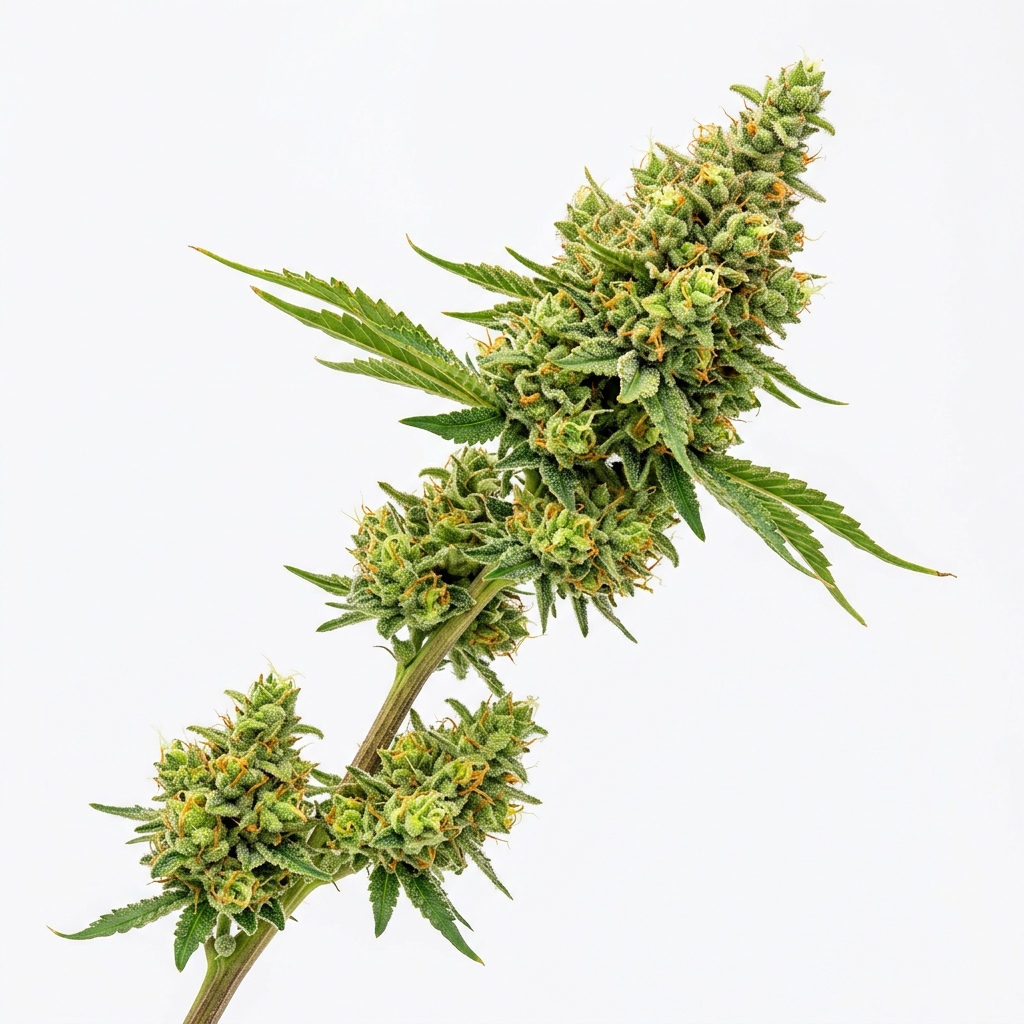
Midori Sour (Cannabis Strain)
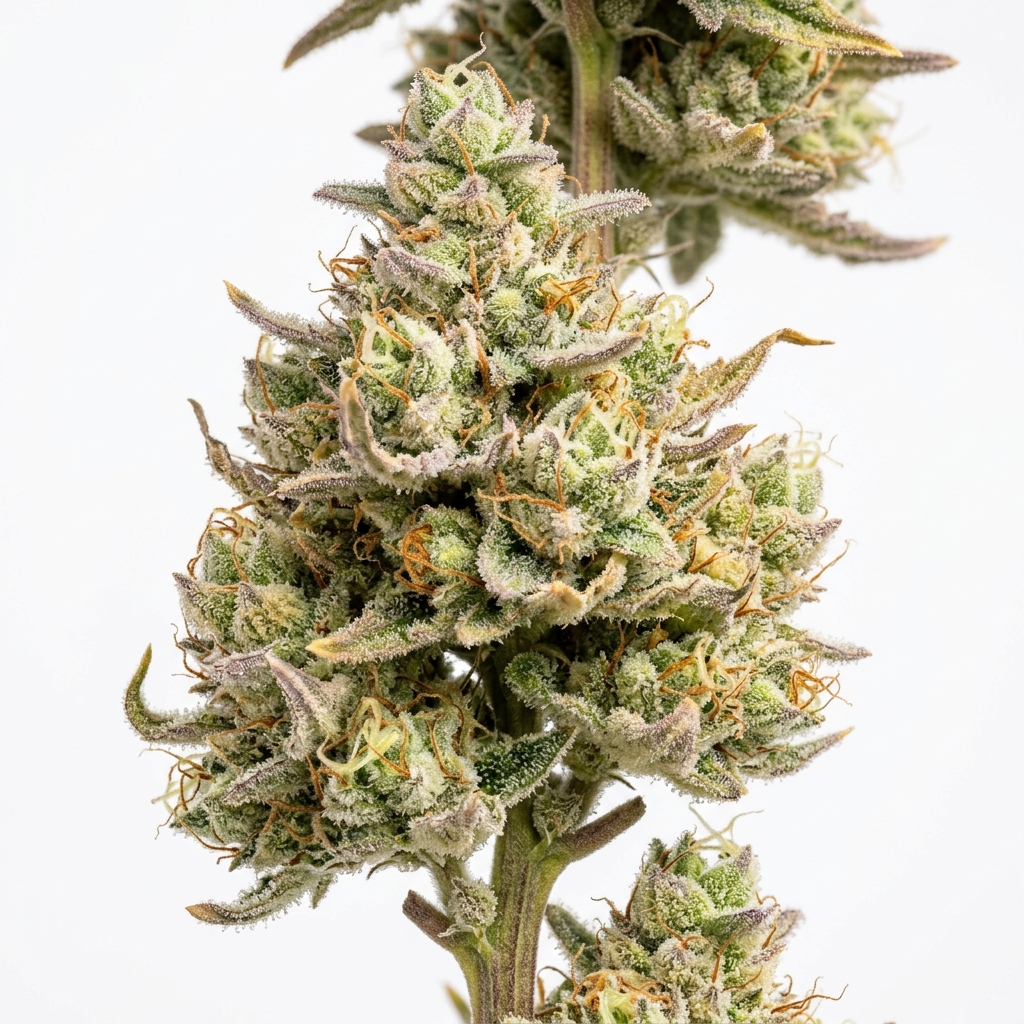
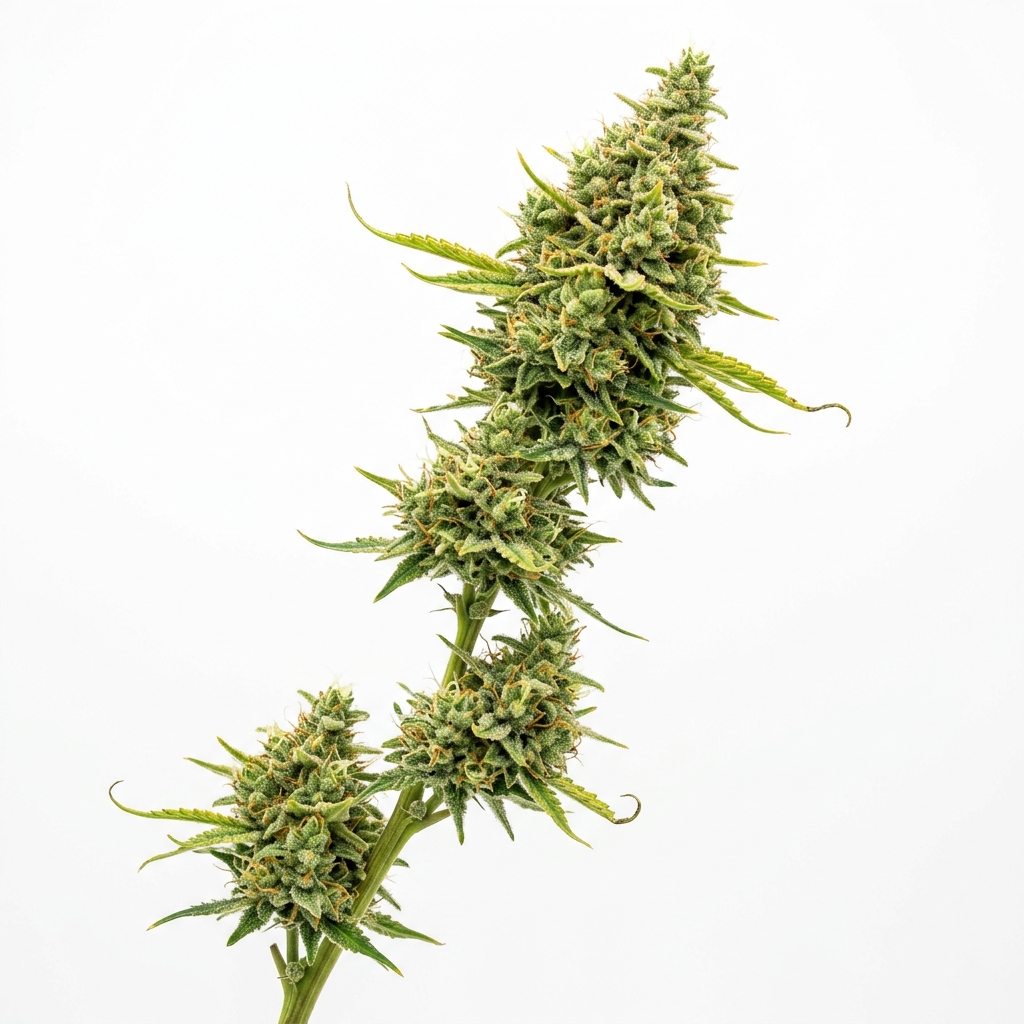
Midori Sour is a modern hybrid cultivar testing typically between 22% and 28% THC, developed primarily through boutique breeding selections pairing Sour Apple with Melonade. The cultivar takes its identity from the classic neon-green melon liqueur cocktail, expressing a punchy profile of sweet honeydew, tart green apple, and sharp citrus peel backed by a light diesel finish. Characterized by dense, lime-green flowers coated in greasy resin glands and bright tangerine pistils, Midori Sour has gained steady traction among cultivators seeking high-terpene extract material and flower with exceptional bag appeal.
While various regional cuts and breeder selections circulate under the name, most reputable lines trace back to craft California breeders emphasizing vibrant fruit-forward terpene profiles. The plant develops a medium-tall stature with moderate nodal spacing and sturdy lateral branches capable of supporting swollen bract clusters. Consumers commonly report an uplifting, clear cerebral onset that gradually transitions into functional body relaxation, making it a versatile cultivar across daytime and early evening settings.
Quick Facts
| Field | Detail |
|---|---|
| Breeder | Not consistently documented (Craft selection) |
| Genetics | Sour Apple × Melonade |
| Variety | Hybrid (approx. 50% Indica / 50% Sativa) |
| THC Range | 22% – 28% |
| Flowering Time | 8 – 9 weeks (56 – 63 days) |
| Yield Potential | Moderate to High (450 – 550 g/m² indoor) |
| Plant Height | Medium to Tall (120 – 160 cm indoor) |
| Climate Preference | Temperate, Mediterranean, controlled indoor |
| Difficulty | Moderate |
Scientific & Botanical Overview
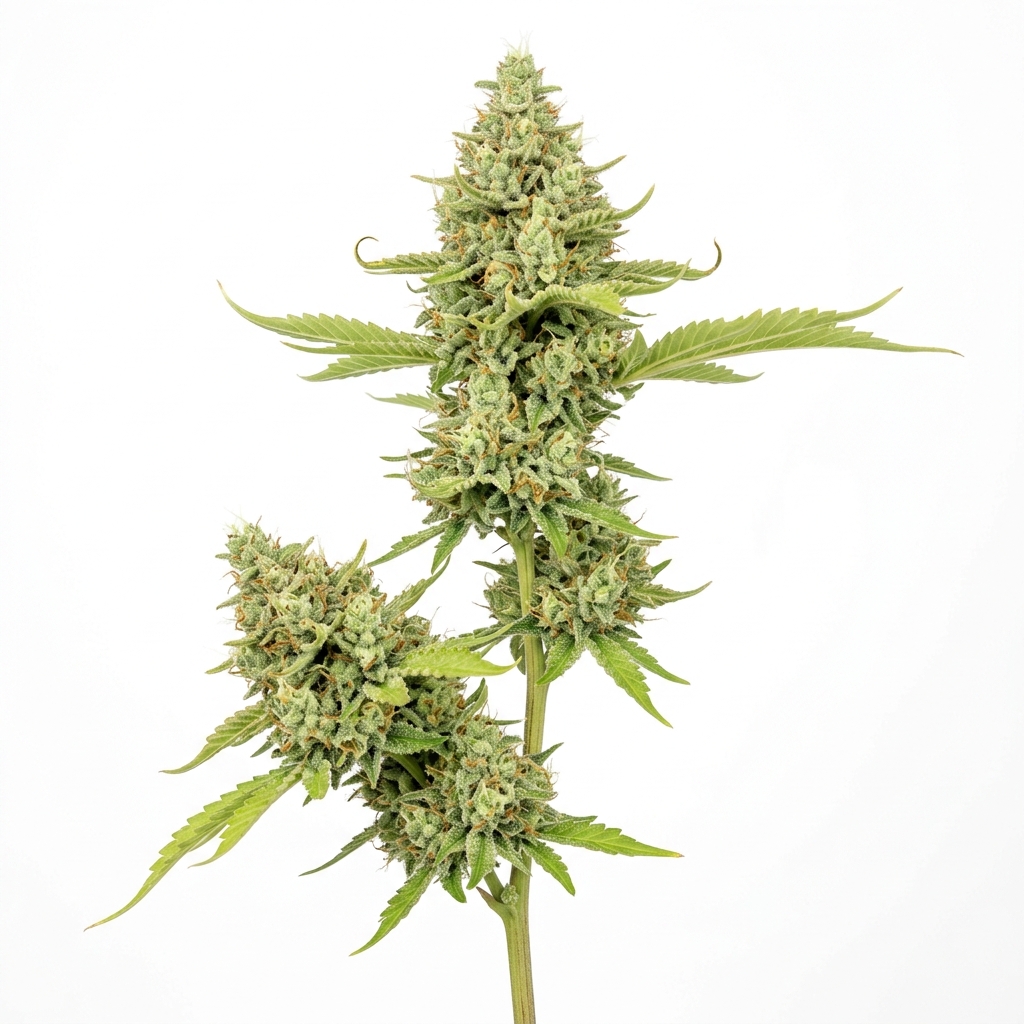
Midori Sour displays classic hybrid vegetative vigor, generating broad, emerald fan leaves that narrow slightly as the plant transitions into floral development. Internodal spacing remains tight to moderate during early growth, allowing growers to establish an even horizontal canopy before initiating flower. Lateral stems show good rigidity, holding clustered terminal colas without excessive staking under standard indoor light levels.
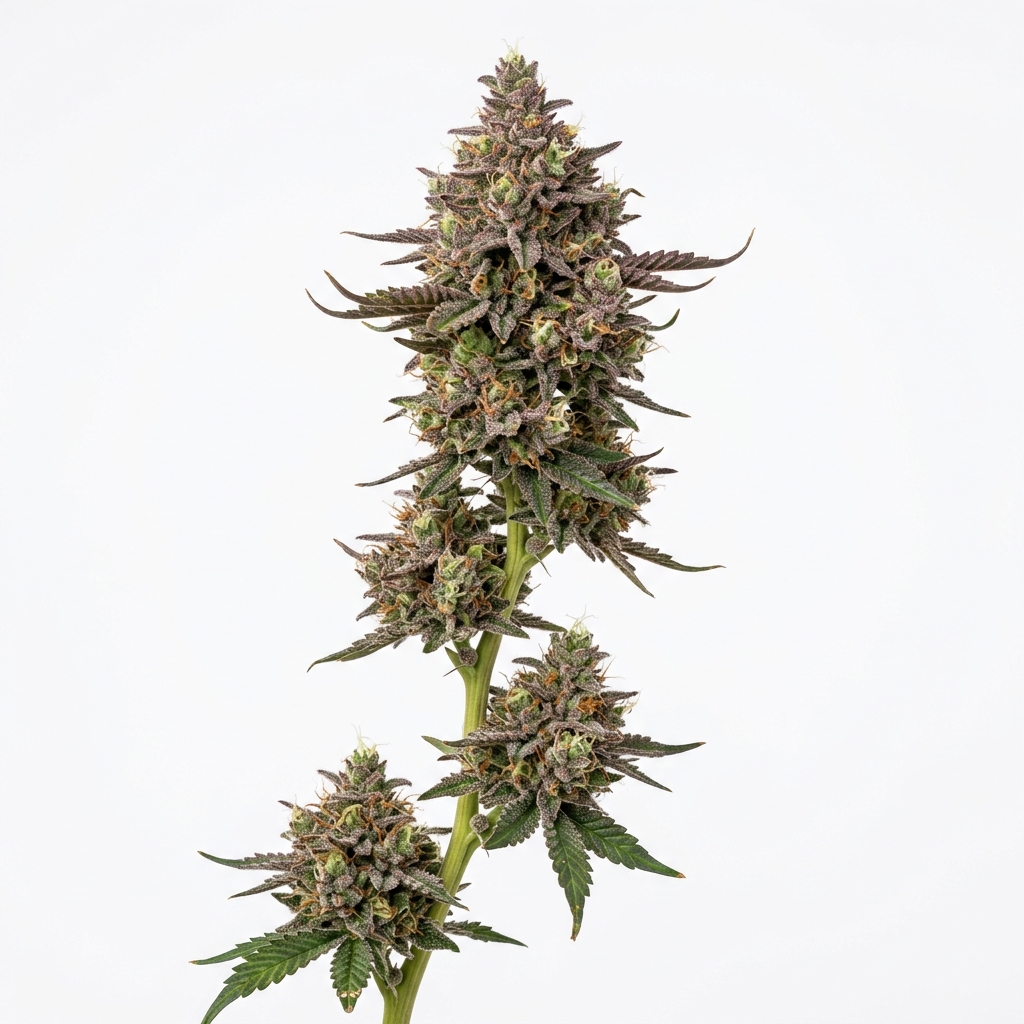
In mid-to-late flower, the cultivar develops conical, spear-shaped colas with pronounced calyx swelling. Bracts retain a distinct bright lime pigmentation, often showing minimal anthocyanin accumulation unless subjected to significant nighttime temperature drops below 18°C. Glandular trichome production is dense and uniform, layering the flowers and sugar leaves with short-stalked, bulbous capitate resin heads that stay tacky throughout post-harvest processing.
The terpene expression is heavily driven by terpinolene, limonene, and beta-caryophyllene, supported by secondary fractions of myrcene and ocimene. This secondary metabolite makeup creates a volatile aromatic profile that develops early in week 5 of flowering. Proper carbon filtration is necessary in controlled environments as the melon-sour aroma intensifies rapidly during the final resin-ripening stage.
Effects & Use-Cases (Reported)
Commonly reported effects: The onset is typically described as clear-headed, uplifting, and sensory-forward, bringing a quick mood lift without immediate physical sedation. As the initial cerebral buzz levels out, consumers note a soothing physical ease that loosens neck and shoulder tension while preserving mental focus.
Use-case context: Because it balances mental clarity with a calm physical floor, Midori Sour is frequently selected for afternoon creative work, social gatherings, outdoor walks, or low-stress weekend activities. It provides enough physical relaxation to unwind without causing couch lock when consumed in moderate amounts.
Note: Individual experiences vary based on dosage, tolerance, consumption method, and specific batch terpene concentrations.
Aroma & Flavors
Aroma: Freshly jarred flowers give off a bright rush of synthetic melon candy, tart green apple skin, and squeezed lemon. Breaking open a cured bud releases underlying notes of sweet diesel, wet pine needles, and a faint peppery funk that deepens the overall bouquet.
Flavor: The smoke or vapor delivers an immediate wash of sweet honeydew and sour citrus on the inhale. On the exhale, the flavor turns sharper, showing crisp apple acidity, mild fuel, and a lingering candied zest across the tongue.
Terpene associations: Terpinolene contributes the complex melon-pine top note, limonene sharpens the citrus acidity, and beta-caryophyllene lends subtle warmth and depth to the finish.
Tested Cannabinoid & Terpene Ranges
| Compound | Typical Flower Range |
|---|---|
| Δ9-THC | 22.0% – 28.0% |
| CBD | < 1.0% |
| CBG | 0.5% – 1.5% |
| Total Terpenes | 1.8% – 3.2% |
| Primary Terpenes | Terpinolene, Limonene, beta-Caryophyllene, Myrcene |
Range note: Cannabinoid and terpene percentages reflect verified testing on dried uninfused flower samples. Real-world batches fluctuate depending on lighting intensity, nutrient balance, curing parameters, and phenotype selection.
Cultivation Notes
- Humidity management: Maintain relative humidity around 60% – 65% during early vegetative growth, stepping down to 45% – 50% in mid-flower, and targeting 40% – 42% in late bloom to protect dense terminal colas from botrytis.
- Nutrient requirements: Midori Sour feeds moderately throughout veg and early bloom; avoid excessive nitrogen after week 3 of flower to prevent leaf clawing and ensure clean resin maturation.
- Canopy training: Responds cleanly to topping at the 4th or 5th node followed by low-stress training (LST) and a single-layer Trellis net to spread secondary shoots horizontally.
- Defoliation: Perform a moderate leaf strip on day 21 and a light cleanup around day 42 to improve interior airflow and allow direct light penetration to lower bract sites.
- Harvest window: Most phenotypes finish cleanly between day 56 and day 63 when trichome heads shift from milky to roughly 10% – 15% amber for balanced potency and flavor.
Grower Notes (Week-by-Week Snapshot)
- Weeks 1–3 (Vegetative & Stretch): Steady vegetative growth with a manageable stretch of roughly 1.5× to 2× upon flipping to 12/12. Establish the canopy framework early.
- Weeks 4–6 (Floral Set & Resin Onset): Calyx sites bunch tightly along the main stems as white pistils surge. The sweet melon and sour citrus odor starts to develop noticeably by late week 5.
- Weeks 7–9 (Bulking, Ripening & Harvest): Calyxes swell and trichomes turn milky white. Taper nutrient electrical conductivity (EC), lower canopy humidity, and harvest once trichome cloudiness peaks.
- Drying & Curing: Hang whole plants for 12 to 14 days at 15°C–18°C and 55%–60% relative humidity to preserve the volatile monoterpenes before a 3-week glass jar cure.
Genetic Lineage
The genetic backbone of Midori Sour unites two fruit-forward breeding pillars: Sour Apple and Melonade. Sour Apple (often derived from Sour Diesel crossed with Cinderella 99) contributes bright green coloration, crisp malic acidity, and an energetic head buzz. Melonade (Watermelon Zkittlez × Lemon Tree #11) introduces dominant melon candy aromatics, dense trichome coverage, and smooth resin texture.
Together, these parent lines create a balanced progeny that avoids the fragile growth tendencies of some dessert cultivars while delivering an intensely modern fruit-candy terpene profile. The cross maintains steady vigor in commercial setups and consistently passes down the signature tart melon finish across distinct phenotype selections.
Research Insights
Scientific literature on dominant cannabis terpenes highlights terpinolene and limonene for their distinct sensory profiles and potential functional interactions with the endocannabinoid system. Terpinolene, less common as a dominant terpene than myrcene or caryophyllene, frequently appears in energetic, fruit-pine cultivars and has demonstrated antioxidant properties in preliminary laboratory assays.
Limonene and beta-caryophyllene have similarly been studied in peer-reviewed contexts for their potential uplifting properties and selective binding at the CB2 receptor. While general botanical research informs how these individual compounds behave in isolation, exact effects from whole-plant Midori Sour consumption remain dependent on individual tolerance, dosing, and full-spectrum entourage dynamics.
Frequently Asked Questions
Who is the original breeder of Midori Sour?
The original breeder is not consistently documented in verified public registries, as several craft breeders and boutique California nurseries have produced distinct selections of the Sour Apple × Melonade cross.
Is Midori Sour an indica or sativa?
Midori Sour is a balanced hybrid cultivar displaying roughly equal sativa and indica characteristics, offering physical relaxation alongside steady cerebral clarity.
What does Midori Sour smell and taste like?
The strain smells of sweet honeydew melon, tart green apple, and fresh lemon zest, delivering a bright candy-fruit flavor finished with a crisp diesel edge on the exhale.
What is the typical flowering time for Midori Sour?
Indoor flowering typically requires 8 to 9 weeks (56 to 63 days) under a standard 12/12 light schedule for optimal terpene clarity and cannabinoid development.
Educational Disclaimer
This content is for educational and informational purposes only. Cannabis laws and regulations vary by jurisdiction. Always consult with a qualified professional before beginning any cultivation project or consuming cannabis products.
Rate and review this strain
Ratings and reviews are accepted only from signed-in Google accounts.
Sign in with Google to leave a rating and written review.
Latest Reviews
0 reviewsNo reviews yet. Be the first Google user to rate and review this strain.
Follow New Cultivar Records
Get newly documented genetics, breeder history, research highlights, and important Strainpedia discoveries by email.