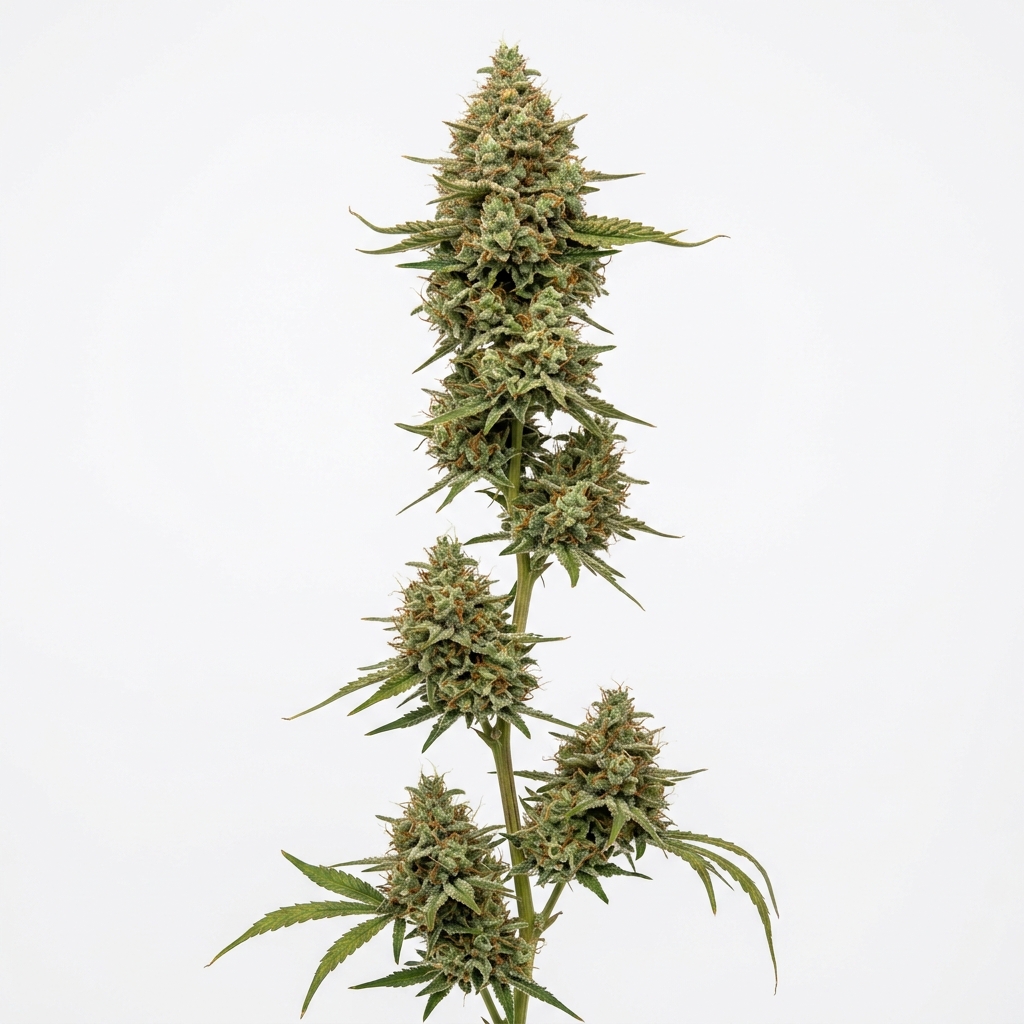
Giraffe Head (Cannabis Strain)
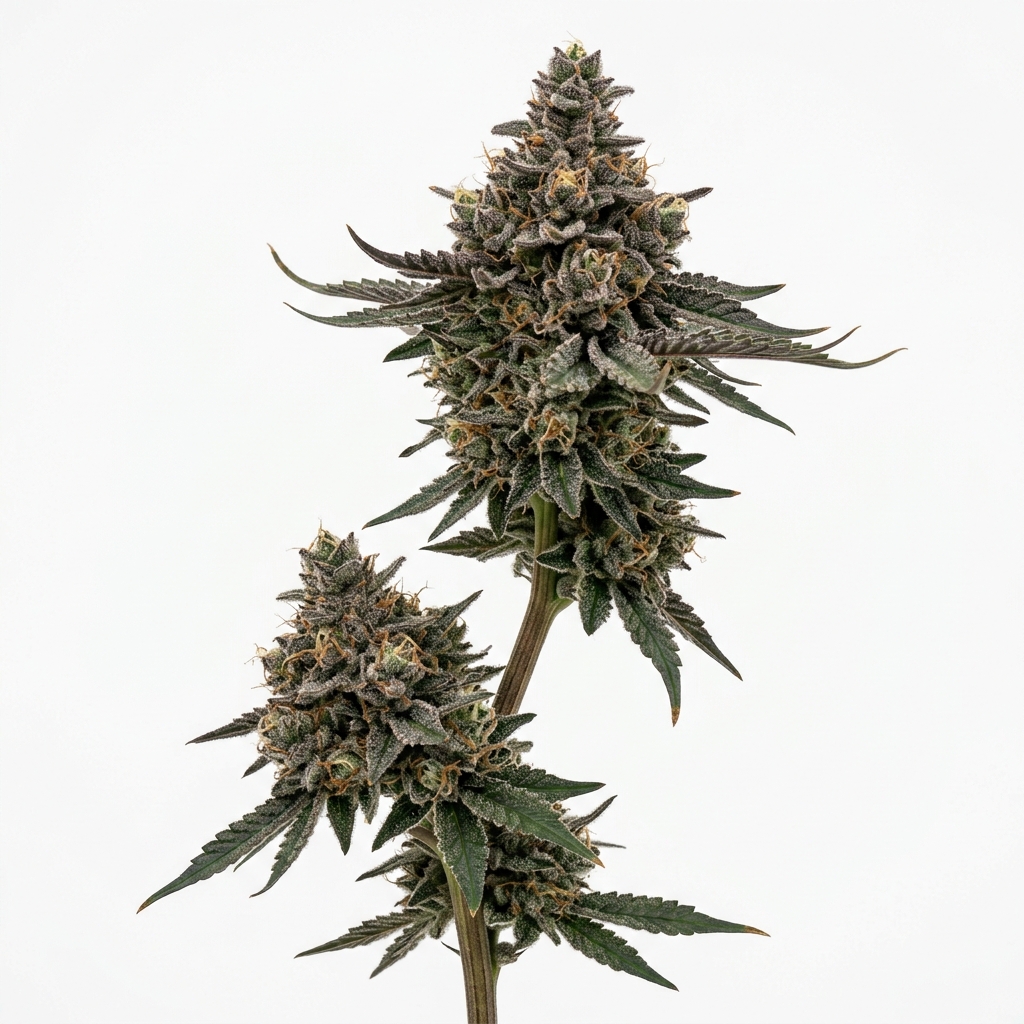
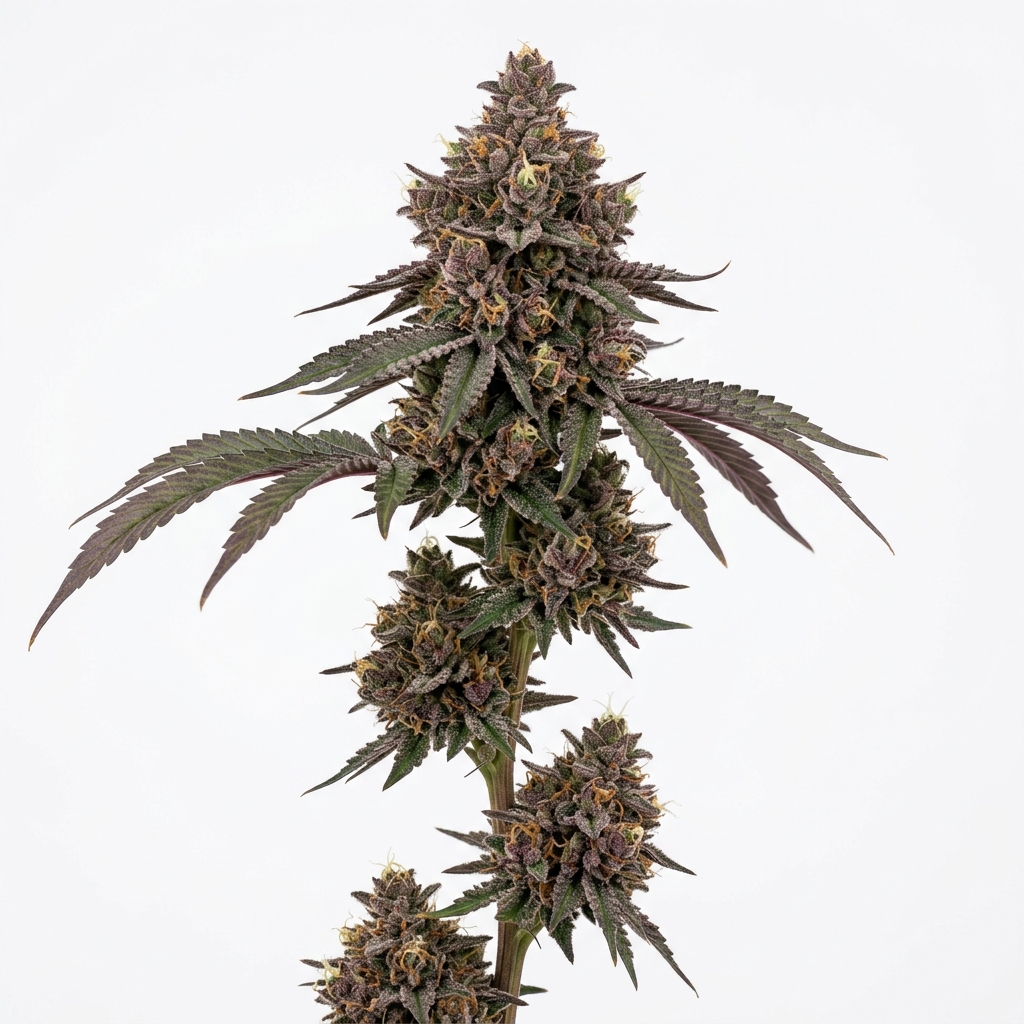
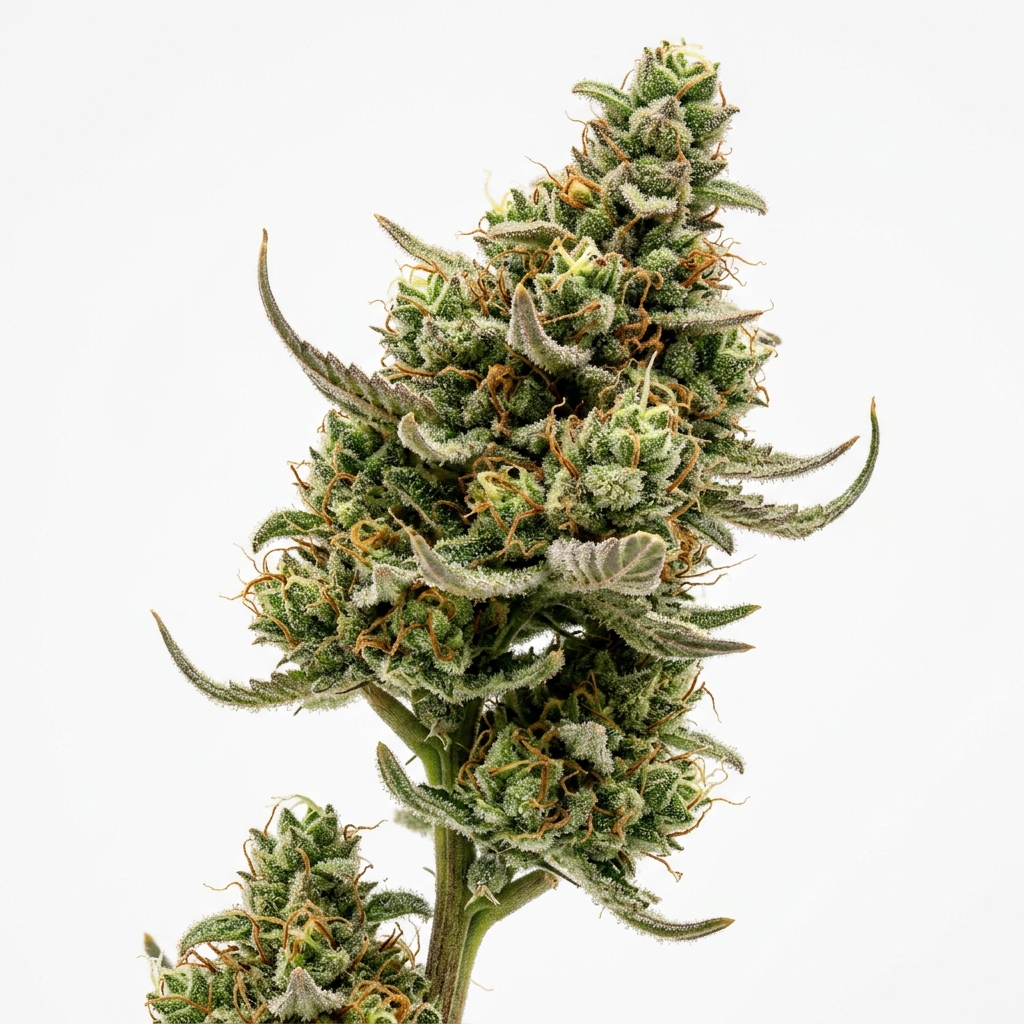
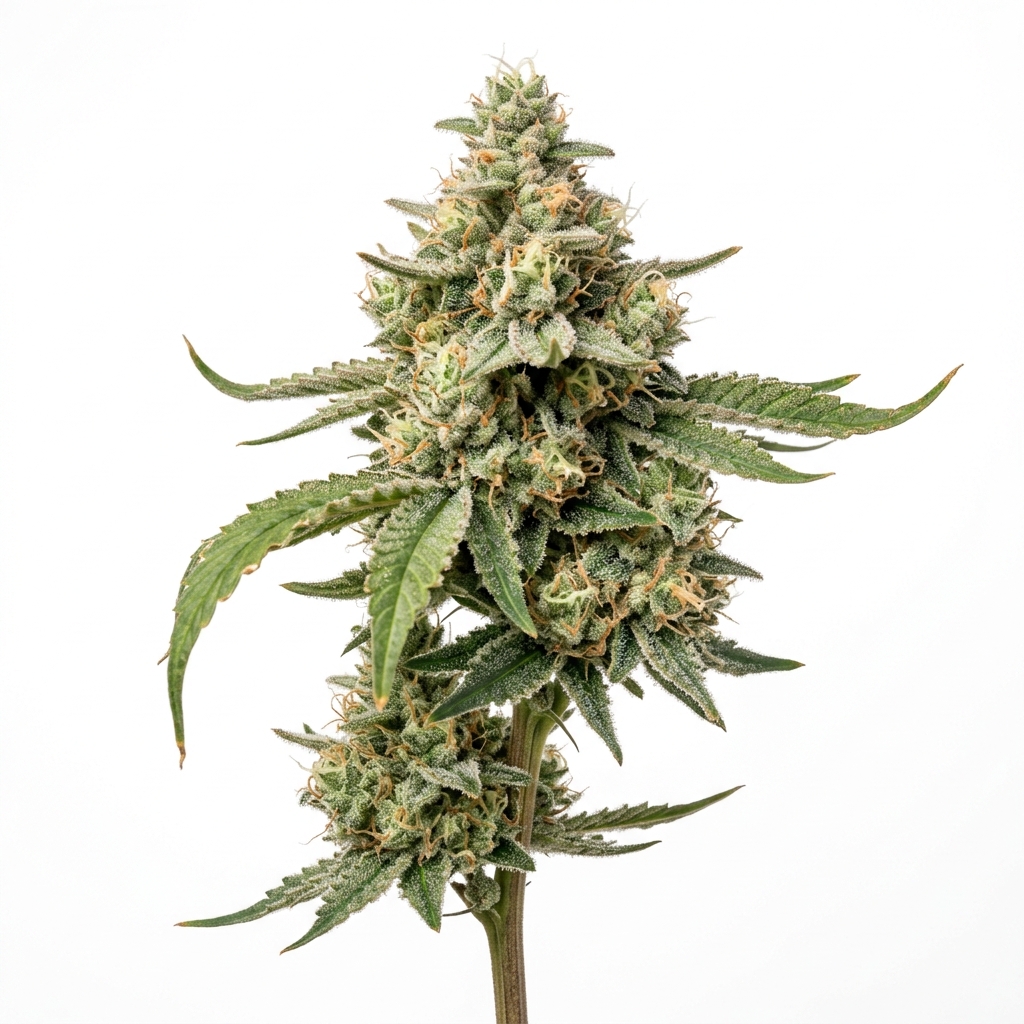
Giraffe Head is a potent hybrid cultivar typically testing between 20% and THC not consistently reported in dried uninfused flower, developed from a cross of Giraffe Pussy and Headband. The cultivar is recognized for its aggressive vertical growth, spear colas, and thick layer of wet frost covering dense, swollen calyxes. Its terpene profile leans heavily into sharp sour diesel, tart citrus peel, and an underlying funk of skunky earth. The original breeder is not consistently documented in reliable public records, though early verified cuts emerged from boutique West Coast grow circuits.
The genetic pairing brings together the pungent, savory chemical profile of the Cheetah Piss/Giraffe lineage with the long-lasting head pressure and petrol backbone of Headband. Plants display pronounced apical dominance and significant internodal stretch during early flower. Consumers commonly report an immediate cerebral head-band sensation paired with an alert, functional physical ease that stays clear and focused.
Quick Facts
| Field | Detail |
|---|---|
| Breeder | Not consistently documented |
| Genetics | Giraffe Pussy × Headband |
| Variety | Hybrid |
| THC Range | 20% – 25% |
| Flowering Time | 9 – 10 weeks (63 – 70 days) |
| Yield Potential | Medium to High |
| Plant Height | Tall |
| Climate Preference | Temperate, warm, controlled indoor |
| Difficulty | Moderate |
Scientific & Botanical Overview
Giraffe Head grows with an open, elongated plant architecture characterized by long stems, moderate branch thickness, and wide internodal gaps. As the cultivar transitions into generative growth, the main stalks stretch rapidly, producing towering terminal spear colas with light-to-medium green bracts. Deep amber pistils curl tightly across the calyxes as maturity approaches, while fan leaves often remain slender to medium in width.
The glandular trichomes are dense and capitate-stalked, forming a thick coat of resin that extends onto secondary sugar leaves. This heavy resin coverage holds distinct volatile compounds dominated by myrcene, beta-caryophyllene, and limonene. The resin heads remain sticky and greasy throughout late maturation rather than drying out, making the flowers attractive for solventless extraction.
Because of the extended internodal structure, light penetrates deeply into the mid-canopy when the main colas are managed. However, vertical stretch requires deliberate space planning and early trellis support to prevent top-heavy branches from bending under the weight of late-stage flower clusters.
Effects & Use-Cases (Reported)
Commonly reported effects: The onset typically begins with a tingling, expansive pressure across the forehead and temples, characteristic of its Headband ancestry. This cerebral stimulation is accompanied by a steady, clear mood elevation that fosters creative engagement without racing anxiety. As the initial lift levels out, a soothing body sensation relaxes muscular tension without immobilizing sedation.
Use-case context: Reported by consumers as well-suited for afternoon sessions, creative desk work, or social gatherings where alert conversation and physical comfort are both desired. High-dose consumption tends to bring on heavier physical relaxation later in the session.
Individual responses vary based on tolerance, environment, and specific batch chemistry. Moderation is recommended for novice consumers given the cultivar’s consistently high cannabinoid concentration.
Aroma & Flavors
Aroma: Breaking apart the cured flowers releases a sharp, pungent blast of sour diesel, industrial fuel, and ammonia-tinged skunk. Secondary notes bring forward crushed pine needles, lemon peel, and a warm, peppery earthiness that lingers in the room.
Flavor: The smoke delivers an assertive wash of tart gas and sour citrus on the inhale, backed by a savory, musky undertone. The exhale leaves a clean, resinous aftertaste marked by cracked black pepper and lingering diesel fuel.
Terpene associations: The sensory profile is primarily driven by myrcene for its earthy, herbal depth, beta-caryophyllene providing the sharp peppery bite, and limonene contributing the sour citrus edge, often supported by minor concentrations of humulene and pinene.
Tested Cannabinoid & Terpene Ranges
| Compound | Typical Range |
|---|---|
| Δ9-THC | 20.0% – 25.0% |
| CBD | < 0.2% |
| CBG | 0.4% – 1.1% |
| Total Terpenes | 1.6% – 2.8% |
| Myrcene | 0.50% – 1.05% |
| β-Caryophyllene | 0.35% – 0.75% |
| Limonene | 0.25% – 0.60% |
Range note: Cannabinoid and terpene metrics reflect literature-informed lab averages from dried, uninfused flower samples. Real-world chemistry varies across cultivation environments, nutrient regimes, harvest timing, and curing methods.
Cultivation Notes
- Humidity management: Maintain relative humidity between 55% and 60% during early vegetative stages, gradually lowering to 45%–50% in mid-flower and 40%–45% in late bloom to protect large, dense spear colas from botrytis.
- Nutrient requirements: Plants handle moderate-to-heavy feeding during mid-flower, showing strong nitrogen uptake in vegetative growth and steady potassium and phosphorus demand from week 4 through week 7.
- Canopy training: Early topping and SCROG (Screen of Green) netting are strongly recommended to manage aggressive vertical stretch, which can easily double the plant’s height after the photoperiod flip.
- Defoliation: Conduct a thorough bottom-up prune and leaf strip before flip, followed by a targeted day-21 defoliation to clear interior shade leaves and improve airflow through lower lateral branches.
- Harvest window: Target harvest around day 63 to 70 when trichome heads show roughly 10% to 15% amber with the remainder cloudy, ensuring full terpene maturity and sharp diesel expression.
Grower Notes (Week-by-Week Snapshot)
- Weeks 1–3 (Vegetative & Early Transition): Plants establish roots rapidly and show strong apical pull. Top early at the fourth or fifth node to break single-stalk dominance, and install trellis netting before switching to a 12/12 photoperiod.
- Weeks 4–6 (Mid-Flower & Stretch Peak): Vertical stretch slows as bud sites consolidate along upper stems. Swelling calyx clusters begin stacking into elongated spear shapes, accompanied by an early release of sour, funky gas aromas.
- Weeks 7–10 (Late Bloom & Ripening): Colas fill out and gain significant density while trichome coverage becomes thick and greasy. Reduce late-flower humidity, monitor canopy airflow closely, and inspect trichome heads under magnification to pin down peak ripeness.
Genetic Lineage
Giraffe Head descends from two distinct lineage lines known for pungent aromatics and robust vegetative vigor. Giraffe Pussy brings forward a sharp, savory skunk profile rooted in the Cheetah Piss family tree, known for intense funk and resinous bract production. This parent contributes the cultivar’s pungent edge and dense calyx formation.
The other parent, Headband (an OG Kush and Sour Diesel cross), introduces classic fuel undertones, strong internodal branching, and the trademark headband sensation around the temples. Together, the hybrid displays tall sativa-like vegetative structure with the heavy resin density and diesel finish of classic West Coast parentage.
Research Insights
Academic research into cannabis phytochemicals highlights the complex behavior of beta-caryophyllene, a sesquiterpene that binds selectively to CB2 receptors in the peripheral endocannabinoid system. When present alongside monoterpenes like myrcene and limonene, these aromatic compounds contribute to the distinct sensory and physical qualities observed across broad-spectrum cannabis preparations.
While general botanical and pharmacological literature documents the independent properties of these dominant terpenes and major cannabinoids, specific published clinical trials on the Giraffe Head cultivar remain limited. Individual effects and plant performance continue to depend on phenotype selection, growing conditions, and post-harvest handling.
Frequently Asked Questions
Who is the original breeder of Giraffe Head?
The original breeder of Giraffe Head is not consistently documented in public registries, with the cut having circulated primarily through boutique craft cultivation networks across the West Coast.
Is Giraffe Head an indica or sativa?
Giraffe Head is a balanced hybrid that shows sativa-leaning structural growth during vegetative and early flowering stages, while producing dense, resinous flower clusters typical of potent hybrid genetics.
What does Giraffe Head smell and taste like?
The strain smells strongly of sour diesel, ammonia-tinged skunk, and sharp citrus peel. Its flavor carries that pungent gas through the inhale, finishing with an earthy, cracked-pepper aftertaste.
How long does Giraffe Head take to flower?
When grown indoors under controlled conditions, Giraffe Head typically finishes flowering in 9 to 10 weeks (63 to 70 days).
Educational Disclaimer
This content is for educational and informational purposes only. Cannabis laws and regulations vary by jurisdiction. Always consult with a qualified professional before beginning any cultivation project or consuming cannabis products.
Rate and review this strain
Ratings and reviews are accepted only from signed-in Google accounts.
Sign in with Google to leave a rating and written review.
Latest Reviews
0 reviewsNo reviews yet. Be the first Google user to rate and review this strain.
Follow New Cultivar Records
Get newly documented genetics, breeder history, research highlights, and important Strainpedia discoveries by email.