Pucker Up (Cannabis Strain)
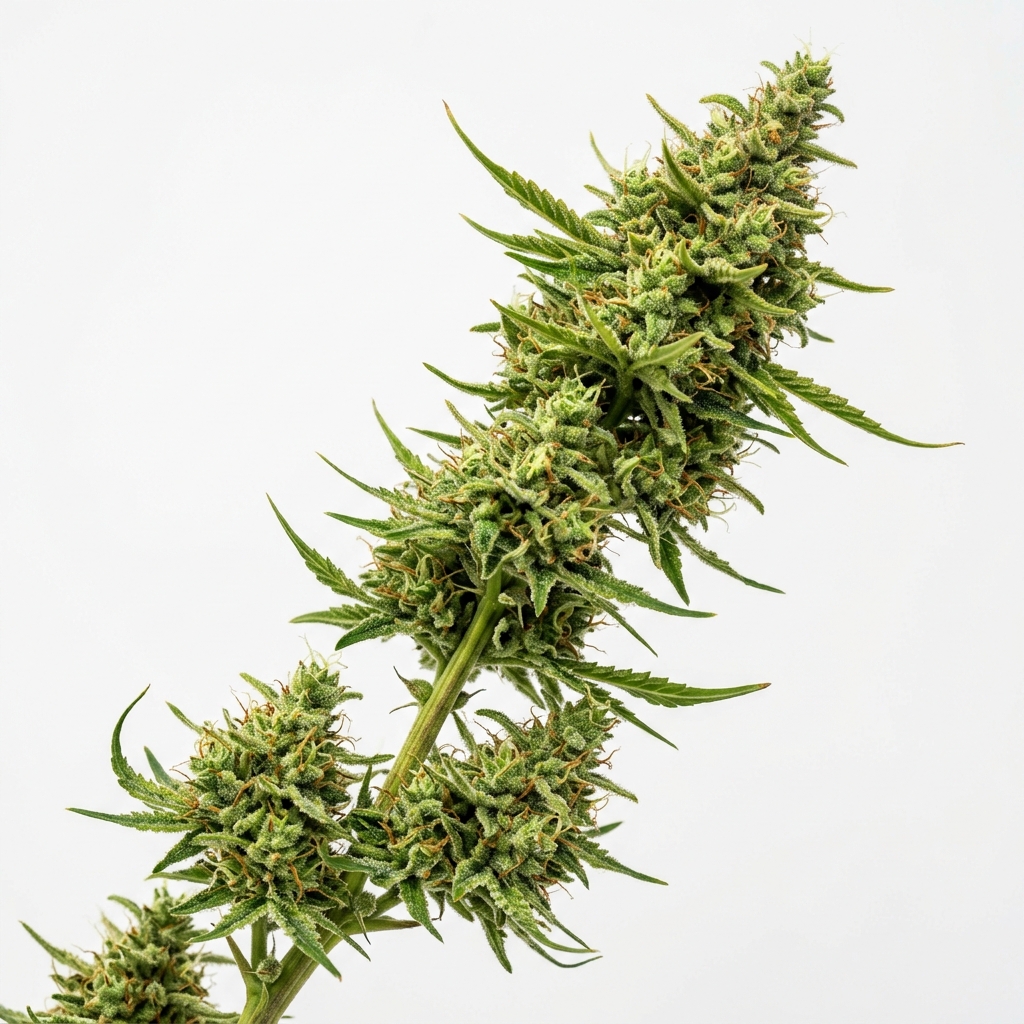
Pucker Up is a tart, sativa-leaning hybrid delivering tested dried flower potency between 20% and 25% THC. The original breeder is not consistently documented in reliable public records, though verified cuts circulate from boutique sour and citrus breeding lines. The cultivar is immediately recognized by its sharp lemon rind fragrance, pungent fuel backbone, and dense, greasy calyxes that yield exceptionally well under solventless extraction techniques.
Tracing its characteristics back to sour citrus and chem-fuel ancestral lines, the plant develops an open branching habit with pronounced spear colas. Consumers and cultivators commonly report an uplifting, focused sensory onset that transitions into a calm, functional physical finish suitable for daytime and early evening routines.
Quick Facts
| Field | Detail |
|---|---|
| Breeder | Not consistently documented |
| Genetics | Sour Citrus × Fuel lineage (commonly reported) |
| Variety | Sativa-leaning hybrid |
| THC Range | 20% – 25% |
| Flowering Time | 8 – 9 weeks (56 – 63 days) |
| Yield Potential | Moderate to high |
| Plant Height | Medium to tall |
| Climate Preference | Temperate, Mediterranean, controlled indoor |
| Difficulty | Moderate |
Scientific & Botanical Overview
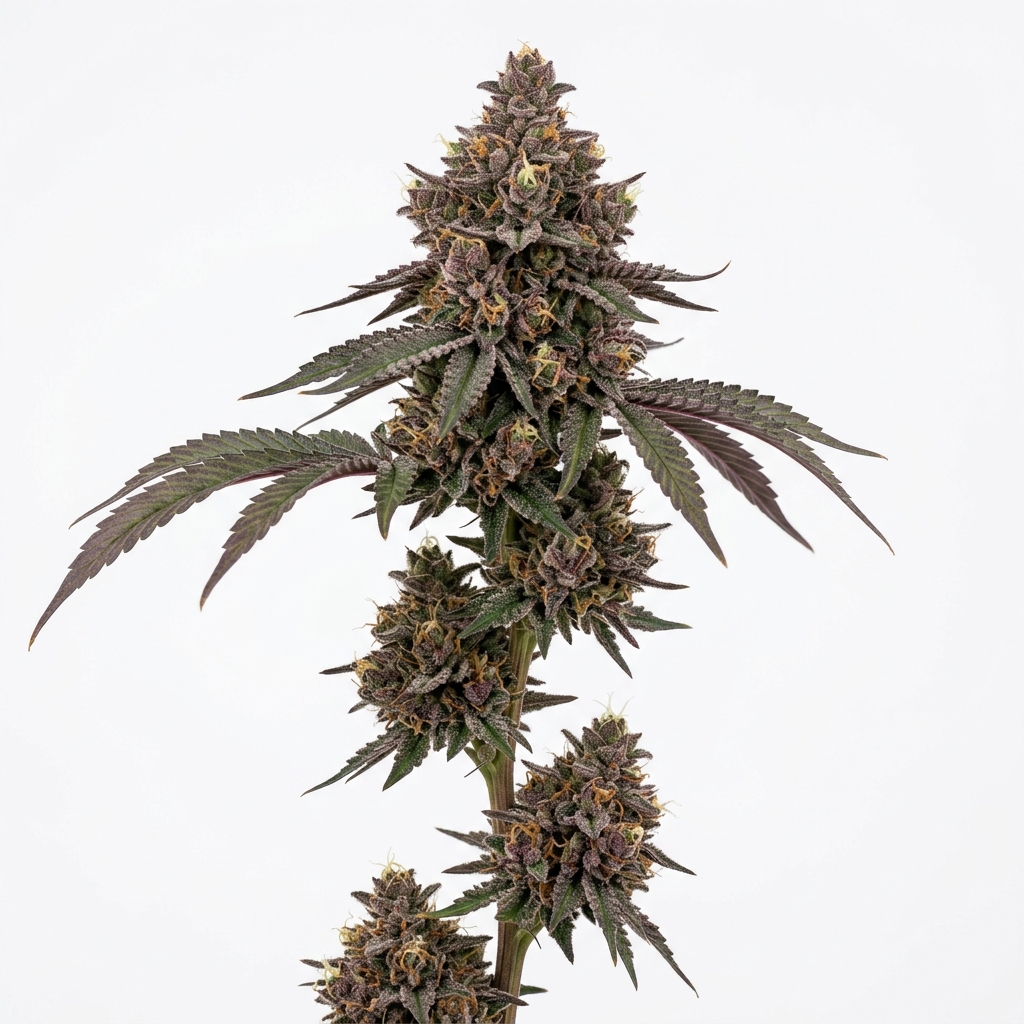
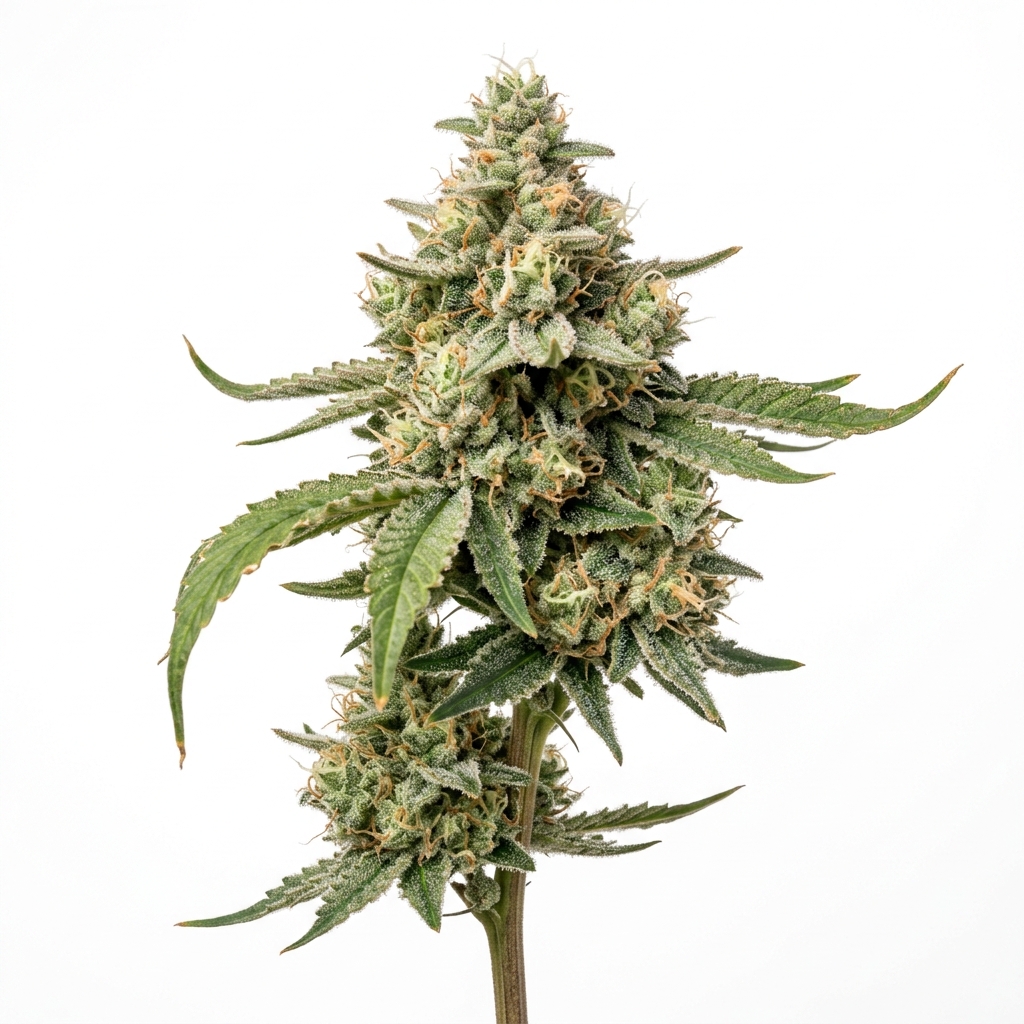
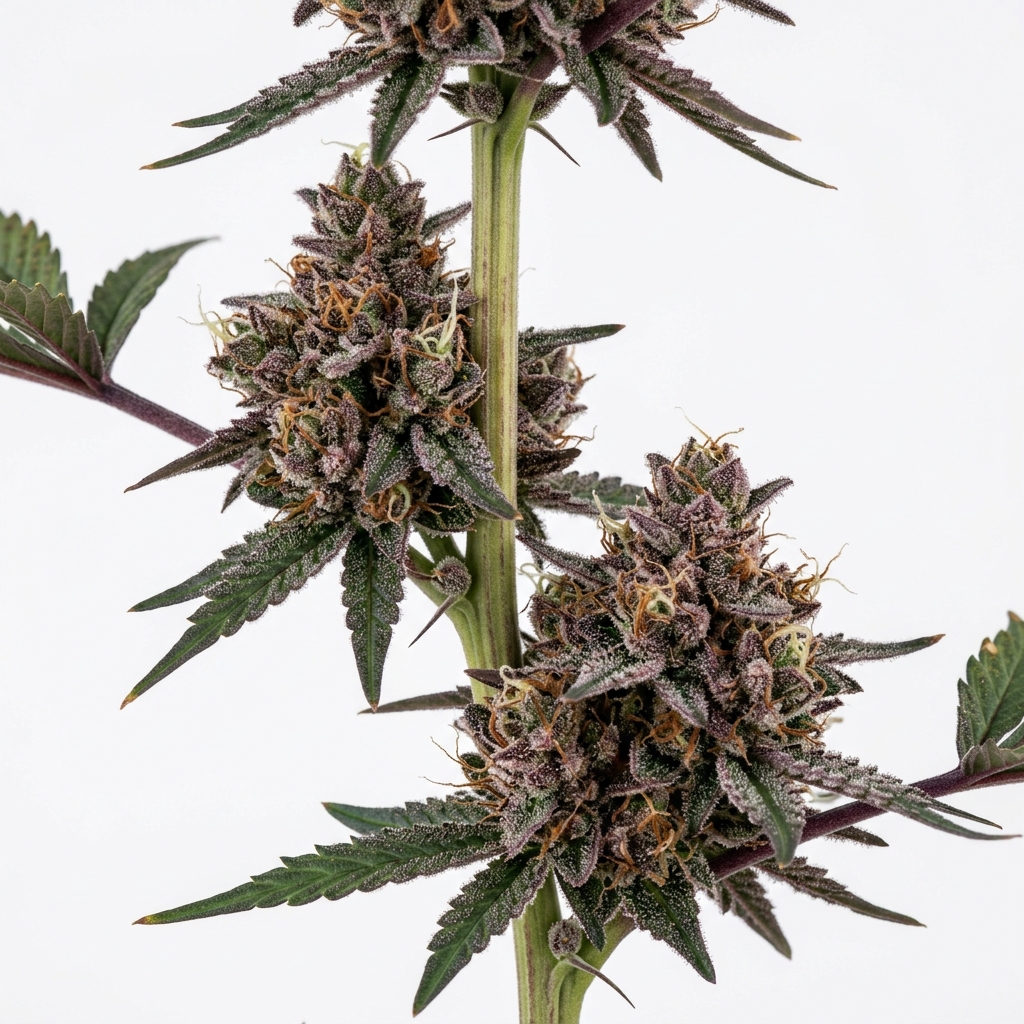
Pucker Up displays classic hybrid morphology with noticeable sativa vegetative vigor. Stems are moderately slender but fibrous, requiring trellising to support swelling late-flower colas. Internodal spacing remains medium, allowing adequate light penetration along lower flower sites when lateral growth is trained early.
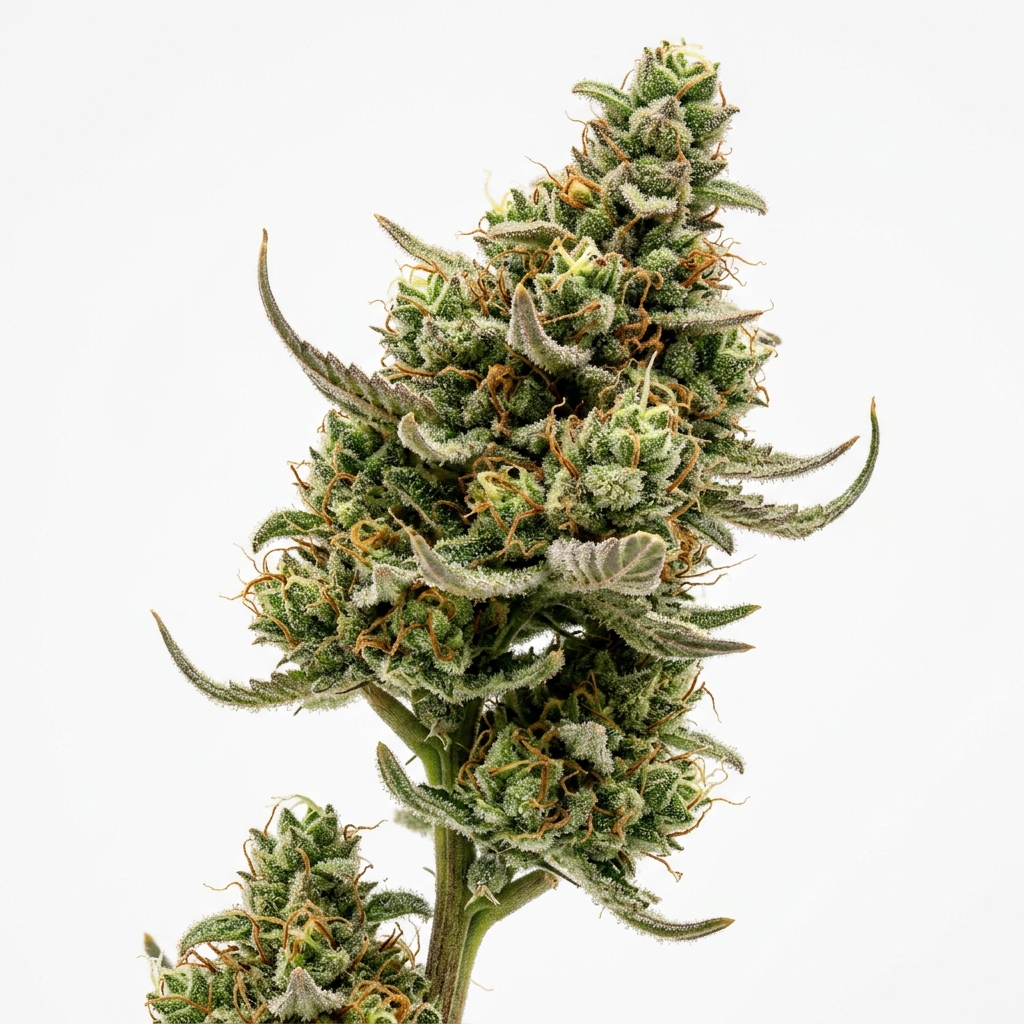
In mid-to-late bloom, bract structures swell substantially and stack into pointed, conical spears. Trichome head development is robust, featuring long stalks with fragile, bulbous heads that readily release greasy monoterpenes when touched. Fan foliage retains a lighter lime-green pigmentation, often showing subtle yellow-gold shifts during late flush.
The secondary metabolite profile centers heavily around sour monoterpenes. Capitate-stalked glandular trichomes coat the outer floral bracts and sugar leaves, generating a wet frost sheen that remains sticky throughout drying and curing.
Effects & Use-Cases (Reported)
Commonly reported effects: Consumers typically describe an immediate cerebral lift marked by clear mental focus, heightened sensory appreciation, and sustained mood elevation. The initial head-centered onset gradually settles into light physical ease without inducing heavy lethargy or couch-lock.
Use-case context: The cultivar is frequently selected for daytime creative projects, social gatherings, outdoor activities, or task-oriented work where mental clarity remains a priority. Many experienced consumers favor it as an afternoon reset.
Note: Individual subjective response varies based on dosage, tolerance, consumption method, and individual endocannabinoid system tone.
Aroma & Flavors
Aroma: The jar fragrance opens with an unmistakable blast of sour lemon candy, sharp citric acid, and crushed lime leaves. Breaking the dense buds reveals pungent undertones of sour diesel, damp pine, and a sharp skunky chemical bite.
Flavor: The inhale carries mouth-puckering lemon tartness and bitter citrus peel balanced by a light sweetness. The exhale shifts into lingering sour gas, earthy diesel, and subtle herbal spice on the palate.
Terpene associations: Analytical testing profiles typically show dominance in limonene, supported by beta-caryophyllene, myrcene, and terpinolene, which drive the mouth-puckering citrus and fuel bouquet.
Tested Cannabinoid & Terpene Ranges
| Compound | Tested Range (Dried Flower) |
|---|---|
| Δ9-THC / THCA | 20.0% – 25.0% |
| CBD / CBDA | < 0.5% (Trace) |
| CBG / CBGA | 0.4% – 1.2% |
| Total Terpenes | 1.8% – 3.2% |
| Primary Terpenes | Limonene, Beta-Caryophyllene, Myrcene, Terpinolene |
Range note: Cannabinoid and terpene content varies according to lighting intensity, cultivation medium, nutrient management, harvest timing, and post-harvest drying parameters.
Cultivation Notes
- Humidity management: Maintain relative humidity between 55% and 60% during early bloom, stepping down to 40% – 45% in late flowering to protect dense spear colas from botrytis.
- Nutrient requirements: Plants perform best with moderate nitrogen through vegetative growth and steady potassium and phosphorus feeds during weeks 4 through 7. Avoid excessive nitrogen late in flower to preserve clean citrus flavor.
- Canopy training: Responds well to early topping and screen-of-green (SCROG) trellising, which manages the moderate stretch and creates an even canopy of productive top sites.
- Defoliation: Conduct a thorough selective defoliation around day 21 and day 42 of flowering to improve air circulation and direct light penetration to lower bracts.
- Harvest window: Prime harvest typically falls between day 56 and day 63 when glandular trichome heads are predominantly milky white with 5% to 10% amber heads for optimal terpene clarity.
Grower Notes (Week-by-Week Snapshot)
- Weeks 1–3: Fast vegetative expansion with an approximate 1.5× to 2× vertical stretch after flip. Apply low-stress training and set initial trellising grids.
- Weeks 4–6: Rapid floral cluster formation and substantial resin gland development. The canopy begins emitting strong sour citrus and pungent diesel odors.
- Weeks 7–9: Bracts swell into dense spear shapes and stigmas turn deep orange-brown. Taper temperatures slightly to preserve volatile monoterpenes and monitor trichome maturity.
- Harvest & Cure: Dry whole plants at 60°F (15.5°C) and 60% relative humidity for 12 to 14 days. A slow cure of 3 to 4 weeks in airtight glass locks in the sharp lemon-gas bouquet.
Genetic Lineage
Pucker Up belongs to the modern lineage of high-terpene sour and citrus cultivars. While several regional seed lines carry the moniker, most documented variations combine sharp lemon heritage—such as Lemon G, Lemon Tree, or Sour Lemon—with a pungent fuel or Chem-derived parent. This pairing consistently passes down high limonene production, rapid calyx stacking, and vibrant green flower coloration.
The paternal influence introduces structural rigidity, resin gland density, and underlying diesel tones that ground the sharp citrus top notes. The resulting progeny shows steady hybrid vigor, dependable yields, and high consumer appeal across legal dried flower and extract markets.
Research Insights
Scientific literature on cannabis phytochemistry emphasizes the role of monoterpene and sesquiterpene ratios in shaping cultivar character. Limonene, commonly dominant in citrus-forward strains like Pucker Up, is widely researched in pharmacology for its rapid volatility and interaction with central nervous system pathways. Concurrently, beta-caryophyllene interacts directly with peripheral CB2 cannabinoid receptors.
While general botanical studies clarify the properties of individual terpenes and cannabinoids, specific therapeutic outcomes cannot be attributed to Pucker Up without dedicated, peer-reviewed clinical trials. Current observational data remains rooted in commercial testing registries and consumer field reports.
Frequently Asked Questions
Who is the original breeder of Pucker Up?
The original breeder is not consistently documented in verified public records. Multiple independent breeders and craft growers work with sour citrus and diesel genetics under the Pucker Up name.
Is Pucker Up an indica or sativa cultivar?
Pucker Up is a sativa-leaning hybrid. It shows upright growth characteristics and a reported sensory profile geared toward daytime clarity and focus.
What does Pucker Up smell and taste like?
It presents an intense aroma of sour lemon candy, tart citrus zest, and sharp diesel fuel. The flavor profile follows with mouth-puckering lemon peel, earthy pine, and an acrid gas exhale.
What is the flowering time for Pucker Up?
Under indoor controlled conditions, Pucker Up typically completes its flowering cycle in 8 to 9 weeks (56 to 63 days).
Educational Disclaimer
This content is for educational and informational purposes only. Cannabis laws and regulations vary by jurisdiction. Always consult with a qualified professional before beginning any cultivation project or consuming cannabis products.
Rate and review this strain
Ratings and reviews are accepted only from signed-in Google accounts.
Sign in with Google to leave a rating and written review.
Latest Reviews
0 reviewsNo reviews yet. Be the first Google user to rate and review this strain.
Follow New Cultivar Records
Get newly documented genetics, breeder history, research highlights, and important Strainpedia discoveries by email.