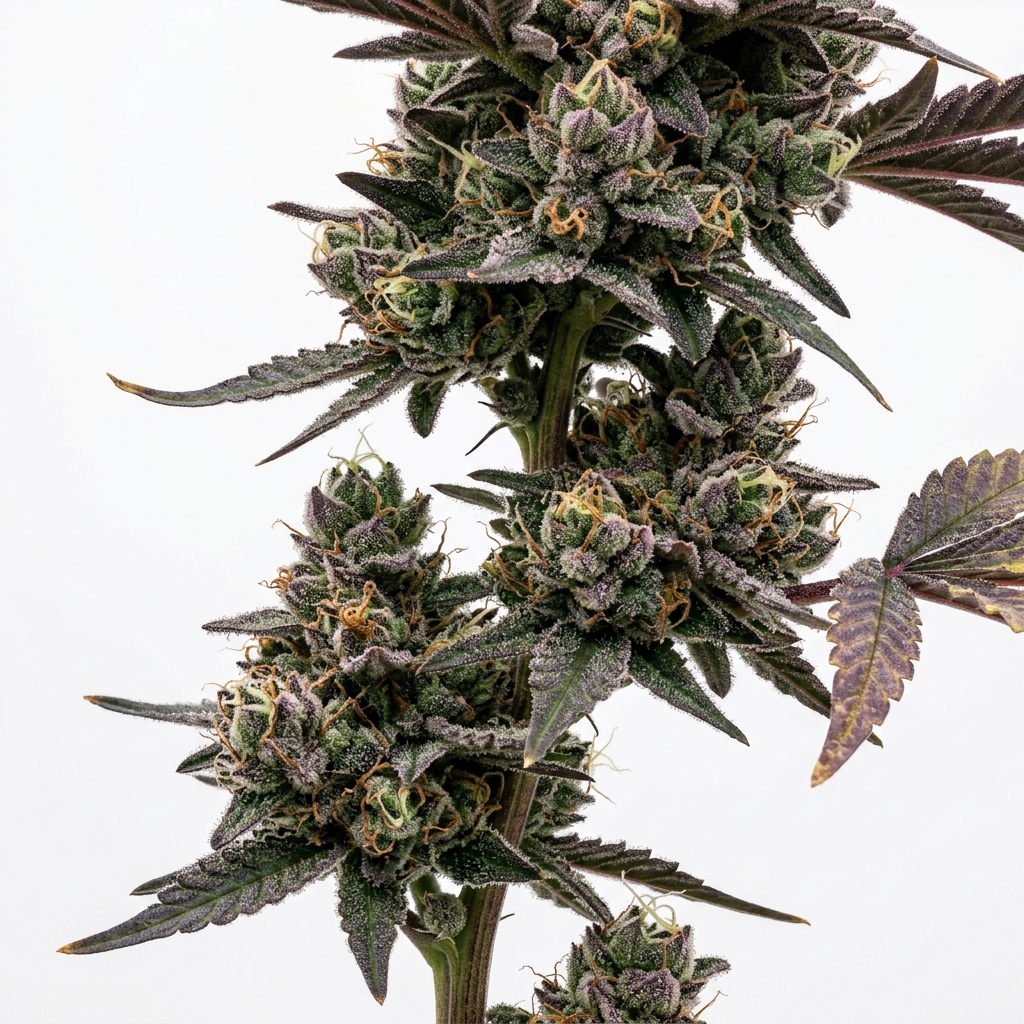
Gelatina (Cannabis Strain)
Gelatina is an indica-dominant hybrid typically testing between 20% and 26% THC, developed by crossing Gelato with Platinum stock. The original breeder is not consistently documented in reliable public sources, as several boutique outfits and regional breeders have worked similar dessert-forward pairings under this moniker. The cultivar is recognized for its dense bract structure, heavy trichome coverage, and a distinct terpene profile that merges sweet berry gelatin, vanilla dough, and a light fuel finish. Its resin density and solid flower structure have made it a favorite among home cultivators and solventless extractors seeking bag appeal and rich aromatic output.
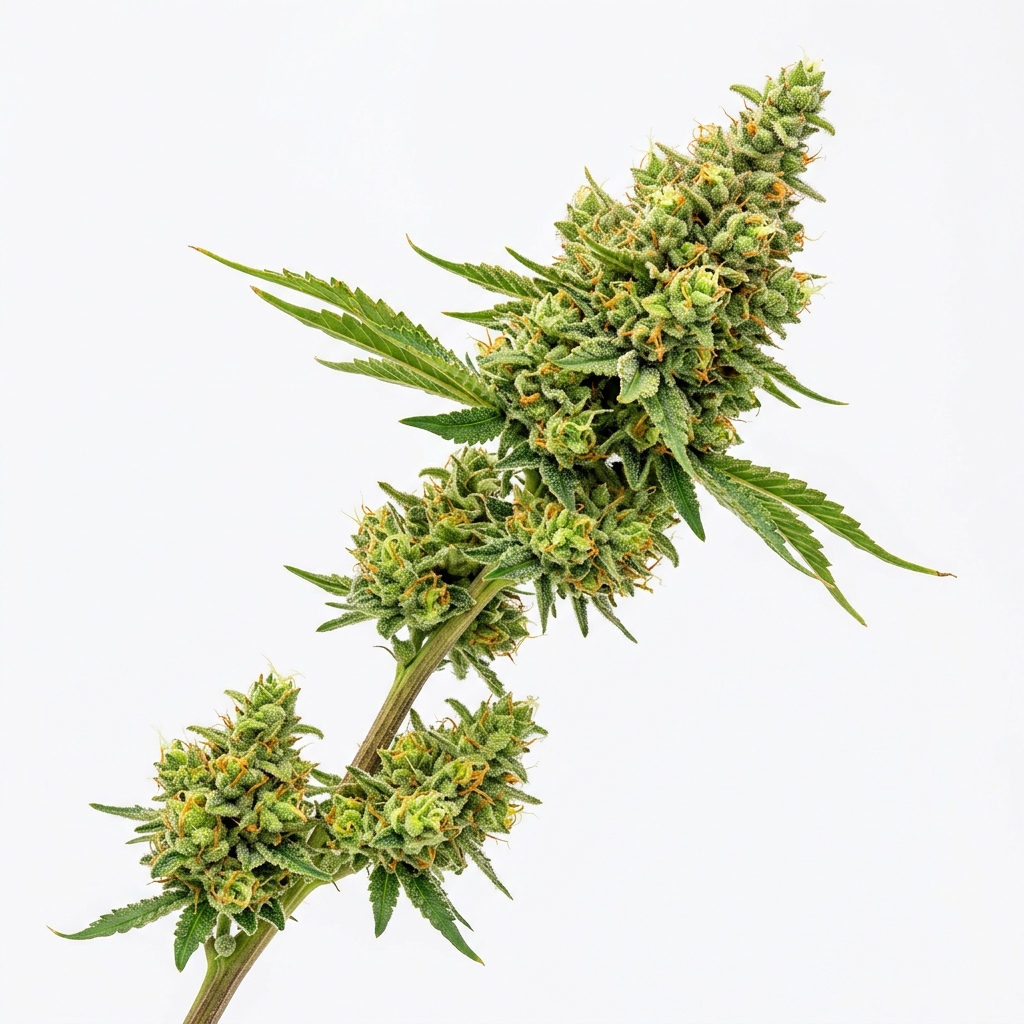
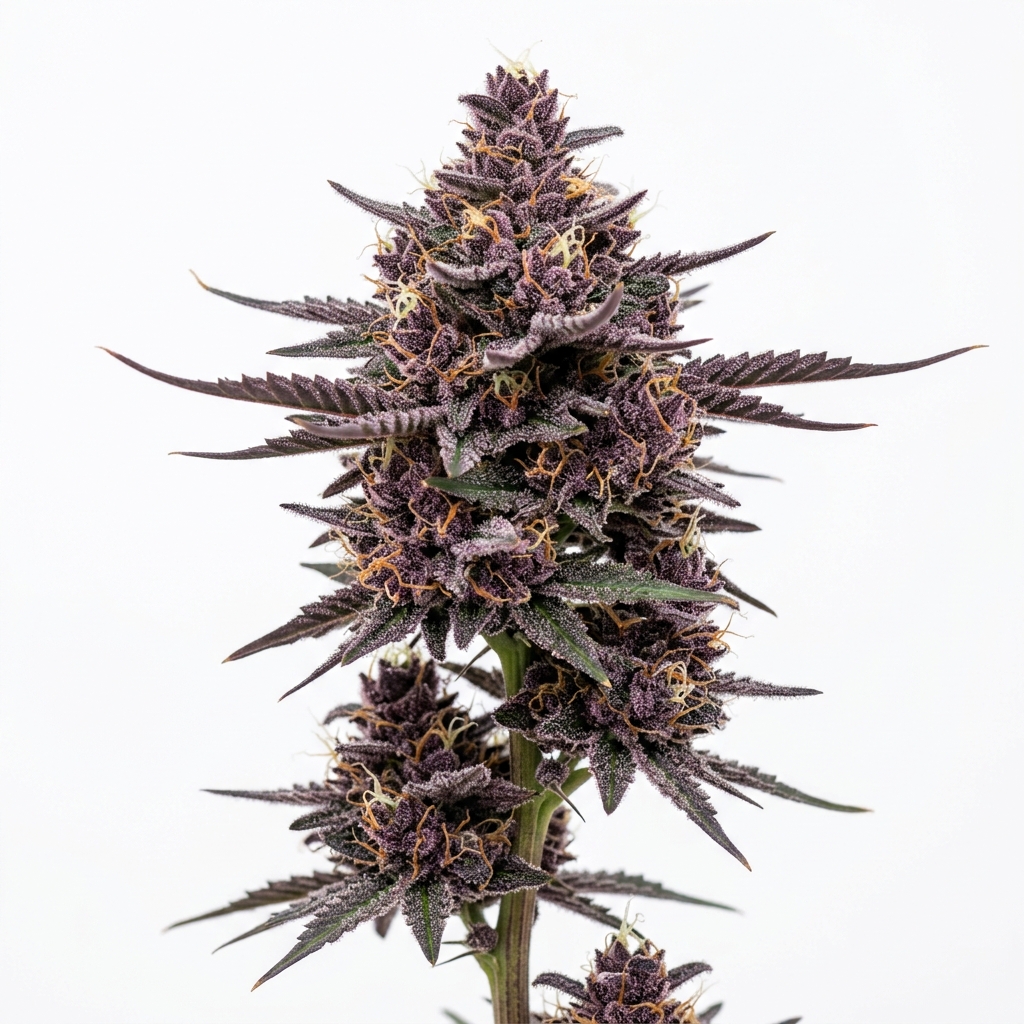
Plants display classic hybrid morphology with moderate internodal spacing, sturdy lateral branches, and broad fan leaves that often show deep purple shading in late flowering. The high resin density is inherited directly from the Platinum lineage, while Gelato contributes swollen calyxes and complex confectionery notes. In community reports, Gelatina is associated with deep physical relaxation and a calm, cerebral head space that develops steadily without immediate sedation.
Quick Facts
| Field | Details |
|---|---|
| Breeder | Not consistently documented |
| Genetics | Gelato × Platinum |
| Variety | Indica-dominant hybrid (approx. 60% Indica / 40% Sativa) |
| THC Range | 20% – 26% |
| Flowering Time | 8 – 9 weeks (56 – 63 days) |
| Yield Potential | Moderate to high (450 – 550 g/m² indoors) |
| Plant Height | Medium (90 – 140 cm) |
| Climate Preference | Temperate to warm Mediterranean climates |
| Difficulty | Moderate |
Scientific & Botanical Overview
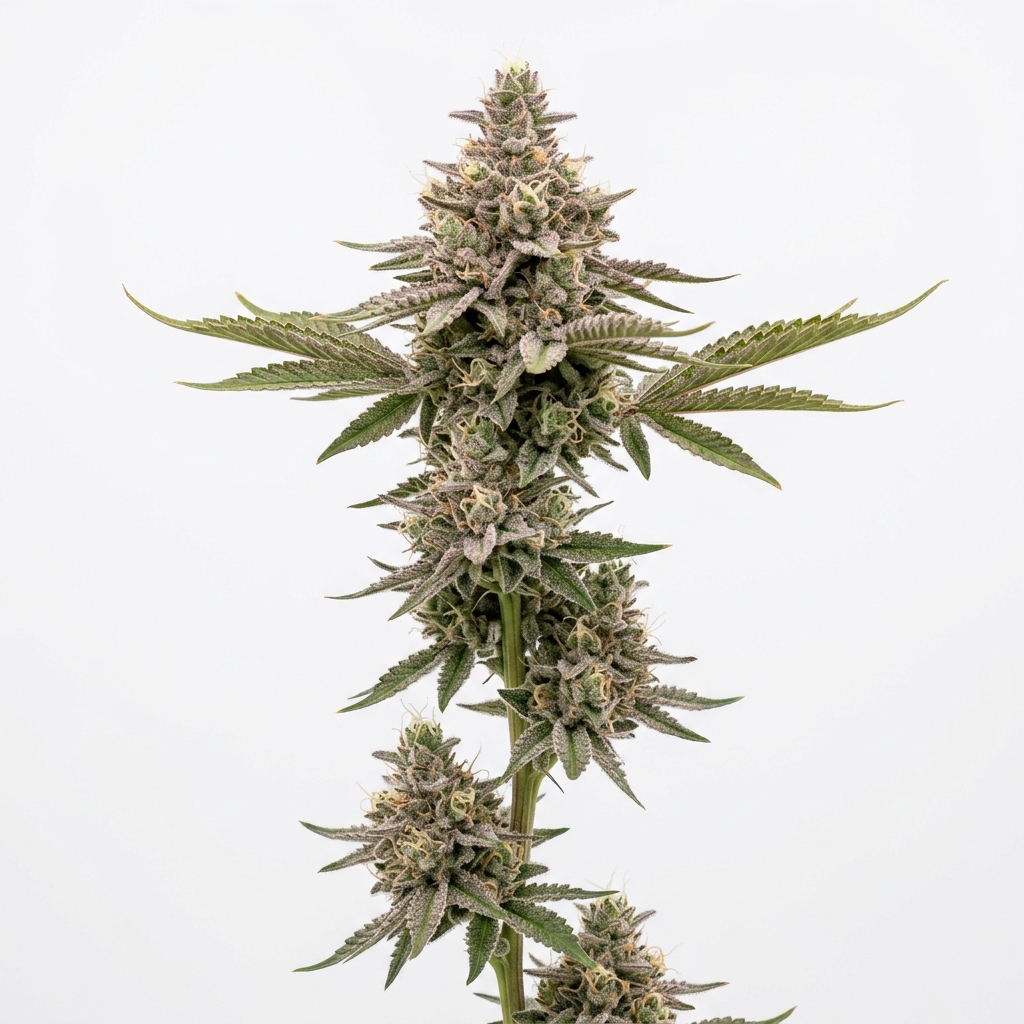
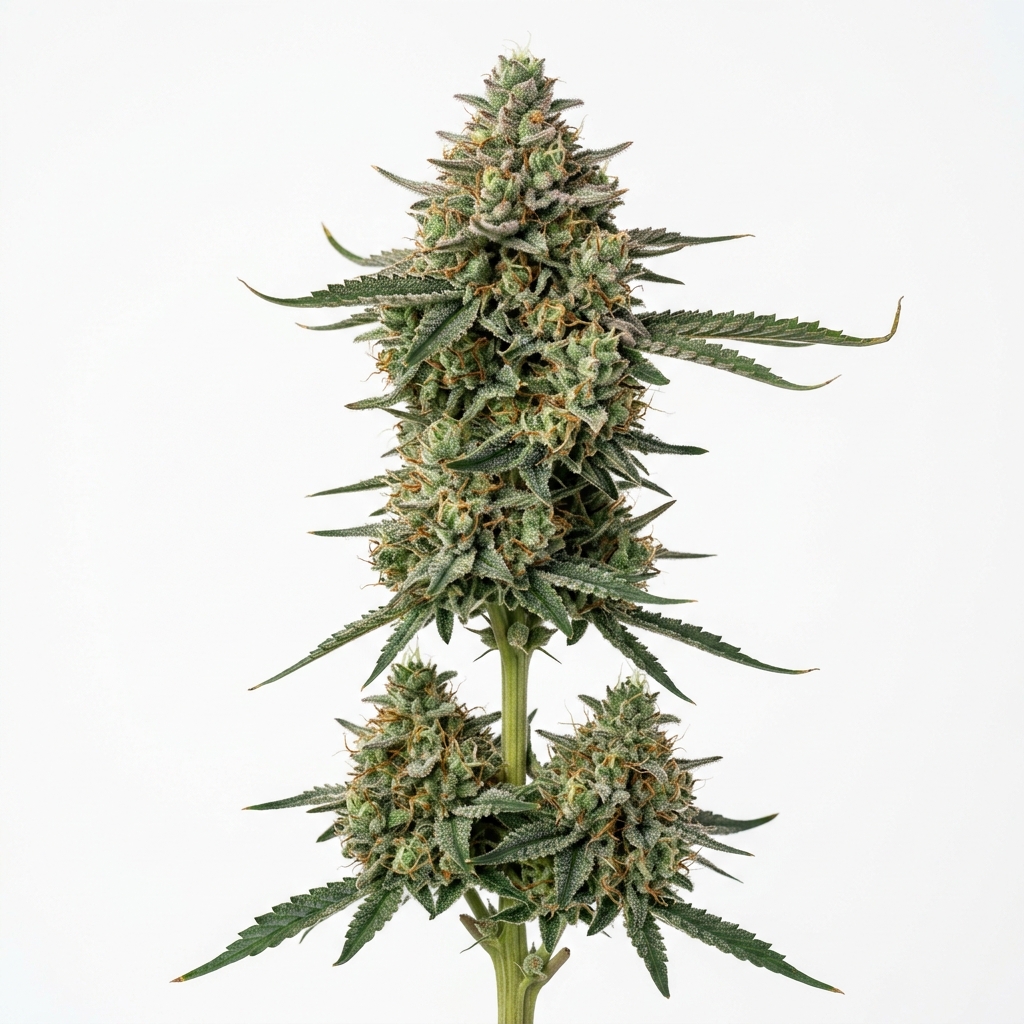
Gelatina forms compact, golf-ball-sized flower clusters that merge into dense spear colas along the primary stems. The bracts swell significantly in the final two weeks of bloom, creating a high calyx-to-leaf ratio that simplifies the post-harvest trim. Anthocyanin accumulation is common when night temperatures drop slightly, shifting fan leaves and outer bract surfaces to deep violet or charcoal tones beneath a layer of glandular trichomes.
The glandular resin head development is pronounced, featuring large, capitate-stalked trichomes that form a uniform crystalline coating over the flowers and sugar leaves. Stem stiffness is above average, providing solid structural support for flower mass, though late-stage trellising remains advisable. The root zone is vigorous and responds well to aerated soilless media and consistent fertigation schedules.
Vegetative growth shows tight internodal spacing and broad, dark green foliage that thins out slightly as the canopy matures. During the transition into bloom, vertical stretch is manageable at roughly 1.5×, allowing growers to maintain even canopy levels with simple low-stress training techniques. Internode air penetration is critical due to the sheer density of the finished buds.
Effects & Use-Cases (Reported)
Commonly reported effects: Consumers frequently note a warm, relaxing body feel accompanied by a clear, uplifted mental state. The initial sensation is typically centered around the temples and eyes before spreading down the spine into the limbs. As the session progresses, the mental energy settles into a quiet, calm baseline without overwhelming mental fog.
Use-case context: Gelatina is commonly selected for late afternoon or evening use when winding down from daily tasks. It fits well into quiet creative projects, casual socializing, or relaxing at home. Its balanced onset makes it versatile for consumers seeking physical comfort alongside manageable mental clarity.
Note: Individual responses to cannabis cultivars vary based on personal tolerance, setting, dosage, and flower chemistry.
Aroma & Flavors
Aroma: Breaking open a cured bud releases a wave of sweet fruit gelatin, candied berries, and creamy vanilla dough. Beneath the confectionary top notes lies a grounded base of damp earth, mild pine, and a sharp touch of peppery gas.
Flavor: The smoke or vapor translates the nose directly, delivering sweet berry syrup and creamy pastry on the inhale. The exhale leaves a lasting impression of tart fruit peel, earthy spice, and subtle floral diesel.
Terpene associations: The dominant aromatic profile is driven primarily by beta-caryophyllene, limonene, and myrcene, supported by minor concentrations of linalool and humulene that contribute to the floral and doughy undertones.
Tested Cannabinoid & Terpene Ranges
| Compound | Range / Status |
|---|---|
| Δ9-THC | 20% – 26% |
| CBD | < 1.0% |
| CBG | 0.5% – 1.5% |
| Total Terpenes | 1.8% – 3.2% |
| Primary Terpenes | Beta-Caryophyllene, Limonene, Myrcene, Linalool |
Range note: Cannabinoid and terpene levels in dried flower fluctuate depending on cultivation environment, lighting intensity, nutrient regimens, and curing practices.
Cultivation Notes
- Humidity management: Maintain relative humidity between 55% and 60% during early bloom, lowering to 40% to 45% during the final three weeks to prevent mold in the dense bract clusters.
- Nutrient requirements: Gelatina is a moderate feeder that requires steady calcium and magnesium support through mid-flower, with potassium bumped slightly during peak bulking.
- Canopy training: Topping early in vegetative growth promotes a multi-topped canopy, which pairs effectively with light SCROG netting to maximize light distribution to lower bud sites.
- Defoliation: Perform a targeted leaf strip around day 21 of flower to clear inner shade leaves and improve lower canopy airflow without over-stressing the plant.
- Harvest window: Inspect trichomes starting at day 56; the optimal harvest window typically opens between day 58 and 63 when trichome heads turn milky with 10% to 15% amber.
Grower Notes (Week-by-Week Snapshot)
- Weeks 1–3: Vegetative growth is compact with strong lateral shoots; plants establish stout root networks and respond well to gentle training.
- Weeks 4–6: The stretch completes with manageable height gains; calyx stacking begins rapidly as sticky resin heads appear along emerging bud clusters.
- Weeks 7–9: Bracts swell into dense, compact nuggets while trichomes mature from clear to cloudy; cooler night temperatures bring out violet hues on leaves and calyxes.
- Post-Harvest: Hang whole branches at 60°F (15°C) and 60% relative humidity for 12 to 14 days to preserve delicate monoterpenes before slow jar curing.
Genetic Lineage
Gelatina combines two modern resin-heavy powerhouses: Gelato and Platinum. Gelato (Sunset Sherbet × Thin Mint GSC) provides the foundational dessert profile, lending sweet berry pastry aromas and compact bud morphology. Its influence ensures rounded, resinous calyxes with rich anthocyanin expression.
The Platinum parentage (typically linked to Platinum OG or Platinum Cookies) reinforces flower density, accelerates trichome development, and adds a peppery, fuel-tinged background to the terpene profile. This pairing preserves the confectionary character of the Cookies lineage while bolstering resin yield and structural resilience.
Research Insights
Cannabis research highlights the prevalence of beta-caryophyllene and myrcene across modern dessert-leaning hybrid cultivars. Beta-caryophyllene is noted in botanical literature for its ability to bind selectively to CB2 cannabinoid receptors, while myrcene is frequently studied for its role in modulating the permeability of biological membranes to aromatic compounds.
While pharmacological studies examine how isolated terpenes and cannabinoids interact in controlled environments, these findings represent broader botanical observations. Controlled clinical trials specific to the Gelatina cultivar have not been conducted, and observed effects remain tied to whole-plant chemistry, dosage, and user physiology.
Frequently Asked Questions
Who is the original breeder of Gelatina?
The original breeder of Gelatina is not consistently documented across public seed archives, as various regional breeders and boutique nurseries have released selections using this Gelato and Platinum pairing.
Is Gelatina an indica or sativa?
Gelatina is an indica-dominant hybrid, generally showing an approximate 60% indica to 40% sativa balance in growth structure and reported effects.
What does Gelatina smell and taste like?
The cultivar smells of sweet berry gelatin, vanilla dough, and light diesel. Its flavor profile delivers candied fruit, creamy pastry, and a hint of peppery earth on the finish.
How long does Gelatina take to flower?
Gelatina typically finishes flowering indoors in 8 to 9 weeks (56 to 63 days) under a standard 12/12 photoperiod.
Educational Disclaimer
This content is for educational and informational purposes only. Cannabis laws and regulations vary by jurisdiction. Always consult with a qualified professional before beginning any cultivation project or consuming cannabis products.
Rate and review this strain
Ratings and reviews are accepted only from signed-in Google accounts.
Sign in with Google to leave a rating and written review.
Latest Reviews
0 reviewsNo reviews yet. Be the first Google user to rate and review this strain.
Follow New Cultivar Records
Get newly documented genetics, breeder history, research highlights, and important Strainpedia discoveries by email.