Mike Tyson Toad (Cannabis Strain)
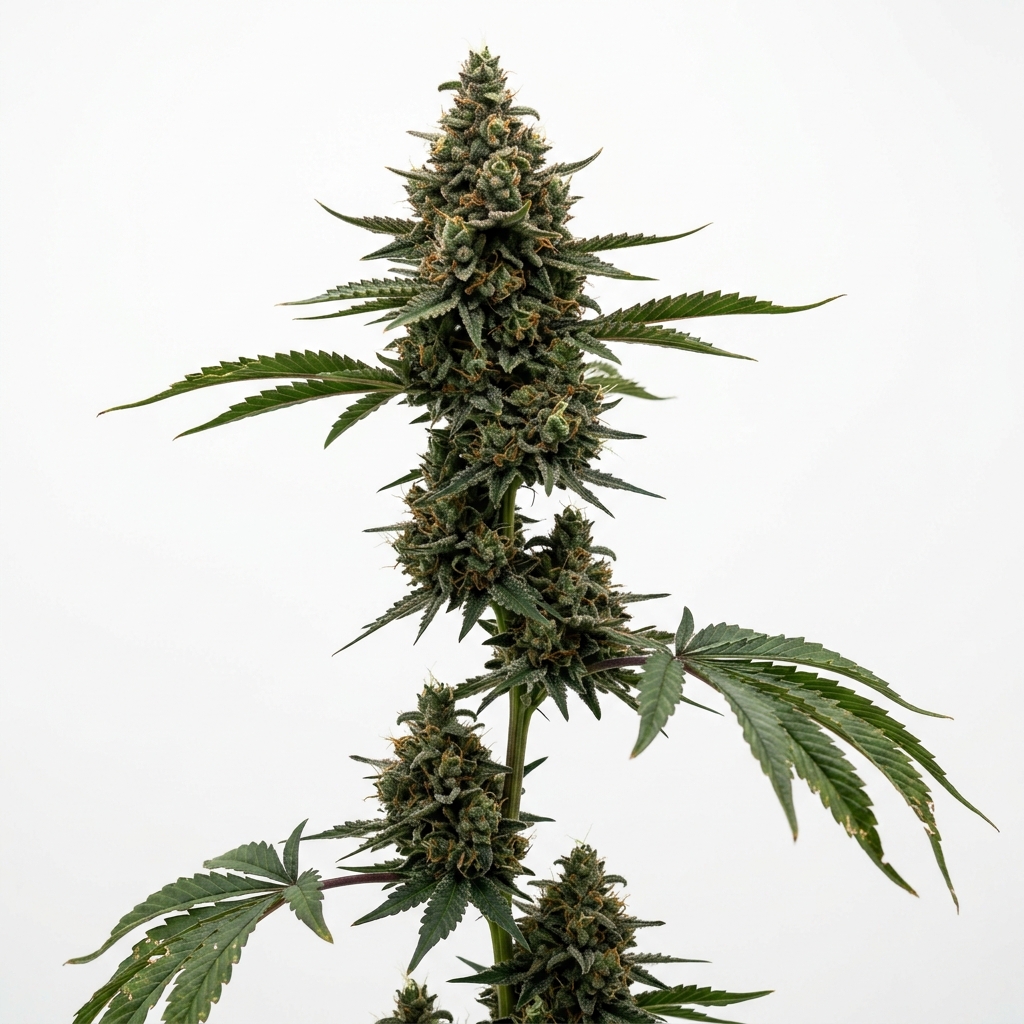
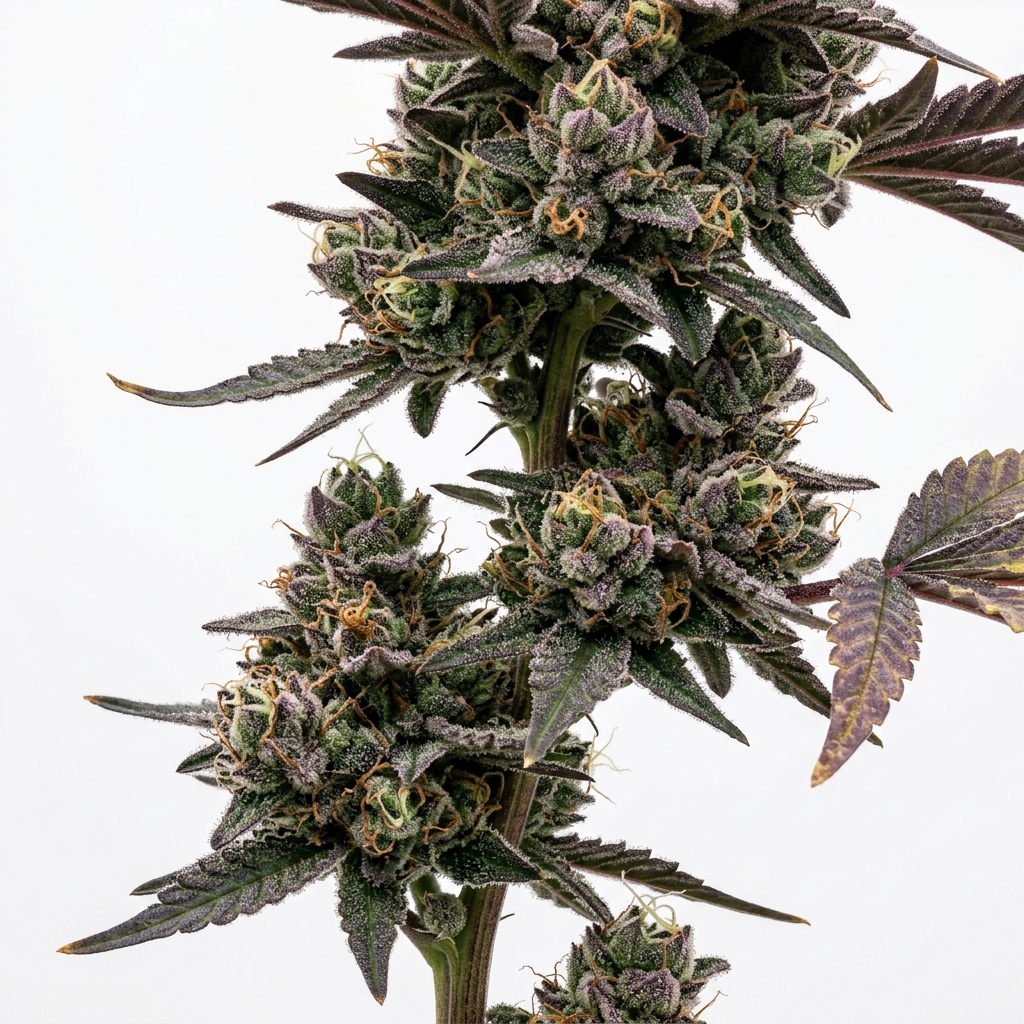
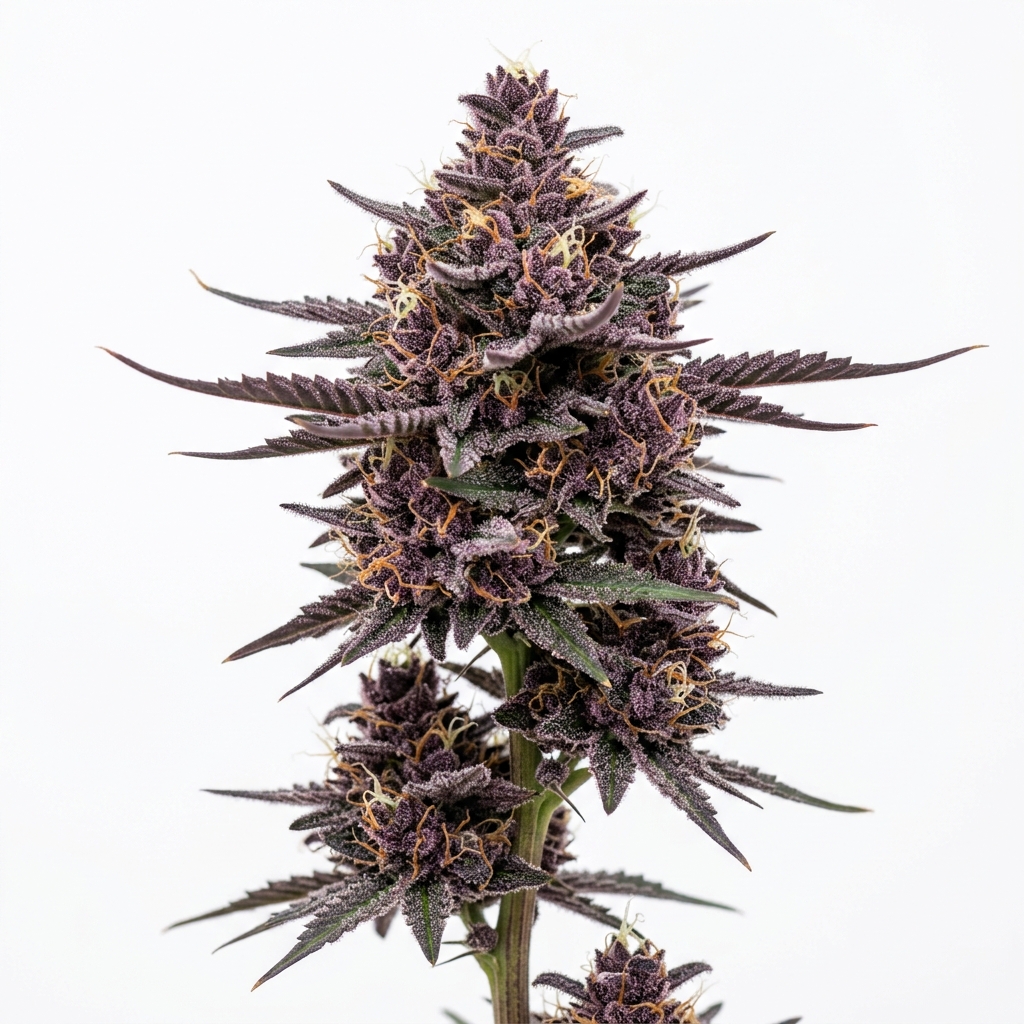
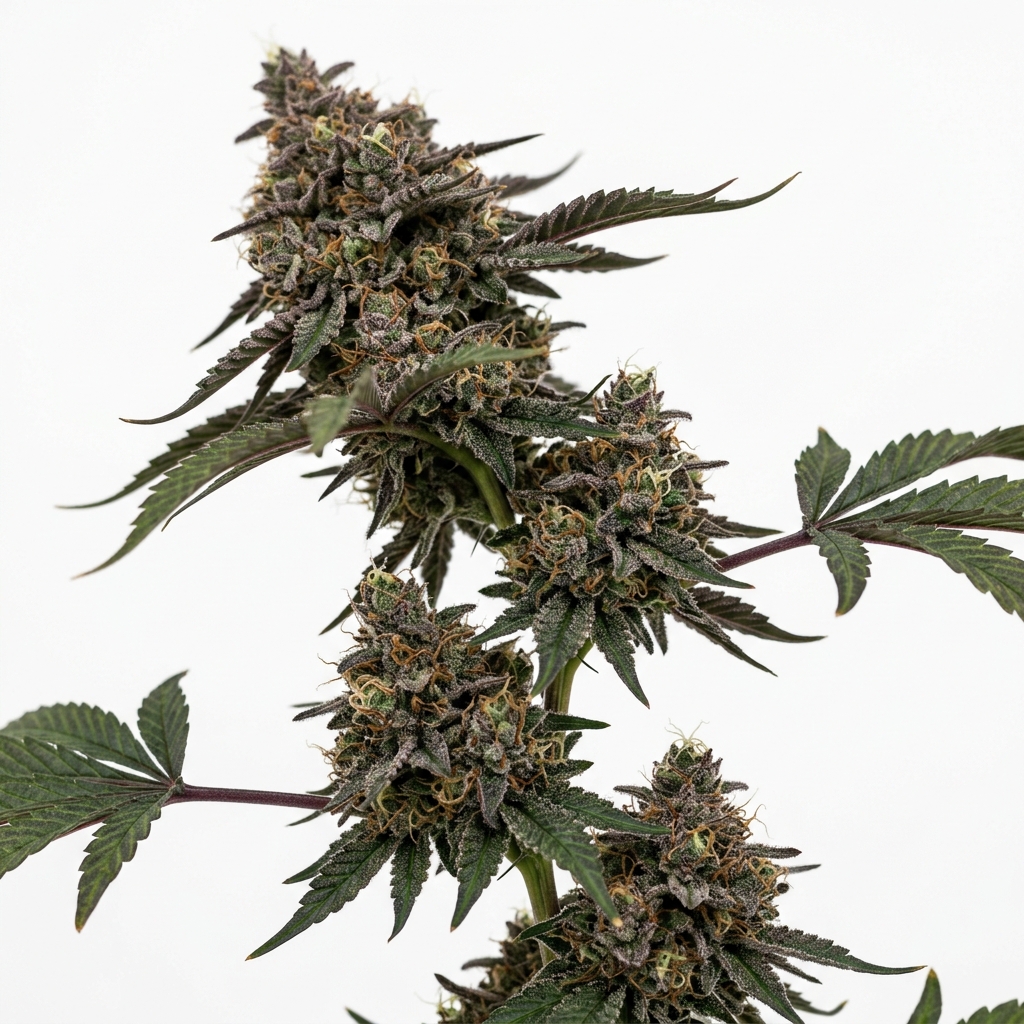
Mike Tyson Toad (commonly known as The Toad) is an indica-dominant cultivar developed under the Tyson 2.0 brand, crossing Chemdawg 09 with Girl Scout Cookies (GSC). Positioned as a flagship heavyweight in modern craft selections, dry flower potency typically tests between 25% and 32% THC. The cultivar is recognized for its dense, dark green and deep purple bracts, thick wet frost coverage, and an unmistakably sharp profile defined by pungent chemical fuel, damp earth, and a subtle doughy sweetness.
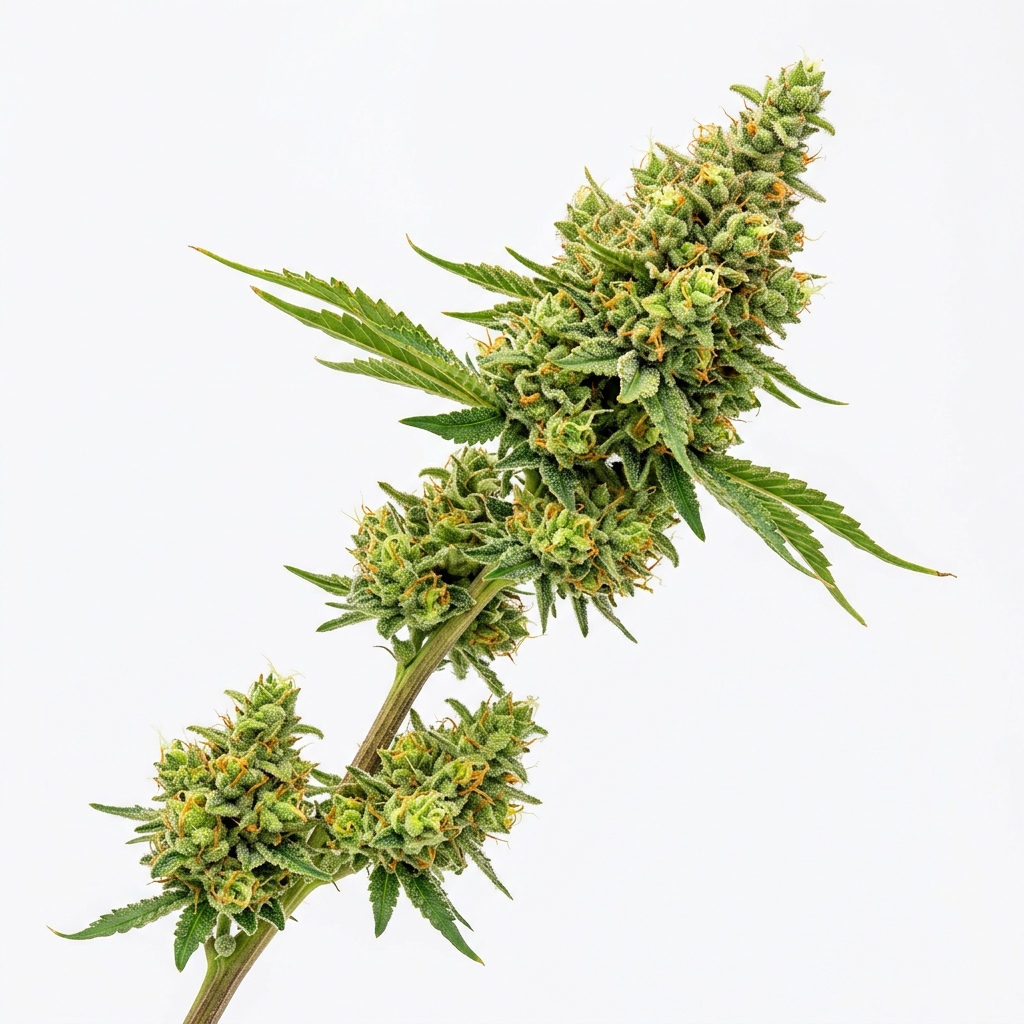
The morphology strongly mirrors its parentage, displaying the compact bud density of GSC alongside the raw resin output and aggressive lateral branching of Chemdawg. In the grow room, it establishes stout stalks, broad fan leaves, and spear-shaped colas that swell significantly in late flower. Consumer reports commonly note heavy physical sedation and a calm, quiet mental state, making the strain best suited for late-evening use.
Quick Facts
| Field | Detail |
|---|---|
| Breeder | Tyson 2.0 / Tyson Ranch |
| Genetics | Chemdawg 09 × Girl Scout Cookies |
| Variety | Indica-dominant hybrid |
| THC Range | 25% – 32% |
| Flowering Time | 8 – 9 weeks (56 – 63 days) |
| Yield Potential | Moderate to High (450 – 550 g/m² indoors) |
| Plant Height | Medium (controlled stretch) |
| Climate Preference | Temperate to warm Mediterranean; controlled indoor |
| Difficulty | Moderate |
Scientific & Botanical Overview
Mike Tyson Toad develops a sturdy vegetative frame with thick main stems and short internodal spacing. The foliage displays broad, dark green fan leaves that often show anthocyanin pigmentation along leaf stems and margins as nighttime temperatures decrease. Foliage thickness requires thoughtful canopy spacing to ensure light reaches lower bud sites.
During the generative phase, floral clusters form dense, compact calyx clusters along every branch terminal. Capitate-stalked glandular trichomes coat the exterior bracts and small sugar leaves with a greasy, resinous layer that extends deep into the bud core. The resin heads remain sticky and oily rather than brittle, signaling high terpene retention.
The cured flowers dry down into rock-hard, golf-ball-sized nuggets highlighted by coppery orange pistils. When grown under dialed LED lighting and lower humidity, purple undertones often break through the dark forest-green bracts, providing sharp visual contrast against the pale trichome heads.
Effects & Use-Cases (Reported)
Commonly reported effects: The onset usually begins with a weighted, heavy sensation behind the eyes, followed by deep physical relaxation across the shoulders and limbs. Consumers frequently report noticeable muscle easing, a slowing down of active thoughts, and a strong sense of couchlock at higher doses.
Use-case context: Given the heavy physical load and pronounced sedative qualities, this cultivar is overwhelmingly favored as an end-of-day selection. It fits post-workout wind-downs, late-night movies, or quiet nights when restful sleep is the primary goal.
Note: Subjective outcomes vary significantly based on user tolerance, consumption method, and individual endocannabinoid response. The high cannabinoid concentration suggests conservative dosing for novice consumers.
Aroma & Flavors
Aroma: Breaking a cured flower releases a blast of sharp diesel, skunk, and industrial chemical funk inherited from Chemdawg. Secondary notes include damp forest floor, dark spice, and a faint sweet pastry undertone that becomes more obvious as the ground material sits.
Flavor: The smoke is thick and palate-coating, leading with acrid gas, pine resin, and cracked pepper. On the exhale, the earthy kush base softens into a muted toasted cookie sweetness with a lingering fuel finish.
Terpene associations: Third-party testing frequently identifies beta-caryophyllene, myrcene, and limonene as the dominant volatile compounds, with supporting contributions from humulene and linalool.
Tested Cannabinoid & Terpene Ranges
| Compound | Type | Observed Range (Flower) |
|---|---|---|
| Δ9-THC / THCA (Total THC) | Cannabinoid | 25.0% – 32.0% |
| CBD / CBDA (Total CBD) | Cannabinoid | < 0.2% |
| CBG / CBGA (Total CBG) | Cannabinoid | 0.5% – 1.4% |
| beta-Caryophyllene | Terpene | 0.6% – 1.2% |
| Myrcene | Terpene | 0.4% – 0.9% |
| Limonene | Terpene | 0.3% – 0.7% |
Range note: Values represent dried, uninfused flower samples tested across commercial cultivation environments. Exact cannabinoid and terpene levels fluctuate depending on specific phenotype, lighting type, environmental stability, and post-harvest drying conditions.
Cultivation Notes
- Humidity management: Maintain relative humidity between 55% and 60% during early bloom, stepping down to 40% to 45% in late flower. The extreme density of these colas makes them susceptible to internal moisture buildup if airflow is insufficient.
- Nutrient requirements: This plant handles moderate to heavy feeding during mid-flower, showing healthy calyx swelling with adequate potassium and phosphorus. Reduce nitrogen early into flower to avoid leaf clawing and leaf-heavy flowers.
- Canopy training: Responds very well to topping at the fourth or fifth node followed by low-stress training (LST) or a single-layer trellis. Spreading the branches outward exposes the lower sites and creates a level canopy of uniform colas.
- Defoliation: Conduct a moderate leaf-strip around Day 21 and a light clean-up around Day 42 of flowering. Removing interior fan leaves improves direct light penetration and keeps horizontal air moving through dense cluster zones.
- Harvest window: Optimal trichome development typically occurs between day 56 and day 63 indoors. Harvesting when trichomes are roughly 10% to 15% amber brings out the heaviest sedative qualities without compromising the fuel aroma.
Grower Notes (Week-by-Week Snapshot)
- Weeks 1–3 (Vegetative & Stretch): Plants establish thick stems quickly with minimal vertical runaway. Stretch is modest at roughly 1.5x, making canopy management straightforward under indoor trellising.
- Weeks 4–6 (Bud Set & Calyx Formation): Internodes fill out rapidly into distinct bud sites. Early trichome coverage appears on calyxes and sugar leaves, accompanied by a sharp chemical gas smell in the room.
- Weeks 7–9 (Ripening & Swell): Colas harden significantly while pistils darken to deep copper. Dropping night temperatures during these final weeks can encourage deep purple streaks in the bracts.
- Post-Harvest (Dry & Cure): A slow 10 to 14-day hang dry at 60°F (15.5°C) and 60% relative humidity preserves the volatile monoterpenes and prevents the diesel notes from degrading into flat hay aromas.
Genetic Lineage
The genetic background of Mike Tyson Toad unites two of the most influential building blocks in contemporary American breeding. On one side, Chemdawg 09 supplies relentless chemical gas, pungent fuel notes, and high resin density. This lineage is known for its intense potency and unmistakable raw skunk characteristics that dominate the room during late bloom.
On the other side, Girl Scout Cookies adds bud density, a tight calyx structure, and subtle sweet dough undertones. This cross creates an indica-dominant plant that tempers the lanky growth habit of pure Chem with the sturdier, compact framework of GSC, resulting in a balanced, heavy-hitting flower.
Research Insights
Scientific literature on dominant cannabis terpenes indicates that beta-caryophyllene interacts directly with CB2 receptors as a dietary cannabinoid, potentially influencing inflammatory and physical comfort signaling. Combined with myrcene—frequently studied for its sedative and muscle-relaxing tendencies in animal models—these volatile aromatic compounds form the biochemical foundation of heavy evening cultivars.
While broad botanical research provides useful context regarding the mechanisms of specific terpenes and cannabinoids, published data on Mike Tyson Toad specifically remains limited to analytical testing panels. Individual responses are driven by the overall chemical profile working in concert with the consumer’s unique physiology rather than single isolated compounds.
Frequently Asked Questions
Who bred Mike Tyson Toad?
The strain was developed and released as the premier flagship cultivar under the Tyson 2.0 brand (originally Tyson Ranch), curated specifically for heavy potency and high terpene density.
Is Mike Tyson Toad an indica or sativa?
It is an indica-dominant hybrid cultivar, showing classic indica growth traits such as short internodes, broad leaves, and deeply relaxing physical effects.
What does Mike Tyson Toad smell and taste like?
The aroma is dominated by acrid diesel fuel, chemical funk, and earthy pine, while the flavor balances heavy gas and cracked pepper with a subtle sweet dough finish.
What is the flowering time for Mike Tyson Toad?
Indoors, the strain flowers in approximately 8 to 9 weeks (56 to 63 days) before trichomes reach optimal peak ripeness.
Educational Disclaimer
This content is for educational and informational purposes only. Cannabis laws and regulations vary by jurisdiction. Always consult with a qualified professional before beginning any cultivation project or consuming cannabis products.
Rate and review this strain
Ratings and reviews are accepted only from signed-in Google accounts.
Sign in with Google to leave a rating and written review.
Latest Reviews
0 reviewsNo reviews yet. Be the first Google user to rate and review this strain.
Follow New Cultivar Records
Get newly documented genetics, breeder history, research highlights, and important Strainpedia discoveries by email.