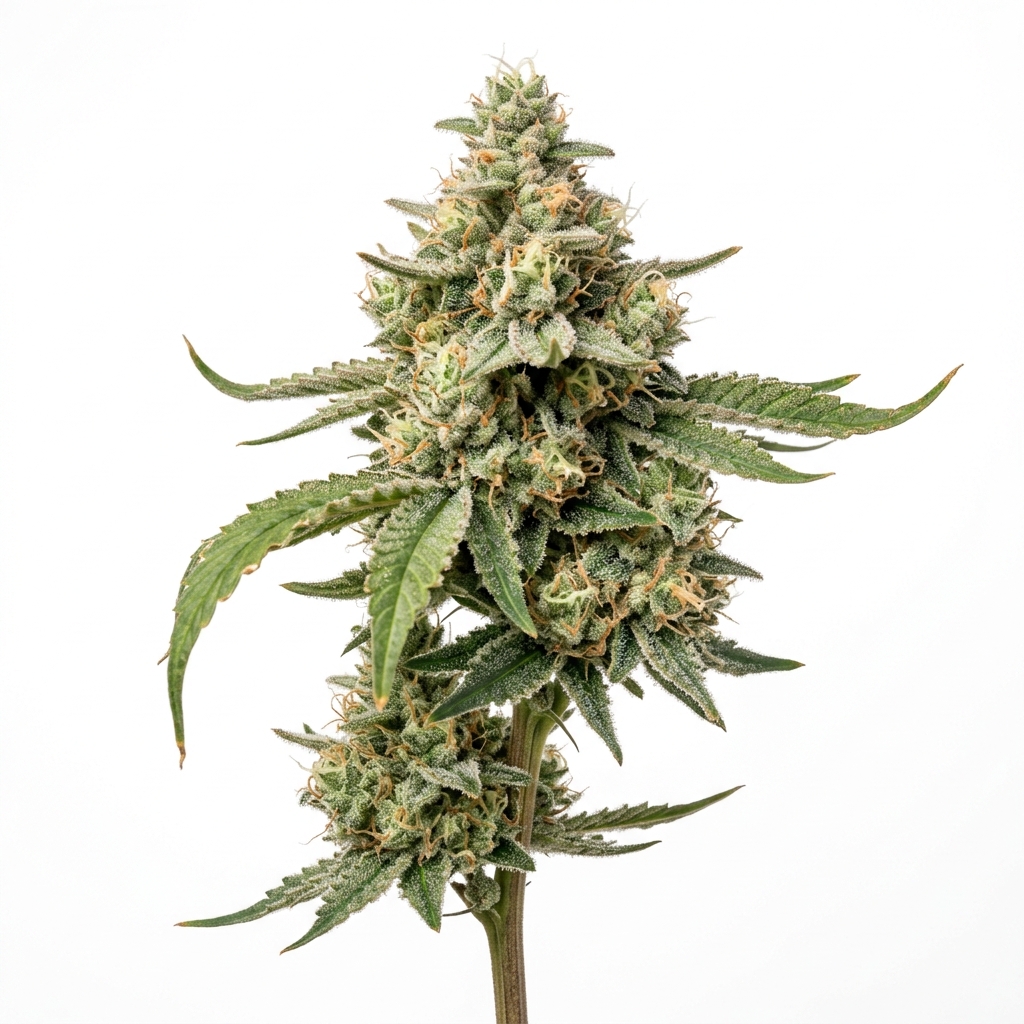
White Peaches (Cannabis Strain)
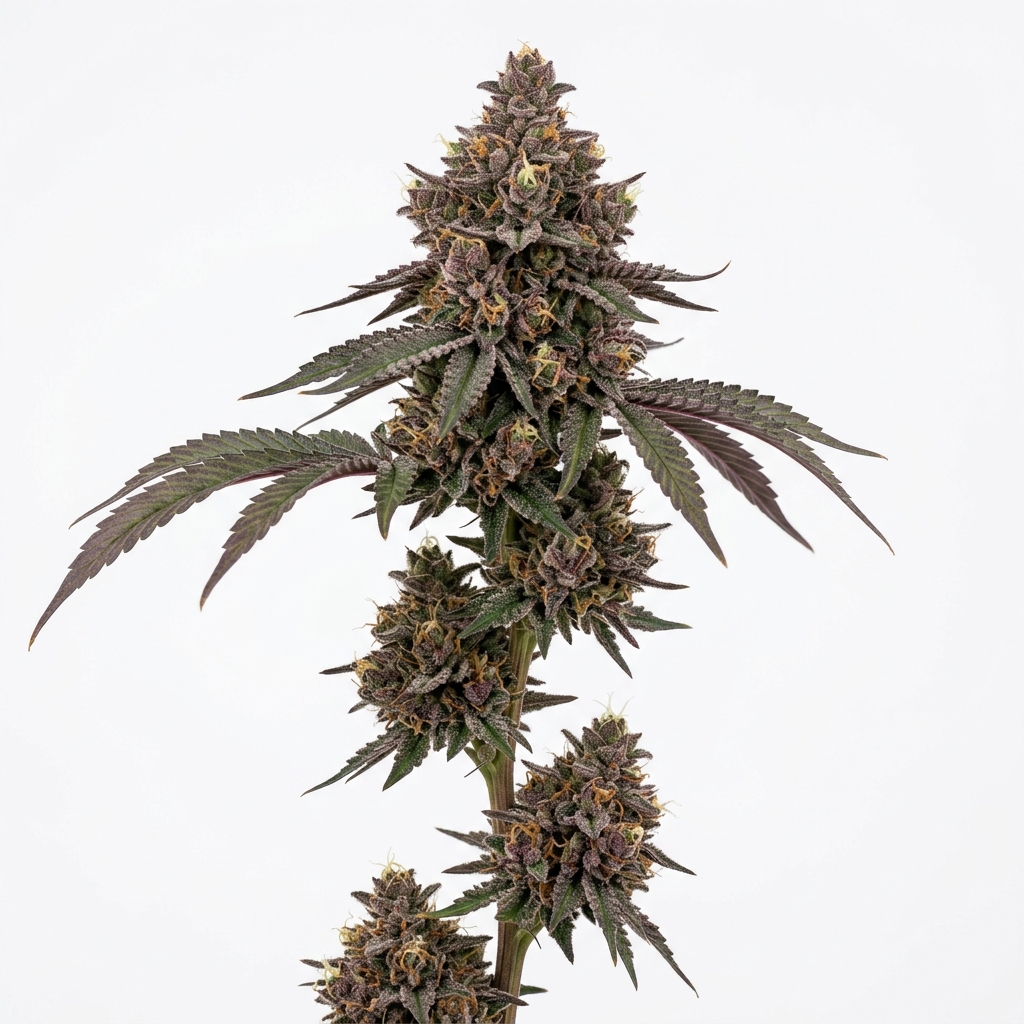
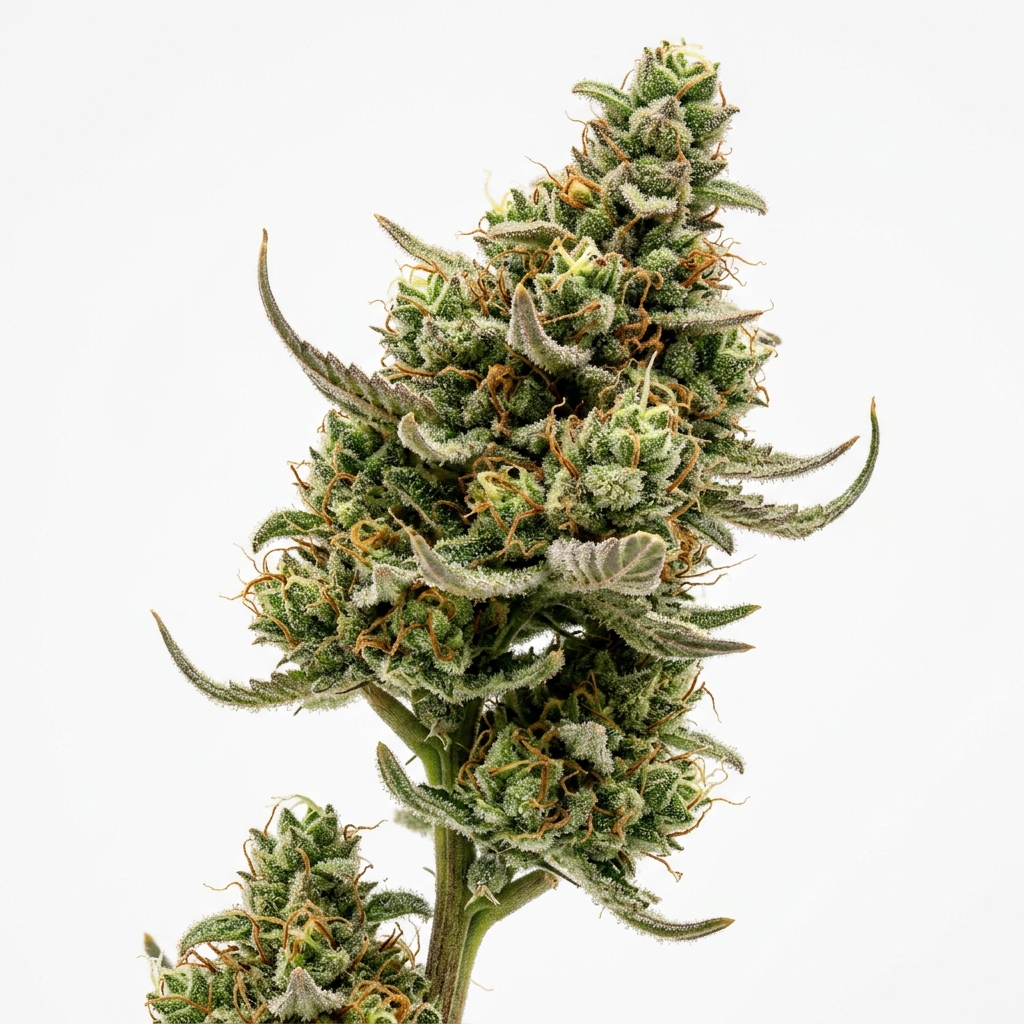
White Peaches is a balanced hybrid cultivar testing between 19% and 25% THC, recognized for its ripe stone-fruit bouquet, dense trichome coverage, and disciplined canopy structure. The original breeder is not consistently documented across legacy records, though boutique West Coast growers popularized the cut as fruit-forward terpene profiles gained market prominence. The finished flowers develop pale green bracts coated in heavy frost, releasing a distinct blend of sweet peach flesh, light cream, and a quiet herbal undertone.
Cultivar history commonly traces the lineage to a pairing of White Widow and Peaches and Cream, combining old-school resin density with modern dessert sweetness. In the grow room, the plant displays sturdy lateral branching, moderate stretch, and dependable calyx swelling through late flower. Consumers typically report an initial wave of mental focus that settles into a calm, grounding body ease suitable for late afternoon or evening hours.
Quick Facts
| Field | Details |
|---|---|
| Breeder | Not consistently documented |
| Genetics | White Widow × Peaches and Cream |
| Variety | Hybrid |
| THC Range | 19% – 25% |
| Flowering Time | 8 – 9 weeks (56 – 63 days) |
| Yield Potential | Moderate to High (450 – 525 g/m²) |
| Plant Height | Medium (100 – 140 cm) |
| Climate Preference | Temperate to warm, low-humidity late flower |
| Difficulty | Moderate |
Scientific & Botanical Overview
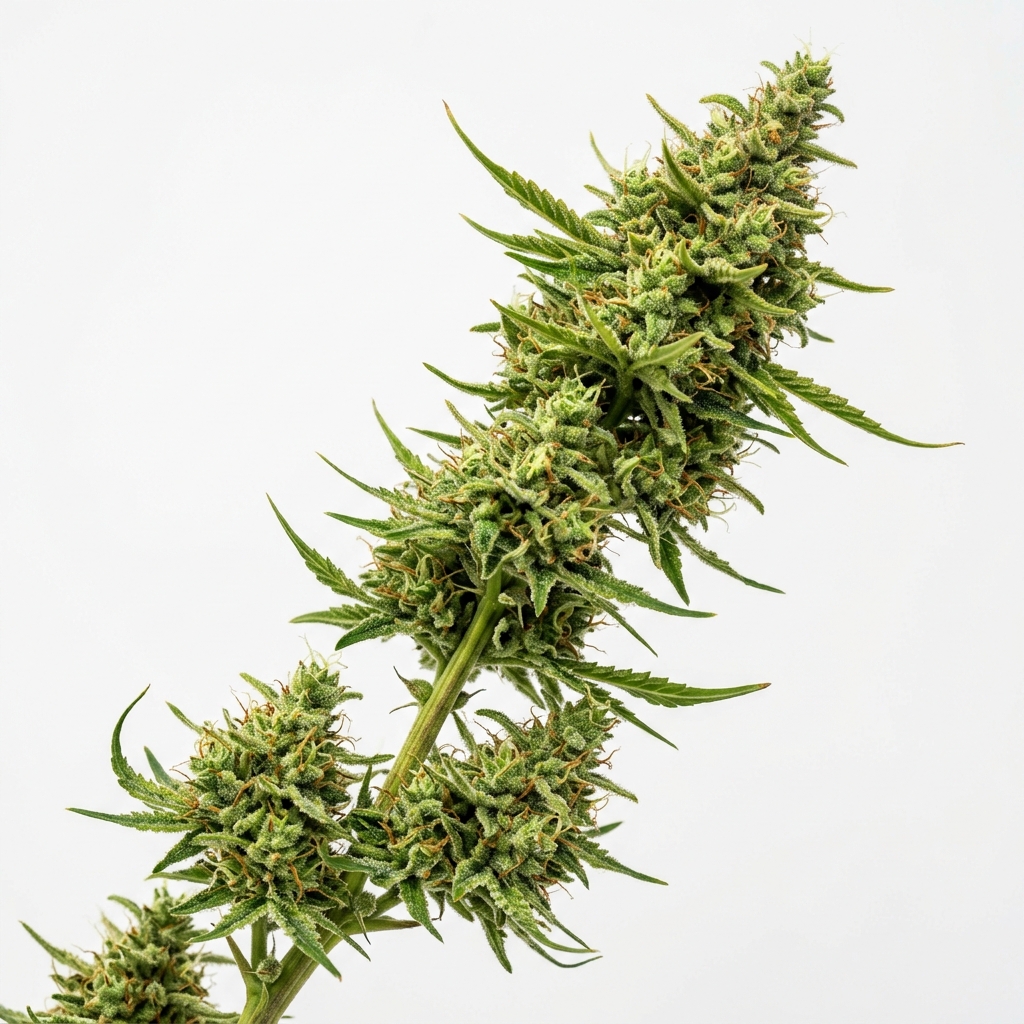
White Peaches forms clustered, spade-shaped colas with pronounced bract stacking inherited from its resinous ancestry. The sugar leaves and calyx surfaces develop a thick blanket of capitate-stalked glandular trichomes that remain pale and glassy until late maturation. Pistils stay relatively short, transitioning from soft peach tones to deeper amber-orange as the plant finishes.
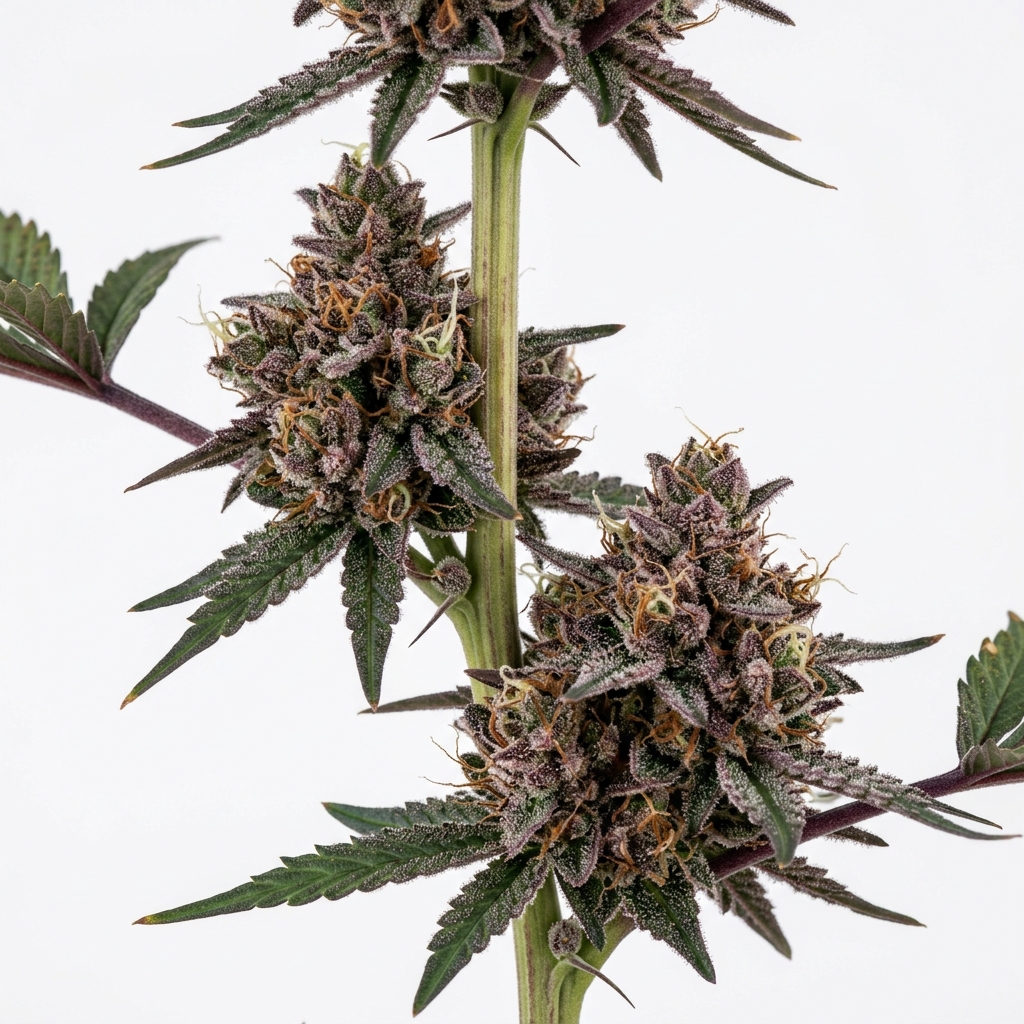
Vegetative growth is characterized by thick central stems and broad fan leaves that reflect a hybrid structure. Internodal spacing remains tight to moderate, requiring intentional airflow management once floral clusters begin packing together. The cultivar shows solid structural integrity and rarely requires heavy external trellising if properly topped in early stages.
The secondary metabolite profile centers on high concentrations of myrcene and limonene, supported by caryophyllene and trace floral terpenes. This chemical distribution creates the characteristic stone-fruit top note alongside a warm, grounding finish. Total active terpene content typically concentrates heavily when canopy temperatures are kept below 25°C in the final two weeks.
Effects & Use-Cases (Reported)
Commonly reported effects: The experience usually opens with a light, clear-headed euphoria that sharpens sensory appreciation without inducing racey thoughts. As the session progresses, a steady physical ease develops through the shoulders and neck, easing muscular tension while keeping the mind functional and engaged.
Use-case context: Consumers often choose this cultivar for unstructured creative projects, quiet social gatherings, or winding down in early evening. Its balanced profile provides notable relaxation without immediately inducing heavy couchlock, making it adaptable to varied afternoon schedules.
Note: Individual experiences vary based on dosage, tolerance, and personal endocannabinoid response. Higher consumption amounts may tilt the physical sensation toward heavier lethargy.
Aroma & Flavors
Aroma: Freshly cured jars emit a burst of sugared peach, ripe nectarine, and vanilla cream. Breaking apart the dense flowers releases deeper notes of damp earth, sweet pine, and a subtle white-pepper spice.
Flavor: The inhale is smooth and fruit-forward, coating the palate with nectarine sweetness and light dairy undertones. The exhale shifts toward a crisp, woody herbal note with faint citrus rind on the lingering finish.
Terpene associations: β-Myrcene drives the sweet fruit baseline, while d-Limonene provides the bright citrus lift. β-Caryophyllene and linalool supply the gentle spicy warmth and floral balance underneath the fruit core.
Tested Cannabinoid & Terpene Ranges
| Compound | Typical Range |
|---|---|
| Δ9-THC | 19.0% – 25.0% |
| CBD | < 0.5% |
| CBG | 0.4% – 1.1% |
| β-Myrcene | 0.4% – 0.9% |
| d-Limonene | 0.3% – 0.7% |
| β-Caryophyllene | 0.2% – 0.5% |
| Linalool | 0.1% – 0.3% |
Range note: Tested percentages represent literature-informed ranges observed in dried flower samples. Exact cannabinoid and terpene concentrations fluctuate depending on cultivation inputs, lighting environment, phenotypical expression, and curing precision.
Cultivation Notes
- Humidity management: Maintain relative humidity around 55% to 60% in early flower, stepping down toward 40% to 45% during the final three weeks to safeguard dense colas against mold.
- Nutrient requirements: Plants respond well to moderate nitrogen through stretch, transitioning smoothly to higher potassium and phosphorus levels from week four onward.
- Canopy training: Early topping combined with low-stress training helps distribute vigor across multiple secondary branches, establishing an even canopy of uniform terminal buds.
- Defoliation: Perform a thorough lower canopy clean-out at day 21 of flower to strip inward-facing fan leaves and improve deep light exposure.
- Harvest window: Inspect glandular heads around days 56 to 63; harvest when trichomes show mostly cloudy heads with roughly 10% to 15% amber for optimal flavor and balanced effect.
Grower Notes (Week-by-Week Snapshot)
- Weeks 1–3 (Transition & Stretch): Expect a predictable 1.5× vertical stretch. Nodes stay relatively compact while lateral branches shoot upward to fill canopy gaps.
- Weeks 4–6 (Bud Set & Swell): Dense floral clusters form along each branch. Calyxes begin stacking tightly, and early resin heads emerge across sugar leaves and bracts.
- Weeks 7–9 (Ripening & Resin Density): Trichome heads swell into milky coats as stone-fruit aromatics intensify. Reduce late-flower humidity and lower night temperatures slightly to preserve volatile monoterpenes.
- Post-Harvest Cure: Hang whole branches at 15°C to 18°C and 58% to 60% relative humidity for 12 to 14 days. A patient cure preserves delicate fruit esters and ensures a clean, smooth burn.
Genetic Lineage
The genetic background of White Peaches combines classic Dutch breeding heritage with modern sweet-terpene selections. White Widow lends heavy resin production, broad bract structure, and cold-hardy resilience that grounds the cultivar’s growth habits. This foundation provides structural stability and thick trichome coverage across the entire floral architecture.
The contributing parent Peaches and Cream supplies the unmistakable aromatic signature, infusing the cross with stone-fruit esters and creamy sweetness. This union produces a hybrid that retains the dense visual appeal of heavy resin lines while delivering a modern, dessert-oriented flavor profile.
Research Insights
Scientific literature on cannabis phytochemistry highlights the combined activity of myrcene and limonene in shaping consumer experience. Controlled studies suggest that limonene influences sensory perception and mood elevation, while myrcene contributes to peripheral body relaxation and physical ease. In cultivars with balanced THC concentrations, these terpenes work alongside primary cannabinoids without extreme sedation.
While general botanical research provides insight into these shared compounds, comprehensive strain-specific pharmacological studies on White Peaches remain limited. Variations in soil biology, environmental lighting, and dry-cure protocols significantly alter absolute chemical ratios, reinforcing that consumer experiences remain individualized.
Frequently Asked Questions
Who bred the original White Peaches strain?
The original breeder is not consistently documented in public records. The cultivar emerged across West Coast markets through boutique nursery selections pairing resinous White lineages with dessert-forward peach varieties.
Is White Peaches an indica or sativa cultivar?
White Peaches is a balanced hybrid. It combines moderate physical relaxation from its White Widow lineage with an uplifting, mentally clear onset attributed to its hybrid fruit ancestry.
What does White Peaches smell and taste like?
The profile is dominated by sweet stone fruit, ripe peach, and vanilla cream, backed by quiet undertones of pine, damp soil, and mild floral spice on the exhale.
How long does White Peaches take to flower?
Indoor flowering typically completes in 8 to 9 weeks (56 to 63 days). Checking glandular trichome maturity under magnification provides the most accurate harvest marker.
Educational Disclaimer
This content is for educational and informational purposes only. Cannabis laws and regulations vary by jurisdiction. Always consult with a qualified professional before beginning any cultivation project or consuming cannabis products.
Rate and review this strain
Ratings and reviews are accepted only from signed-in Google accounts.
Sign in with Google to leave a rating and written review.
Latest Reviews
0 reviewsNo reviews yet. Be the first Google user to rate and review this strain.
Follow New Cultivar Records
Get newly documented genetics, breeder history, research highlights, and important Strainpedia discoveries by email.