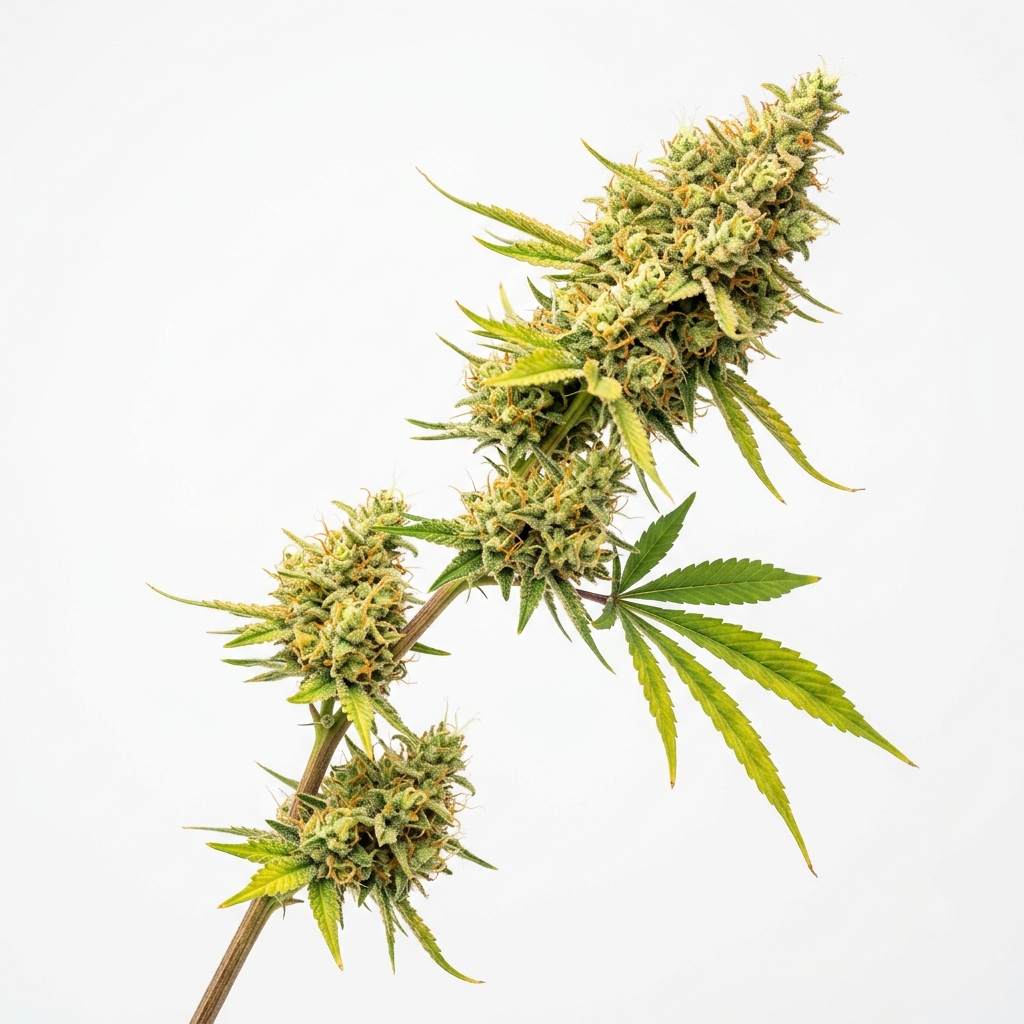
Lemon Stripe (Cannabis Strain)
Lemon Stripe is a citrus-forward hybrid testing between 20% and 26% THC, bred from lemon-dominant lineages commonly tied to Lemon Tree and sour-citrus hybrid stock. The original breeder is not consistently documented in reliable public records, though the cut has circulated widely among boutique growers for its tart lemon peel profile and greasy glandular trichomes. The cultivar builds medium-tall plants with bright lime-green bracts, moderate internodal spacing, and heavy resin production suited for both dry-flower cures and solventless washing.
The plant reflects its heritage through vigorous vegetative growth, a pronounced stretch in early bloom, and sharp citrus terpenes that cut through sweet fuel notes. Reported experiences highlight an initial clear-headed lift paired with calm physical ease, avoiding the heavy sedation typical of pure broadleaf cultivars. In the garden, Lemon Stripe performs best under managed canopy training and disciplined late-flower humidity control to protect its dense, resin-rich colas.
Quick Facts
| Attribute | Details |
|---|---|
| Breeder | Not consistently documented |
| Genetics | Lemon Tree lineage cross |
| Variety | Hybrid |
| THC Range | 20% – 26% |
| Flowering Time | 8 – 9 weeks (56 – 63 days) |
| Yield Potential | Moderate to high (450 – 550 g/m²) |
| Plant Height | Medium to tall (120 – 160 cm) |
| Climate Preference | Temperate, Mediterranean, controlled indoor |
| Difficulty | Moderate |
Scientific & Botanical Overview
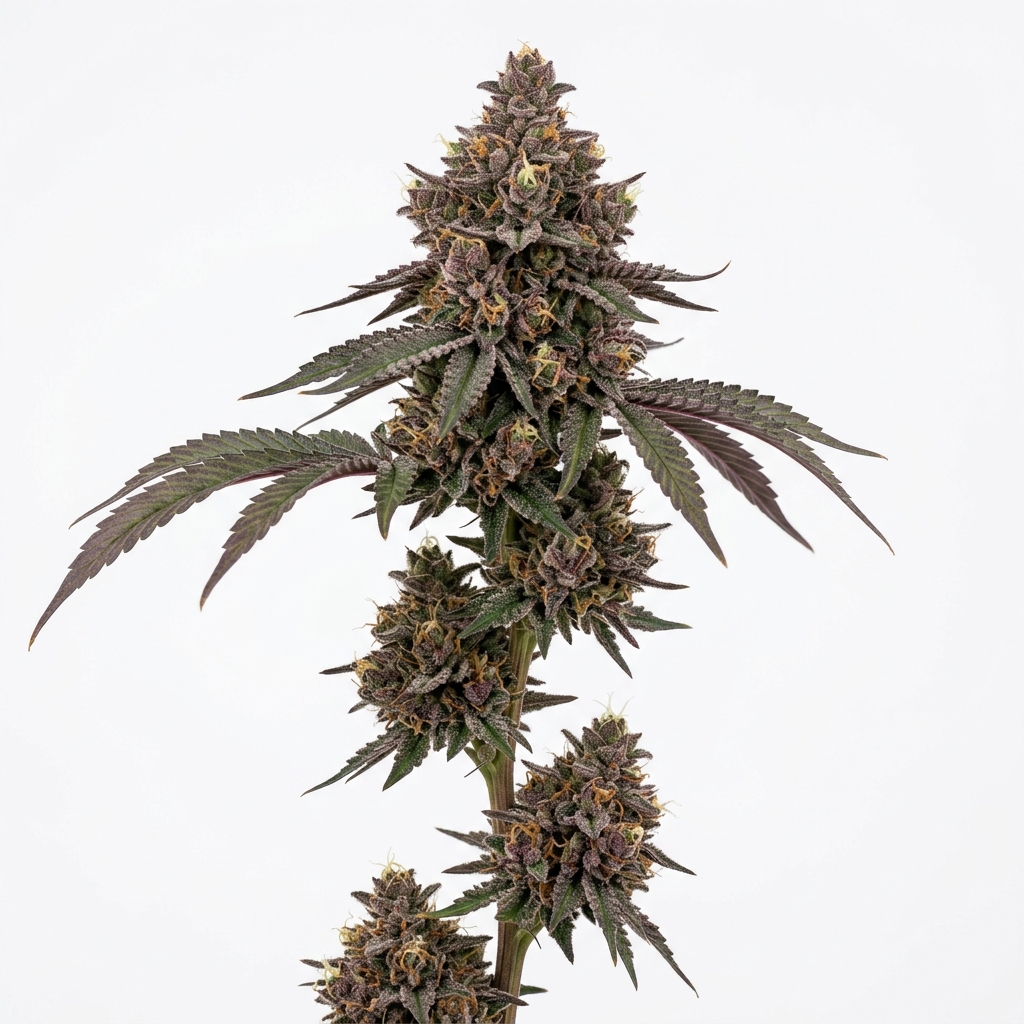
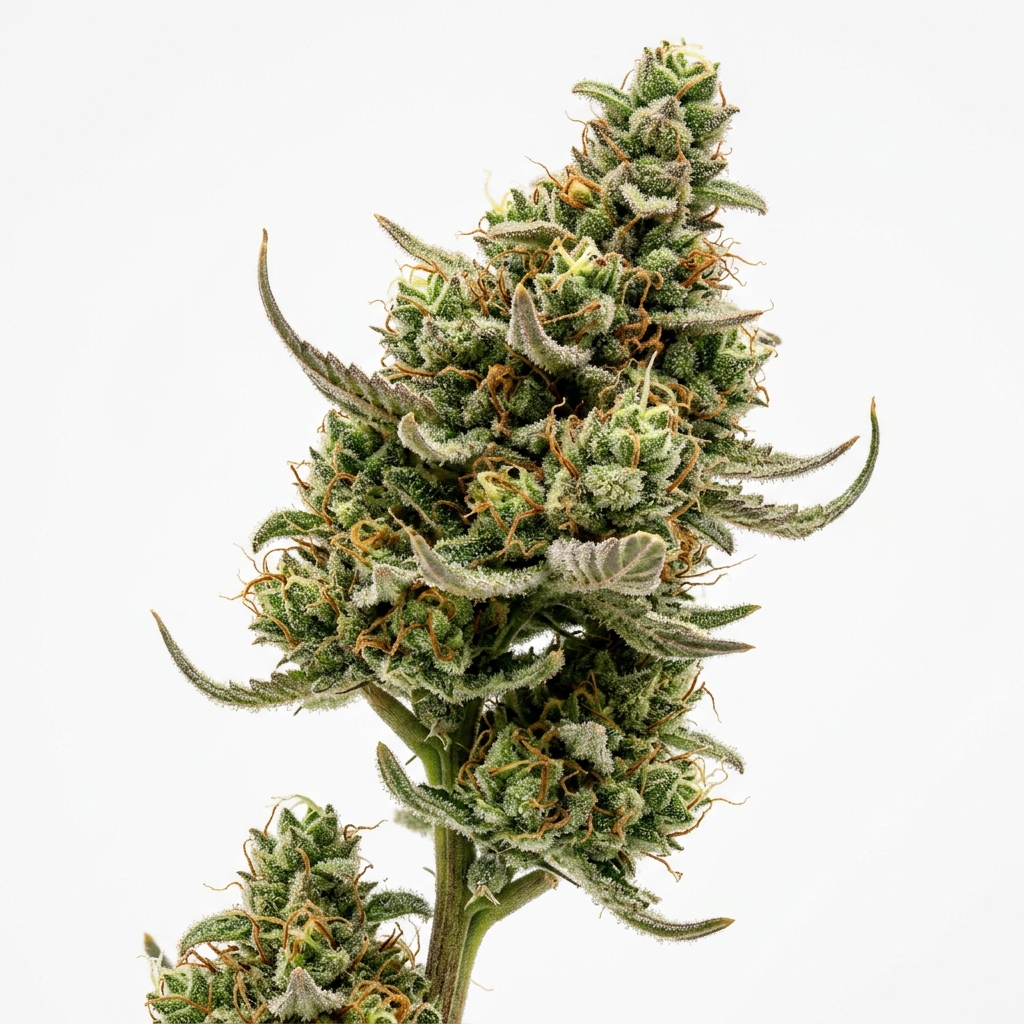
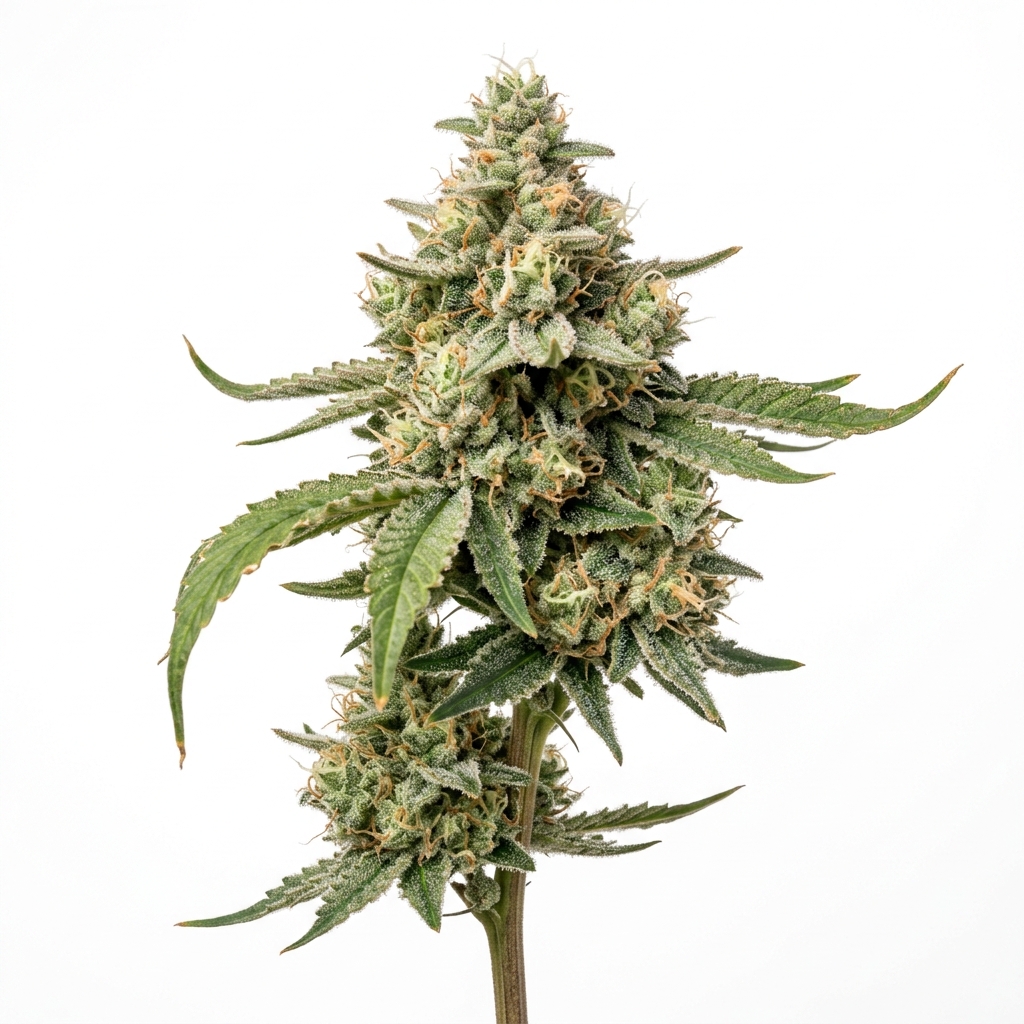
Lemon Stripe shows classic hybrid morphology with noticeable narrow-leaf influence during vegetative development. Stems are moderately slender but fibrous, holding thin fan leaves that broaden slightly as mature nodes establish. As floral initiation begins, the cultivar transitions into elongated spear colas with swollen calyx clusters that pack tightly along each branch.
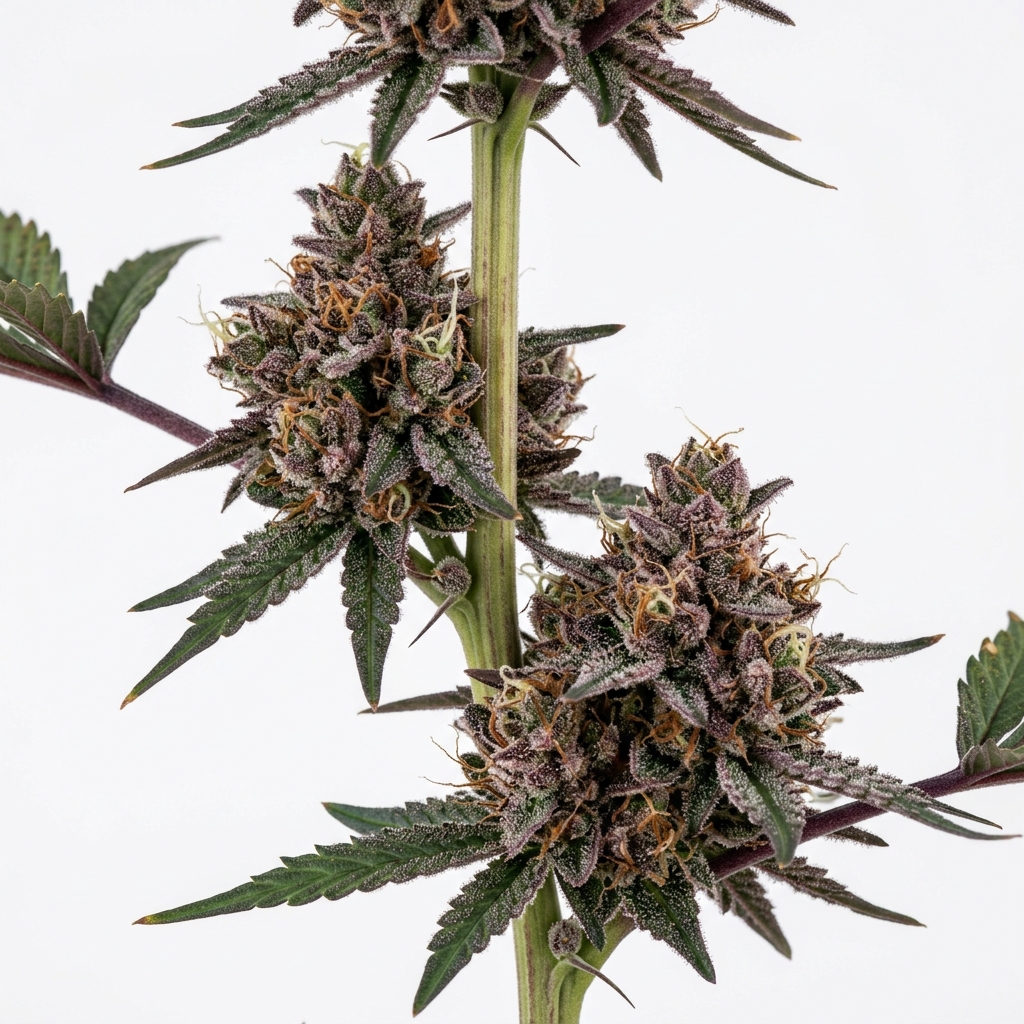
The trichome coverage on Lemon Stripe is dense and oily, with well-formed capitate-stalked heads that mature uniformly across the bract surface. The resin layer gives the flowers a wet, frosted appearance against their pale green and golden undertones. Phenotypes frequently express light chartreuse calyxes contrasted by vibrant tangerine pistils and subtle yellow-striped leaf fade under cooler finish temperatures.
Internodal spacing remains medium, allowing adequate light penetration to lower bud sites when supported by lateral branch training. The cultivar responds predictably to pruning and maintains steady nutrient uptake throughout its vegetative cycle. Root systems develop quickly in well-aerated substrates, providing the stability needed for rapid floral expansion during mid-bloom.
Effects & Use-Cases (Reported)
Commonly reported effects: Lemon Stripe is typically described as delivering an uplifting, clear cerebral onset followed by smooth, functional body relaxation. Consumers note an early wave of sensory focus and brightness that shifts gradually into physical ease without heavy lethargy or couch-lock.
Use-case context: Reported use-cases center around daytime tasks, creative routines, and afternoon social settings. The cultivar’s clean citrus profile and moderate physical balance make it a frequent choice for consumers seeking active functional sessions without overwhelming physical sedation.
Note: Individual responses to cannabis flower vary based on dose, individual tolerance, terpene sensitivity, and growing environment.
Aroma & Flavors
Aroma: The cured flowers emit a sharp burst of fresh lemon zest, crushed pine needles, and tart chemical cleaner, underpinned by subtle notes of damp earth and sweet diesel fuel.
Flavor: On the palate, Lemon Stripe delivers pronounced sour citrus and candied lemon rind on the inhale, finishing with crisp herbal earth, subtle white pepper, and light gas on the exhale.
Terpene associations: The aromatic profile is driven primarily by limonene, supported by secondary levels of beta-caryophyllene, myrcene, and trace amounts of terpinolene or linalool.
Tested Cannabinoid & Terpene Ranges
| Compound | Reported Range |
|---|---|
| Δ9-THC | 20.0% – 26.0% |
| CBD | < 1.0% |
| CBG | 0.5% – 1.5% |
| Total Terpenes | 1.8% – 3.2% |
| Primary Terpenes | Limonene, Beta-Caryophyllene, Myrcene |
Range note: Chemical concentrations represent literature-informed laboratory ranges for dried cannabis flower and vary depending on specific phenotype selection, light intensity, feed regime, and curing environment.
Cultivation Notes
- Humidity management: Maintain 60% – 65% RH during vegetative growth, dropping gradually to 45% – 50% in mid-bloom and 40% – 42% in late bloom to guard dense colas against fungal pressure.
- Nutrient requirements: Thrives on moderate base feeding with steady calcium and magnesium support through mid-flower; avoid excessive nitrogen after the second week of 12/12.
- Canopy training: Responds well to topping at the fourth or fifth node followed by low-stress training (LST) or SCROG netting to manage vertical stretch and level out top bud sites.
- Defoliation: Perform a targeted strip around day 21 and day 42 of flowering to improve air circulation through the central canopy and increase direct light to lower floral bracts.
- Harvest window: Optimal trichome ripeness generally occurs between day 56 and day 63 when glandular heads turn milky white with roughly 5% – 10% amber coverage.
Grower Notes (Week-by-Week Snapshot)
- Weeks 1–3: Fast vegetative expansion transitioning into an active flowering stretch; plants can double in height, making early trellis anchoring essential.
- Weeks 4–6: Vertical stretch ceases as calyx development accelerates; aroma shifts from generic green foliage to bright lemon cleaner and tart pine.
- Weeks 7–9: Bracts swell into dense spear clusters and trichomes cloud over; drop ambient night temperatures slightly to preserve monoterpenes and bring out golden leaf fade.
- Post-harvest cure: Dry whole plants at 60°F (15.5°C) and 60% RH for 12 to 14 days, followed by a minimum three-week jar cure to preserve terpene clarity.
Genetic Lineage
Lemon Stripe traces its genetic foundation to modern lemon-dominant breeding lines, most notably selections originating from Lemon Tree (Sour Diesel × Lemon Skunk) crossed with vigorous hybrid stock. The parent lines impart the cultivar’s distinctive limonene profile, light green floral structure, and pronounced initial vertical stretch.
While specific breeder selections continue to circulate under boutique variations, the core identity of Lemon Stripe remains centered around high monoterpene production, dense spear-shaped colas, and balanced hybrid vigor. The genetic combination ensures consistent flower density while retaining the sharp citrus zest characteristic of old-school Skunk and Diesel ancestry.
Research Insights
Scientific literature on dominant monoterpenes such as limonene points to notable volatility during late flowering and post-harvest drying. Cultivars featuring elevated limonene profiles require precise environmental control during curing to limit oxidative degradation and preserve primary aromatic compounds in whole flower.
Cannabinoid profiling on high-THC citrus hybrids shows consistent accumulation of Δ9-THCA alongside trace minor cannabinoids such as CBG. While these laboratory observations outline the chemical architecture of modern cultivars, individual experiences with Lemon Stripe remain subjective and dependent on personal physiology and batch-specific cannabinoid ratios.
Frequently Asked Questions
Who is the original breeder of Lemon Stripe?
The original breeder of Lemon Stripe is not consistently documented in public horticultural records. The cut circulates primarily through boutique clone networks and craft seed producers working with Lemon Tree and sour citrus genetics.
Is Lemon Stripe an indica or sativa?
Lemon Stripe is a balanced hybrid cultivar. It shows narrow-leaf vegetative traits and uplifting cerebral qualities alongside the compact floral density and physical ease associated with broadleaf parentage.
What does Lemon Stripe smell and taste like?
The cultivar smells strongly of fresh lemon peel, tart chemical cleaner, and damp pine, backed by a light earthy fuel. The flavor mirrors the aroma with sour citrus zest on the inhale and a crisp, peppery gas finish.
How long does Lemon Stripe take to flower?
Indoor flowering typically takes 8 to 9 weeks (56 to 63 days). Outdoor plants generally finish in early to mid-October in temperate northern hemisphere climates.
Educational Disclaimer
This content is for educational and informational purposes only. Cannabis laws and regulations vary by jurisdiction. Always consult with a qualified professional before beginning any cultivation project or consuming cannabis products.
Rate and review this strain
Ratings and reviews are accepted only from signed-in Google accounts.
Sign in with Google to leave a rating and written review.
Latest Reviews
0 reviewsNo reviews yet. Be the first Google user to rate and review this strain.
Follow New Cultivar Records
Get newly documented genetics, breeder history, research highlights, and important Strainpedia discoveries by email.