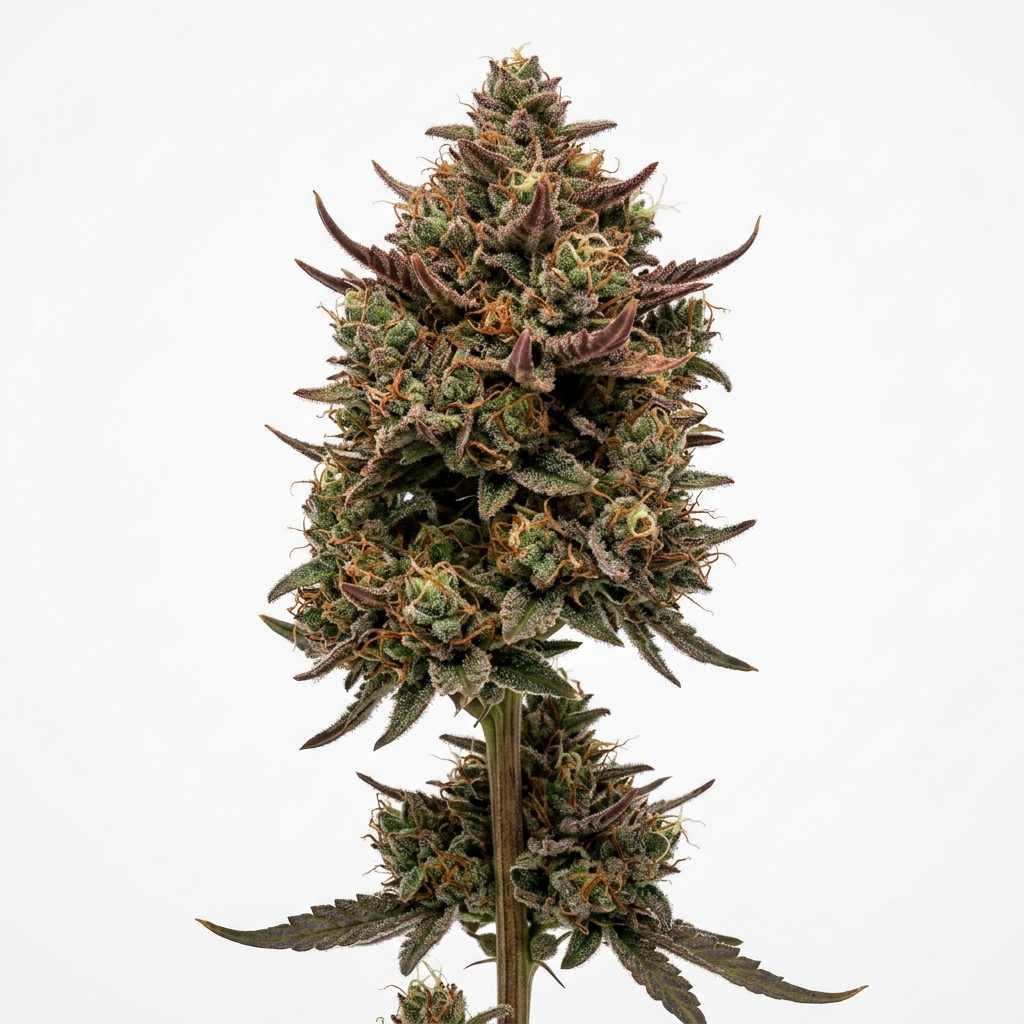
Cherry Nerds (Cannabis Strain)
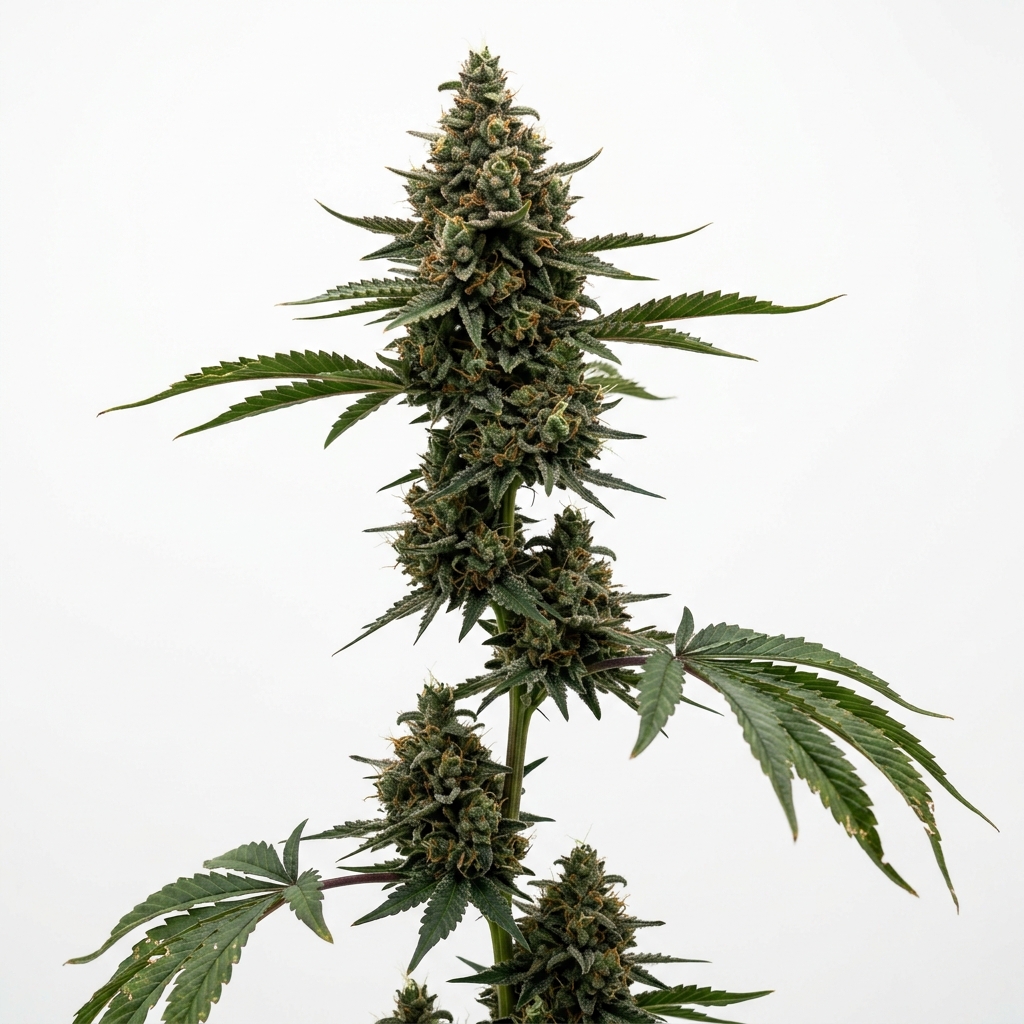
Cherry Nerds is a hybrid cultivar testing typically between 20% and 25% THC, developed by crossing Cherry Pie with the candy-forward Nerds line. The original breeder is not consistently documented in reliable public records, though the cut emerged from West Coast boutique breeding circuits focused on high-terpene dessert profiles. The cultivar develops medium-height plants with compact internodes and dense, resin-rich flowers characterized by a sharp candied cherry nose, tart berry undertones, and a greasy trichome coverage suited for both dry flower and solventless processing.
In the garden, Cherry Nerds inherits the structural density of Cherry Pie alongside the vigorous lateral branching of Nerds. Reported consumer experiences generally highlight a balanced progression, starting with an uplifting head clarity before settling into calm physical relaxation without immediate sedation.
Quick Facts
| Field | Details |
|---|---|
| Breeder | Not consistently documented |
| Genetics | Cherry Pie × Nerds |
| Variety | Hybrid |
| THC Range | 20% – 25% |
| Flowering Time | 8 – 9 weeks (56 – 63 days) |
| Yield Potential | Moderate to High |
| Plant Height | Medium |
| Climate Preference | Temperate, Mediterranean |
| Difficulty | Moderate |
Scientific & Botanical Overview
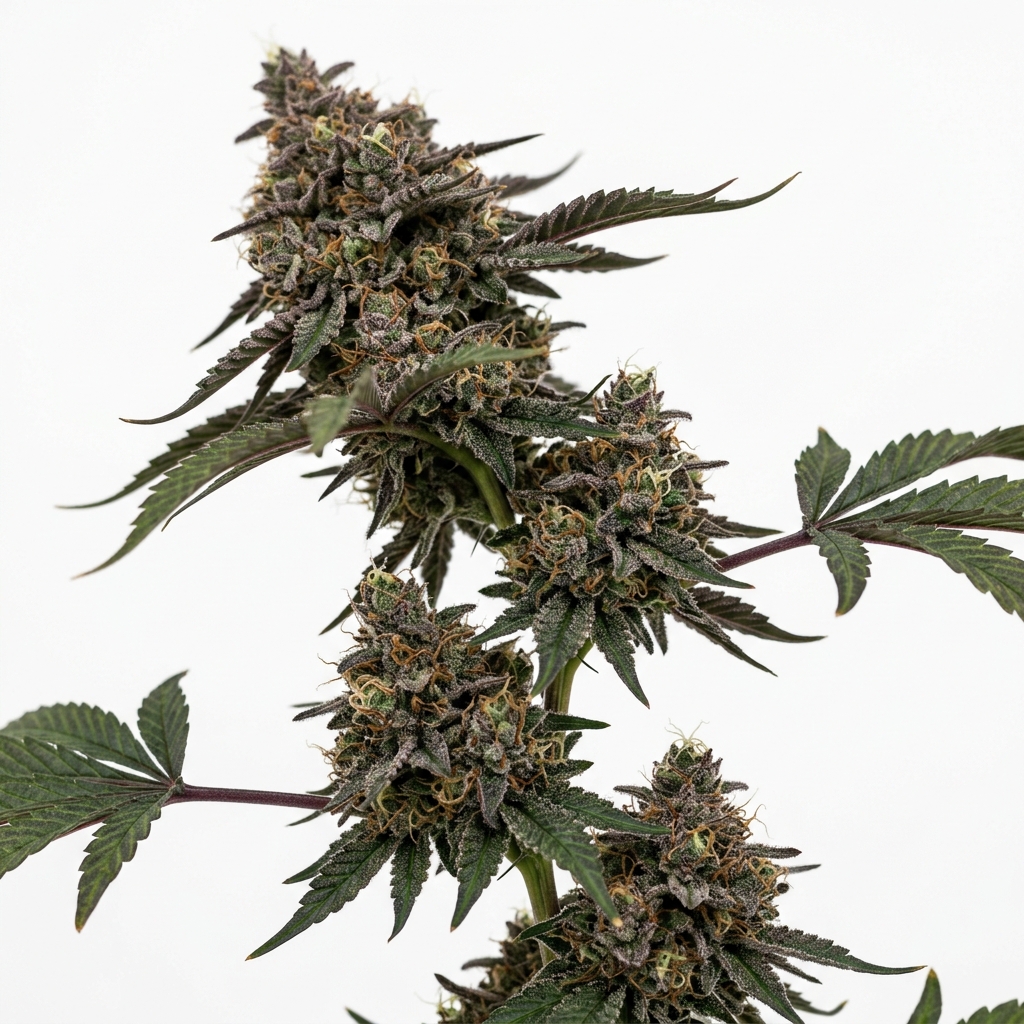
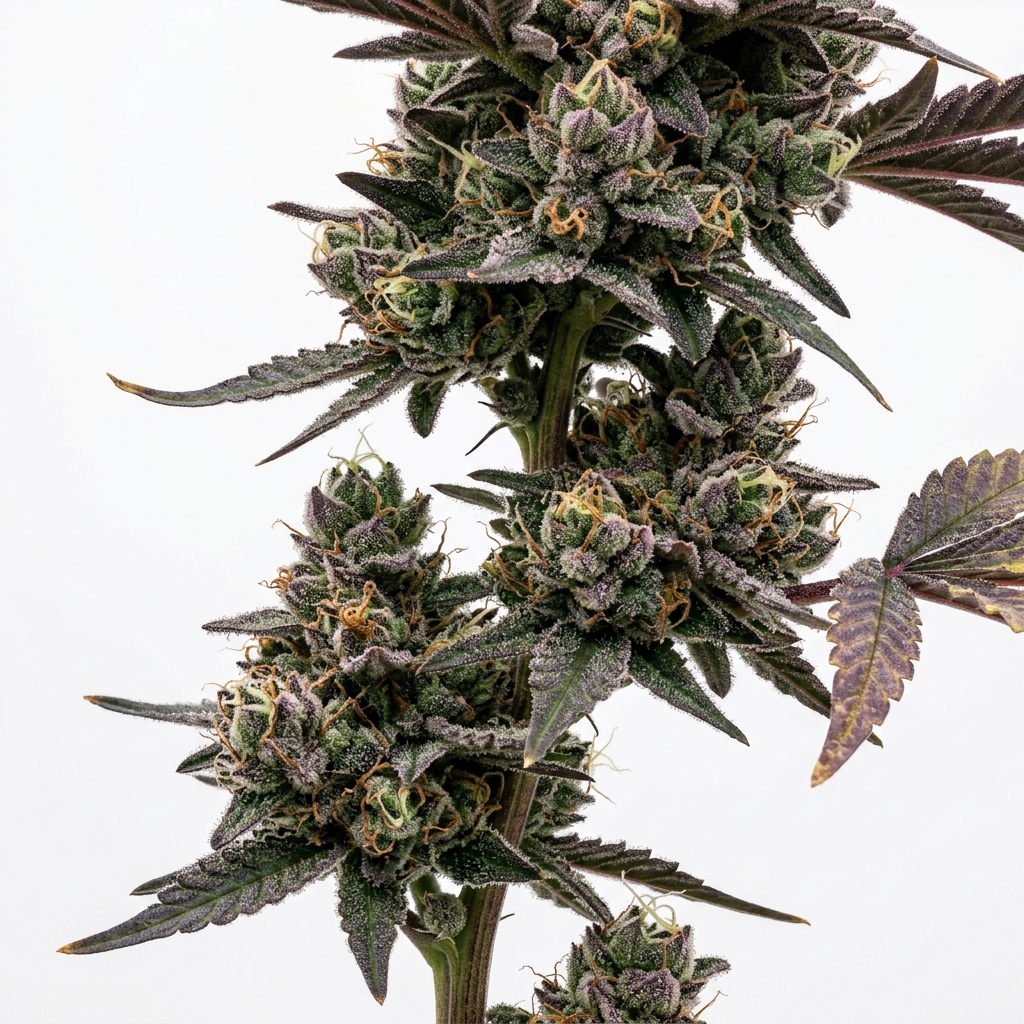
Botanically, Cherry Nerds displays classic hybrid morphology with broad, dark olive fan leaves and sturdy secondary branches. Internodal spacing remains tight to moderate through the early vegetative stage, allowing growers to establish an even flat canopy with minimal staking. Foliage often shows deep purple and burgundy tints in late flower when exposed to lower night temperatures.
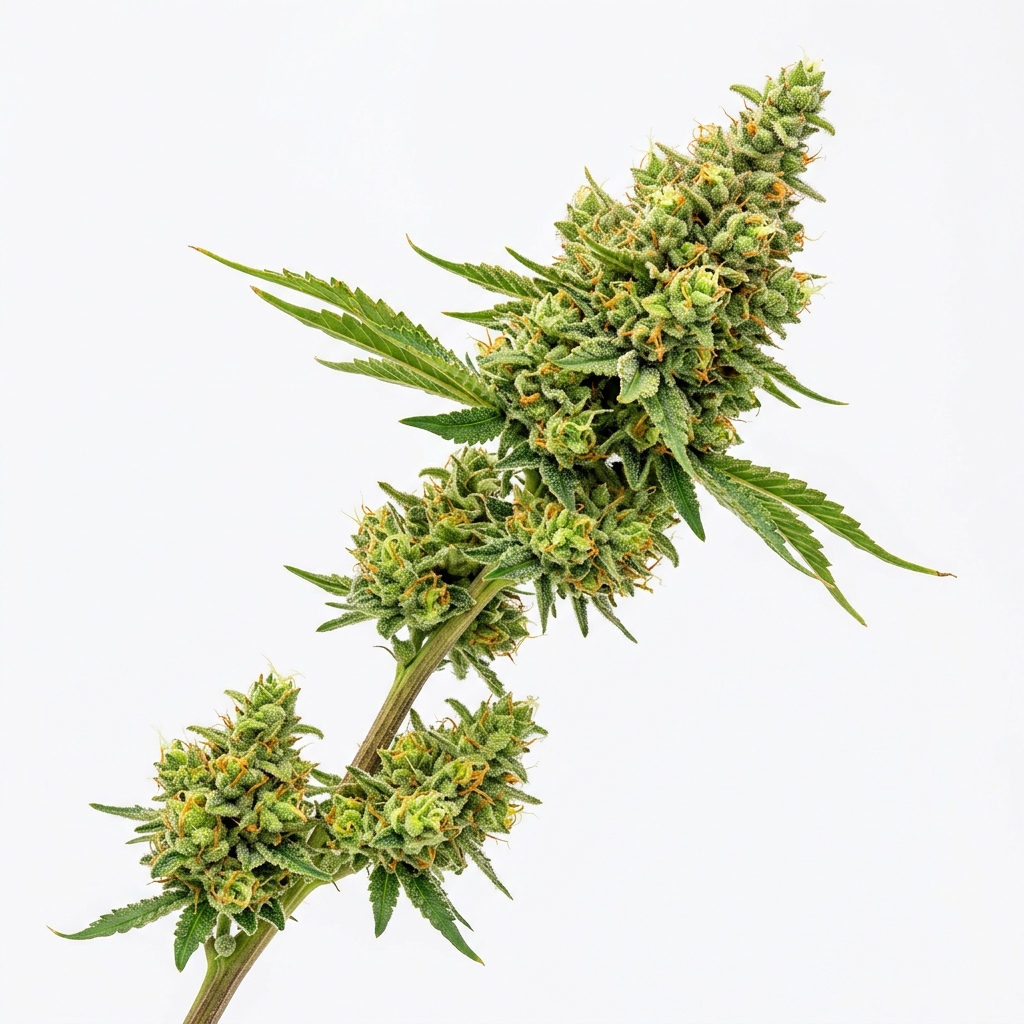
The inflorescences form dense, spade-shaped clusters built from swollen calyxes and deep rust-colored pistils. Glandular trichomes develop early around week four of flowering, creating a thick layer of capitate-stalked resin heads that give the mature flowers a frosted, greasy exterior. Bract density is high, requiring attentive environmental monitoring to prevent microclimates within the interior canopy.
Terpene synthesis is dominated by myrcene, beta-caryophyllene, and limonene, with minor contributions from linalool and humulene. This profile creates a layered aromatic signature blending sugary fruit esters with warm spice and floral undertones.
Effects & Use-Cases (Reported)
Commonly reported effects: Consumers typically report an initial cerebral lift marked by clear focus, mild euphoria, and enhanced sensory awareness. As the session progresses, this active onset transitions into a mellow body ease that relaxes muscle tension without inducing heavy couchlock.
Use-case context: The cultivar is commonly chosen for late-afternoon or early-evening unwinding, social gatherings, creative projects, and low-intensity leisure activities. Its balanced profile allows functional engagement while still easing physical stiffness after a workday.
Individual response varies depending on tolerance, setting, dosage, and personal physiology.
Aroma & Flavors
Aroma: Freshly broken buds release an upfront wave of sweet maraschino cherry and artificial candy, followed by tart red berries, citrus peel, and a mild earthy funk on the grind.
Flavor: The smoke delivers candied cherry and sugared grape on the inhale, shifting toward a tart fruit finish with hints of sweet spice and light sandalwood on the exhale.
Terpene associations: The profile reflects elevated concentrations of myrcene, beta-caryophyllene, and limonene, supported by secondary floral terpenes like linalool.
Tested Cannabinoid & Terpene Ranges
| Compound | Typical Range |
|---|---|
| Δ9-THC | 20% – 25% |
| CBD | < 1% |
| Total Terpenes | 1.5% – 3.0% |
| Dominant Terpenes | Myrcene, Beta-Caryophyllene, Limonene |
Range note: Cannabinoid and terpene figures represent published dry-flower testing benchmarks. Commercial samples vary based on phenotype selection, growing medium, light intensity, harvest timing, and post-harvest drying protocols.
Cultivation Notes
- Humidity management: Maintain relative humidity around 55%–60% in early flower, lowering gradually to 40%–45% during late bloom to protect the dense colas from botrytis.
- Nutrient requirements: The cultivar handles moderate feeding well; avoid heavy nitrogen inputs after week three of flowering to keep internodes compact and preserve terpene clarity.
- Canopy training: Responds well to topping at the fourth or fifth node followed by low-stress training (LST) and a single scrog layer to distribute energy across multiple primary tops.
- Defoliation: Perform a selective leaf strip at day 21 and day 42 of bloom to improve airflow and light penetration through the dense middle foliage.
- Harvest window: Most phenotypes finish cleanly between days 56 and 63, showing peak resin density when trichomes are predominantly milky with 10%–15% amber.
Grower Notes (Week-by-Week Snapshot)
- Weeks 1–3 (Transition & Stretch): Expect moderate vertical stretch (roughly 1.5×). Set trellis netting early to space secondary shoots and prune low non-productive suckers before week three ends.
- Weeks 4–6 (Bud Set & Early Resin): Calyx clusters consolidate quickly into solid spears. Glandular trichomes coat bracts and sugar leaves while sweet, tart fruit aromas begin filling the room.
- Weeks 7–9 (Ripening & Flush): Bracts swell significantly, and anthocyanins produce purple highlights if night temperatures drop slightly. Lower humidity and monitor trichome cloudiness closely.
- Post-Harvest (Dry & Cure): Dry whole plants at 60°F (15.5°C) and 60% relative humidity for 10 to 14 days. A minimum three-week glass jar cure locks in the distinct candied cherry profile.
Genetic Lineage
The maternal parent, Cherry Pie (Granddaddy Purple × F1 Durb), is renowned for its baked fruit and pastry profile combined with dependable physical relaxation and purple-tinged floral density. It provides Cherry Nerds with dense calyx structure, heavy resin output, and its core dark-fruit aromatic foundation.
The pollen donor, Nerds (commonly linked to Strawberry Cough and Grape Ape lineages), contributes vibrant candy sweetness, tart berry accents, and vigorous lateral growth. Together, this pairing produces a resilient hybrid that balances classic fruit terpene depth with modern confectionary appeal.
Research Insights
Scientific literature on dominant cannabis terpenes indicates that myrcene may influence blood-brain barrier permeability and contribute to physical relaxation, while beta-caryophyllene uniquely acts as a dietary cannabinoid binding selectively to peripheral CB2 receptors. Limonene is frequently associated in pharmacological studies with elevated mood and perceived mental clarity.
While these peer-reviewed pharmacological studies provide context for individual terpene actions, they describe isolated botanical compounds rather than complete cannabis flower. Individual patient and consumer experiences with Cherry Nerds remain subject to whole-plant chemistry, entourage dynamics, personal cannabinoid receptor sensitivity, and product freshness.
Frequently Asked Questions
Who bred Cherry Nerds?
The original breeder of Cherry Nerds is not consistently documented in verified public records, though the cut originated within modern West Coast breeding circles specializing in candy-terpene profiles.
Is Cherry Nerds an indica or sativa?
Cherry Nerds is a balanced hybrid that combines physical ease with active cerebral clarity, leaning neither heavily sedative nor overly racily stimulating.
What does Cherry Nerds smell and taste like?
It carries a prominent aroma of candied cherry, sour berry, and citrus zest over a light earthy base, delivering a sweet, tart fruit smoke with subtle spice on the exhale.
What is the flowering time for Cherry Nerds?
Indoor crops typically mature within 8 to 9 weeks (56 to 63 days) of 12/12 photoperiod flowering, depending on phenotype and environmental conditions.
Educational Disclaimer
This content is for educational and informational purposes only. Cannabis laws and regulations vary by jurisdiction. Always consult with a qualified professional before beginning any cultivation project or consuming cannabis products.
Rate and review this strain
Ratings and reviews are accepted only from signed-in Google accounts.
Sign in with Google to leave a rating and written review.
Latest Reviews
0 reviewsNo reviews yet. Be the first Google user to rate and review this strain.
Follow New Cultivar Records
Get newly documented genetics, breeder history, research highlights, and important Strainpedia discoveries by email.