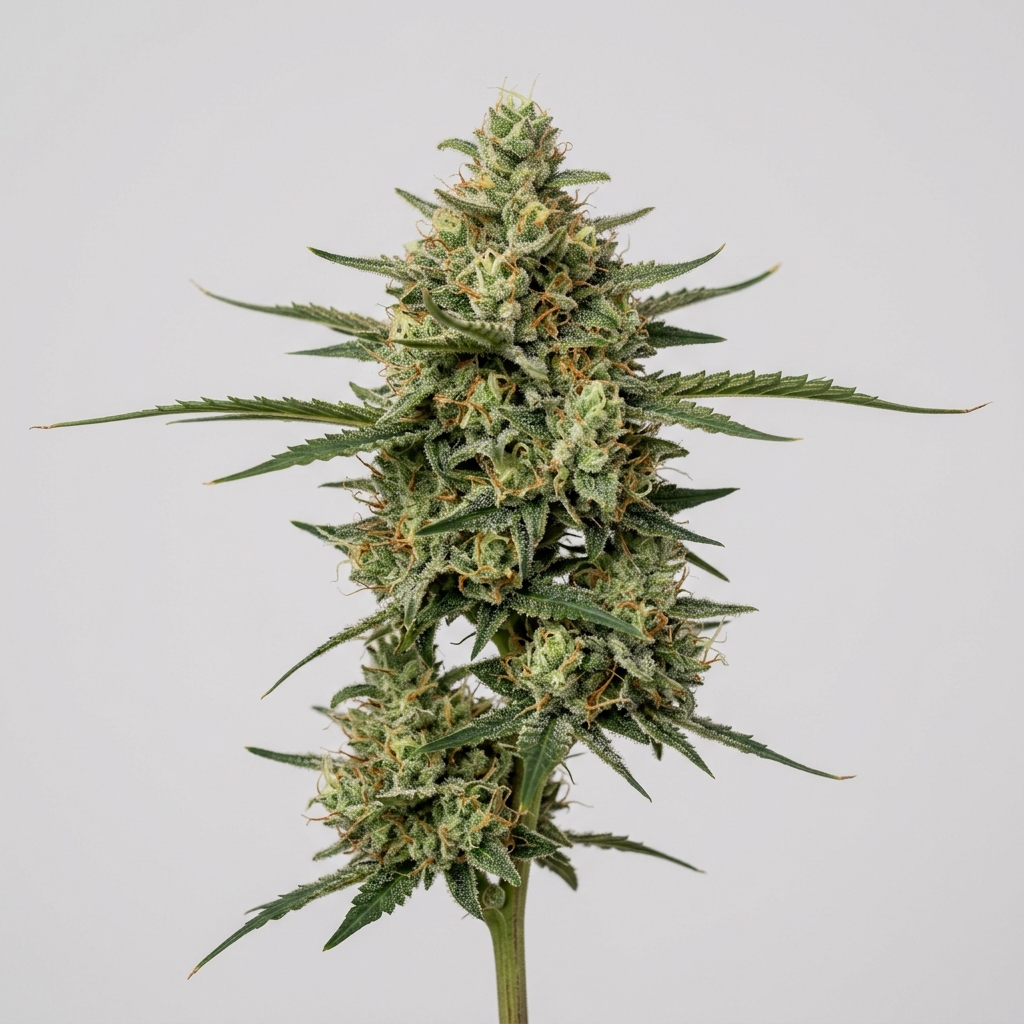
Chem D (Cannabis Strain)
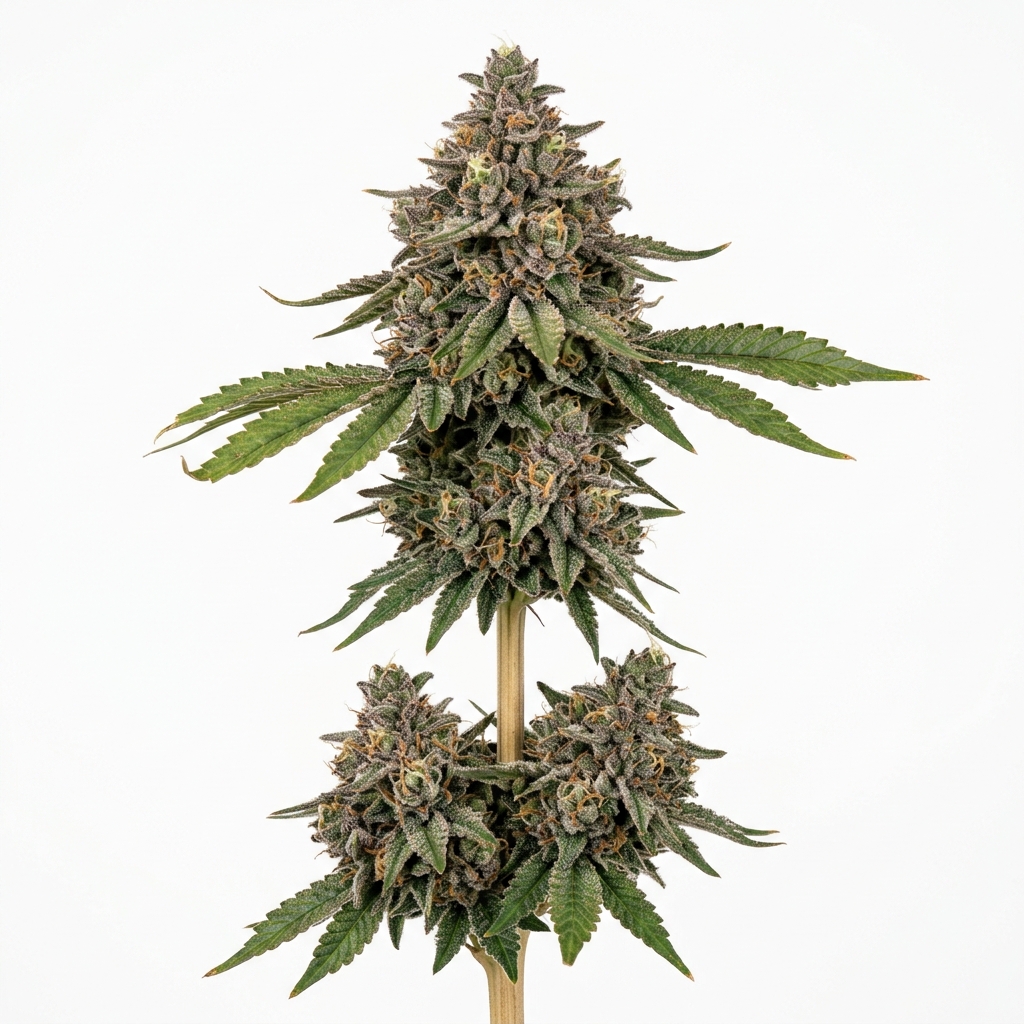
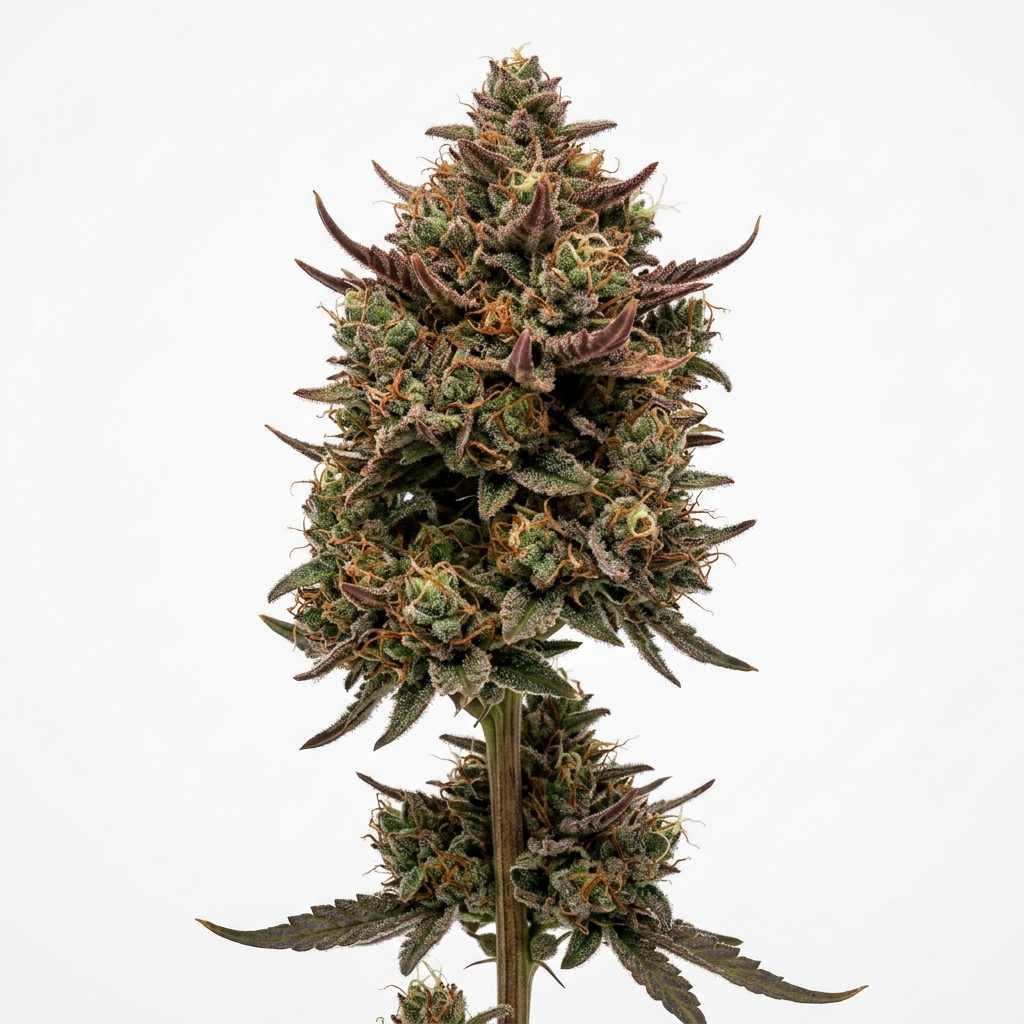
Chem D (commonly known as Chemdawg D) is a legendary, indica-dominant phenotype from the Chemdawg family, testing between 20% and 28% THC. This clone-only cultivar is widely recognized for its aggressive, chemical-heavy aroma of diesel, garlic, and damp earth, coupled with a greasy resin profile that makes it a staple for extraction. Structurally, the plant shows a moderate stretch during early flower, producing dense, pale-green spear colas characterized by swollen calyxes and a thick coating of wet frost.
Originally selected from the historic Chemdawg seed stock, Chem D has maintained its status as a foundational building block in modern breeding. Cultivators and extractors value this cut for its raw potency and offensive terpene output, which consistently translates from raw flower to concentrated forms.
Quick Facts
| Fact | Detail |
|---|---|
| Genetics | Chemdawg phenotype (clone-only) |
| Variety | Indica-dominant hybrid |
| THC Range | 20% – 28% |
| Flowering Time | 9 – 10 Weeks |
| Yield Potential | Moderate to High |
| Plant Height | Medium to Tall (stretchy) |
| Climate Preference | Controlled indoor, low humidity |
| Difficulty | Moderate to Experienced |
Scientific & Botanical Overview
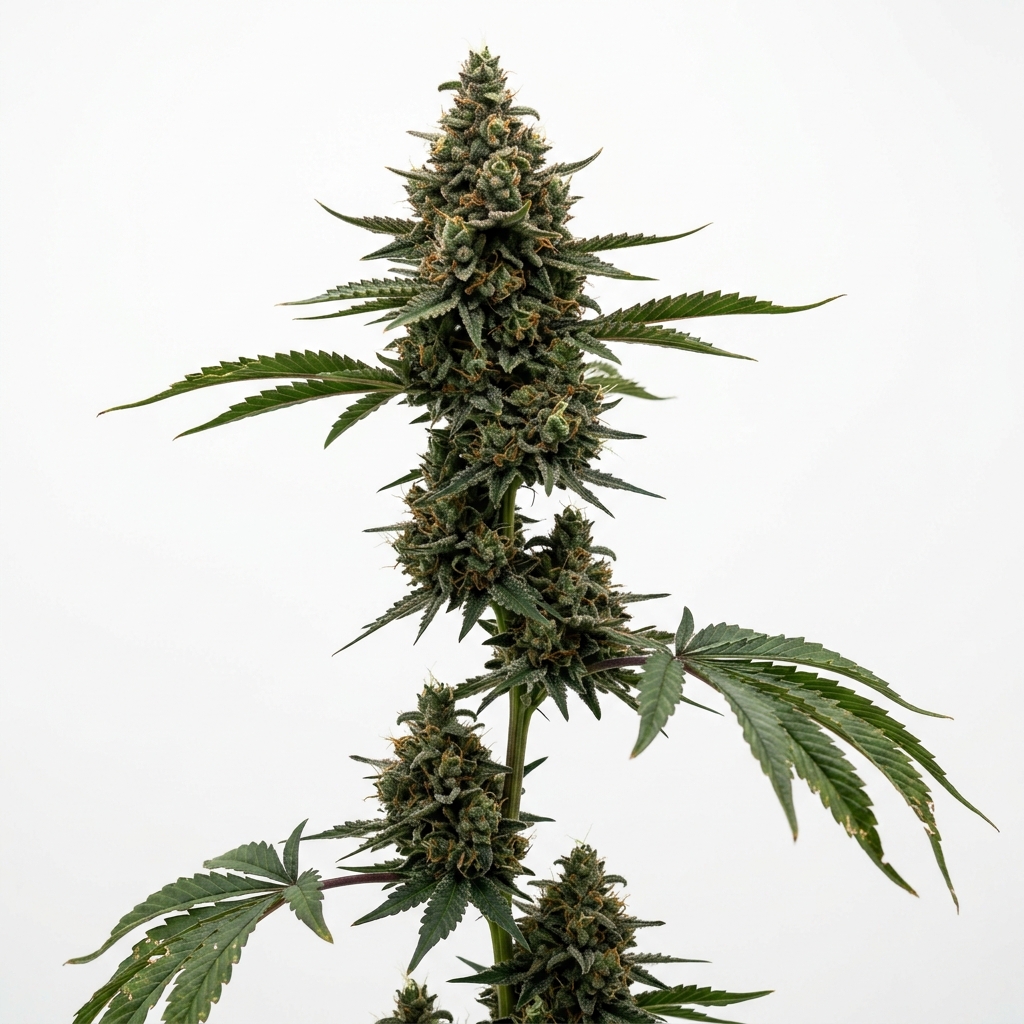
Chem D displays a distinct growth habit characterized by tight internodal spacing in early vegetative growth, followed by a significant stretch once flipped to flower. The broad fan leaves are typical of its indica-leaning heritage, yet the open canopy structure allows for excellent airflow if properly trained. This physical structure requires careful canopy management to ensure even light distribution to the lower nodes.
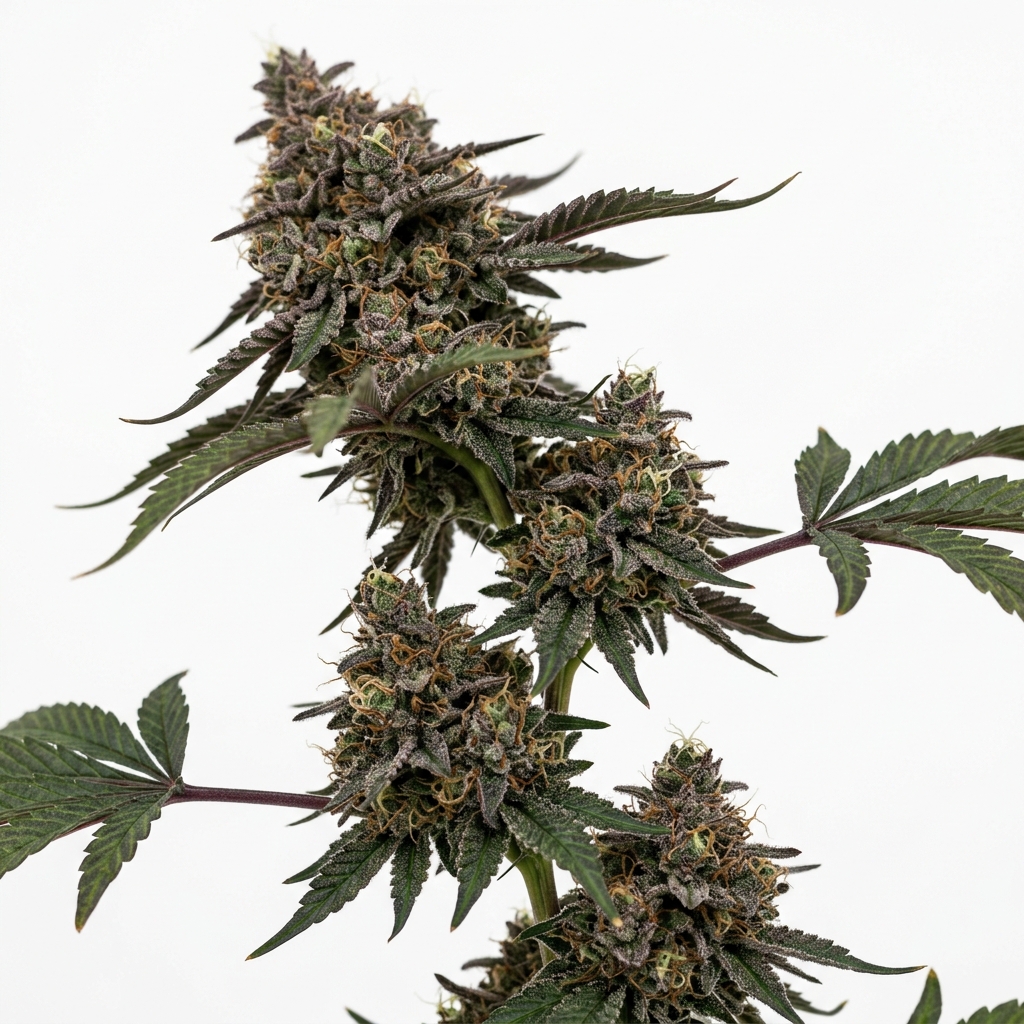
The bracts are exceptionally dense, stacking into elongated, heavy spear colas that often require physical support in late bloom. Resin production is highly concentrated, with capitate-stalked trichomes developing early and maintaining a greasy, wet texture rather than a dry, sandy feel. This high concentration of non-glandular and glandular trichomes contributes to its heavy, oily tactile profile during harvest.
This cultivar is highly sensitive to environmental stressors, particularly late-flower humidity and nitrogen levels during the transition phase. Maintaining a precise microclimate is essential to prevent micro-hermaphroditism, a trait commonly noted in older clone-only lines. Experienced growers typically recommend a stable, controlled environment to maximize genetic expression.
Effects & Use-Cases (Reported)
Commonly reported effects: A heavy physical relaxation accompanied by a strong, cerebral shift. Users frequently note an immediate onset of physical heaviness that settles into the limbs, making it highly sedative in larger amounts.
Use-case context: Well-suited for late-evening use or quiet, sedentary activities. The physical weight of the high makes it less ideal for daytime productivity, though experienced consumers often select it for deep relaxation.
Note: Due to its high THC concentration and rapid onset, novice consumers should approach this cultivar with caution to avoid over-sedation.
Aroma & Flavors
Aroma: Sharp diesel fuel, rotten garlic, chemical ammonia, and a damp, earthy undertone. It is widely considered one of the most pungent and offensive profiles in the gene pool.
Flavor: Heavy industrial gas on the inhale, leaving a lingering, sour, chemical-garlic and earthy pine finish on the palate.
Terpene associations: Caryophyllene, Limonene, and Myrcene.
Tested Cannabinoid & Terpene Ranges
| Compound | Tested Range |
|---|---|
| Δ9-THC | 20.0% – 28.0% |
| CBG | 0.5% – 1.5% |
| β-Caryophyllene | 0.6% – 1.2% |
| d-Limonene | 0.4% – 0.8% |
| β-Myrcene | 0.3% – 0.7% |
Note: Cannabinoid and terpene levels are highly dependent on cultivation practices, curing methods, and specific batch phenotypes.
Cultivation Notes
- Humidity control: Keep relative humidity below 45% during the final three weeks of flowering to protect the dense colas from moisture retention.
- Nutrient management: Chem D is a heavy feeder but remains sensitive to excess nitrogen during the stretch; transition to phosphorus-heavy inputs early.
- Structural support: use double trellising to support the heavy, leaning spear colas as they pack on weight in late flower.
- Pruning and training: Implement aggressive lollipops and defoliation before week three of flower to maximize light penetration to lower bud sites.
- Phenotype stability: Monitor internal nodes closely for light stress or heat-induced hermaphroditic tendencies, particularly between weeks three and five.
Grower Notes (Week-by-Week Snapshot)
- Weeks 1–3 (Transition & Stretch): Expect a significant vertical stretch. Ensure plants are trained flat under the first trellis layer and begin reducing nitrogen inputs by the end of week three.
- Weeks 4–6 (Bud Formation & Resin): Calyxes begin to swell and stack into distinct colas. Greasy resin starts coating the fan leaves; maintain moderate temperatures to preserve volatile terpenes.
- Weeks 7–9+ (Maturation & Flush): The aroma intensifies dramatically, requiring robust carbon filtration. Flush thoroughly with plain water for the final 10 to 14 days as trichomes transition from clear to milky-amber.
- Post-Harvest (Dry & Cure): Hang dry whole plants at 60°F and 60% relative humidity for 12 to 14 days. A slow cure in sealed containers for at least three weeks is essential to unlock the signature chemical-garlic profile.
Genetic Lineage
Chem D is a selected clone-only phenotype of the original Chemdawg seed line, which traces its roots back to a bag of high-grade flower purchased at a Grateful Dead concert in Indiana in 1991. The seeds from that bag yielded several legendary cuts, with the “D” cut emerging as one of the most structurally unique and chemically intense variants.
Unlike its siblings Chem 91 or Chem 4, the Chem D cut is characterized by its distinct garlic, onion, and chemical-diesel aroma, along with a slightly more indica-dominant growth habit. It has served as a direct parent to numerous modern elite hybrids, passing on its greasy resin structure and heavy physical potency.
Research Insights
Analytical testing of Chem D reveals a high concentration of volatile sulfur compounds alongside a heavy sesquiterpene profile led by β-caryophyllene. This specific combination is responsible for the offensive, garlic-like aroma, which deviates sharply from traditional sweet or floral cannabis profiles.
Horticultural research on this clone-only line highlights the preservation of heirloom genetics through tissue culture. Because the line has been kept alive via vegetative cloning for decades, maintaining clean, virus-free mother plants is critical to preventing genetic degradation and ensuring consistent secondary metabolite production.
Frequently Asked Questions
Is Chem D an indica or sativa?
Chem D is an indica-dominant hybrid. While it shows a sativa-like stretch during the early weeks of flowering, its physical effects, leaf structure, and dense bud morphology lean heavily toward its indica heritage.
What does Chem D smell like?
Chem D has an exceptionally pungent, offensive aroma dominated by industrial diesel fuel, rotten garlic, chemical ammonia, and damp earth. It lacks the sweet or fruity notes found in many modern dessert strains.
Is Chem D difficult to grow?
Yes, Chem D is considered moderately difficult to grow. It is sensitive to environmental fluctuations, requires careful nutrient management, and needs structural support to prevent its heavy spear colas from snapping the branches.
How long does Chem D take to flower?
Chem D typically requires 9 to 10 weeks of flowering to reach peak maturity. Harvesting when the trichomes are mostly milky with a small percentage of amber ensures the ideal balance of physical and cerebral effects.
Educational Disclaimer
This article is for educational and informational purposes only. Cultivation and consumption of cannabis are subject to local laws and regulations. Always consult with a professional before undertaking any agricultural or consumption practices.
Rate and review this strain
Ratings and reviews are accepted only from signed-in Google accounts.
Sign in with Google to leave a rating and written review.
Latest Reviews
0 reviewsNo reviews yet. Be the first Google user to rate and review this strain.
Follow New Cultivar Records
Get newly documented genetics, breeder history, research highlights, and important Strainpedia discoveries by email.