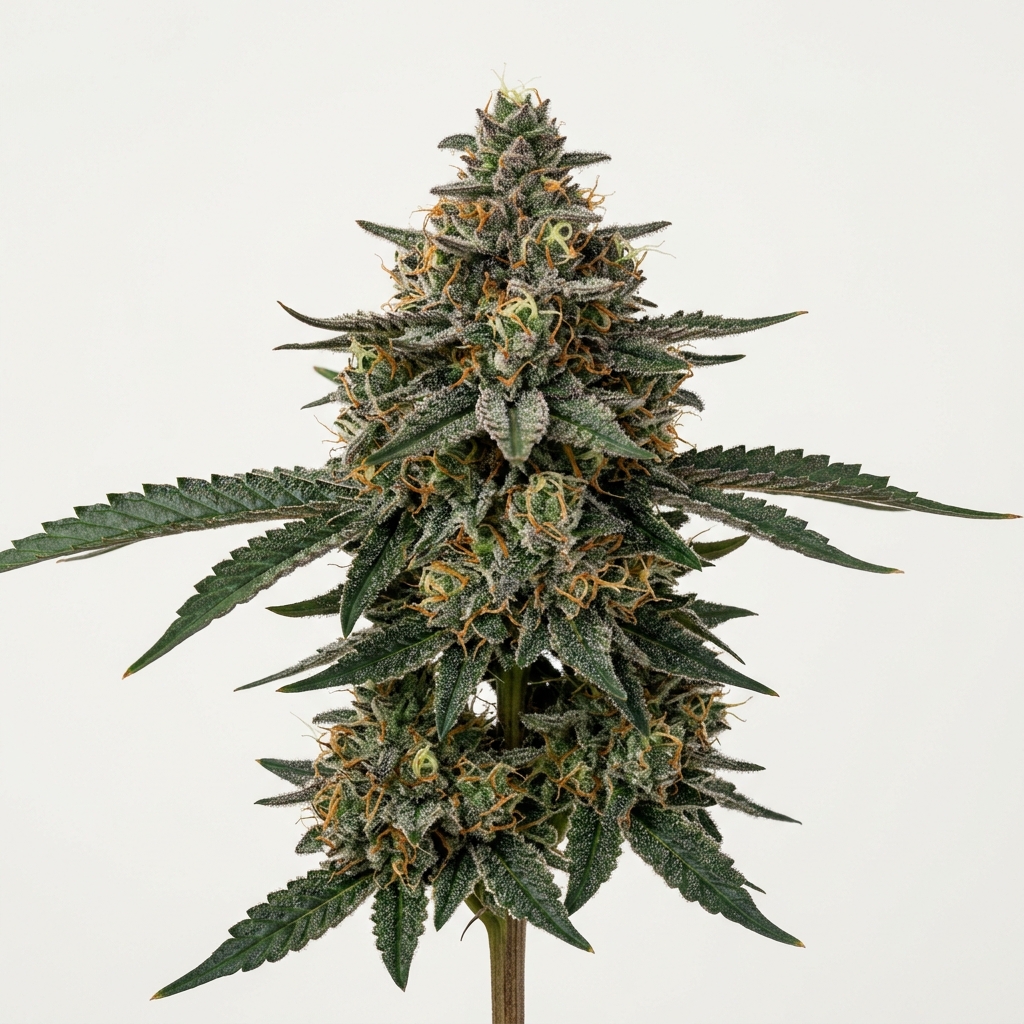
Kryptonite (Cannabis Strain)
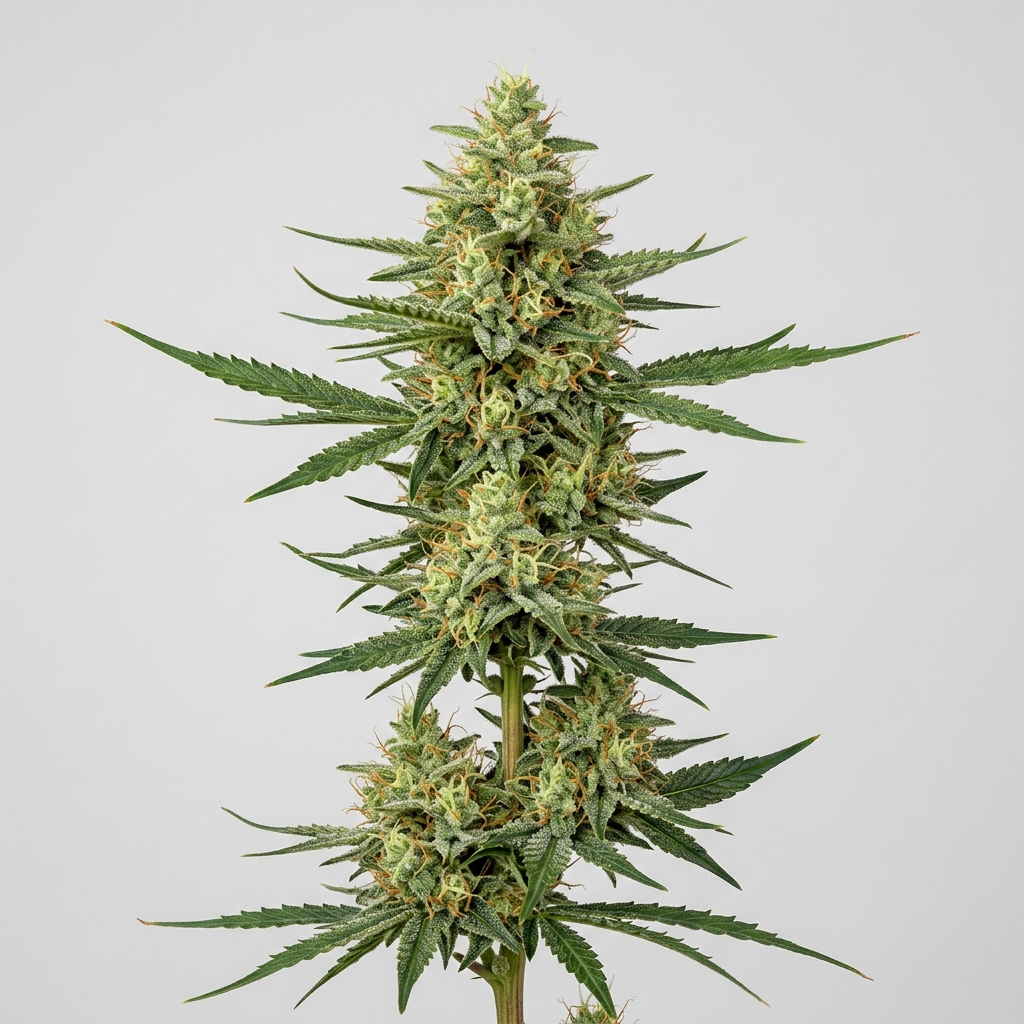
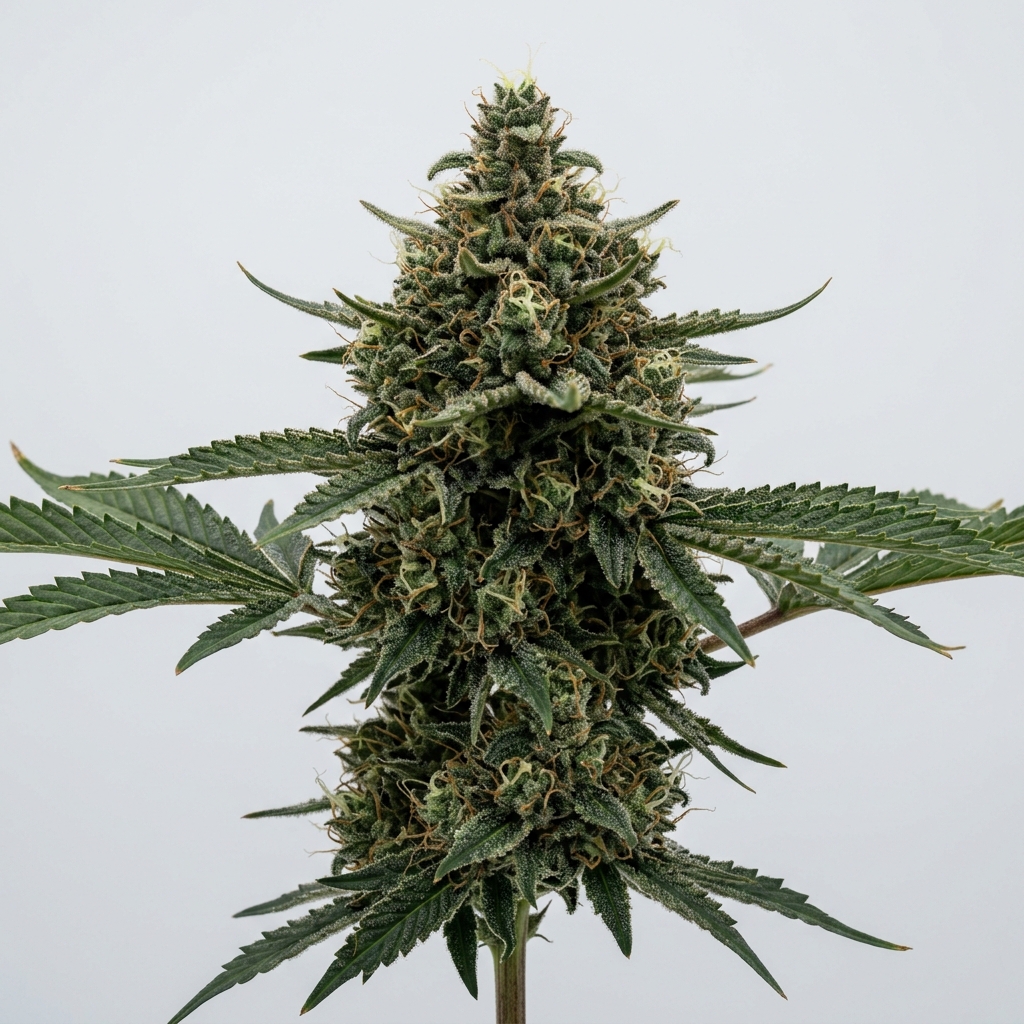
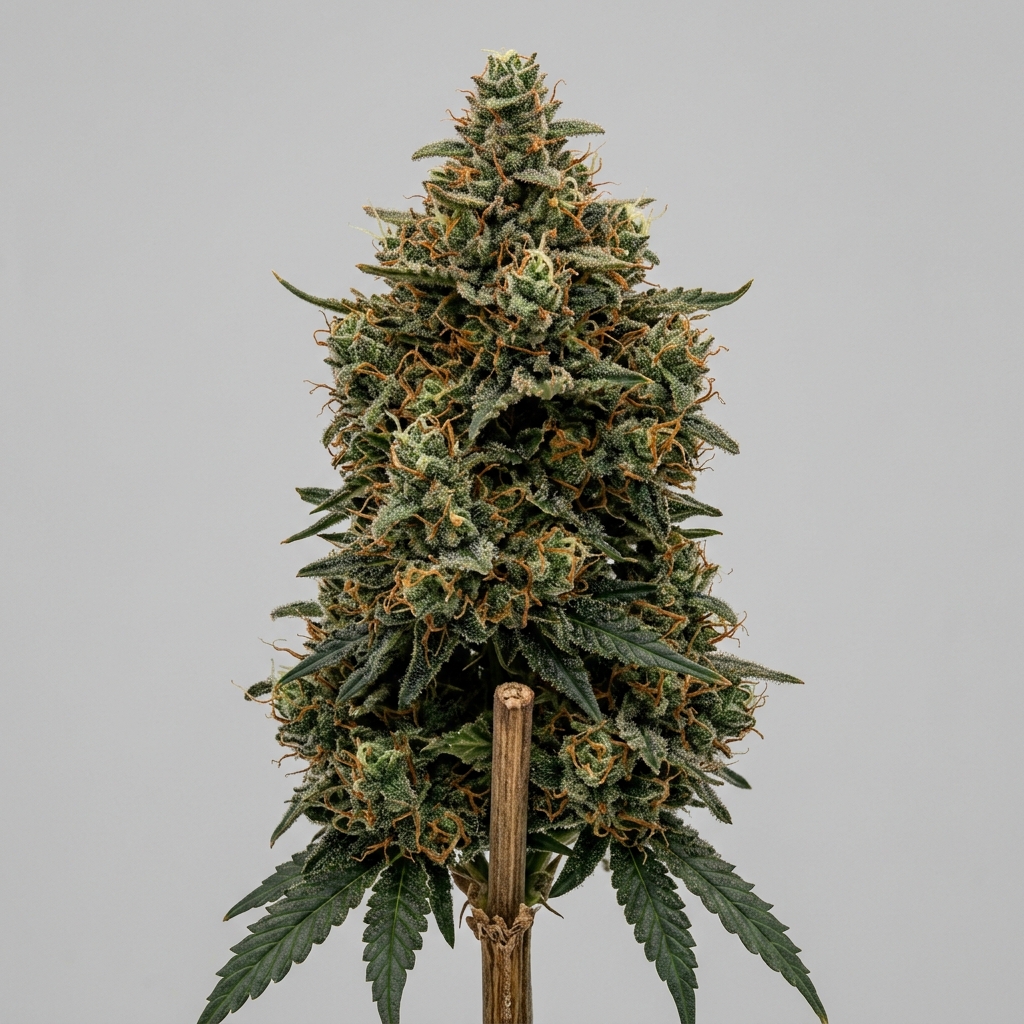
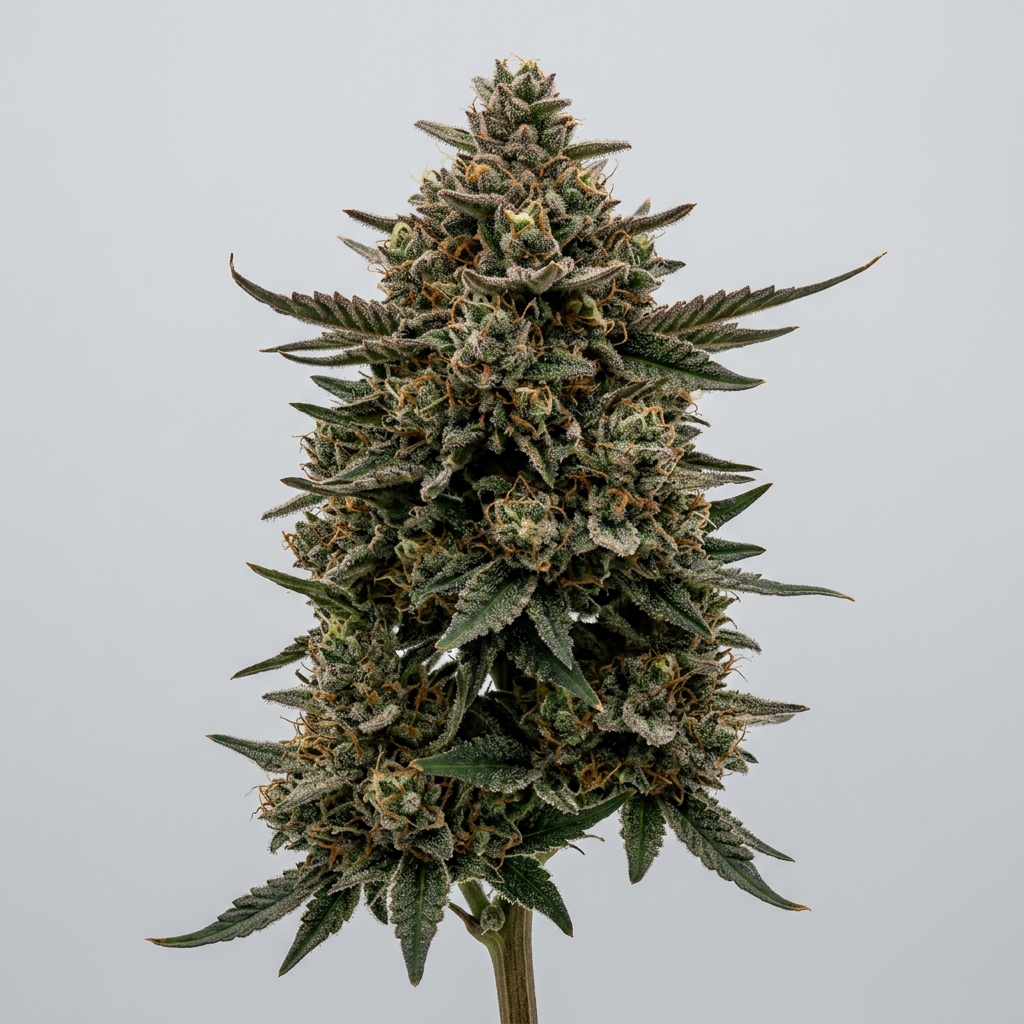
Kryptonite is a heavy evening hybrid typically testing between 18% and 25% THC, bred by crossing the legendary Killer Queen with Mendocino Purps. This cultivar is recognized for its dense, cone-shaped spear colas, resin-rich flowers, and a distinct aroma profile of earthy pine with a dark berry edge. Indoors, it shows a controlled stretch and tight internodes, making it a favorite for growers seeking a reliable, heavy-yielding indica-dominant plant that finishes with deep purple hues under cooler night temperatures.
Beyond its striking visual appeal, the strain is highly regarded for its physical weight and calming qualities. It serves as a classic evening choice, delivering a slow-building, grounding experience that settles deep into the limbs. The physical presence of the flower is matched by its thick, expansive smoke, which carries a robust, old-school flavor profile.
Quick Facts
| Attribute | Details |
|---|---|
| Genetics | Killer Queen × Mendocino Purps |
| Variety | Indica-dominant Hybrid |
| THC Range | 18% – 25% |
| Flowering Time | 8 – 9 Weeks |
| Yield Potential | Moderate to High |
| Plant Height | Medium (Controlled Stretch) |
| Climate Preference | Cool to Temperate |
| Difficulty | Moderate |
Scientific & Botanical Overview
Botanically, Kryptonite shows classic indica morphology with broad fan leaves, tight internodal spacing, and a sturdy, bushy frame. The plants produce dense bracts and swollen calyxes that are heavily coated in a layer of glassy buds and wet frost. As the flowering cycle progresses, the foliage often shifts from a deep forest green to dark violet tones, a trait inherited from its Mendocino Purps lineage.
The cultivar’s resin production is concentrated and greasy, with high-density trichomes covering both the flowers and the surrounding sugar leaves. This high concentration of glandular trichomes makes it a viable candidate for solventless extraction, yielding a terpene-rich wash. The plant’s rigid branches support the weight of its heavy spear colas without requiring excessive trellising, though some support is recommended in late flower.
Cultivators note that the strain requires careful airflow management due to the sheer density of its mature flowers. Maintaining low humidity during the final weeks of bloom is critical to preventing moisture retention within the tight flower clusters. Proper canopy pruning early in the vegetative stage helps optimize light penetration and air movement.
Effects & Use-Cases (Reported)
Commonly reported effects: A deep, physical heaviness accompanied by a calming mental ease and a slow, grounding sedation.
Use-case context: Best suited for late evening or nighttime use, particularly when winding down after a demanding day or preparing for sleep.
Note: Due to its heavy physical onset, newer consumers should approach this cultivar with caution to avoid early-onset drowsiness.
Aroma & Flavors
Aroma: Pungent damp earth and sharp pine, layered with a subtle, sweet berry undertone that intensifies upon grinding.
Flavor: A rich kush base with a tart gas lift and a lingering, woody mint finish on the exhale.
Terpene associations: Dominant in myrcene, caryophyllene, and pinene, which drive its earthy, spicy, and forest-like profile.
Tested Cannabinoid & Terpene Ranges
| Compound | Typical Range |
|---|---|
| Δ9-THC | 18.0% – 25.0% |
| CBD | < 0.5% |
| CBG | 0.5% – 1.2% |
| Myrcene | 0.4% – 0.9% |
| Caryophyllene | 0.3% – 0.7% |
| Pinene | 0.1% – 0.4% |
Note: Cannabinoid and terpene levels are highly variable and depend heavily on cultivation practices, environmental factors, and curing methods.
Cultivation Notes
- Keep late-flower humidity strictly below 45% to protect the dense, heavy colas from moisture issues.
- Responds well to a moderate feeding regimen; avoid over-fertilizing with nitrogen during the transition to flower.
- use low-stress training (LST) and light defoliation early in the vegetative phase to improve light penetration through the broad canopy.
- Harvest when trichomes are mostly milky white with about 10% to 15% turning amber for the most balanced physical effect.
- Look for phenotypes that exhibit early purple coloring on the calyxes, as these often carry the richest berry-pine terpene profile.
Grower Notes (Week-by-Week Snapshot)
- Weeks 1–3 (Vegetative & Transition): Plants establish a squat, bushy shape with minimal stretch; focus on topping early to promote multiple main colas.
- Weeks 4–6 (Mid-Flower): Dense flower clusters begin forming along the tight internodes, and the first signs of greasy resin start coating the bracts.
- Weeks 7–9 (Late Flower & Ripening): Drop nighttime temperatures slightly to encourage the expression of deep purple hues, and monitor the colas closely for airflow.
- Post-Harvest (Slow Dry & Cure): Execute a slow dry over 10 to 14 days at 60°F and 60% relative humidity to preserve the delicate forest and berry terpenes.
Genetic Lineage
The lineage of Kryptonite is rooted in Pacific Northwest and Northern California genetics, combining the complex potency of Killer Queen with the legendary color and flavor of Mendocino Purps. Killer Queen, a cross of G13 and Cinderella 99, contributes a structural rigidity and a heavy, resinous output. Mendocino Purps lends its signature purple coloration, sweet berry undertone, and deeply relaxing physical properties.
While some regional variations and clone-only phenotypes under the name Kryptonite are linked to the Bubba Kush family, the Killer Queen and Mendocino Purps cross remains the most widely recognized and celebrated iteration. This genetic combination balances old-school potency with a refined, modern bag appeal. It remains a staple in breeding projects aimed at introducing deep physical relaxation without sacrificing flavor clarity.
Research Insights
Analytical testing of Kryptonite highlights a terpene profile dominated by myrcene and beta-caryophyllene, which work in tandem with its moderate-to-high THC levels. This specific distribution of monoterpenes and sesquiterpenes is frequently studied for its potential to produce a heavy physical footprint. The presence of pinene adds a sharp, clarifying note to the otherwise heavy, grounding sensory profile, offering terpene clarity that defines the strain’s character.
Breeders value this cultivar for its stable inheritance of purple coloration and dense bract structure. The genetic stability of its parent strains ensures that offspring consistently express high resin density and a resilient growth habit, making it an important subject for ongoing hybrid development. Research continues to explore how its specific terpene ratios influence the longevity of its physical effects.
Frequently Asked Questions
Is Kryptonite an indica or sativa?
Kryptonite is an indica-dominant hybrid, typically exhibiting a 70/30 or 80/20 indica-to-sativa ratio, which is reflected in its short, bushy growth habit and heavy physical effects.
What does Kryptonite smell like?
This strain features a deep, pungent aroma of damp earth and sharp pine, balanced by a subtle sweet berry undertone that becomes more pronounced after curing.
How long does Kryptonite take to flower?
When grown indoors, Kryptonite typically finishes its flowering cycle in 8 to 9 weeks, while outdoor plants are generally ready for harvest by early October.
Is Kryptonite difficult to grow?
It is considered a moderate strain to cultivate. While its sturdy structure requires minimal support, its dense flower clusters require careful humidity management to prevent mold.
Educational Disclaimer
This article is for educational and informational purposes only. Cannabis laws and regulations vary by jurisdiction. Cultivation should only be undertaken where legally permitted.
Rate and review this strain
Ratings and reviews are accepted only from signed-in Google accounts.
Sign in with Google to leave a rating and written review.
Latest Reviews
0 reviewsNo reviews yet. Be the first Google user to rate and review this strain.