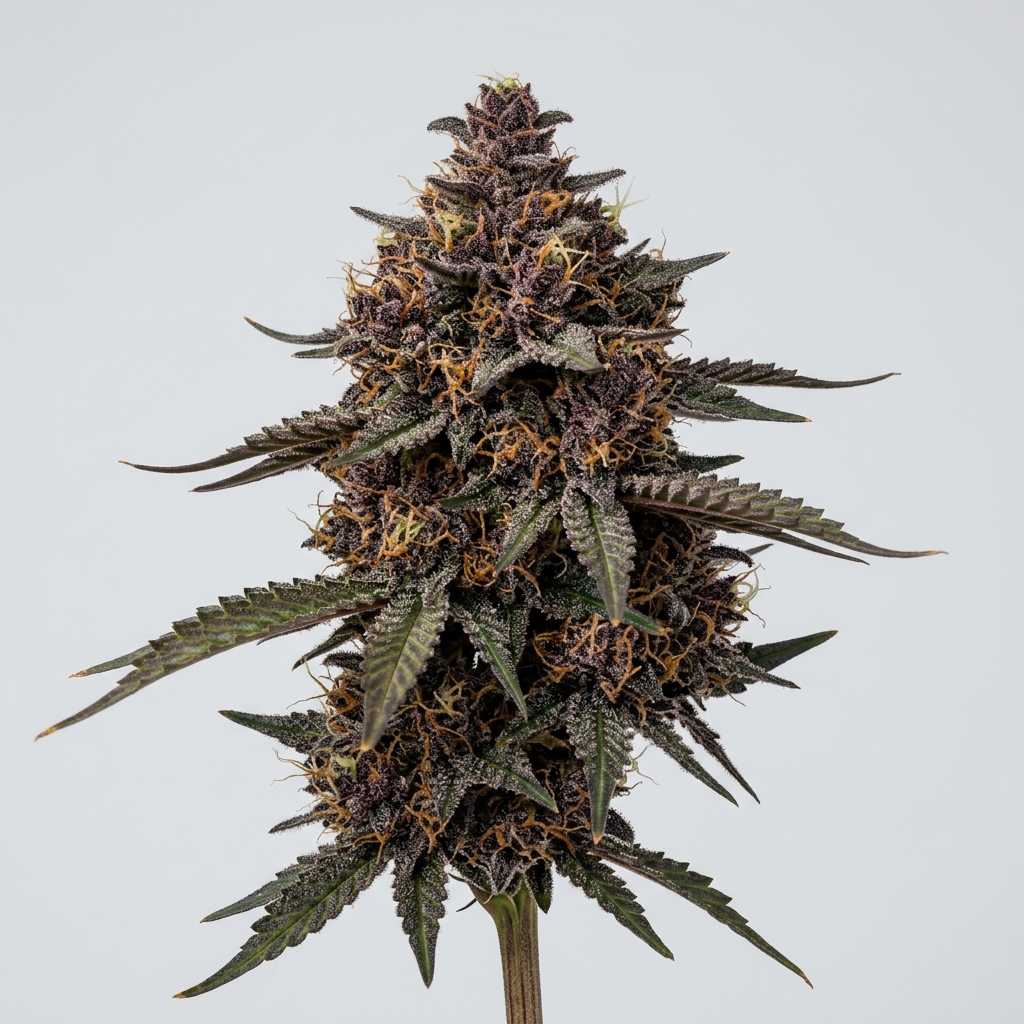
Black Diamond (Cannabis Strain)
Black Diamond is a heavy evening hybrid, commonly reported as an indica-dominant cross of Blackberry and Diamond OG, testing in the 18% to 24% THC range. Known for its deeply saturated purple hues and dense, resin-rich flowers, this cultivar delivers a complex profile of dark berry edge and rich, earthy kush base. It displays a controlled stretch in early flower, developing tight internodes and glassy buds that require moderate humidity management to preserve its dense bracts. Highly regarded for its relaxing, grounding properties, it has established itself as a staple for cultivators seeking both deep coloration and classic gas-meets-fruit terpene clarity.
Originally bred in Northern California, this strain captures the structural density of its OG heritage while inheriting the vivid anthocyanin expression of its Blackberry parent. The resulting flowers are exceptionally sticky, coated in a greasy resin layer that appeals to extraction artists and traditional flower enthusiasts alike.
Quick Facts
| Field | Details |
|---|---|
| Genetics | Blackberry × Diamond OG |
| Variety | Indica-dominant Hybrid |
| THC Range | 18% – 24% |
| Flowering Time | 8 – 9 Weeks |
| Yield Potential | Moderate to High |
| Plant Height | Medium (Controlled Stretch) |
| Climate Preference | Temperate, Low Humidity |
| Difficulty | Moderate |
Scientific & Botanical Overview
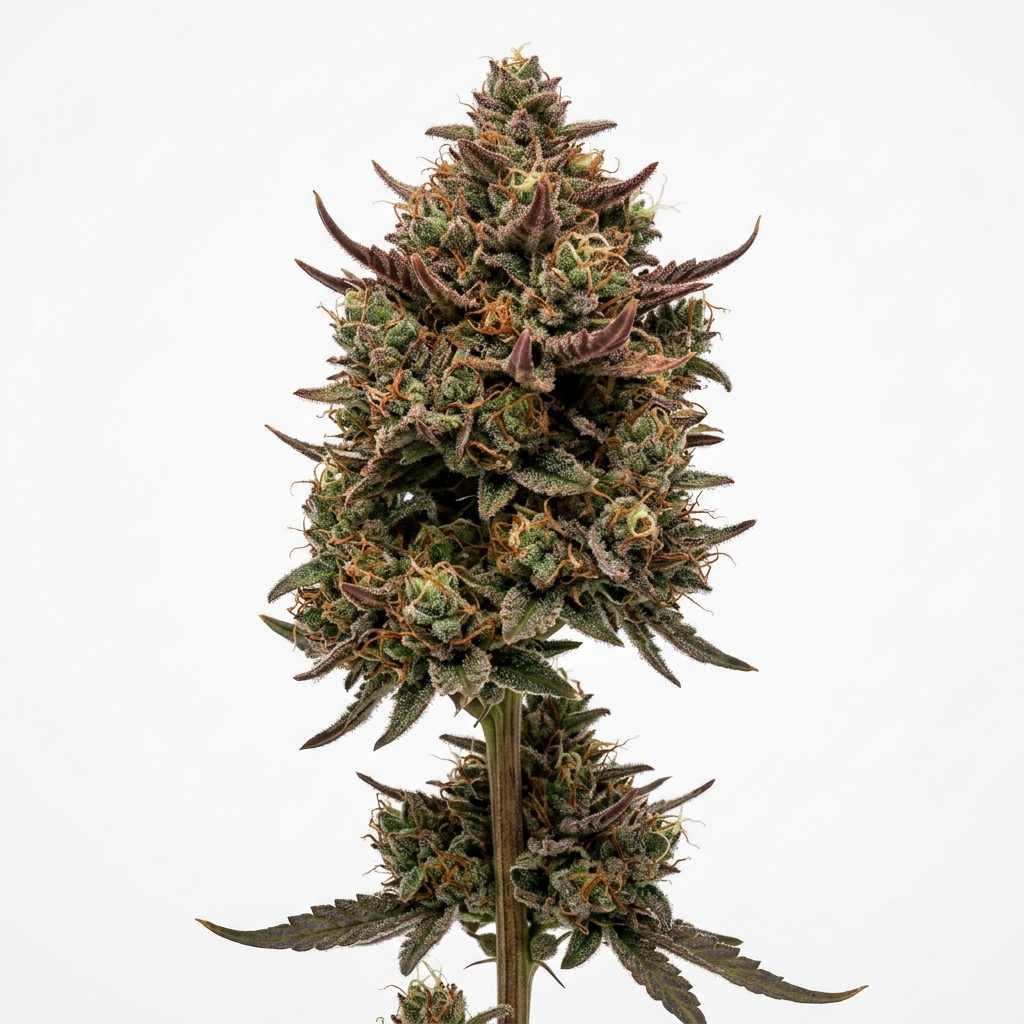
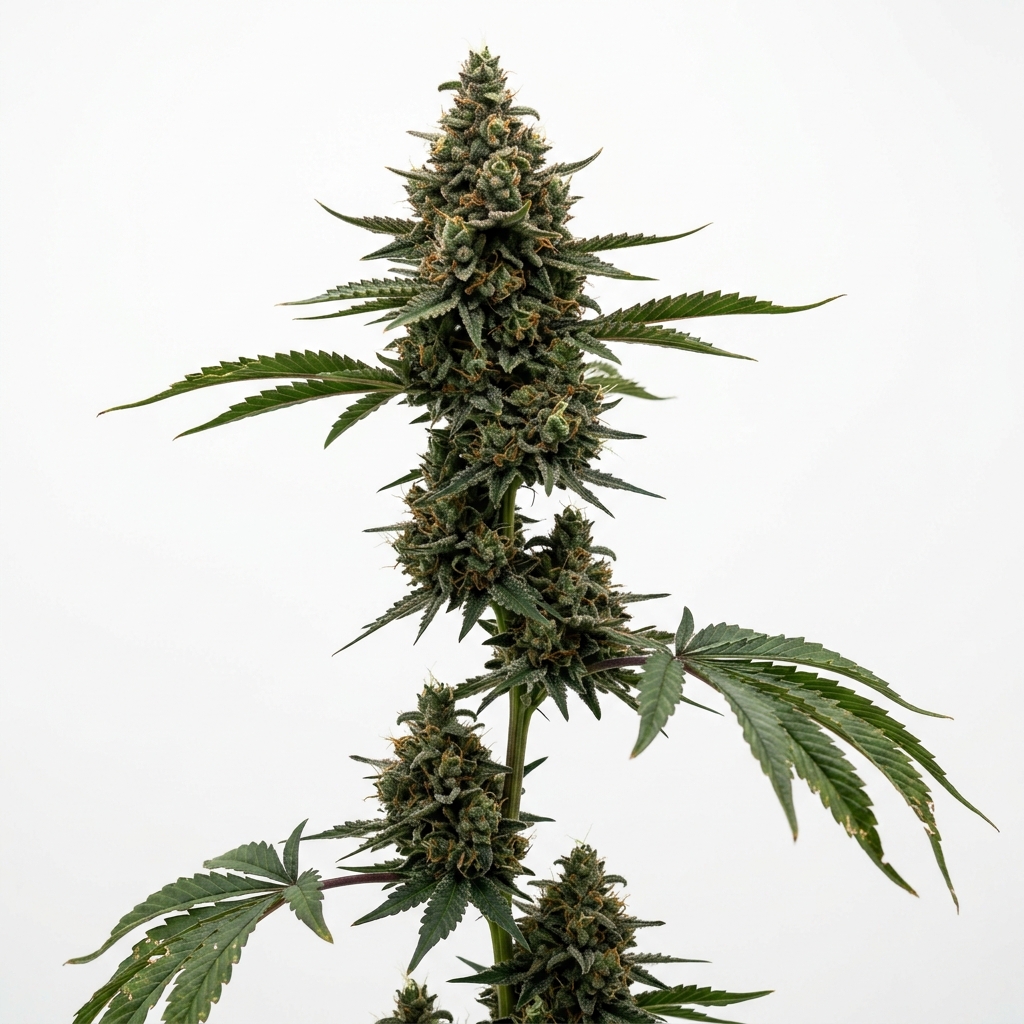
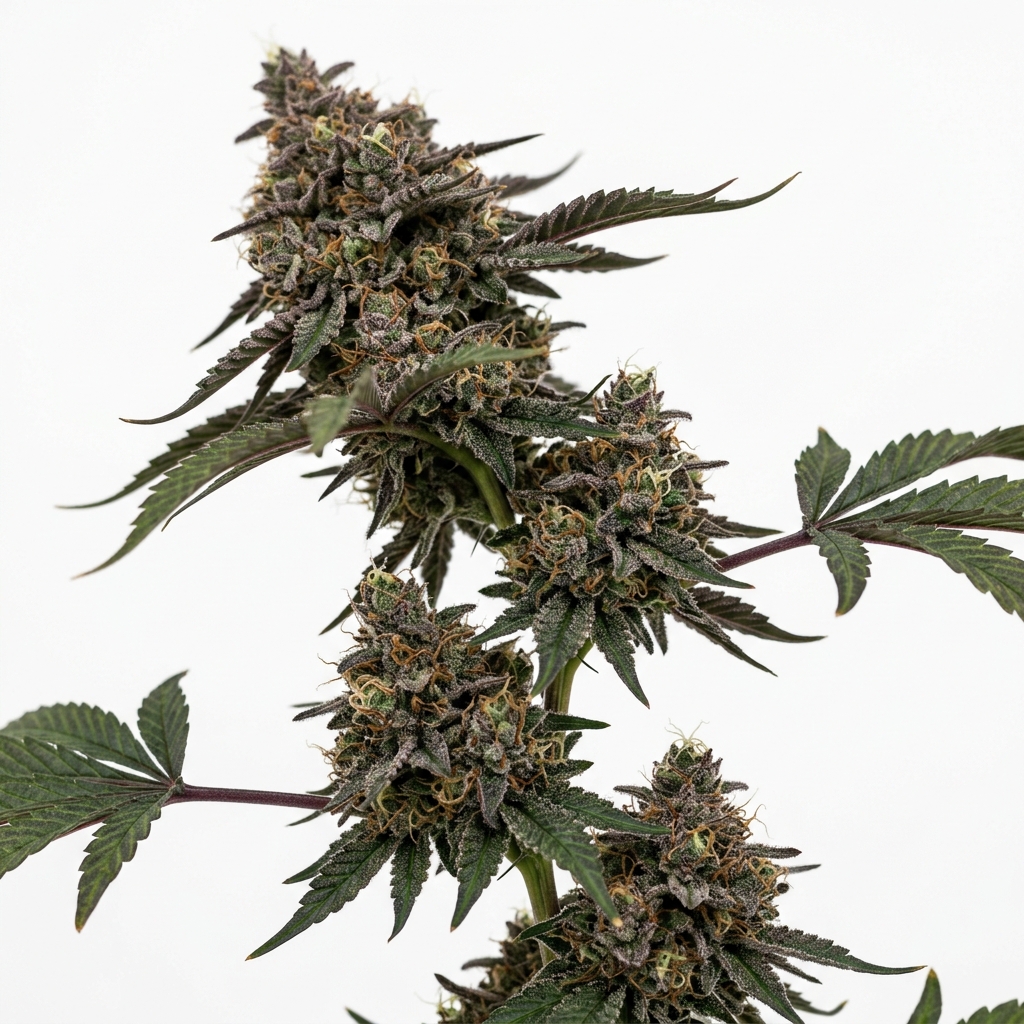
Black Diamond shows a classic indica morphology, characterized by broad fan leaves and a stout, bushy frame. The internodal spacing remains relatively tight, which requires regular defoliation to maintain adequate airflow through the lower canopy. Under cooler night temperatures in late flower, the plant readily expresses deep purple and near-black coloration due to high anthocyanin concentration.
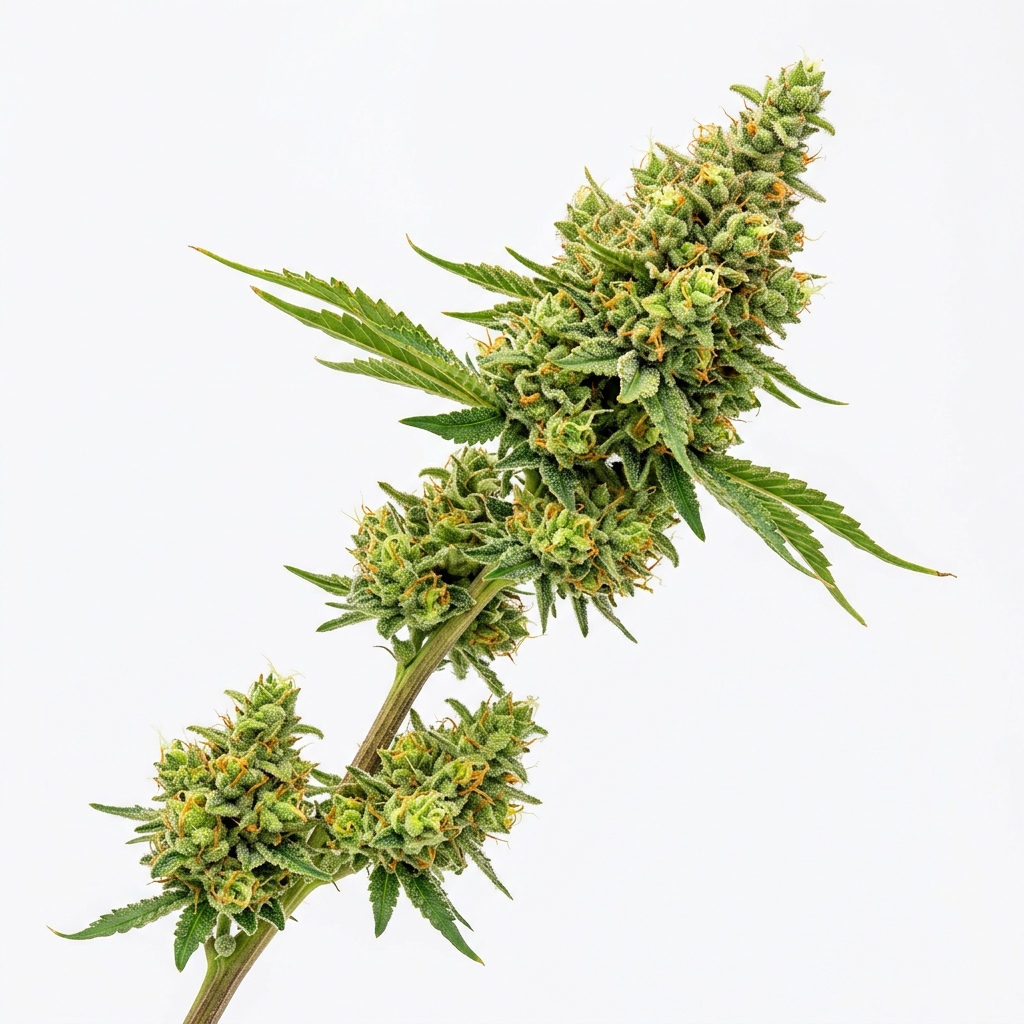
The buds mature into dense, olive-shaped spear colas covered in a thick blanket of glassy trichomes. These swollen calyxes are tightly packed, creating a firm flower structure that holds significant moisture if not properly dried. The pistils are thin and amber, twisting tightly against the dark purple bracts.
This cultivar is highly sensitive to microclimates, particularly during the final weeks of bloom. High humidity levels can trap moisture within the dense colas, making early environmental control essential. Cultivators typically employ multi-tier trellising to support the heavy, resin-rich flowers as they reach maturity.
Effects & Use-Cases (Reported)
Commonly reported effects: Users frequently describe a deep physical relaxation that starts in the limbs and settles into a heavy, grounding body stone. While physically sedating, the mental state is often described as warm, hazy, and occasionally giggly, making it less isolating than other heavy indica varieties. A notable increase in appetite is also widely reported.
Use-case context: Given its heavy physical influence, this cultivar is best suited for late-evening use or post-activity recovery. It is a popular choice for winding down before sleep or for quiet, low-energy social settings.
Note: Individual experiences may vary depending on dosage, tolerance, and specific phenotype chemistry.
Aroma & Flavors
Aroma: A pungent blend of damp earth, toasted oak, and a sharp, musky gas, backed by an unmistakable dark berry sweetness that intensifies upon grinding the buds.
Flavor: The smoke is thick and smooth, delivering a rich earthy kush base on the inhale, followed by a tart grape and blackberry finish on the exhale.
Terpene associations:
Caryophyllene, myrcene, and limonene dominate the profile, shaping both its spicy undertones and its bright, berry-like lift.
Tested Cannabinoid & Terpene Ranges
| Compound | Estimated Range |
|---|---|
| Δ9-THC | 18.0% – 24.0% |
| CBD | < 1.0% |
| β-Caryophyllene | 0.3% – 0.8% |
| β-Myrcene | 0.2% – 0.6% |
| d-Limonene | 0.1% – 0.4% |
| Linalool | 0.05% – 0.2% |
Note: Cannabinoid and terpene levels are highly variable and depend on specific cultivation methods, curing processes, and phenotype selection.
Cultivation Notes
- Humidity Control: Keep relative humidity (RH) below 45% during the final three weeks of flowering to prevent moisture retention in the dense colas.
- Canopy Management: Implement regular canopy pruning and lollipop the lower third of the plant before transition to improve airflow and direct energy to the upper canopy.
- Nutrient Regimen: This strain responds well to moderate nitrogen levels during vegetative growth, requiring a smooth transition to phosphorus and potassium as flower sets.
- Temperature Drop: Gradually lower night temperatures by 5 to 8 degrees Fahrenheit during weeks 6 and 7 of flower to stimulate the deep purple pigmentation.
- Drying and Curing: A slow 10-to-14-day dry at 60°F and 60% RH is critical to preserving the volatile berry terpenes and preventing the dense buds from drying too quickly on the exterior.
Grower Notes (Week-by-Week Snapshot)
- Weeks 1–3 (Transition & Stretch): The plant undergoes a controlled stretch, usually doubling in height. Early tucking and light training should be completed now to establish an even canopy.
- Weeks 4–6 (Mid-Flower & Resin Development): Flower clusters begin to stack rapidly, and early glassy trichomes appear on the sugar leaves. Ensure air circulation is high as the buds begin to pack on density.
- Weeks 7–9 (Late Flower & Coloration): Introduce cooler night temperatures to coax out the dark purple hues. Monitor the trichomes closely, looking for a mix of milky white and amber heads before executing a thorough flush.
Genetic Lineage
Black Diamond is bred from a cross of Blackberry and Diamond OG, a pairing that balances old-school indica structural integrity with modern fruit-forward terpene profiles. Blackberry contributes the deep berry edge, vibrant purple coloration, and a softer, more relaxing mental state.
The maternal influence of Diamond OG anchors the hybrid with its classic kush lineage, delivering the heavy physical stone, earthy fuel aroma, and resin density. This genetic combination results in a stable phenotype that consistently expresses the physical traits of a classic OG Kush relative with enhanced visual appeal.
Research Insights
Analytical testing of Black Diamond showcases a robust concentration of sesquiterpenes, particularly caryophyllene and myrcene. These compounds interact with the plant’s cannabinoid profile to modulate the overall physical experience, providing a grounding effect without the sharp, racey edges of high-limonene sativa cultivars.
Breeding research indicates that the purple coloration in this cultivar is highly heritable, linked to specific genetic markers that regulate anthocyanin production under thermal stress. This makes it a valuable parent strain for breeders looking to introduce deep purple traits without sacrificing bud density or resin yield.
Frequently Asked Questions
Is Black Diamond an indica or a sativa?
Black Diamond is an indica-dominant hybrid, typically reported as a 70% to 80% indica cross. It inherits its physical growth structure and heavy, relaxing effects from its Diamond OG parent, while Blackberry contributes color and sweetness.
What does Black Diamond smell like?
This strain features a rich, pungent aroma dominated by damp earth, toasted oak, and a musky gas base. This heavy kush profile is balanced by a distinct dark berry and grape sweetness that becomes more pronounced when the buds are broken apart.
How long does Black Diamond take to flower?
When grown indoors, Black Diamond typically completes its flowering cycle in 8 to 9 weeks. Outdoor growers can expect to harvest in late September to early October, depending on local climate conditions.
Does Black Diamond turn purple naturally?
While the genetics carry a strong predisposition for purple coloration, achieving the deepest shades usually requires a slight drop in nighttime temperatures during late flower. This thermal shift triggers the expression of anthocyanin pigments within the dense bracts.
Educational Disclaimer
This strain profile is for educational and informational purposes only. Cultivation regulations, legal status, and consumption guidelines vary by jurisdiction. Always consult local laws and professional horticultural advice before growing or using cannabis.
Rate and review this strain
Ratings and reviews are accepted only from signed-in Google accounts.
Sign in with Google to leave a rating and written review.
Latest Reviews
0 reviewsNo reviews yet. Be the first Google user to rate and review this strain.
Follow New Cultivar Records
Get newly documented genetics, breeder history, research highlights, and important Strainpedia discoveries by email.