Cold Creek Kush (Cannabis Strain)
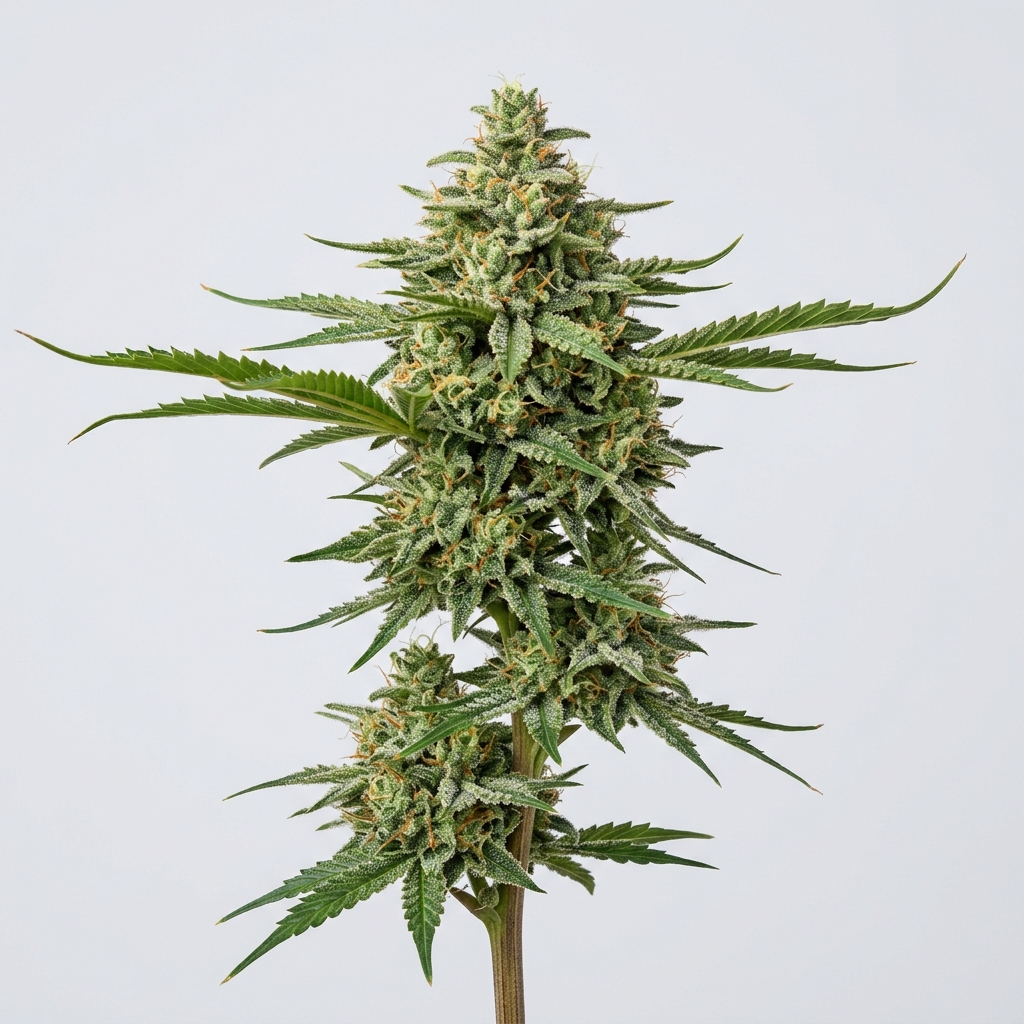
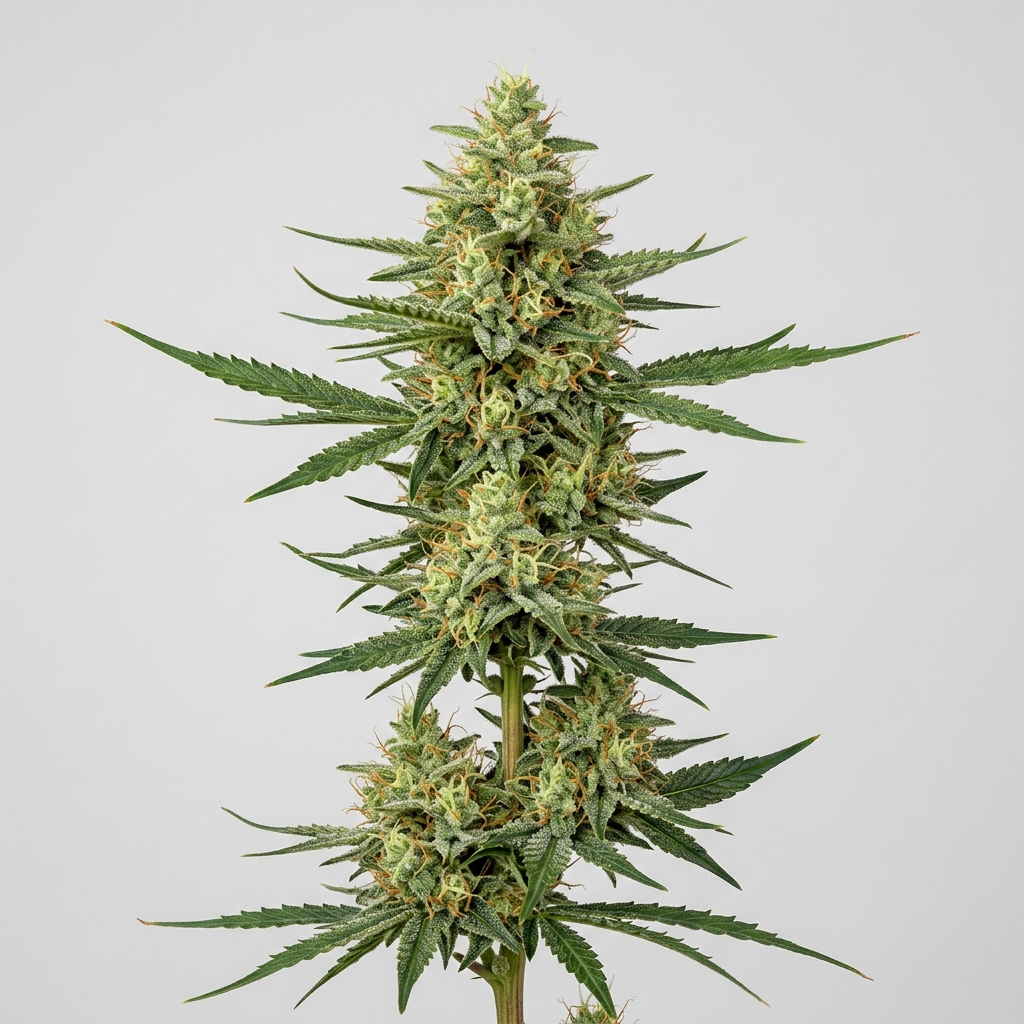
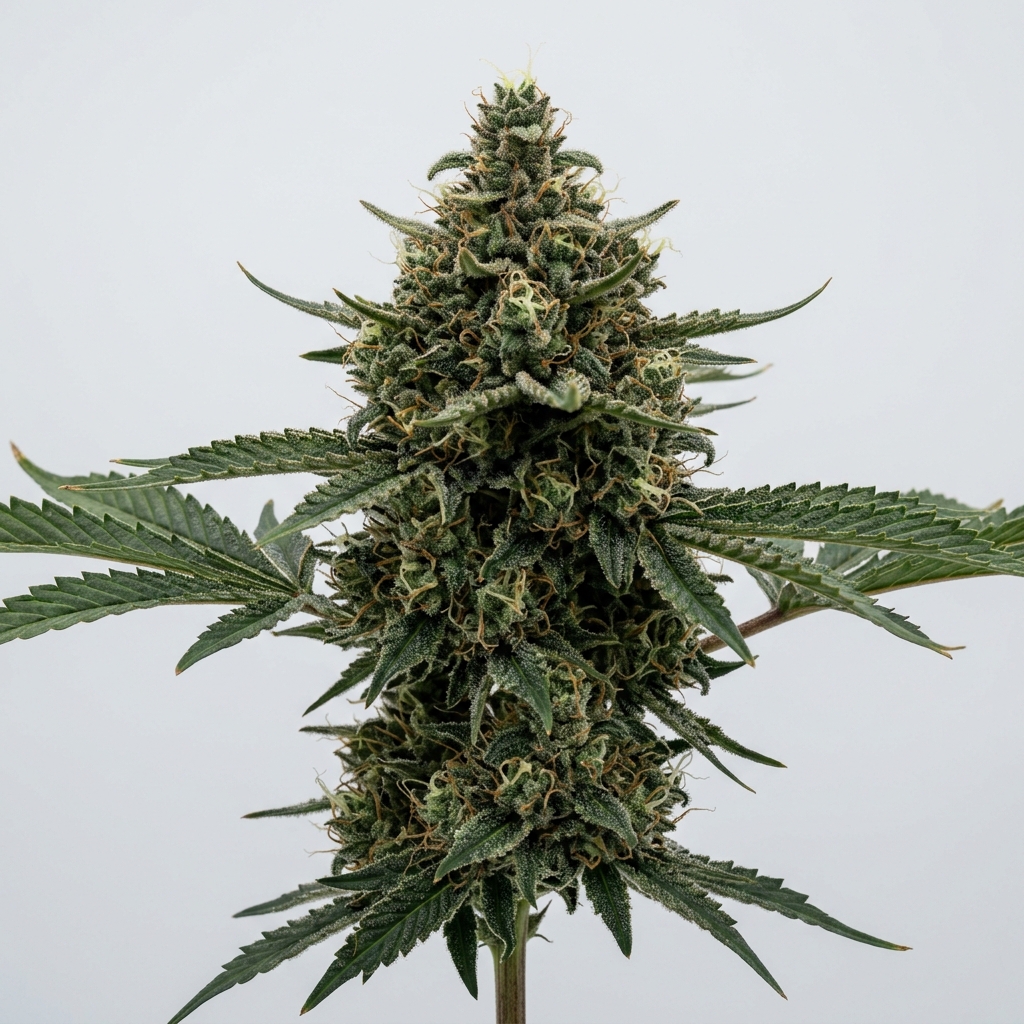
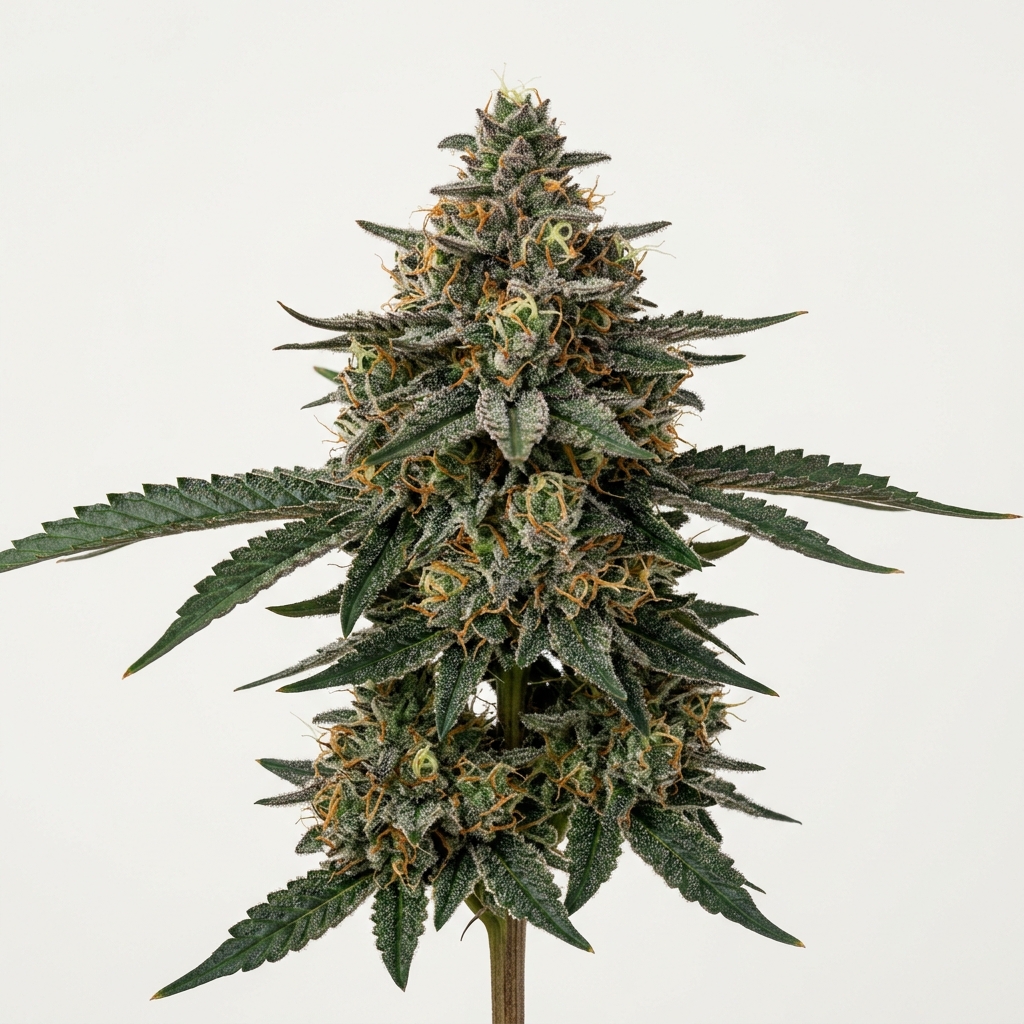
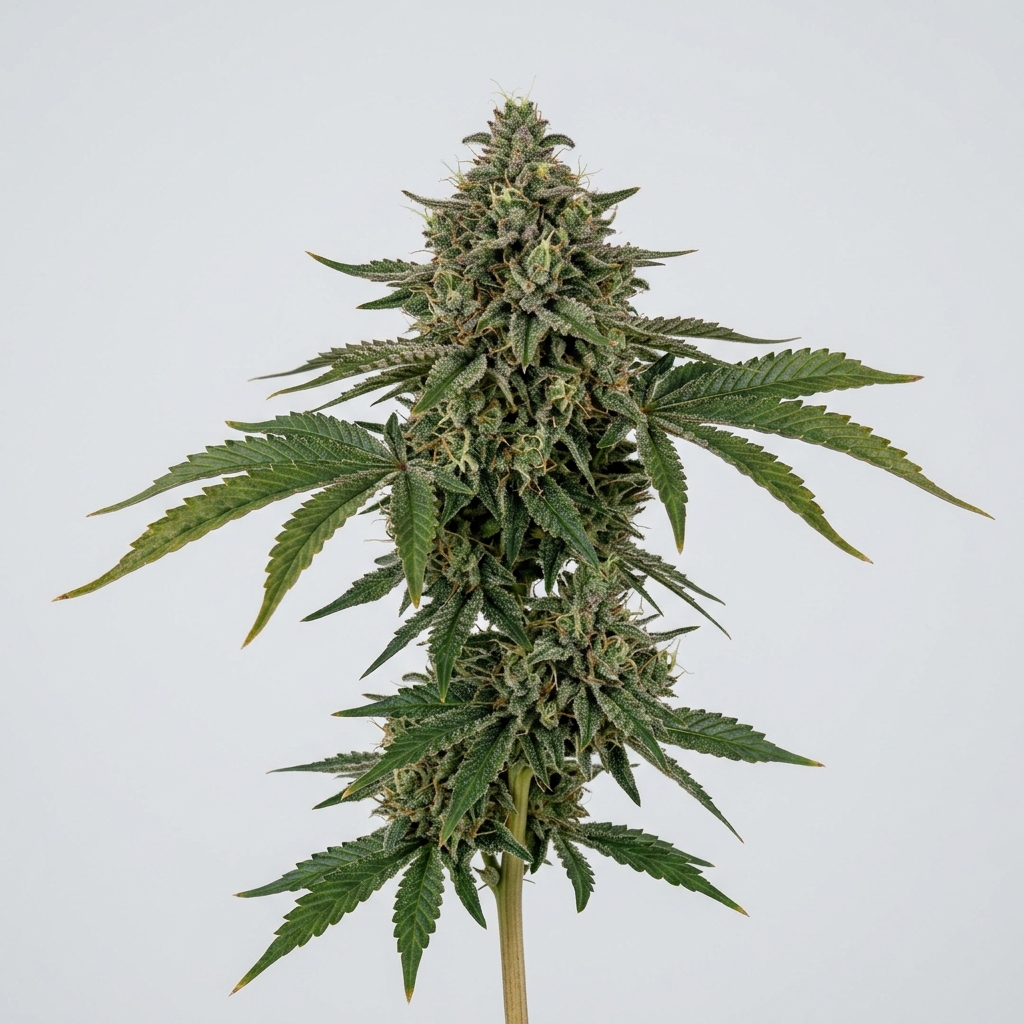
Cold Creek Kush is an indica-dominant cultivar crossing the legendary MK Ultra and Chemdawg 91, delivering a potent THC range of 18% to 25%. Known for its dense, pine-cone-shaped buds coated in a greasy resin layer, this strain blends a sharp woody pine aroma with an earthy, sour fuel finish. In the garden, it shows a moderate, controlled stretch, producing spear-shaped colas with swollen calyxes that demand careful humidity management in late flower.
This strain has earned a solid reputation among growers and consumers who favor classic, gas-forward profiles over modern candy exotics. Its heavy resin coverage makes it a reliable choice for solventless extraction, while its balanced growth habits suit both indoor and outdoor setups.
Quick Facts
| Field | Details |
|---|---|
| Genetics | MK Ultra × Chemdawg 91 |
| Variety | Indica-dominant Hybrid |
| THC Range | 18% – 25% |
| Flowering Time | 8 – 10 Weeks (56 – 70 Days) |
| Yield Potential | Moderate to High |
| Plant Height | Medium |
| Climate Preference | Temperate, low humidity |
| Difficulty | Moderate |
Scientific & Botanical Overview
Botanically, Cold Creek Kush displays classic broad-leaf characteristics inherited from its Afghani lineage via MK Ultra, balanced by the narrower leaf structure of Chemdawg 91. The plants develop a sturdy lateral branching pattern, supporting dense, heavy flowers that require structural support as they mature. Tight internodes in early veg give way to a manageable stretch once the photoperiod is flipped.
The cultivar is highly reactive to environmental cues, showing deep forest green hues that can turn to subtle violet shades when exposed to cooler night temperatures. Its calyx-to-leaf ratio is relatively high, simplifying the trimming process and allowing excellent airflow through the canopy when properly defoliated. This structural efficiency helps offset its susceptibility to moisture retention in dense flower clusters.
Glandular trichomes develop early in the flowering cycle, moving from clear stalks to a dense, milky blanket of wet frost by week seven. This early resin production is accompanied by a pungent, volatile terpene output that necessitates robust carbon filtration in indoor environments. The mature buds are remarkably sticky, holding a high concentration of essential oils within their dense bracts.
Effects & Use-Cases (Reported)
Commonly reported effects: Users frequently describe a rapid, cerebral lift that transitions into a deep, physically relaxing body stone. The initial onset is often bright and focused, courtesy of the Chemdawg lineage, before settling into a calm, heavy-lidded state. It is widely noted for its grounding properties, helping to quiet physical tension without immediate sedation.
Use-case context: This cultivar is best suited for late afternoon or evening use, providing a smooth transition after a demanding day. Its physical relaxation profile makes it popular among those seeking to unwind, read, or prepare for rest. The lingering physical buzz is often accompanied by an increase in appetite, making it ideal for post-workout recovery or late-night dining.
Note: Individual tolerance and consumption methods will significantly influence the overall experience; beginners should approach this strain with caution due to its rapid onset and heavy physical finish.
Aroma & Flavors
Aroma: Pungent forest pine dominates the initial impression, followed closely by a sharp, sour fuel and damp earth undertone. Breaking the buds releases a more complex layer of herbal spice and faint citrus peel, showcasing its deep Kush heritage.
Flavor: The smoke carries a thick, savory quality, tasting of fresh soil, bitter herbs, and a distinct diesel-like fuel on the exhale. A clean, lingering pine finish stays on the palate long after use, free of any synthetic sweetness.
Terpene associations: Lab reports typically show a dominance of beta-caryophyllene, myrcene, and limonene, which drive its spicy, earthy, and citrus-lifted profile.
Tested Cannabinoid & Terpene Ranges
| Compound | Typical Range |
|---|---|
| Δ9-THC | 18.0% – 25.0% |
| CBD | < 1.0% |
| Beta-Caryophyllene | 0.3% – 0.8% |
| Myrcene | 0.2% – 0.6% |
| Limonene | 0.1% – 0.4% |
Note: Cannabinoid and terpene levels are highly variable and depend heavily on specific phenotype selection, cultivation techniques, and curing practices.
Cultivation Notes
- Humidity Control: Maintain relative humidity below 45% during the final three weeks of flowering to prevent moisture retention in the dense, resinous colas.
- Nutrient Feeding: This cultivar responds well to a moderate nitrogen regimen in veg, but requires elevated potassium and phosphorus during peak flower.
- Training Techniques: Employ topping and low-stress training (LST) early in vegetative growth to promote an even canopy and maximize light penetration.
- Pruning: Perform a thorough defoliation (lollipop) before flipping to flower to clean up the lower third of the plant and improve airflow.
- Harvest Window: Look for amber trichome development around day 63 to 70 for the heaviest physical effects, or harvest slightly earlier for a more cerebral profile.
Grower Notes (Week-by-Week Snapshot)
- Weeks 1–3 (Transition & Stretch): The plants undergo a moderate stretch, typically doubling in size. Ensure early trellis support is in place to guide the lateral branches and keep the canopy level.
- Weeks 4–6 (Flower Development): Bud sites begin to cluster into distinct spear colas, and resin production starts on the fan leaves. Keep canopy temperatures steady at 72–78°F to prevent terpene degradation.
- Weeks 7–9 (Resin & Ripening): Calyxes swell significantly, and the aroma intensifies. Flush the medium with plain water during the final 10 to 14 days to encourage a clean burn and smooth cure.
- Post-Harvest (Dry & Cure): Hang dry the whole plant at 60°F and 60% relative humidity for 10 to 14 days, followed by a minimum two-week cure in sealed containers to lock in the earthy pine profile.
Genetic Lineage
Cold Creek Kush draws its robust foundation from MK Ultra, a heavy-hitting indica cross of G13 and OG Kush. This parent contributes the dense bud structure, deep physical relaxation, and rich, earthy undertones that define the strain’s growth habits. The MK Ultra influence is also evident in the plant’s thick, broad leaves and resin density.
The paternal influence of Chemdawg 91 injects a sharp, fuel-forward aroma and a soaring, cerebral initial lift. This classic combination results in a balanced but powerful hybrid that preserves the best traits of old-school gas and kush genetics. The Chem lineage also lends a slight sativa-like vigor to the vegetative stage, helping the plant bounce back quickly from training.
Research Insights
Analytical testing of this cultivar highlights a complex terpene profile dominated by sesquiterpenes like beta-caryophyllene, which may interact with peripheral cannabinoid receptors. The presence of monoterpenes such as myrcene and limonene suggests a potential modulating effect on the overall THC experience, often referred to as the entourage effect. These compounds work together to balance the heavy physical sedation with a clear mental focus.
Breeders frequently use Cold Creek Kush in hybridization projects due to its stable growth characteristics and reliable resin production. Its genetic resistance to common pests and mold makes it a valuable subject for studying environmental resilience in modern cannabis cultivars. The persistence of its pine-gas terpene profile across various phenotypes also makes it a favored parent for backcrossing.
Frequently Asked Questions
Is Cold Creek Kush an indica or a sativa?
Cold Creek Kush is an indica-dominant hybrid, typically leaning 60% to 70% indica, though its Chemdawg 91 lineage provides a distinct cerebral energy before the heavy physical relaxation sets in.
What does Cold Creek Kush smell like?
This strain is highly aromatic, defined by a pungent blend of fresh pine, damp earth, and a sharp, sour diesel fuel undertone.
How long does Cold Creek Kush take to flower?
Indoor plants typically reach full maturity in 8 to 10 weeks (56 to 70 days), depending on the specific phenotype and grower preferences.
Is this strain suitable for beginner growers?
While it is relatively resilient to pests, its dense bud structure requires careful humidity control in late flower, making it best suited for growers with some basic environmental management experience.
Educational Disclaimer
This article is for educational and informational purposes only. Local laws regarding cannabis cultivation and consumption vary widely, and readers should always consult local regulations before undertaking any cultivation activities.
Rate and review this strain
Ratings and reviews are accepted only from signed-in Google accounts.
Sign in with Google to leave a rating and written review.
Latest Reviews
0 reviewsNo reviews yet. Be the first Google user to rate and review this strain.