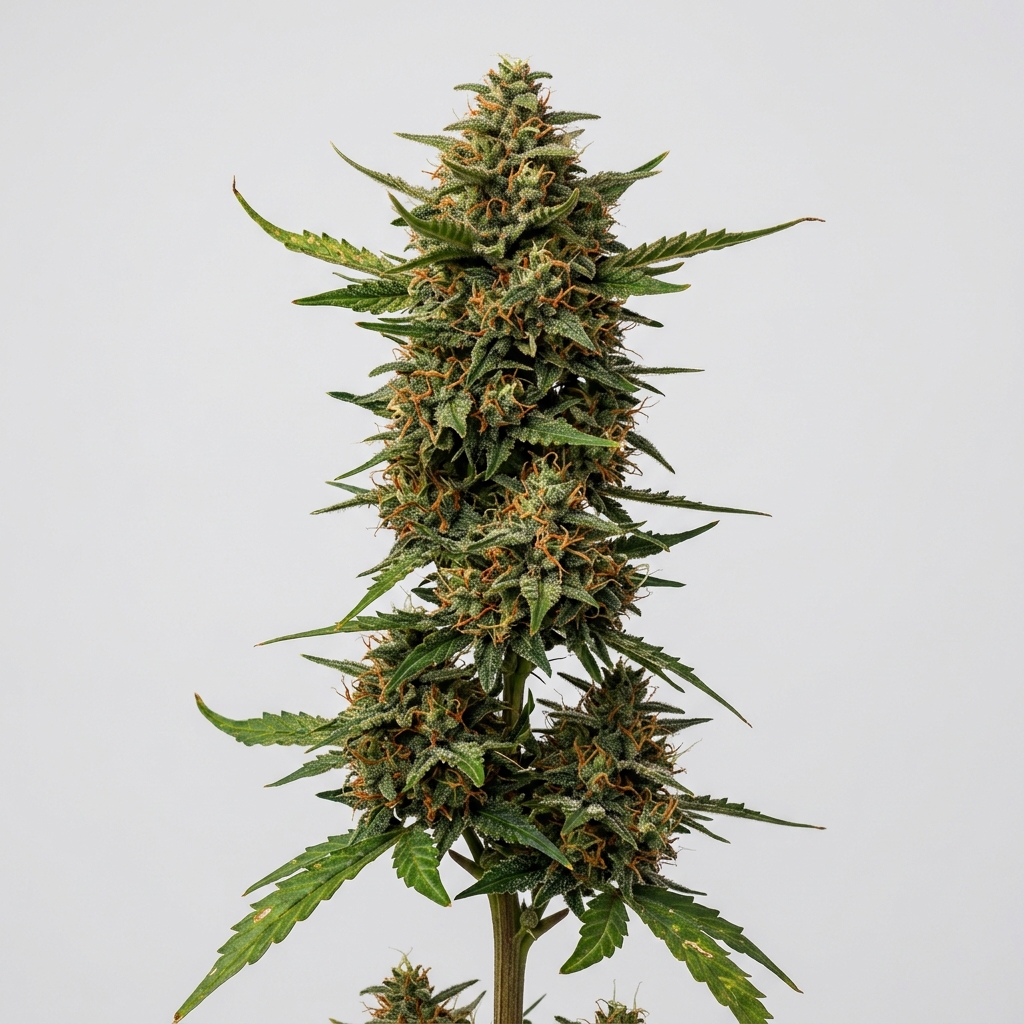
Automaria (Cannabis Strain)
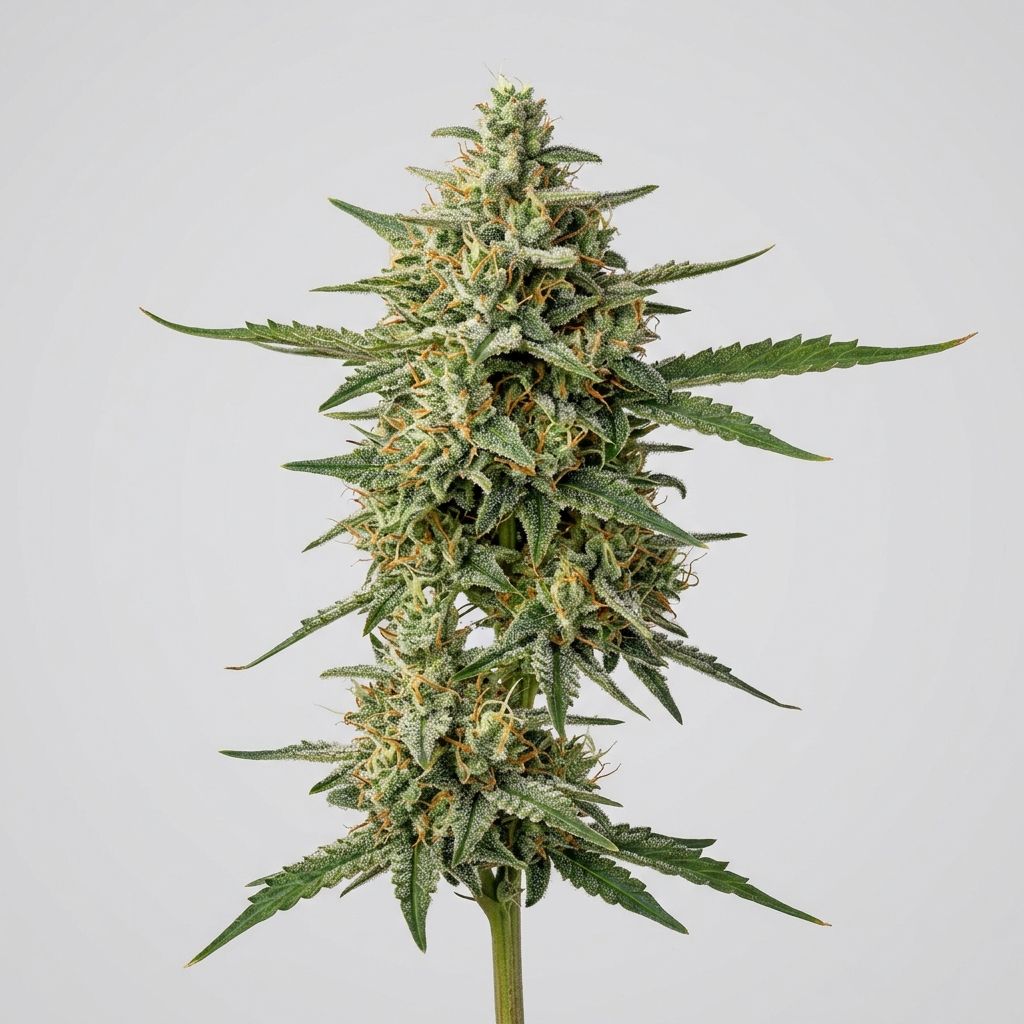
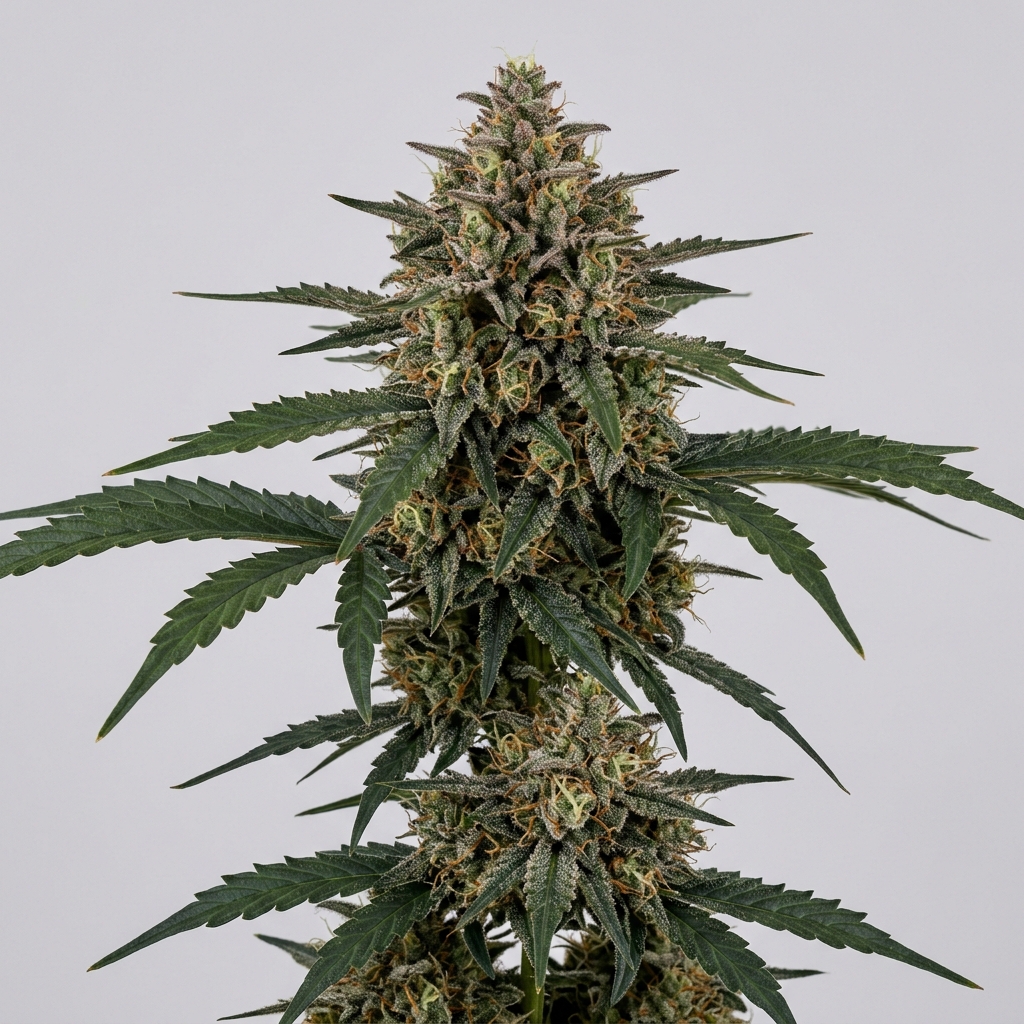
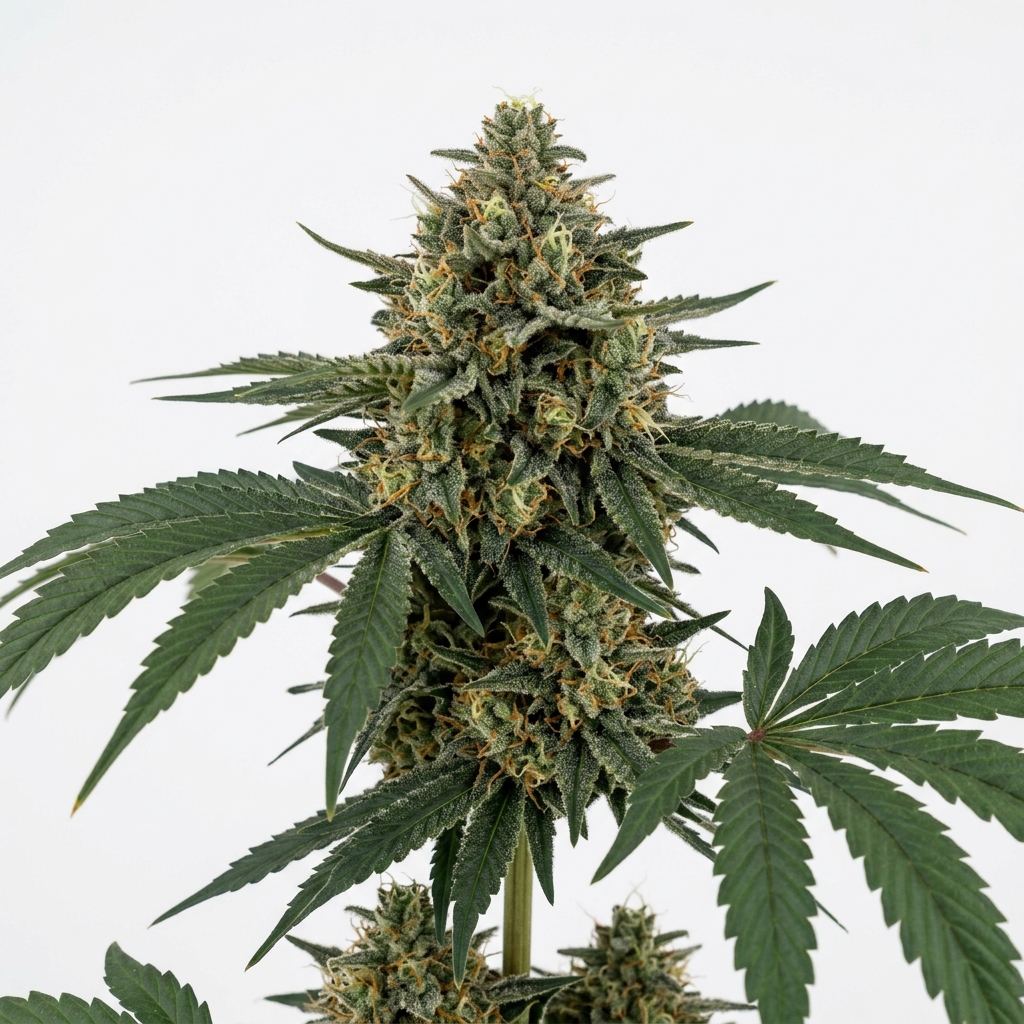
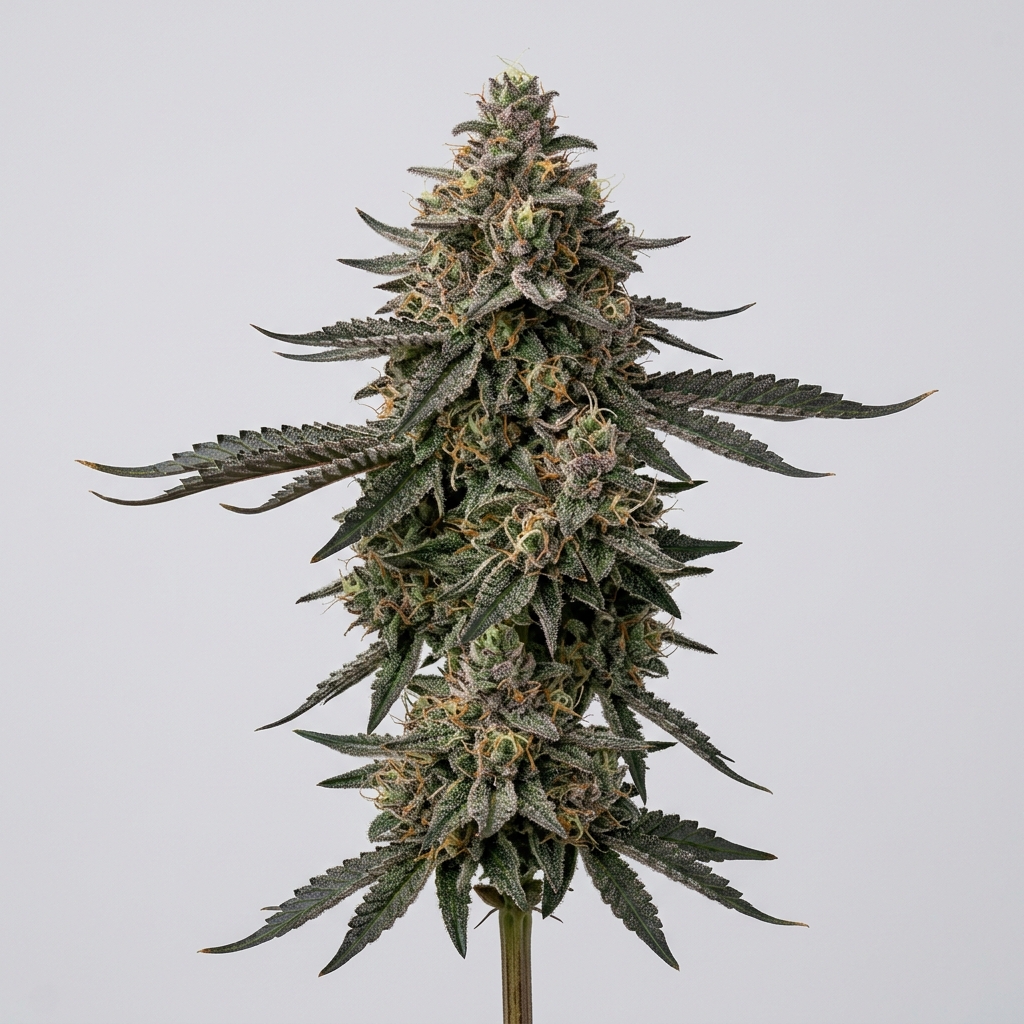
Automaria is a pioneering autoflowering hybrid developed by crossing a select ruderalis lineage with a resin-rich indica/sativa parent, delivering a moderate THC range of 12%–16%. Known for its fast-track life cycle and compact spear colas, this cultivar showcases a distinct sharp citrus lift balanced by an earthy kush base. It produces glassy buds with tight internodes and a quick-setting layer of greasy resin, making it a reliable choice for growers seeking rapid turnaround times without sacrificing terpene clarity.
Unlike photoperiod strains that require light cycle shifts, this variety transitions automatically to flower within a few weeks of germination. This makes it highly adaptable for both small-scale indoor setups and stealthy outdoor gardens. Its balanced growth profile and dependable yields have solidified its place among classic, easy-to-manage autoflowering genetics.
Quick Facts
| Specification | Detail |
|---|---|
| Genetics | Ruderalis × Selected Indica/Sativa Hybrid |
| Variety | Autoflowering Hybrid |
| THC Range | 12% – 16% |
| Flowering Time (Seed to Harvest) | 55 – 65 days |
| Yield Potential | Moderate (approx. 350–400 g/m² indoors) |
| Plant Height | Short to medium (60 – 90 cm) |
| Climate Preference | Temperate, sunny, or controlled indoor |
| Difficulty | Easy |
Scientific & Botanical Overview
Botanically, Automaria shows the classic morphology of early-generation autoflowering cultivars, maintaining a compact stature with broad fan leaves and tight internodes. The integration of ruderalis genetics dictates its photoperiod-independent flowering mechanism, which initiates based on plant maturity rather than light exposure. This genetic trait ensures a predictable life cycle that rarely exceeds nine weeks from seed.
The plant allocates its energy toward a dominant central spear cola, supported by a few smaller lateral branches. Its floral structure consists of dense bracts and swollen calyxes that cluster tightly along the main stem. As senescing begins, the foliage often shifts to lighter green and pale yellow tones, highlighting the glassy buds beneath.
Resin production starts early in the flowering phase, coating the emerging pistils and surrounding sugar leaves with a fine, greasy resin. The trichomes are predominantly capitate-stalked but remain relatively short, giving the mature flowers a wet frost appearance. This steady resin development continues even under fluctuating light schedules.
Effects & Use-Cases (Reported)
Commonly reported effects: Users frequently report a mild, uplifting mental clarity accompanied by a gentle, soothing physical relaxation. The moderate cannabinoid profile provides a functional, clear-headed experience that does not lead to heavy sedation.
Use-case context: This balanced profile is well-suited for daytime activities, creative tasks, or social settings where focus is required. The lack of an intense physical lock makes it a practical option for afternoon use.
Note: Individual tolerance and consumption methods will influence the overall onset and duration of these effects.
Aroma & Flavors
Aroma: The initial nose is dominated by a sharp citrus lift, accented by subtle hints of sweet floral notes and a damp, earthy kush base.
Flavor: On the exhale, the smoke delivers a clean, spicy herbal taste with a distinct citrus undertone and a mild woody finish.
Terpene associations: Lab analyses frequently associate this aromatic profile with elevated levels of myrcene, limonene, and caryophyllene.
Tested Cannabinoid & Terpene Ranges
| Compound | Tested Range |
|---|---|
| Δ9-THC | 12.0% – 16.0% |
| CBD | < 1.0% |
| Myrcene | 0.3% – 0.6% |
| Limonene | 0.2% – 0.4% |
| Caryophyllene | 0.15% – 0.3% |
Note: Cannabinoid and terpene levels are highly variable and depend on environmental factors, cultivation techniques, and specific phenotypes.
Cultivation Notes
- Humidity: Keep relative humidity around 55%-60% during early vegetative growth, dropping to 40%-45% during the final weeks of flowering to protect the dense central colas from moisture retention.
- Nutrition: Avoid heavy feeding; this autoflowering variety prefers a light to moderate nutrient regimen to prevent nitrogen burn in its short vegetative state.
- Training: Do not top or high-stress train this cultivar, as its short life cycle does not allow recovery time; stick to light low-stress training (LST) to spread the canopy.
- Harvest: Monitor trichomes closely around day 60; harvest when the majority of head trichomes are milky white with a small percentage turning amber.
- Phenotype management: Expect high consistency across seeds, though minor variations in height may occur depending on root space and pot size.
Grower Notes (Week-by-Week Snapshot)
- Weeks 1–3 (Seedling & Early Veg): Focus on root development by sowing directly into the final container. Avoid overwatering to prevent stunting, as early growth rate dictates the final plant size.
- Weeks 4–6 (Transition & Early Flower): The plant will begin showing pre-flowers automatically. Ensure steady light exposure (typically 18 to 20 hours daily) and transition slowly to phosphorus-rich bloom nutrients as the stretch slows.
- Weeks 7–9 (Late Flower & Ripening): Swollen calyxes and greasy resin production peak during this window. Maintain low humidity, initiate a clean water flush in the final week, and prepare for harvest once fan leaves begin to yellow naturally.
- Post-Harvest (Slow Dry & Cure): Hang-dry the whole plant at 60°F (15°C) and 60% humidity for 10 to 14 days to preserve the delicate limonene and myrcene profiles before entering a traditional jar cure.
Genetic Lineage
The genetic foundation of Automaria is rooted in the early breeding efforts to stabilize the photoperiod-independent flowering trait of ruderalis lines. By crossing a hardy ruderalis selection with a highly resinous indica/sativa hybrid, breeders successfully preserved the rapid life cycle of the wild parent while enhancing potency and flavor.
This careful hybridization process ensured that the resulting offspring did not require a shift in light cycles to trigger bud development. Over successive generations, the lineage was refined to lock in the citrus-forward terpene profile and improve overall flower density.
Research Insights
Scientific interest in autoflowering cultivars like Automaria focuses on the genetic markers responsible for the day-neutral flowering response. Unlike photoperiod cannabis, which relies on phytochrome-mediated responses to dark periods, day-neutral varieties initiate flowering based on age-related physiological triggers.
Additionally, chemical profiling shows that integrating ruderalis genetics often yields a diverse terpene distribution. The steady co-expression of myrcene and limonene in this line suggests a balanced modulation of cannabinoid absorption, contributing to its characteristically functional and clear-headed profile.
Frequently Asked Questions
Is Automaria suitable for outdoor growing?
Yes, its photoperiod-independent nature allows it to be grown and harvested multiple times per season outdoors, provided the weather remains warm and frost-free.
How long does it take from seed to harvest?
Automaria typically completes its entire life cycle in 55 to 65 days from germination, making it one of the fastest-finishing cultivars available.
What is the average height of this strain?
The plant remains compact, usually reaching a height of 60 to 90 centimeters, which is ideal for space-constrained indoor tents or balcony grows.
Does this cultivar require high nutrient levels?
No, it performs best with a light nutrient schedule. Excessive nitrogen or heavy fertilizers can easily stunt its growth during the brief vegetative phase.
Educational Disclaimer
This article is intended solely for educational and informational purposes. Cultivation of cannabis is subject to varying local, state, and federal laws. Always consult local regulations before germinating seeds or cultivating cannabis plants.
Rate and review this strain
Ratings and reviews are accepted only from signed-in Google accounts.
Sign in with Google to leave a rating and written review.
Latest Reviews
0 reviewsNo reviews yet. Be the first Google user to rate and review this strain.