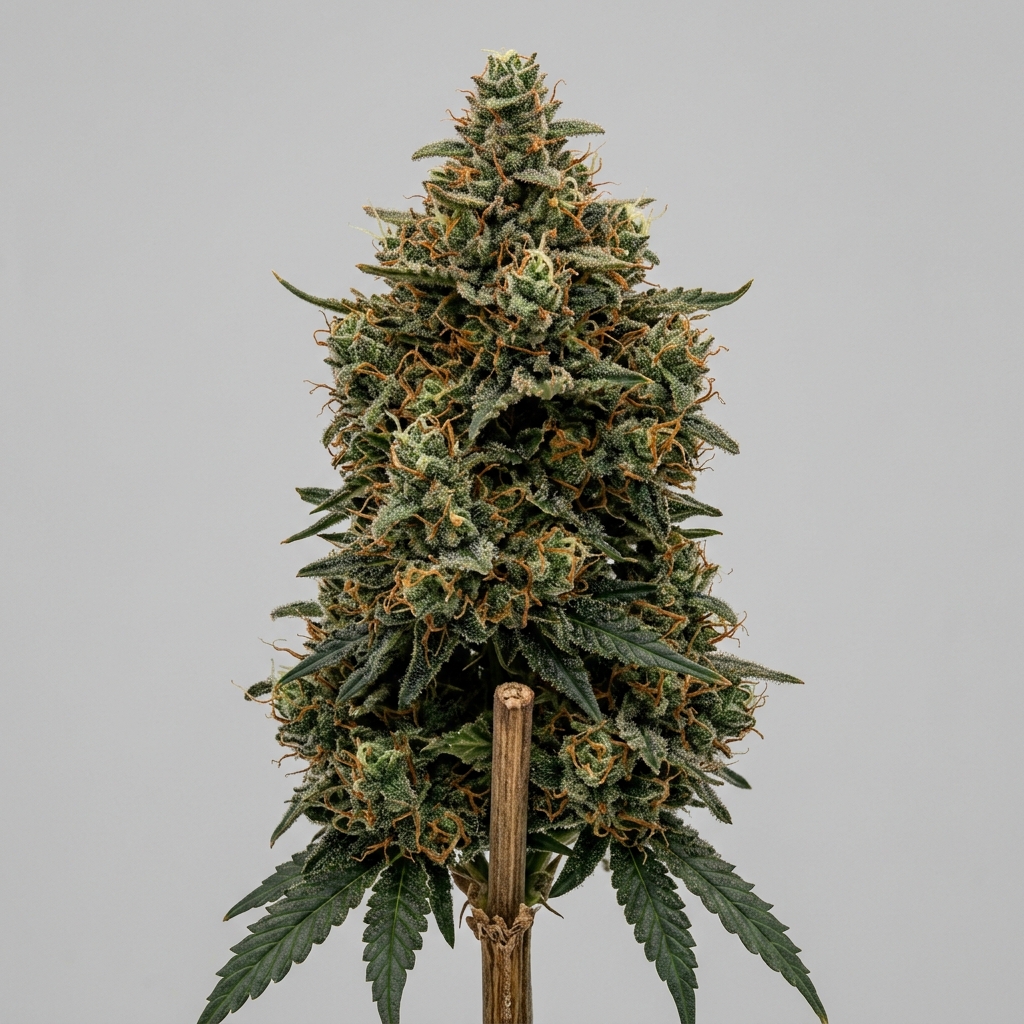
Sheherazade (Cannabis Strain)
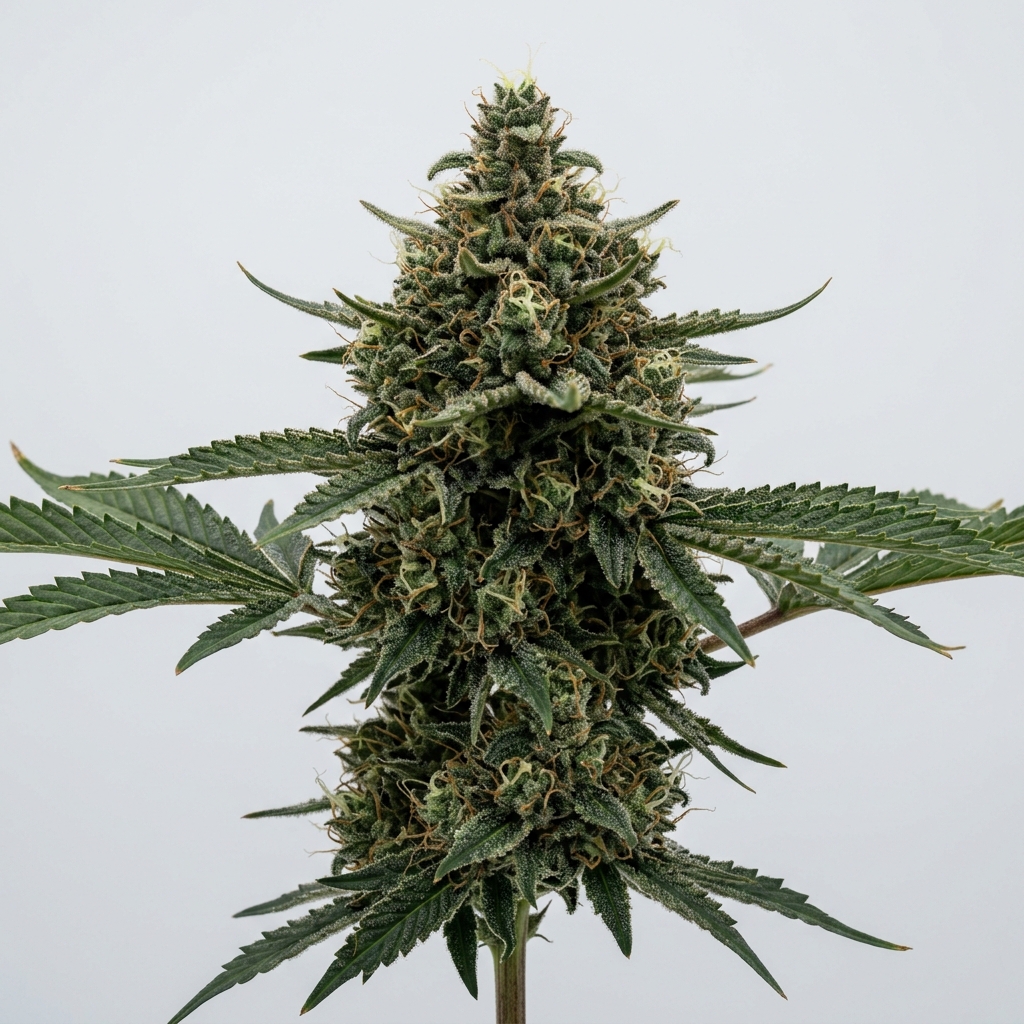
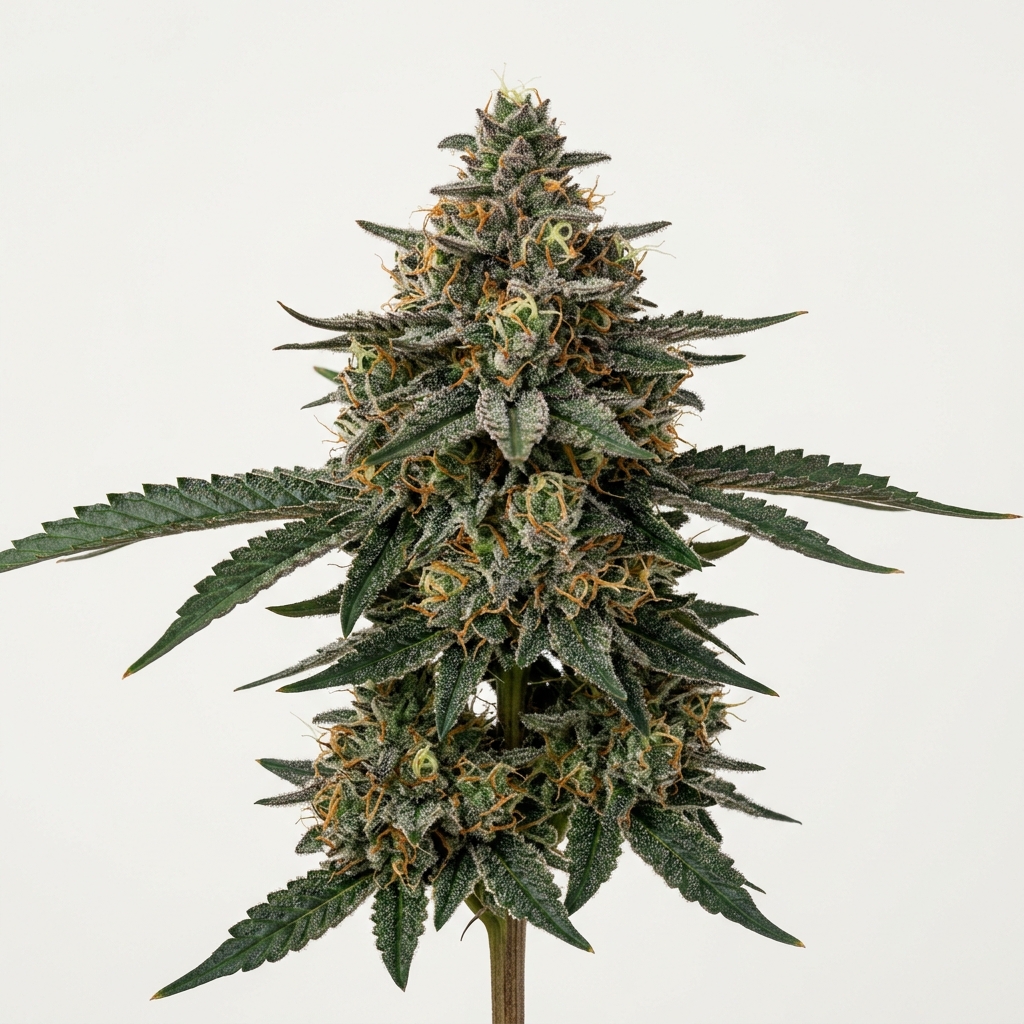
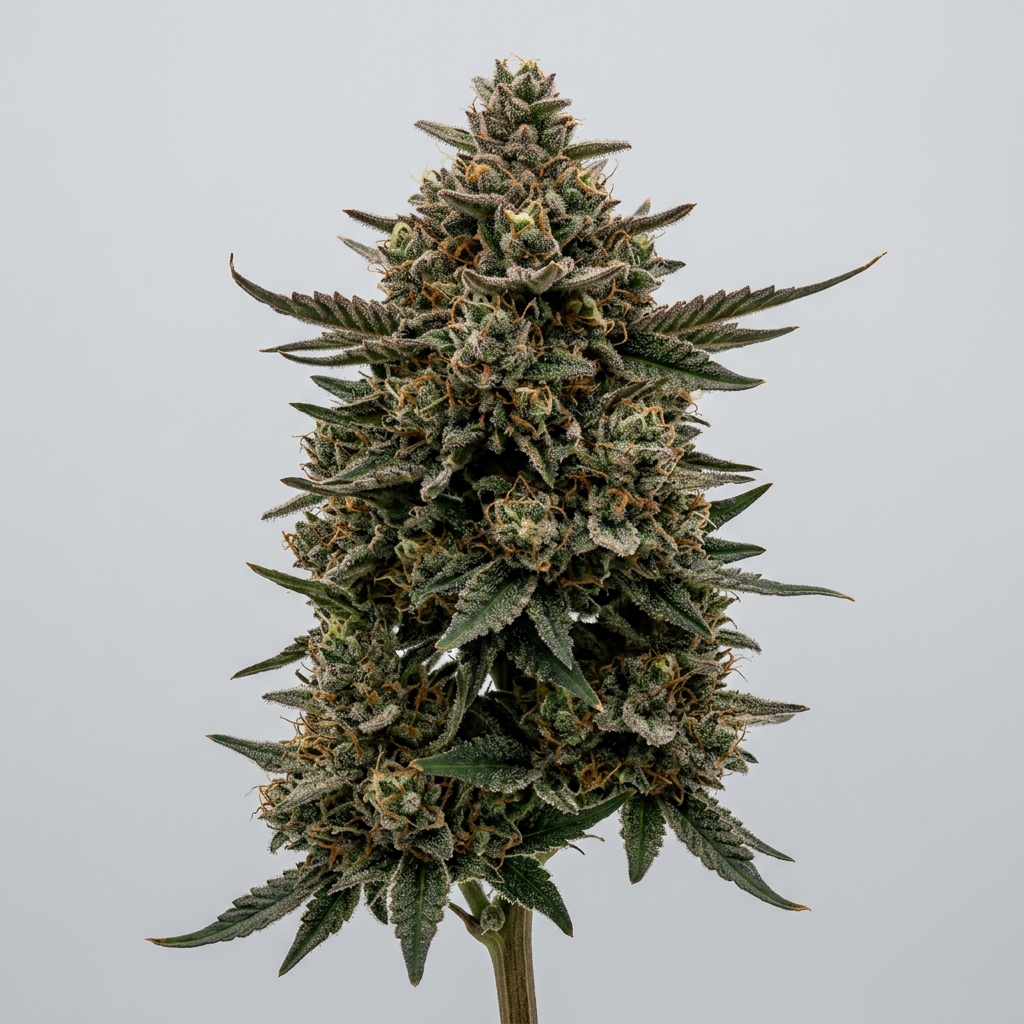
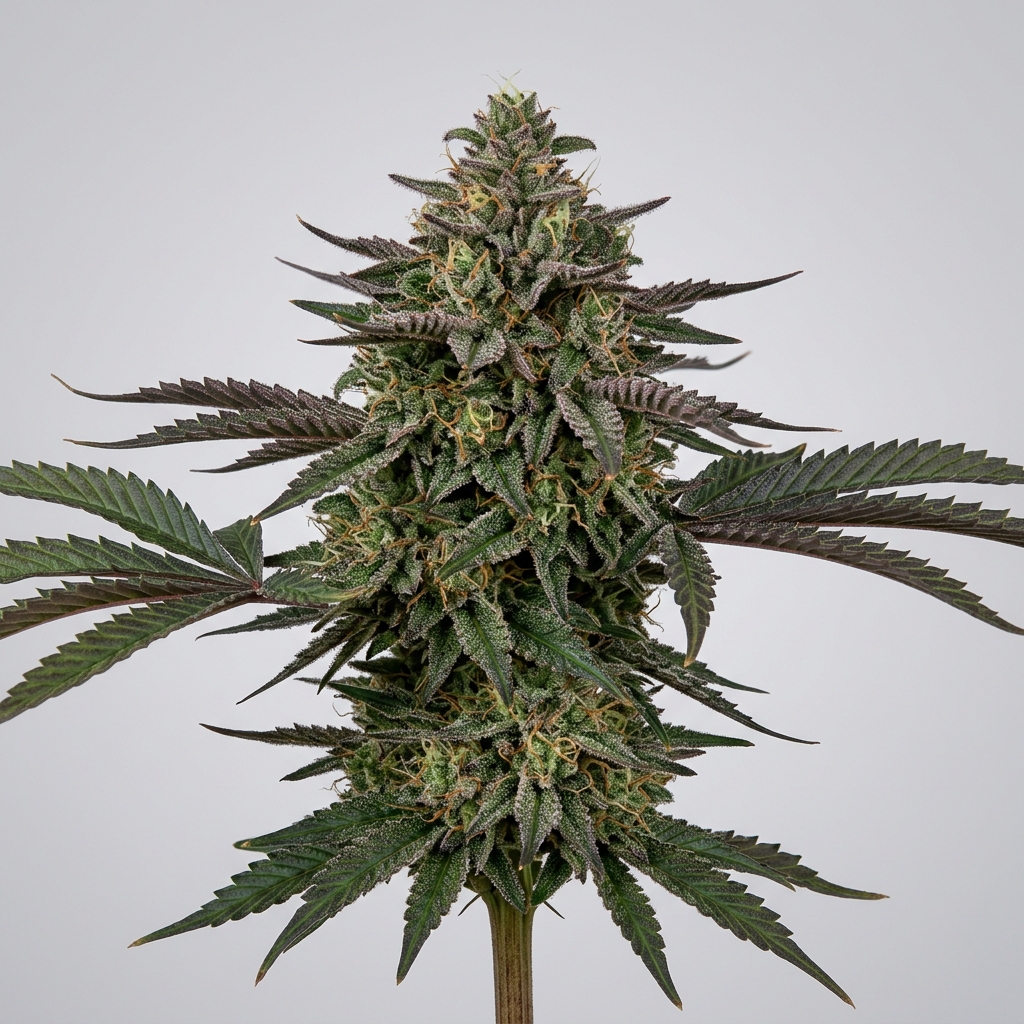
Sheherazade is an indica-dominant cultivar that blends classic Afghan Kush genetics with an elite, outdoor-adapted Dutch hybrid. Typically testing between 16% and 20% THC, this strain is celebrated for its heavy production of greasy resin and dense, spear-shaped colas. The aromatic profile leans heavily into sweet musk, old-school incense, and a deep, earthy pine base that speaks to its landrace heritage.
Developed by Paradise Seeds, it bridges old-school resilience with modern resin performance. It is a reliable choice for both indoor gardens and temperate outdoor climates, offering a balanced growth habit and a deeply relaxing evening experience.
Quick Facts
| Metric | Details |
|---|---|
| Genetics | Afghan Kush × Dutch Sativa Hybrid |
| Variety | Indica-dominant (approx. 75/25) |
| THC Range | 16% – 20% |
| Flowering Time | 56 – 63 days (8 – 9 weeks) |
| Yield Potential | Moderate to High |
| Plant Height | Medium (compact) |
| Climate Preference | Warm, dry temperate climates; highly versatile |
| Difficulty | Easy to Moderate |
Scientific & Botanical Overview
Structurally, Sheherazade shows classic indica morphology, characterized by broad fan leaves, thick woody stems, and short internodal spacing. The plant concentrates its energy into a thick central main cola, flanked by sturdy lateral branches that require minimal support. This compact frame makes it highly efficient for space-constrained indoor grow rooms.
As flowering progresses, the calyxes swell significantly, forming dense, compact clusters heavily coated in greasy capitate-stalked trichomes. The resin production is notably early, starting by week three of flower and intensifying into a glassy, wet-frost appearance by harvest. The dark green foliage often takes on deep amber or gold hues under cooler night temperatures.
This cultivar shows exceptional resilience to environmental stressors, inherited from its Afghan ancestry. It handles fluctuating temperatures well, though keeping late-flower humidity low is critical to protect its dense bract structures from moisture retention. Its physical toughness makes it a forgiving choice for growers refining their environmental controls.
Effects & Use-Cases (Reported)
Commonly reported effects: Users frequently describe a heavy physical relaxation that starts in the limbs before settling into a deep, warm body high. A gentle, clear-headed mental calm accompanies the physical weight, reflecting the subtle influence of its Dutch sativa parentage. It is not typically associated with sudden racing thoughts, making it a popular choice for winding down.
Use-case context: This strain is best suited for evening or nighttime use, especially when physical comfort and quiet relaxation are the main goals. It is commonly selected by those looking to ease muscle tension after physical activity or to assist with transitional rest at the end of a long day.
Note: Due to the heavy physical onset, low-to-moderate tolerance users should approach this cultivar with caution, starting with small doses to gauge its physical footprint.
Aroma & Flavors
Aroma: The primary scent profile is dominated by sweet musk, damp forest floor, and a rich, spicy incense note. Breaking the buds releases a sharper citrus lift and a distinct black pepper undertone that lingers in the air.
Flavor: On the palate, it delivers a smooth, earthy kush base accented by spicy cedar and a subtle, dark berry edge. The finish is clean, leaving a lingering herbal and pine-like aftertaste.
Terpene associations: Laboratory profiles typically show a dominance of myrcene, which drives the deep muskiness, alongside secondary concentrations of caryophyllene and pinene that provide the woodsy, peppery highlights.
Tested Cannabinoid & Terpene Ranges
| Compound | Typical Range (%) |
|---|---|
| Δ9-THC | 16.0% – 20.0% |
| CBD | < 1.0% |
| CBG | 0.5% – 1.2% |
| Myrcene | 0.4% – 0.8% |
| Caryophyllene | 0.2% – 0.5% |
| Pinene | 0.1% – 0.3% |
Disclaimer: Cannabinoid and terpene profiles vary significantly depending on cultivation methods, curing practices, and specific phenotypes.
Cultivation Notes
- Humidity Management: Keep relative humidity below 45% during the final three weeks of flowering to prevent moisture buildup in the dense, thick colas.
- Nutrient Requirements: This cultivar is a moderate feeder; avoid heavy nitrogen applications during mid-to-late flower to preserve terpene clarity.
- Canopy Training: Responds exceptionally well to light defoliation and Sea of Green (SOG) setups, which maximize the yield of the dominant central colas.
- Airflow: Ensure strong, direct airflow across the lower canopy to prevent stagnant air pockets around the short internodes.
- Phenotype Variation: Most phenotypes remain highly uniform, displaying a stout, bushy stature with minimal stretch when flipped to flower.
Grower Notes (Week-by-Week Snapshot)
- Weeks 1–3 (Transition & Early Flower): The plant undergoes a controlled stretch, usually doubling in size. Early trichome production begins along the leaf margins by day 21.
- Weeks 4–6 (Mid-Flower & Resin Onset): Calyxes begin to cluster and swell rapidly. A greasy, wet-frost resin layer coats the buds, accompanied by a distinct sweet, musky odor.
- Weeks 7–9 (Late-Flower & Ripening): Pistils turn deep orange/red, and the fan leaves may show natural yellowing. Flush the medium thoroughly to ensure a clean, smooth-burning final product.
- Post-Harvest (Slow Dry & Cure): Hang-dry the entire plant at 60°F and 60% relative humidity for 10 to 14 days. A patient curing process in sealed glass jars for at least three weeks is essential to bring out the deep incense and cedar notes.
Genetic Lineage
The maternal backbone of Sheherazade is a pure Afghan Kush landrace, sourced directly from the Hindu Kush region. This lineage contributes the strain’s robust structure, heavy resin output, and deeply sedative physical properties.
To balance the heavy indica traits, breeders introduced a select, outdoor-adapted Dutch sativa hybrid. This cross adds a subtle sweet-and-sour fruit profile and a touch of cerebral clarity, preventing the heavy physical effect from becoming completely immobilizing.
Research Insights
Analytical testing of Sheherazade frequently highlights a high concentration of myrcene paired with caryophyllene and pinene. This specific terpene profile works alongside the cannabinoid matrix to modulate the physical experience, offering deep muscle relaxation while maintaining a grounded mental state.
In the wider cannabis landscape, Sheherazade remains a valuable genetic resource for breeders seeking to inject old-school landrace stability into modern, sensitive polyhybrids. Its reliable outdoor performance in European climates makes it a staple reference point for mold-resistant breeding projects.
Frequently Asked Questions
Is Sheherazade easy to grow for beginners?
Yes. Its compact structure, low stretch, and natural resilience to temperature fluctuations make it highly forgiving for novice growers learning canopy management and environmental control.
What does Sheherazade smell like?
It features a deep, old-school aroma dominated by sweet musk, damp earth, and heavy herbal incense, backed by subtle notes of spicy cedar and black pepper.
How long does Sheherazade take to flower?
Indoors, the strain typically finishes flowering in 56 to 63 days (8 to 9 weeks). Outdoors, harvest usually occurs in early to mid-October in the Northern Hemisphere.
Is Sheherazade better suited for indoors or outdoors?
It performs exceptionally well in both environments. Indoors, it thrives in SOG setups due to its single-cola dominance, while outdoors its robust Afghan genetics provide excellent resistance to cool autumn nights.
Educational Disclaimer
This article is intended solely for educational, historical, and botanical purposes. Local laws regarding cannabis cultivation, possession, and consumption vary widely. Always consult local regulations before engaging in any cultivation activities.
Rate and review this strain
Ratings and reviews are accepted only from signed-in Google accounts.
Sign in with Google to leave a rating and written review.
Latest Reviews
0 reviewsNo reviews yet. Be the first Google user to rate and review this strain.