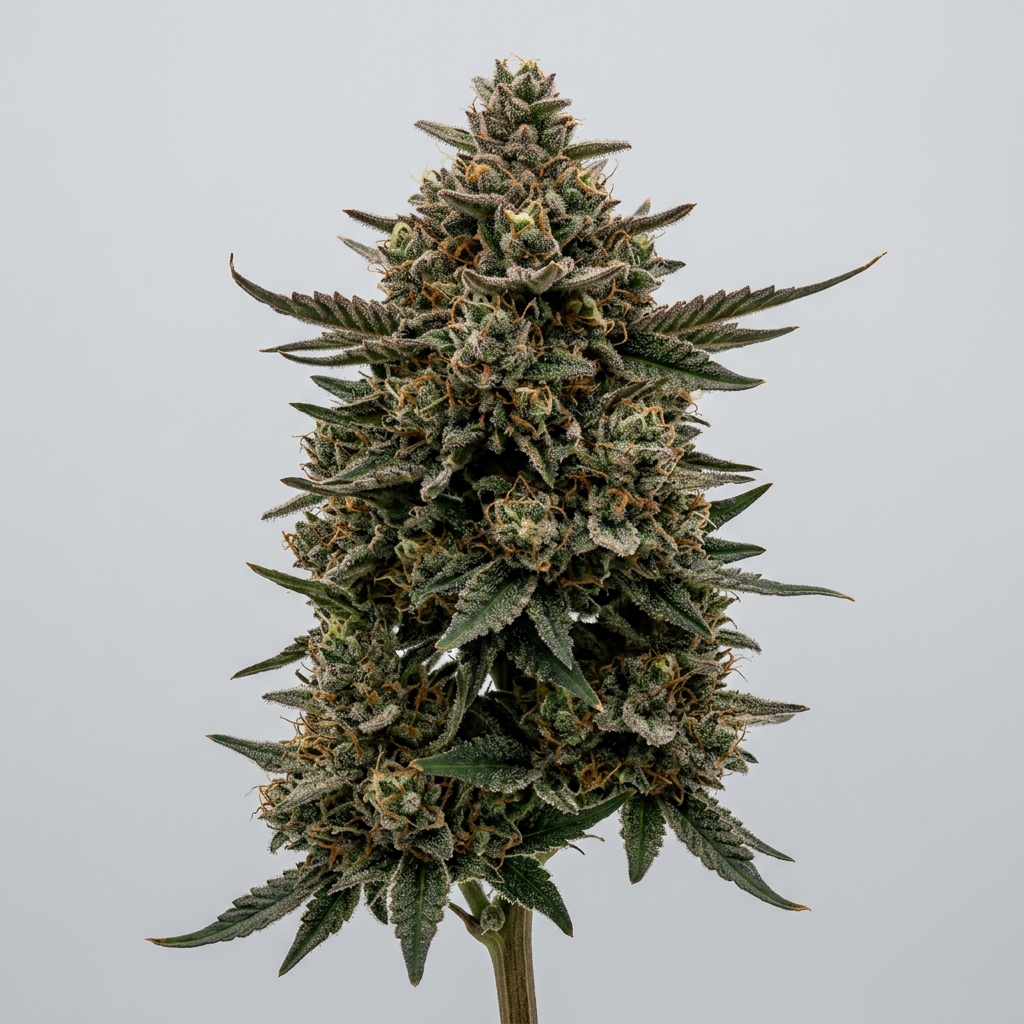
Rox (Cannabis Strain)
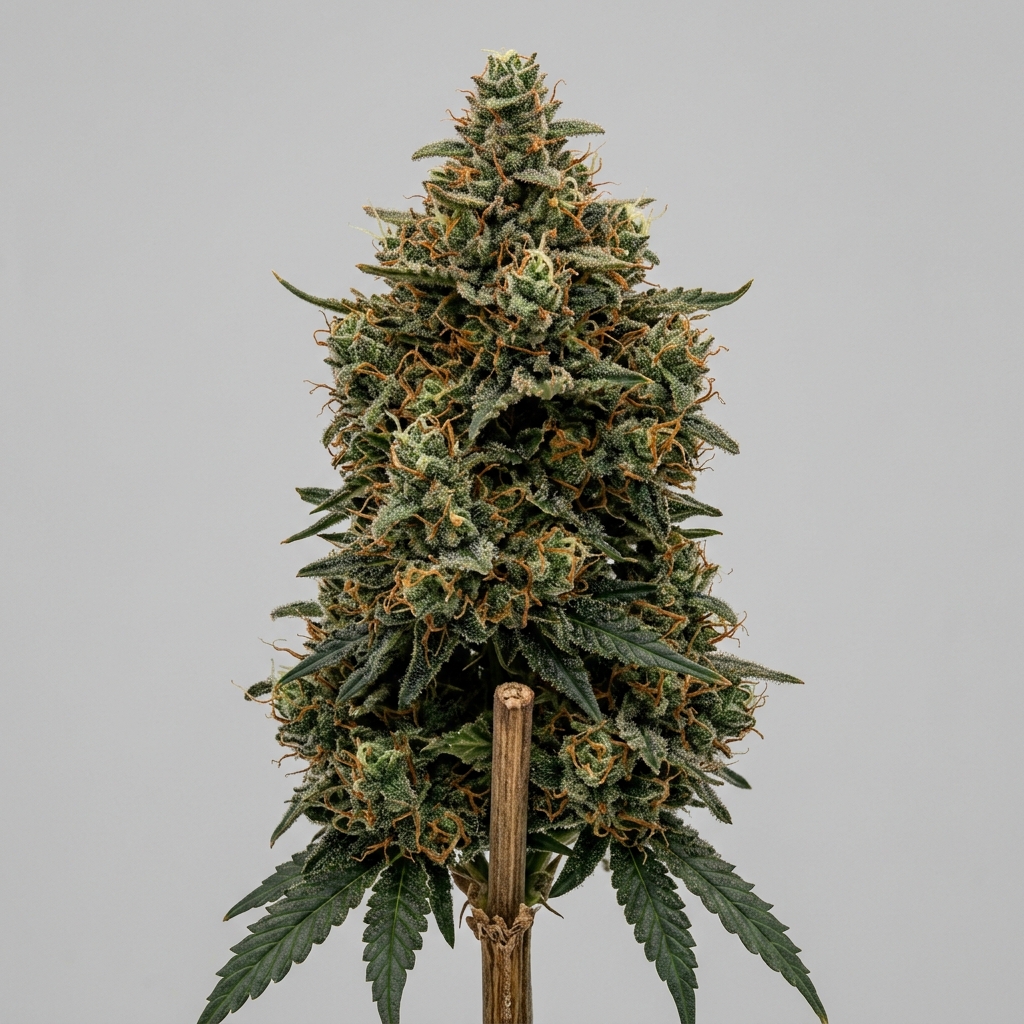
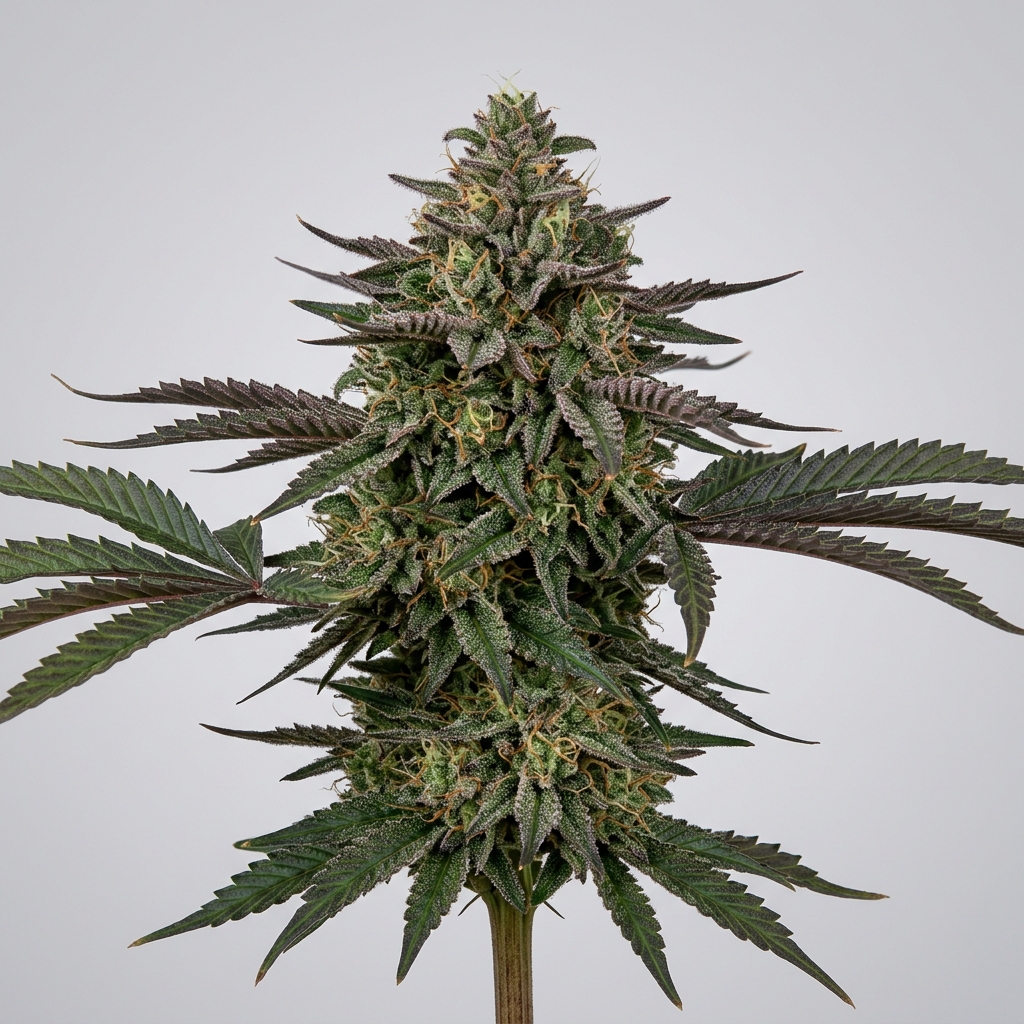
Rox is an Indica-dominant hybrid typically testing between 15% and 22% THC, celebrated for its exceptionally dense, rock-hard flower structure, rapid flowering cycle, and deep, resin-rich profile. Believed to have originated from selective European breeding programs—frequently linked to Swiss alpine Indica selections—this cultivar delivers a complex aromatic profile of sweet forest berries, earthy pine, and a lingering herbal spice. The plants exhibit compact, sturdy growth with tight internodes, producing heavy, resin-coated spear colas that make it highly valued by both commercial producers and extraction artists.
Unlike modern hyper-hybridized dessert strains, this cultivar retains a rugged, old-school resilience that performs exceptionally well in cooler climates. Its physical density is its defining characteristic, yielding heavy, compact bracts that require careful humidity management during late flower. For growers seeking a fast-finishing, highly reliable resin producer, it offers a classic, unpretentious cultivation experience with a robust sensory profile.
Quick Facts
| Field | Details |
|---|---|
| Genetics | Indica-dominant selection (often Swiss/Dutch heritage) |
| Variety | Indica-dominant hybrid |
| THC Range | 15% – 22% |
| Flowering Time | 7 – 8 Weeks (50 – 56 Days) |
| Yield Potential | High |
| Plant Height | Medium (Compact) |
| Climate Preference | Cool to Temperate |
| Difficulty | Moderate |
Scientific & Botanical Overview
Botanically, Rox displays classic Indica morphology, characterized by broad fan leaves, thick stems, and a short, bushy stature. The internodal spacing remains remarkably tight throughout the vegetative stage, requiring proactive defoliation to maintain adequate airflow through the canopy. Its rapid developmental cycle transitions quickly from vegetative growth to aggressive flower production, minimizing the typical stretch associated with hybrid cultivars.
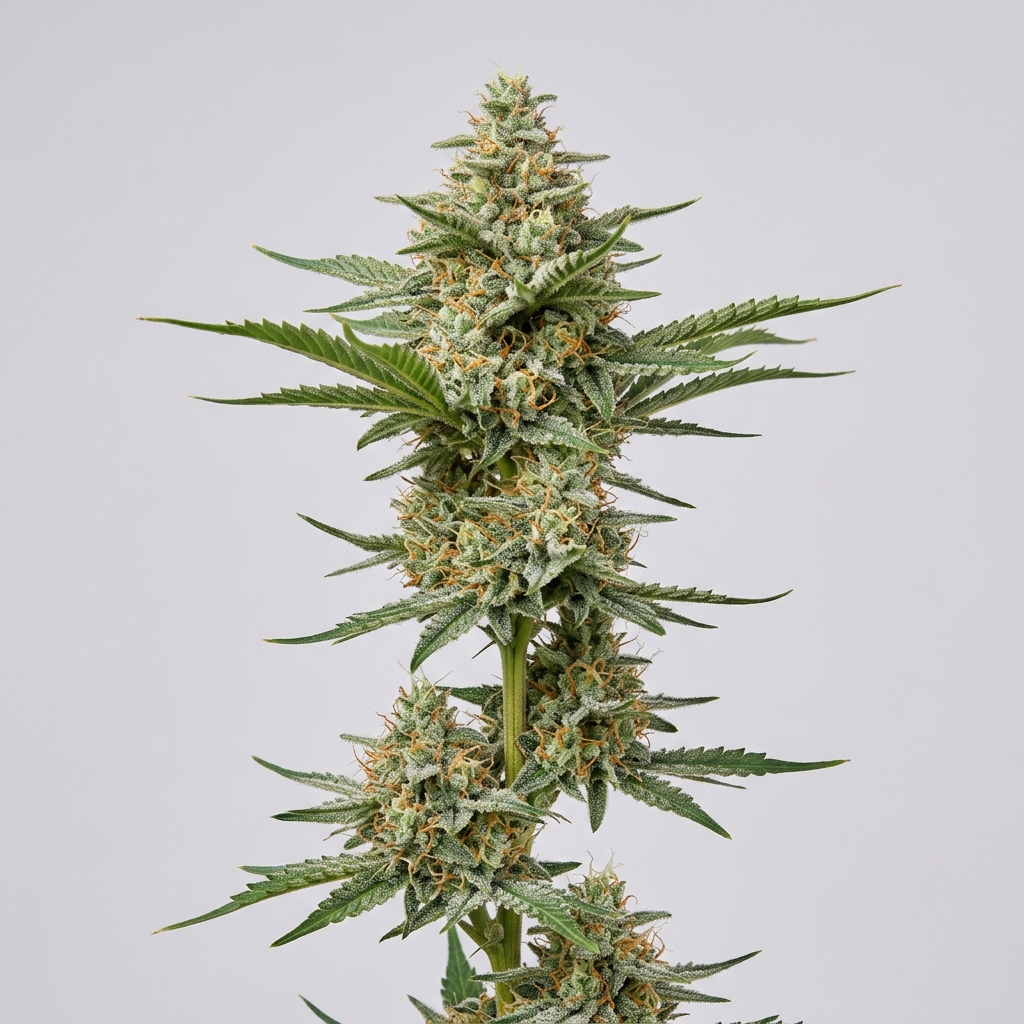
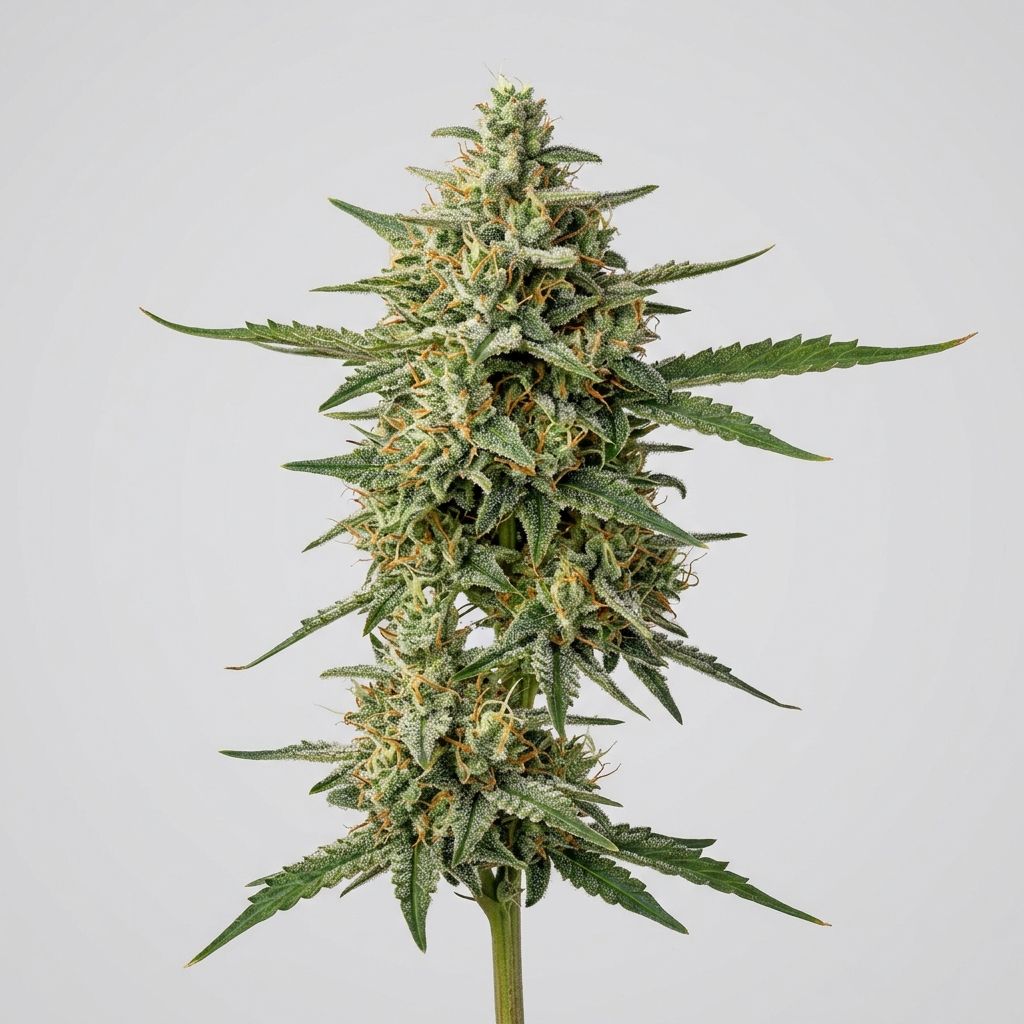
The inflorescence is characterized by incredibly tight, compact bracts that form heavy, spear-like colas. The calyxes swell significantly in the final weeks, packing together so tightly that the mature buds feel virtually solid to the touch. This extreme physical density is accompanied by a heavy layer of greasy resin, with short-stalked glandular trichomes closely coating the deep green and occasionally purple-tinged sugar leaves.
Due to the compact nature of the canopy and the physical density of the flowers, microclimate management is critical when cultivating this strain. The tightly packed colas are highly efficient at trapping moisture, making transpiration management a primary botanical focus during the final weeks of the generative cycle. Maintaining a steep humidity drop in late flower is essential to prevent moisture accumulation within the dense floral clusters.
Effects & Use-Cases (Reported)
Commonly reported effects: include a heavy, grounding physical relaxation accompanied by a calm, meditative mental state. The onset is typically gradual, settling into the limbs with a warm, soothing sensation that encourages physical rest without immediate couch-lock.
Use-case context: This cultivar is best suited for late afternoon or evening use, providing a relaxing transition after physical exertion or a demanding day. Its grounding physical properties make it a popular choice for quiet, low-energy activities, reading, or preparing for restful sleep.
Note: Individual tolerance and chemistry vary; higher doses may lead to a more pronounced, sedating physical heaviness.
Aroma & Flavors
Aroma: Deeply organic and earthy, characterized by wet soil, pine needles, and a subtle undercurrent of sweet, dark berries.
Flavor: The flavor profile mirrors the scent, delivering a rich, herbal smoke with notes of spicy hash, clean forest pine, and a distinct tart berry finish on the exhale.
Terpene associations:
Myrcene, caryophyllene, and pinene are the dominant terpenes shaping this cultivar’s earthy, grounding aromatic signature.
Tested Cannabinoid & Terpene Ranges
| Compound | Typical Range |
|---|---|
| Δ9-THC | 15.0% – 22.0% |
| CBD | < 1.0% |
| CBG | 0.5% – 1.2% |
| Beta-Myrcene | 0.4% – 0.9% |
| Beta-Caryophyllene | 0.3% – 0.7% |
| Alpha-Pinene | 0.1% – 0.4% |
Note: Analytical values are phenotype-dependent and heavily influenced by cultivation practices, curing methods, and environmental factors.
Cultivation Notes
- Humidity: Keep relative humidity (RH) strictly below 45% during the final three weeks of flowering to protect the dense, compact colas from internal moisture buildup.
- Nutrition: Responds well to a moderate nutrient regimen; avoid heavy nitrogen feeding late in the vegetative phase to prevent excessive foliage density.
- Training: use low-stress training (LST) and selective defoliation early in flower to open up the canopy and improve light penetration to lower bud sites.
- Harvest: Monitor trichome maturity closely, as this fast-flowering cultivar can ripen rapidly once it enters its final week.
- Phenotype management: Select phenotypes that display strong lateral branching and a high calyx-to-leaf ratio to simplify the trimming process.
Grower Notes (Week-by-Week Snapshot)
- Weeks 1–3 (Vegetative & Transition): Plants establish a low, bushy profile with minimal stretch. Focus on early leaf tucking and gentle training to encourage lateral branch development.
- Weeks 4–5 (Mid-Flower): Flower clusters form rapidly, displaying early resin production. Ensure consistent airflow across the canopy and begin tapering humidity levels.
- Weeks 6–8 (Late Flower & Ripening): Calyxes swell and buds harden into rock-like structures. Reduce relative humidity to its lowest levels, flush with clean water, and monitor for peak trichome cloudiness.
- Post-Harvest (Cure): Execute a slow dry at 60°F (15°C) and 60% RH for 10–14 days, followed by a minimum of three weeks in cure jars to fully develop the deep berry and herbal undertones.
Genetic Lineage
The precise genetic heritage of Rox remains somewhat shrouded in classic European breeding history, though it is widely recognized as a highly stabilized Indica-dominant selection. Most documented accounts trace its lineage back to robust Swiss alpine Indica landraces or selective backcrossing of heavy-yielding Dutch Indica cultivars like Super Bud. These ancestral roots provided the strain with its signature cold tolerance, structural resilience, and exceptionally fast finishing time.
Through generations of selective breeding focused on physical density and resin production, the cultivar was stabilized to lock in its characteristic “rock-hard” flower structure. This focused lineage ensures high phenotypic consistency, with most offspring inheriting the short stature, tight internodes, and rich, earthy terpene profile of the parental stock.
Research Insights
From a phytochemical perspective, research into this cultivar highlights a robust concentration of myrcene and caryophyllene, which work in concert with its cannabinoid profile to produce its characteristically grounding physical effects. The presence of pinene adds a sharp, clarifying top note to the aroma while modulating some of the heavier physical sedation. This specific terpene distribution is highly typical of classic mountain-grown Indica varieties adapted to harsh, high-altitude environments.
The physical structural traits of the cultivar, particularly its high resin density and compact bract development, make it an interesting subject for studies on plant defense mechanisms. The dense concentration of trichomes serves as a natural barrier against environmental stressors, a trait inherited from its alpine ancestry. This high concentration of resin glands also translates directly to excellent yields in solventless extraction processes.
Frequently Asked Questions
What is the origin of the Rox strain?
Rox is a classic Indica-dominant hybrid with roots in European breeding, widely believed to be selected from Swiss alpine Indicas or specialized Dutch resin-producing lines.
How long does Rox take to flower?
This fast-flowering cultivar typically matures in just 7 to 8 weeks (50 to 56 days) when grown indoors, making it highly efficient for quick turnaround cycles.
Why is this strain called Rox?
The strain earned its name from the exceptional physical density of its mature flowers, which cure into rock-hard, heavy buds.
Does Rox perform well outdoors?
Yes, its ancestral alpine genetics give it excellent resilience against cooler night temperatures, making it suitable for temperate outdoor climates if harvested before late-autumn rains.
Educational Disclaimer
This article is intended solely for educational, informational, and botanical reference purposes. It does not constitute medical advice or encourage illegal cultivation practices. Cultivation regulations vary by jurisdiction, and growers must adhere to local laws and guidelines.
Rate and review this strain
Ratings and reviews are accepted only from signed-in Google accounts.
Sign in with Google to leave a rating and written review.
Latest Reviews
0 reviewsNo reviews yet. Be the first Google user to rate and review this strain.