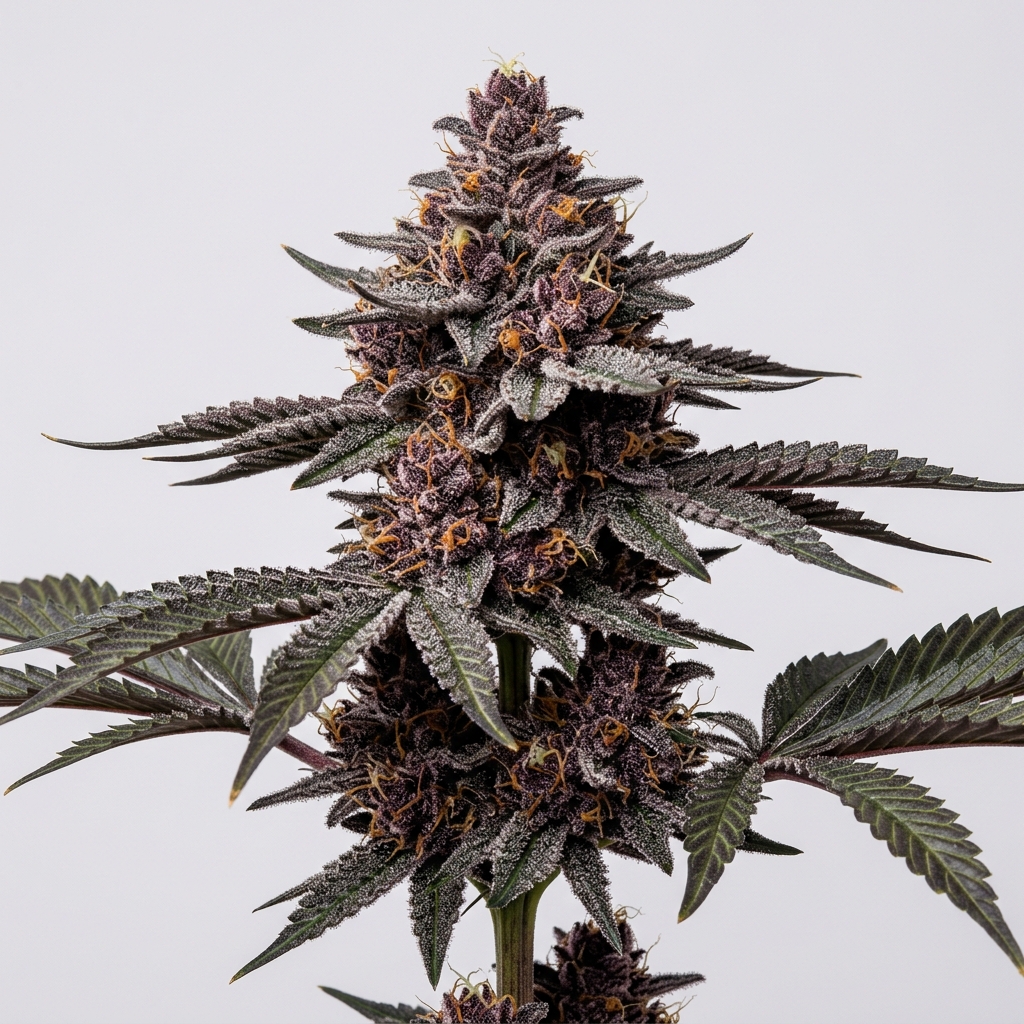
Carbon Fiber (Cannabis Strain)
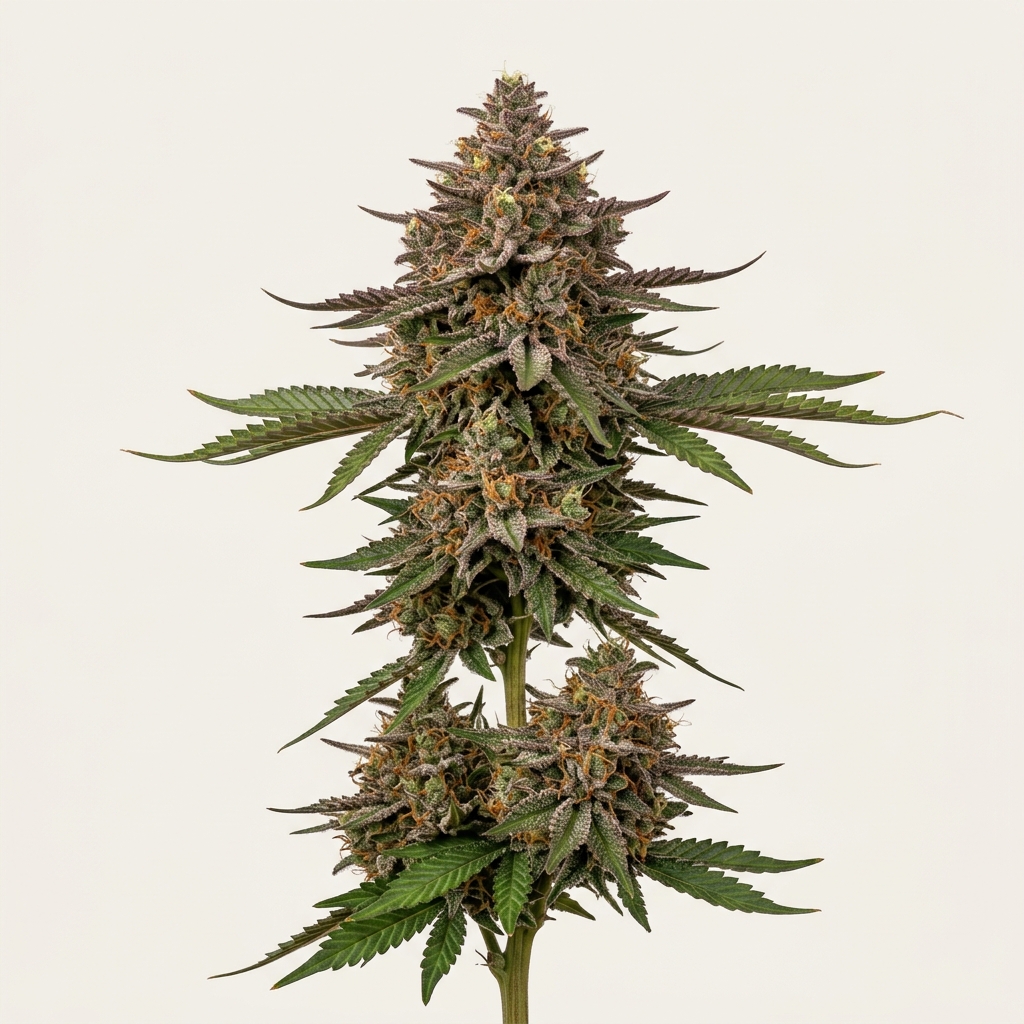
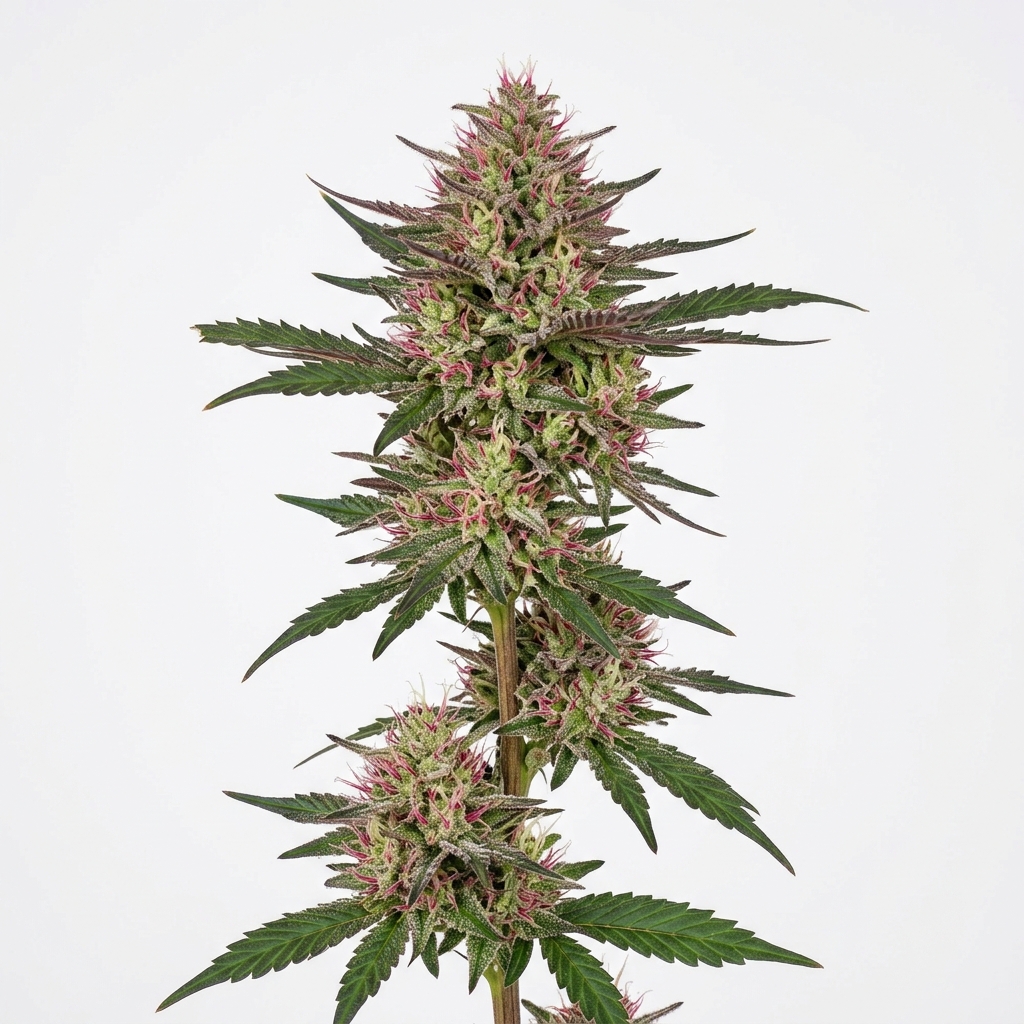
Carbon Fiber is an indica-dominant hybrid featuring a potent THC range of 22% to 28%, bred from a complex three-way cross of Grape Pie, Biscotti, and Sherbanger. Known for its striking, near-metallic dark purple coloration and a heavy coat of greasy resin, this cultivar delivers a complex profile of tart gas, peppery spice, and a dark berry edge. It shows a moderately compact growth habit with tight internodes and dense, swollen calyxes, making it an exceptional selection for extraction-focused growers seeking high terpene clarity and resin-rich flowers.
The cultivar has quickly gained traction among cultivators who prioritize bag appeal and solventless extraction yields. Its distinct structural rigidity and heavy trichome coverage give the mature buds a shimmering, silver-sheened appearance that inspired its industrial name.
Quick Facts
| Trait | Detail |
|---|---|
| Genetics | Grape Pie × Biscotti × Sherbanger |
| Variety | Indica-dominant Hybrid |
| THC Range | 22% – 28% |
| Flowering Time | 8 – 9 Weeks |
| Yield Potential | Moderate to High |
| Plant Height | Medium |
| Climate Preference | Temperate, Low Late-Flower Humidity |
| Difficulty | Moderate |
Scientific & Botanical Overview
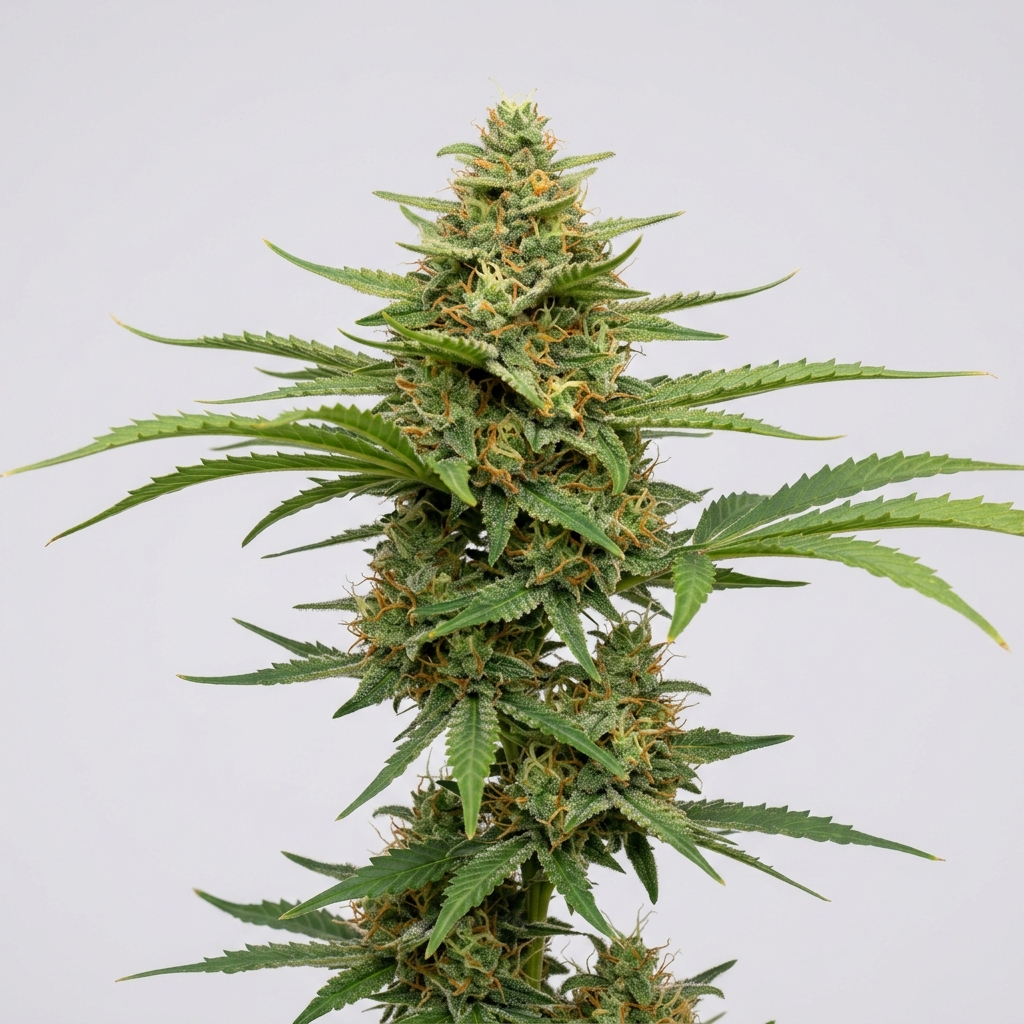
Botanically, Carbon Fiber displays classic indica-dominant morphology with broad fan leaves and a sturdy, self-supporting branch structure. The internodal spacing remains tight throughout vegetative growth, requiring proactive canopy management to ensure adequate airflow. It responds well to topping and low-stress training, which helps distribute growth energy evenly across lower bud sites.
As the plant transitions to flower, the calyxes swell rapidly and stack into dense spear colas. Anthocyanin accumulation is highly pronounced in this cultivar, turning the foliage and bracts deep purple to near-black when exposed to cool night temperatures. The dark pigmentation contrasting with the bright white trichomes creates a striking visual depth.
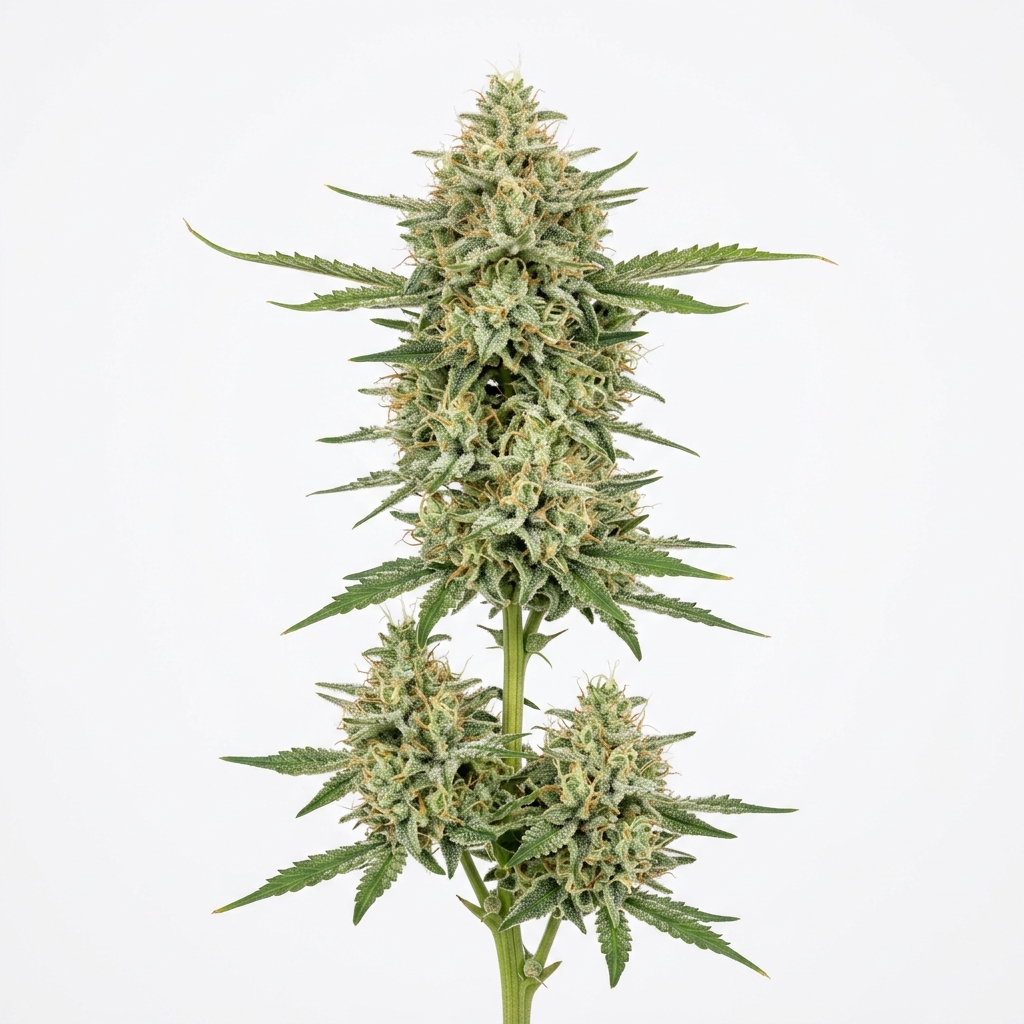
The resin glands are predominantly capitate-stalked trichomes with large, oily heads. This greasy resin layer forms early in the flowering cycle, creating a wet frost appearance that persists through harvest and dry. The high concentration of non-volatile oils makes the flowers sticky to the touch and highly desirable for solventless extraction methods.
Effects & Use-Cases (Reported)
Commonly reported effects: Consumers typically describe a heavy, grounding physical relaxation paired with a calm, clear-headed mental state. The onset is often described as a subtle warming sensation that spreads from the temples down to the limbs, settling into a deep, long-lasting state of physical ease without immediate sedation.
Use-case context: This profile makes it well-suited for late afternoon or evening use, particularly when winding down after physical exertion or high-stress activities. It is frequently selected by those seeking to support appetite, ease muscle tension, or facilitate a smooth transition into sleep.
Note: The high concentration of cannabinoids in this cultivar suggests that novice users should approach it with caution to avoid over-saturation and later lethargy.
Aroma & Flavors
Aroma: A sharp, nose-prickling blend of tart gas, cracked black pepper, and damp earth, backed by a subtle undertone of sweet, fermented berries.
Flavor: The smoke or vapor carries a rich, savory profile dominated by spicy fuel and herbal cookies, leaving a lingering mint finish and dark berry sweetness on the palate.
Terpene associations: The primary terpene expression is typically led by caryophyllene, limonene, and myrcene, which drive its spicy, citrus-lifted, and deeply herbal qualities.
Tested Cannabinoid & Terpene Ranges
| Compound | Tested Range |
|---|---|
| Δ9-THC | 22.0% – 28.0% |
| CBD | < 1.0% |
| CBG | 0.5% – 1.5% |
| Beta-Caryophyllene | 0.4% – 0.9% |
| Limonene | 0.3% – 0.7% |
| Myrcene | 0.2% – 0.6% |
Note: Cannabinoid and terpene profiles are highly variable and depend on specific phenotypes, cultivation methods, and curing environments.
Cultivation Notes
- Keep late-flower humidity strictly below 45% to protect the dense, resin-rich colas from moisture retention and mold.
- Perform strategic defoliation during weeks one and three of flower to improve light penetration through the broad fan leaves.
- Maintain a moderate nutrient regimen, as the Biscotti lineage can make this cultivar sensitive to excessive nitrogen during mid-to-late flower.
- Provide structural support, such as a double trellis system, to keep the heavy spear colas upright as they gain mass.
- use a slow dry at 60°F (15°C) and 60% relative humidity for 14 days to preserve the delicate volatile terpenes and greasy resin texture.
Grower Notes (Week-by-Week Snapshot)
- Weeks 1–3 (Transition & Stretch): Expect a controlled stretch of roughly 1.5x after flipping to a 12/12 light cycle. Prune the lower third of the canopy early to direct energy toward the upper canopy sites.
- Weeks 4–6 (Mid-Flower & Resin): Swollen calyxes begin to stack and the first visible layer of wet frost appears on the sugar leaves. The aroma transitions from a generic green scent to a sharper, peppery gas.
- Weeks 7–9 (Late-Flower & Ripening): Introduce cool night temperatures (a drop of 10–15°F) to stimulate the expression of deep purple and dark violet hues. Monitor trichome clarity, harvesting when heads are mostly milky with a small percentage of amber.
Genetic Lineage
The genetic foundation of Carbon Fiber is a masterclass in modern breeding, combining three highly celebrated dessert and gas lines. The maternal contributor, Grape Pie (Cherry Pie × Grape Stomper), lends its sweet, dark berry undertones and resin density.
This was crossed with a hybrid of Biscotti (Gelato 25 × South Florida OG) and Sherbanger (Sunset Sherbert × Headbanger), which injects a heavy dose of fuel, doughy sweetness, and structural vigor. The resulting offspring inherits the greasy resin production of Biscotti and the sharp, sour gas of the Headbanger lineage.
Research Insights
From a phytochemical perspective, Carbon Fiber is of significant interest due to its high concentration of sesquiterpenes, particularly caryophyllene, which interacts directly with peripheral CB2 receptors. This chemical makeup supports the cultivar’s deeply physical and grounding profile, distinguishing it from purely cerebral hybrids.
Additionally, the interaction between its high THC content and minor cannabinoids like CBG suggests a robust entourage effect. Breeders frequently analyze this cultivar’s resin consistency, as the ratio of monoterpenes to sesquiterpenes allows the trichome heads to remain stable during mechanical separation, making it highly efficient for hash production.
Frequently Asked Questions
Is Carbon Fiber hard to grow?
Carbon Fiber is moderately easy to cultivate, though it requires attention to canopy management and late-flower humidity due to its dense bud structure and broad fan leaves.
What does Carbon Fiber smell like?
It features a complex aroma of tart gas, spicy earth, and cracked pepper, balanced by a subtle dark berry and sweet herbal undertone.
What are the primary terpenes in Carbon Fiber?
The dominant terpenes are typically caryophyllene, limonene, and myrcene, which contribute to its spicy, gassy, and relaxing profile.
How long does Carbon Fiber take to flower?
This cultivar typically completes its flowering cycle in 8 to 9 weeks when grown indoors.
Educational Disclaimer
This article is for educational and informational purposes only. Local laws regarding the cultivation and consumption of cannabis vary widely, and readers must consult their local jurisdictions before engaging in any cultivation activities.
Rate and review this strain
Ratings and reviews are accepted only from signed-in Google accounts.
Sign in with Google to leave a rating and written review.
Latest Reviews
0 reviewsNo reviews yet. Be the first Google user to rate and review this strain.