Bedrobinol (Cannabis Strain)
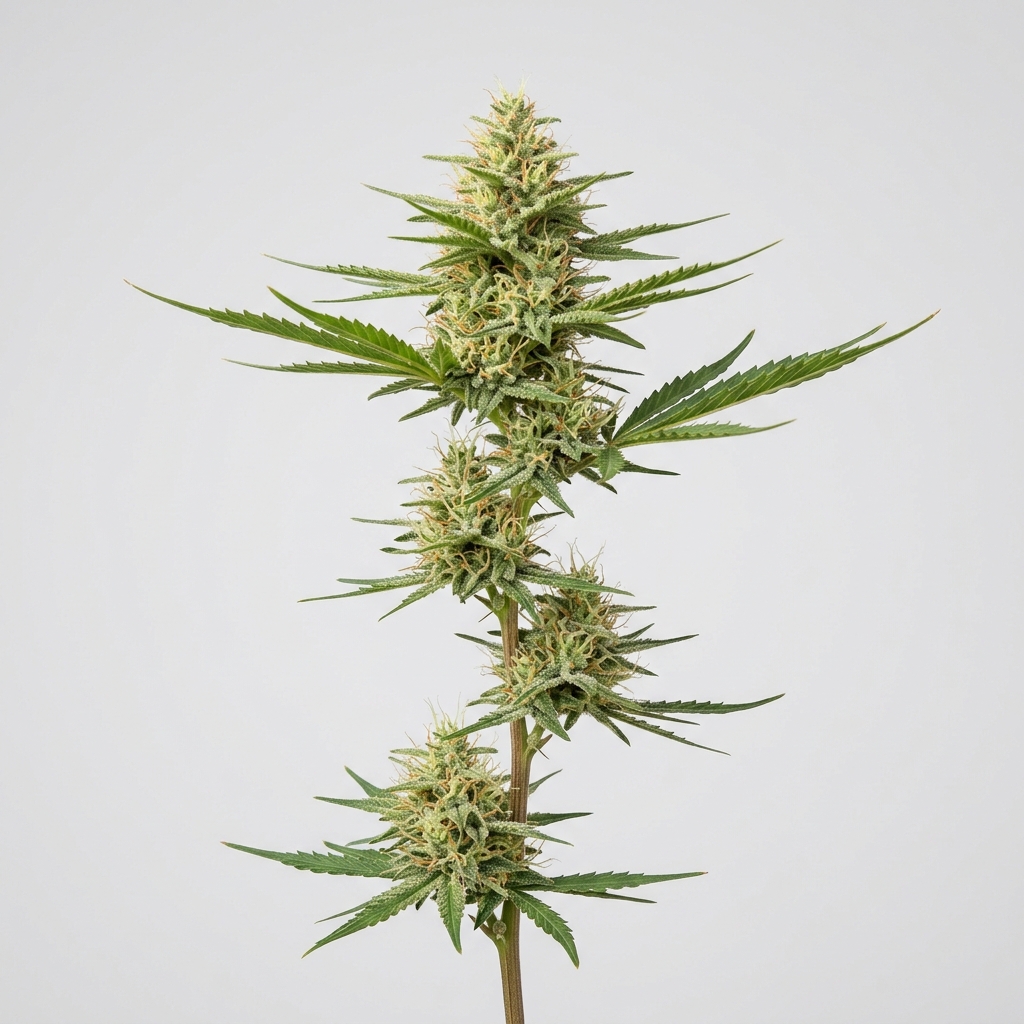
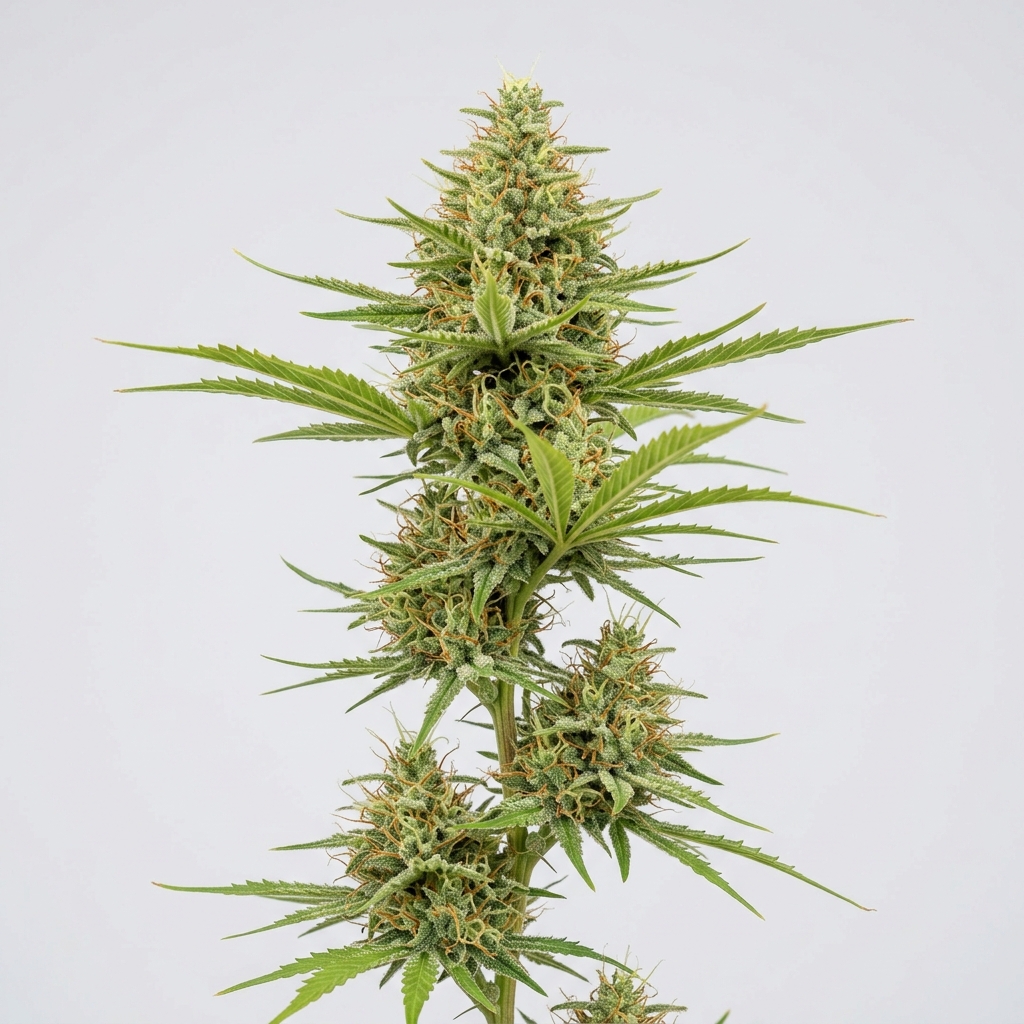
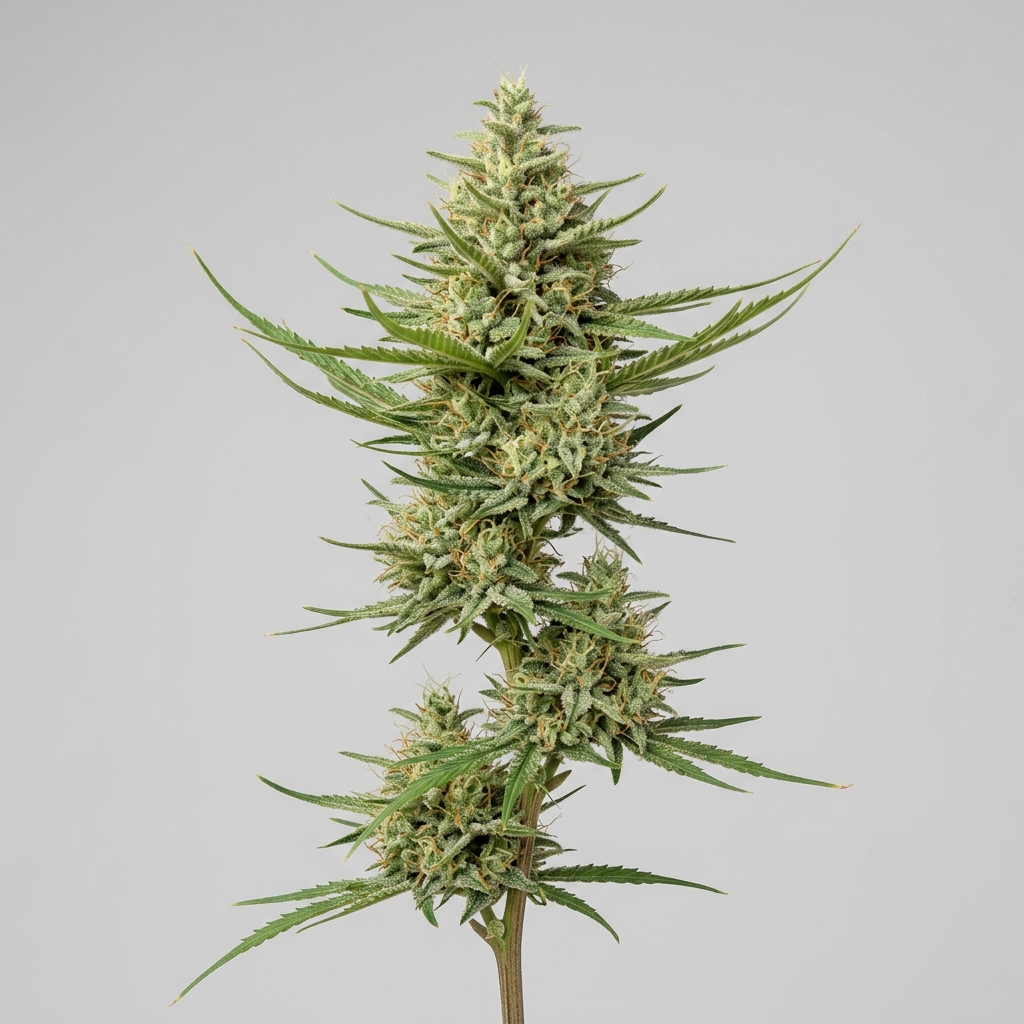
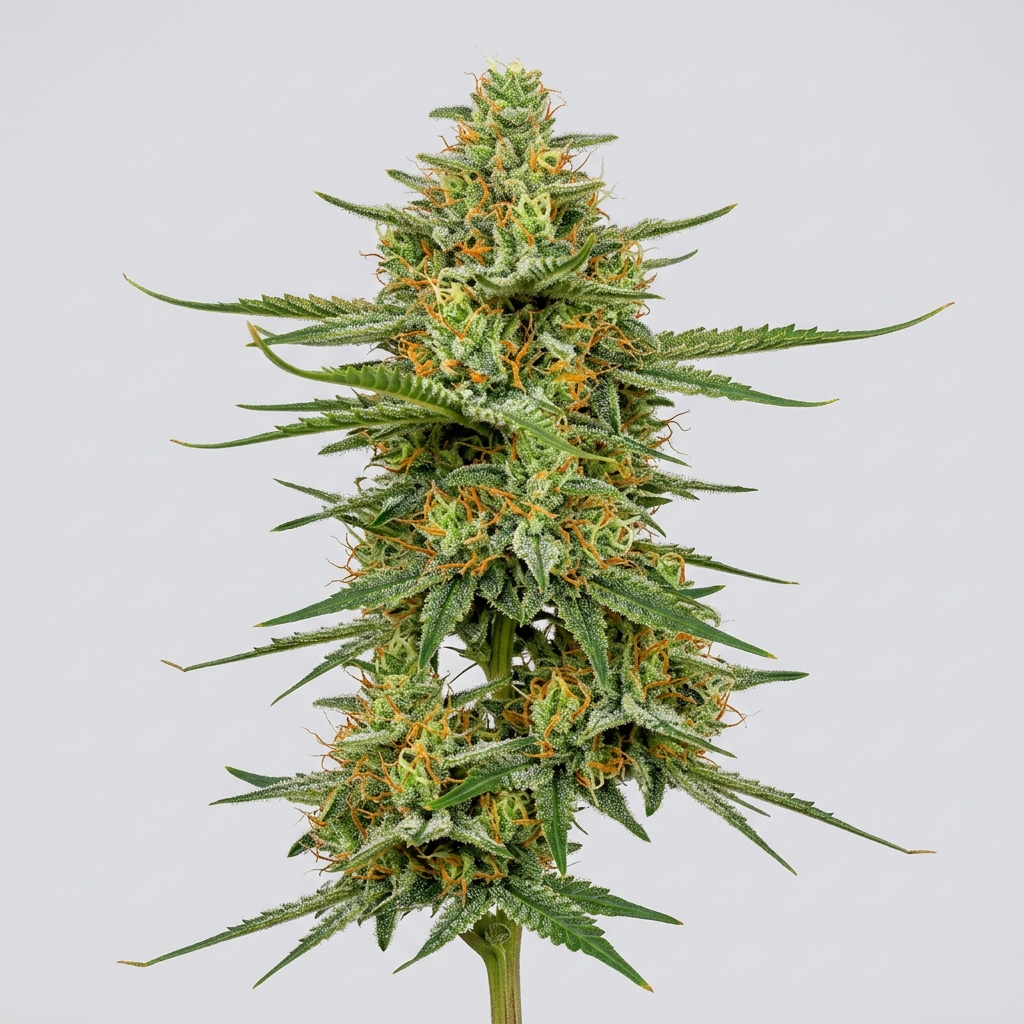
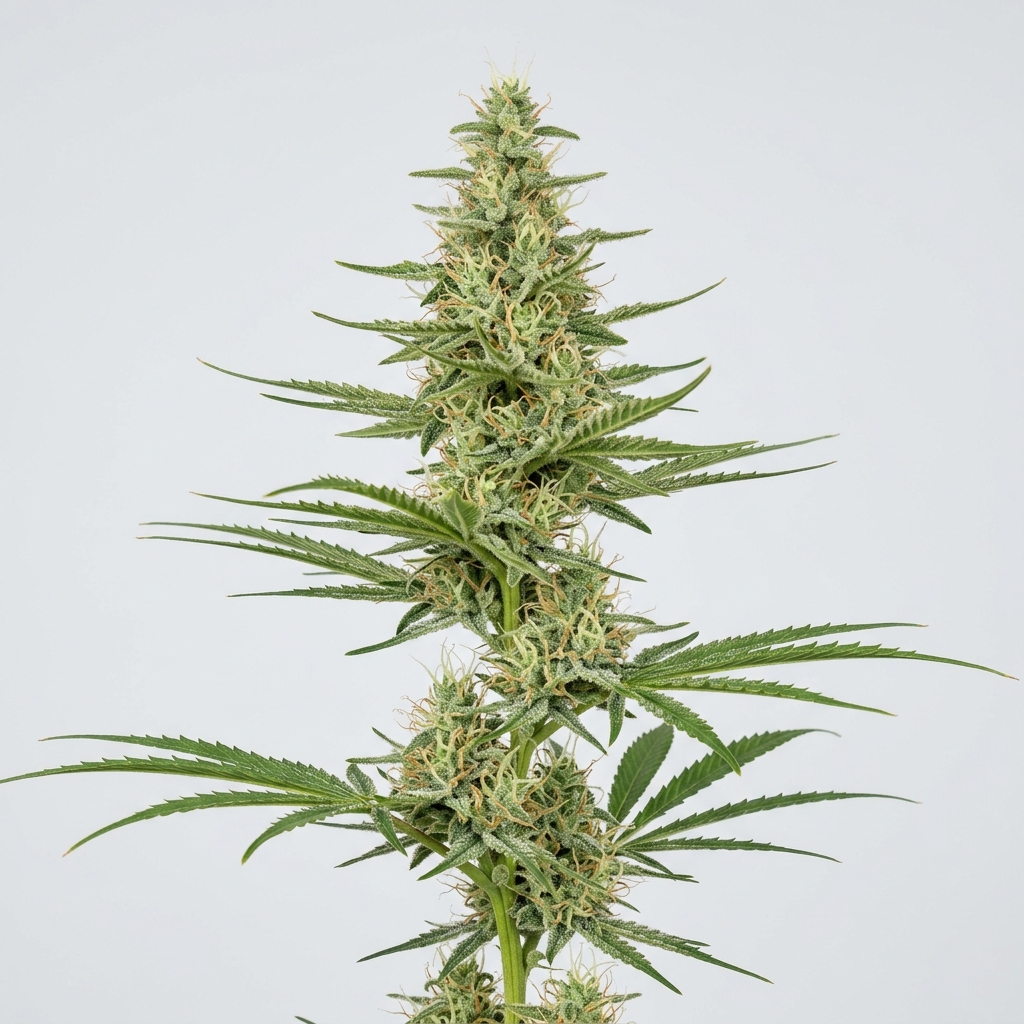
Bedrobinol is a standardized Sativa-dominant medical cannabis cultivar developed by Bedrocan, featuring a moderate THC range of 12% to 15% and less than 1% CBD. Bred from a refined Haze pedigree, this cultivar produces narrow, elongated spear colas with pale green calyxes and a dusty layer of resin-rich trichomes. Its aromatic profile is defined by a classic herbal earthiness, sweet pine, and a sharp woody finish. Known for its steady, predictable growth and significant vertical stretch, Bedrobinol delivers a clear, functional experience favored for daytime utility.
Unlike modern recreational hybrids bred for extreme potency, this cultivar emphasizes chemical uniformity and consistency. The flowers dry to a crisp, pale finish, preserving a delicate terpene balance that appeals to those seeking traditional Sativa characteristics without overwhelming intensity.
Quick Facts
| Specification | Details |
|---|---|
| Genetics | Proprietary Haze selection |
| Variety | Sativa-dominant |
| THC Range | 12% – 15% |
| Flowering Time | 9 – 10 weeks |
| Yield Potential | Moderate |
| Plant Height | Tall |
| Climate Preference | Mild, low humidity |
| Difficulty | Moderate |
Scientific & Botanical Overview
Bedrobinol shows classical Sativa growth characteristics, marked by thin-fingered fan leaves, long internodal spacing, and a pronounced stretch during the early flowering phase. The nodal development requires early support to manage the weight of its elongated colas as they fill out. This structure allows light to penetrate deep into the lower canopy, promoting uniform bud development.
The calyx-to-leaf ratio is relatively high, allowing for excellent airflow through the canopy and reducing the risk of moisture retention in the dense bracts. The trichome heads are predominantly medium-sized and capitate-stalked, producing a glassy resin layer that remains stable throughout the drying process. These physical traits align with its heritage, showing a strong resistance to common pests when kept in a controlled environment.
Because this cultivar was developed under strict laboratory standards for medical distribution, its chemical profile remains remarkably stable across different generations. Growers can expect minimal phenotypic variation when cultivating authorized clones or stable seeds of this lineage. This predictability makes it a valuable reference plant for standardized cultivation research.
Effects & Use-Cases (Reported)
Commonly reported effects: Users typically describe a gentle, uplifting mental clarity accompanied by a mild physical relaxation that does not induce heaviness. The onset is gradual, offering a functional focus that integrates smoothly into daytime routines.
Use-case context: This profile is frequently selected for daytime activities, creative tasks, and situations requiring sustained focus without physical fatigue. Its moderate potency makes it accessible for individuals sensitive to high-THC cultivars.
Note: Individual experiences may vary depending on dosage, tolerance, and personal biochemistry.
Aroma & Flavors
Aroma: Earthy and herbal, with a dominant sweet pine note and a subtle undertone of spicy black pepper.
Flavor: A clean, woody palate characterized by a sharp cedar lift and a lingering herbal mint finish.
Terpene associations: High concentrations of myrcene, terpinolene, and caryophyllene drive its distinct old-school Haze profile.
Tested Cannabinoid & Terpene Ranges
| Compound | Tested Range |
|---|---|
| Δ9-THC | 12.0% – 15.0% |
| CBD | < 1.0% |
| Myrcene | 0.3% – 0.6% |
| Terpinolene | 0.2% – 0.5% |
| Caryophyllene | 0.1% – 0.3% |
| Pinene | 0.1% – 0.2% |
Note: Terpene and cannabinoid levels are literature-informed references and will vary based on cultivation methods, curing practices, and specific phenotypes.
Cultivation Notes
- Humidity: Keep relative humidity below 50% during late flower to protect the long, airy colas from moisture buildup.
- Nutrition: Responds well to a moderate nutrient regimen; avoid heavy nitrogen feeding during the transition to flower to prevent excessive stretching.
- Training: use low-stress training (LST) or a Screen of Green (ScrOG) setup to manage the tall canopy and encourage even light distribution.
- Harvest: Harvest when the majority of trichomes transition from clear to milky white, typically around day 65 of flowering.
- Phenotype Management: Since Bedrobinol is highly standardized, expect uniform growth rates, meaning canopy management can be planned consistently across the entire garden.
Grower Notes (Week-by-Week Snapshot)
- Weeks 1–3 (Transition & Stretch): The plants undergo a rapid vertical stretch, often doubling in height. Secure support trellises early and prune the lower third of the canopy to maximize airflow.
- Weeks 4–6 (Mid-Flower): Elongated spear colas begin to form along the branches. Ensure stable phosphorus and potassium levels while monitoring canopy distance from light sources to prevent heat stress.
- Weeks 7–9 (Late-Flower & Ripening): Calyxes swell and the spicy, woody aroma intensifies. Lower the ambient temperature slightly at night to encourage resin production and preserve volatile terpenes.
- Post-Harvest (Slow Dry & Cure): Hang whole plants at 60°F (15°C) and 60% relative humidity for 11 to 14 days. A patient three-week cure in airtight containers refines the herbal flavor and smooths out the smoke.
Genetic Lineage
Bedrobinol represents a highly specialized branch of Sativa breeding, originating from a proprietary selection of classic Haze
genetics. Developed under the strict regulatory framework of the Dutch Office of Medicinal Cannabis, the breeding process focused on chemical stability and reproducibility rather than maximizing bag appeal or extreme potency.
While the exact parental cultivars remain a closely guarded trade secret of Bedrocan, the physical structure and terpene footprint align closely with traditional Jack Herer phenotypes and classic Dutch Haze selections. This heritage delivers the characteristic spicy-pine aroma and clear-headed functional profile that have defined medicinal Sativa standards for decades.
Research Insights
Research on Bedrobinol focuses primarily on its clinical consistency as a standardized herbal medicine. By minimizing chemical variation between batches, researchers can more accurately study the therapeutic potential of moderate-THC Sativa profiles without the confounding variables found in unstable recreational strains.
The synergy between its 13.5% average THC content and its specific terpene profile—dominated by myrcene and terpinolene—suggests that its functional qualities are driven by the entourage effect rather than raw cannabinoid volume. This makes it an important reference point for researchers analyzing how moderate-potency cultivars interact with the endocannabinoid system.
Frequently Asked Questions
Is Bedrobinol a Sativa or Indica?
Bedrobinol is a Sativa-dominant cultivar, showing classic Sativa growth characteristics such as narrow leaves, a tall stature, and a clear, uplifting mental profile.
Who bred the Bedrobinol strain?
This cultivar was bred and standardized by Bedrocan, a Dutch company officially contracted by the Netherlands Ministry of Health to produce medical-grade cannabis.
What does Bedrobinol smell like?
It features a distinct old-school Haze aroma, characterized by spicy herbal notes, sweet pine, and a dry, woody cedar finish.
What is the THC content of Bedrobinol?
Bedrobinol is standardized to contain approximately 12% to 15% THC, with less than 1% CBD, offering a moderate and highly predictable potency level.
Educational Disclaimer
This article is for educational and informational purposes only. Cannabis laws and regulations vary by jurisdiction. Cultivation and consumption should always comply with local laws and medical guidelines.
Rate and review this strain
Ratings and reviews are accepted only from signed-in Google accounts.
Sign in with Google to leave a rating and written review.
Latest Reviews
0 reviewsNo reviews yet. Be the first Google user to rate and review this strain.