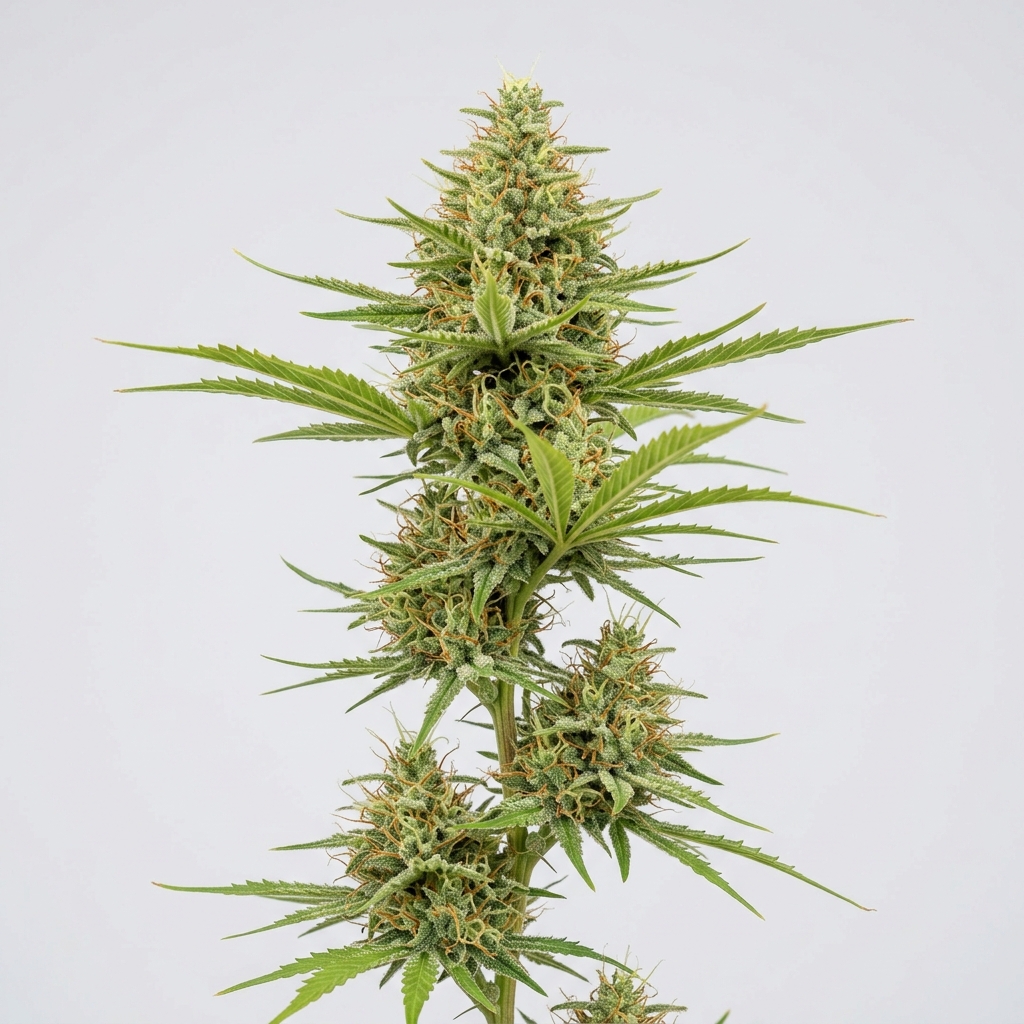
Bediol (Cannabis Strain)
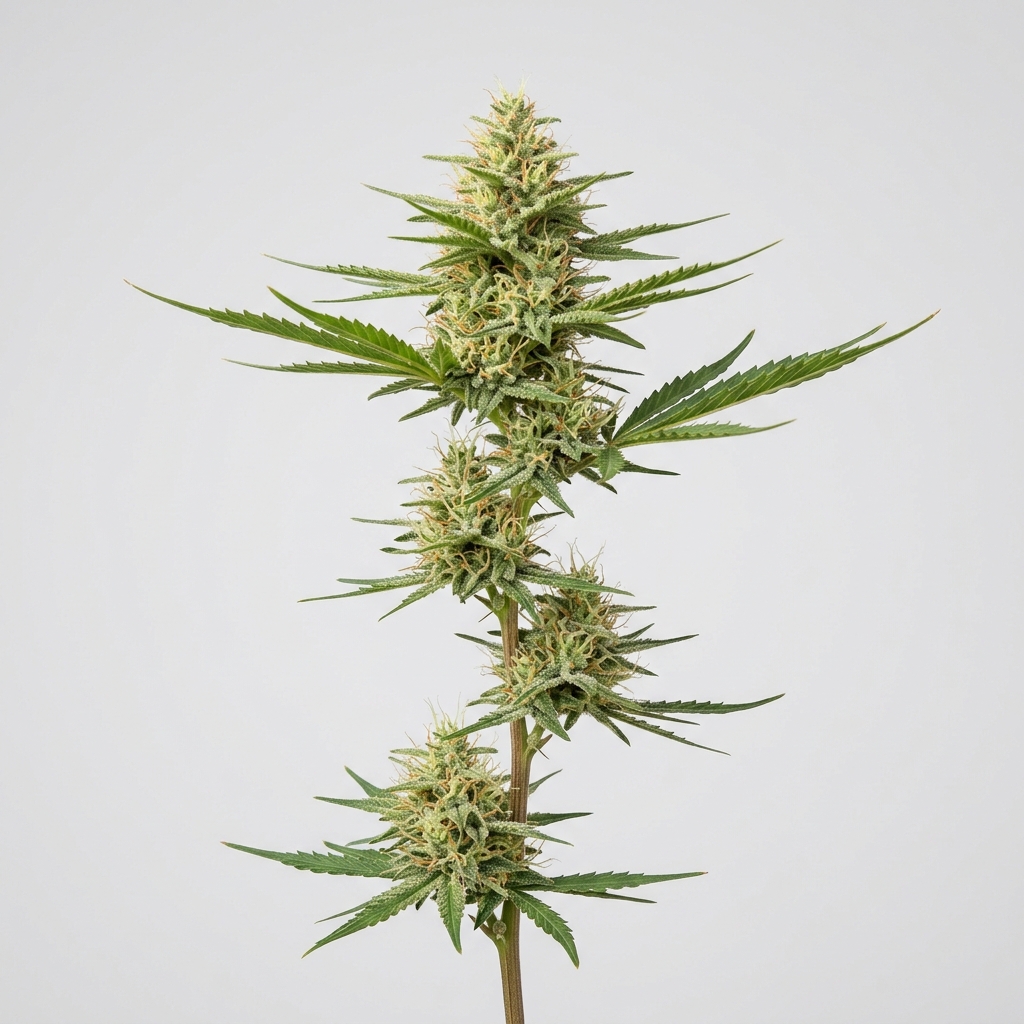
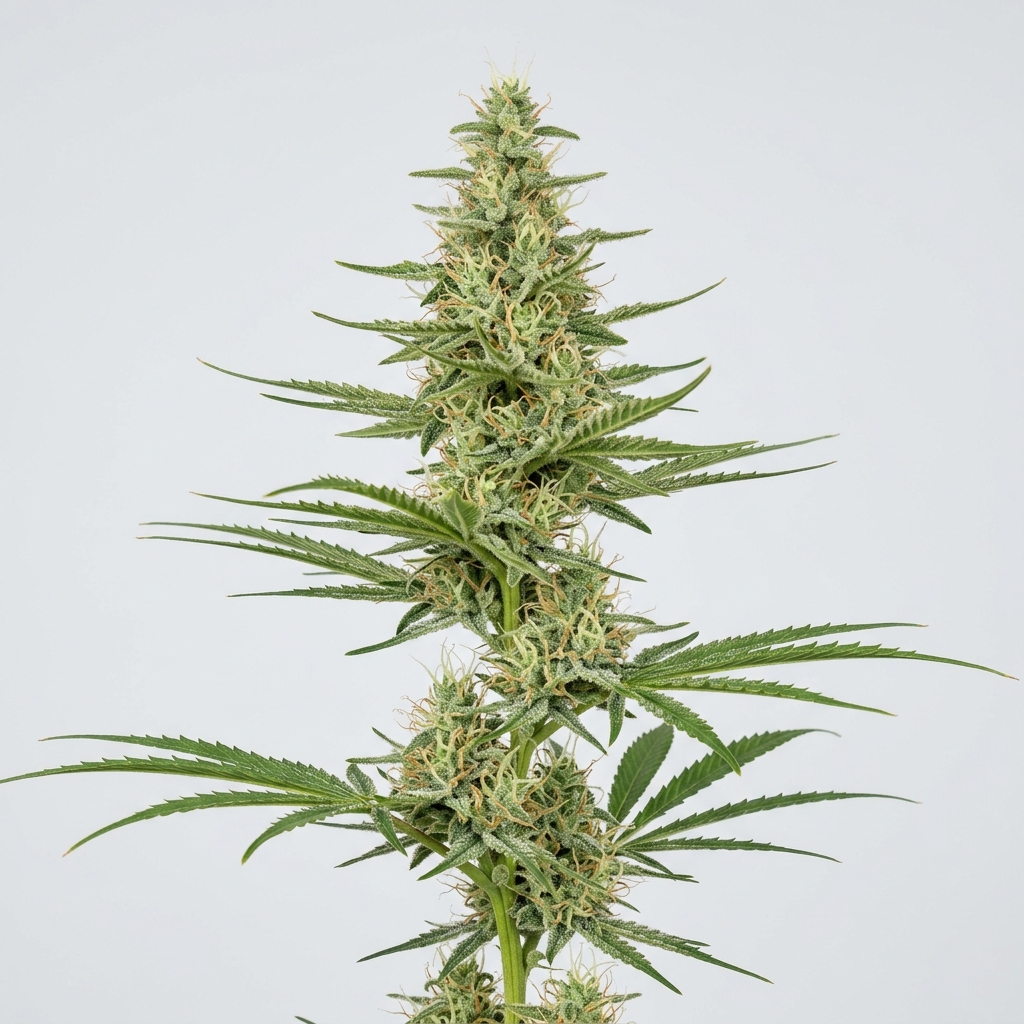
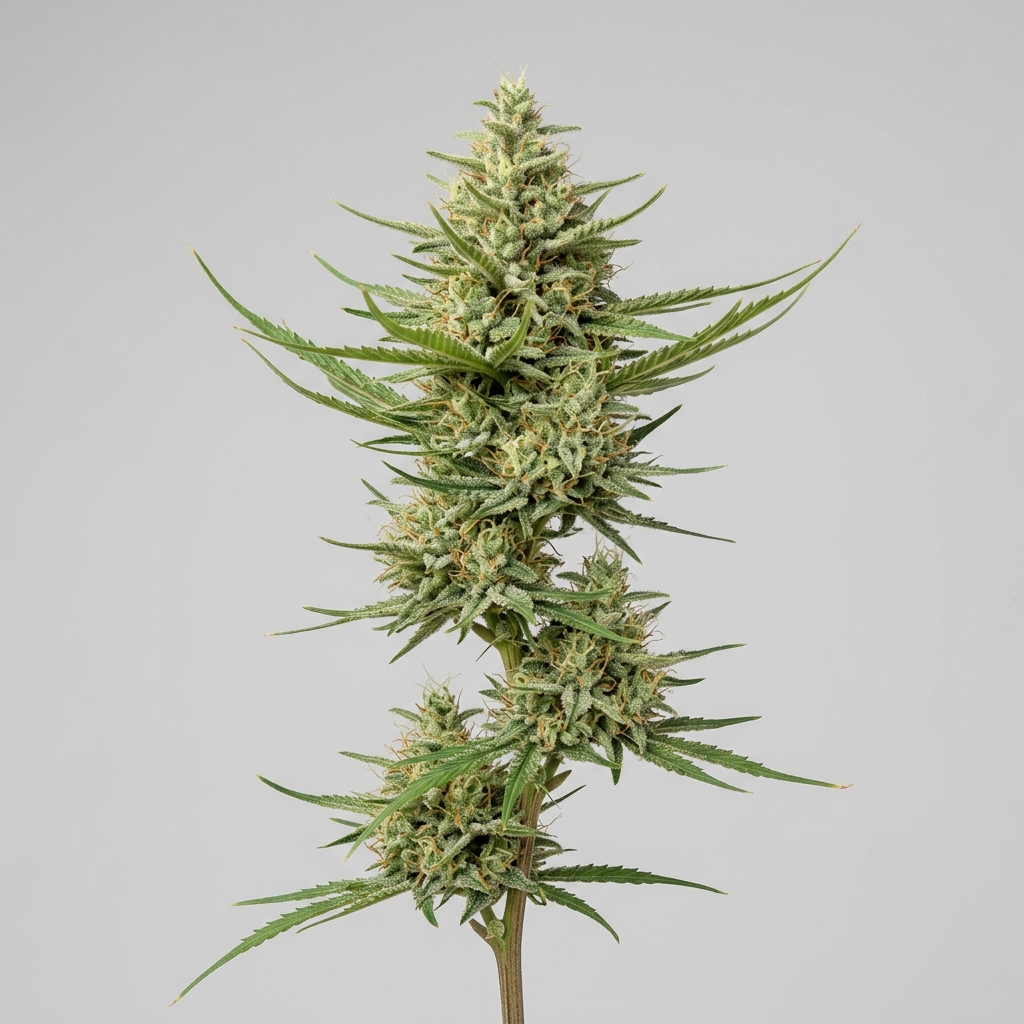
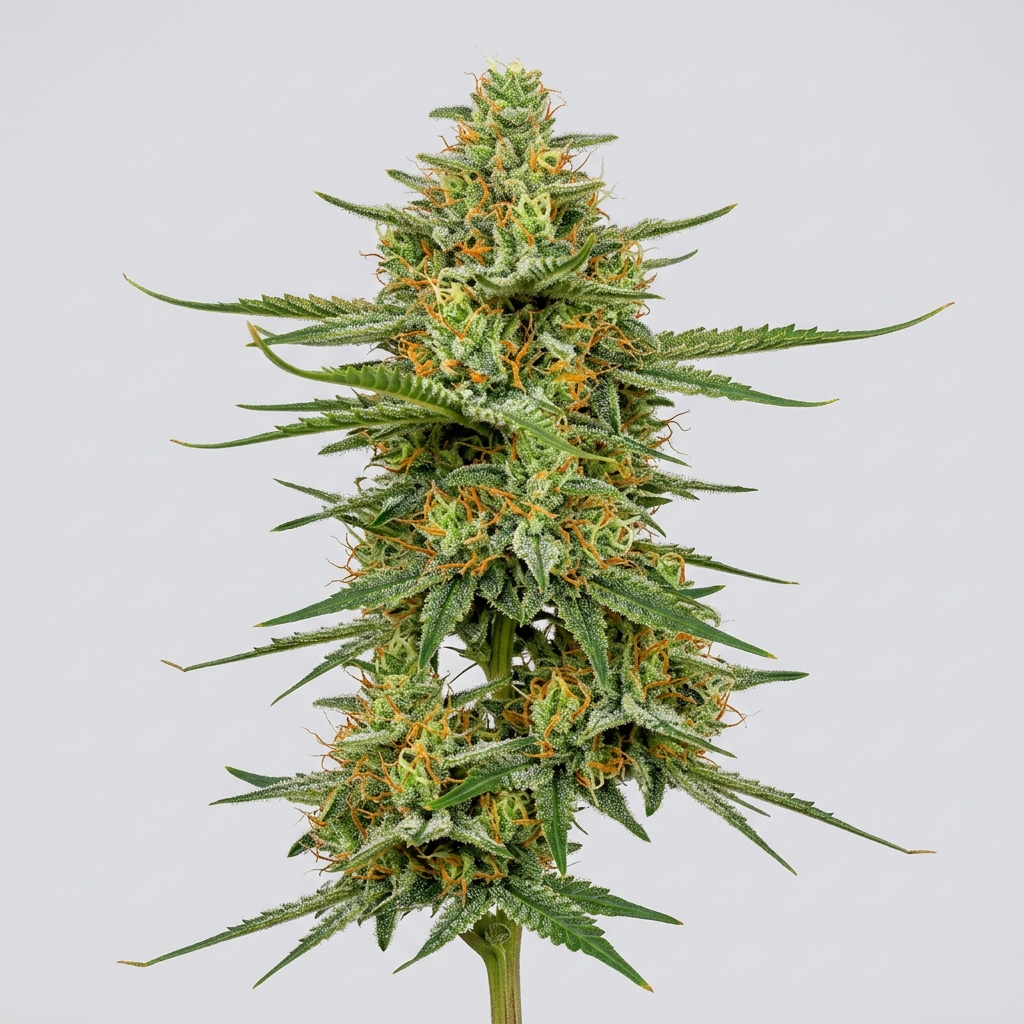
Bediol is a standardized, sativa-dominant medical cultivar developed by Bedrocan, renowned for its highly balanced cannabinoid profile featuring approximately 6.3% THC and 8% CBD. Derived from a selected El Niño lineage crossed with a CBD-rich parent, this strain is characterized by its airy, light-green spear colas, moderate resin coverage, and a distinct herbal, pine-forward aroma. Growers favor this cultivar for its steady, predictable growth patterns and manageable stretch, making it a staple in highly controlled, clinical-grade cultivation environments.
Unlike recreational high-potency cultivars, this strain is engineered for consistency and functionality. Its balanced ratio provides a gentle, clear-headed experience that allows patients and daytime consumers to maintain focus without heavy psychoactive interference.
Quick Facts
| Field | Details |
|---|---|
| Genetics | El Niño x CBD-Rich Selection |
| Variety | Sativa-dominant Hybrid |
| THC Range | 6% – 7% (with ~8% CBD) |
| Flowering Time | 8 – 9 Weeks |
| Yield Potential | Moderate |
| Plant Height | Medium to Tall |
| Climate Preference | Mild, Mediterranean / Controlled Greenhouse |
| Difficulty | Moderate |
Scientific & Botanical Overview
Sativa-dominant genetics yield a relatively open canopy structure with elongated internodal spacing. The leaves are typically narrow-fingered and light green, allowing excellent light penetration throughout the lower branches.
The buds develop into loose, finger-like spear colas rather than dense, rock-hard clusters. This airy structure is a physical adaptation that naturally aids in airflow, reducing the risk of microclimate humidity pockets within the flower canopy.
Glandular trichomes are distributed evenly across the bracts and sugar leaves, though they present a more delicate, glassy appearance compared to resin-heavy recreational hybrids. The terpene synthesis is highly stable, ensuring a consistent chemical profile harvest after harvest.
Effects & Use-Cases (Reported)
Commonly reported effects: Clear-headed clarity, mild physical relaxation, and sustained focus without sedation or intense cerebral stimulation.
Use-case context: Ideal for daytime productivity, quiet focus, and situations requiring physical ease without cognitive impairment.
Note: The high concentration of CBD acts as a modulator, tempering the psychoactive properties of THC and minimizing the risk of anxiety or racing thoughts.
Aroma & Flavors
Aroma: Freshly cut pine, damp soil, and dry herbal tea with a faint peppery undertone.
Flavor: Clean woodiness on the inhale, followed by a mild, savory eucalyptus and light spice finish.
Terpene associations: Alpha-pinene, myrcene, and beta-caryophyllene dominate the analytical profile, driving its clean, forest-like sensory signature.
Tested Cannabinoid & Terpene Ranges
| Compound | Typical Range |
|---|---|
| Δ9-THC | 6.0% – 7.0% |
| CBD | 7.5% – 8.5% |
| Alpha-Pinene | 0.15% – 0.30% |
| Myrcene | 0.10% – 0.25% |
| Beta-Caryophyllene | 0.08% – 0.20% |
Values are based on standardized laboratory reports from medical batches. Individual phenotypes and cultivation practices may cause slight variations, though Bedrocan selections are bred for high stability.
Cultivation Notes
- Humidity Management: Keep late-flower relative humidity below 50% to protect the elongated colas, even though the airy structure naturally resists moisture buildup.
- Nutrient Regimen: Responds best to a moderate, steady nutrient feed; avoid excessive nitrogen during the vegetative stage to prevent unwanted stretching.
- Canopy Training: use low-stress training (LST) or a scrog net to manage the sativa-dominant height and encourage even bud development across lower nodes.
- Pruning: Perform light defoliation of lower fan leaves prior to flowering to maximize light penetration to lower bud sites.
- Harvest Window: Harvest when trichomes are mostly milky white with minimal amber to preserve the uplifting, functional terpene profile.
Grower Notes (Week-by-Week Snapshot)
- Weeks 1–3 (Vegetative & Early Stretch): The plants show rapid upward growth with noticeable internodal stretching. Early structural support or netting should be established now to guide the flexible branches.
- Weeks 4–6 (Mid-Flower): Bud sites begin to form elongated, narrow clusters along the branches. Resin production starts early, accompanied by a distinct, clean pine aroma in the grow room.
- Weeks 7–9 (Late Flower & Ripening): The spear colas fill out but retain their characteristic airy structure. Pistils turn from white to a soft orange, and the pine scent sharpens with herbal undertones.
Genetic Lineage
Bediol represents a highly specialized breeding direction focused on cannabinoid balance rather than maximum THC expression. Its genetic foundation is built upon El Niño, a classic multi-way hybrid known for its resilient growth and complex ancestral line of Haze, Super Skunk, and Brazilian landrace genetics.
By crossing this robust lineage with a selected CBD-rich donor, breeders locked in the desirable 1:1.3 THC-to-CBD ratio. This careful genetic stabilization ensures that clones and tissue cultures maintain identical cannabinoid yields, a critical requirement for standardized pharmaceutical production.
Research Insights
Analytical testing of this cultivar highlights a unique chemical synergy where CBD and alpha-pinene work in tandem. The presence of pinene is of particular interest to researchers, as this terpene is associated with alertness and may help counteract the short-term memory attenuation sometimes associated with THC.
The strain’s consistent performance in clinical settings makes it a primary reference point for researchers studying the entourage effect in low-dose therapies. Its stable chemical output minimizes variable factors, allowing for more precise clinical observations.
Frequently Asked Questions
What is the typical THC to CBD ratio of Bediol?
Bediol typically features a highly balanced ratio of approximately 6.3% THC to 8% CBD, making it a functional, low-psychoactivity option.
Is Bediol a sativa or indica strain?
It is a sativa-dominant hybrid, displaying narrow leaves, an open canopy structure, and a moderate stretch during early flowering.
Who originally bred the Bediol strain?
Bediol was developed and standardized by Bedrocan in the Netherlands specifically for medical use-cases requiring consistent cannabinoid profiles.
Can Bediol be grown easily at home?
While it grows reliably, managing its sativa-dominant stretch and maintaining precise environmental controls requires moderate horticultural experience.
Educational Disclaimer
This article is intended solely for educational and informational purposes. It does not constitute medical advice or encouragement of illegal cultivation practices. Always consult with a licensed professional regarding medical cannabis use.
Rate and review this strain
Ratings and reviews are accepted only from signed-in Google accounts.
Sign in with Google to leave a rating and written review.
Latest Reviews
0 reviewsNo reviews yet. Be the first Google user to rate and review this strain.