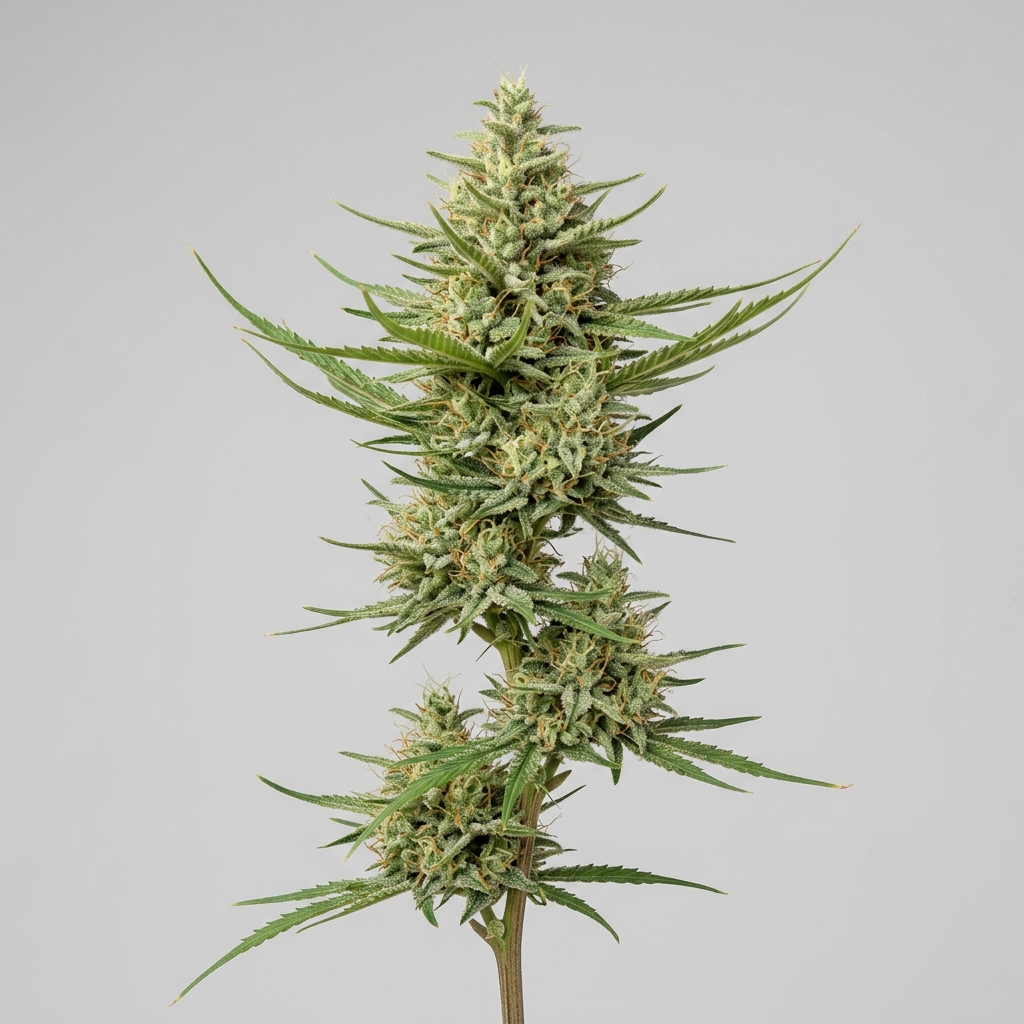
Bedrocan (Cannabis Strain)
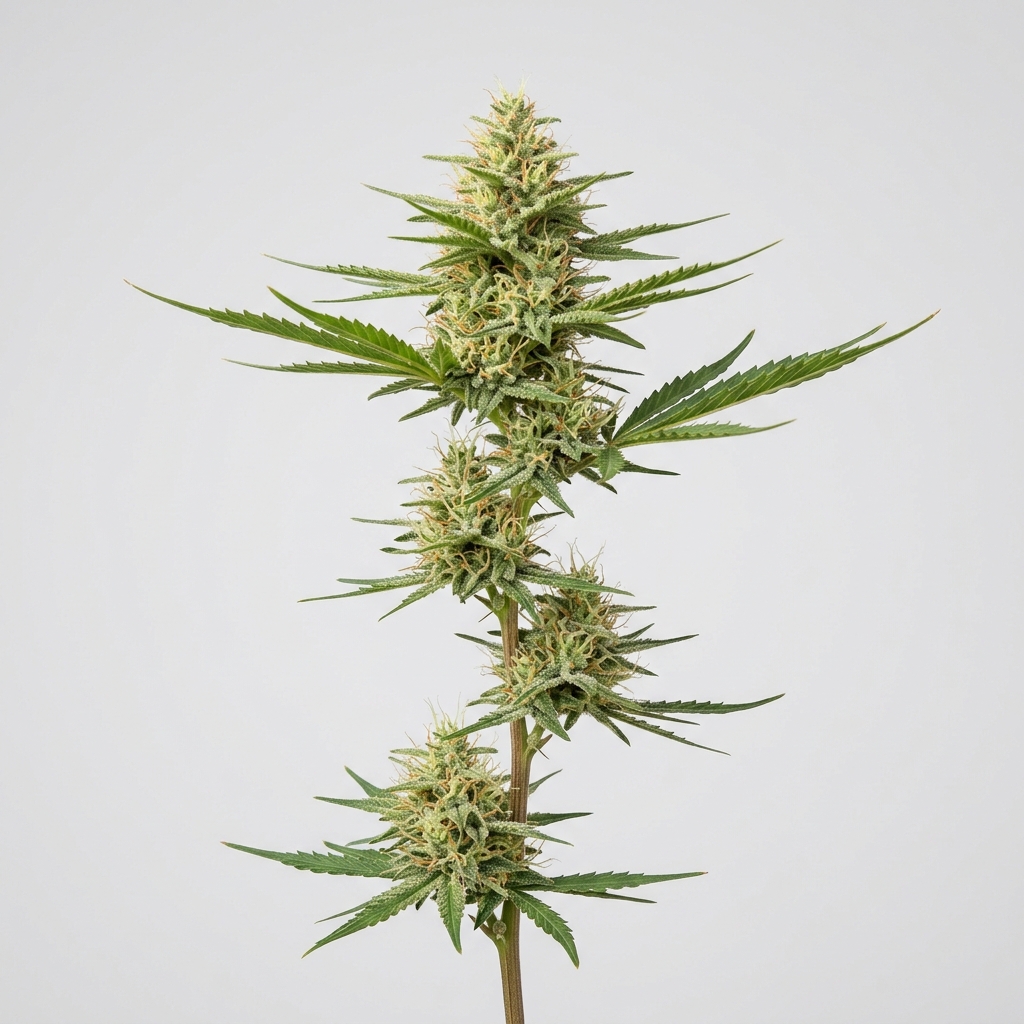
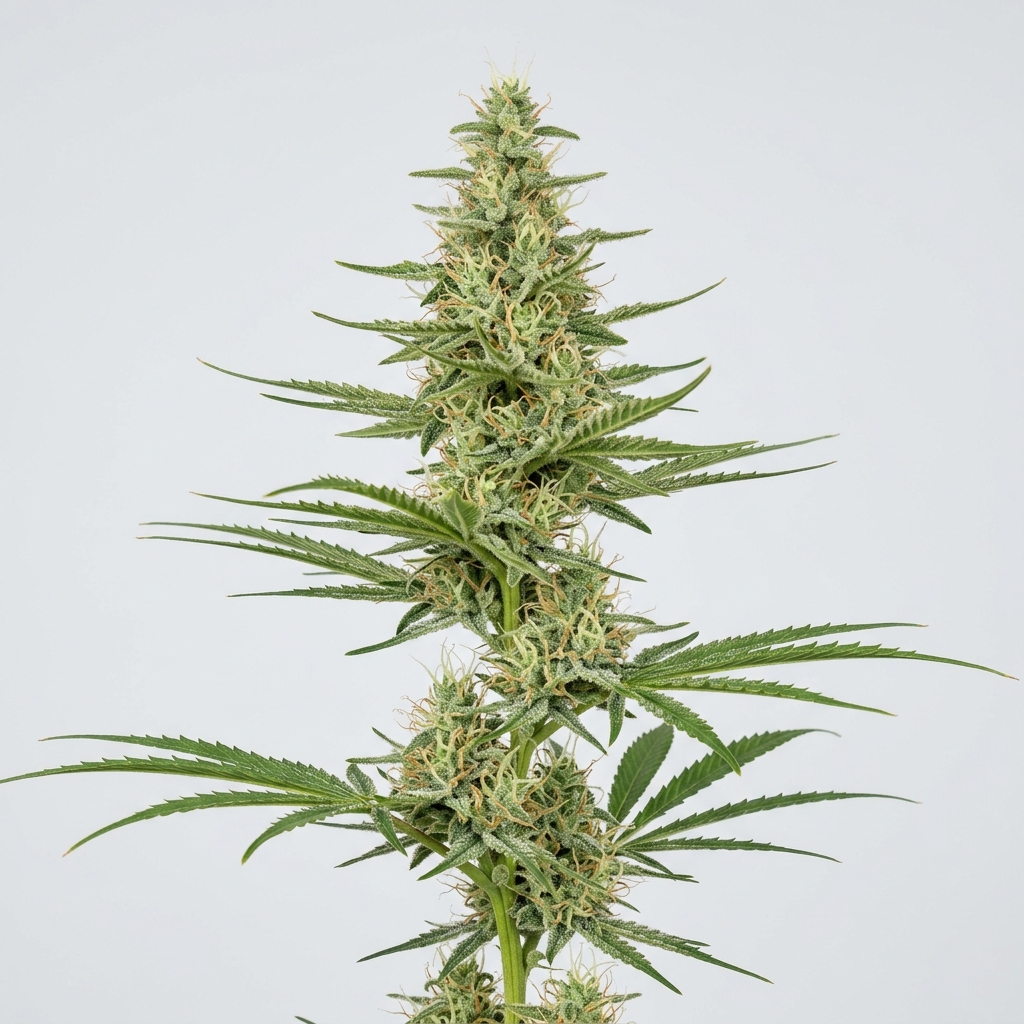
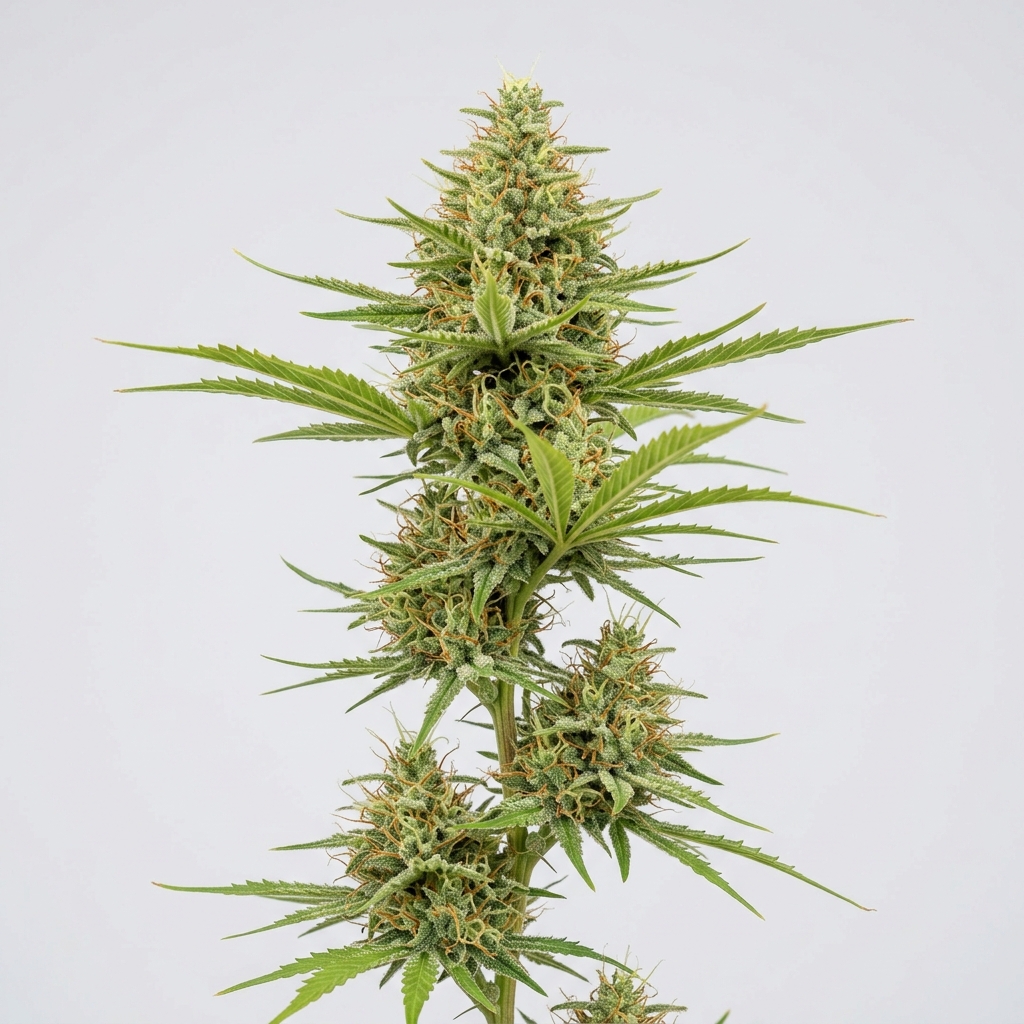
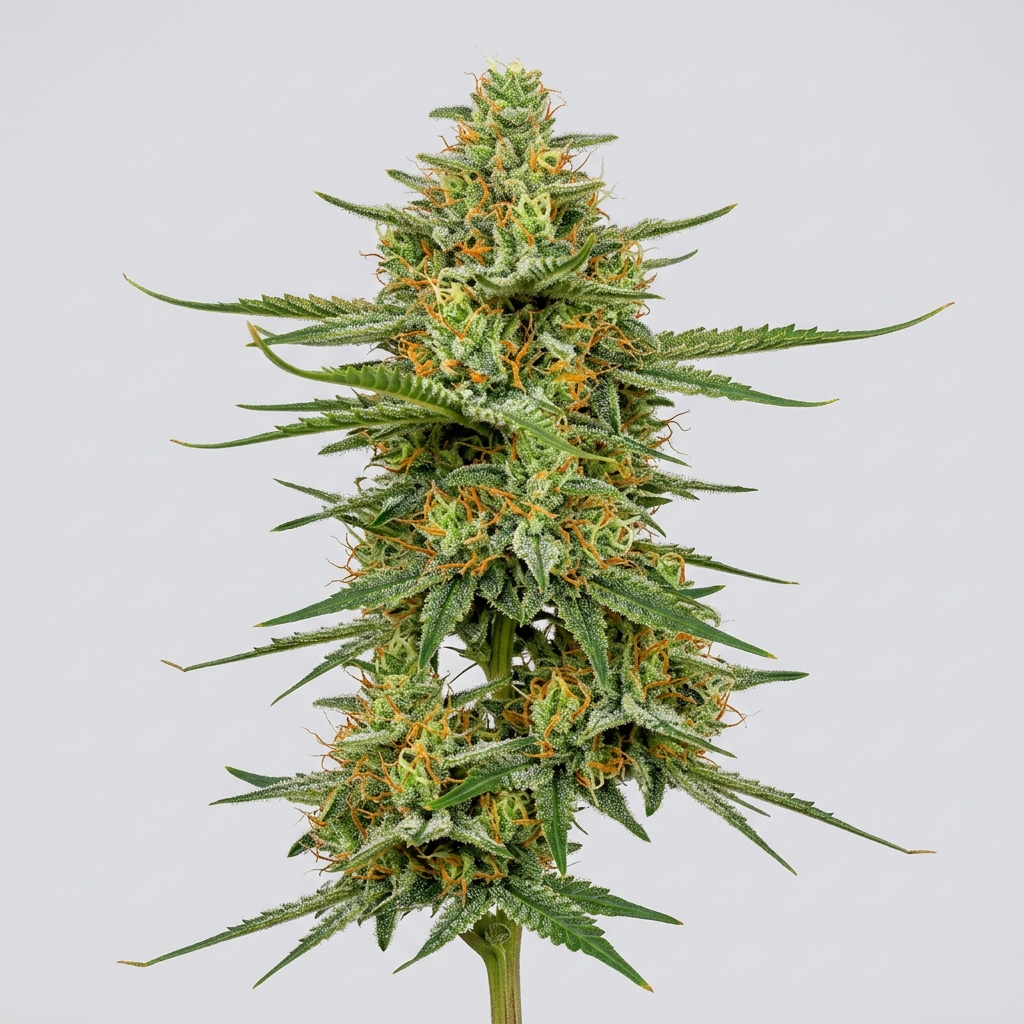
Bedrocan is a standardized, Sativa-dominant medical cannabis strain typically testing at 19% to 22% THC and under 1% CBD, widely recognized as a highly stabilized phenotype of the classic Jack Herer lineage. Known for its sharp pine, woody spice, and bright citrus aroma, this cultivar produces elongated, spear-shaped colas covered in a fine layer of glassy trichomes. Highly valued for its consistent chemical profile under GMP standards, it shows a vigorous Sativa growth pattern with a pronounced stretch during early flowering.
Developed in the Netherlands, this strain has served as a benchmark for clinical research and pharmaceutical-grade prescription cannabis for decades. Its structural morphology reflects its Haze heritage, requiring careful canopy management to support its tall, open branching.
Quick Facts
| Attribute | Details |
|---|---|
| Genetics | Jack Herer phenotype (Northern Lights #5 × Haze × Shiva Skunk) |
| Variety | Sativa-dominant (~70% Sativa / 30% Indica) |
| THC Range | 19% – 22% |
| Flowering Time | 9 – 10 weeks |
| Yield Potential | Moderate to High |
| Plant Height | Tall (significant stretch) |
| Climate Preference | Warm, semi-dry, temperate |
| Difficulty | Moderate |
Scientific & Botanical Overview
Botanically, Bedrocan displays classic Sativa traits with thin-fingered, pale green fan leaves and long internodal spacing. The plant forms slender, tapered colas rather than dense, rounded buds, allowing for excellent airflow through the inner canopy. This open architecture makes it naturally resilient to moisture buildup, though its height requires deliberate structural support.
The calyx-to-leaf ratio is exceptionally high, which simplifies the trimming process and highlights the resin-rich bracts. Trichome development is dense but fine, with small-headed capitate-stalked glands that secrete a highly volatile terpene profile dominated by monoterpenes.
Because this cultivar is cultivated under strict, standardized laboratory conditions for medical distribution, its morphological expression is highly predictable. When grown in controlled environments, it maintains a consistent nutrient uptake profile, favoring moderate nitrogen levels during vegetative growth and high potassium during mid-to-late bloom.
Effects & Use-Cases (Reported)
Commonly reported effects: Users frequently describe a rapid, clear-headed cognitive lift accompanied by a gentle physical energy. The experience is characterized by enhanced focus and mental clarity without the heavy physical sedation often found in indica-dominant hybrids.
Use-case context: Due to its uplifting and non-fatiguing nature, this strain is primarily utilized during daytime hours. It is commonly selected by individuals seeking to maintain productivity, creative focus, or physical activity throughout the day.
Note: Individual experiences may vary based on dosage, tolerance, and personal biochemistry. Standardized medical cultivars should always be used in accordance with professional guidance.
Aroma & Flavors
Aroma: The initial nose is dominated by a sharp, refreshing burst of fresh pine needles and damp earth, quickly followed by a sweet, hazy citrus undertone. Breaking the dry buds releases a deeper, peppery spice reminiscent of black pepper and cedar wood.
Flavor: On the inhale, the smoke or vapor delivers a clean, herbal taste with a distinct woody character. The exhale leaves a lingering tart citrus lift and a subtle, minty coolness on the palate.
Terpene associations: Laboratory analyses of this cultivar consistently show high concentrations of terpinolene, myrcene, and pinene, which drive its signature herbal-pine profile.
Tested Cannabinoid & Terpene Ranges
| Compound | Typical Range |
|---|---|
| Δ9-THC | 19.0% – 22.0% |
| CBD | < 1.0% |
| Terpinolene | 0.3% – 0.8% |
| beta-Myrcene | 0.2% – 0.5% |
| trans-Caryophyllene | 0.1% – 0.4% |
| alpha-Pinene | 0.1% – 0.3% |
The values listed above represent typical laboratory test results for standardized batches of this cultivar. Individual home-cultivated phenotypes may vary depending on environmental conditions, curing techniques, and light spectrums.
Cultivation Notes
- Humidity management: Maintain relative humidity (RH) around 50-55% during early flower, dropping to 40% in the final weeks to protect the long colas from late-stage issues.
- Canopy training: use screen of green (ScrOG) setups or early topping to manage the significant vertical stretch, which can easily double or triple the plant’s height after flipping to flower.
- Nutrient regimen: This cultivar prefers a light to moderate feeding schedule; excessive nitrogen during early bloom can lead to unwanted stretching and airy bud structure.
- Harvest timing: Harvest when the trichomes are mostly milky white with about 10% amber to preserve the clear, energetic terpene and cannabinoid profile.
- Slow dry: Implement a strict 10-to-14-day slow dry at 60°F (15°C) and 60% RH to lock in the volatile terpinolene and pinene content.
Grower Notes (Week-by-Week Snapshot)
- Weeks 1–3 (Transition & Stretch): Expect a vigorous vegetative burst and immediate vertical stretch upon switching to a 12/12 light cycle. Secure main branches to trellising early and prune lower, non-productive bud sites to direct energy upward.
- Weeks 4–6 (Mid-Flower & Bud Formation): Long, slender pistils will emerge, forming the foundations of the spear-shaped colas. Increase phosphorus and potassium inputs slightly, ensuring the plant has adequate calcium and magnesium to support the rapid skeletal growth.
- Weeks 7–9+ (Late-Flower & Ripening): The buds will swell, and the resin coating will become visibly glassy. Reduce ambient temperatures during the final ten days to encourage terpene preservation and watch for the pistils to turn a deep amber-orange.
- Post-Harvest (Cure): Give the cured flowers at least three weeks in glass jars at 62% RH to allow the sharp, peppery spice to mellow and the sweet citrus-pine notes to fully develop.
Genetic Lineage
Bedrocan is a highly stabilized, proprietary phenotype of the legendary Jack Herer strain. This lineage traces its roots back to a complex three-way cross of Northern Lights #5, Shiva Skunk, and Haze, combining the heavy resin production of classic indicas with the soaring, cerebral qualities of equatorial sativas.
Through decades of selective breeding and strict clonal preservation, the breeders have locked in a highly uniform expression of this phenotype. Unlike standard seed lines that exhibit multi-phenotype variation, this selection is prized for its extreme stability and consistent chemical output across generations.
Research Insights
Because of its status as a federally regulated medical cultivar in the Netherlands, Bedrocan has been featured in numerous peer-reviewed clinical studies. Researchers frequently use this strain to investigate the therapeutic potential of standardized THC ratios combined with a terpinolene-dominant terpene profile.
Studies indicate that the specific co-presence of pinene and terpinolene may play a role in modulating the cognitive effects of THC. This synergistic terpene profile is hypothesized to contribute to the clear-headed, alert experience commonly reported by patients, distinguishing it from myrcene-heavy sedative cultivars.
Frequently Asked Questions
Is Bedrocan an indica or a sativa?
Bedrocan is a Sativa-dominant cultivar (approximately 70% Sativa and 30% Indica) derived from a stabilized Jack Herer phenotype. It shows the tall growth structure, long flowering time, and uplifting effects typical of Sativa varieties.
What is the average THC content of Bedrocan?
This strain is standardized to consistently produce a THC content of approximately 19% to 22%, with CBD levels typically remaining below 1%.
What does Bedrocan smell like?
It features a highly aromatic profile dominated by sharp pine, fresh cedar, and earthy wood notes, balanced by a sweet, hazy citrus undertone and a peppery spice finish.
How long does Bedrocan take to flower?
When grown under standard indoor conditions, this cultivar typically requires a flowering period of 9 to 10 weeks to reach optimal maturity and resin density.
Educational Disclaimer
This content is for educational and informational purposes only. It is not intended to provide medical advice, diagnosis, or treatment, nor is it intended to promote or encourage the illegal cultivation or consumption of controlled substances.
Rate and review this strain
Ratings and reviews are accepted only from signed-in Google accounts.
Sign in with Google to leave a rating and written review.
Latest Reviews
0 reviewsNo reviews yet. Be the first Google user to rate and review this strain.