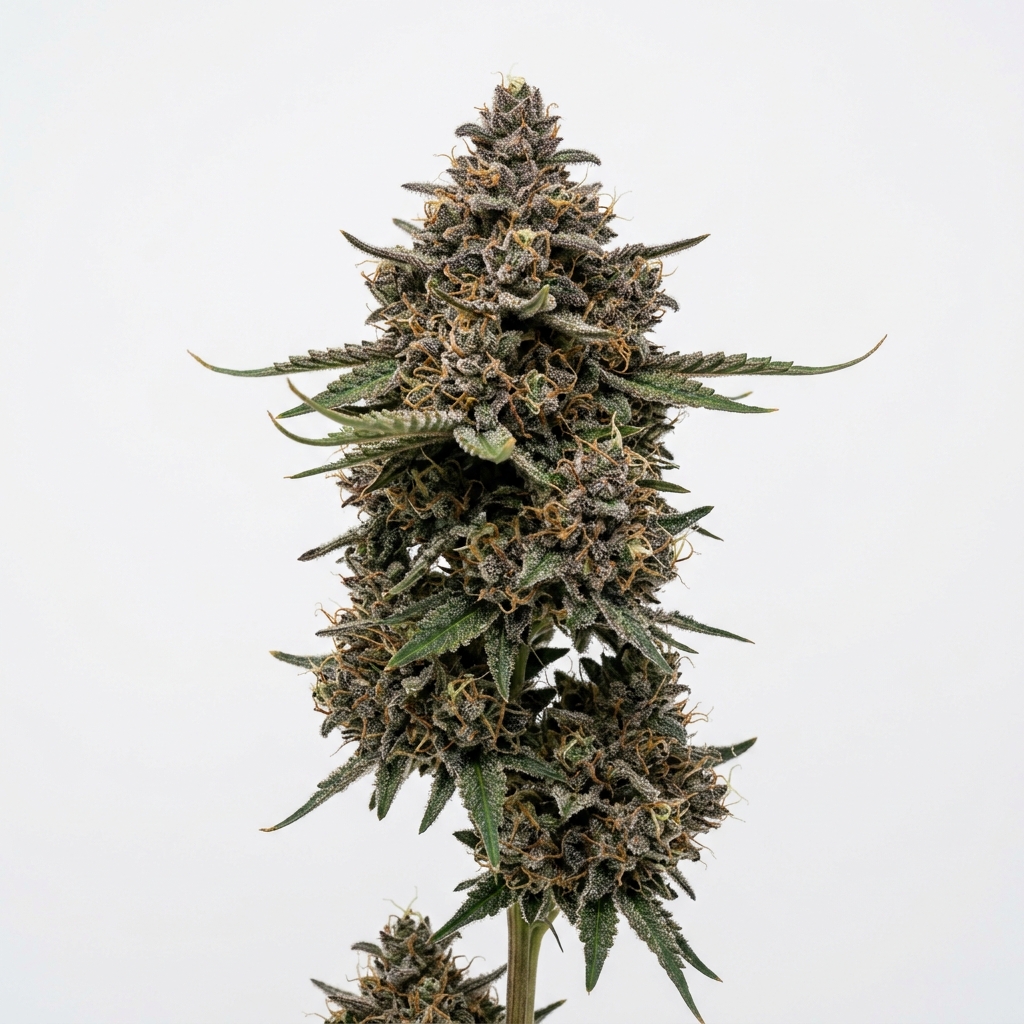
Bad Azz Kush (Cannabis Strain)
Bad Azz Kush is a heavy, indica-dominant hybrid crossing OG Kush, Purple Urkle, and Afghan Kush that typically tests between 20% and 24% THC. Characterized by greasy resin production, dense bracts, and a deep damp earth and fuel aroma with a dark berry edge, this cultivar shows a controlled stretch and stout, bushy growth behavior. Developed in collaboration with rapper Bad Azz of Tha Dogg Pound, it has become a staple for growers seeking classic, heavy-hitting kush genetics with enhanced yield potential and exceptional resin clarity.
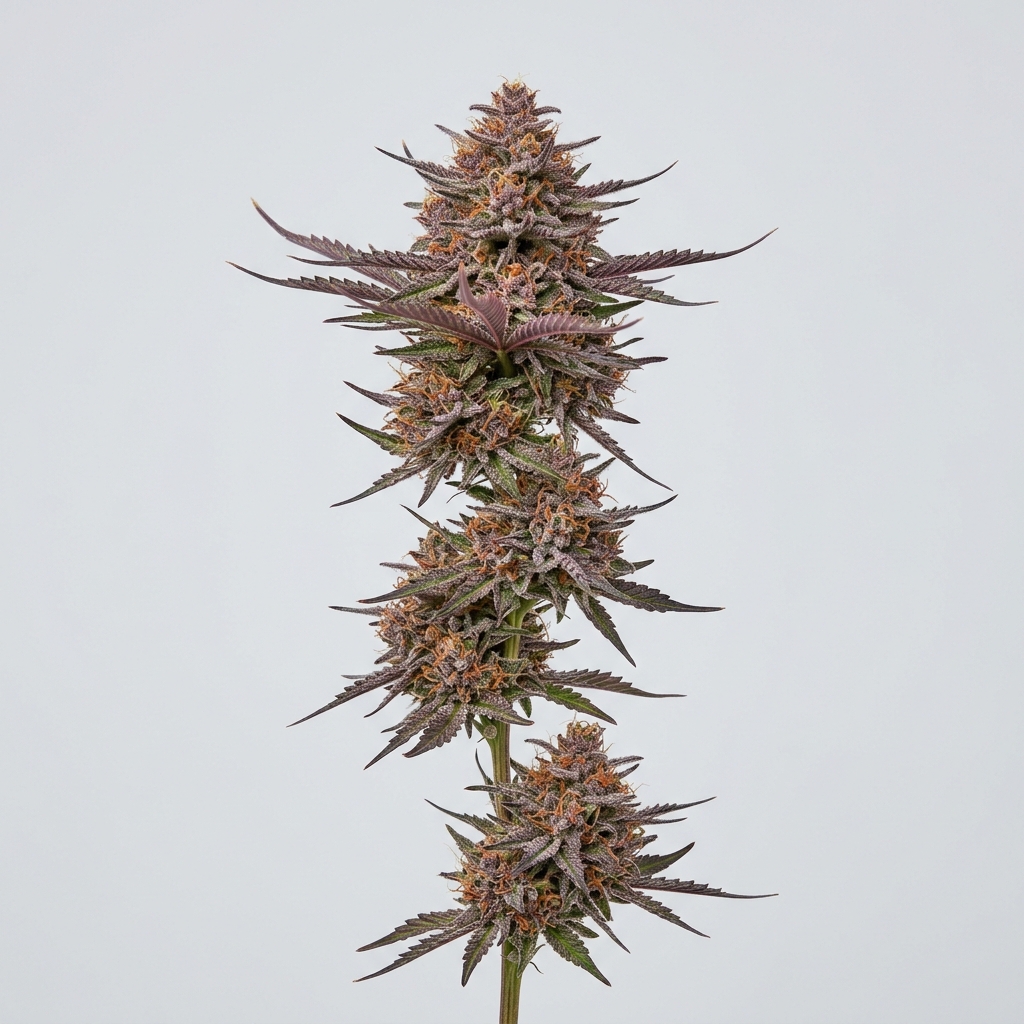
The strain is highly regarded for its physical structural integrity, producing thick lateral branches that support heavy, resin-rich flowers. It delivers a classic, slow-building physical weight that makes it a preferred option for evening selection. Cultivators value its predictable growth patterns and the striking purple hues it displays when exposed to cooler night temperatures late in the flowering cycle.
Quick Facts
| Metric | Details |
|---|---|
| Genetics | OG Kush × Purple Urkle × Afghan Kush |
| Variety | Indica-dominant hybrid |
| THC Range | 20% – 24% |
| Flowering Time | 55 – 65 days (approx. 8–9 weeks) |
| Yield Potential | High (up to 550g/m² indoors) |
| Plant Height | Medium (typically 100–140 cm) |
| Climate Preference | Temperate, dry, warm climates |
| Difficulty | Moderate |
Scientific & Botanical Overview
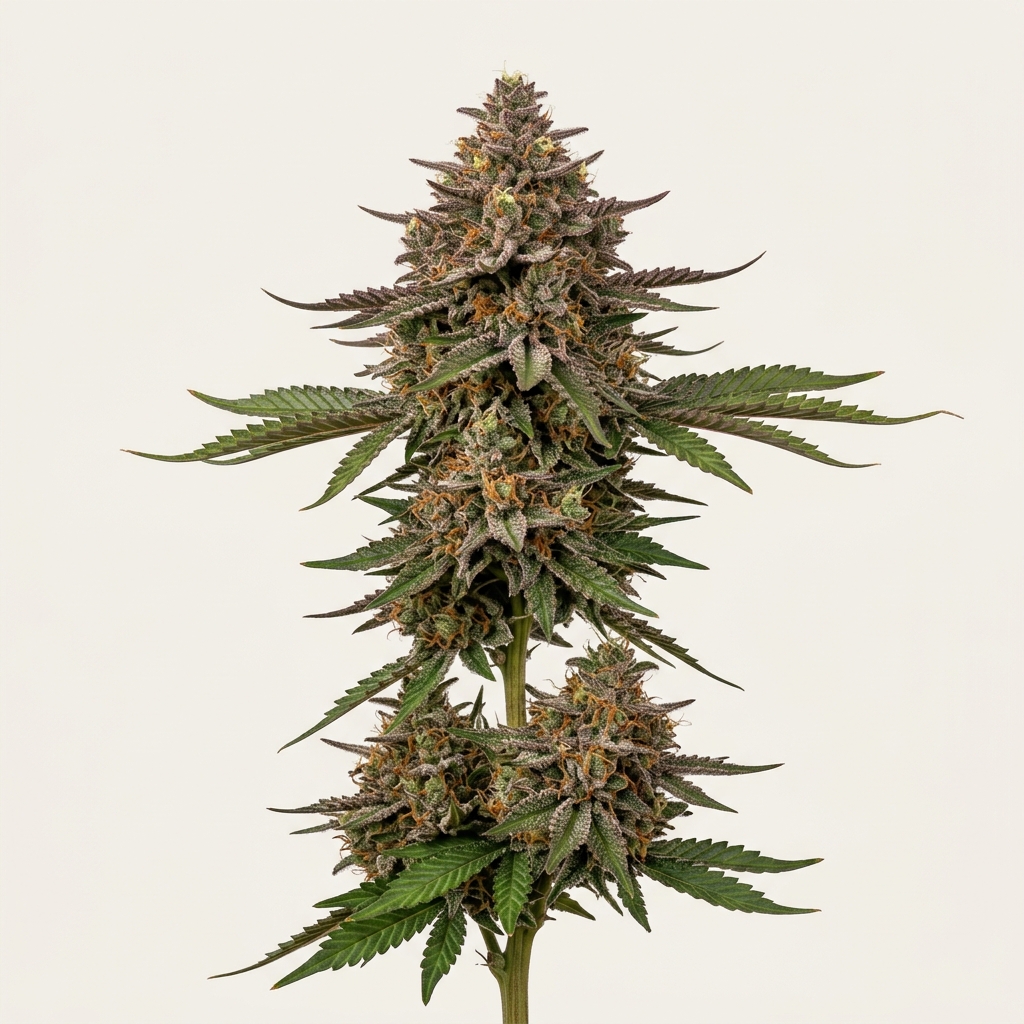
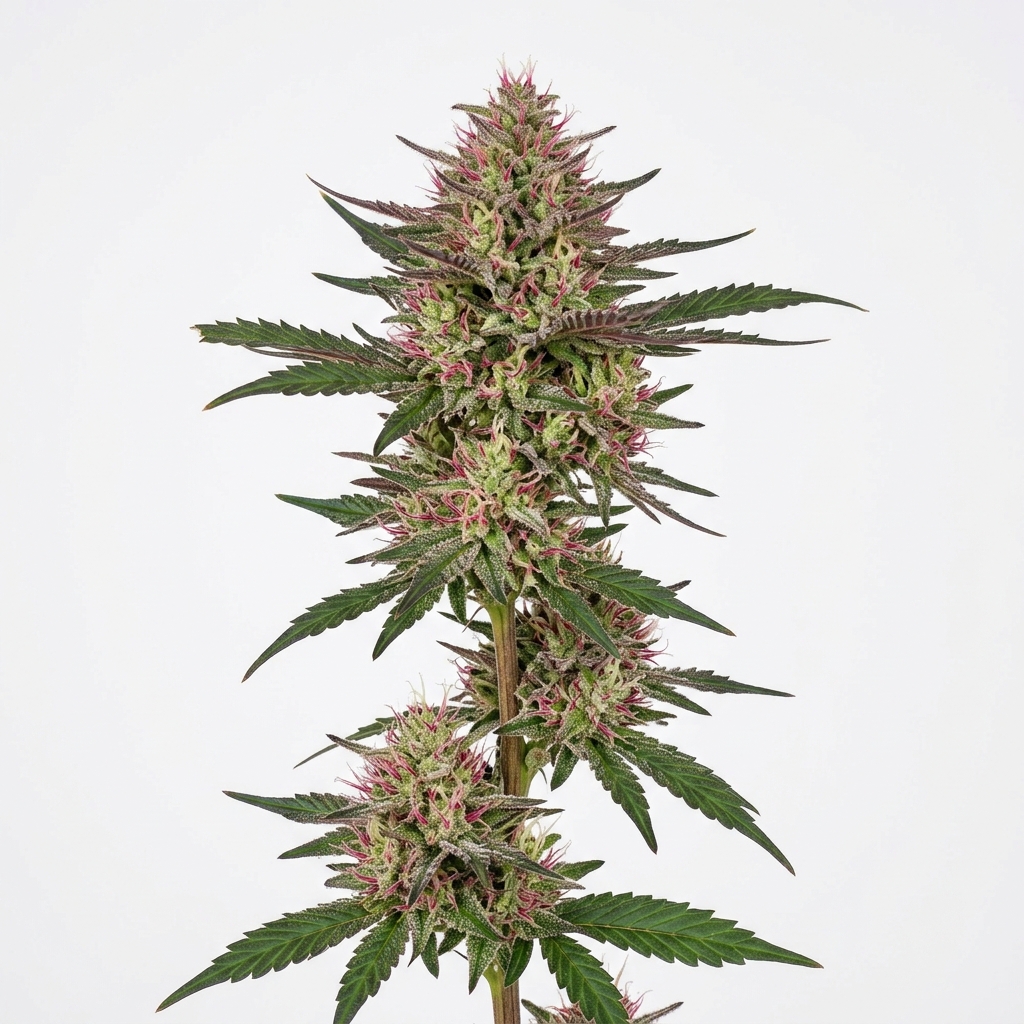
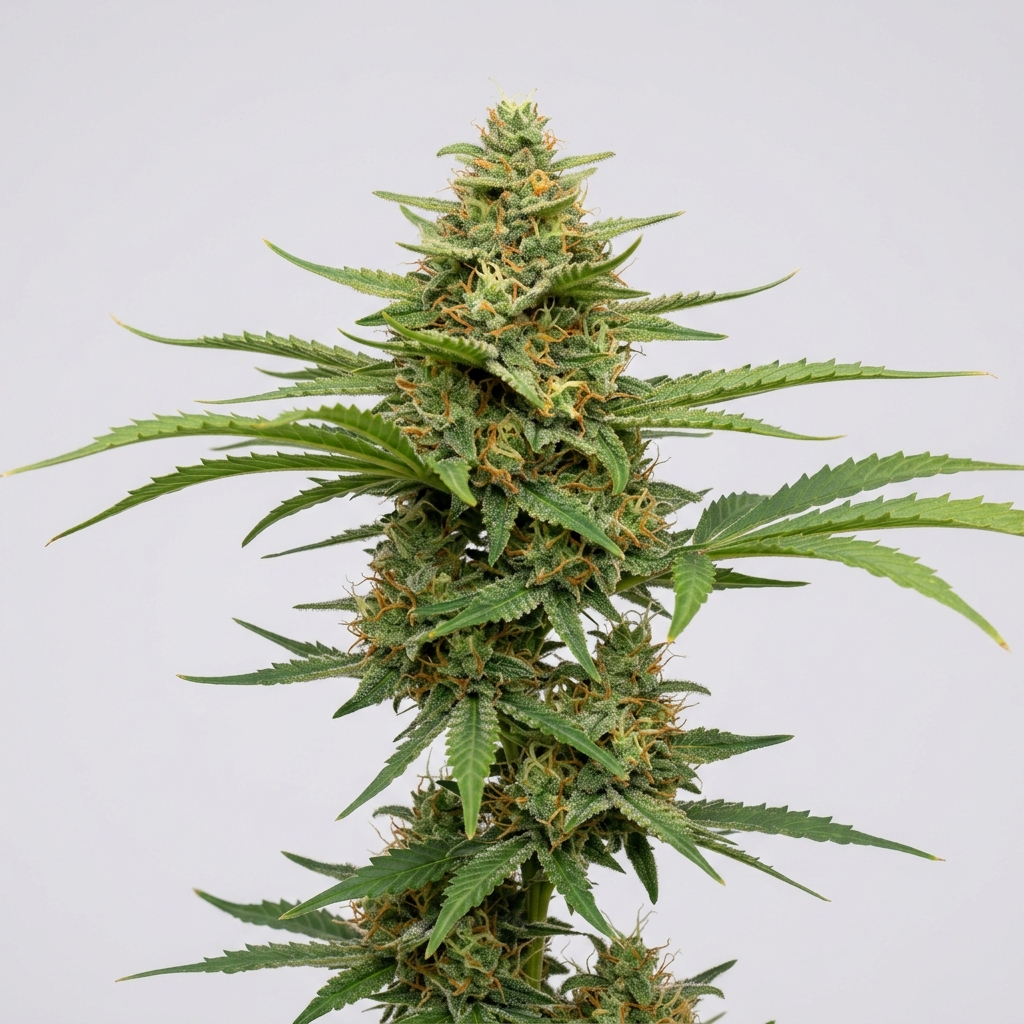
Bad Azz Kush showcases classic indica morphology, characterized by broad fan leaves, tight internodes, and a squat, sturdy frame. The plant focuses its energy on developing dense, swollen calyxes that cluster into thick, spear-shaped colas. This structural density requires deliberate canopy management to ensure adequate light penetration and airflow through the lower branches.
During the generative stage, the cultivar produces a high concentration of glandular trichomes that yield a viscous, greasy resin. This heavy resin coverage acts as a natural barrier, though the sheer density of the buds requires careful canopy management to prevent microclimates. Growers must monitor environmental parameters closely, as the tight flower clusters are sensitive to stagnant air.
Anthocyanin expression is common in cooler night temperatures, coaxing deep forest green hues to shift toward dark purple and near-black undertones. The overall structure remains compact, making it highly responsive to topping and low-stress training techniques. Its robust stem structure allows it to carry its heavy flower load without requiring excessive external support.
Effects & Use-Cases (Reported)
Commonly reported effects: Users frequently describe a heavy physical relaxation that starts behind the eyes before settling deep into the limbs. This physical weight is accompanied by a calm, slow-paced mental state that gently eases active thoughts without immediate sedation. Over time, the experience transitions into a deep, restful state, making it highly suited for late-night wind-downs.
Use-case context: This cultivar is best reserved for evening or nighttime settings when physical demands are minimal. It is commonly selected by those looking to decompress after physical exertion or to assist in transitioning into a quiet, distraction-free sleep cycle. Its slow, grounding onset makes it less suitable for daytime productivity or active social settings.
Note: Individual experiences may vary depending on dosage, tolerance, and specific phenotype chemistry; consumers should approach high-potency kush cultivars with measured pacing.
Aroma & Flavors
Aroma: The initial nose is dominated by a sharp, damp earth and pine base, closely followed by a pungent diesel fuel burn. Breaking the buds releases a subtle, sweet berry undertone inherited from its Purple Urkle lineage, mixed with a spicy herbal complexity.
Flavor: The smoke is thick and expansive, coating the palate with a heavy, oily kush flavor. On the exhale, a distinct tart gas note lingers, balanced by a faint dark berry edge and a dry, piney finish.
Terpene associations: Laboratory analyses frequently associate this aromatic profile with high concentrations of beta-caryophyllene, limonene, and myrcene.
Tested Cannabinoid & Terpene Ranges
| Compound | Typical Range |
|---|---|
| Δ9-THC | 20.0% – 24.0% |
| CBD | 0.1% – 0.5% |
| CBG | 0.5% – 1.2% |
| beta-Caryophyllene | 0.4% – 0.9% |
| Limonene | 0.3% – 0.7% |
| Myrcene | 0.2% – 0.6% |
Note: Cannabinoid and terpene profiles are highly variable and depend on specific cultivation methods, curing processes, and phenotype selection.
Cultivation Notes
- Keep humidity below 50% in late flower to prevent moisture retention within the exceptionally dense, resin-rich flowers.
- Apply early topping and selective defoliation to improve airflow through the thick, broad fan leaves and tight internodal spacing.
- This cultivar responds well to a moderate to heavy feeding regimen, particularly requiring consistent calcium and magnesium during the mid-flower stretch.
- Maintain night temperatures slightly cooler (around 65°F / 18°C) during the final two weeks to encourage the expression of dark purple hues.
- Plan for a slow dry of 10 to 14 days at 60°F (15°C) and 60% relative humidity to preserve the volatile fuel and berry terpenes.
Grower Notes (Week-by-Week Snapshot)
- Weeks 1–3 (Vegetative & Transition): The plant establishes a strong, stocky root system and stays low to the ground with minimal stretch. Focus on early training to spread the canopy and ensure light penetrates the lower nodes.
- Weeks 4–6 (Mid-Flower): Dense bud sites begin to form rapidly, showing early signs of wet frost. The stretch remains controlled, typically doubling in height, while the aroma begins to shift from fresh vegetation to a sharp, earthy fuel.
- Weeks 7–9 (Late Flower & Ripening): Calyxes swell significantly, and the greasy resin coats the fan leaves surrounding the spear colas. Monitor humidity closely and flush with clean water during the final 10 days as trichomes transition from clear to milky amber.
Genetic Lineage
Bad Azz Kush is a carefully selected three-way cross bred by Barney’s Farm, combining the legendary structural backbone of OG Kush with the sweet, colorful traits of Purple Urkle and the pure, resinous power of Afghan Kush. This combination was designed to preserve the heavy physical properties of classic indica varieties while boosting overall flower yields and resin volume.
The influence of OG Kush provides the signature fuel and pine foundation, while the Afghan Kush genetics reinforce the plant’s robust, squat structure and high trichome density. Purple Urkle contributes a subtle dark berry sweetness and the potential for deep purple coloration, completing a well-rounded and resilient hybrid.
Research Insights
Horticultural interest in Bad Azz Kush often centers on its high concentration of sesquiterpenes, particularly beta-caryophyllene, which interacts directly with CB2 receptors. This compound, combined with a robust cannabinoid profile, contributes to the deeply relaxing physical sensations commonly reported by consumers.
Additionally, the breeding integration of landrace Afghan genetics alongside highly bred contemporary lines like OG Kush provides valuable hybrid vigor. Researchers and breeders study this cultivar for its stable physical traits, consistent resin-rich output, and resistance to common environmental stressors when grown under proper humidity controls.
Frequently Asked Questions
Is Bad Azz Kush suitable for beginner growers?
While the plant is structurally robust and resistant to minor environmental swings, its extreme bud density makes it moderately challenging. Beginners must monitor late-flower humidity closely to avoid moisture issues within the tight flower clusters.
What does Bad Azz Kush smell like?
It features a heavy, pungent profile dominated by damp earth, pine, and diesel fuel, with a subtle dark berry undertone that becomes more pronounced when the buds are broken apart.
How long does Bad Azz Kush take to flower?
Indoors, this cultivar typically finishes flowering in 55 to 65 days, or roughly 8 to 9 weeks, making it relatively fast-flowering for a high-yielding kush hybrid.
What are the primary effects of Bad Azz Kush?
Consumers commonly report a heavy, slow-building physical relaxation that eases physical tension, accompanied by a calm, quiet mental state ideal for evening rest.
Educational Disclaimer
This article is intended solely for educational, informational, and botanical reference purposes. It does not constitute medical advice, nor does it encourage the illegal cultivation, distribution, or consumption of cannabis.
Rate and review this strain
Ratings and reviews are accepted only from signed-in Google accounts.
Sign in with Google to leave a rating and written review.
Latest Reviews
0 reviewsNo reviews yet. Be the first Google user to rate and review this strain.