
Applescotti (Cannabis Strain)
Applescotti (also written as Apple Scotti) is a high-potency, dessert-forward indica-dominant hybrid cultivar (approximately 60% indica / 40% sativa) created by crossing the powerhouse Apples & Bananas (Compound Genetics / Cookies collaboration) with the modern pastry standard Biscotti (Gelato #25 × South Florida OG line). Circulating heavily in top-shelf boutique channels, this strain unites two of the most influential genetic pillars in contemporary cannabis, consistently testing between 24% and 30% Δ9-THC with extreme terpene intensity and top-tier bag appeal.
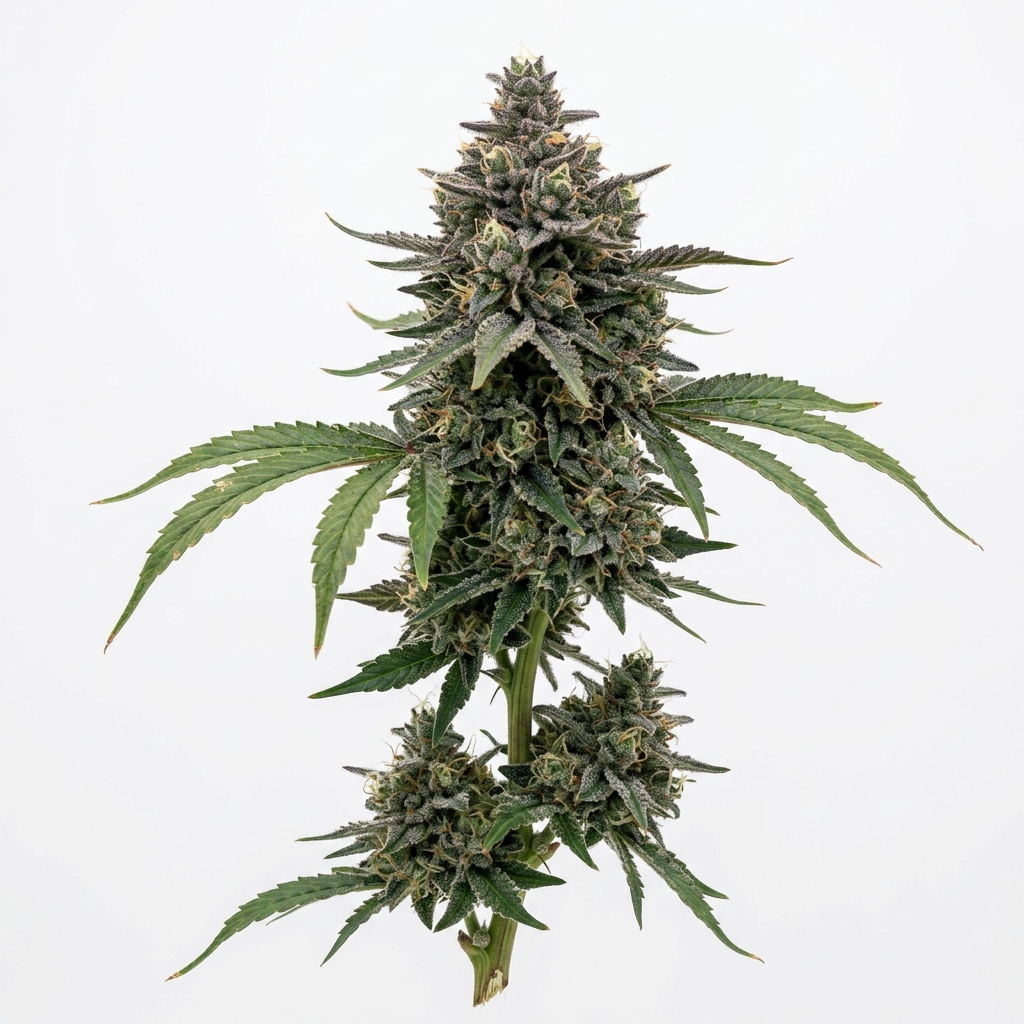
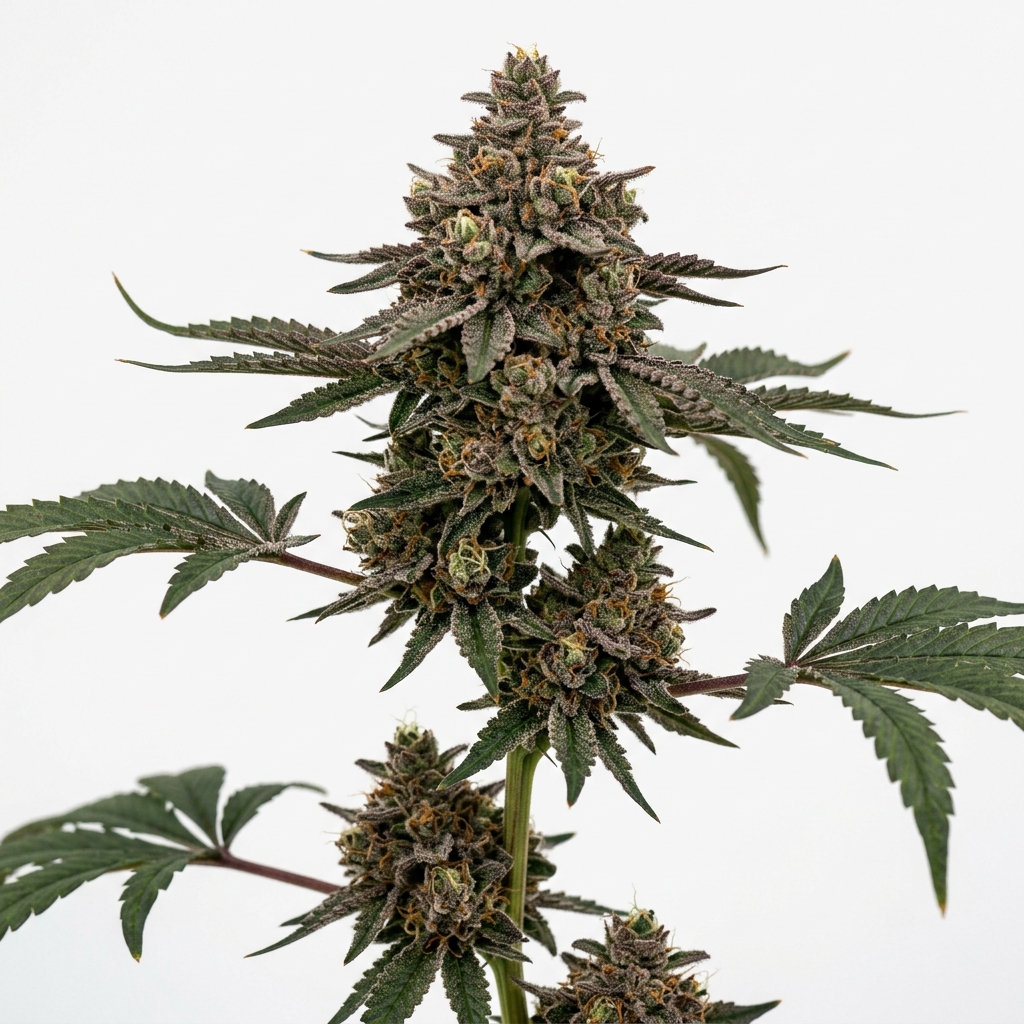
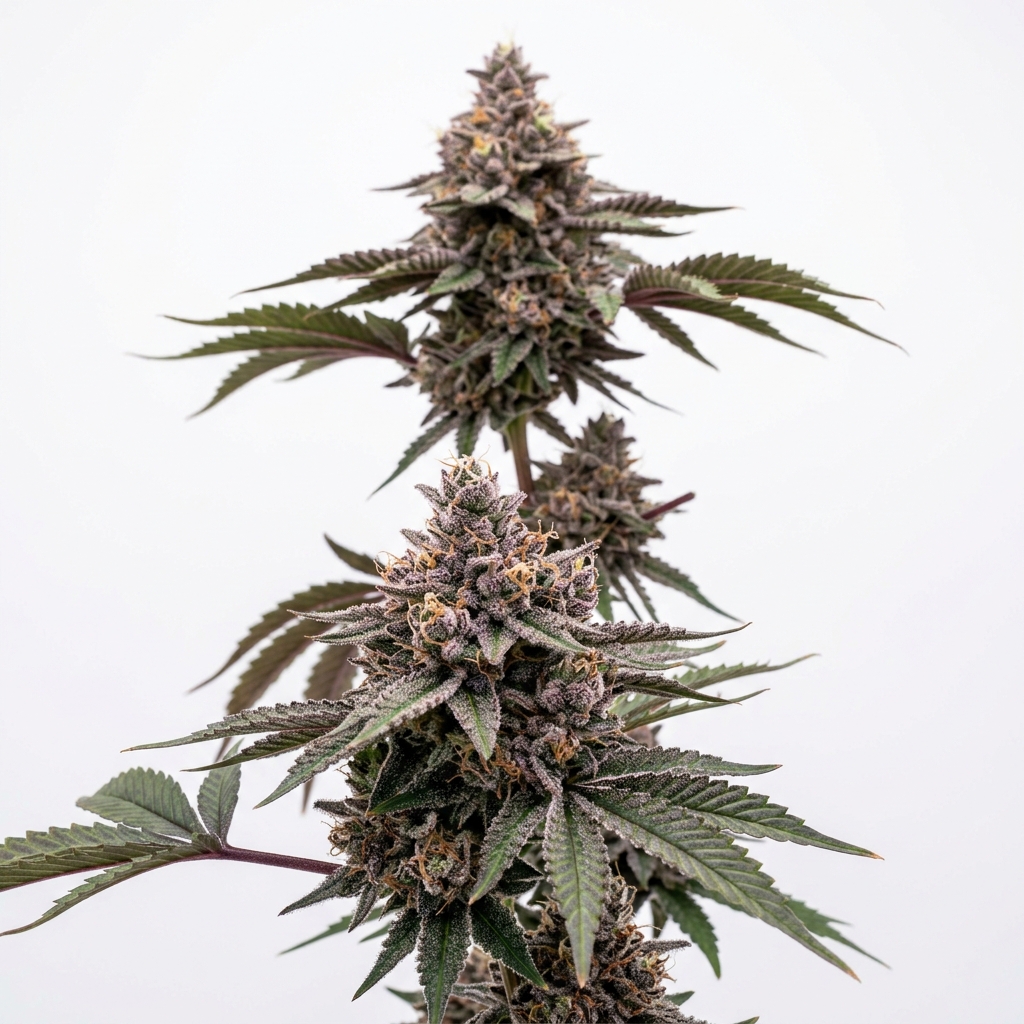
Dense, spade-shaped nugs coated in a thick, greasy jacket of capitate-stalked trichomes make Applescotti an instant visual standout as flowers saturate in dark plum and royal purple tones near maturity. The sensory profile fuses crisp sour apple, sweet baked cookie dough, and warm nutmeg spice with a heavy undertone of pungent petroleum fuel. Consumers report an immediate uplifting mental buzz that gently shifts into lasting somatic tranquility. The information below is provided strictly for scientific and botanical reference.
Quick Facts
| Feature | Details |
|---|---|
| Genetics & Breeder Roots | Apples & Bananas (Compound Genetics) × Biscotti (Connected / Cookies lineage) |
| Variety | Indica-dominant Hybrid (60% Indica / 40% Sativa) |
| THC Range | 24.0% – 30.0% Δ9-THC |
| Flowering Time | 8 – 9 Weeks (56 – 64 Days indoor photoperiod) |
| Yield Potential | 450 – 550 g/m² indoor / up to 600 g/plant outdoor |
| Plant Height | Medium (100–145 cm; controlled 1.25x–1.5x stretch post-flip) |
| Climate & VPD Target | Dry, low-humidity indoor environments; Late Bloom VPD: 1.3–1.6 kPa |
| Difficulty | Intermediate (Requires aggressive late-flower dehumidification due to high calyx density) |
Scientific & Botanical Overview
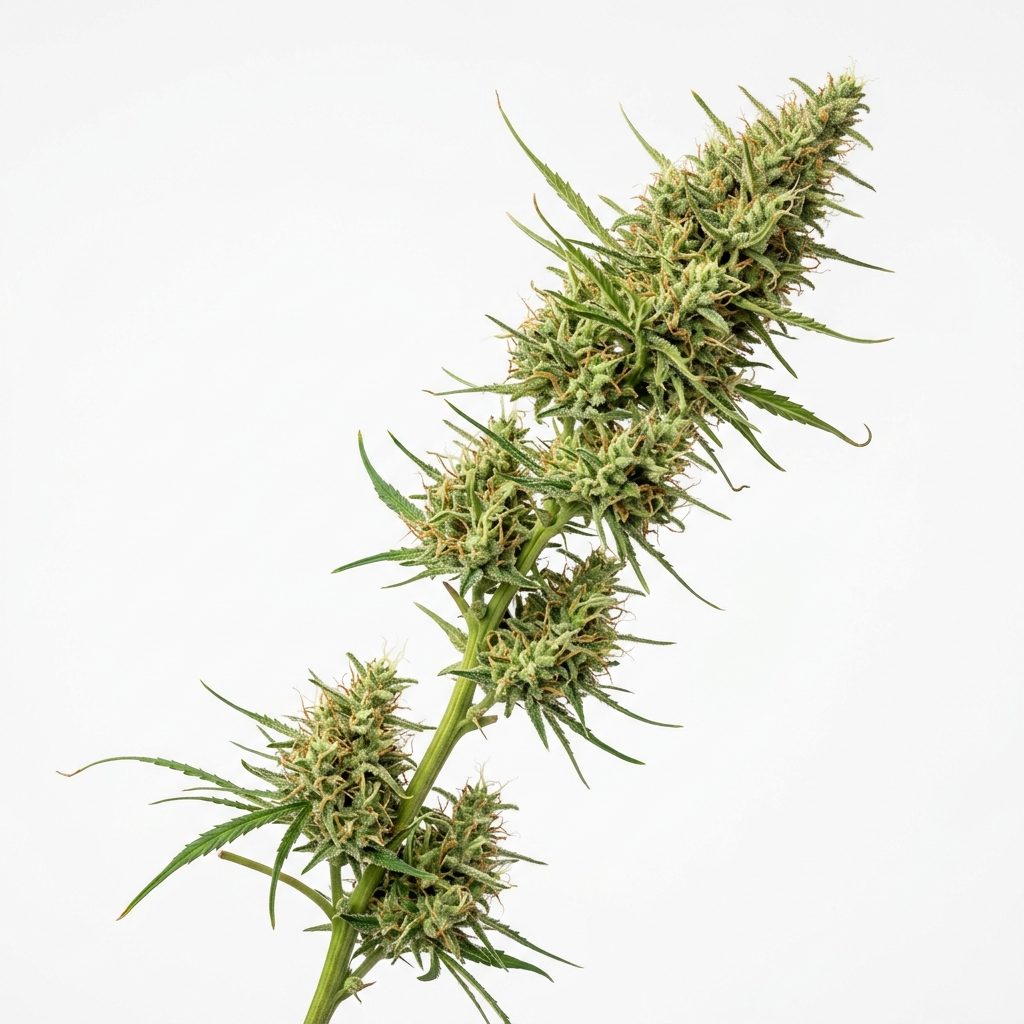
Applescotti exhibits a robust, broad-leaf dominant structural frame characterized by thick primary stalks, short internodal spacing, and dark forest-green foliage. Upon transitioning to a 12/12 photoperiod, the cultivar undergoes a moderate vertical stretch (1.25x to 1.5x) before shifting metabolic resources entirely toward dense floral cluster development. As the bloom cycle progresses, significant accumulation of anthocyanin pigments turns outer bracts and sugar leaves deep purple and violet, contrasted by fiery amber stigmas.
The volatile chemical profile is driven by a pronounced interplay of beta-caryophyllene, d-limonene, beta-myrcene, and linalool. This combination yields a rich aromatic footprint pairing tart orchard fruit acidity with warm bakery gas and diesel fuel. Trichome morphology consists of dense, long-stalked glandular structures with exceptionally stable heads predominantly concentrated in the 73µ–120µ micron range, making Applescotti an outstanding candidate for solventless ice water hash and live rosin pressing.
Effects & Use-Cases (Reported)
Commonly reported effects: An immediate cerebral onset characterized by uplifting euphoria, creative focus, and conversational ease, gradually resolving into deep, full-body somatic relaxation.
Use-case context: Well-suited for late afternoon, evening, and weekend use. Consumers frequently select Applescotti for unwinding after high-stress tasks, enjoying low-impact creative hobbies, or soothing physical muscle tension without immediate narcotic sedation.
Note: These observations are anecdotal reports and should not be interpreted as medical claims.
Aroma & Flavors
Aroma: Crisp tart green apple, creamy banana pudding, and toasted almond pastry layered against a heavy foundation of sharp chemical diesel and earthy pine.
Flavor: Delivers sweet apple pie crust and cookie dough across the inhale, transitioning on the exhale to a pungent petrol fuel with subtle notes of herbal wood and peppery spice.
Terpene associations: Dominated by beta-caryophyllene, d-limonene, beta-myrcene, and linalool, with supporting levels of alpha-pinene and humulene.
Tested Cannabinoid & Terpene Ranges
| Compound | Typical Range* | Notes |
|---|---|---|
| Δ9-THC | 24.0% – 30.0% | High-potency baseline delivering long-lasting cerebral euphoria and deep somatic relief. |
| CBG / TAC | 0.6% – 1.2% | Elevates total active cannabinoid (TAC) profiles above 28%–32% in commercial grows. |
| Beta-Caryophyllene | 0.5% – 0.9% | Provides peppery warmth while binding to peripheral CB2 receptors for physical relaxation. |
| d-Limonene | 0.4% – 0.8% | Drives top-note sour orchard citrus brightness and elevates daytime mood. |
| Beta-Myrcene | 0.3% – 0.6% | Enhances physical body relaxation and aids cellular permeability for cannabinoids. |
| Linalool / Pinene | 0.2% – 0.4% | Imparts delicate floral sweetness, mental calming effects, and crisp pine notes. |
*Ranges reflect lab-tested craft harvests and may vary based on phenotype selection, cultivation parameters, harvest window, and analytical equipment.
Cultivation Notes
- Light Cycle & Intensity: Maintain an 18/6 light schedule during vegetative growth; switch to 12/12 photoperiod to initiate flower. Tolerates high light intensities up to 950–1050 µmol/m²/s PPFD when supplemented with 1000–1200 ppm CO2.
- Humidity & VPD Targets: Run vegetative rooms at 0.8–1.0 kPa VPD (60%–65% RH). Drop ambient relative humidity strictly to 40%–45% (1.3–1.6 kPa VPD) during weeks 6–9 to protect rock-hard colas from botrytis and internal moisture entrapment.
- Nutrition & EC Regimen: Heavy feeder. Run vegetative EC at 1.4–1.7 mS/cm and peak bloom EC at 2.0–2.4 mS/cm. Provide responsive Calcium-Magnesium (Cal-Mag) and bioavailable PK boosts during flower weeks 3–6.
- Canopy Training: Top at the 4th or 5th node and utilize Low-Stress Training (LST) with a single or dual-layer trellis screen. Perform thorough canopy defoliation around Day 21 and Day 42 of bloom to maximize light distribution to lower bud sites.
- Harvest Window: Finishes indoors in 56 to 64 days (8 to 9 weeks). Northern Hemisphere outdoor growers can expect harvest completion between late September and early October.
Grower Notes (Week-by-Week Snapshot)
- Weeks 1–3 (The Stretch): Moderate 1.25x to 1.5x vertical expansion. Weave lateral shoots horizontally through trellis netting to establish a flat, uniform canopy before stretch stops around Day 21.
- Weeks 4–6 (Flower Development): Dense button sites swell rapidly along internodes with heavy trichome frost formation. Strong aromas of sour apple pie, sweet dough, and chemical petrol fill the grow room.
- Weeks 7–9 (Ripening & Senescence): Bracts swell into dense, resin-sheathed clusters. Lowering night temperatures to 60°F–64°F (16°C–18°C) accelerates royal purple and plum coloration across the fan leaves and flower calyxes.
- Post-Harvest Handling: Hang whole plants in a dark room at 60°F (15.5°C) and 55%–60% RH for 12–14 days. Cure in airtight glass jars or curing bins for 4–6 weeks to stabilize volatile monoterpenes and refine burn quality.
Genetic Lineage
Applescotti unites two influential contemporary genetic lines:
Apples & Bananas (a multi-tiered cross of [[(Granddaddy Purple × Blue Power) × Gelato #33] × Applesyn] bred by Compound Genetics) supplies complex sour orchard fruit aromatics, high resin density, and hybrid vigor.
Biscotti (Gelato #25 × South Florida OG line popularized by Connected Cannabis Co.) contributes dense calyx architecture, deep purple pigmentation, nutty pastry sweetness, and raw petroleum potency.
Research Insights
Applescotti features a synergistic chemical profile driven by beta-caryophyllene and d-limonene functioning alongside high Δ9-THC concentrations (24%–30%). Beta-caryophyllene acts as a dietary cannabinoid that directly binds to peripheral CB2 receptors, reducing physical bodily tension, while limonene and linalool interact with monoaminergic pathways to promote elevated mood and stress reduction without immediate brain fog.
From an extraction perspective, the strain produces large capitate-stalked trichome gland heads with durable outer cuticles. This physical trait provides excellent agitation resistance in ice water washes, resulting in exceptional yields of premium bubble hash concentrated heavily across the 90µ to 120µ collection bags.
Frequently Asked Questions
Is Applescotti an indica or sativa strain?
Applescotti is an indica-dominant hybrid (60% indica / 40% sativa) delivering an initial cerebral lift followed by deep physical relaxation.
What does Applescotti taste like?
It tastes of tart green apple, banana cream, and sweet baked cookie dough on the inhale, leaving a distinct fuel, herbal earth, and peppery spice finish on the exhale.
What are the parent strains of Applescotti?
Applescotti is bred from a cross of Apples & Bananas (Compound Genetics) and Biscotti (Connected / Cookies lineage).
How difficult is Applescotti to grow?
It is rated as intermediate. While vigorous and easy to train, its exceptionally dense flower structure requires strict humidity and VPD control during late bloom to prevent bud rot.
Educational Disclaimer
This page is provided for scientific and horticultural reference only. Cannabis laws vary by jurisdiction; always ensure compliance with local regulations.
Rate and review this strain
Ratings and reviews are accepted only from signed-in Google accounts.
Sign in with Google to leave a rating and written review.
Latest Reviews
0 reviewsNo reviews yet. Be the first Google user to rate and review this strain.
Follow New Cultivar Records
Get newly documented genetics, breeder history, research highlights, and important Strainpedia discoveries by email.