
Billy Ocean (Cannabis Strain)
Billy Ocean is an ultra-potent, gas-dominant indica-dominant hybrid cultivar (approximately 70% indica / 30% sativa) engineered through a heavyweight pairing of the coastal powerhouse Ocean Beach (Cookies line) and the famously sedative, high-potency staple Billy Kimber OG (Garrison Lane lineage). Bred for exceptional resin head density and profound somatic depth, Billy Ocean consistently tests between 26% and 32% Δ9-THC, establishing itself as a top-shelf choice for connoisseurs seeking classic pine-and-petrol gas intensity.
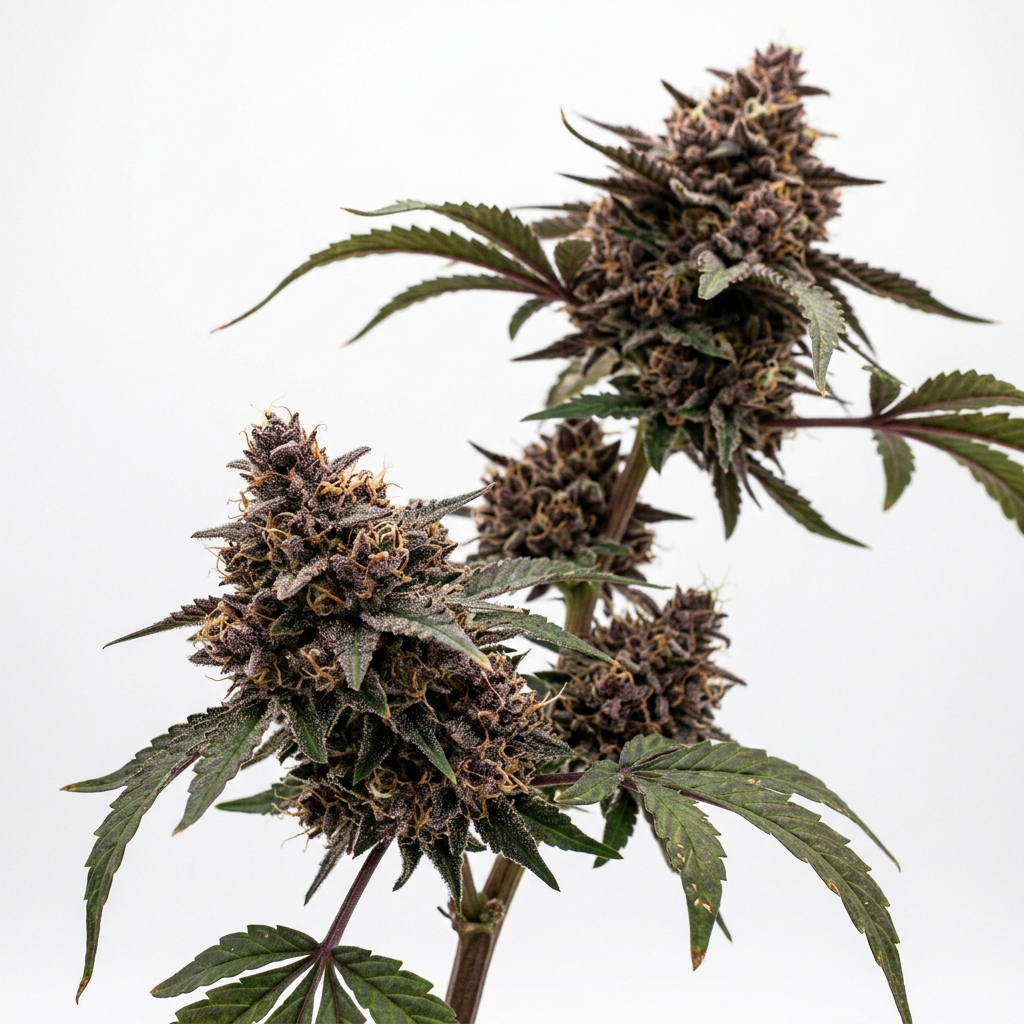
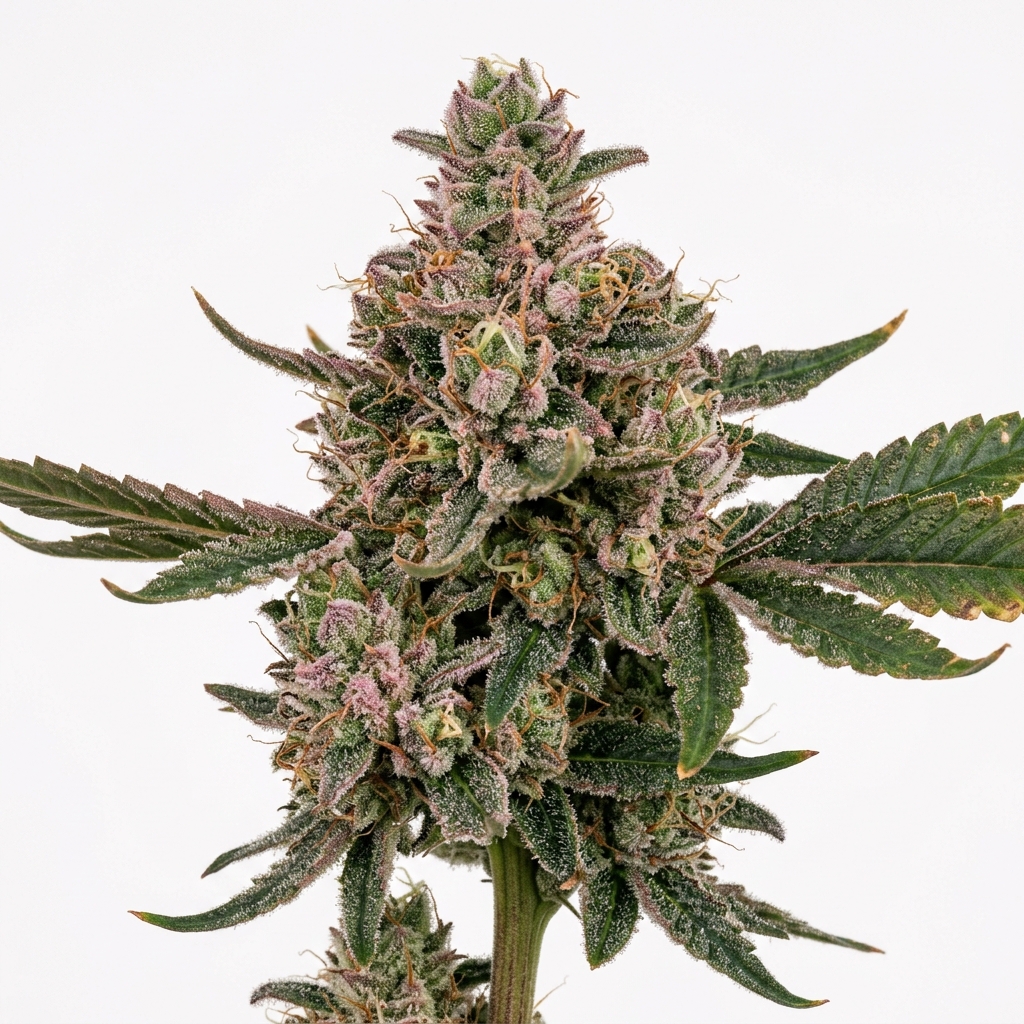
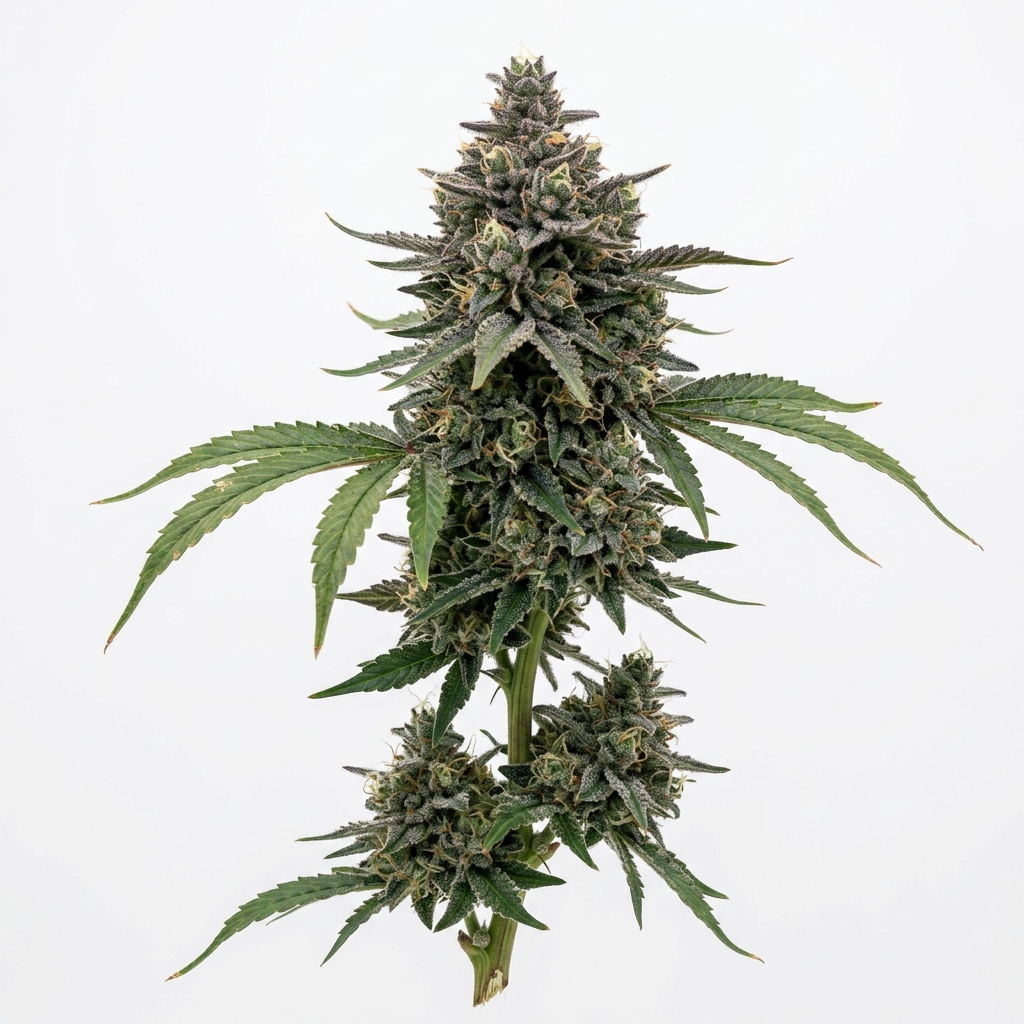
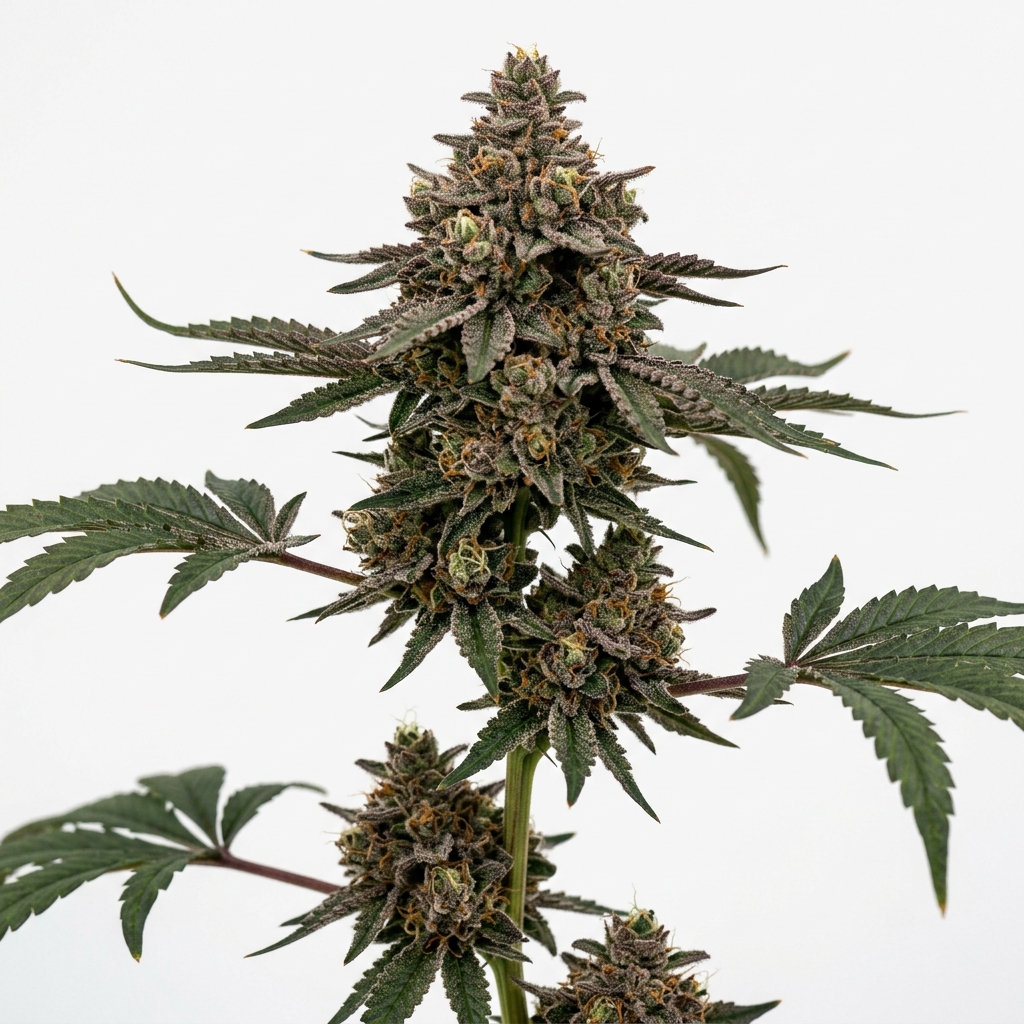
The visual presentation of Billy Ocean is defined by ultra-dense, spade-to-conical calyx clusters featuring deep forest-green and seafoam hues, interlaced with midnight purple accents and bright copper pistils. A thick, greasy blanket of capitate-stalked glandular trichomes completely crusts the exterior floral bracts. Breaking apart cured buds unleashes a loud wave of crisp ocean-pine needles, sharp industrial chemical fuel, damp earthy musk, and cracked black pepper. The information below is provided strictly for scientific and botanical reference.
Quick Facts
| Trait | Details |
|---|---|
| Genetics & Breeder Roots | Ocean Beach × Billy Kimber OG (Garrison Lane / OG Kush heritage) |
| Variety | Indica-dominant Hybrid (approx. 70% Indica / 30% Sativa) |
| THC Range | 26.0% – 32.0% Δ9-THC |
| Flowering Time | 9 Weeks (60 – 65 Days indoor photoperiod) |
| Yield Potential | 450 – 550 g/m² indoor / up to 600 g/plant outdoor |
| Plant Height | Medium (110–150 cm; moderate 1.3x–1.6x stretch post-flip) |
| Climate Preference | Climate-controlled indoor rooms / Low-humidity climates (Late Bloom VPD: 1.3–1.6 kPa) |
| Difficulty | Intermediate (Demands proactive canopy staking and strict late-bloom humidity control) |
Scientific & Botanical Overview
Botanically, Billy Ocean exhibits strong broad-leaf morphological traits influenced by its heavy OG Kush lineage. Plants develop sturdy central stalks, vigorous lateral branching, and broad, dark-green fan leaves. Upon shifting to a 12/12 photoperiod, the cultivar undergoes a moderate vertical stretch of 1.3x to 1.6x, requiring early branch guidance to establish an even, multi-top canopy plane.
The floral architecture develops into rock-solid, resinous clusters along secondary lateral nodes with an excellent calyx-to-leaf ratio. In late bloom, exposing the canopy to a mild day-to-night temperature differential (60°F–65°F / 15.5°C–18°C) encourages the expression of deep purple and charcoal tones across the outer floral bracts.
Resin production is abundant, characterized by long-stalked capitate glandular trichomes with durable cuticles concentrated heavily in the 73µ–120µ micron bracket. This high trichome head stability provides excellent mechanical separation during solventless ice water hash washing, producing high-yielding live rosin runs saturated with heavy gas and pine monoterpenes.
Effects & Use-Cases (Reported)
Commonly reported effects: An initial surge of euphoric mental haze and pressure behind the eyes, swiftly giving way to an intensely heavy, full-body somatic stone and deep physical tranquility.
Use-case context: Best suited for evening and nighttime consumption, post-workout physical decompression, couch-lock relaxation, and assisting restful sleep after high-stress days.
Please note: Given cannabinoid levels regularly testing above 30% TAC, novice consumers should approach this cultivar cautiously to prevent heavy couch-lock and daytime fatigue.
Aroma & Flavors
Aroma: Sharp petroleum gas, fresh coastal pine needles, and chemical cleaner fumes layered over damp earthy musk, sour citrus, and spicy black pepper.
Flavor: Delivers an assertive front of pungent diesel fuel, sour lemon zest, and crisp pine on the inhale, followed by a heavy exhale of earthy Kush funk, wood resin, and cracked pepper spice.
Terpene associations: The chemotype is dominated by beta-caryophyllene, myrcene, and d-limonene, with notable supporting levels of alpha-pinene and humulene.
Tested Cannabinoid & Terpene Ranges
| Compound | Typical Range |
|---|---|
| Δ9-THC | 26.0% – 32.0% |
| CBD | < 0.2% |
| CBG | 0.6% – 1.4% |
| Beta-Caryophyllene | 0.7% – 1.3% |
| Myrcene | 0.5% – 1.0% |
| d-Limonene | 0.4% – 0.8% |
Note: Cannabinoid and terpene profiles are highly variable and depend heavily on specific phenotype selection, cultivation techniques, and curing conditions.
Cultivation Notes
- Topping and Training: Top at the 4th or 5th node in late veg to encourage a broad, multi-top bush. Utilize Low-Stress Training (LST) and a single- or dual-layer trellis grid to support dense lateral branches during flowering.
- Humidity and VPD Control: Target a vegetative VPD of 0.8–1.0 kPa (60%–65% RH). In late bloom (weeks 6–9), lower relative humidity strictly to 40%–45% (VPD 1.3–1.6 kPa) to protect dense floral clusters from internal mold and botrytis.
- Nutrient Regimen: Heavy feeder with high uptake capacity. Run vegetative EC at 1.4–1.7 mS/cm and peak bloom EC at 2.0–2.4 mS/cm, supplying consistent Calcium-Magnesium and bioavailable phosphorus/potassium from bloom week 3 through week 7.
- Harvest Timing: Target harvest around day 60–65 when trichome gland heads turn 85%–90% milky white with 10%–15% amber conversion for maximum sedative physical depth and cannabinoid maturity.
- Drying and Curing: Hang full plants in a dark room maintained at 60°F (15.5°C) and 55%–60% RH for 12 to 14 days. Cure in airtight glass jars or sealed curing bins for 4 to 6 weeks to fully develop the volatile fuel and pine monoterpenes.
Grower Notes (Week-by-Week Snapshot)
- Weeks 1–3 (The Stretch): Moderate 1.3x–1.6x vertical expansion. Spread branches through trellis netting and perform an aggressive lower-third canopy defoliation (lollipoping) on Day 21.
- Weeks 4–6 (Flower Development): Dense, frosted button sites stack tightly along the branches. A loud aroma of pine resin, raw petroleum fuel, and damp earth fills the grow space. Maintain PPFD between 900–1050 µmol/m²/s.
- Weeks 7–9+ (Swelling and Ripening): Calyxes swell into rock-hard nugs while displaying deep purple coloration under cooler night temps. Reduce humidity below 45% and complete the final substrate flush.
Genetic Lineage
Billy Ocean brings together two potent and influential genetic pillars:
Ocean Beach contributes thick resin gland coverage, crisp pine and subtle sweet dough complexity, and heavy hybrid vigor.
Billy Kimber OG (an elite cut from the Garrison Lane stable) provides unmatched OG Kush petroleum gas, dense spade-shaped calyx architecture, high cannabinoid potency, and heavy physical sedation.
Research Insights
Billy Ocean demonstrates a powerful entourage dynamic driven by elevated concentrations of beta-caryophyllene and myrcene functioning alongside high Δ9-THC levels (26%–32%). Beta-caryophyllene engages peripheral CB2 receptors to relieve physical bodily tension, while myrcene enhances cellular membrane permeability, facilitating rapid cannabinoid uptake and deepening full-body relaxation.
The secondary presence of alpha-pinene and CBG (0.6%–1.4%) adds depth to the overall profile, contributing an initial burst of mental clarity before the heavy somatic stone takes full effect.
Frequently Asked Questions
Is Billy Ocean a sativa or indica?
Billy Ocean is an indica-dominant hybrid (approx. 70% indica / 30% sativa), known for its heavy pine-gas aroma and deeply tranquilizing physical stone.
What are the parent strains of Billy Ocean?
Billy Ocean is bred from a cross of Ocean Beach and the renowned Billy Kimber OG cut.
What does Billy Ocean smell like?
It carries an intense aroma of sharp petroleum diesel, fresh coastal pine needles, and chemical cleaner layered over damp earth and peppery spice.
How long does Billy Ocean take to flower?
Indoor flowering typically completes in approximately 9 weeks (60 to 65 days) under a standard 12/12 photoperiod.
Educational Disclaimer
This article is for educational and informational purposes only. Cannabis laws and regulations vary by jurisdiction. Cultivation and consumption should only be undertaken in compliance with local laws.
Rate and review this strain
Ratings and reviews are accepted only from signed-in Google accounts.
Sign in with Google to leave a rating and written review.
Latest Reviews
0 reviewsNo reviews yet. Be the first Google user to rate and review this strain.
Follow New Cultivar Records
Get newly documented genetics, breeder history, research highlights, and important Strainpedia discoveries by email.