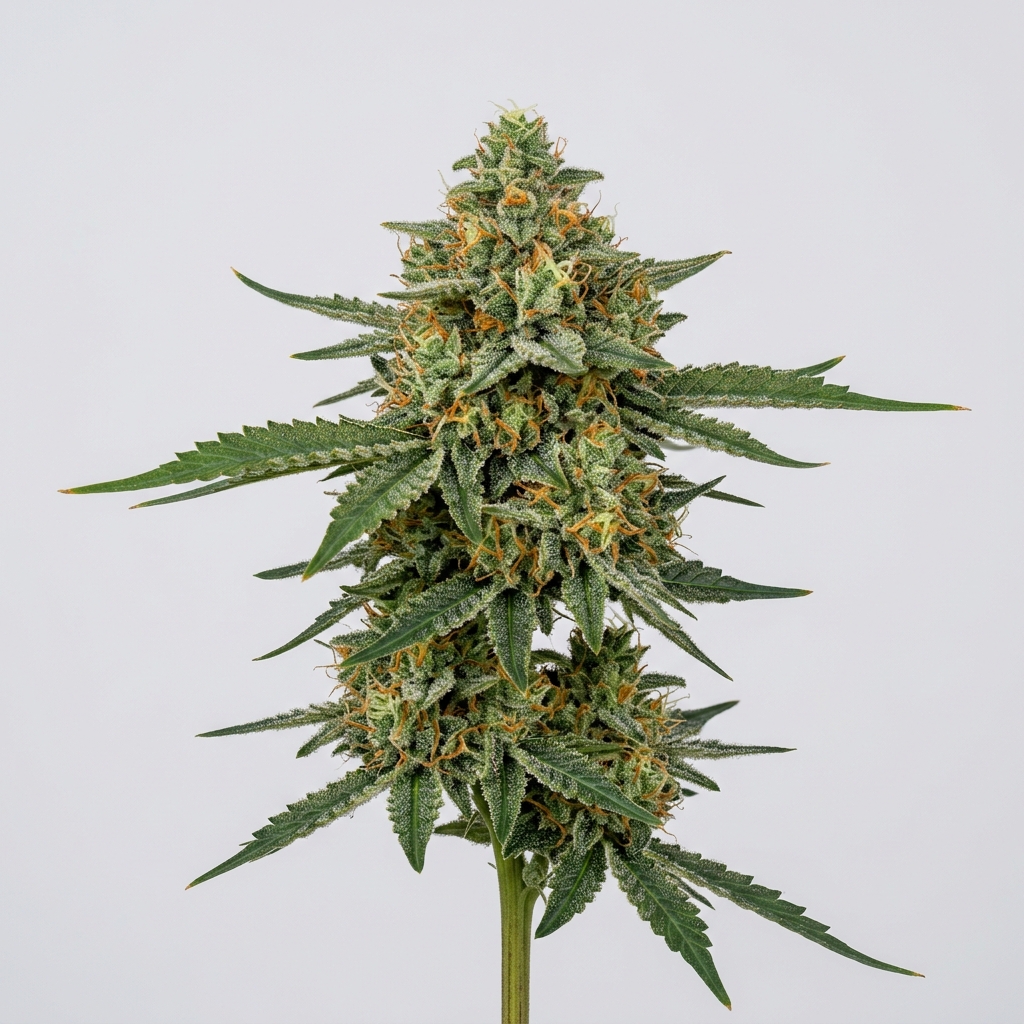
Clockwork Orange (Cannabis Strain)
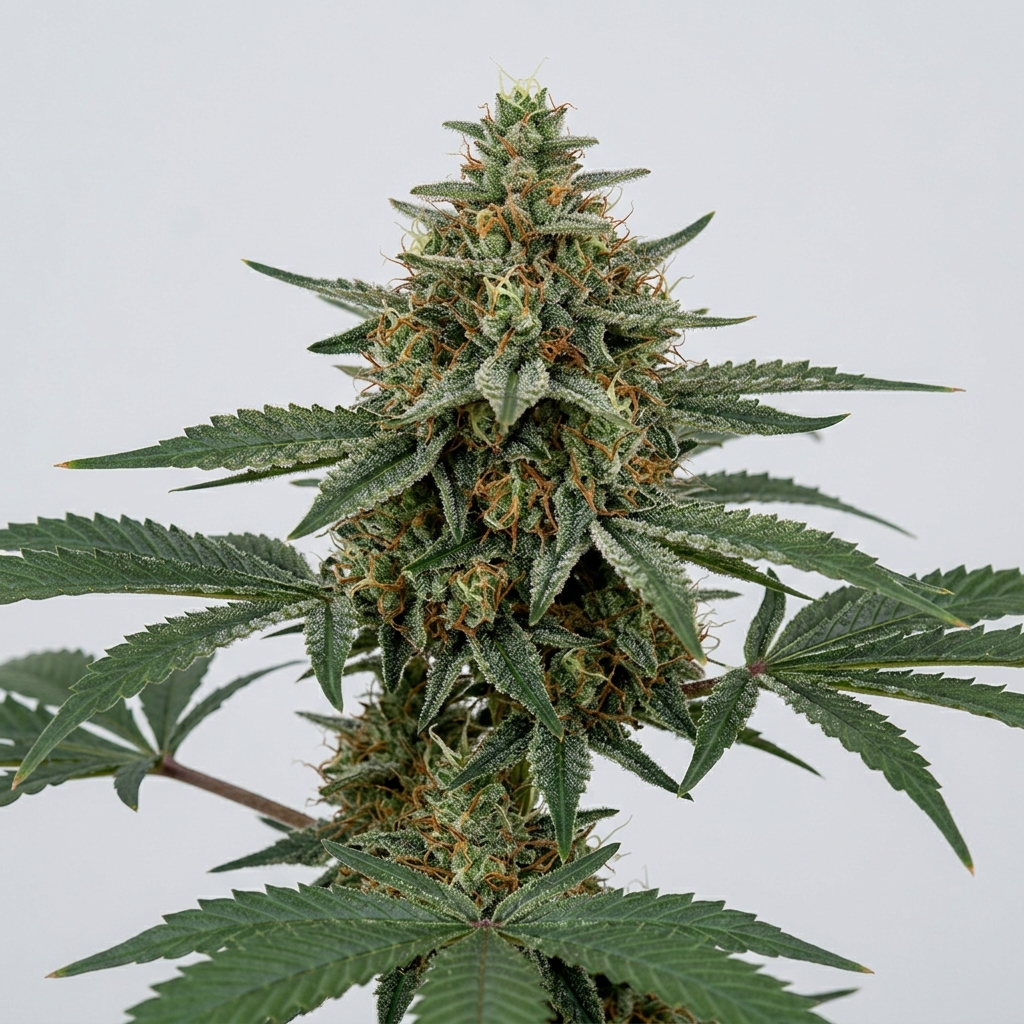
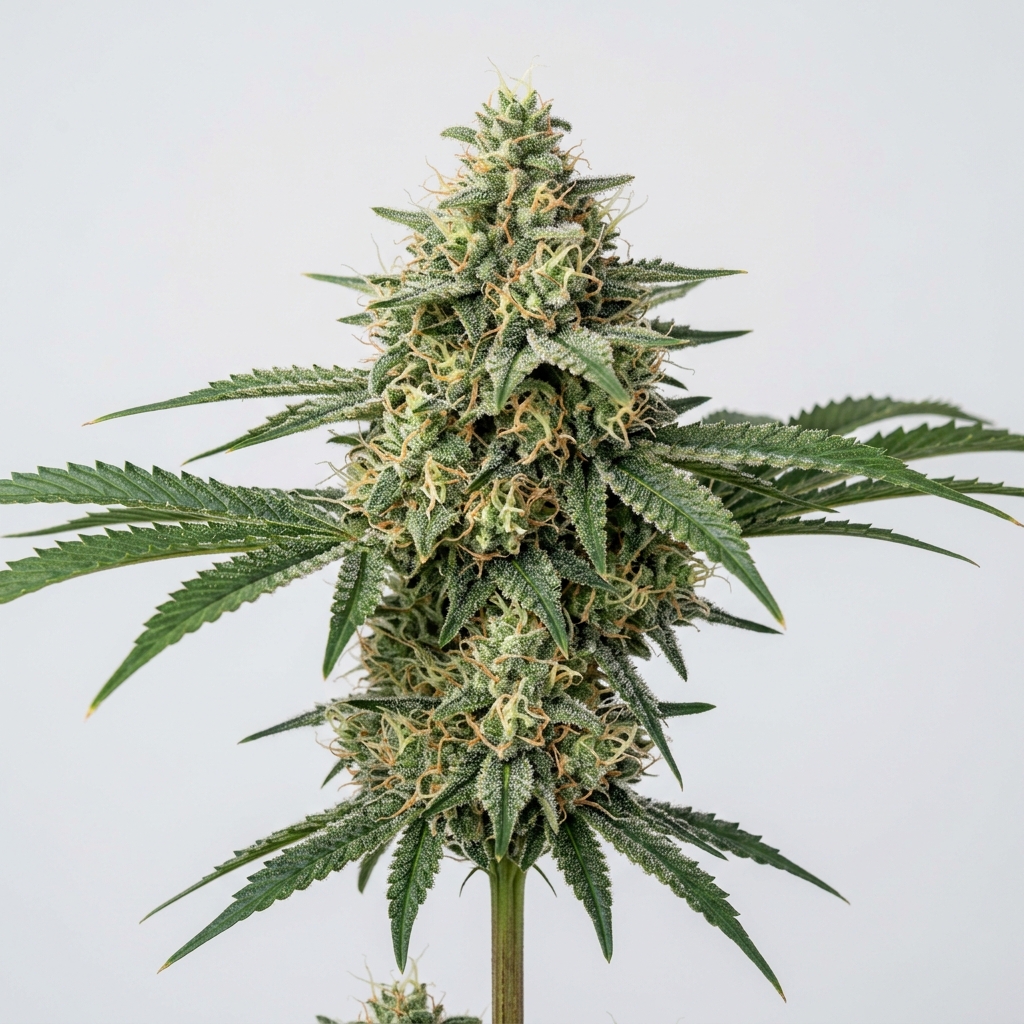
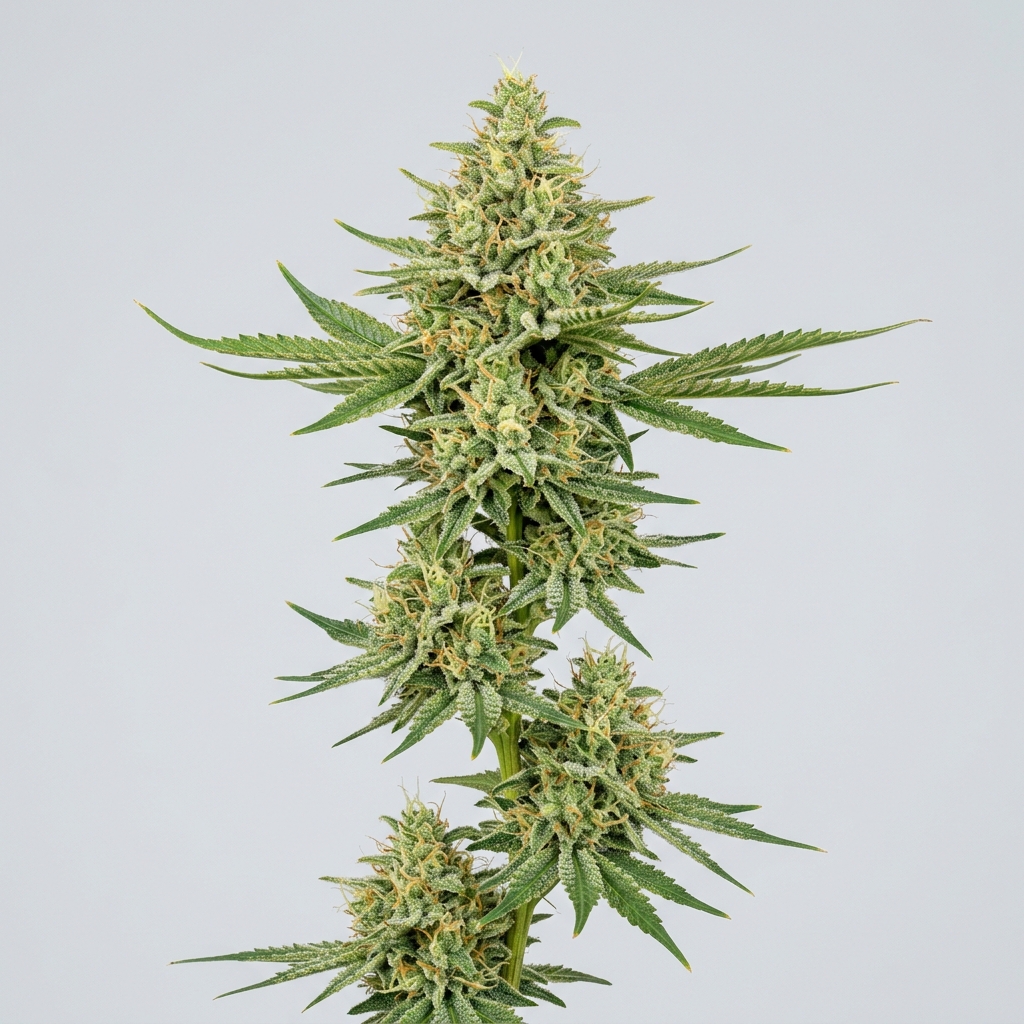
Clockwork Orange is an elite, clone-only indica-dominant hybrid featuring a tested THC range of 18% to 22%, celebrated for its dense, resin-rich flowers and distinctively sharp citrus-and-musk profile. Believed to have originated as a select phenotype within the Midwestern or Pacific Northwest cultivation scenes, this heavy evening hybrid is characterized by tight internodes, broad fan leaves, and a heavy coating of wet frost that blankets its compact, spade-shaped colas. Its growth behavior favors a controlled stretch and high lateral stability, yielding flowers that balance a tart orange peel aroma with a deep, earthy kush base.
Highly sought after by extraction artists and legacy growers alike, the strain has maintained a quiet but prestigious reputation for its heavy physical effects. Unlike modern, overly sweet dessert cultivars, it preserves an old-school structural integrity and a complex, chemical-citrus terpene profile that stands out in any garden.
Quick Facts
| Metric | Details |
|---|---|
| Genetics | Select Clone-Only Cut (often linked to G13 or Maple Leaf Indica lines) |
| Variety | Indica-dominant Hybrid |
| THC Range | 18% – 22% |
| Flowering Time | 8 – 9 Weeks |
| Yield Potential | Moderate to High |
| Plant Height | Medium (Compact) |
| Climate Preference | Temperate, Low Humidity |
| Difficulty | Moderate |
Scientific & Botanical Overview
Botanically, Clockwork Orange shows classic indica-dominant morphology, characterized by a squat, bushy frame and thick, woody stems. The plant produces broad fan leaves with dark green pigmentation, which capture light efficiently to support dense bract development. Its structural rigidity allows it to support heavy terminal clusters without excessive staking.
During the flowering cycle, the node spacing remains exceptionally tight, leading to the formation of clustered, crown-like terminal colas. The calyx-to-leaf ratio is highly favorable, allowing for excellent airflow through the canopy when properly defoliated. This compact structure requires consistent environmental management to prevent microclimates from forming within the canopy.
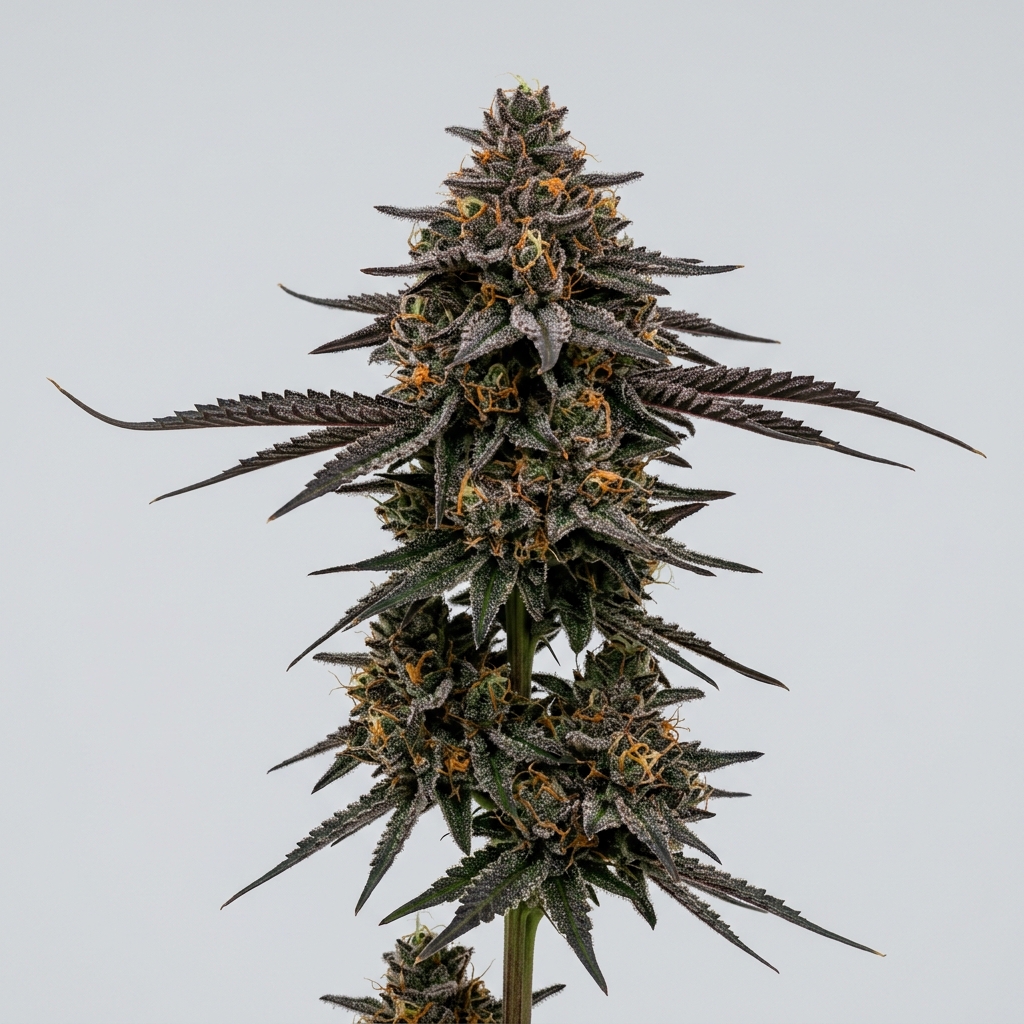
Resin production is characterized by short-stalked capitate-sessile and capitate-pedunculate trichomes that mature into a dense, glassy layer early in the bloom phase. This heavy resin coverage acts as a natural defense mechanism, though the compact density of the buds requires careful environmental control during late flower. The resulting glassy buds present a striking contrast against the dark green and deep bronze foliage.
Effects & Use-Cases (Reported)
Commonly reported effects: Users frequently describe a rapid, heavy physical relaxation that settles deeply into the limbs, accompanied by a calm, meditative mental state. The onset is physically grounding rather than racey, making it highly suited for late-evening use.
Use-case context: This cultivar is commonly selected for evening wind-down routines, quiet relaxation, or as a bedside companion. Its deeply soothing qualities make it less suitable for active daytime tasks or focused work.
Note: Individual experiences may vary depending on dosage, tolerance, and specific phenotype chemistry.
Aroma & Flavors
Aroma: A pungent burst of fermented orange peel, sharp valencene-like citrus, and a heavy undertone of damp earth and cedar wood.
Flavor: The smoke delivers a thick, oily coat of bitter orange zest on the inhale, followed by a spicy, hash-like musk and a clean, herbal-mint finish.
Terpene associations: Dominant terpenes typically include myrcene, limonene, and caryophyllene, which drive the blend of citrus, spice, and deep herbal earthiness.
Tested Cannabinoid & Terpene Ranges
| Compound | Typical Range |
|---|---|
| Δ9-THC | 18.0% – 22.0% |
| CBD | < 0.5% |
| CBG | 0.5% – 1.2% |
| Myrcene | 0.4% – 0.8% |
| Limonene | 0.3% – 0.6% |
| Caryophyllene | 0.2% – 0.5% |
Range note: Cannabinoid and terpene levels are highly variable and depend on specific cultivation methods, environmental factors, and curing protocols.
Cultivation Notes
- Humidity: Maintain relative humidity (RH) below 45% during the final three weeks of flowering to prevent moisture retention in the dense, compact colas.
- Nutrition: Responds well to a moderate nitrogen regimen during vegetative growth, transitioning to higher phosphorus and potassium levels as the flowers stack.
- Training: use low-stress training (LST) and selective lollipop pruning to improve light penetration and encourage uniform development across the lower branches.
- Harvest: Monitor trichome maturity closely; harvest when the resin heads transition from milky to roughly 10-15% amber for optimal physical potency.
- Phenotype Management: Ensure consistent air movement beneath the canopy using oscillating fans to mitigate microclimates in dense foliage.
Grower Notes (Week-by-Week Snapshot)
- Weeks 1–3 (Transition & Early Stretch): The plant shows a mild to moderate stretch, usually doubling in size. Focus on tucking large fan leaves and establishing the primary canopy height.
- Weeks 4–6 (Mid-Flower & Bud Development): Small, resinous buttons form at the nodes. The characteristic sour orange aroma begins to develop, requiring early carbon filtration.
- Weeks 7–9 (Late Flower & Ripening): Calyxes swell significantly, and the buds develop a hard, glassy texture. Reduce night temperatures by 5-8°F to encourage deep green and occasional purple hues.
- Post-Harvest (Dry & Cure): Execute a slow dry at 60°F and 60% relative humidity for 10 to 14 days to preserve the delicate monoterpenes before transitioning to a minimum 3-week jar cure.
Genetic Lineage
The exact genetic lineage of Clockwork Orange remains a subject of debate among legacy breeders, though it is widely accepted to be a select, clone-only cut originating from the Midwest or Pacific Northwest. Many researchers and growers associate its heavy physical structure and spicy, orange-hash aroma with classic Afghan-derived genetics, specifically pointing to a selected phenotype of G13 or Sensi Seeds’ Maple Leaf Indica.
Despite the lack of an official breeder-verified pedigree, the strain’s stable morphological traits and unique chemical output suggest a highly refined backcross or landrace-dominant lineage. This genetic stability has made it a prized breeding tool for regional growers looking to introduce structural density and citrus-fuel notes into modern hybrids.
Research Insights
Analytical testing of Clockwork Orange consistently reveals a high concentration of the monoterpene myrcene alongside significant levels of limonene and caryophyllene. This specific chemical profile suggests a strong synergistic interaction with THC, modulating the cannabinoid’s affinity for CB1 receptors to produce a more pronounced physical effect. Researchers study these ratios to better understand the mechanisms behind deep physical sedation.
Horticultural interest in the cultivar centers on its highly efficient resin production, which yields exceptionally durable trichome heads suitable for solventless extraction. The stability of its terpene retention during the drying process makes it an important subject for studies focusing on post-harvest preservation and volatile compound retention.
Frequently Asked Questions
What is the origin of the Clockwork Orange strain?
Clockwork Orange is a classic clone-only cultivar with mysterious origins, often traced back to Ohio or the Pacific Northwest. It is widely believed to be a select, indica-dominant phenotype derived from G13 or Maple Leaf Indica lines.
What does Clockwork Orange smell and taste like?
The strain features a pungent aroma of sour orange peel, damp earth, and cedar wood. Its flavor is characterized by a bitter citrus zest on the inhale, accompanied by a spicy, musk-like finish.
Is Clockwork Orange easy to grow?
It is considered moderately difficult to grow due to its dense bud structure, which requires strict humidity control in late flower. However, its compact height and predictable, limited stretch make it highly manageable in indoor spaces.
What are the primary effects of this strain?
Clockwork Orange is known for delivering a heavy, grounding physical relaxation paired with a calm, meditative mental state. It is highly recommended for evening or nighttime use.
Educational Disclaimer
This content is for educational purposes only. Cultivation and consumption of cannabis are subject to varying local laws and regulations. Consult with horticultural professionals and local guidelines before undertaking cultivation.
Rate and review this strain
Ratings and reviews are accepted only from signed-in Google accounts.
Sign in with Google to leave a rating and written review.
Latest Reviews
0 reviewsNo reviews yet. Be the first Google user to rate and review this strain.