Caramelo (Cannabis Strain)
Caramelo is a sativa-dominant hybrid selected from classic Lavender
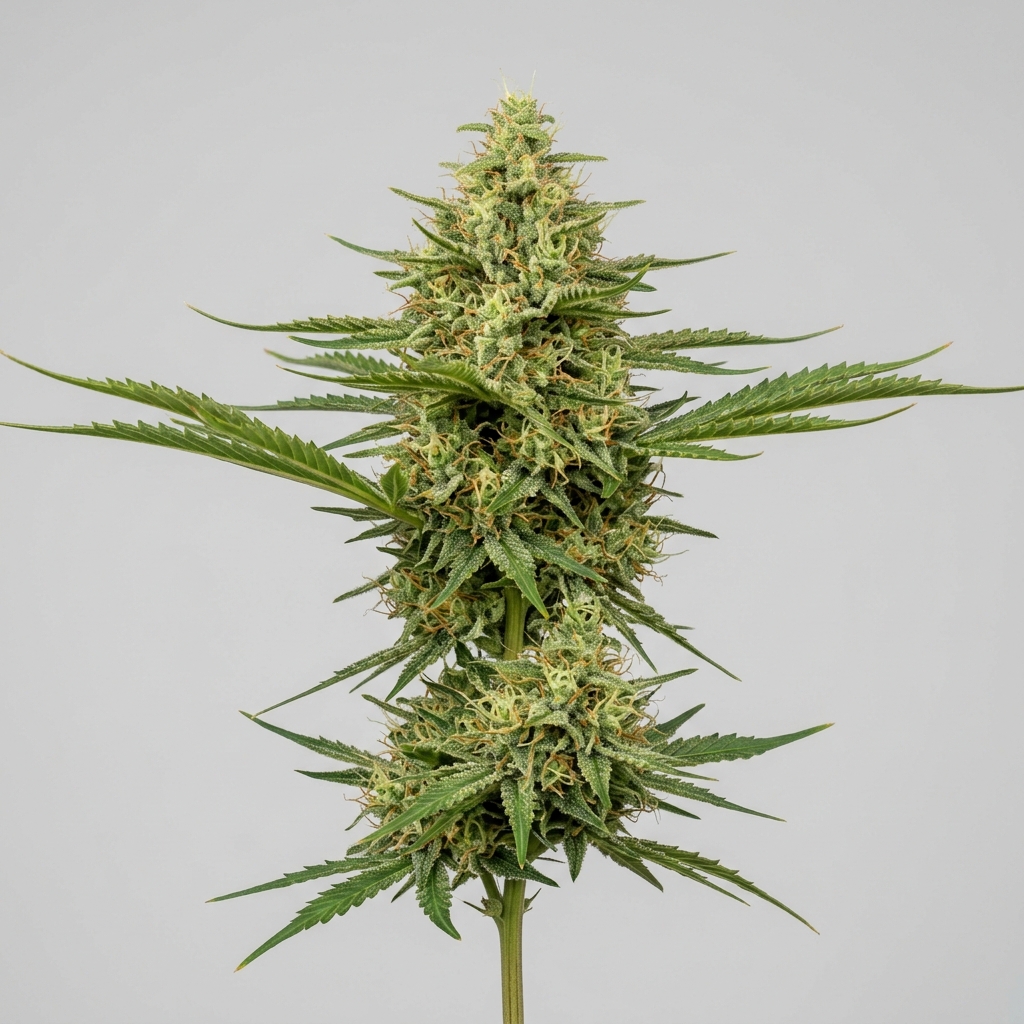
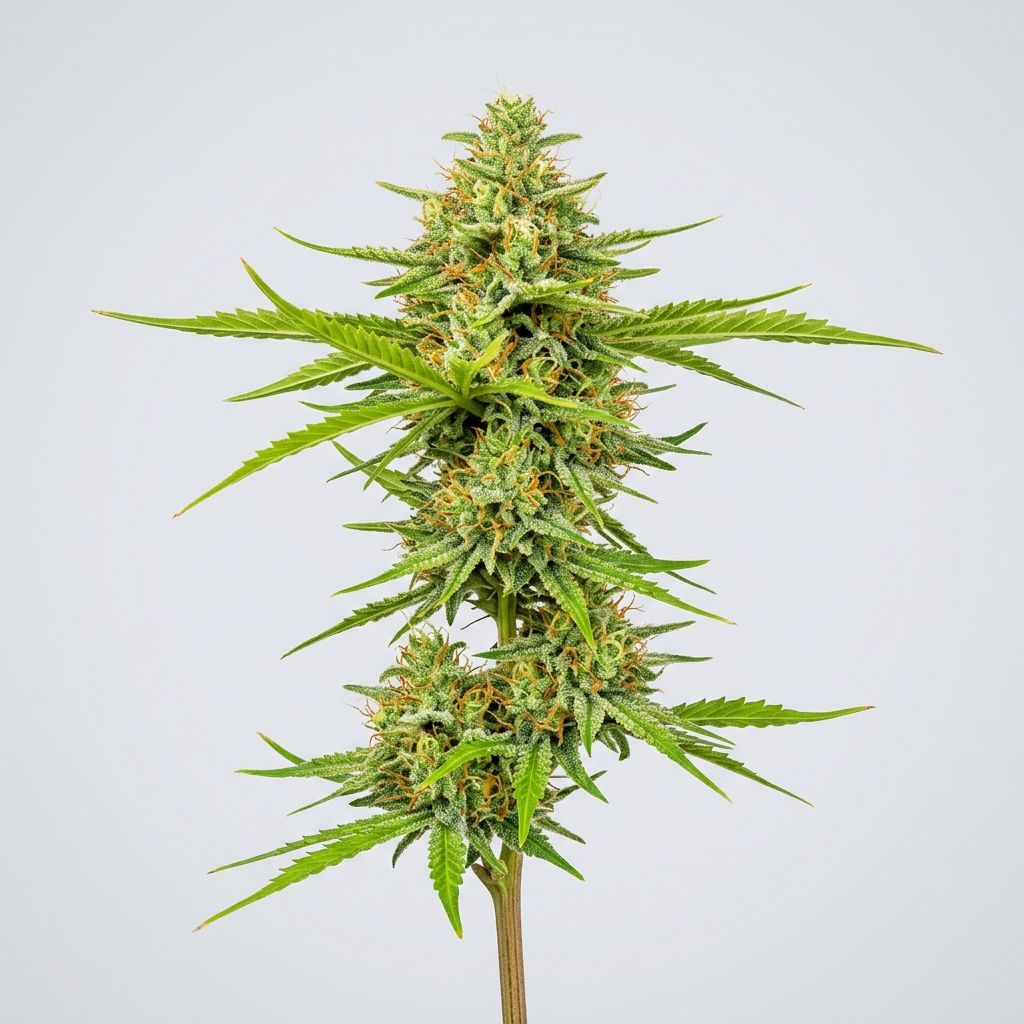
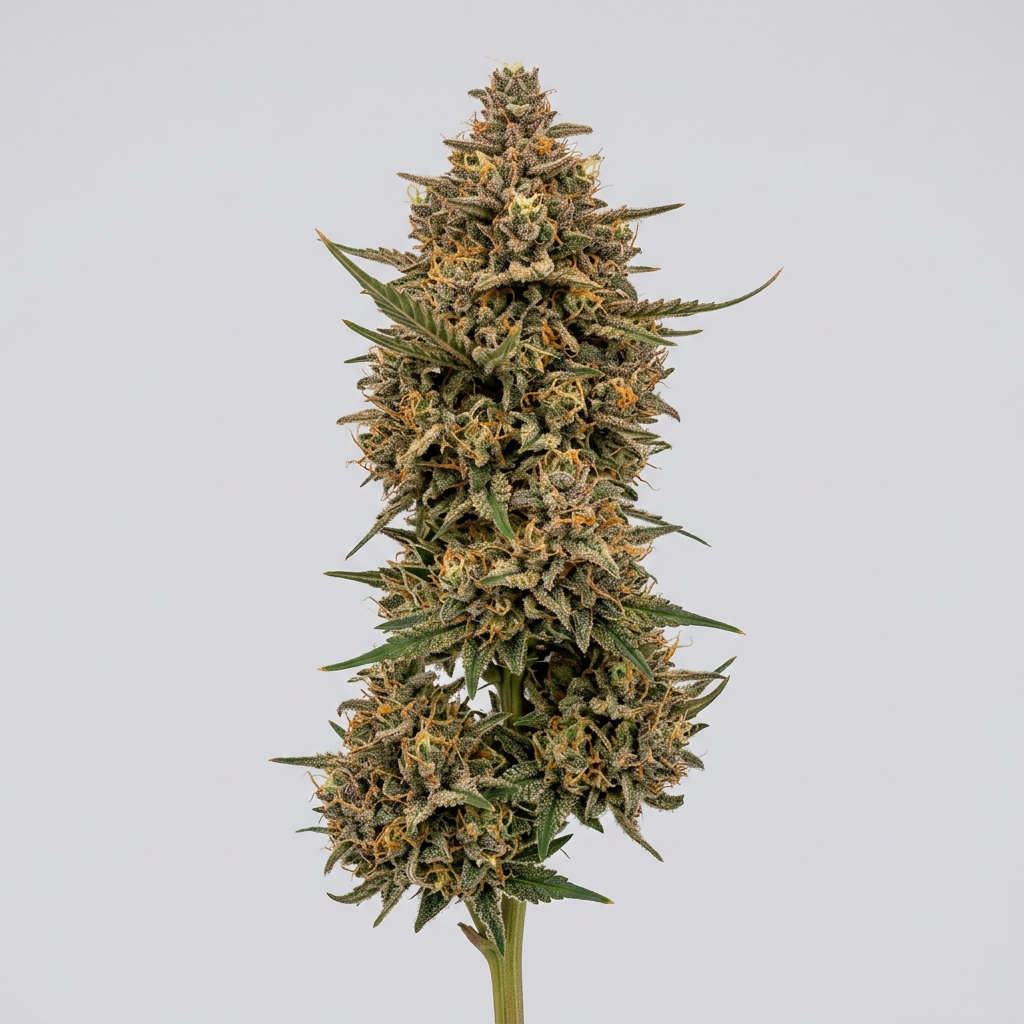
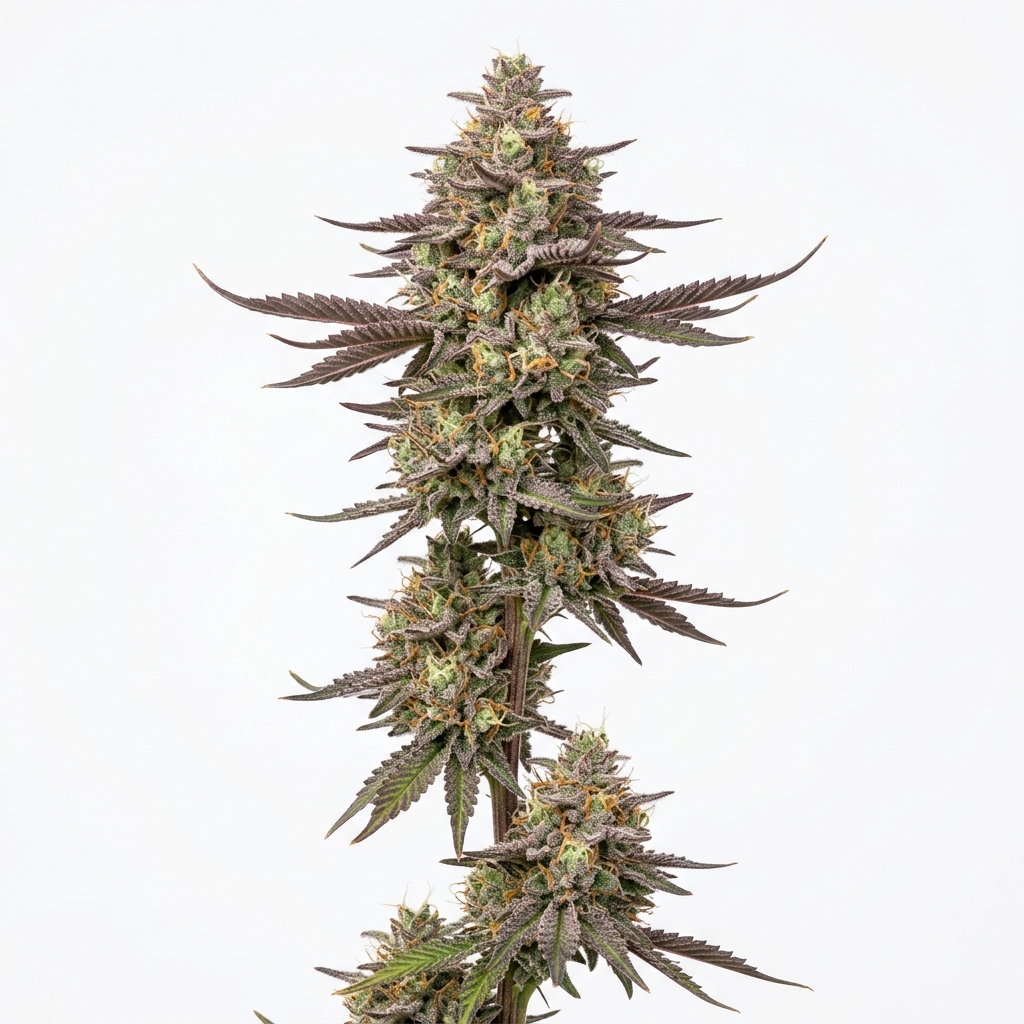
genetics, a lineage blending Super Skunk, Big Skunk Korean, and Afghani Hawaiian. Testing consistently between 18% and 24% THC, this cultivar is highly regarded for its sweet floral lavender and musky caramel terpene profile. It produces long, spear-shaped colas coated in glassy trichomes, offering growers a fast-flowering sativa-dominant plant that responds exceptionally well to canopy training.
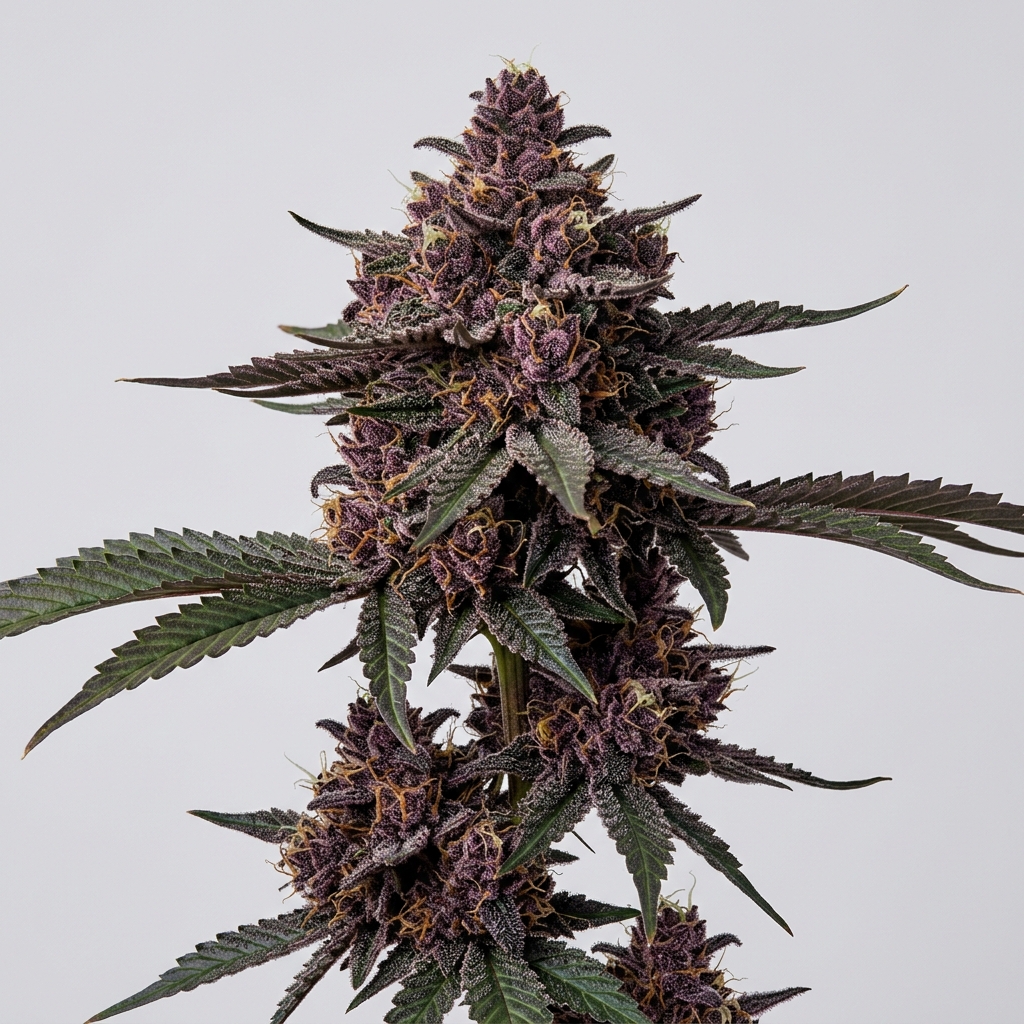
Bred by Delicious Seeds, this selection highlights the sweeter, more floral phenotypes of its complex ancestral line. The finished buds show off vibrant green hues that often transition to deep purple shades when exposed to cooler night temperatures late in the cycle. The cultivar maintains a loyal following among those who appreciate classic skunk vigor paired with refined floral aromas.
Quick Facts
| Metric | Details |
|---|---|
| Genetics | Lavender Selection (Super Skunk x Big Skunk Korean x Afghani Hawaiian) |
| Variety | Sativa-dominant (70% Sativa / 30% Indica) |
| THC Range | 18% – 24% |
| Flowering Time | 60 – 65 days |
| Yield Potential | High (up to 450g/m² indoor) |
| Plant Height | Medium to tall (significant vertical stretch) |
| Climate Preference | Warm, dry, Mediterranean climates |
| Difficulty | Moderate (requires height management) |
Scientific & Botanical Overview
Caramelo shows a growth pattern typical of sativa-dominant hybrids, characterized by rapid vegetative growth and a pronounced stretch upon entering the flowering phase. The plant develops a thin, open skeletal structure with long lateral branches that benefit from early support. Broad fan leaves dominate the early vegetative stage, but the foliage thins out substantially as the plant matures, allowing good light penetration.
The calyx-to-leaf ratio is remarkably high, facilitating an easier trimming process post-harvest. Dense bracts stack along the nodal points, forming elongated spear colas rather than rounded golf-ball clusters. Resin production is intense and early, with stalked capitate trichomes covering the buds and extending to the surrounding sugar leaves by the third week of flower.
Anthocyanin expression is highly active in this cultivar. When night temperatures drop in the final weeks of cultivation, the foliage and outer bracts shift from a pale forest green to shades of deep lavender and violet. This color change occurs without stalling flower development or reducing overall resin yield.
Effects & Use-Cases (Reported)
Commonly reported effects: Consumers frequently describe a rapid, clear-headed stimulation that transitions into a mild physical ease. The initial onset is mentally uplifting, encouraging focus and physical activity without the racing thoughts sometimes associated with pure sativas.
Use-case context: This profile makes the strain highly suitable for daytime use, creative projects, or outdoor activities. The underlying indica heritage provides a grounding physical sensation that helps prevent jitteriness, making it a versatile choice for social settings.
Note: Individual tolerance and consumption methods may alter these effects; start with low doses to gauge personal sensitivity.
Aroma & Flavors
Aroma: The primary scent is a sweet, floral lavender mixed with a damp, earthy musk. Breaking the buds releases a sharp skunky undertone, inherited from its ancestral Skunk lineages, which balances the sweeter top notes.
Flavor: On the inhale, the taste is noticeably sugary, resembling caramelized sugar and sweet fruit. The exhale is dry and herbal, leaving a distinct lavender and light pepper finish on the palate.
Terpene associations: Analytical testing frequently highlights high concentrations of linalool, caryophyllene, and myrcene, which drive its unique floral-meets-spicy profile.
Tested Cannabinoid & Terpene Ranges
| Compound | Typical Range |
|---|---|
| Δ9-THC | 18.0% – 24.0% |
| CBG | 0.5% – 1.2% |
| Linalool | 0.3% – 0.7% |
| beta-Caryophyllene | 0.2% – 0.5% |
| Myrcene | 0.15% – 0.4% |
Note: Cannabinoid and terpene levels are highly variable and depend on specific cultivation practices, curing methods, and analytical testing facilities.
Cultivation Notes
- Humidity Management: Keep relative humidity (RH) below 45% during late-flower to protect the dense, elongated colas from moisture retention.
- Nutrition: This cultivar is a moderate feeder; avoid heavy nitrogen applications during mid-to-late vegetative growth to prevent excessive node spacing.
- Canopy Training: Responds exceptionally well to topping, SCROG (Screen of Green), and super-cropping to manage its vigorous vertical stretch.
- Temperature Control: Introduce a 10°F drop in night temperatures during the final two weeks of flower to encourage the expression of deep purple hues.
- Phenotype Variations: While highly stable, some phenotypes display a more squat, skunk-dominant structure with slightly shorter flowering times.
Grower Notes (Week-by-Week Snapshot)
- Weeks 1–3 (Transition & Stretch): Expect a rapid vertical stretch of up to 150%. Apply light LST (Low Stress Training) or tuck branches under a trellis screen to establish a flat, even canopy.
- Weeks 4–6 (Flower Development & Resin): White pistils form dense clusters, and early resin glands appear on the bracts. Provide support lines or bamboo stakes as the spear colas begin to gain weight.
- Weeks 7–9 (Ripening & Flush): Bud swelling peaks and the floral, musky aroma intensifies. Reduce nutrient levels and monitor trichome clarity, looking for a mix of milky and amber heads before harvest.
- Post-Harvest (Dry & Cure): Dry slowly at 60°F and 60% RH for 10 to 14 days to preserve the delicate linalool and caryophyllene terpenes, followed by a minimum three-week jar cure.
Genetic Lineage
Caramelo is a highly refined phenotype selection of Lavender, a multi-way hybrid created by crossbreeding some of the world’s most resilient landrace and heirloom genetics. Its lineage includes Super Skunk, which contributes vigor, yield, and a pungent musky base, alongside Big Skunk Korean and Afghani Hawaiian, which introduce the complex floral and tropical undertones.
By selecting specifically for the sweetest and most lavender-forward traits within this genetic pool, breeders stabilized a phenotype that retains the fast-flowering nature of its skunk ancestors while expressing a unique candy-like profile. This careful selection process mitigated the longer flowering cycles typically associated with sativa-heavy hybrids.
Research Insights
The chemical profile of Caramelo is of interest due to its high concentration of linalool, a terpene more commonly associated with lavender flowers than cannabis. Research suggests that when linalool is paired with significant levels of caryophyllene, the resulting interaction supports a calming physical sensation without inducing heavy motor impairment, validating the reported daytime utility of this cultivar.
Additionally, the stable expression of anthocyanins in this line makes it a valuable subject for studying the genetic pathways responsible for purple coloration in cannabis. Unlike some cultivars that require extreme cold to purple, this selection initiates pigment changes under moderate thermal shifts, indicating a highly active genetic pathway for flavonoid production.
Frequently Asked Questions
Is Caramelo easy to grow indoors?
Caramelo is moderately easy to grow, but indoor cultivators must be prepared for its vigorous sativa stretch during the first three weeks of flowering. Early topping or utilizing a SCROG setup is highly recommended to keep the canopy height under control.
What does Caramelo smell like?
The strain has a complex aroma dominated by sweet, floral lavender and caramelized sugar. Underneath the sweetness, there is a distinct earthy, musky skunk note that becomes more apparent when the buds are ground or broken open.
How long does Caramelo take to flower?
Despite its sativa-dominant genetics, this selection has a relatively short flowering window of 60 to 65 days when grown indoors. Outdoor plants are typically ready for harvest by early to mid-October in the Northern Hemisphere.
What are the primary effects of this strain?
Users commonly report an uplifting, clear-headed mental energy paired with a gentle physical relaxation. It is a popular option for daytime activities, social gatherings, and creative work due to the lack of heavy sedation.
Educational Disclaimer
This article is intended solely for educational, historical, and botanical purposes. Cultivation of cannabis is subject to varying local, state, and federal laws; readers must consult their local regulations before engaging in any cultivation activities. The information provided does not constitute medical advice.
Rate and review this strain
Ratings and reviews are accepted only from signed-in Google accounts.
Sign in with Google to leave a rating and written review.
Latest Reviews
0 reviewsNo reviews yet. Be the first Google user to rate and review this strain.