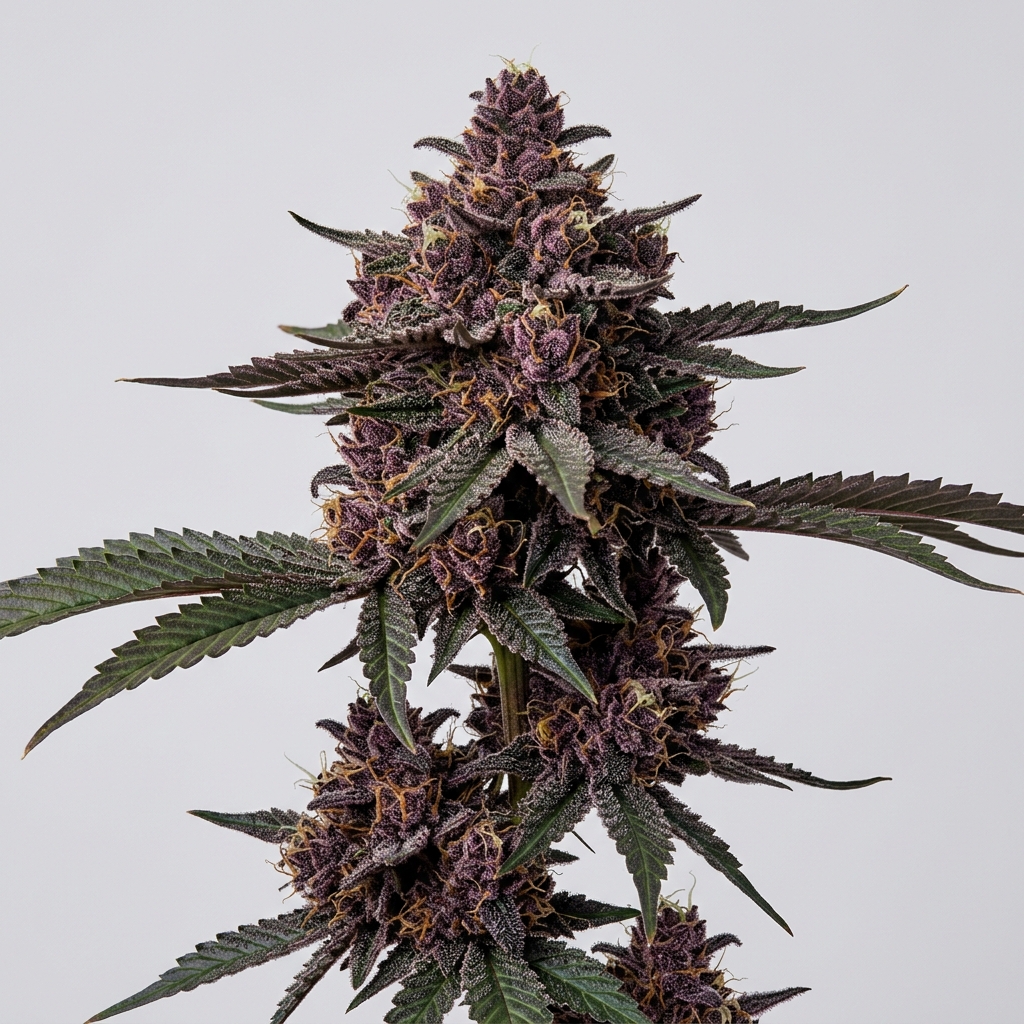
Cadillac Purple (Cannabis Strain)
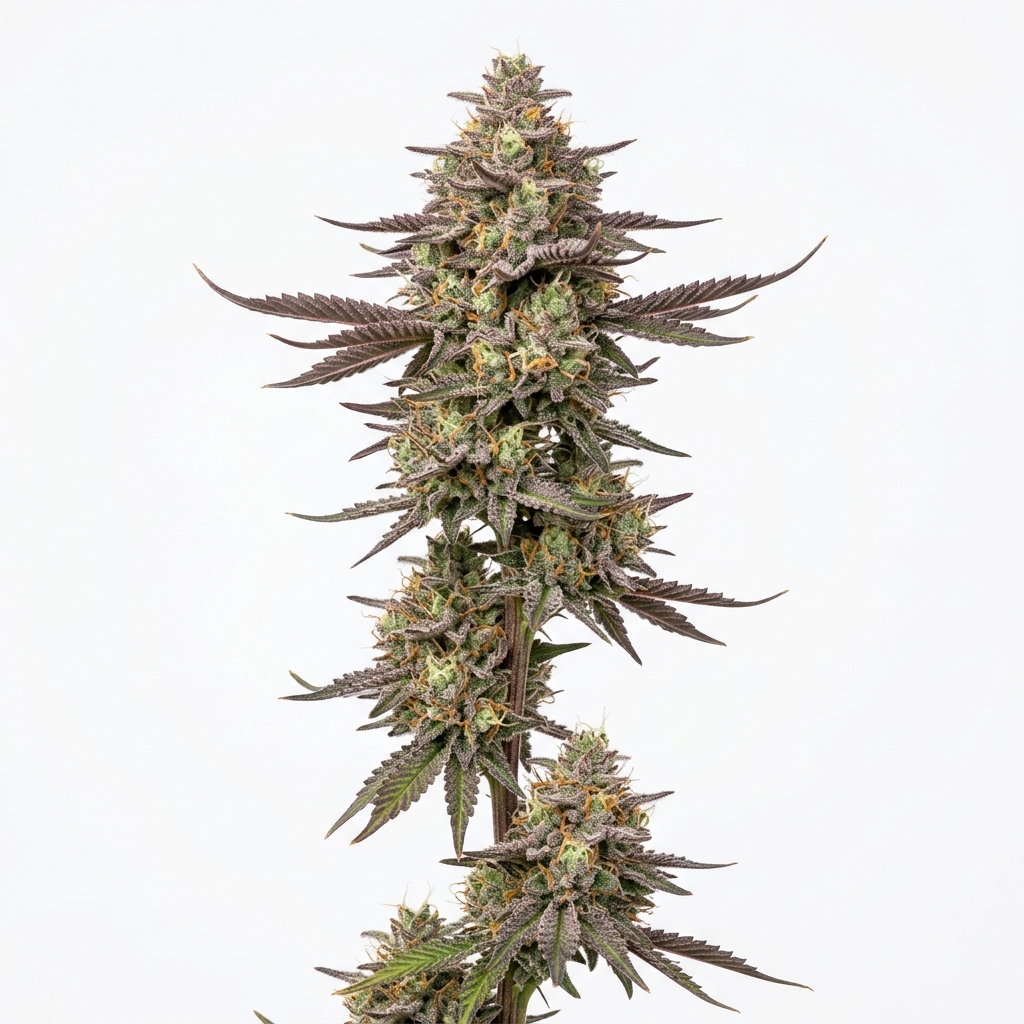
Cadillac Purple is an indica-dominant hybrid, commonly testing between 18% and 22% THC, created by crossing Blackberry Kush with The Black. Known for its deep violet hues and heavy resin coverage, this cultivar delivers a rich profile of sweet grape, dark berry, and earthy hash notes. The plants grow stocky and dense, making them highly favored by indoor growers seeking a classic, terpene-rich purple variety with manageable space requirements.
Cultivators value this strain for its reliable cold-induced coloration and the dense, resin-rich flowers it produces during late bloom. It serves as a staple for evening selections, prized for its classic indica structure and smooth, perfume-like finish.
Quick Facts
| Key Metric | Details |
|---|---|
| Genetics | Blackberry Kush × The Black |
| Variety | Indica-dominant Hybrid |
| THC Range | 18% – 22% |
| Flowering Time | 8 – 9 Weeks |
| Yield Potential | Moderate |
| Plant Height | Short to Medium |
| Climate Preference | Cool to Temperate |
| Difficulty | Moderate |
Scientific & Botanical Overview
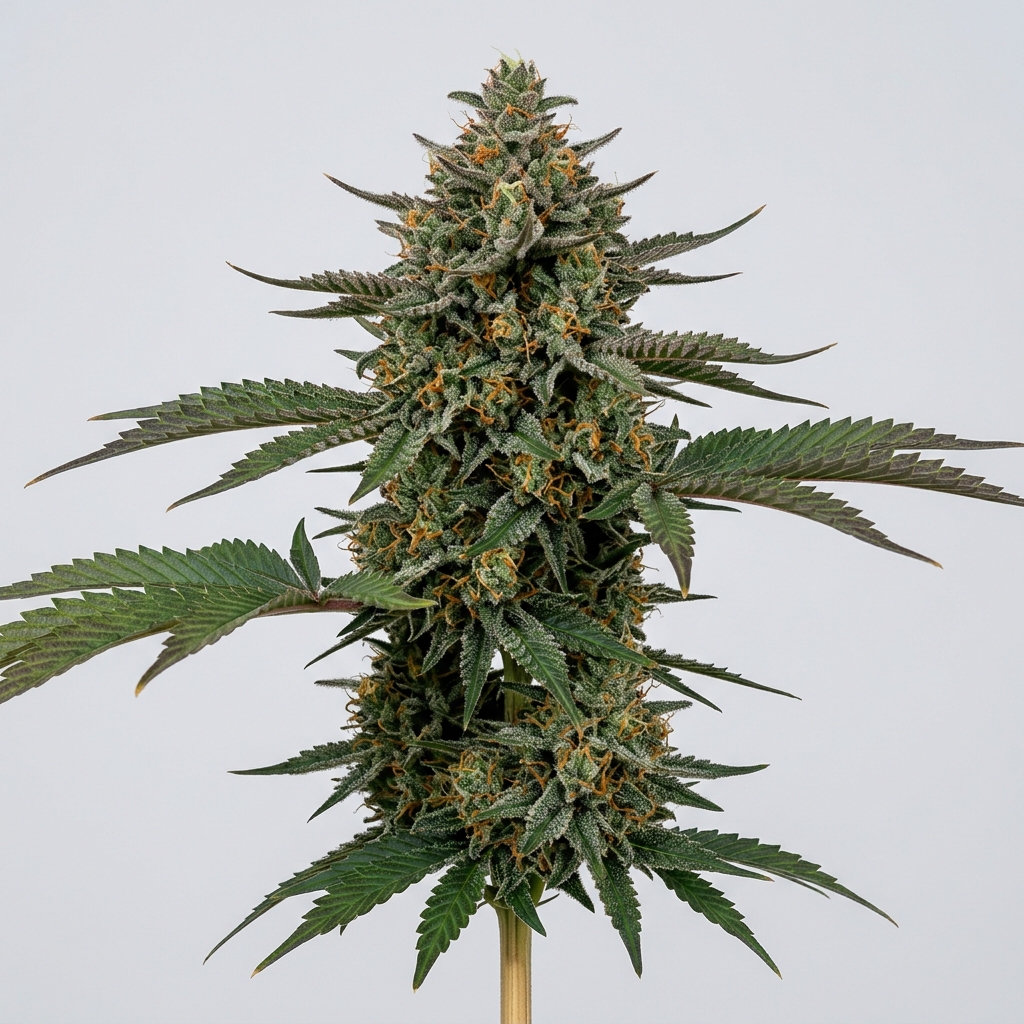
Cadillac Purple shows classic indica morphology, characterized by broad fan leaves, thick stems, and tight internodal spacing. The vegetative stage requires patience, as the plant focuses its energy on building a sturdy, compact frame rather than rapid vertical stretch. This structure makes it exceptionally suited for indoor setups with vertical height limitations.
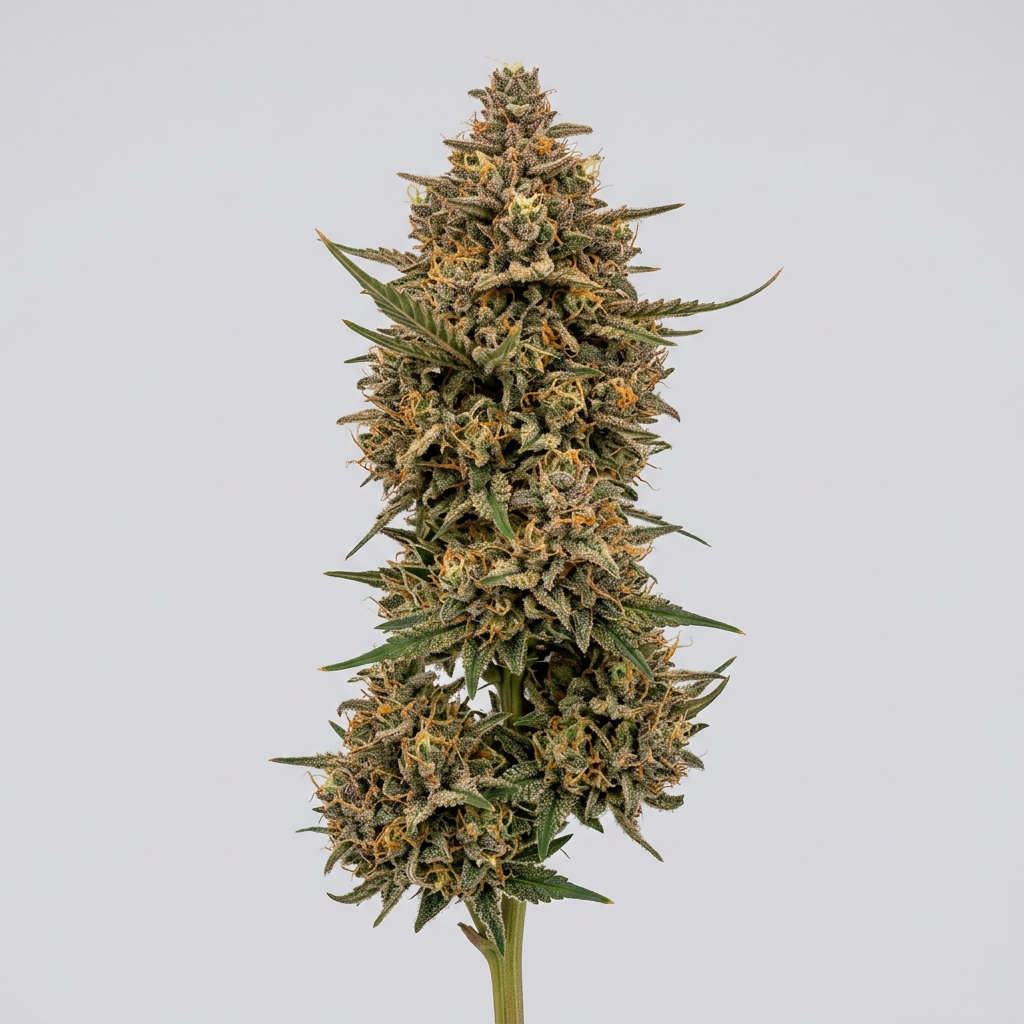
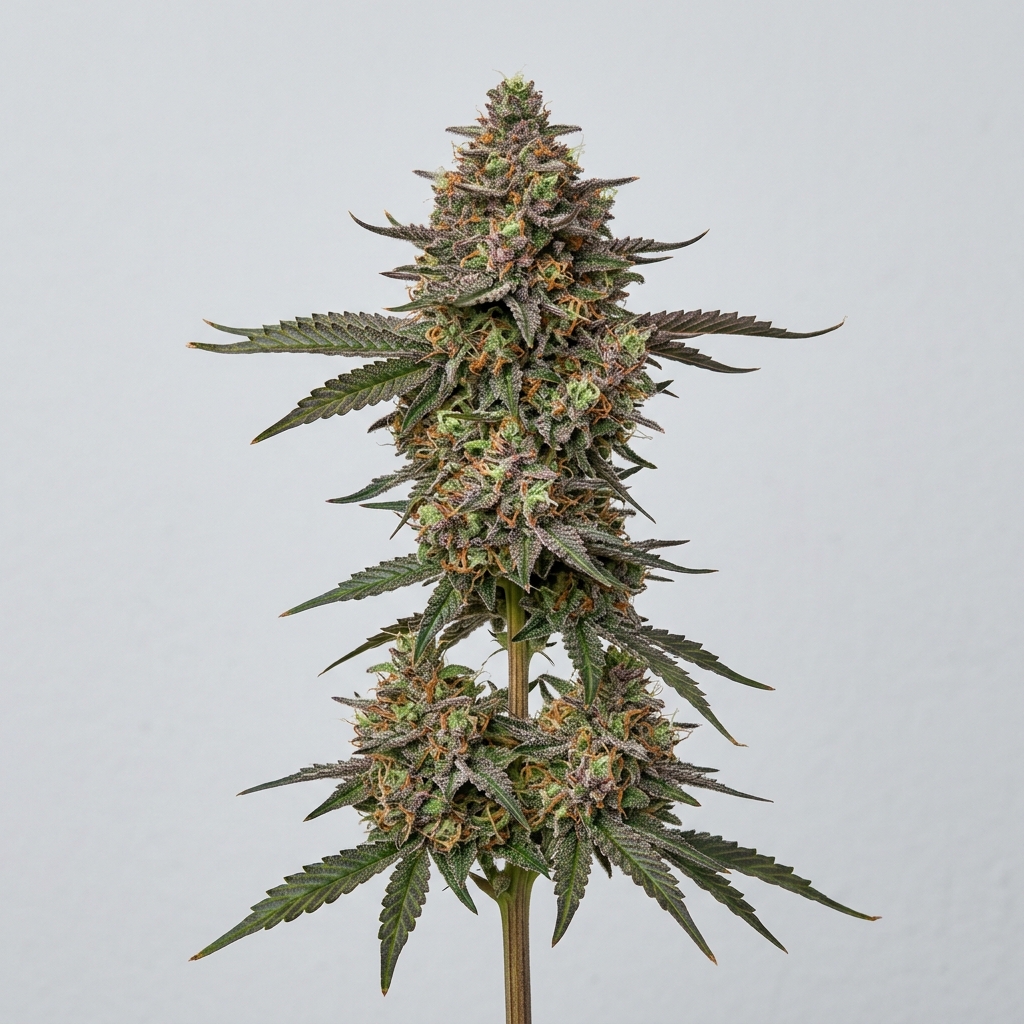
During the flowering cycle, the cultivar showcases high concentrations of anthocyanins, which transition the dense bracts and leaves from deep forest green to rich shades of royal purple and near-black. This color shift is highly dependent on nighttime temperature drops in the grow room during the final weeks. The buds themselves mature into tight, golf-ball-shaped clusters with minimal leaf-to-calyx ratio.
The trichome development is dense and uniform, blanketing the swollen calyxes in a layer of glassy, semi-viscous resin. This resin-rich surface makes the dried flowers highly tactile, maintaining a sticky, greasy texture even after a prolonged cure. The heavy resin output also makes this strain a viable candidate for solventless extraction methods.
Effects & Use-Cases (Reported)
Commonly reported effects: Users frequently describe a deep, physical relaxation that settles heavily over the body, accompanied by a calm, quiet mental state. The onset is typically slow and steady, easing physical tension without an immediate cerebral rush. This physical weight makes it a classic couch-lock choice for experienced consumers.
Use-case context: Given its heavy physical profile, this strain is best reserved for late-evening use, wind-down routines, or rest-focused sessions. It is a popular choice for quiet nights at home when physical comfort and relaxation are the primary goals. It is rarely recommended for daytime activities requiring high focus or physical energy.
Note: Individual experiences may vary, and high doses can lead to heavy sedation and prolonged drowsiness.
Aroma & Flavors
Aroma: A dominant blend of sweet grape and dark berry edge, supported by an earthy kush base and a subtle hint of spicy hash. The scent profile intensifies significantly when the buds are broken apart, releasing a deeper, muskier fuel note.
Flavor: The smoke delivers a smooth, perfume-like sweetness on the inhale, leaving a lingering taste of dark fruit and tart gas on the palate. The finish is notably smooth, with minimal harshness when properly flushed and cured.
Terpene associations: Typically dominated by myrcene, caryophyllene, and linalool, which contribute to its sweet, floral, and herbal profile.
Tested Cannabinoid & Terpene Ranges
| Compound | Typical Range |
|---|---|
| Δ9-THC | 18.0% – 22.0% |
| CBD | < 0.5% |
| Myrcene | 0.5% – 0.9% |
| Caryophyllene | 0.3% – 0.6% |
| Linalool | 0.1% – 0.3% |
| Limonene | 0.1% – 0.2% |
Note: Cannabinoid and terpene levels are highly variable and depend heavily on individual phenotype, environmental factors, and cultivation practices.
Cultivation Notes
- Humidity control: Maintain late-flower humidity below 45% to protect the dense, compact colas from moisture retention and bud rot.
- Defoliation: Strip broad fan leaves before the flip and again in week three of flower to improve airflow and light penetration through the tight canopy.
- Temperature drops: Introduce a 10-degree Fahrenheit drop in nighttime temperatures during the final two weeks of bloom to bring out the deep purple hues.
- Nutrient requirements: This cultivar prefers moderate feeding; avoid heavy nitrogen in late vegetative growth to prevent leaf curl and light burn.
- Training: use low-stress training (LST) or a ScROG net to spread the stocky branches and maximize the exposure of lower bud sites.
Grower Notes (Week-by-Week Snapshot)
- Weeks 1–3 (Transition & Stretch): Expect minimal stretch, typically doubling in height at most. Focus on tucking large fan leaves and establishing a flat, even canopy.
- Weeks 4–6 (Mid-Flower Development): Buds begin to stack into tight, golf-ball-sized clusters. Resin production starts early on the sugar leaves, accompanied by a sweet berry scent.
- Weeks 7–9 (Late Flower & Ripening): Lower night temperatures to encourage anthocyanin expression. The green fan leaves will fade to deep violet, and trichomes will transition from clear to cloudy.
- Post-Harvest (Dry & Cure): Implement a slow 10-to-14-day dry at 60°F and 60% relative humidity to preserve the delicate, floral terpene profile before a minimum three-week jar cure.
Genetic Lineage
Cadillac Purple inherits its robust physical traits and rich berry aroma from Blackberry Kush, a highly esteemed indica cross of Blackberry and Bubba Kush. This parent delivers the signature sweet, dark fruit notes and the dense, resin-rich flower structure that defines the offspring.
The second parent, The Black, is a mysterious, dark-leafed indica strain known for its near-black coloration and deep physical effects. This genetic contribution reinforces the offspring’s intense color potential, heavy resin yield, and relaxing qualities, cementing its place as a classic heavy indica.
Research Insights
Analytical data on Cadillac Purple highlights a terpene profile dominated by myrcene and caryophyllene, with notable secondary concentrations of linalool. This specific combination suggests a significant contribution to the strain’s deeply relaxing physical profile and sweet, floral aroma. The presence of caryophyllene also points to potential interaction with peripheral cannabinoid receptors.
Breeders and researchers observe that the high anthocyanin content in this cultivar correlates with its resilience to cooler night temperatures. This genetic trait makes it a valuable subject for studying environmental influences on flavonoid and cannabinoid synthesis in dark-pigmented cannabis varieties.
Frequently Asked Questions
What is the genetic background of Cadillac Purple?
Cadillac Purple is an indica-dominant hybrid bred from a cross of Blackberry Kush and The Black, combining dark berry aromas with deep purple coloration.
How long does Cadillac Purple take to flower?
This strain typically completes its flowering cycle in 8 to 9 weeks when grown indoors, producing dense, resin-coated purple colas.
What does Cadillac Purple smell like?
It features a rich aroma of sweet grape, dark berry, and earthy hash, with a smooth, floral, and perfume-like flavor on the exhale.
Is Cadillac Purple difficult to grow?
It is considered moderately difficult to grow due to its dense canopy and susceptibility to high humidity. Proper defoliation and strict humidity control in late flower are essential.
Educational Disclaimer
This article is intended purely for educational and informational purposes. Cannabis laws and regulations vary significantly by jurisdiction. Always consult with a qualified professional before undertaking any cultivation or consumption practices, and ensure compliance with all local laws.
Rate and review this strain
Ratings and reviews are accepted only from signed-in Google accounts.
Sign in with Google to leave a rating and written review.
Latest Reviews
0 reviewsNo reviews yet. Be the first Google user to rate and review this strain.