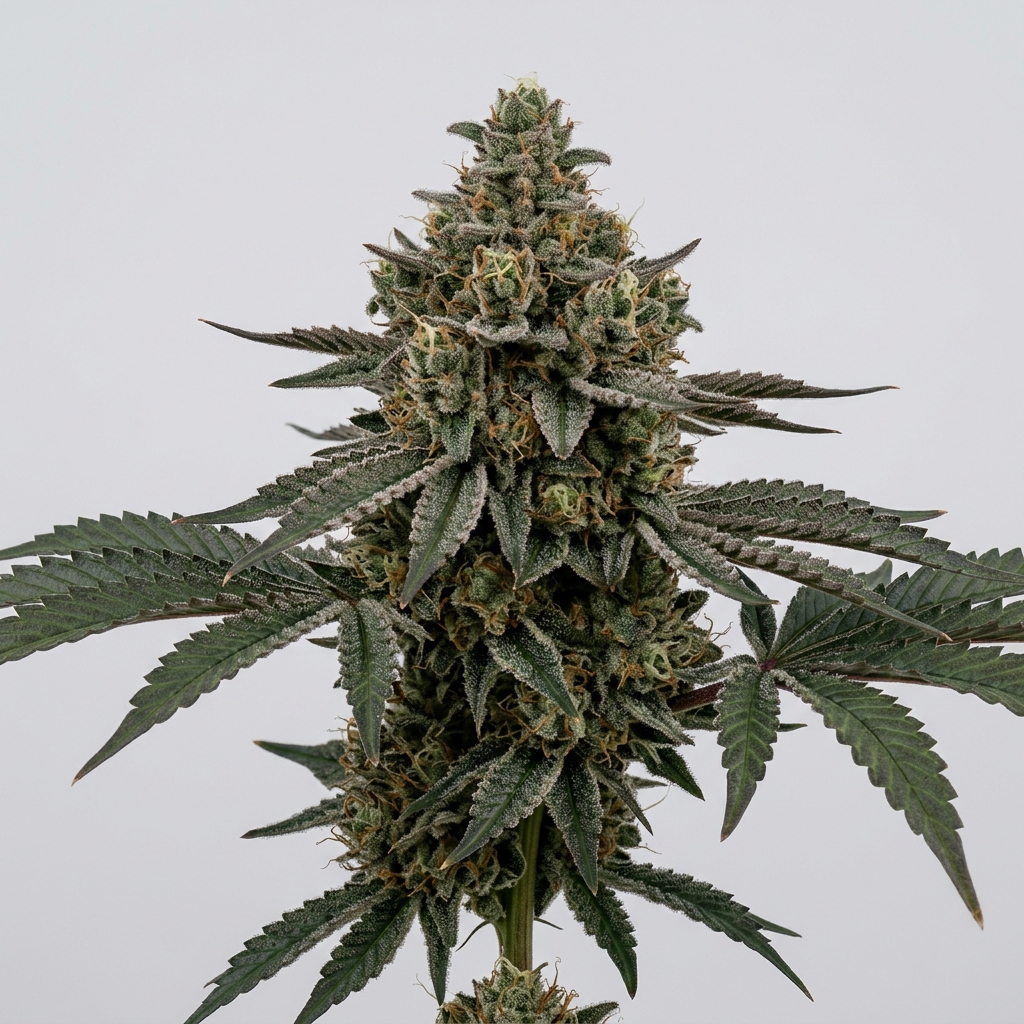
Bullfighter (Cannabis Strain)
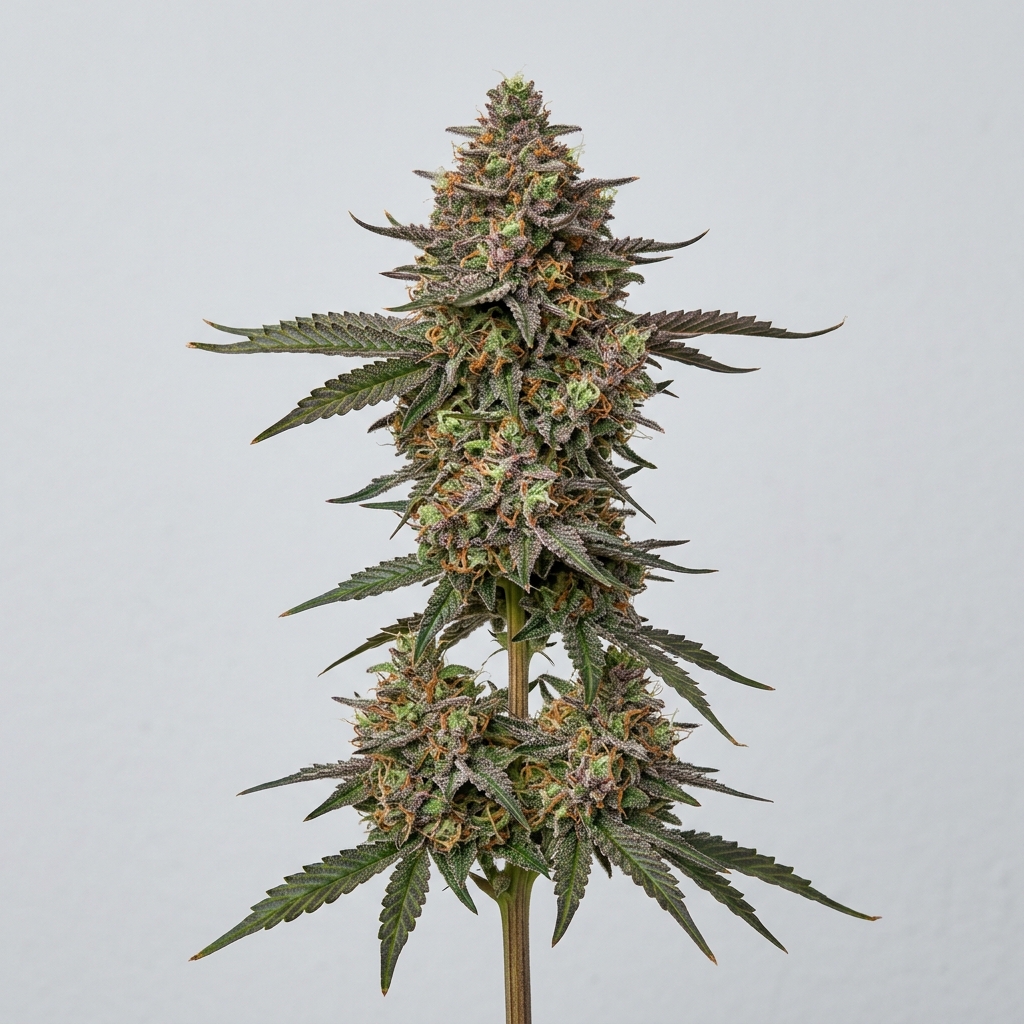
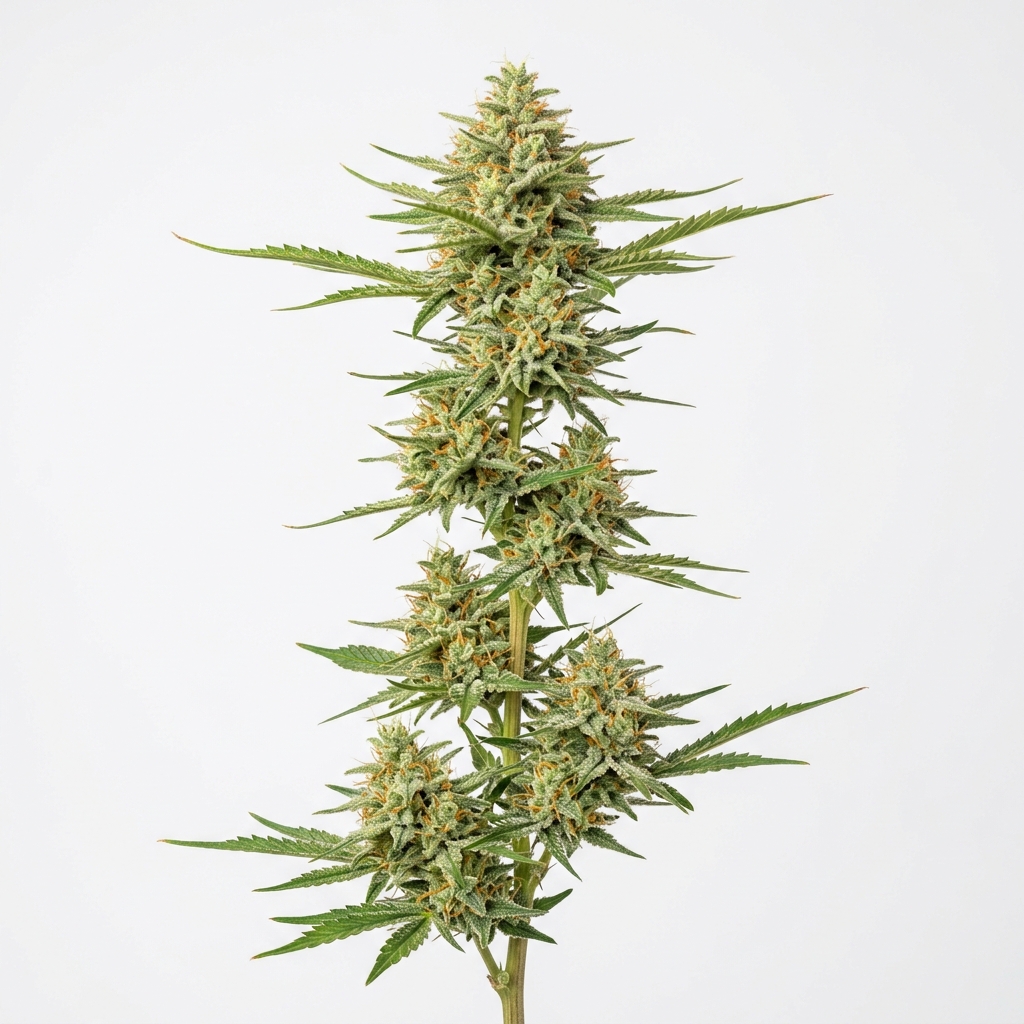
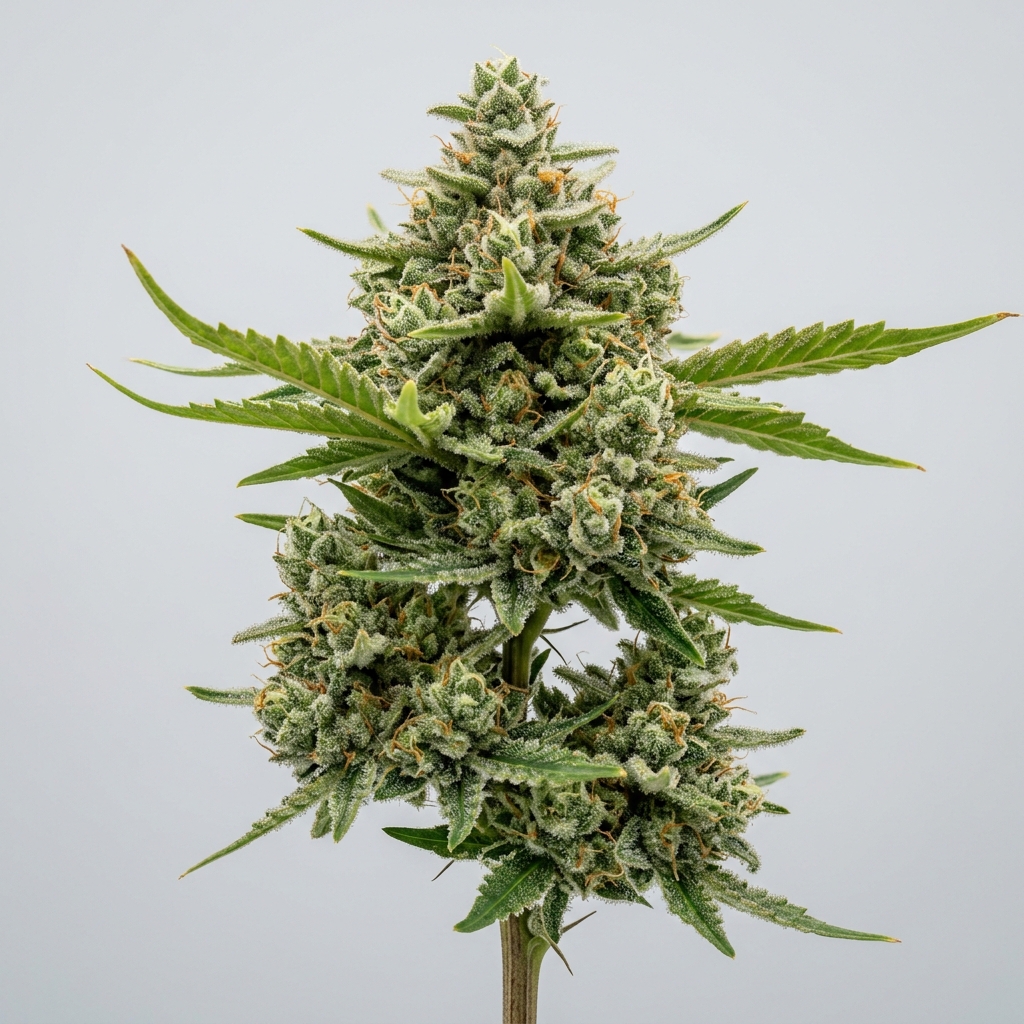
Bullfighter is a heavy evening hybrid, typically testing between 18% and 23% THC, created by crossing the legendary Bullrider with a robust Afghani landrace. Known for its dense, resin-rich flowers and classic indica structure, this cultivar delivers a deep profile of earthy pine, hashish, and subtle sweet skunk. It shows a controlled stretch during early flower, producing thick, greasy spear colas that appeal to growers seeking traditional hash-grade resin.
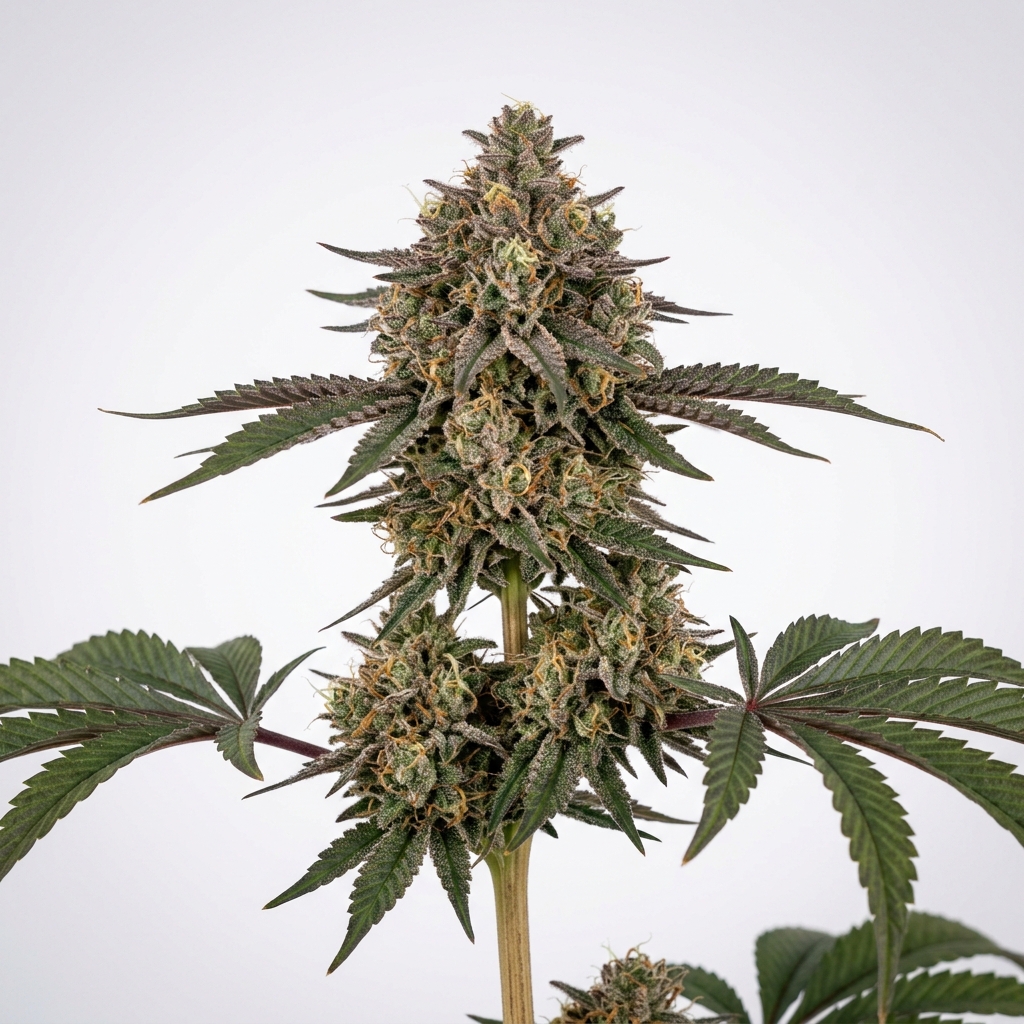
Cultivators value this strain for its reliable physical traits, including broad fan leaves and strong lateral branches that support heavy floral clusters. While it demands careful humidity management in late flower due to its dense bract structure, its resilience to temperature fluctuations makes it a stable choice for experienced gardens.
Quick Facts
| Attribute | Detail |
|---|---|
| Genetics | Bullrider × Afghani |
| Variety | Indica-dominant hybrid |
| THC Range | 18% – 23% |
| Flowering Time | 8 – 9 weeks |
| Yield Potential | Moderate to High |
| Plant Height | Medium, compact |
| Climate Preference | Temperate, low late-flower humidity |
| Difficulty | Moderate |
Scientific & Botanical Overview
Broad fan leaves and tight internodal spacing characterize the vegetative phase of Bullfighter. The plant establishes a sturdy, stocky frame early, allowing it to support heavy terminal buds without requiring excessive trellising. Its thick woody stems are highly efficient at nutrient uptake, sustaining the cultivar through rapid mid-season growth.
During the transition to flower, the stretch remains minimal, usually averaging a fifty percent increase in total height. The calyxes swell significantly, forming tightly clustered, pinecone-shaped buds coated in a thick layer of greasy, non-viscous trichomes. This heavy resin coverage extends to the surrounding sugar leaves, making the trim highly valuable for extraction.
Anthocyanin expression is uncommon but can be coaxed out with cooler night temperatures in the final two weeks of the cycle. Under these conditions, the foliage may reveal subtle plum hues beneath its dense blanket of silver resin, though the buds themselves typically remain a deep olive green.
Effects & Use-Cases (Reported)
Commonly reported effects: Users often describe a heavy, grounding physical sensation that begins in the limbs and settles into a deep state of relaxation. The mental state remains calm and unhurried, avoiding the soaring cerebral stimulation common in sativa-dominant varieties.
Use-case context: This profile makes the cultivar highly suited for late-evening wind-down routines or quiet, sedentary activities. Its physical heaviness is preferred by those seeking relief from physical tension or looking to transition into a restful night.
Note: Individual responses to specific cannabinoid profiles can vary, and high-potency selections should be approached with moderation by novice consumers.
Aroma & Flavors
Aroma: The primary aromatic impression is dominated by damp forest floor, fresh pine needles, and a sharp, traditional hashish spice. A subtle undercurrent of sweet skunk and wet earth becomes more pronounced once the cured buds are broken apart.
Flavor: On the palate, the smoke carries a heavy, velvety texture with a distinct herbal and wood-smoke taste. The exhale leaves a lingering finish of tart earth and mild black pepper.
Terpene associations: Analytical profiles frequently show a dominance of myrcene, supported by secondary concentrations of caryophyllene and pinene, which shape its grounded sensory character.
Tested Cannabinoid & Terpene Ranges
| Compound | Tested Range |
|---|---|
| Δ9-THC | 18.0% – 23.0% |
| CBD | < 0.5% |
| Myrcene | 0.6% – 1.2% |
| Caryophyllene | 0.3% – 0.7% |
| Pinene | 0.2% – 0.5% |
Note: Cannabinoid and terpene levels are highly phenotype-dependent and subject to specific cultivation and curing methodologies.
Cultivation Notes
- Humidity Control: Keep relative humidity below 45% during the final three weeks of flowering to prevent moisture retention inside the dense, compact colas.
- Nutrient Regime: Bullfighter responds well to a moderate nitrogen feed in vegetative growth, transitioning to higher phosphorus and potassium levels during mid-flower.
- Pruning and Airflow: Implement strategic defoliation of the lower third of the canopy before the second week of flower to optimize airflow through the tight branch network.
- Harvest Timing: Look for a shift from clear to milky trichomes, with approximately twenty percent amber heads, to capture the peak physical profile.
Grower Notes (Week-by-Week Snapshot)
- Weeks 1–3 (Transition & Early Stretch): Expect a modest stretch; focus on tucking broad fan leaves to expose lower bud sites to direct light.
- Weeks 4–6 (Mid-Flower & Resin Development): Calyxes begin to stack and greasy resin starts to coat the surrounding sugar leaves; maintain steady daytime temperatures around 74°F.
- Weeks 7–9 (Late Flower & Ripening): Flush with plain water to clear built-up salts; drop night temperatures by 10°F to encourage final resin density and potential dark colorations.
Genetic Lineage
The heritage of Bullfighter traces back to a select phenotype of Bullrider, a strain famed for its intense physical effects and sweet, herbal undertones. To ground this lineage and improve structural stability, breeders introduced a classic, resinous Afghani landrace. This combination successfully tempered the somewhat wild growth habits of the Bullrider parent, resulting in a more predictable growth cycle and shorter flowering times.
This genetic pairing preserves the heavy resin production of both ancestors while enhancing the overall density of the floral clusters. The resulting offspring carries the physical resilience of the landrace parent, making it highly adaptable to indoor commercial setups where space and canopy management are critical.
Research Insights
Phytochemical analysis of this cultivar highlights a high concentration of sesquiterpenes, particularly caryophyllene, which interacts with peripheral receptors to support physical relaxation. The presence of pinene helps modulate the sedative qualities of myrcene, maintaining a clear, calm mental state without excessive cloudiness.
From a breeding perspective, the genetic stability of the Afghani parent ensures that key resin production traits are passed down reliably. This makes Bullfighter a valuable parent strain for developing concentrates and solventless extracts, as it consistently delivers high-density trichome heads with resilient membranes.
Frequently Asked Questions
Is Bullfighter suitable for outdoor cultivation?
Yes, but it is best suited for dry, Mediterranean climates. Because of its dense, tightly packed bud structure, late-season rainfall or high humidity can increase the risk of mold or bud rot near harvest.
What is the typical flowering time for Bullfighter?
When grown indoors, Bullfighter typically reaches full maturity within 8 to 9 weeks of flowering. Outdoor crops are usually ready for harvest by late September or early October.
How does Bullfighter taste compared to its parents?
Bullfighter carries a heavier, earthier taste than the original Bullrider, leaning more toward the spicy, hash-like flavors of the Afghani parent, with a subtle sweet skunk finish on the exhale.
Does this strain require heavy training?
No. Due to its stocky indica structure and strong lateral branches, it does not require intensive support. However, minor defoliation is recommended to maintain adequate airflow through the inner canopy.
Educational Disclaimer
This strain profile is for educational and informational purposes only. Cultivation and consumption of cannabis are subject to local laws and regulations, and users should consult local guidelines before proceeding.
Rate and review this strain
Ratings and reviews are accepted only from signed-in Google accounts.
Sign in with Google to leave a rating and written review.
Latest Reviews
0 reviewsNo reviews yet. Be the first Google user to rate and review this strain.