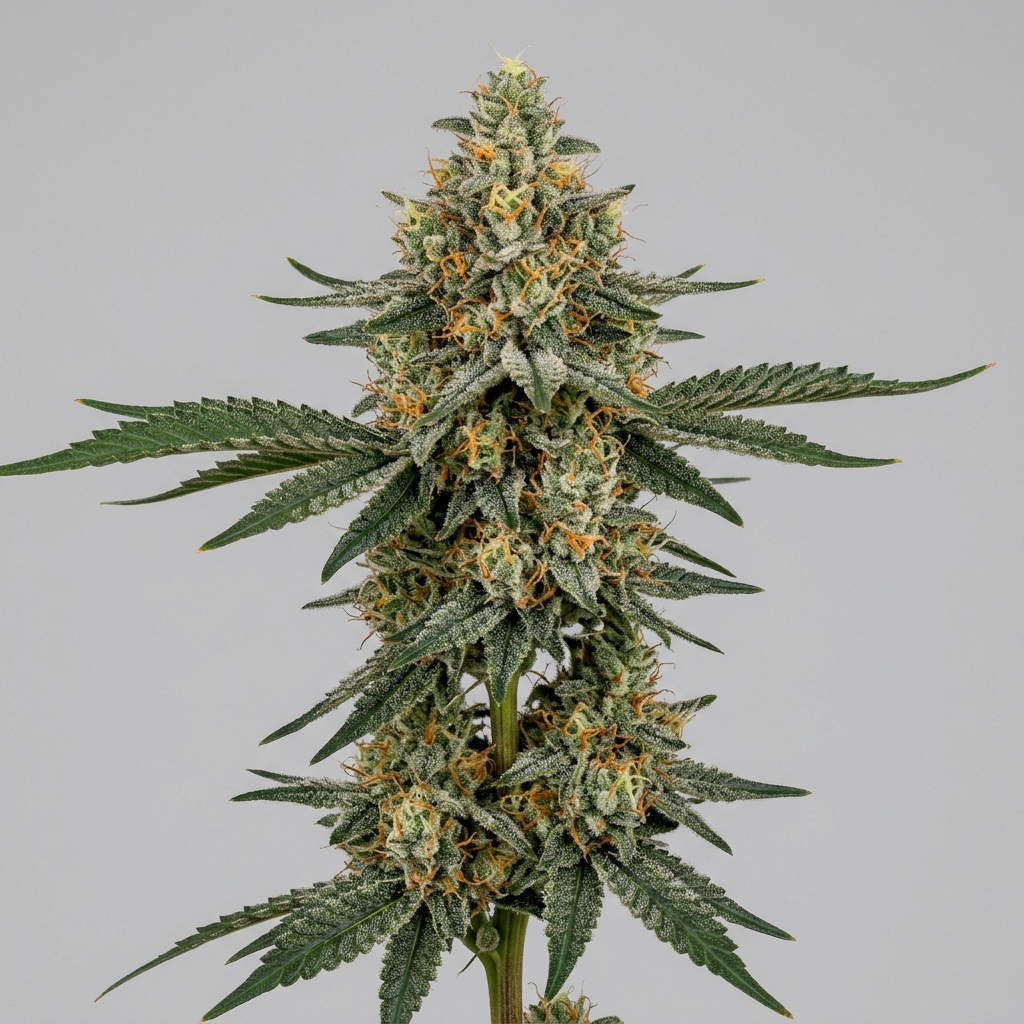
Brain Damage (Cannabis Strain)
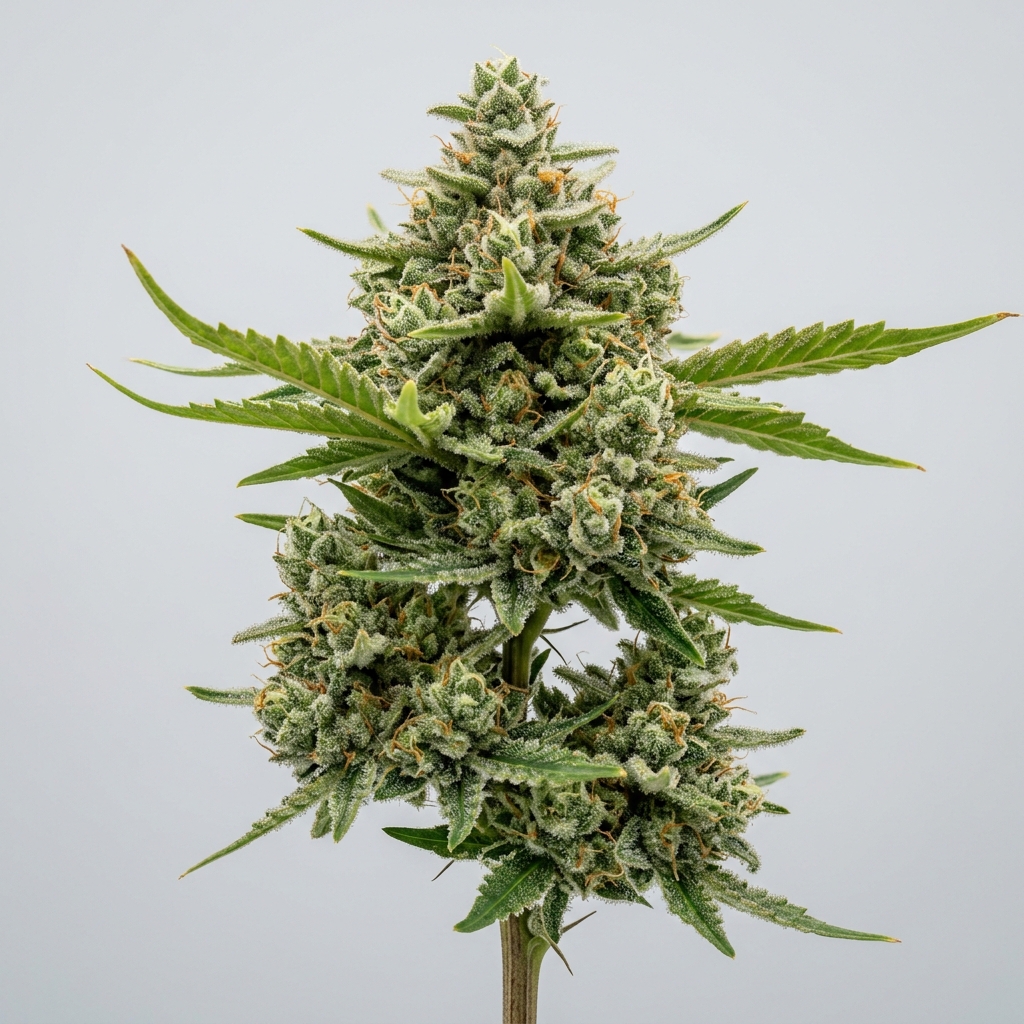
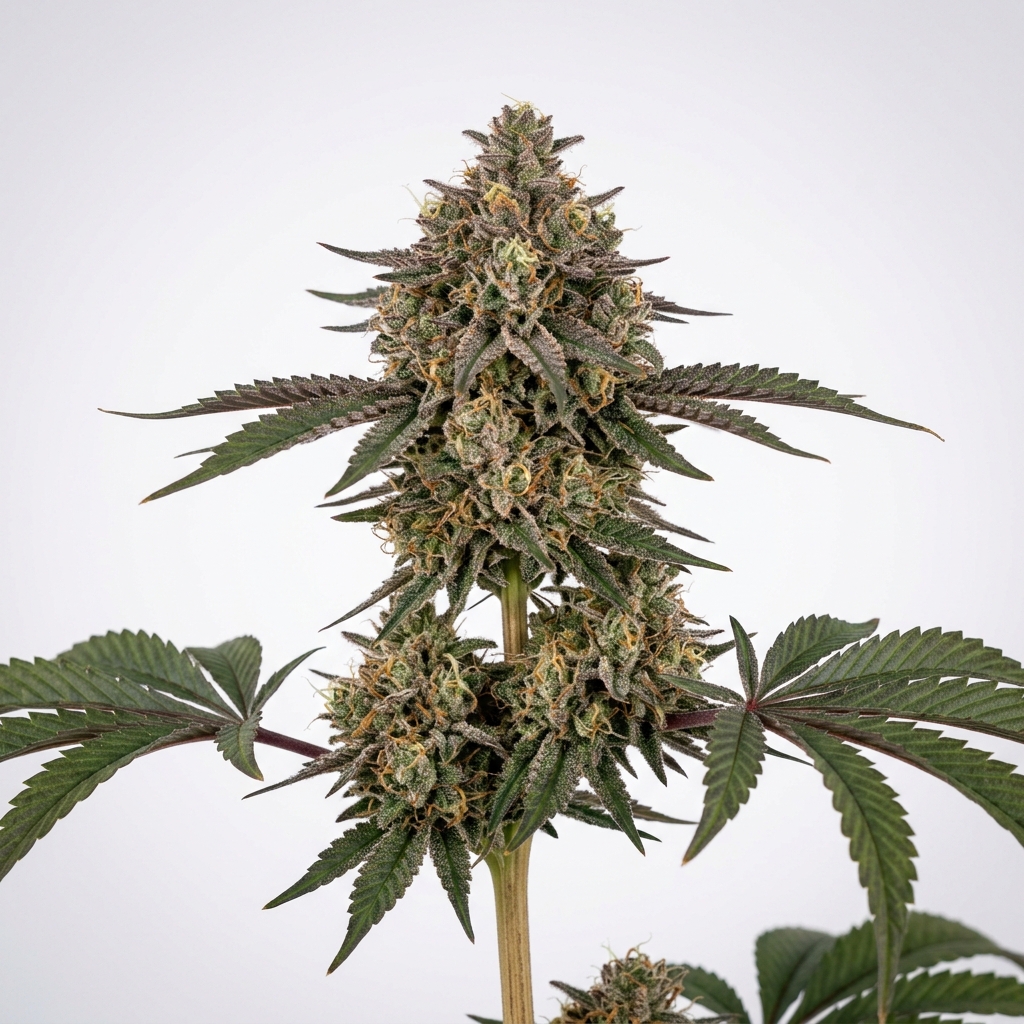
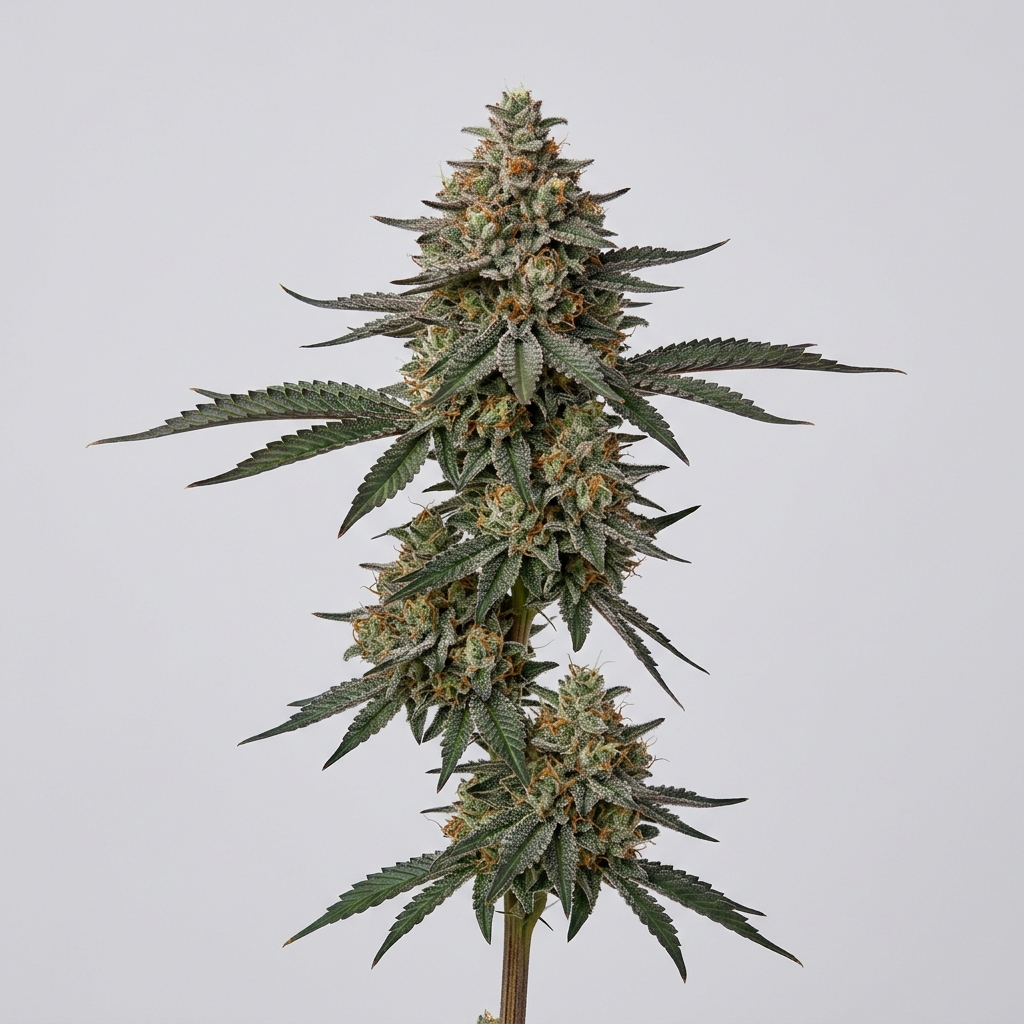
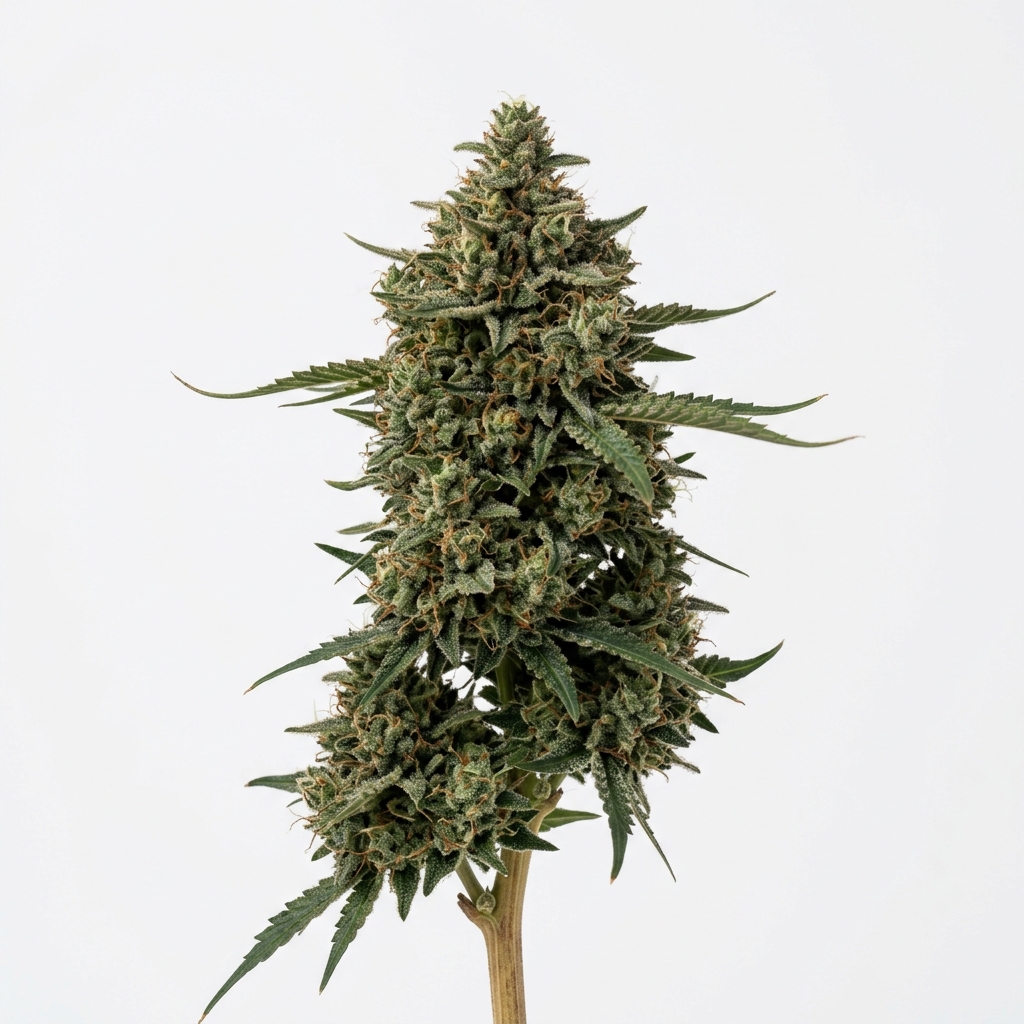
Brain Damage is a potent, heavy-hitting hybrid crossing the classic Dutch genetics of KC 36 and White Widow. Known for its heavy physical sedation and a THC range typically landing between 20% and 25%, this cultivar delivers a complex profile of sweet, earthy pine mixed with a sharp, spicy hash undertone. The plants grow with classic old-school vigor, producing dense, resin-drenched spear colas covered in a thick layer of glassy trichomes.
This strain has earned a steady reputation among experienced cultivators and consumers who prioritize physical depth over modern candy hype. It is not a daytime novelty; rather, it represents a return to robust, resin-rich genetics that demand careful late-flower humidity management and a patient cure to unlock their full aromatic potential.
Quick Facts
| Attribute | Details |
|---|---|
| Genetics | KC 36 × White Widow |
| Variety | Indica-dominant Hybrid |
| THC Range | 20% – 25% |
| Flowering Time | 8 – 10 Weeks |
| Yield Potential | Moderate to High |
| Plant Height | Medium to Tall |
| Climate Preference | Temperate / Mediterranean |
| Difficulty | Moderate |
Scientific & Botanical Overview
Botanically, Brain Damage shows a balanced but structurally robust morphology inherited from its Dutch lineage. The plants display broad, dark green fan leaves that require strategic defoliation to maintain optimal airflow through the lower canopy. Internodal spacing is moderately tight, leading to stacked, dense floral clusters along the main stems.
During the transition to flower, the cultivar undergoes a moderate stretch, often doubling in size depending on the vegetative duration. The buds develop into heavy, spear-shaped colas characterized by swollen calyxes and a remarkably high concentration of capitate-stalked trichomes. This high resin output becomes apparent by the fourth week of flowering, coating the sugar leaves in a greasy, wet frost.
The structural integrity of the branches is generally strong, though the sheer weight of the mature colas frequently necessitates secondary trellis support. Cultivators should monitor environmental parameters closely, as the dense bract structure of the mature flowers can trap moisture in humid settings.
Effects & Use-Cases (Reported)
Commonly reported effects: Consumers frequently describe a rapid, heavy physical sensation that transitions into a deep, long-lasting state of sedation. The initial onset brings a soft mental haze, which quickly settles into a profound heaviness throughout the limbs.
Use-case context: Due to its intense physical weight, this cultivar is strictly suited for late-evening or nighttime use. It is highly valued by those seeking to unwind after demanding physical labor or looking for a quiet, stationary experience.
Note: The high potency and heavy physical profile of this strain may feel overwhelming for novice consumers or those sensitive to strong sedative properties.
Aroma & Flavors
Aroma: A pungent blend of damp earth, fresh pine, and spicy hash, lifted by a subtle, sweet fruitiness that emerges as the buds are broken apart.
Flavor: The smoke is thick and expansive, delivering a rich, classic kush taste dominated by toasted spices and wood, with a lingering sweet herbal finish.
Terpene associations: Typically dominated by myrcene, caryophyllene, and limonene, which drive its earthy depth, spicy warmth, and subtle citrus lift.
Tested Cannabinoid & Terpene Ranges
| Compound | Typical Range |
|---|---|
| Δ9-THC | 20.0% – 25.0% |
| CBD | < 1.0% |
| Myrcene | 0.5% – 1.2% |
| Caryophyllene | 0.3% – 0.8% |
| Limonene | 0.2% – 0.6% |
Note: Cannabinoid and terpene profiles are highly variable and depend heavily on environmental factors, lighting, and cultivation methods.
Cultivation Notes
- Humidity Control: Keep relative humidity (RH) below 45% during the final three weeks of flowering to prevent moisture retention in the dense, resinous colas.
- Nutrient Feeding: This cultivar is a moderate feeder; avoid heavy nitrogen applications in mid-to-late bloom to prevent leaf curl and maintain terpene clarity.
- Canopy Training: Implement low-stress training (LST) or topping early in the vegetative phase to promote lateral branching and even out the canopy.
- Defoliation: Perform a thorough strip of lower fan leaves and non-viable bud sites (lollipopping) before initiating the 12/12 light cycle to maximize airflow.
- Harvest Timing: Harvest when the trichomes are mostly milky with a modest scattering of amber for the most balanced expression of its physical traits.
Grower Notes (Week-by-Week Snapshot)
- Weeks 1–3 (Transition & Stretch): Plants show a steady, manageable stretch. Focus on tucking large fan leaves and establishing the primary canopy structure. Maintain moderate humidity (55–60% RH) and steady vegetative nutrients.
- Weeks 4–6 (Resin Development): Flower sites begin to stack rapidly, and trichome production accelerates on the sugar leaves. Introduce phosphorus- and potassium-rich nutrients, and lower the daytime RH to 50%.
- Weeks 7–9+ (Maturation & Flush): Buds swell significantly, turning into dense, heavy spears. Reduce RH to 40% and monitor the trichomes closely. Begin a clean water flush in the final 10 to 14 days to preserve the clean, sweet-hash flavor profile.
- Post-Harvest (Slow Dry & Cure): Hang the whole plant to dry at 60°F (15°C) and 60% RH for 12 to 14 days. A slow, controlled dry is essential to retain the delicate pine and sweet fruit terpenes before transferring to curing jars.
Genetic Lineage
The lineage of Brain Damage is rooted in classic European breeding, crossing the resilient KC 36 with the legendary White Widow. KC 36 contributes a robust physical structure, outdoor versatility, and a sweet, almost floral fruitiness. This pairing results in a plant that retains the vigor of its ancestors while delivering an enhanced resin profile.
White Widow, a cornerstone of Dutch coffeeshop history, infuses the cross with its signature thick coat of frosty trichomes and a sharp, earthy spice. This combination amplifies the physical potency of the offspring, cementing its place as a heavy-duty hybrid built for resin extraction and deep relaxation.
Research Insights
Analytical testing of Brain Damage highlights a terpene profile dominated by myrcene and caryophyllene, a combination frequently associated with physical sedation and muscle relaxation. The high concentration of these compounds works alongside the elevated THC levels to produce a prolonged, heavy physical experience.
From a breeding standpoint, the cultivar is highly valued for its stable resin production and strong physical structure. Its genetic resistance to cold temperatures, inherited from the KC 36 parent, makes it a resilient subject for studying environmental adaptability in high-resin cannabis cultivars.
Frequently Asked Questions
What is the genetic lineage of Brain Damage?
Brain Damage is a cross between the Dutch hybrid KC 36 and the classic, resin-heavy White Widow.
How long does Brain Damage take to flower?
Indoors, this cultivar typically requires 8 to 10 weeks of flowering to reach full maturity and peak resin production.
What does Brain Damage smell and taste like?
It offers a pungent, old-school profile of damp earth, fresh pine, and spicy hash, balanced by a subtle, sweet fruity finish.
Is Brain Damage difficult to grow?
It is considered moderately easy to grow due to its robust structure, though growers must carefully manage late-flower humidity to protect its dense buds from moisture issues.
Educational Disclaimer
This content is for educational and informational purposes only. Cannabis genetics and individual experiences can vary based on cultivation conditions and personal tolerance. Always consult local regulations before cultivating or consuming cannabis.
Rate and review this strain
Ratings and reviews are accepted only from signed-in Google accounts.
Sign in with Google to leave a rating and written review.
Latest Reviews
0 reviewsNo reviews yet. Be the first Google user to rate and review this strain.